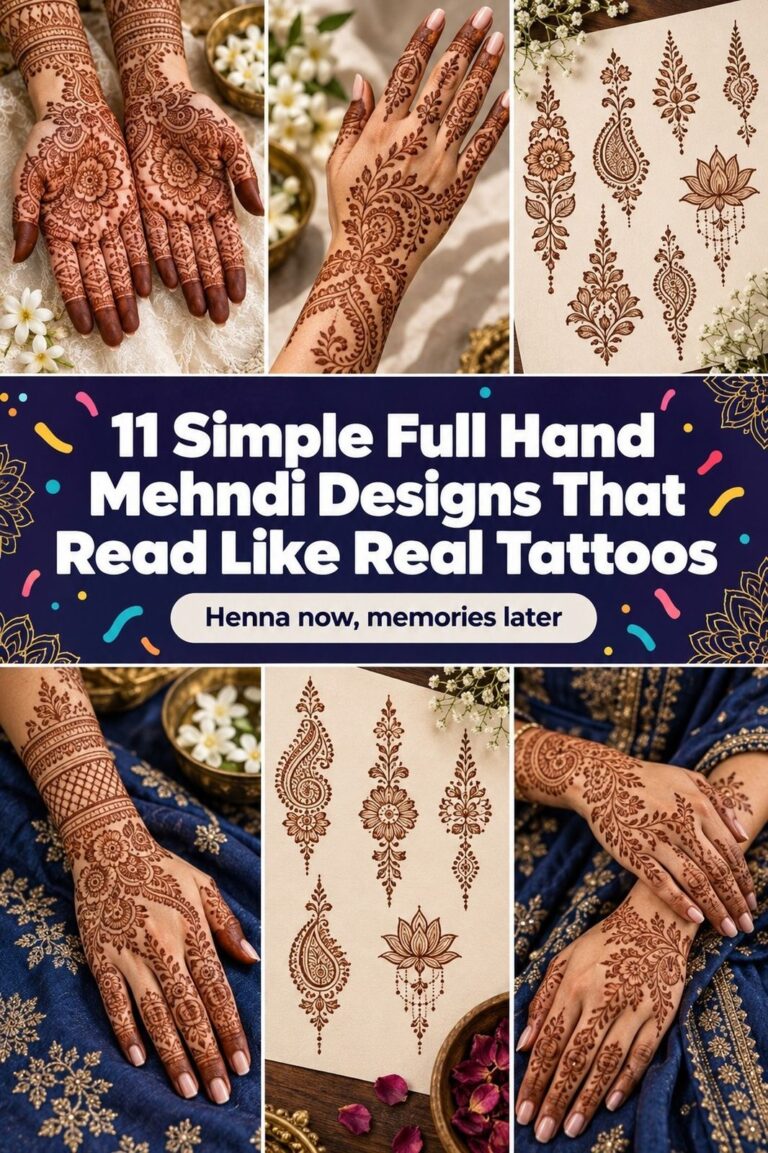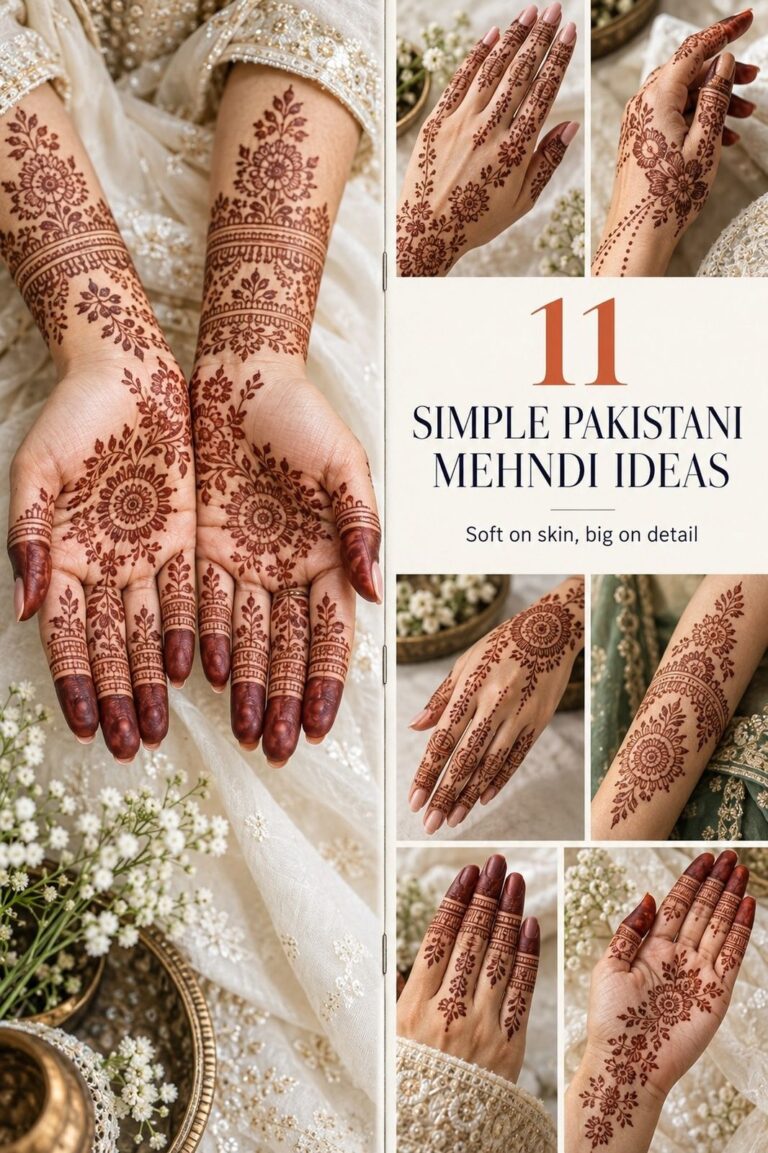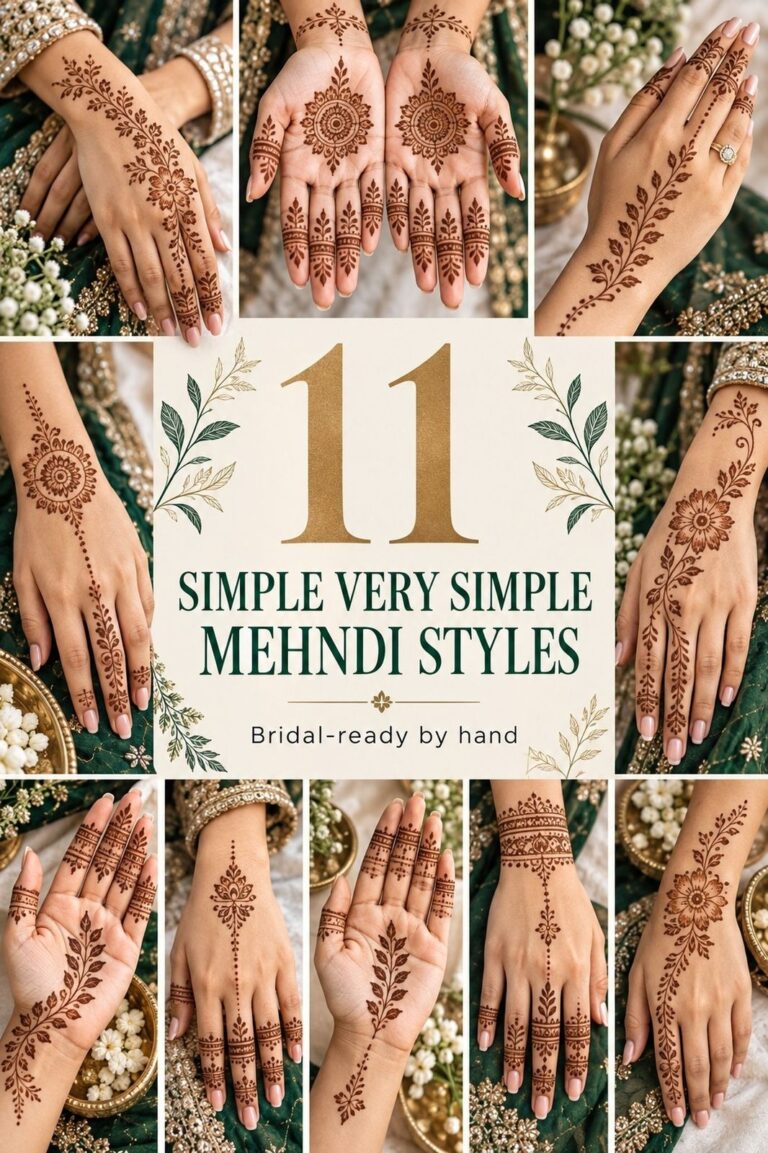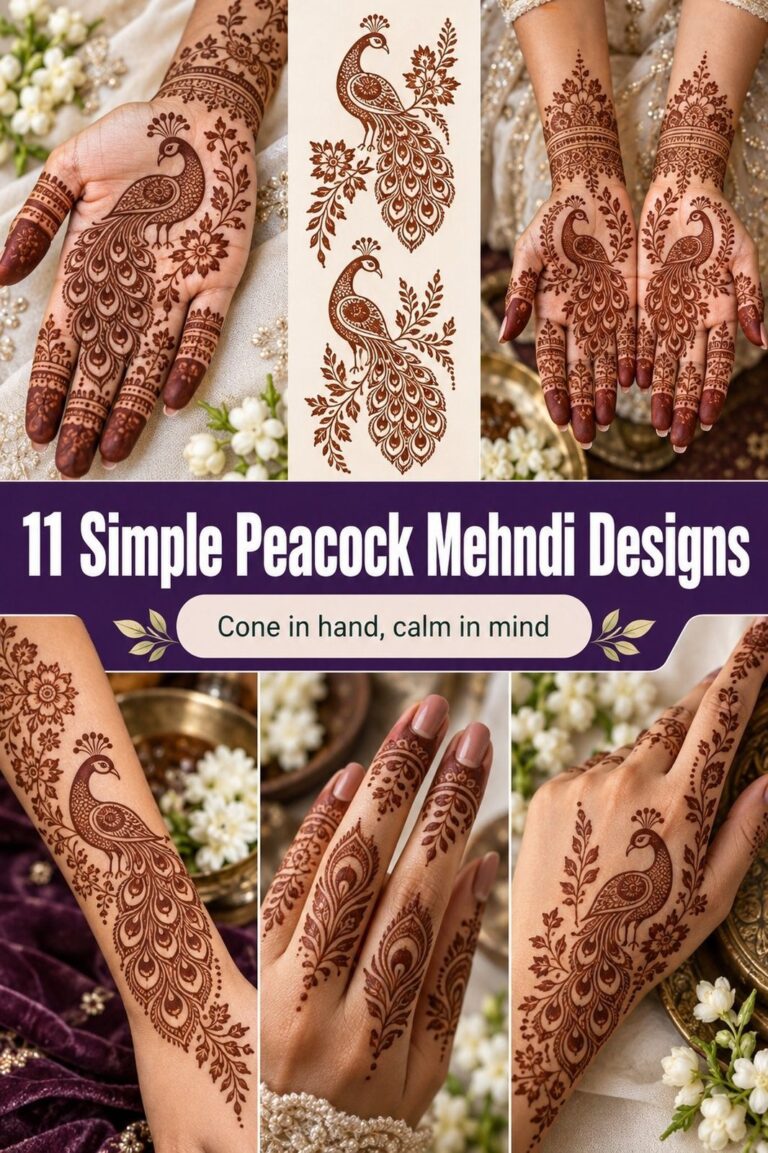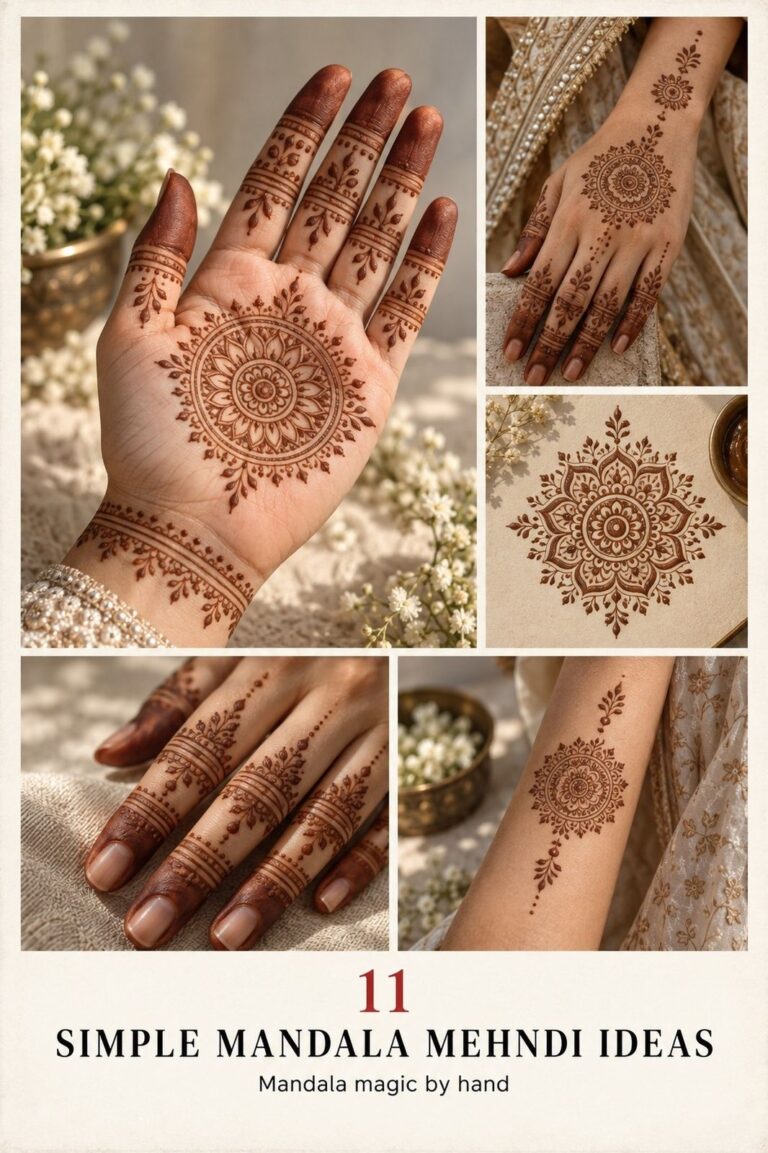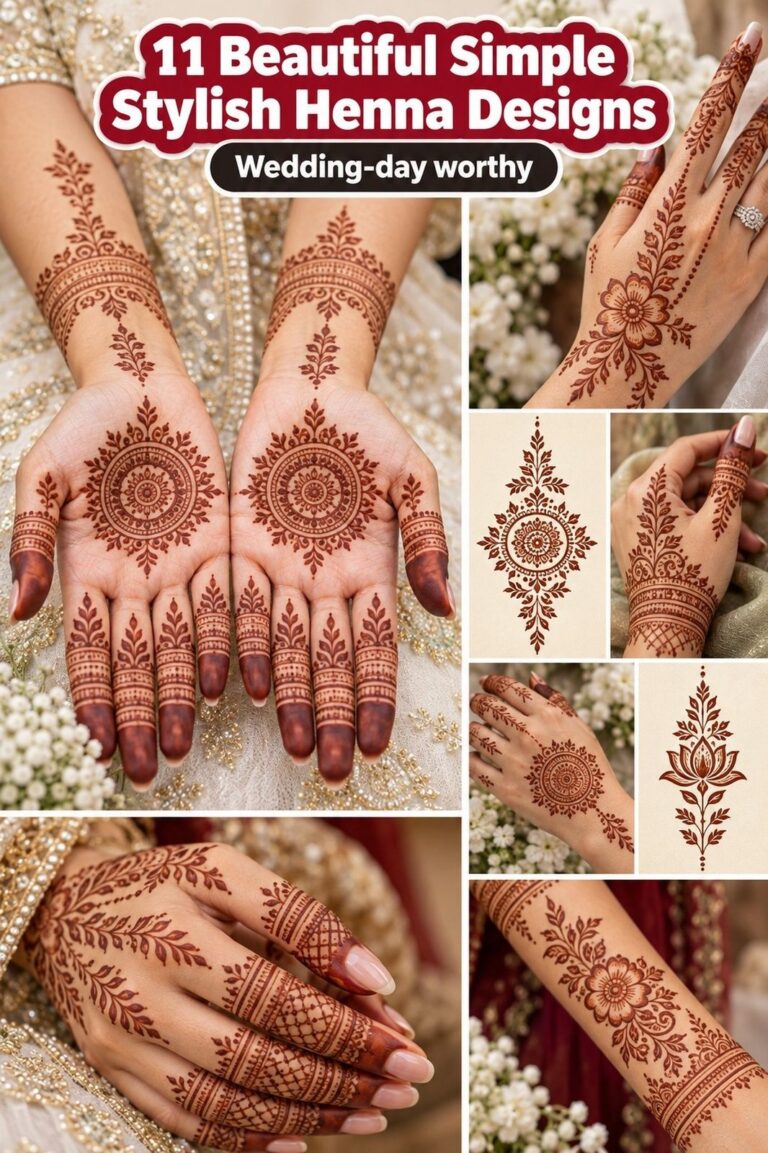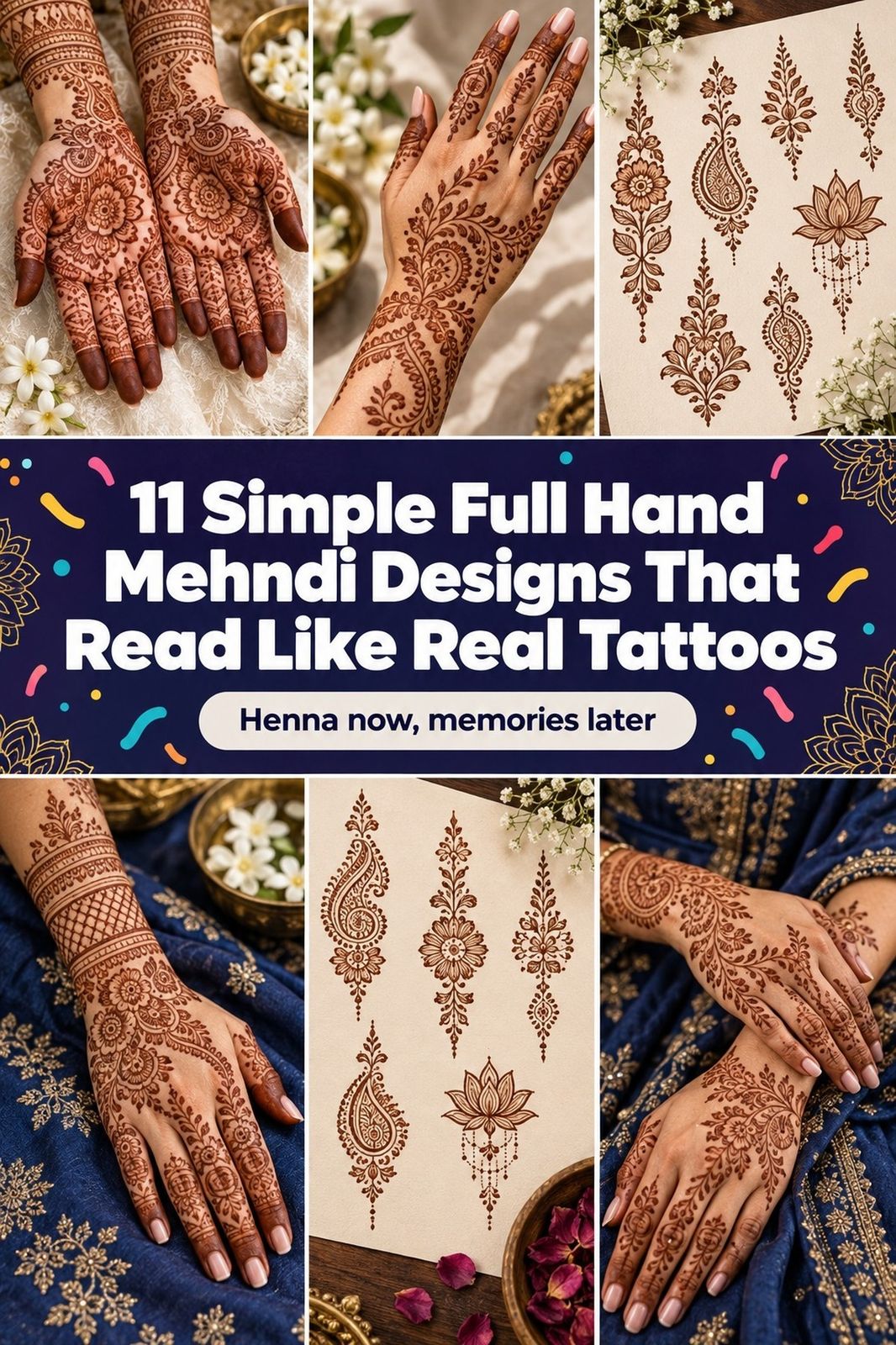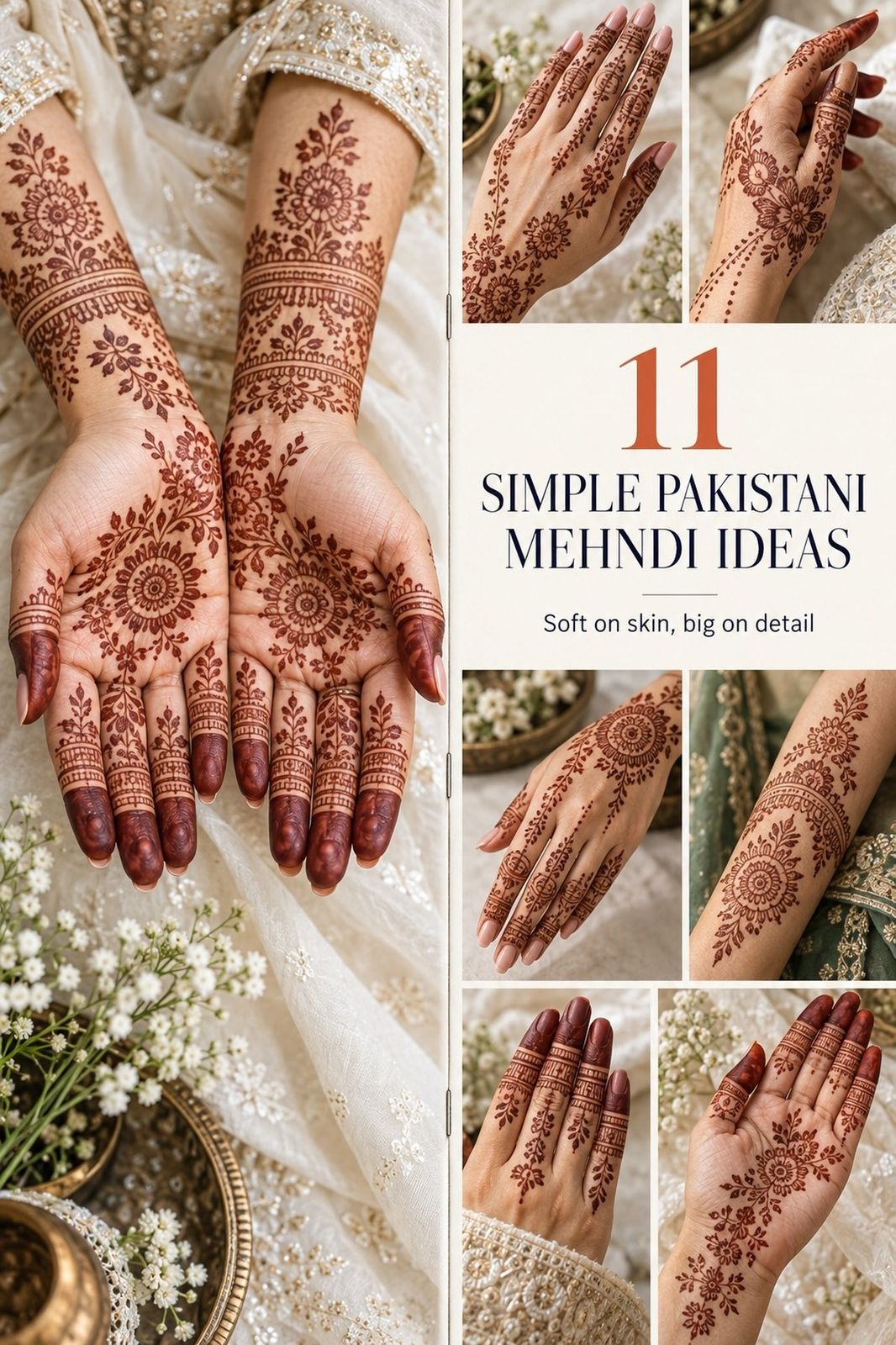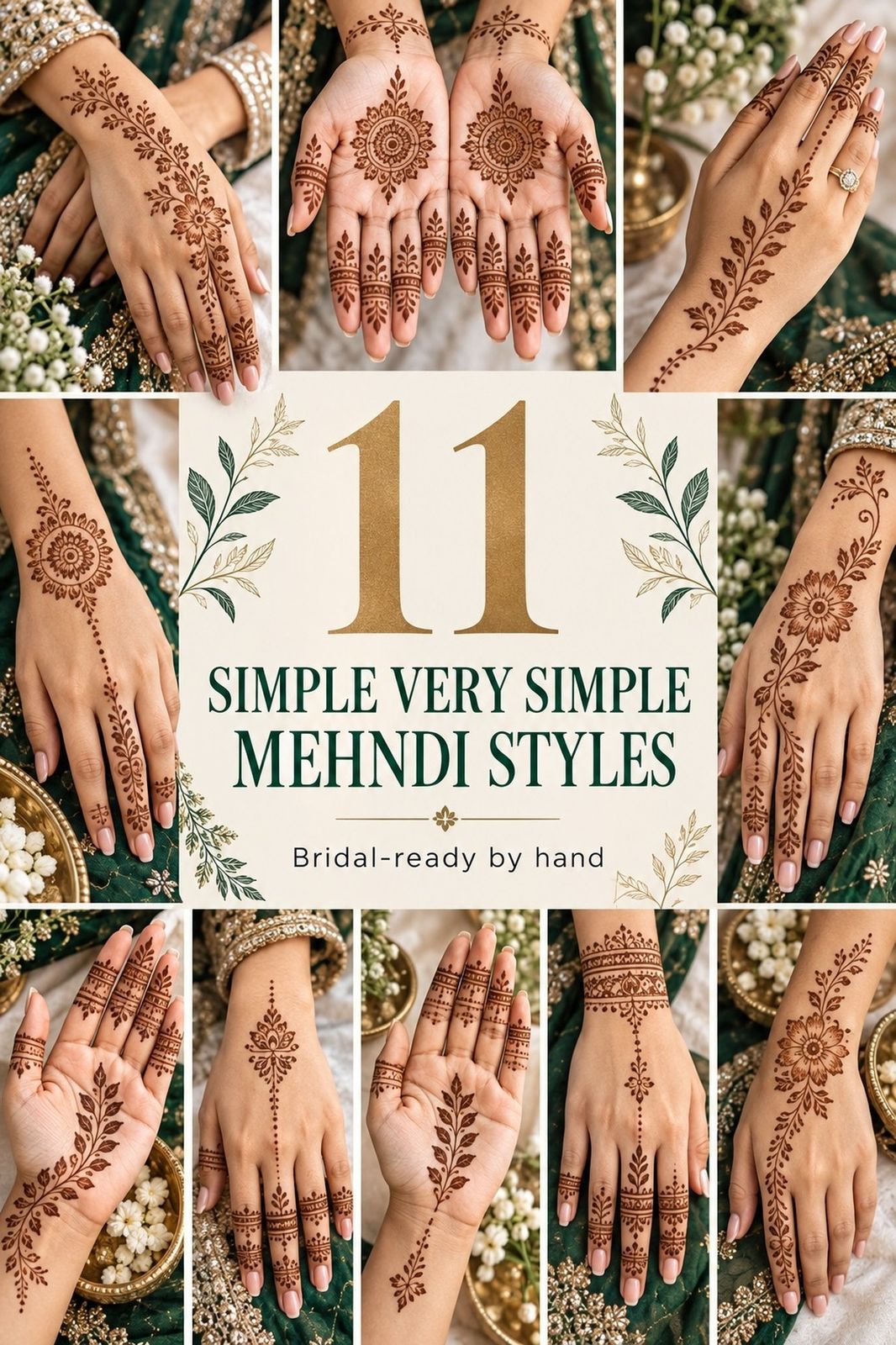
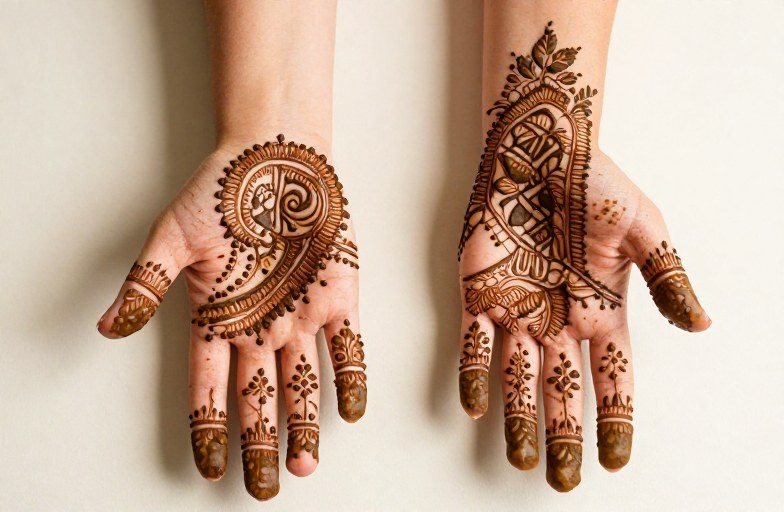
A mehndi tattoo translates the flowing, lace-like patterns of henna body art into permanent ink. Originally applied for weddings, festivals, and rites of passage across South Asian, Middle Eastern, and North African cultures, these designs carry connotations of celebration, spiritual protection, and feminine power. As permanent tattoos, they preserve that visual language while shifting the context from temporary ritual to lifelong commitment.
Symbolism & Core Meaning
The visual vocabulary of mehndi runs deep. Paisleys represent fertility and the totality of life. Flowers, lotus, marigold, jasmine, signal beauty, purity, and new beginnings. Vines and leaves suggest growth and connection to nature. The mandala structure, radiating from a center point, mirrors cosmic order and spiritual focus.
Intricate mesh patterns fill negative space deliberately. In traditional application, this density was believed to ward off evil eye and attract positive energy. The complexity itself became protective, too busy for misfortune to settle. That symbolic weight transfers to permanent ink, though the wearer chooses what protection means personally.
Regional Variations in Symbolic Weight
Indian mehndi favors dense, full-hand coverage with hidden initials or symbols for the groom to find. Arabic styles lean toward bolder, more open floral trails with less filler. African henna, particularly Moroccan, favors geometric precision and angular patterns. Each tradition carries slightly different ceremonial associations. A tattoo drawing from multiple traditions should be chosen with awareness, not random aesthetic mixing.
Color vs Black and Grey
Traditional henna stains skin in earthy reddish-brown tones. Tattoo replication of this color requires specific pigment choices and realistic expectations.
- Black ink: Reads immediately as tattoo rather than henna. Lines stay crisp longest. The contrast against skin mimics fresh henna paste before it stains, not the final color. Most common choice for longevity.
- Brown and red tones: Achieved through warmer pigments or intentional color packing. Fades faster than black, especially reds which can shift pinkish or muddy. Requires touch-ups every few years to maintain the henna illusion.
- Black and grey wash: Can suggest the tonal variation of a fading henna stain. Subtle, but risks looking like unfinished linework if the grey values aren’t carefully planned.
White ink highlights, occasionally requested to mimic the decorative white henna (technically body paint, not true henna), almost always disappear or turn yellowish within months. Not recommended for central design elements.
Skin Tone Considerations
On darker skin, black ink provides the clearest mehndi reference. Brown pigments can appear muddy or disappear entirely. On very fair skin, overly fine black lines can blow out or heal too harsh. A skilled artist adjusts line weight and spacing accordingly.
Common Variations & Styles
The adaptation from paste to needle allows variations impossible in traditional henna.
- Full hand/foot replicas: Exact placement mirroring bridal mehndi. High commitment, visually striking. Fingers blur fastest due to movement and sun exposure.
- Isolated mandalas: Circular focal points, often on sternum, back of neck, or thigh. Easier to scale and place than full flowing patterns.
- Jewelry bands: Wrist or arm bands suggesting bracelets or cuffs. Practical for professional environments, still culturally referential.
- Fusion with other styles: Dotwork backgrounds, geometric framing, or watercolor splashes behind traditional mehndi linework. Risky, can read as cultural appropriation if the fusion isn’t thoughtful.
Negative space mehndi, where the skin shows through as the pattern rather than the ink, requires extremely precise execution. One slip and the design logic collapses.
Similar & Related Symbols
Mehndi patterns share DNA with several other visual traditions worth distinguishing.
Mandala tattoos overlap heavily in structure, radial symmetry, layered meaning from center outward. But mandalas carry stronger Buddhist and Hindu sacred geometry associations, while mehndi patterns are more decorative and celebratory in origin.
Lace tattoos mimic a similar visual density but derive from European textile traditions. The cultural anchor differs completely despite surface similarity.
Paisley (boteh) motifs appear in Persian, Indian, and Western 1960s psychedelia alike. In mehndi, the paisley specifically evokes the mango or date palm, symbols of fertility. Removed from that context, it becomes mere ornament.
Filigree and ornamental blackwork from European traditions share the decorative impulse but lack the ritual and communal associations. The difference matters if the symbolism, not just the look, drives the choice.
Personal & Modern Meanings
Contemporary wearers layer personal significance onto traditional patterns without replacing it.
For those with South Asian or Middle Eastern heritage, a mehndi tattoo can mark permanent connection to cultural identity, especially when family pressure or assimilation has distanced them from active practice. The tattoo becomes anchor rather than performance.
For others, the appeal lies in the visual qualities: the organic flow, the feminine energy without literal figuration, the meditative quality of dense pattern. That’s valid if acknowledged honestly. Problems arise when the aesthetic is borrowed while the cultural context is denied or romanticized.
Placement as Meaning
Traditional bridal mehndi covers hands and feet specifically, visible, participatory, requiring others to apply it. Tattoo placement shifts this. A mehndi sleeve remains visible but individual. A hidden sternum piece becomes private ritual rather than public celebration. The back of the neck suggests something between, seen when hair moves, concealed at will. Each placement rewrites the social contract of the original form.
How It Ages on Skin
Mehndi tattoos face specific aging challenges due to their defining characteristics.
Fine lines blur. The hair-thin strokes that define authentic mehndi density don’t survive decades. What reads as delicate lace at age 25 becomes fuzzy netting by 45. Artists should build in slight line weight, thicker than true henna, thinner than bold traditional tattooing, to buy longevity.
Finger and hand placement deteriorates fastest. Constant washing, sun exposure, and skin turnover on hands mean even excellent work needs refreshment. Plan for this. A full hand piece that looks stunning at first will require significant reworking within 5-7 years.
Negative space closes in. As surrounding ink spreads slightly, the gaps that create the lace effect shrink. Designs with too-tight spacing become solid blocks over time. Good mehndi tattooing plans for this expansion by maintaining generous negative space ratios.
Color fading is uneven. Brown tones shift unpredictably. Black stays but can grey out. Expect the “fresh henna” color reference to fade; the structural pattern remains longer than the color illusion.
Healing Reality
Large dense blackwork areas heal with heavier scabbing than sparse designs. The temptation to pick at peeling “lace” is strong, don’t. Lost ink in fine areas won’t reappear; touch-ups are harder on mehndi patterns because matching the original density precisely is technically demanding. Moisturize lightly, don’t over-saturate, and accept the two-week healing phase where the design looks worse before it settles.
Key Takeaways
Mehndi tattoos carry genuine cultural weight that shouldn’t be worn casually. The patterns encode specific protective, celebratory, and feminine associations developed over centuries. Permanent translation requires technical compromises, slightly heavier lines, strategic spacing, color choices that acknowledge fading realities. Black ink offers the most durable result, though it sacrifices the warm brown reference of true henna. Placement determines social visibility and aging speed; hands and fingers demand maintenance commitment. The best mehndi tattoos respect the tradition’s visual logic while accepting the medium shift from temporary ritual stain to lifelong skin marking. Choose an artist who understands both the ornamental precision and the cultural context, not just one who can copy a Pinterest reference.
Frequently Asked Questions
Do mehndi tattoos have to be on hands and feet like traditional henna?
No, but placement changes the meaning. Hands and feet reference bridal and festival traditions directly. Other locations, wrist, back, thigh, shift the context toward personal symbolism rather than communal ritual.
Can a non-South Asian person get a mehndi tattoo respectfully?
Research matters. Avoid sacred or specifically bridal symbols. Consider if you’re drawn to the aesthetic alone or can engage the cultural context honestly. Consult with artists from the tradition if possible.
How do I find an artist who specializes in mehndi-style tattooing?
Look for portfolios showing consistent fine linework, geometric precision, and ornamental density. Ask specifically about their experience with henna-inspired designs, not just general mandala or pattern work.
Will a brown ink mehndi tattoo look like real henna?
Briefly, yes. Over years, brown pigments fade unevenly and often shift tone. Black ink maintains the pattern but reads as tattoo. Neither perfectly replicates the organic stain of actual henna paste.