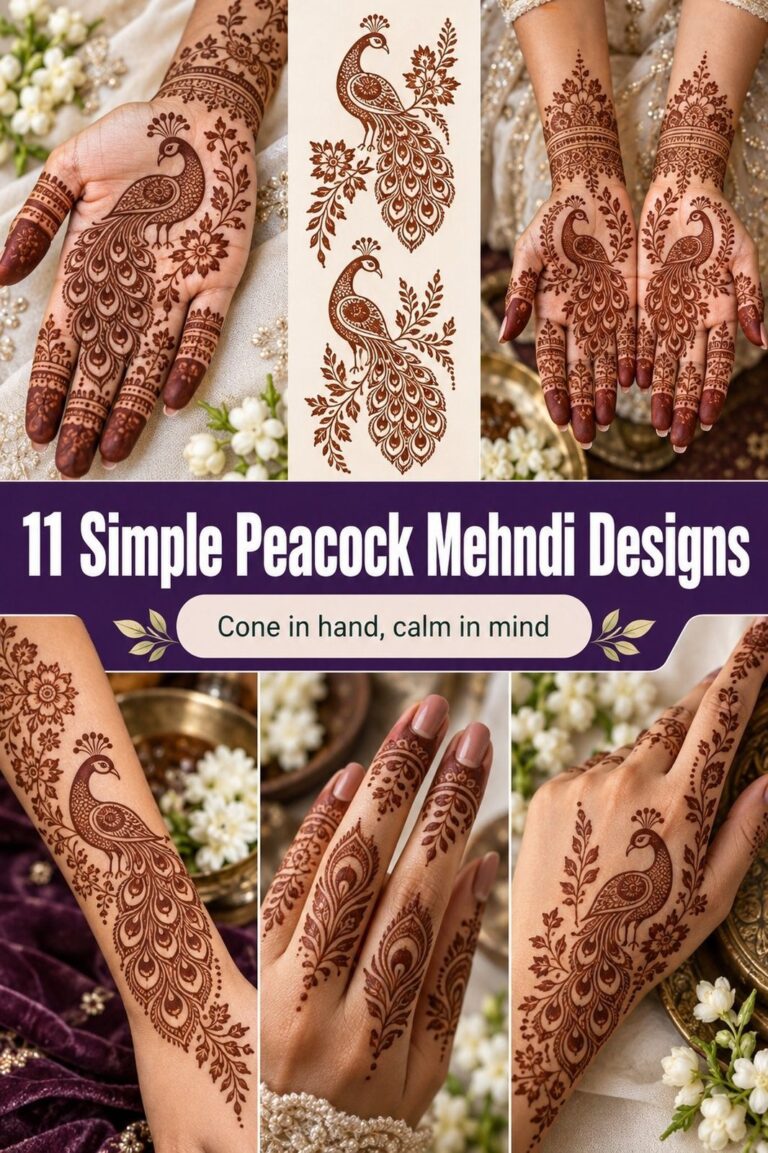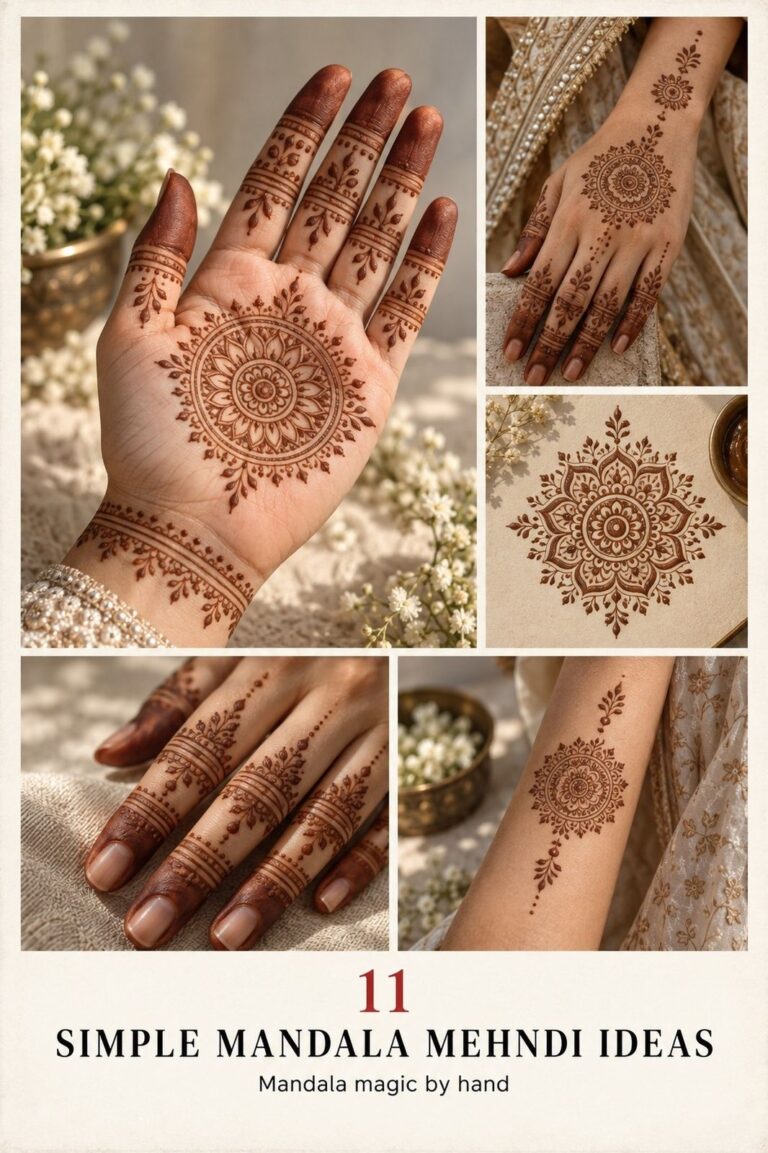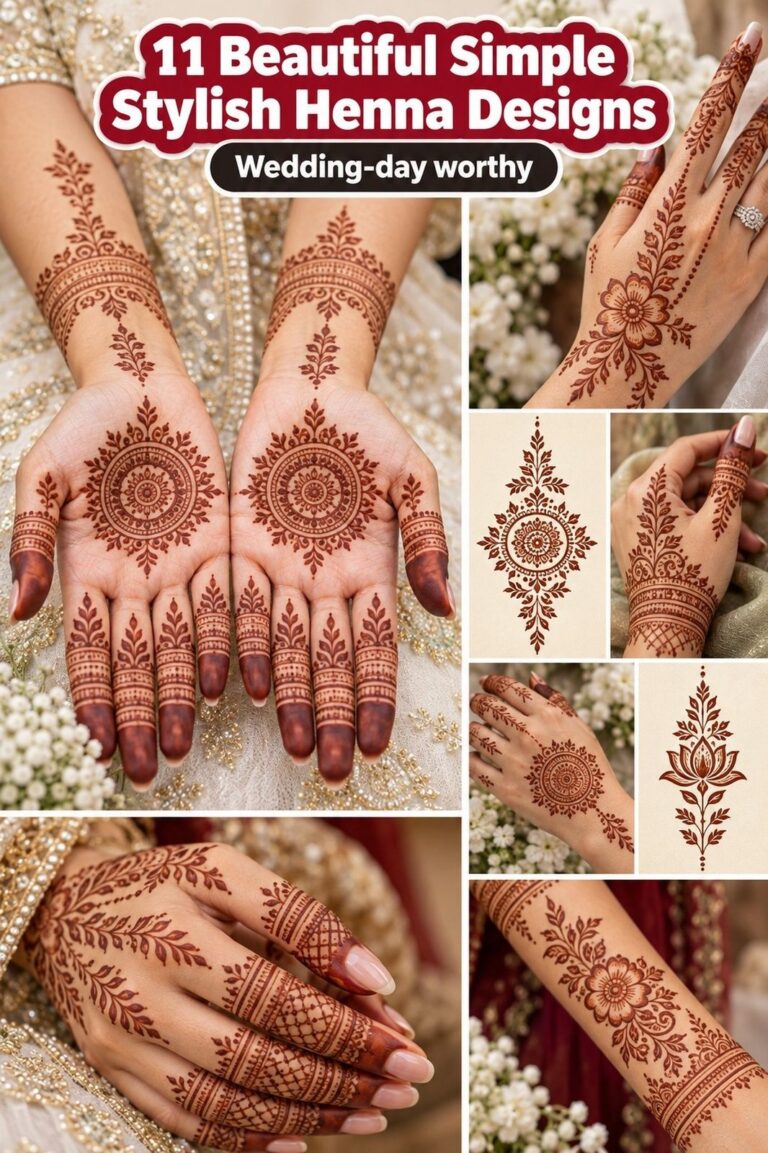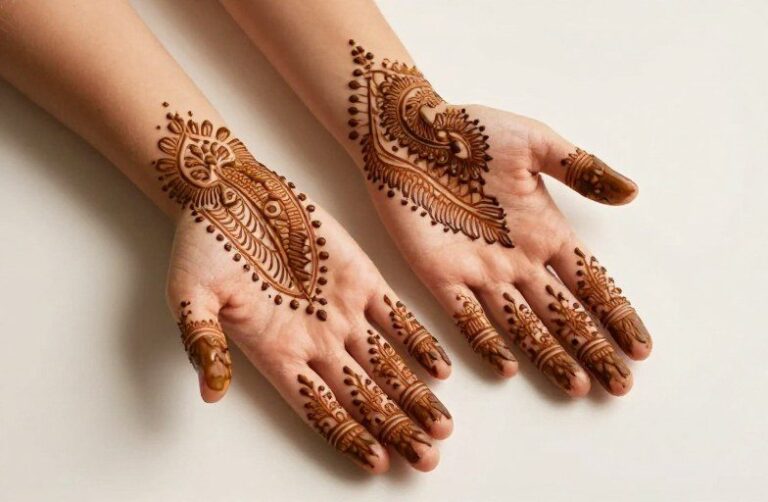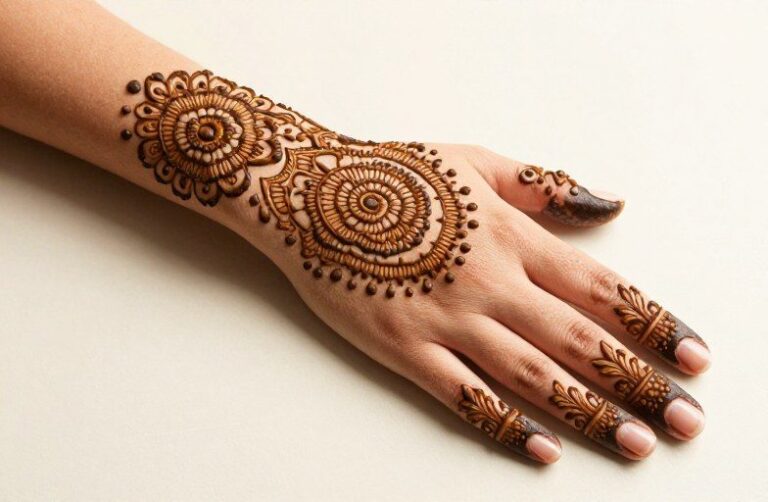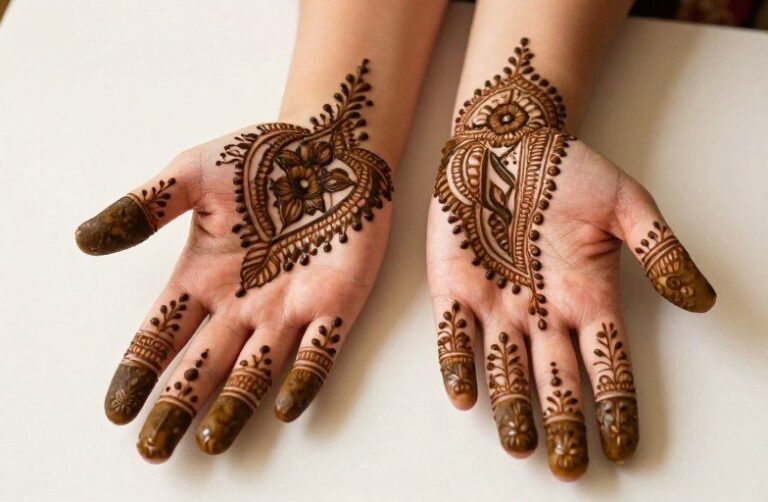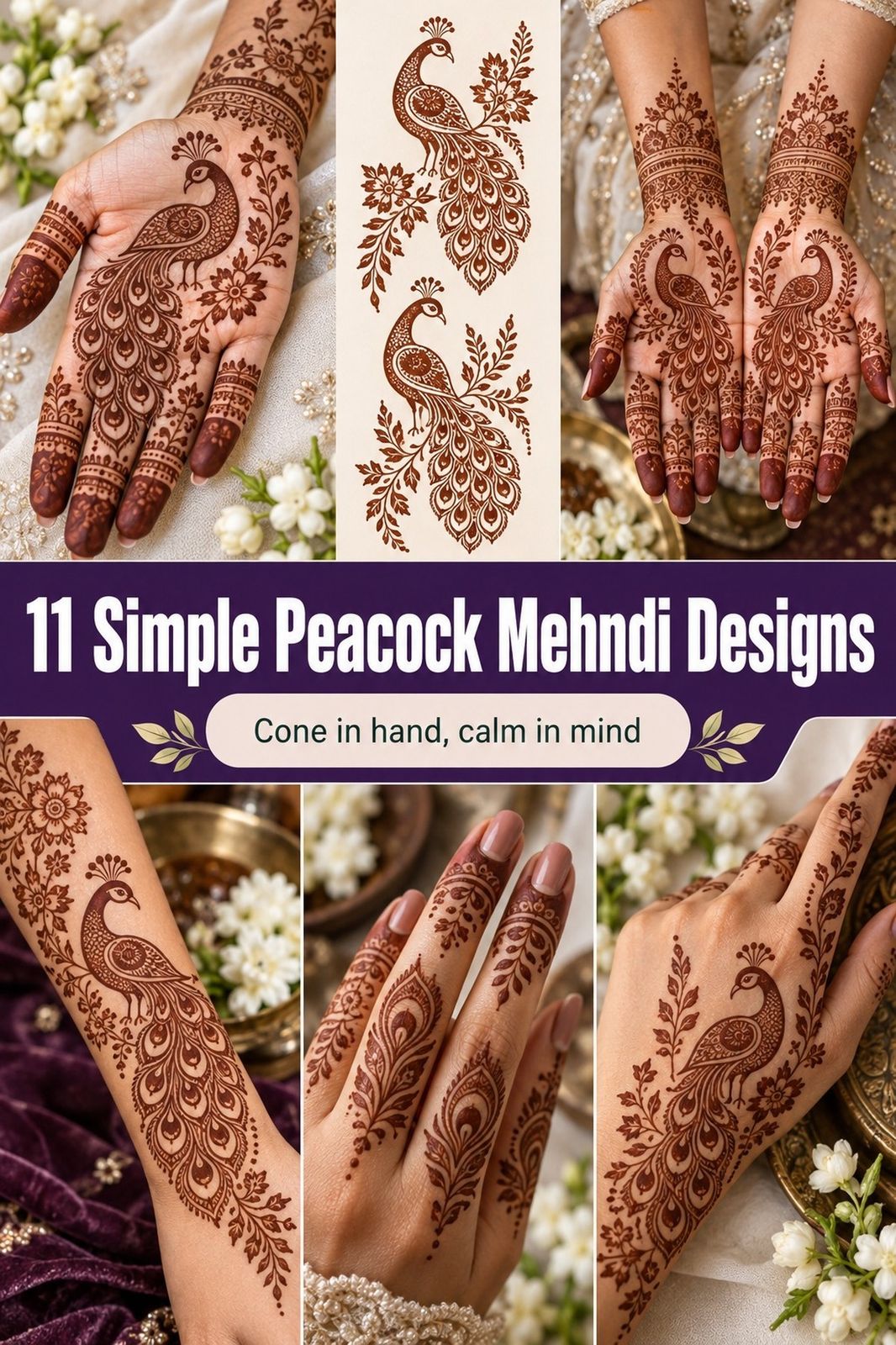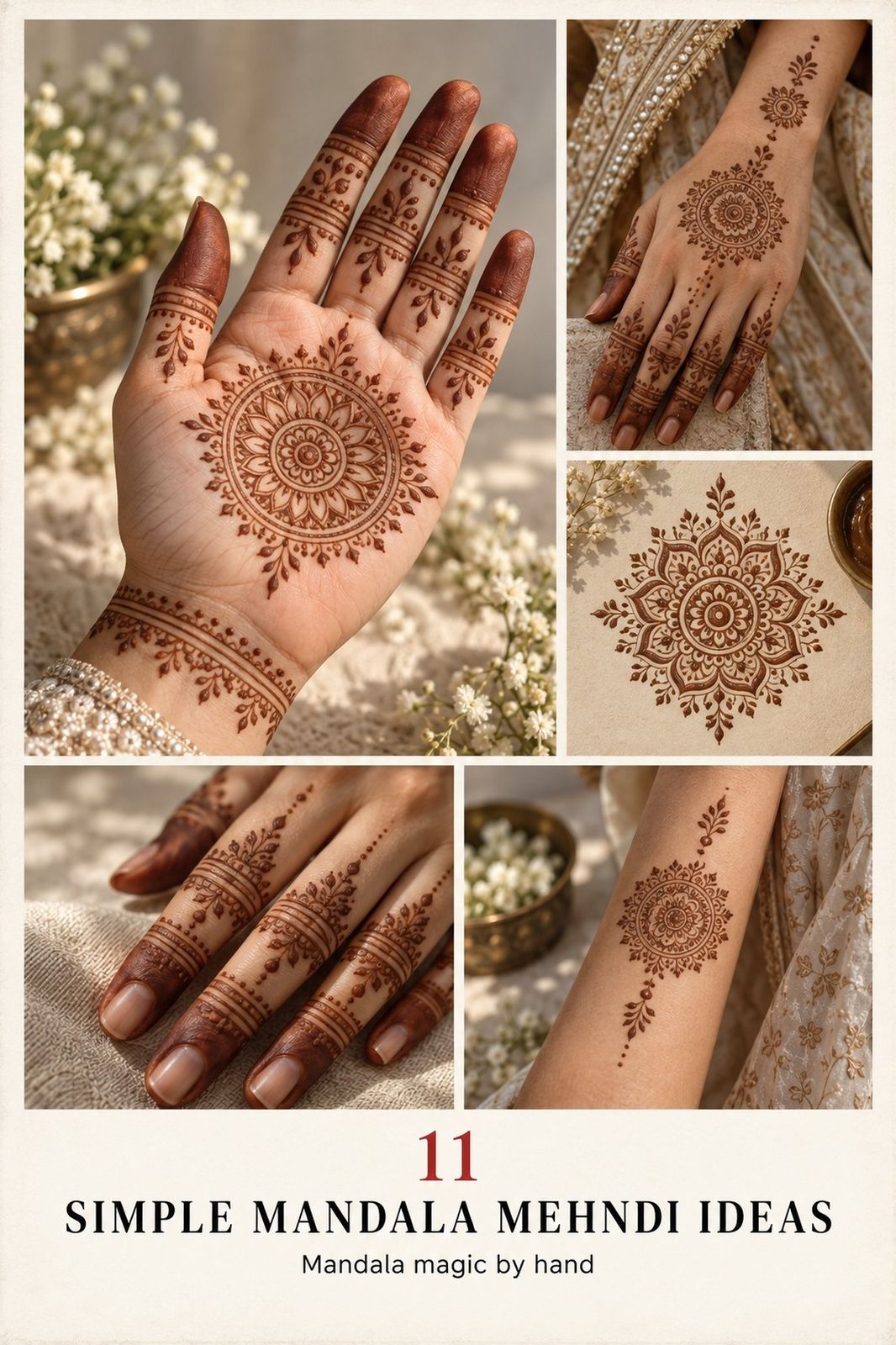
The henna tattoo itself symbolizes celebration, protection, and transition across numerous cultures. Yet the act of taking it off, watching the stain fade, scrubbing the paste away, or accelerating its departure, carries its own layered meaning: an embrace of impermanence, a ritual of release, and a quiet rejection of permanence in a culture obsessed with lasting forever. This symbolism resonates with people who choose henna precisely because it disappears.
History & Cultural Roots
From Bridal Ritual to Personal Statement
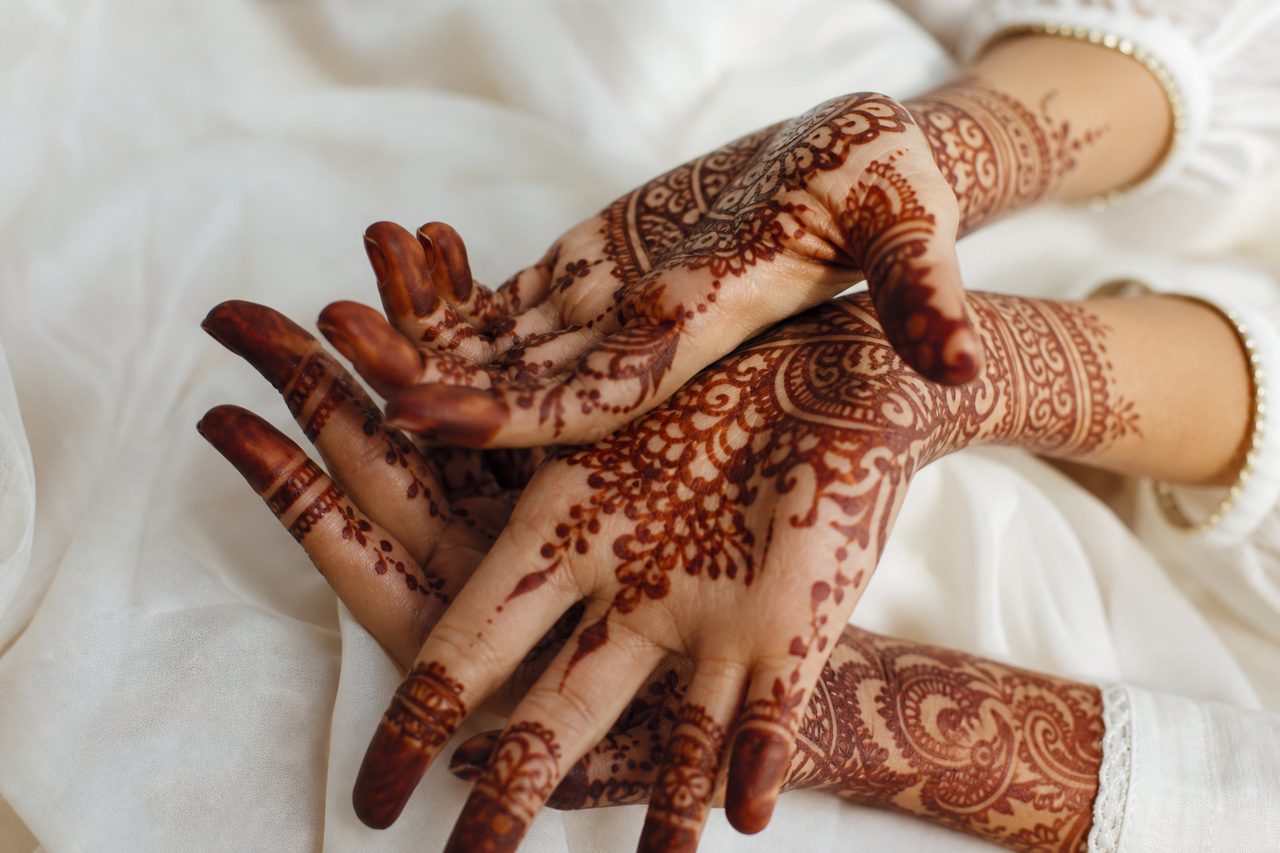
Henna’s origins are often linked to ancient Egypt, the Levant, and the Indian subcontinent, where it served as cooling body art, medicinal application, and ceremonial decoration. Mehndi ceremonies remain central to South Asian weddings, with intricate designs applied to hands and feet symbolizing joy, spiritual awakening, and the bond between families. The removal process was traditionally passive, oils, time, and natural sloughing, reflecting patience and acceptance rather than urgency.
In North African traditions, henna often marked protection against the evil eye. The fading was seen as the amulet having served its purpose, not as loss. This historical context matters: accelerating removal would have been culturally foreign, even disrespectful. Modern Western adoption of henna has stripped away much of this context, but the symbolism of intentional impermanence persists.
The Shift to Accelerated Removal
Contemporary interest in removing henna quickly, via exfoliation, salt, or chemical methods, emerged alongside festival culture, tourist markets, and the rise of “henna tattoos” as temporary alternatives to needle work. The meaning shifted from passive acceptance to active control, reflecting broader attitudes toward bodily autonomy and instant gratification.
Common Variations & Styles
Traditional Dense Patterns
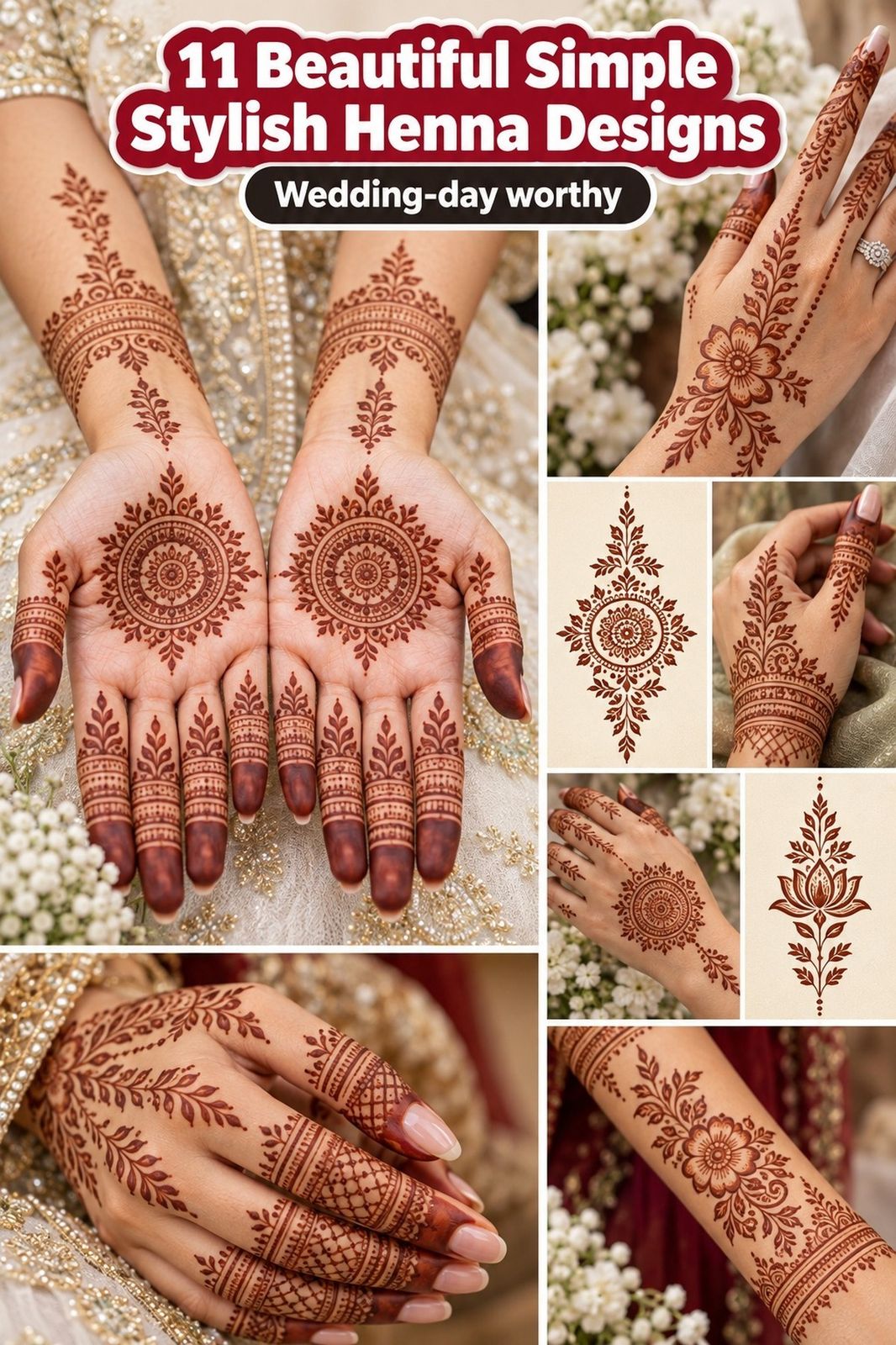
Classic Indian mehndi features fine lines, paisleys, and floral nets covering palms and fingers. These designs take 2-6 hours to apply and stain deeply for 1-3 weeks. Removing them early feels visually abrupt, the stark contrast between stained and unstained skin creates a patchwork effect that some find meaningful, others distressing. The incomplete fade can symbolize interrupted transition, or the messiness of real life versus planned ritual.
- Arabic style: flowing vines with negative space, lighter overall stain, easier to remove evenly
- Moroccan geometric: bold shapes on feet and hands, fades in distinct phases
- Western “tattoo style”: realistic imagery, often black henna (PPD-dangerous), applied at festivals
- Minimalist dots and lines: contemporary, fades fastest, least commitment
Black Henna & The Removal Problem
So-called black henna, often containing paraphenylenediamine (PPD), creates a chemical tattoo that can scar and cause lifelong sensitization. Attempting removal becomes medically urgent, not symbolic. The meaning here twists darkly: what promised temporary decoration becomes permanent damage. This variation fundamentally alters the symbolism of removal from chosen impermanence to forced remediation.
Best Placements
Where henna sits on the body affects both its staying power and what its removal signifies. Palms and soles stain darkest due to thicker skin and higher keratin, but also fade fastest from friction and washing. Removing henna from the palms, used for touch, work, greeting, symbolizes a desire to reset social presentation, to present “clean” hands literally and figuratively.
Upper arms, backs, and calves hold stain longer with less disturbance. Accelerated removal from these protected areas suggests stronger motivation: perhaps avoiding professional consequences, family judgment, or the end of a relationship where the design held shared meaning. The forearm occupies middle ground, visible, mobile, staining moderately. Watching a forearm design fade naturally tracks daily life; rushing its removal interrupts that narrative.
Personal & Modern Meanings
Impermanence as Philosophy
Choosing henna over permanent ink already states something: I want this now, not forever. The removal amplifies that statement. Some trace this philosophy to Buddhist concepts of non-attachment, though most wearers arrive independently at valuing transience. The scrubbed-away stain becomes tangible proof that beauty need not persist to matter.
Rejection and Transition
Not all removal is philosophical. A design applied during a relationship, at a festival, or in a phase of identity experimentation may need erasing when circumstances change. The physical act of removal, salt scrubs, lemon juice, oil, can feel cathartic, a bodily ritual of separation. Unlike laser removal of permanent tattoos, this process is gentle, accessible, and complete within days rather than months.
Design Tips & Pairings
For those exploring the symbolism of temporary body art, several approaches deepen the meaning of eventual removal:
- Designs incorporating wave or water motifs mirror the natural fading process
- Placement on the inner wrist, where daily checking occurs, creates a meditation on change
- Pairing with permanent minimalist dots or lines frames the henna as the changing element against constant
- Seasonal reapplication: same design annually to track personal evolution
Line weight matters for removal aesthetics. Thick, saturated lines leave ghost stains longer than fine work, creating uneven fades that some find beautiful, others frustrating. Discussing this with your henna artist, requesting lighter saturation if you plan early removal, or dense packing for maximum duration, shapes the symbolic experience.
Aftercare as Intention
Traditional aftercare (avoiding water, applying sugar-lemon sealant) preserves stain. Reversing these, swimming immediately, scrubbing with soap, using exfoliating gloves, becomes intentional anti-ritual. The meaning lives in this inversion: where once you protected the mark, now you hasten its departure.
Similar & Related Symbols
Other temporary body practices carry comparable symbolism. Jagua, a South American fruit dye, produces blue-black stains lasting 1-2 weeks, often used by those seeking tattoo-preview realism without commitment. The removal process mirrors henna’s, though jagua’s darker initial color makes fading more visually dramatic.
Bindi and kumkum marks on the forehead share henna’s ceremonial roots but carry stricter cultural specificity; their removal would signify different transitions. In the permanent world, white ink tattoos approach impermanence through near-invisibility rather than actual fading, a different philosophical path to similar ends.
The Japanese concept of mono no aware, the pathos of things, beauty in impermanence, resonates without direct parallel in Western tattoo culture. Henna removal, approached thoughtfully, can become a personal practice of this aesthetic: finding meaning in the leaving, not just the staying.
What to Remember
The meaning of removing henna ultimately depends on your intention and context. Natural fading honors traditional symbolism of patience and cyclical renewal. Accelerated removal asserts control, perhaps rejecting past choices or simply preferring blank skin. Neither is inherently more meaningful, authenticity lies in awareness of why you’re doing it.
Practically: lemon juice and salt work but irritate skin; olive oil softens and lifts stain gradually; time remains the gentlest method. Avoid harsh chemicals, especially with any suspicion of black henna/PPD content. The skin you’re treating will outlast every design you apply.
What persists isn’t the stain but the memory of having chosen something temporary, of having marked yourself knowing it would pass. That choice, against permanence, against accumulation, carries quiet weight in a culture that rarely values letting go.
Frequently Asked Questions
Does removing henna quickly damage the skin?
Aggressive scrubbing with salt or lemon can irritate and dry skin, especially on sensitive areas. Gentle exfoliation over several days is safer than one harsh session. If you used black henna with PPD, see a dermatologist rather than attempting home removal.
Why does my henna fade faster on my hands than my back?
Hands encounter constant friction, washing, and exposure to water and chemicals. The skin on palms and fingers also regenerates faster. Protected areas like the upper back or inner arm hold stain longer because the skin cells turn over more slowly and encounter less disturbance.
Can I get a permanent tattoo over fading henna?
Wait until all stain has disappeared and skin has normalized, typically 2-4 weeks. Tattooing over residual henna can affect how the artist reads skin tone, and any irritation from removal compromises the canvas. Freshly exfoliated skin also heals tattoos differently.
Is there cultural appropriation in wearing henna if I’m not South Asian?
Context matters. Applying henna respectfully, understanding its ceremonial significance, avoiding sacred bridal designs for casual purposes, and crediting origins, differs from treating it as mere costume. Many South Asian artists welcome sharing the art when approached with genuine interest rather than extraction.