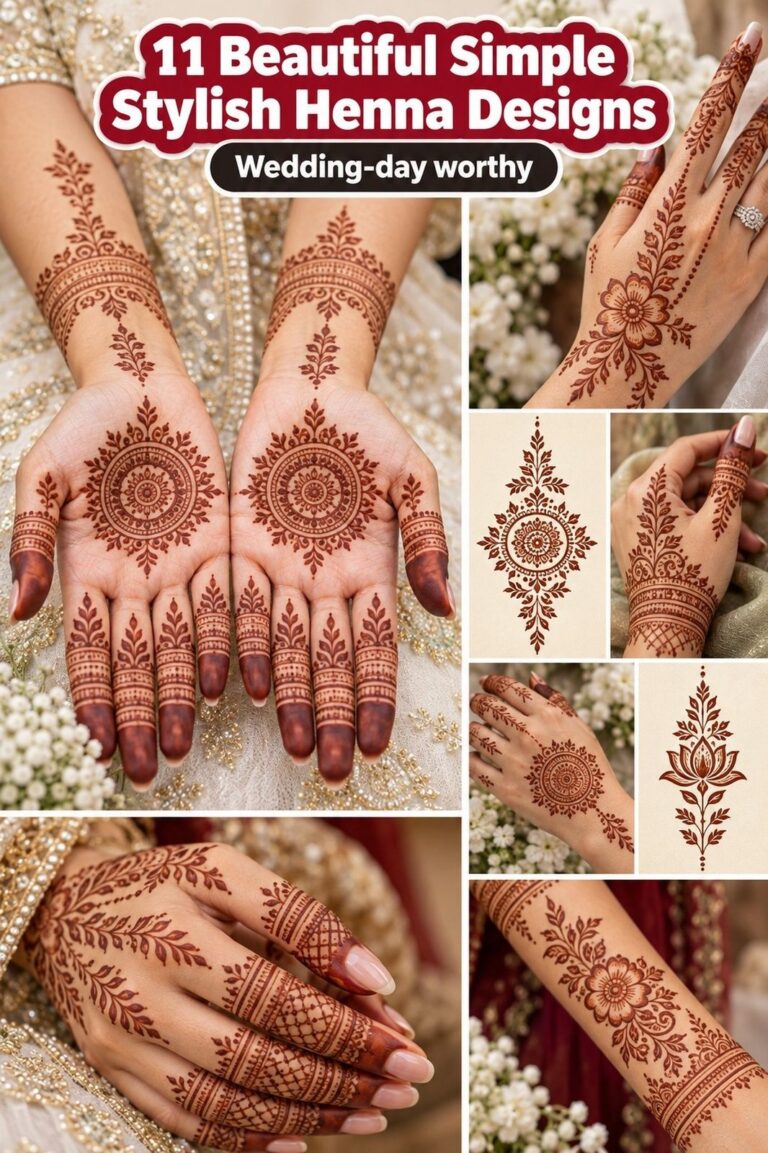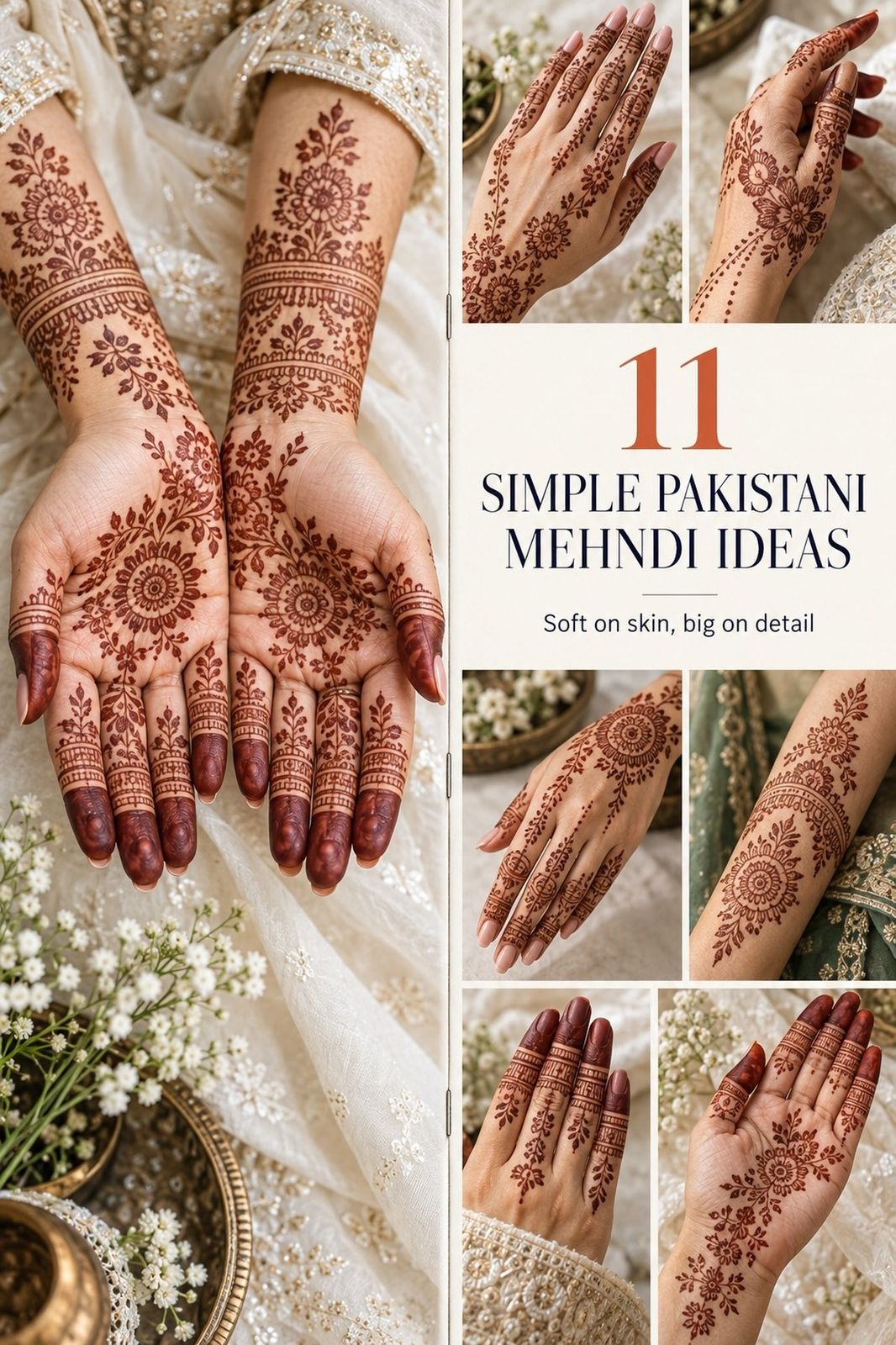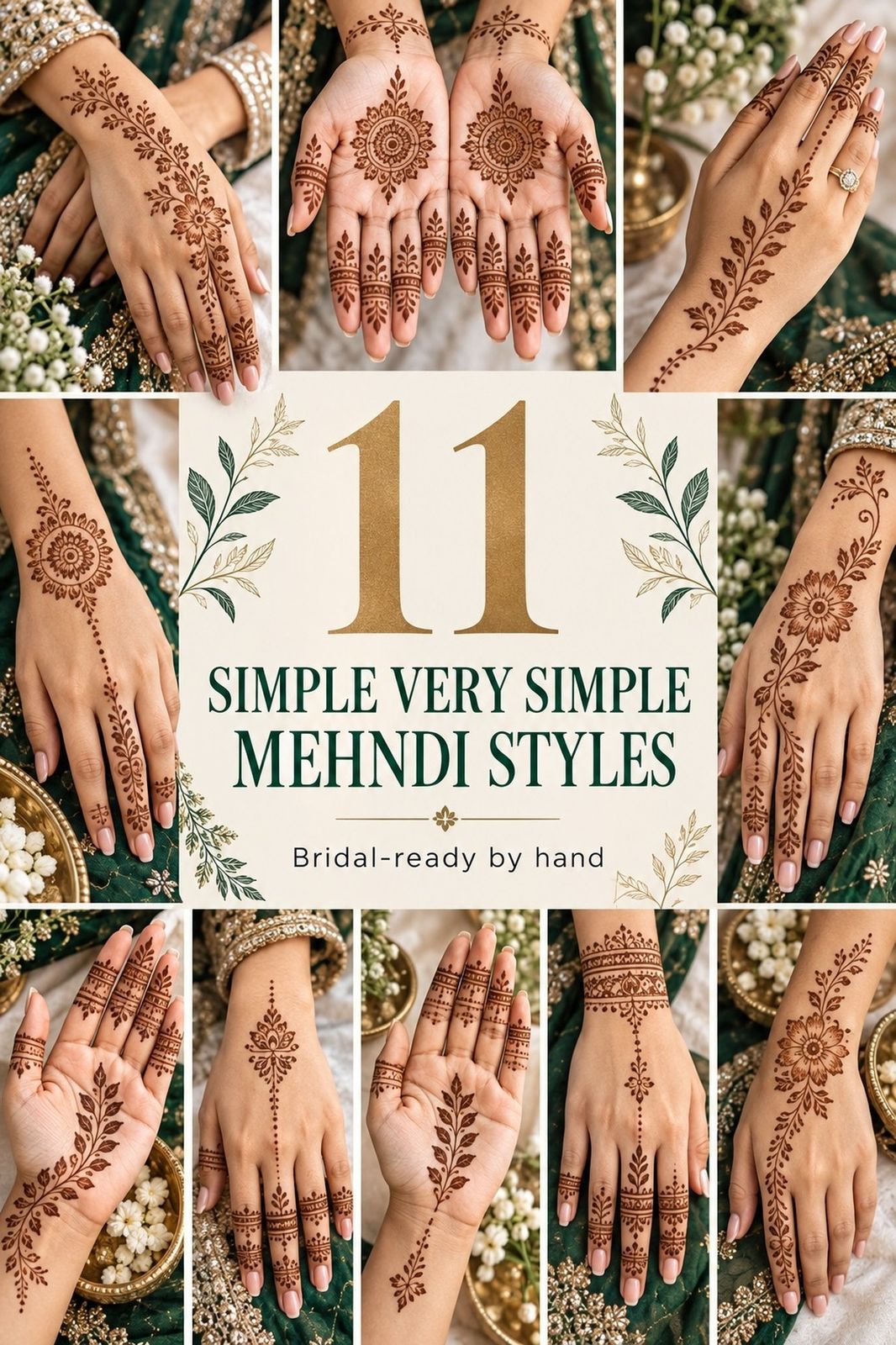
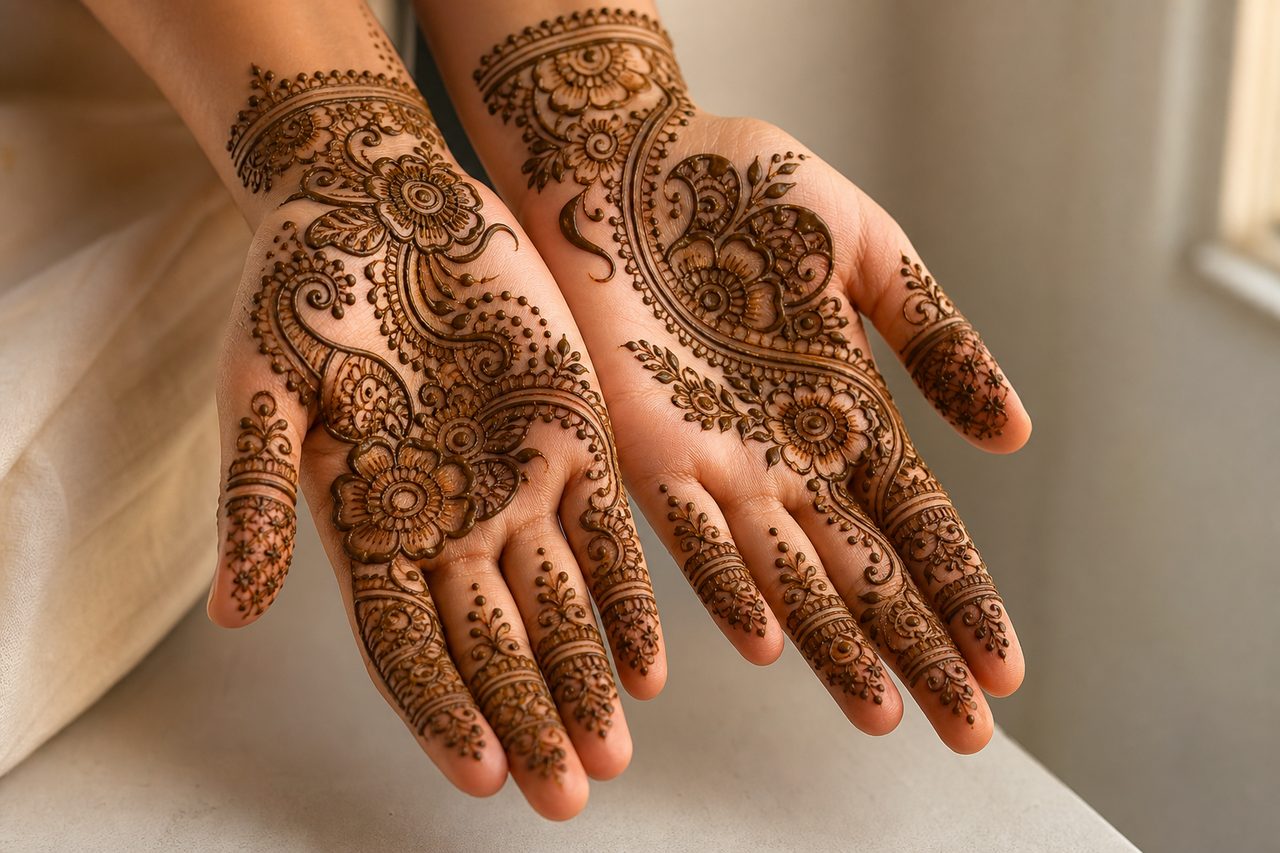
A henna tattoo, applied as a paste from the Lawsonia inermis plant, carries layered meanings across cultures: blessing, protection, joy, and the acceptance of impermanence. Unlike permanent ink, its fading nature becomes part of the symbolism, beauty that exists for a window of time, then releases. The application itself is ceremonial, with the drying, cracking, and eventual stain marking a passage rather than a fixed statement.
Best Placements
Where henna sits on the body shapes both its visual impact and its traditional significance. Placement isn’t arbitrary; it carries weight in how the design is read and experienced.
Hands and Feet
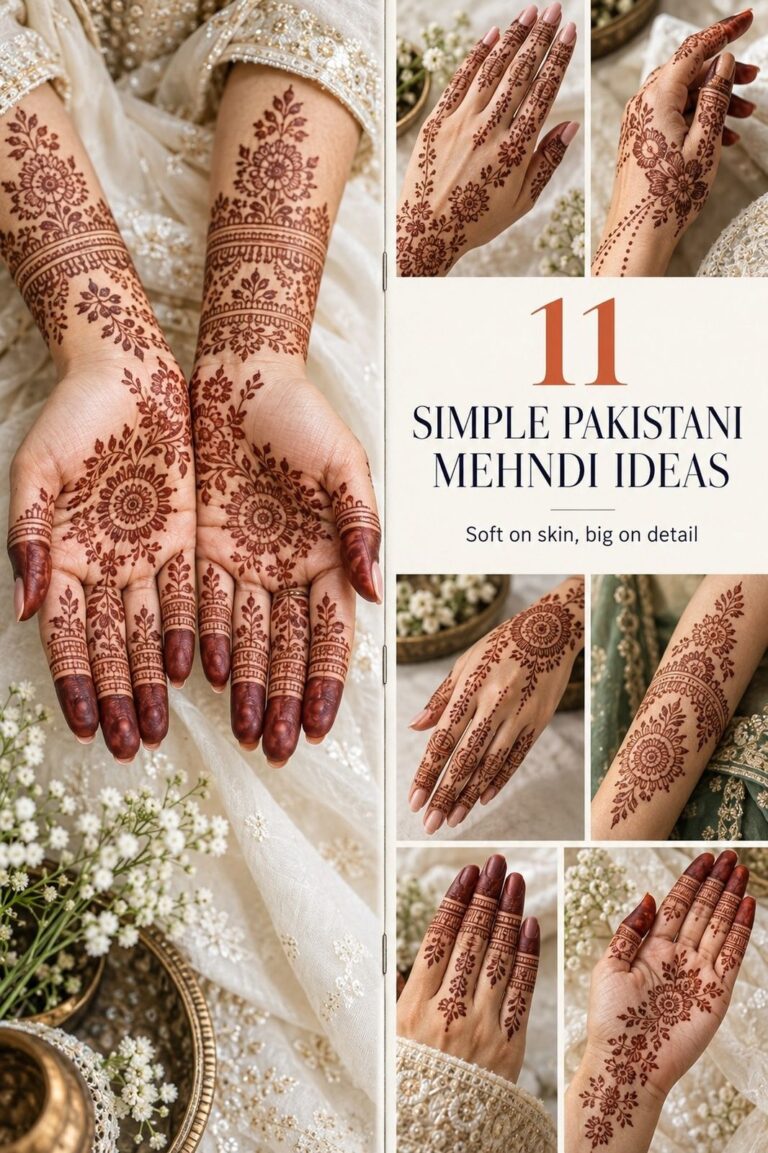
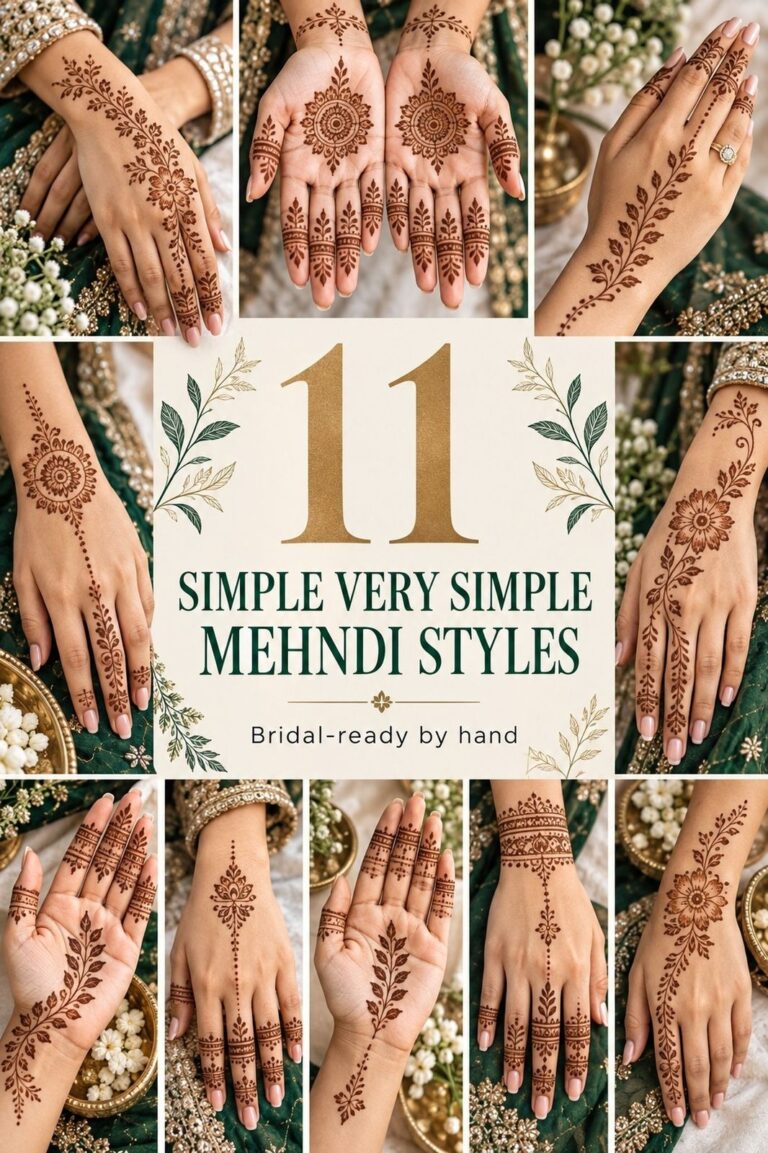
Palms and the backs of hands absorb henna darkest due to thicker skin and higher keratin. Traditional bridal mehndi concentrates here, intricate lacework extending to fingertips, sometimes with the groom’s initials hidden in the pattern. Feet, especially soles, also stain deeply. The darkness of these areas isn’t just aesthetic; in many traditions, a deeper color signals stronger blessing or more passionate love.
- Palms: Open, receptive energy; offerings and welcome
- Fingers: Detail work frames movement, visible in gesture
- Feet: Grounding, connection to earth and home
- Ankles: Ornamental, drawing attention to movement
Less Common Areas
Forearms, upper arms, and back pieces have grown in Western adoption. These areas stain lighter, more burnt orange than deep maroon, and fade faster due to thinner skin and friction from clothing. The symbolism shifts toward personal adornment rather than ritual participation. A shoulder piece might read as decorative rather than ceremonial, which isn’t lesser, just different in intent.
Mythology & Folklore
Henna’s symbolic roots tangle through multiple traditions, and separating proven history from romanticized retelling requires care. What’s clear: the plant has carried sacred associations for millennia across North Africa, the Middle East, and South Asia.
Cooling and Protective Origins
Practical use likely preceded symbolic use. Henna paste cools the skin significantly, valuable in hot climates. This physical property evolved into metaphysical association: if it cools the body, perhaps it cools or deflects negative forces. Some trace protective henna application to pre-Islamic desert cultures, where it marked camel hooves and human skin against the evil eye. The pattern itself became a shield, the complexity believed to confuse or repel harmful attention.
Bridal and Fertility Associations
The night before a wedding, the mehndi ki raat, remains a bold tradition in South Asian cultures. Henna’s red color connected symbolically to blood, life, and fertility. The application process, slow, intimate, done by female relatives, created space for the bride’s transition, for advice passed quietly, for community witness of her change in status. The groom’s presence in the design (hidden initials, his figure small in the pattern) represented absorption into a new family unit.
How It Ages on Skin
Understanding henna’s life cycle on the body clarifies part of its symbolic appeal. The process is transformation, not static image.
The Staining Timeline
Fresh paste goes on dark green or black-brown. It dries, cracks, flakes off over 4-8 hours. What remains is a pale orange ghost that deepens over 24-48 hours to its peak color, rust, brick, or near-burgundy on palms and feet. This delayed reveal builds anticipation; the final color isn’t immediately knowable, mirroring how blessings or outcomes unfold in time.
Peak color holds roughly 3-5 days, then gradual fading begins. By day 10-14, most designs have lightened to faint yellow-brown patches. The complete disappearance, 2-4 weeks for most people, contrasts sharply with permanent tattoo removal, which is deliberate, painful, and never truly clean. Henna’s exit is graceful, unforced, a natural return to blank skin.
What Affects Longevity
- Skin chemistry: Oilier skin tends to fade faster; dry skin holds stain longer
- Aftercare: Avoiding water for the first 12 hours deepens color significantly
- Body location: Hands and feet last longest; thin-skinned areas fade quickest
- Quality of paste: Natural henna with high lawsone content stains best; “black henna” containing PPD is dangerous and often scars rather than stains properly
Personal & Modern Meanings
Contemporary wearers layer new meanings onto traditional foundations. The temporary nature speaks to people wary of permanence, those testing identity, marking transitions, or simply wanting adornment without lifelong commitment.
Impermanence as Philosophy
Buddhist and secular mindfulness practitioners sometimes choose henna specifically because it disappears. The fading becomes meditation on non-attachment, on beauty without clinging. A design that will certainly vanish asks different attention than one presumed permanent. You might observe it more carefully, photograph it, or simply witness its change without the urgency of “forever” decisions.
Trial and Exploration
For those considering permanent tattoos, henna offers risk-free rehearsal. Placement, scale, and design elements can be tested in real living conditions, how it looks with work clothes, how it feels to see it daily, whether the novelty wears off or deepens. The symbolic meaning here is practical: informed choice, patience, respect for the body’s permanence by not rushing into it.
Religious & Spiritual Angles
Henna’s spiritual significance varies enormously by tradition, and conflating them flattens meaningful distinctions.
Islamic Contexts
Among Muslims, henna carries sunnah associations, some hadith mention the Prophet Muhammad using henna to dye his beard. Bridal application remains widespread from Morocco to Indonesia. However, religious scholars differ on whether decorative henna is encouraged, permitted, or merely culturally inherited. The symbolism often reads as celebration within permissible bounds, beautification that doesn’t imitate permanent tattooing (which some interpret as forbidden body alteration).
Hindu and Jain Traditions
Karvachauth, Teej, and other festivals feature henna as married women’s ornament, symbolizing well-being of husband and family. The designs often incorporate religious motifs, lotus, peacock, sun, layering spiritual symbolism into decorative form. Jain nuns have historically used henna for medicinal and cooling purposes, with less emphasis on aesthetic application.
Modern Western spiritual use sometimes borrows eclectically from these traditions without full context. The meaning created isn’t invalid, but awareness of origin matters, henna as borrowed ritual without understanding can read as extraction rather than appreciation.
Design Tips & Pairings
Specific motifs carry established symbolic associations that can be combined or chosen deliberately.
Traditional Motifs and Their Weight
- Paisley (mango/keri): Fertility, abundance, the sweetness of life
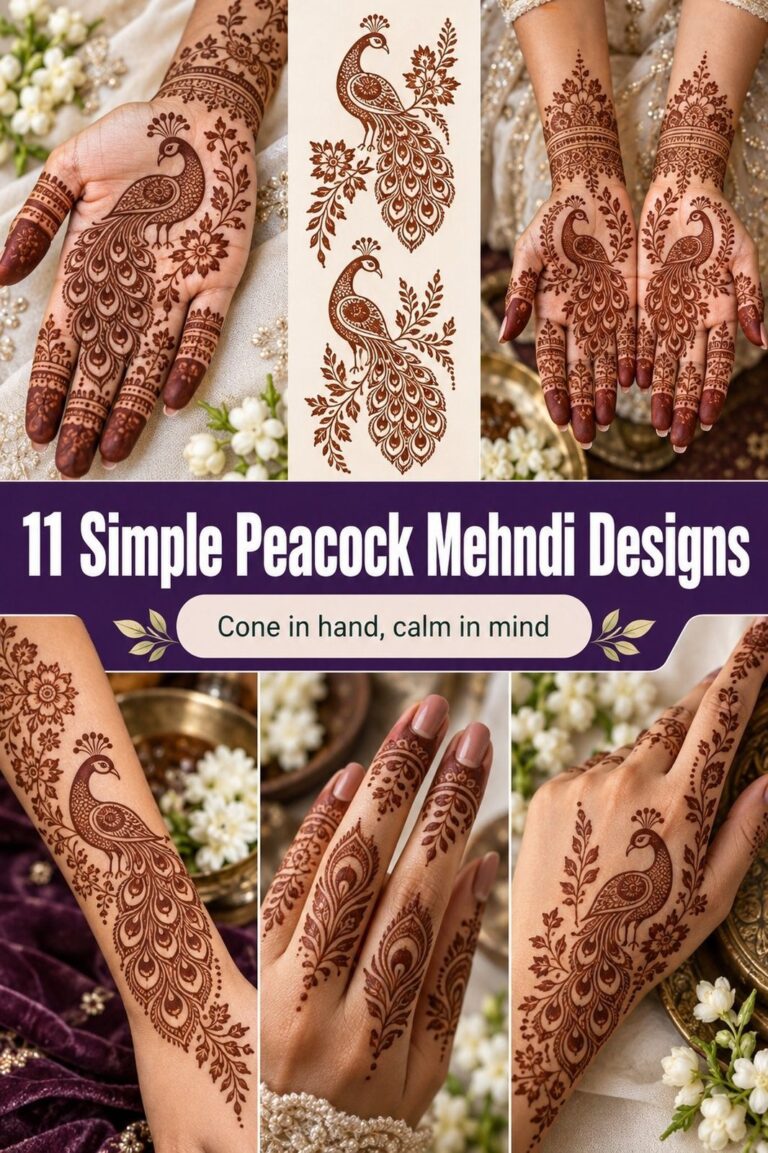
- Peacock: Beauty, pride, immortality in some Hindu readings
- Lotus: Purity emerging from difficulty, spiritual unfolding
- Eye patterns: Explicit protection against nazar, the evil eye
- Vines and florals: Growth, connection, organic flow
Combining with Permanent Tattoo
Some collectors use henna to fill gaps between permanent pieces temporarily, or to test how a sleeve might feel before committing. The contrast between permanent and temporary creates interesting dialogue, what we choose to keep versus what we allow to pass. Henna near fresh permanent ink should wait until the tattoo is fully healed (typically 4-6 weeks) to avoid irritation or infection risk.
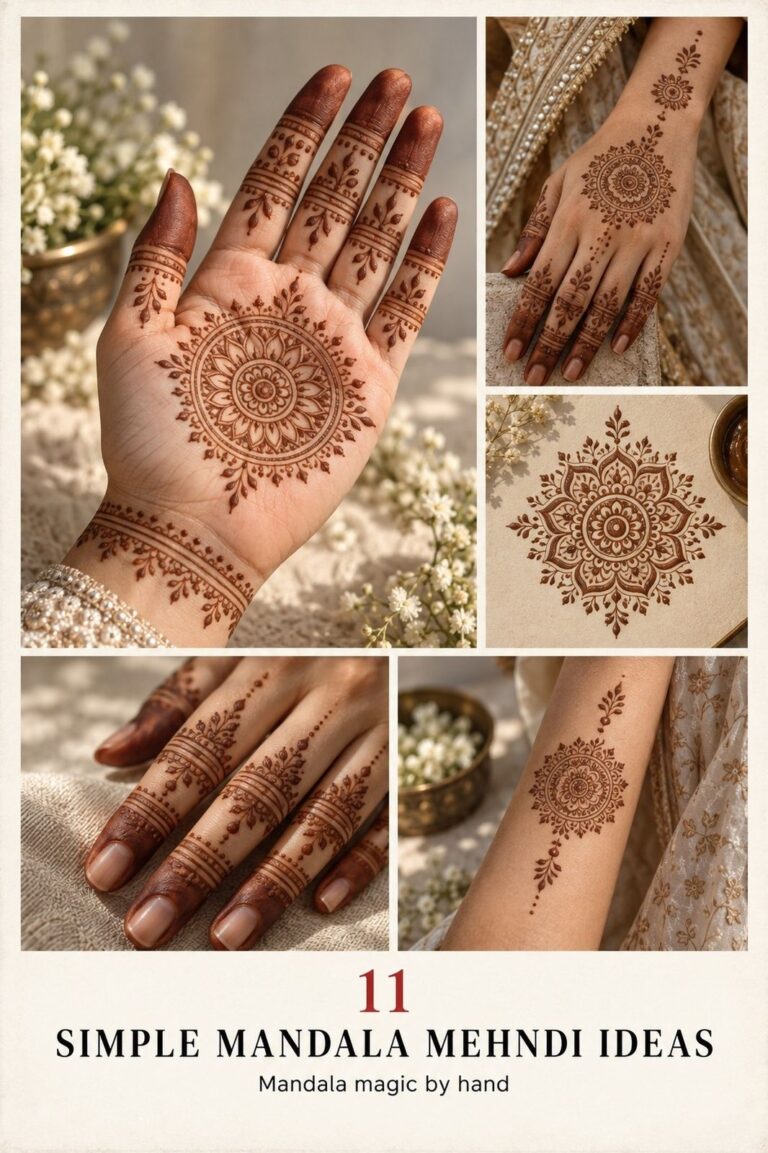
Geometric henna patterns pair well with dotwork or blackwork permanent tattoos. Floral traditional mehndi softens beside watercolor or illustrative styles. The pairing works when there’s visual conversation, not competition.
What to Remember
Henna’s meaning lives in its process as much as its pattern: the slow application, the waiting, the color’s emergence and eventual fade. It marks occasions rather than defining identity, asks presence rather than permanence, and connects wearers to lineages of ritual body adornment that predate recorded history in some regions. The symbolism you carry depends on your context, cultural inheritance, spiritual practice, aesthetic preference, or some intersection. What remains constant is the material truth: plant paste, skin, time, and the chemistry between them that creates something beautiful, held briefly, then released.
If you seek henna, source natural paste from reputable artists. “Black henna” with PPD can cause chemical burns and lifelong sensitization. The authentic stain ranges orange to deep red-brown, never true black. This safety reality is part of the practice’s modern meaning too, care for the body you’re temporarily marking, respect for traditions you’re temporarily wearing, and attention to what fades versus what scars.
Frequently Asked Questions
How long should I leave henna paste on for the darkest stain?
Keep paste on 6-8 hours minimum, ideally overnight. Avoid water for the first 12 hours after removal. Scrape rather than wash the dried paste off, and apply a lemon-sugar sealant while it dries to keep the paste intact longer.
Does henna work on all skin tones equally?
Henna stains all skin types, but the contrast varies. On darker skin, the orange-brown tone reads more subtly; on very light skin, it can appear more vivid. The stain is always visible, just not equally dramatic across all complexions.
Can I get henna if I’m pregnant?
Natural henna is generally considered safe during pregnancy, and many cultures specifically use it for blessing the mother. However, avoid “black henna” with PPD completely, and consult your practitioner if you have gestational diabetes or skin sensitivities.
Why did my henna turn out orange instead of dark red?
Fresh henna starts orange and darkens over 24-48 hours. If it stays pale, the paste may have been old, the body chemistry unsuited, or aftercare insufficient. Palms and feet always stain darkest; arms and legs typically yield lighter results.