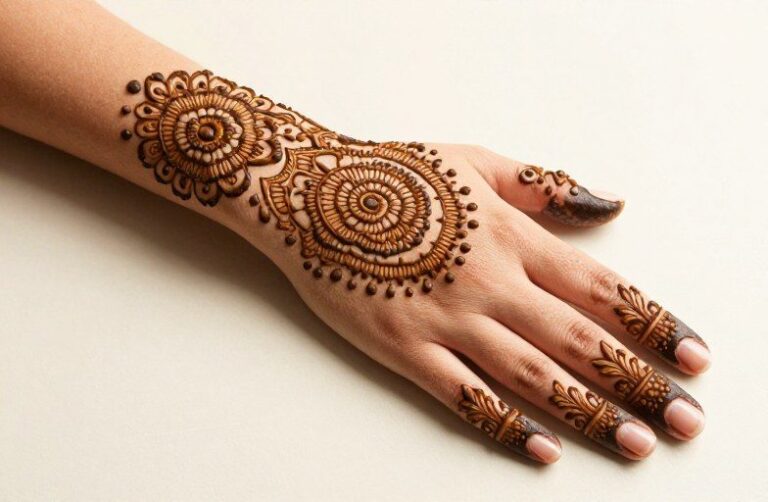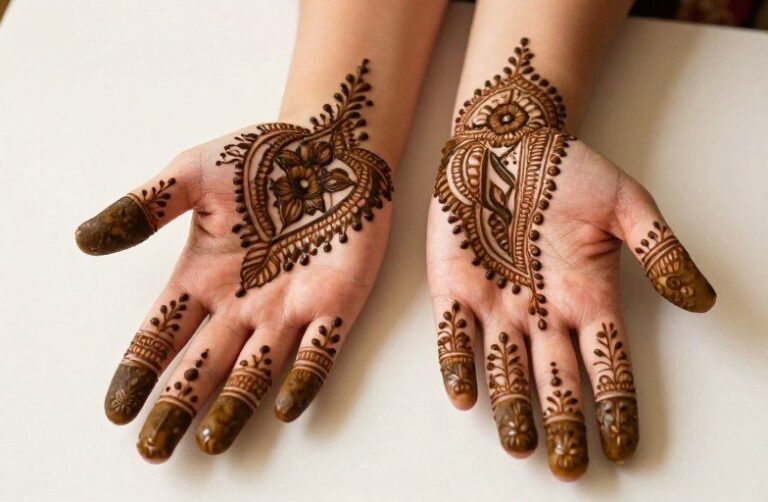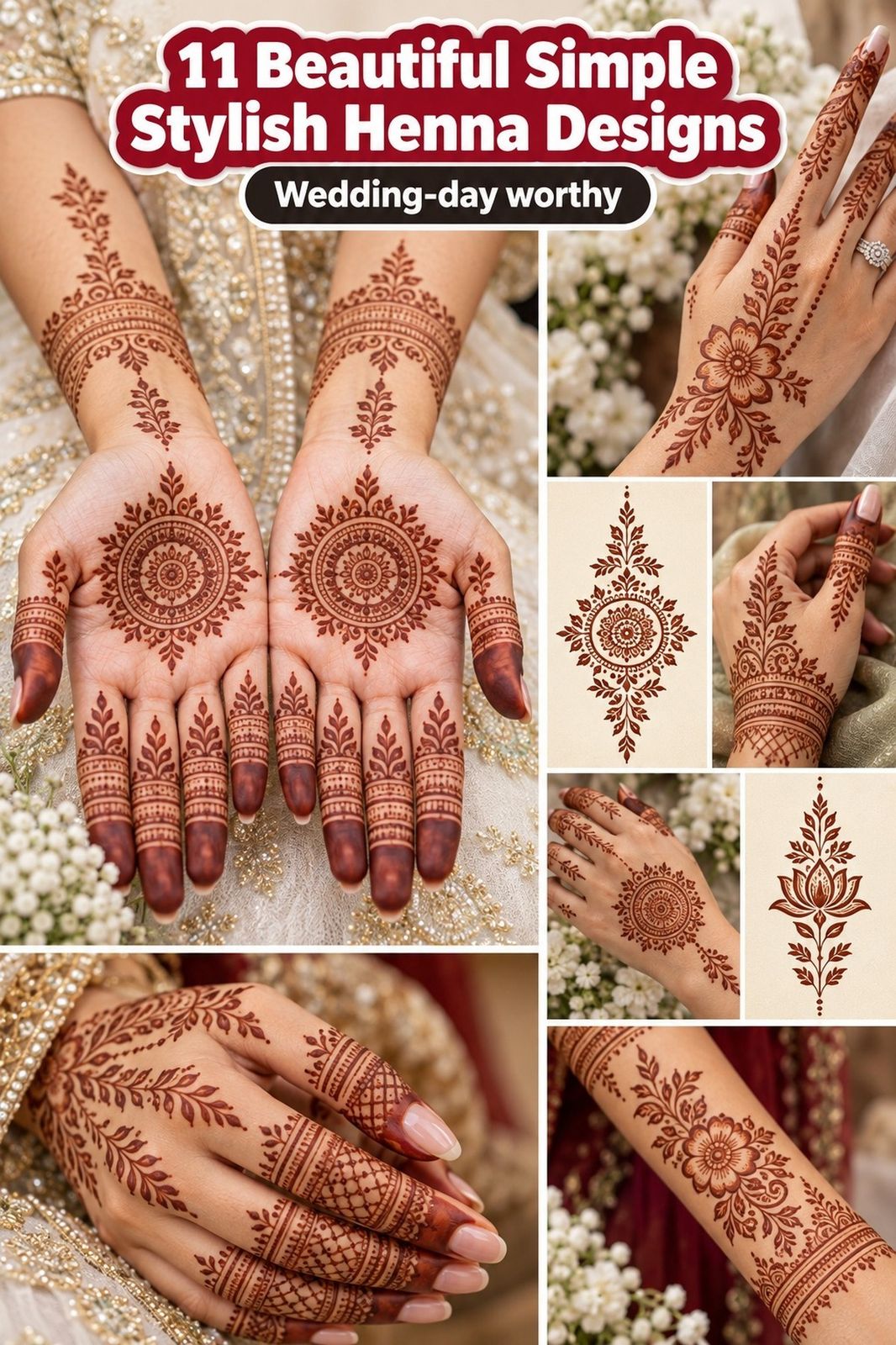
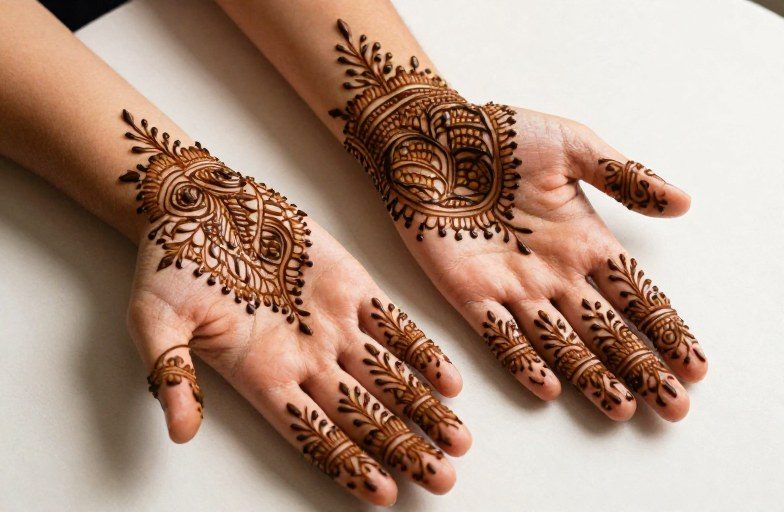
A henna tattoo is technically not a tattoo because it lacks the defining element of true tattooing: needle-driven ink deposited into the dermis. Henna sits on the epidermis, staining dead skin cells that shed within one to three weeks. This temporary nature shapes its entire symbolic framework, henna marks transitional moments rather than permanent commitments, celebration rather than endurance, collective ritual rather than individual statement.
Symbolism & Core Meaning
The temporary quality of henna isn’t a limitation; it’s the source of its power. Where permanent tattoos declare lasting identity, henna honors the fleeting, joy, beauty, luck, and protection that you invite into a specific chapter of life. The stain deepens over 48 hours, peaks, then gracefully fades, mirroring how peak experiences themselves work.
Protection and Blessing
Dark, saturated henna on hands and feet traditionally serves as a shield. The hands channel and receive; the feet carry you across thresholds. Dense patterning in these zones isn’t merely decorative, it creates a symbolic barrier against misfortune, the evil eye, and harmful spirits. This protective function explains why henna features so heavily in pre-wedding rituals and before childbirth across North Africa, the Middle East, and South Asia.
Joy and Celebration
Henna application itself is a social event. The slow, painstaking process demands that you sit still, be tended to, and be the center of attention. This built-in pause from labor and worry makes henna inherently celebratory. The smell of the paste, the cooling sensation, the anticipation of the reveal, all of it creates ritual time distinct from ordinary life.
Design Tips & Pairings
Because henna flows as a paste rather than being injected as ink, certain designs work better than others. Understanding these material constraints helps you choose meaningful patterns that will actually stain well and read clearly.
- Line weight and flow: Thin, unbroken lines hold up better in henna than in many healed tattoos. The paste naturally creates slightly raised, dark lines. Avoid designs requiring extremely fine stippling or heavy solid black fills, the paste cracks and flakes unevenly in large solid areas.
- Placement for longevity: Palms and soles stain darkest and last longest due to thicker skin and more keratin. Backs of hands, wrists, and feet stain moderately. Upper arms, shoulders, and back stain lightest and fade fastest. For symbolic weight, the darkest stain carries the most traditional significance.
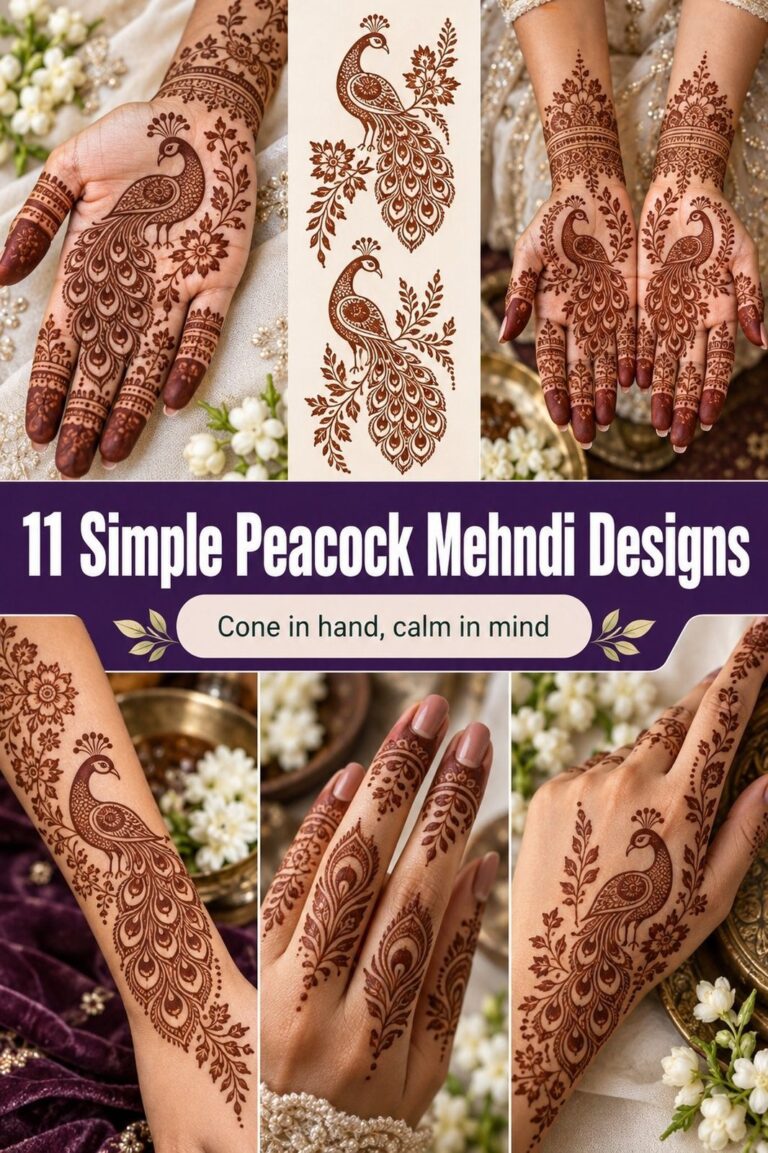
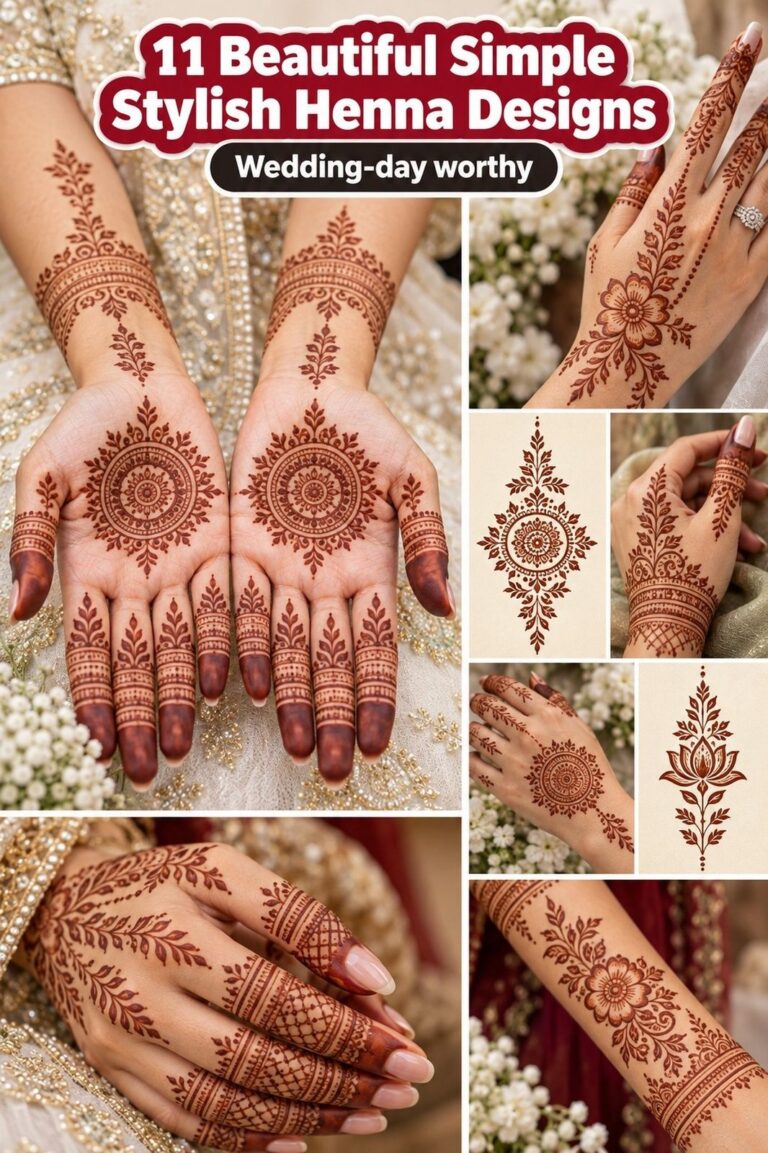
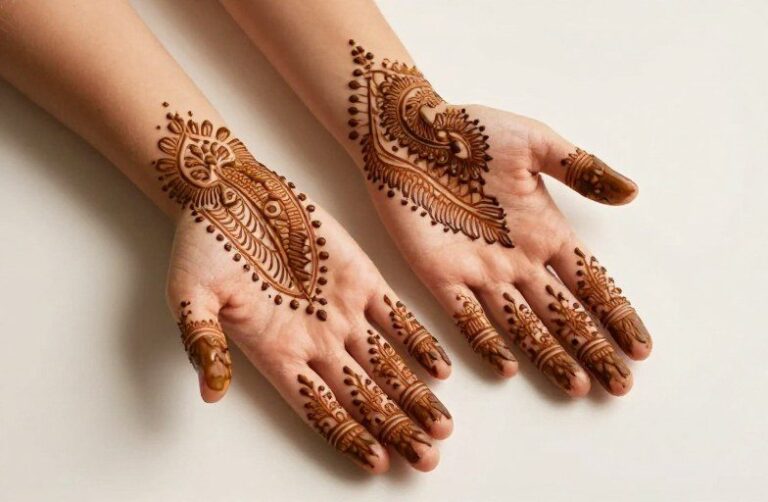
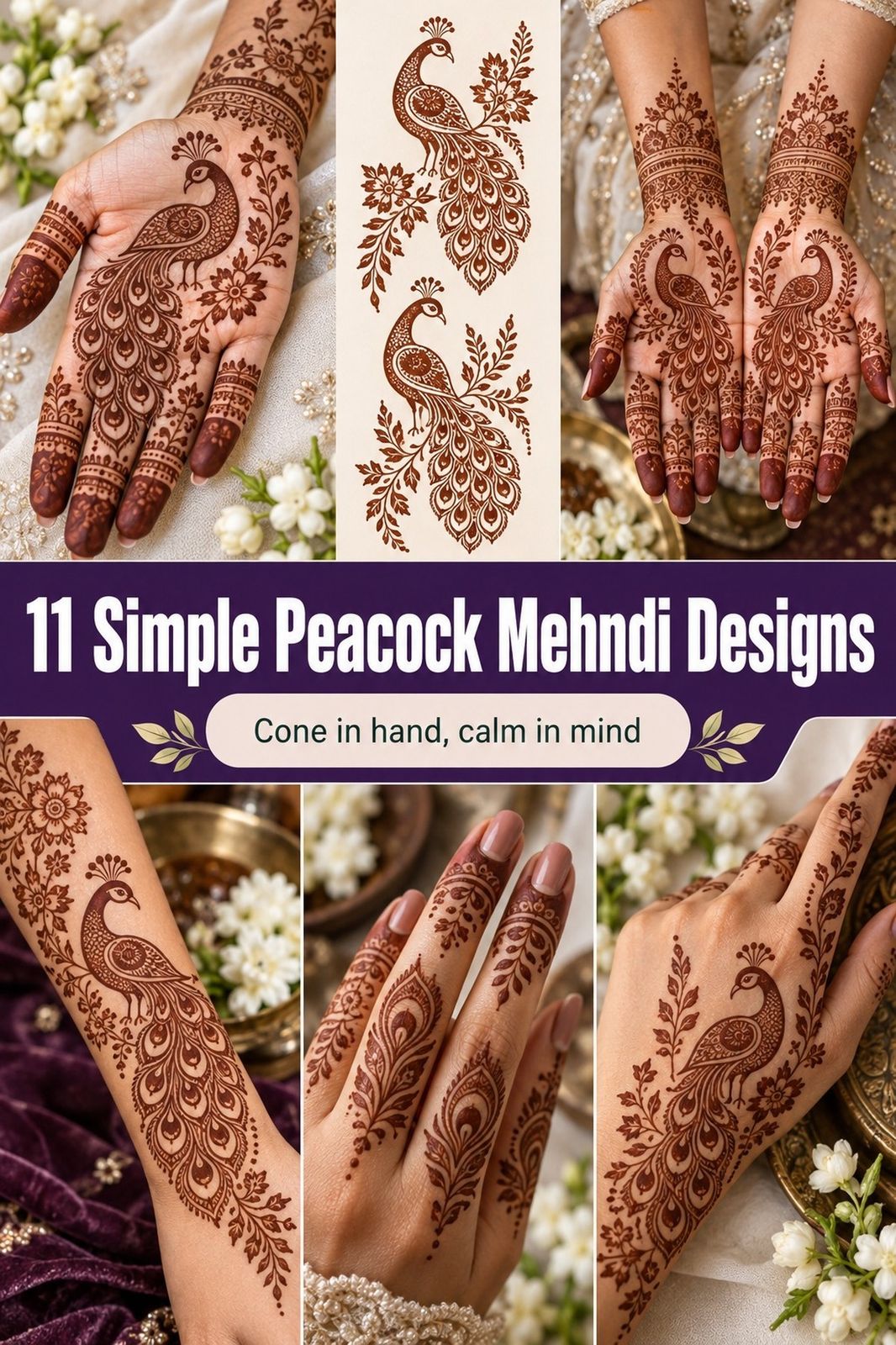
- Classic motifs: Paisleys (mango shapes) symbolize fertility and joy. Flowers represent beauty and the unfolding of life. Vine and leaf patterns suggest growth and connection. Peacocks, common in Indian bridal henna, pair beauty with watchfulness. Geometric Islamic patterns emphasize the infinite and the divine.
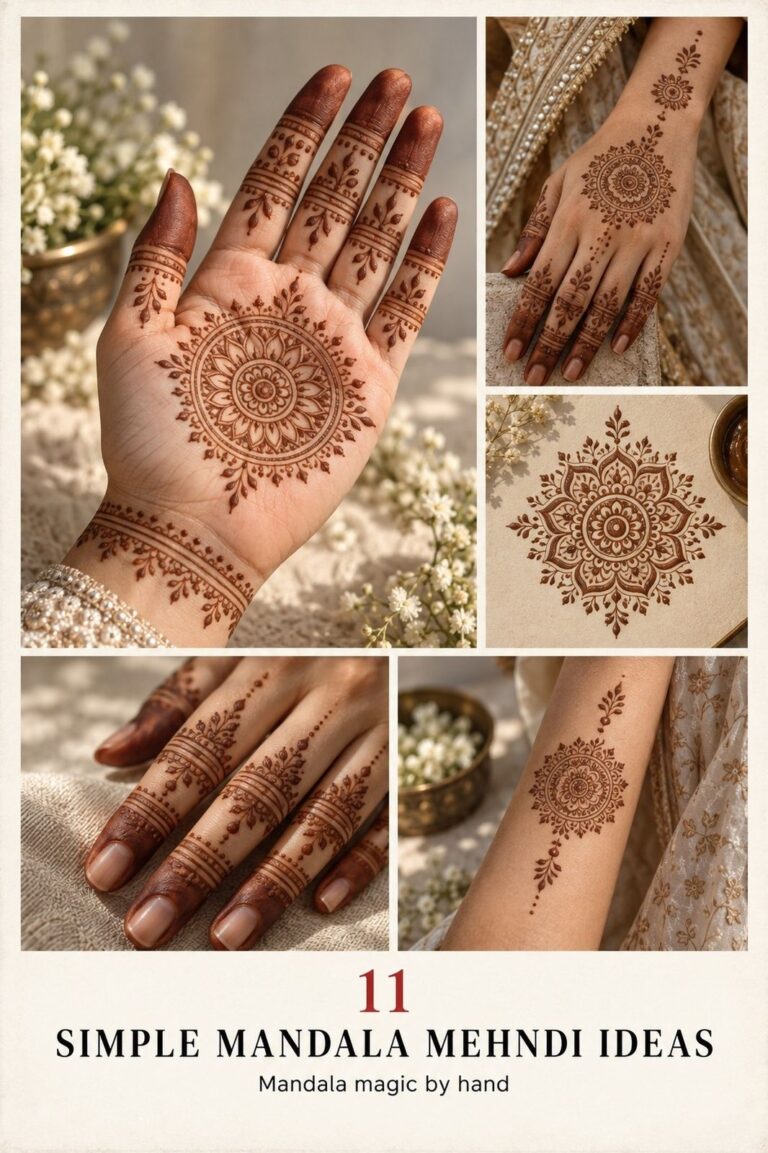
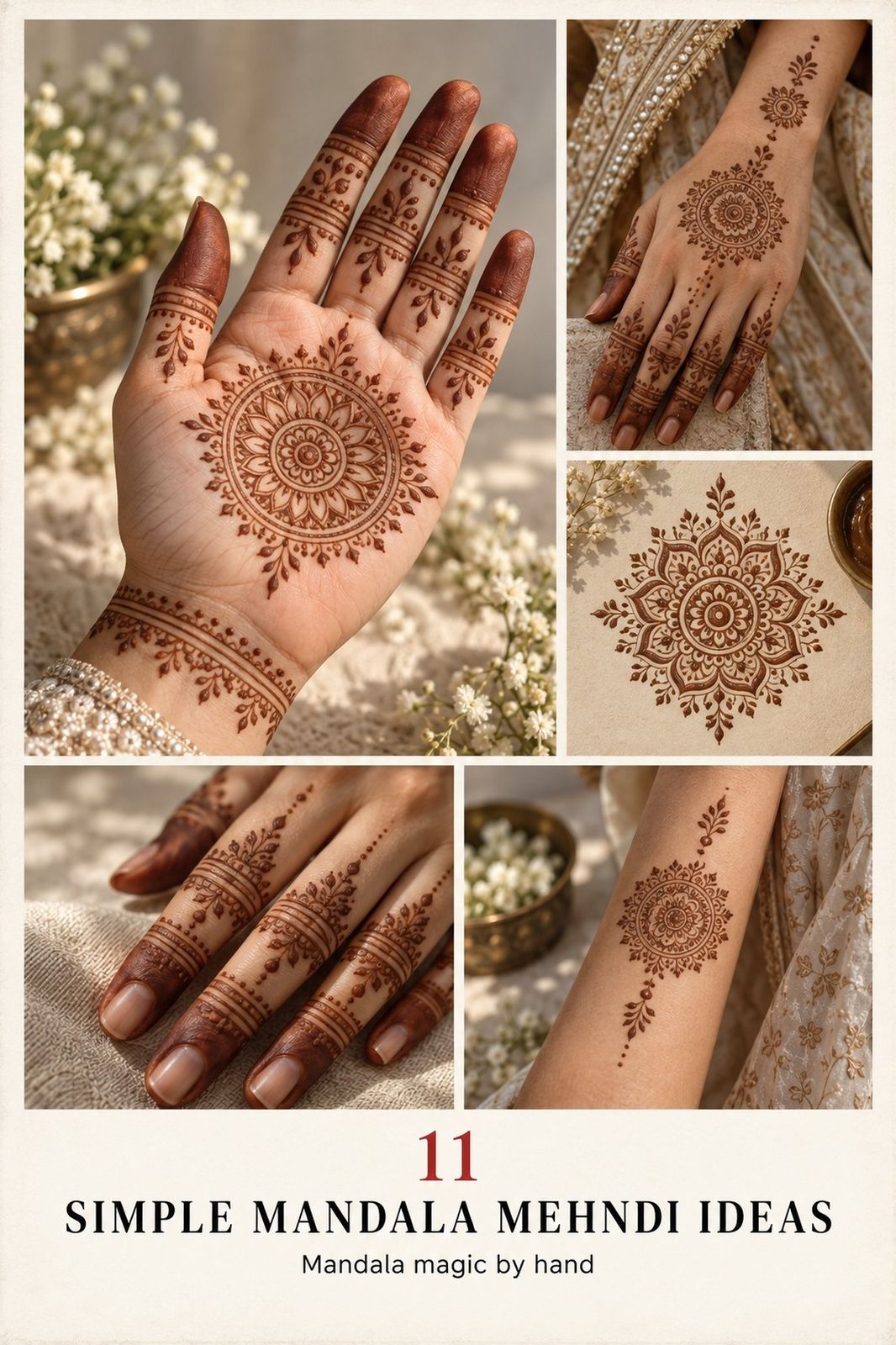
- Pairing with permanent work: Some people frame existing tattoos with henna for special occasions, or test placement concepts before committing to ink. The temporary nature lets you experiment with how a mandala or sleeve composition actually sits on your body in motion.
Working With the Aging Process
Henna changes dramatically over its lifespan. The paste goes on dark green-brown, flakes off to reveal orange stain, then deepens to reddish-brown over 48 hours. This color journey is part of the experience. Planning around it, don’t schedule important photographs until day two or three, shows respect for the medium’s actual behavior rather than treating it like instant decoration.
Who Chooses This Tattoo
People drawn to henna span surprisingly different motivations. South Asian and North African communities maintain it as living tradition, particularly for weddings and Eid. Western adopters often seek temporary body art without permanent commitment, or want to participate in cultural aesthetics they find beautiful. Travelers collect henna as experiential souvenir.
The distinction matters: choosing henna as cultural participant versus tourist consumer changes the ethical weight. Learning which designs belong to specific traditions, Moroccan geometric versus Indian floral versus Sudanese bold blocking, shows respect. Wearing henna without understanding its ritual contexts risks reducing meaningful practice to mere accessory.
Personal & Modern Meanings
Contemporary henna use has expanded beyond traditional boundaries. Some people use it to mark recovery milestones, sobriety anniversaries, or the end of difficult periods, the temporary nature suits closure rituals. Others apply it during pregnancy, not for traditional blessing but for body-positive celebration of changing form. Festival culture has adopted henna as communal body decoration, sometimes stripped of original meaning, sometimes hybridized with personal symbolism.
The Commitment Question
For those who cannot wear visible tattoos due to profession, family, or personal uncertainty, henna offers genuine symbolic participation without consequence. This isn’t lesser or inauthentic. The temporary choice itself can mean flexibility, keeping options open, or honoring that identity shifts. The meaning lives in the conscious choice of impermanence, not in pretending temporary is permanent.
History & Cultural Roots
The henna plant, Lawsonia inermis, grows across hot, dry zones from North Africa to South Asia. Its use for body staining is often linked to ancient Egypt, mummies show henna-dyed hair and nails. Some trace it to the Bronze Age Levant and Mesopotamia. The practice spread along trade routes, adapting to local aesthetics and beliefs.
Regional styles diverged significantly. Moroccan henna favors bold, abstract geometric patterns with architectural precision. Indian mehndi developed intricate floral and paisley density, sometimes hiding the groom’s initials in the design. Sudanese and Somali traditions use large, solid blocks and figurative elements. Persian henna historically included more figurative and calligraphic work. These aren’t interchangeable styles; they carry specific cultural signatures.
Colonial and Modern Disruptions
Colonial powers often suppressed henna as “backward,” then tourism and globalization repackaged it as exotic commodity. This uneven history means contemporary wearers participate in complex legacies. Supporting practitioners from originating communities, learning accurate attribution, and avoiding sacred designs for casual decoration are minimal ethical obligations.
Religious & Spiritual Angles
Islamic traditions commonly associated with henna include the Prophet Muhammad’s recorded use and encouragement, making it sunnah (blessed practice). Eid celebrations, weddings, and Friday preparations often include henna application. However, some Islamic interpretations discourage permanent tattooing while permitting henna, creating a meaningful distinction between the two practices.
Hindu and Jain wedding rituals center mehndi ceremonies as essential pre-wedding events. The darkness of the stain is sometimes interpreted as indicating the depth of the bride’s bond with her partner or the affection of her mother-in-law. Jewish communities, particularly from North African and Middle Eastern backgrounds, maintain henna traditions around marriage and childbirth. Some Christian communities in the Levant also have historical henna practices.
The spiritual dimension often focuses on the application process itself as meditation, the patterns as mandala-like focus objects, and the temporary stain as memento mori, beauty that passes, reminding you to inhabit the present.
The Bottom Line
Calling henna a “tattoo” is technically inaccurate but culturally revealing. The misnomer shows how powerfully the concept of intentional body marking resonates across mediums. What distinguishes henna is precisely what gives it distinct symbolic territory: its ephemerality, its social application, its rootedness in specific cultural and religious traditions, and its role in marking life transitions rather than fixed identity.
Whether you approach henna as heritage practice, aesthetic experiment, or spiritual tool, understanding its non-tattoo nature clarifies what it actually offers. It doesn’t compete with permanent ink; it occupies different ground entirely. The question isn’t which is more meaningful, but what kind of meaning you need, enduring declaration or beautiful, passing ritual, and what context you wear it within.
Frequently Asked Questions
How long does a henna stain actually last?
Most henna stains last one to three weeks, depending on placement, skin type, and aftercare. Palms and soles hold color longest due to thicker skin; areas like the upper arm or back fade fastest. Avoiding exfoliation and prolonged water exposure extends the stain.
Is black henna safe to use?
Black henna often contains paraphenylenediamine (PPD), a chemical additive that can cause severe allergic reactions and permanent scarring. Traditional henna is reddish-brown, never truly black. If someone offers instant black results, decline immediately.
Can I get a henna design if I’m not from a culture that traditionally uses it?
Appreciation differs from appropriation. Learn the tradition, choose non-sacred designs, support practitioners from originating communities, and avoid wearing henna to events where it would compete with others’ actual heritage practice. When in doubt, ask your practitioner about appropriate choices.
Why does my henna stain look orange at first?
Henna oxidizes over time. The initial orange stain darkens to reddish-brown within 24-48 hours as the lawsone molecule reacts with air and skin proteins. This color development is normal and expected, don’t judge the final result until day two or three.