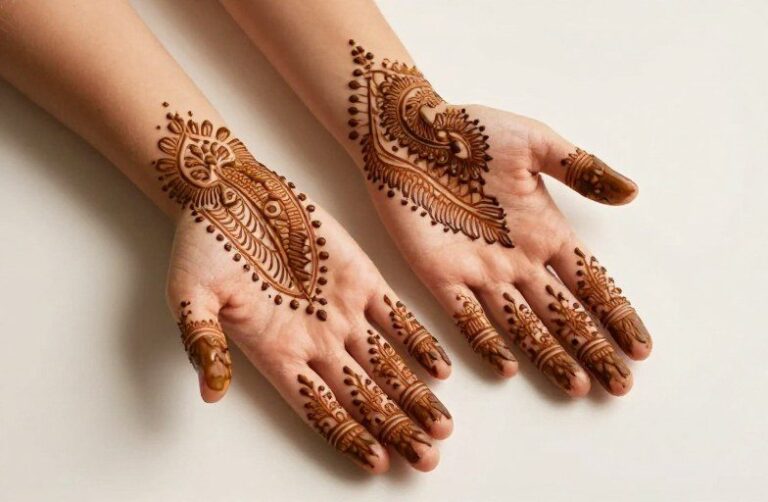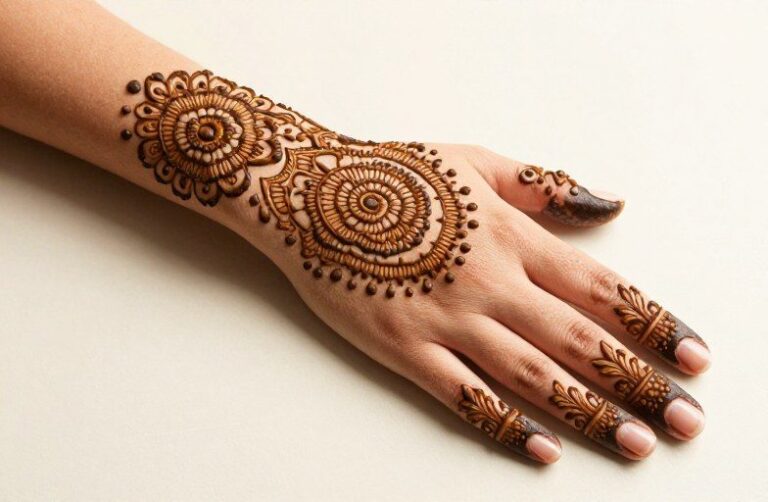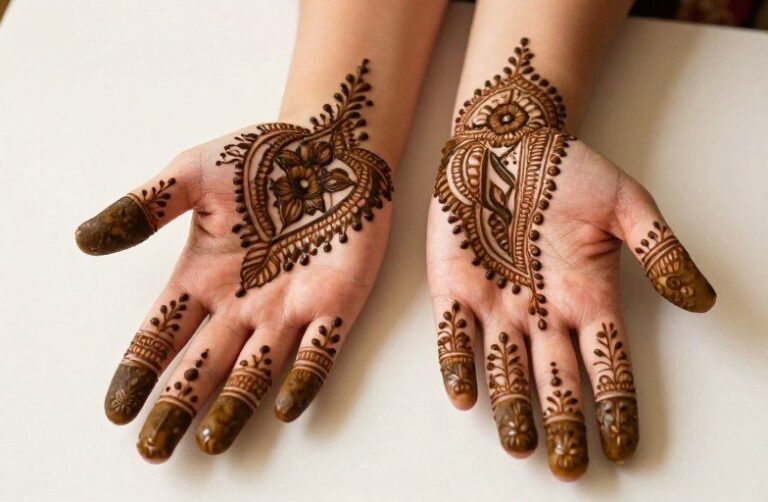
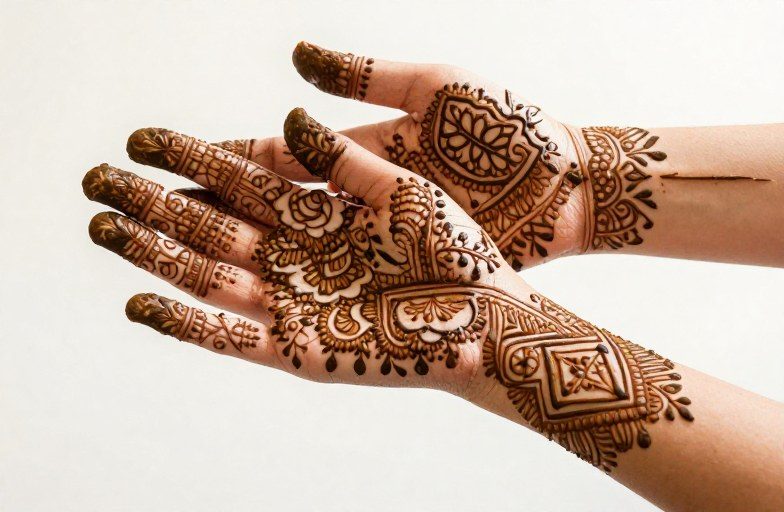
Henna stains the top layers of your skin and will fade naturally in one to three weeks. If you need it gone faster, gentle exfoliation and oil-based methods speed things along without the harsh scrubbing that can leave you raw.
Common Mistakes
Most people make this harder than it needs to be. The urge to attack that orange-brown stain with everything in the bathroom cabinet is real, but patience pays off here.
Scrubbing Too Hard
Steel wool, pumice stones, salt scrubs with sharp edges, these will tear your skin before they touch the stain. Henna sits in the dead skin cells of the epidermis. You cannot sandpaper it out. Aggressive scrubbing leaves you with redness, possible scabbing, and a patchy stain that lingers even longer as the damaged skin heals over it.
- Avoid bleach, hydrogen peroxide, or nail polish remover, these cause chemical burns
- Skip lemon juice on fresh skin; the acidity plus UV exposure can cause lasting hyperpigmentation
- Do not pick at flaking henna; pulling up partially attached skin extends the stain line unevenly
Expecting Overnight Results
Henna binds with keratin. Even aggressive but safe methods take two to four days of consistent effort. The stain lightens gradually, not dramatically. Anyone promising instant removal is selling something that will hurt you.
Realistic Expectations
How fast henna fades depends on where it sits on your body, how long the paste stayed on originally, and your personal skin chemistry. Palms and soles stain deepest because the skin is thickest there. A light wrist design might vanish in four days; a dense palm piece could hold strong for three weeks.
Fresh henna (first 48 hours) looks orange and feels vulnerable. Resist the urge to start removal immediately. Let it settle, darken, and begin its natural fade. Working with the process rather than against it gets better results with less irritation.
- Natural henna (brown/orange) fades predictably; “black henna” with PPD dye is a different problem entirely
- Black henna reactions need medical attention, not home removal
- Moisturizer and time remain the safest universal approach
When to See a Professional
Most henna removal happens at home. Certain situations warrant outside help, though not necessarily from a tattoo shop.
Allergic Reactions
Blistering, spreading redness, intense itching, or pain that worsens after day two signals a reaction to the henna itself or additives in the paste. “Black henna” containing paraphenylenediamine (PPD) causes severe allergic responses. Do not attempt removal on broken, blistered, or weeping skin. A pharmacist or urgent care clinic can assess whether you need topical steroids or antihistamines.
Stubborn Stains from PPD or Chemical Dyes
Some “henna” products contain hair dye, acrylics, or other synthetic pigments that penetrate deeper than natural lawsone. These may not respond to standard fading methods. A dermatologist can evaluate whether professional-grade treatments are appropriate. Tattoo artists do not remove henna; do not ask your local shop to laser or dermabrasion a temporary stain off you.
What to Expect Step by Step
These methods work incrementally. Combine them, rotate through, and give your skin rest days between sessions.
Oil Soaking Method
Olive oil, coconut oil, or baby oil break down the henna’s bond with skin cells. Warm the oil slightly, massage it into the stained area for two minutes, then wrap loosely with plastic wrap or a warm towel. Leave for twenty minutes. Wipe away and gently wash with mild soap. The stain should look slightly lighter. Repeat twice daily.
Exfoliation Routine
After oil soaking, use a soft washcloth or gentle sugar scrub in circular motions. You are encouraging dead skin to shed faster, not abrading living tissue. Stop when the skin feels warm and slightly pink, not red or stinging. Follow with moisturizer to prevent the dryness that can make stains appear darker.
- Swimming in chlorinated pools accelerates fading through combined water exposure and mild chemical action
- Hot tubs work similarly but introduce infection risk on freshly exfoliated skin, wait twenty-four hours after heavy scrubbing
- Steam rooms and saunas soften skin and prep it for gentle exfoliation
Healing Timeline
Your skin needs recovery between removal attempts. Think of this as a cycle: fade, rest, fade again.
Days one to three after application, the stain is setting and darkening. Leave it alone. Days four to seven, natural fading begins; start gentle oil soaks. Days eight to fourteen, exfoliation becomes more effective as the stained skin layer prepares to shed. Beyond two weeks, any remaining trace is usually in the deeper epidermal layers and will need time, not force.
If you have over-scrubbed and created raw patches, treat that as wound care: clean, moisturized, protected from sun and friction. The henna will fade when the skin heals, not before. Adding more removal methods on damaged skin only deepens the injury and can cause scarring that outlasts the temporary stain by months or permanently.
Aftercare Essentials
Skin that is being actively worked for henna removal behaves similarly to skin healing from a real tattoo: it needs moisture, protection, and patience.
Moisturizing Strategy
Fragrance-free lotions or plain shea butter prevent the cracking that traps pigment in dry skin layers. Apply after every removal session and before bed. Occlusive moisturizers (petroleum jelly, Aquaphor) overnight can speed cell turnover by maintaining hydration.
Sun Protection
Freshly exfoliated skin hyperpigments easily. A henna stain that sits on sun-exposed skin can darken paradoxically as melanin production ramps up around the irritated area. SPF 30 or higher on the removal site, even through clothing if possible. This matters especially on hands, forearms, and ankles where people forget to apply sunscreen.
- Loose clothing prevents friction that re-irritates sensitized skin
- Avoid hot water on the area; lukewarm showers only during active removal
- Do not schedule waxing, shaving, or other hair removal over the stained zone until fading completes
Final Word
Henna removal is a lesson in accepting temporary marks. The methods that work, oil, gentle exfoliation, time, are boring because they respect your skin. The dramatic shortcuts promise speed and deliver damage. If you are removing henna because of a job interview, family event, or simply changed preference, start the process with enough runway. A week of consistent gentle care beats one brutal session that leaves you hiding the scab instead of the stain.
Natural henna is a surface stain. It will go. Treat your skin like you want it to last, because unlike the henna, it does.
Frequently Asked Questions
Does toothpaste actually remove henna faster?
Toothpaste dries out skin but does not break down henna pigment effectively. The mild abrasives in whitening formulas can cause irritation without meaningful fading. Oil soaking works better and leaves skin intact.
Can I get a real tattoo over fading henna?
Wait until the henna is completely gone and the skin has normalized for at least a week. Residual stain can distort how the tattoo artist sees your natural skin tone, and freshly exfoliated skin takes ink unpredictably.
Why did my henna turn black instead of brown?
True henna stains orange-brown and darkens to reddish-brown. Immediate black color usually means PPD or other chemical additives were mixed in. This is not traditional henna and carries higher allergy risk.
Will swimming in the ocean remove henna overnight?
Salt water and sand can accelerate fading, but not dramatically in one session. Repeated swimming over several days helps more. Rinse off salt and apply moisturizer after to prevent the dryness that makes stains linger.