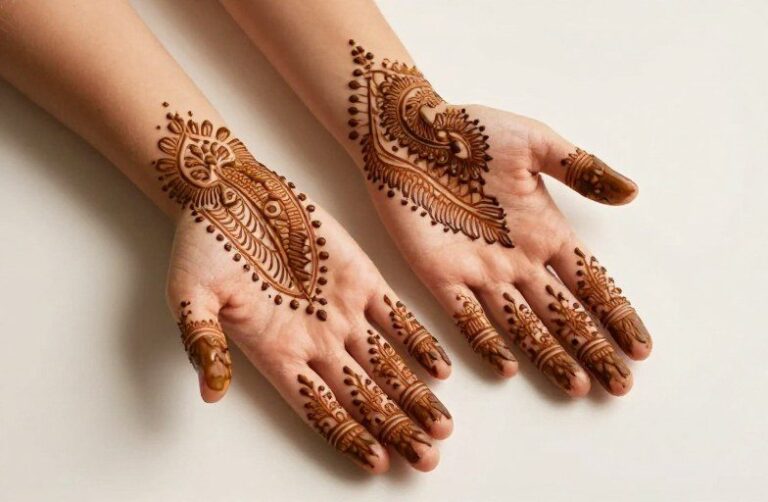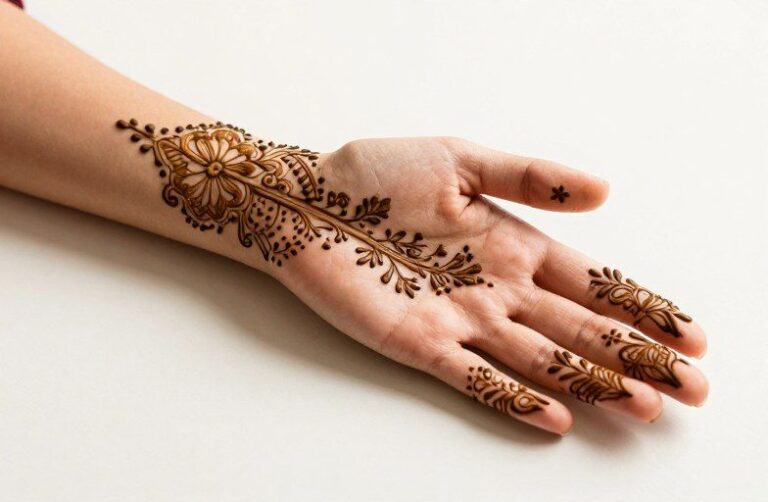
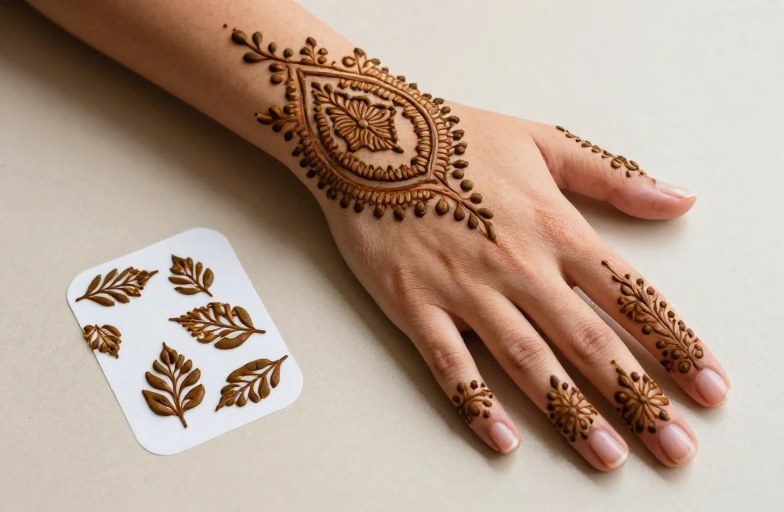
Henna tattoo stickers have two parts: the adhesive decal itself and the orange-brown stain it leaves behind. Peel the sticker off gently, then fade the stain with oil, gentle exfoliation, and time. Most marks fade significantly within three to seven days, though full disappearance can take two weeks depending on skin type and how long the sticker sat.
The Direct Answer
Removing the Sticker Itself
Start with dry skin. Lift one corner slowly, if it resists, warm the area with a hair dryer on low for fifteen seconds to soften the adhesive. Pull parallel to the skin, not straight up, to avoid irritating the surface. Any sticky residue comes off with baby oil, coconut oil, or an oil-based makeup remover. Rub gently in circular motions, then wipe clean with a soft cloth.
Lightening the Stain Left Behind
The stain is not sitting on top of your skin like paint. It has penetrated the dead skin cells of the epidermis. Oil-based products break down the dye molecules fastest. Massage olive oil, argan oil, or even butter into the area and let it sit ten minutes before rinsing. Repeat twice daily. For faster fading, follow oiling with a soft washcloth or a paste of baking soda and water, scrub lightly, not aggressively, to avoid raw skin.
- Warm water soaks (ten minutes, twice daily) soften the stained skin layer
- Chlorinated pools and salt water accelerate fading significantly
- Avoid harsh chemical solvents like acetone or rubbing alcohol on fresh stain
- Do not over-exfoliate; broken skin traps pigment deeper and prolongs marks
Cost Factors
Removing henna stickers at home costs essentially nothing if you already own oil and a washcloth. A bottle of baby oil runs about three to five dollars. Baking soda, already in most kitchens, costs pennies per use. The real expense is time and patience, rushing the process with aggressive scrubbing or expensive “stain remover” products marketed for henna often damages skin without speeding results.
When Professional Help Becomes a Cost
If the stain sits in an awkward spot, face, neck, hands before a job interview, some laser clinics offer spot treatments. Prices vary widely by region, from fifty to two hundred dollars per session. Most henna stains, however, do not respond well to laser because the dye lacks the carbon particles that absorb laser energy effectively. A consultation, often free, saves you from wasting money on ineffective treatment.
Hidden Costs of Bad Removal
Scrubbing too hard creates micro-tears. These heal darker in some skin tones, leaving a shadow where the henna was. Healing broken skin requires fragrance-free moisturizer and sun avoidance, products and time you would not otherwise spend. Gentle removal from the start avoids these costs entirely.
Common Mistakes
People treat henna stains like Sharpie marks, attacking them with alcohol, nail polish remover, or abrasive scrubs. These methods irritate living skin without touching the dye, which sits in dead cells below the surface. The result: red, angry skin that still looks orange-brown.
Timing Errors
Fresh henna stains, within the first twenty-four hours, are still oxidizing and setting. Attempting removal during this window actually drives pigment deeper as warm water and friction open the skin’s pores. Wait at least a full day before active removal efforts. The stain will look darkest at forty-eight hours regardless, this is normal chemistry, not a sign you failed.
Product Misuse
Whitening toothpastes, lemon juice, and hydrogen peroxide appear frequently in online advice. Toothpaste contains mild abrasives that help slightly but dry skin severely. Lemon juice causes photosensitivity, stained skin burns faster in sunlight, sometimes leaving permanent hyperpigmentation. Hydrogen peroxide bleaches surrounding skin unevenly. Plain oil and time outperform all of these with zero risk.
When to See a Professional
Most henna sticker removal needs no professional intervention. Two situations warrant a dermatologist visit: allergic reaction to the adhesive or dye, and stains that darken rather than fade over weeks.
Recognizing Adhesive or Dye Reactions
Redness, swelling, blistering, or itching that spreads beyond the tattoo area suggests contact dermatitis. “Black henna” stickers especially carry risk, some contain paraphenylenediamine (PPD), the same chemical in dark hair dyes, which sensitizes skin and can cause severe reactions. If the area feels hot, leaks fluid, or itches intensely within hours of application, rinse thoroughly and seek medical evaluation. Do not attempt further home removal on inflamed skin.
Stains That Won’t Budge
Occasionally, henna stains darken or persist beyond three weeks. This happens most often on thick-skinned areas like palms and soles, or when the product contained synthetic dyes rather than natural henna. A dermatologist can distinguish true henna staining from other pigment deposits and discuss options like prescription-strength retinoids that speed cell turnover safely.
Realistic Expectations
Henna stains the stratum corneum, the outermost dead skin layer that your body replaces continuously. Natural shedding takes fourteen to twenty-one days for complete turnover. You cannot rush biology. Aggressive removal attempts that promise “gone in one day” trade temporary stain for weeks of healing damaged skin.
How Location Affects Fading
Stains on palms and soles last longest, skin there is thicker, renews slower, and absorbs more dye. Inner wrists and ankles fade faster. Areas with frequent friction (waistband lines, watch straps) shed stained cells quicker. Facial skin, thin and oil-rich, often clears in five to seven days with minimal effort.
Skin Tone and Visibility
The orange-brown henna color contrasts most visibly on very fair skin, making stains seem more persistent than they are. On deeper skin tones, the same stain may read as subtle warmth rather than obvious mark, though the actual fading timeline remains similar. Oil-based removal works equally across skin tones; the visual urgency simply differs.
What to Expect Step by Step
Days One to Three
The stain reaches peak darkness around forty-eight hours. Do not panic. Avoid scrubbing. Apply oil once daily if you must, but mostly leave it alone. Normal showering and hand-washing contribute to gradual fading without extra effort.
Days Four to Seven
Noticeable lightening begins. Increase oil applications to morning and evening. Add gentle exfoliation every other day, soft washcloth, mild sugar scrub, or baking soda paste. The stain should look distinctly lighter, possibly patchy as different skin areas shed at different rates.
Days Eight to Fourteen
Most residue fades to a faint shadow. Continue oil and occasional exfoliation. By day fourteen, only you likely notice anything remains. If the mark persists beyond three weeks, evaluate whether the product was truly henna or contained synthetic dyes that behave differently.
The Takeaway
Henna tattoo stickers come off easily; their stains leave on their own schedule. Oil, warm water, gentle exfoliation, and patience remove both safely. Aggressive chemicals and scrubbing damage skin without accelerating results. Most stains fade to near-invisibility within two weeks, faster on thin skin, slower on palms and soles. Black henna or any reaction beyond mild irritation deserves professional evaluation. The best removal strategy respects your skin’s natural processes rather than fighting them.
Frequently Asked Questions
Can I use a magic eraser to scrub off henna stain?
No. Magic erasers are melamine foam abrasives designed for household surfaces, not living skin. They cause significant irritation, micro-tears, and can leave scars or darker post-inflammatory marks where the henna was.
Will sunscreen help fade henna faster?
Sunscreen won’t speed fading, but it prevents the stain from darkening further. UV exposure can oxidize henna pigment deeper into orange-brown tones. SPF 30+ on exposed stain areas keeps fading on its natural timeline without interference.
Why did my henna sticker leave a black stain instead of brown?
Natural henna stains reddish-brown. Black or very dark stains indicate synthetic additives, often PPD, which is not true henna. These stains behave differently, sometimes lasting longer or causing skin reactions. Treat them more cautiously and consider dermatologist consultation if they persist.
Can I get a real tattoo over a faded henna stain area?
Wait until the stain has completely disappeared and skin has normalized, typically three to four weeks. Tattooing over residual pigment or irritated skin makes it harder for the artist to judge true skin tone and can affect how the tattoo heals and ages.