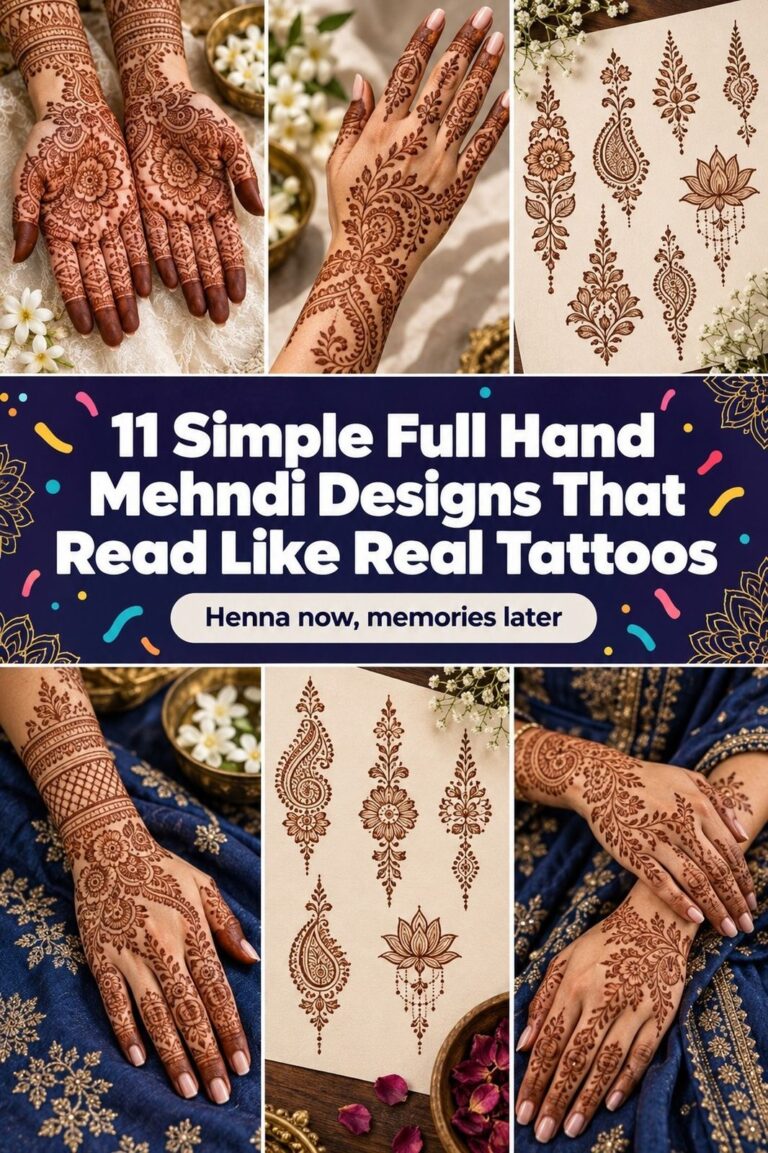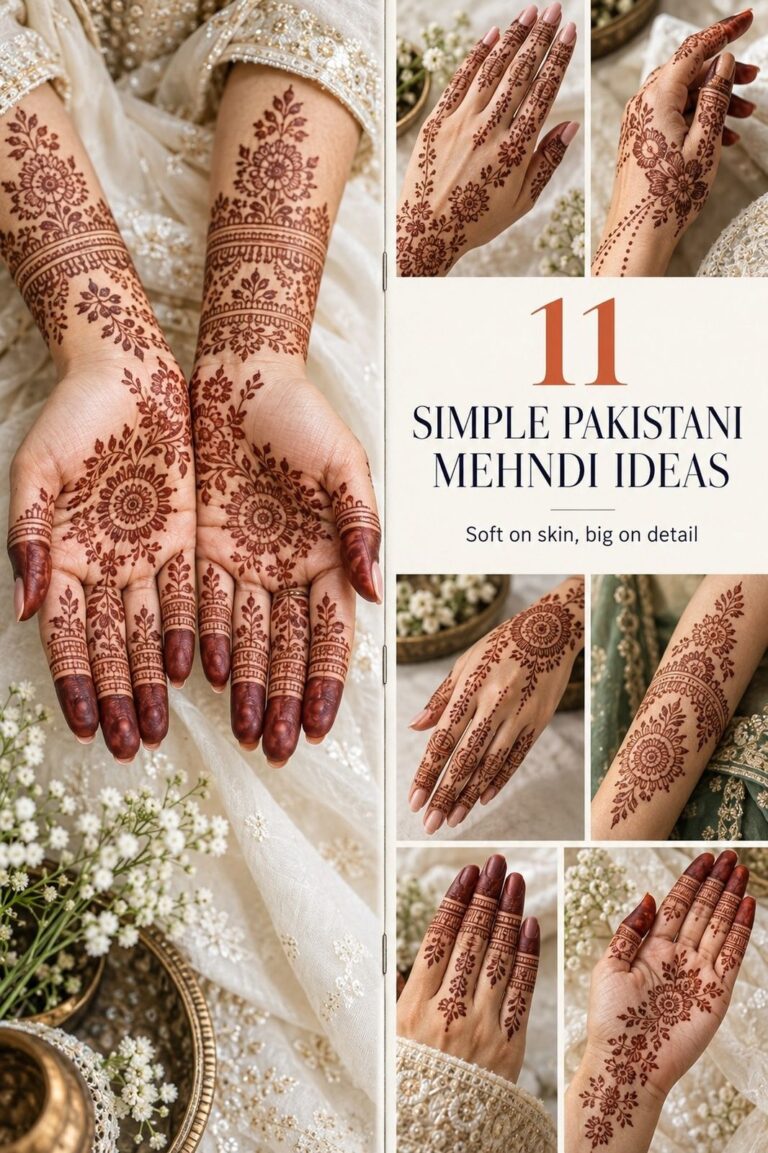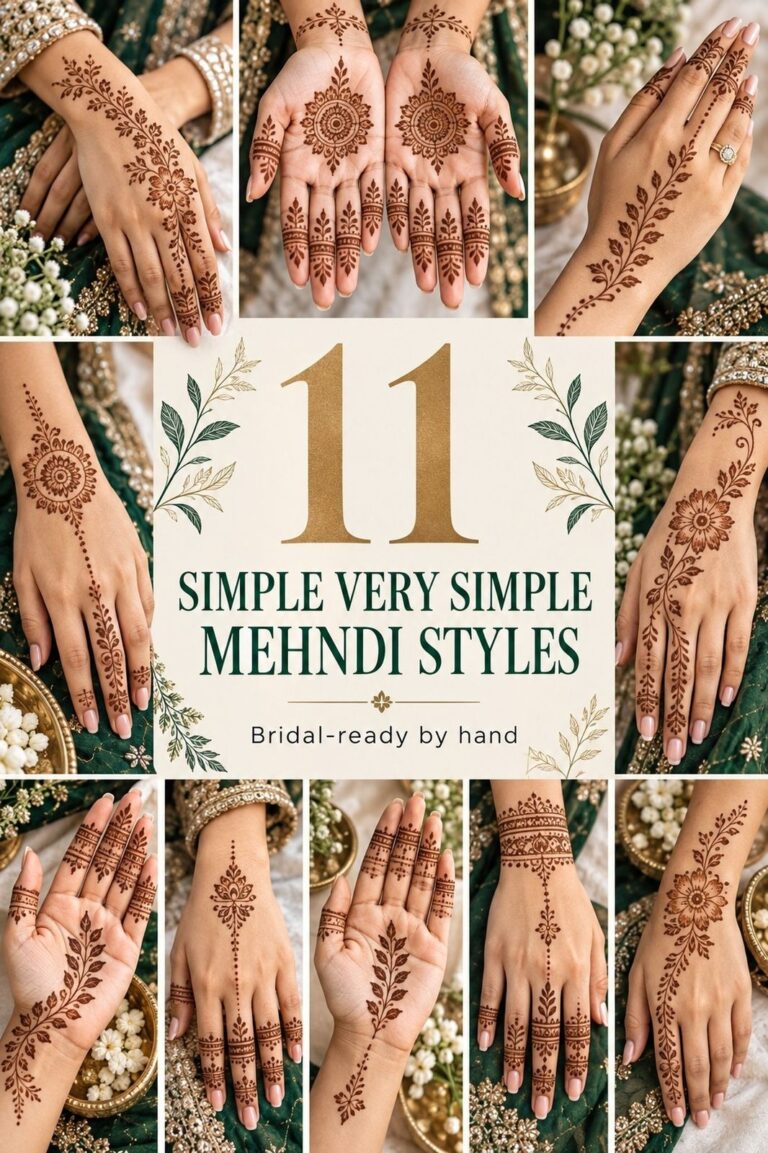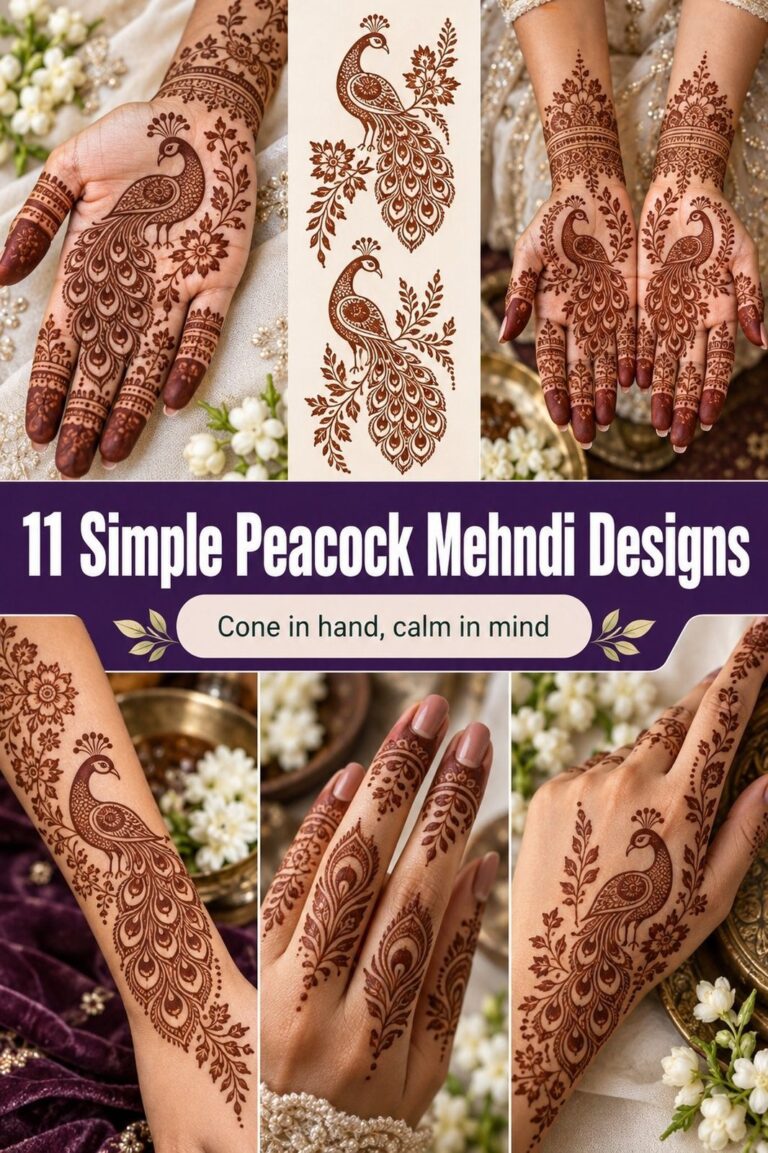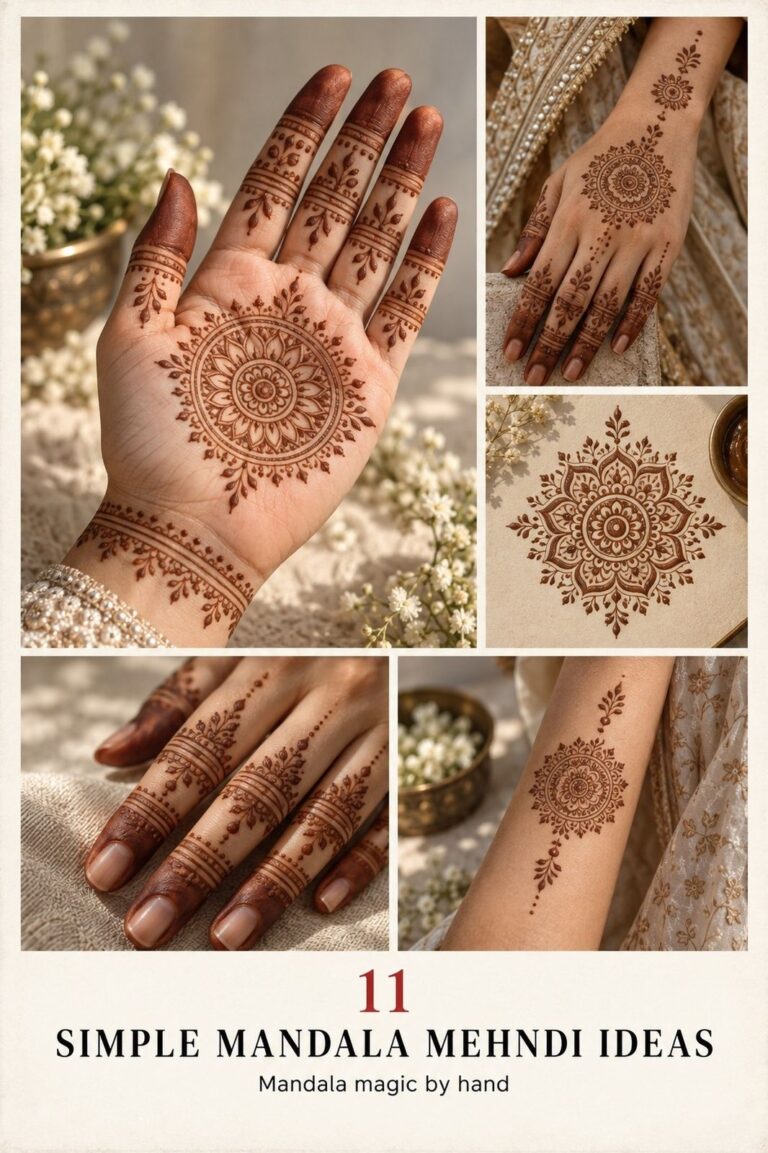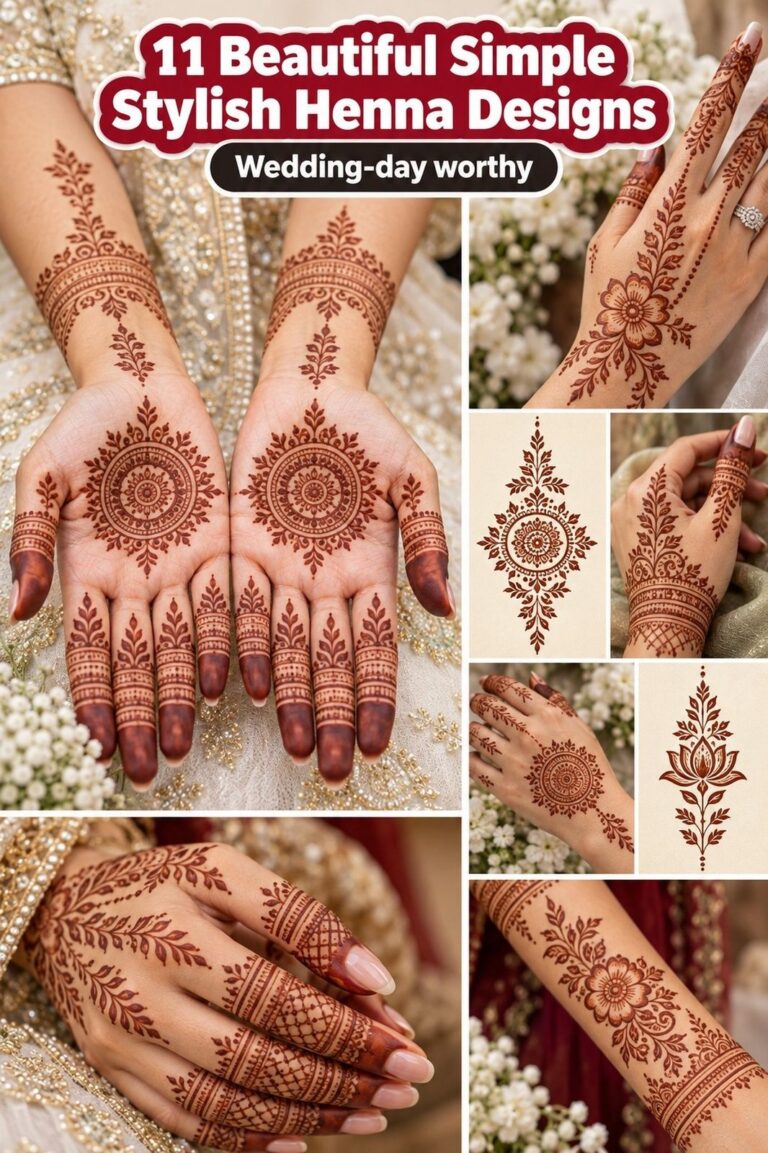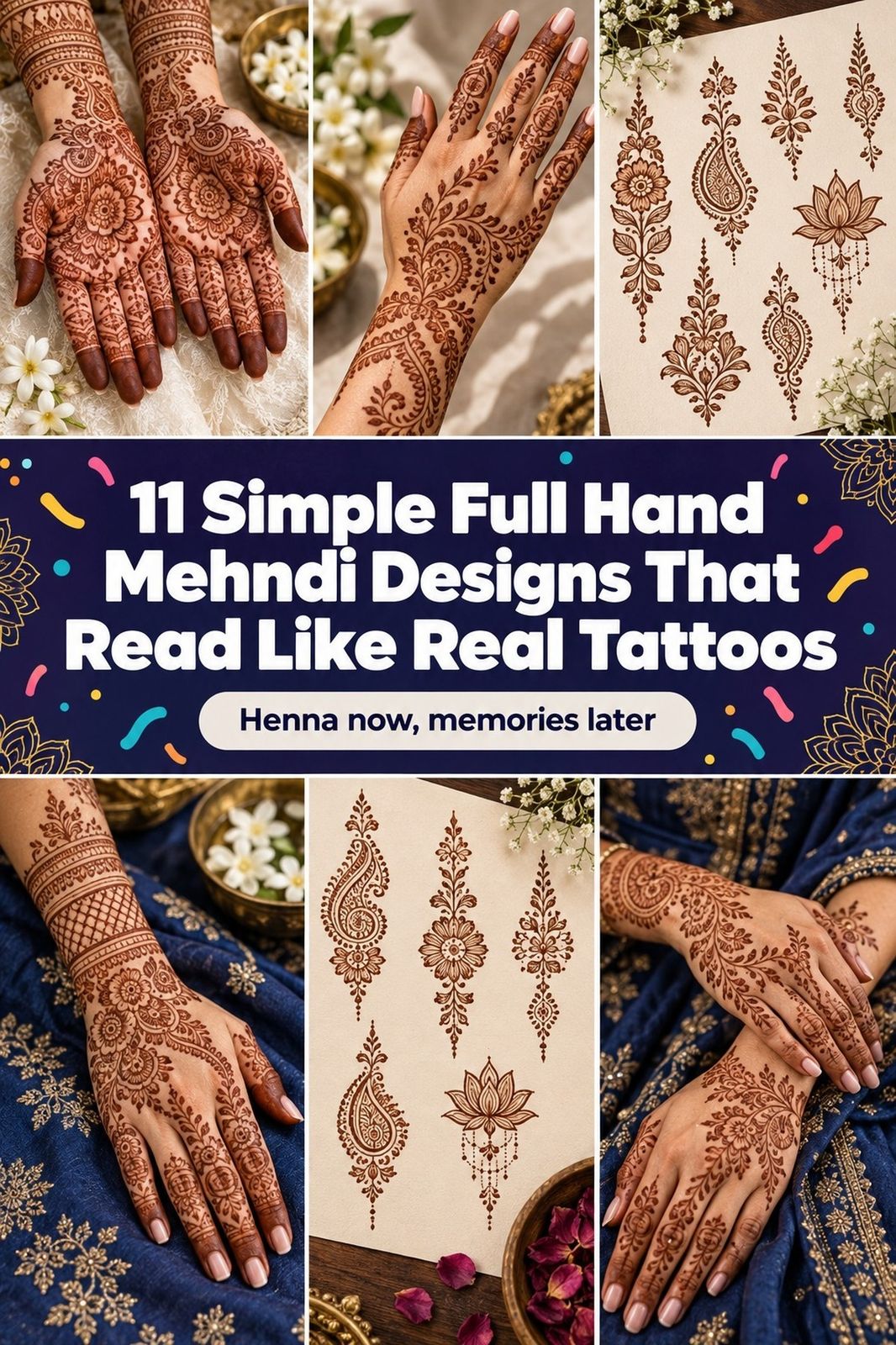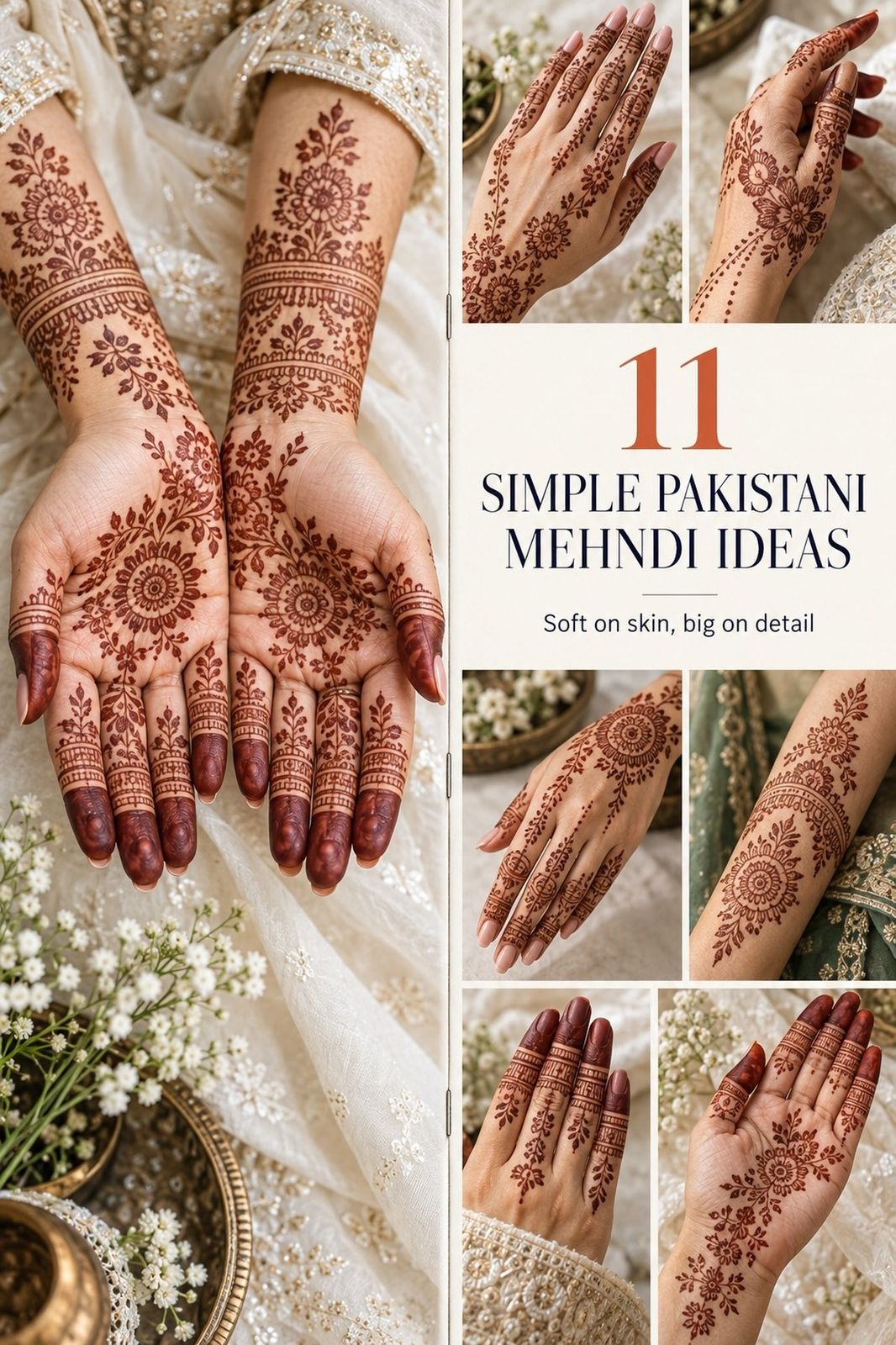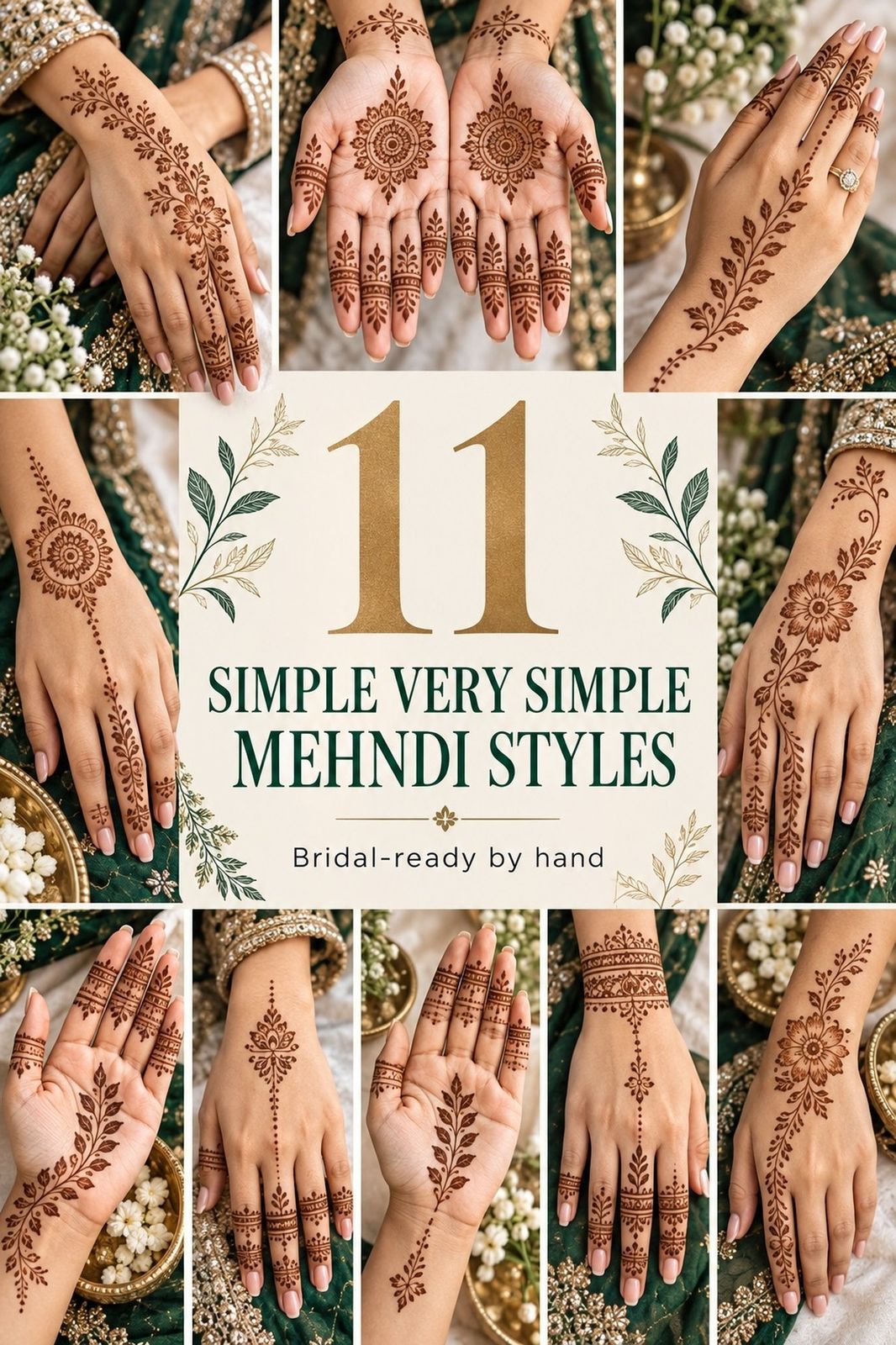
A henna tattoo at any age represents joy, temporary beauty, and participation in cultural or personal ritual. For younger wearers, it often marks a threshold, birthdays, quinceañeras, bat mitzvahs, or simply the first taste of body art without permanence. The meaning centers on celebration, transition, and the fleeting nature of the moment itself, rendered in paste that darkens over days then fades completely.
Design Tips & Pairings
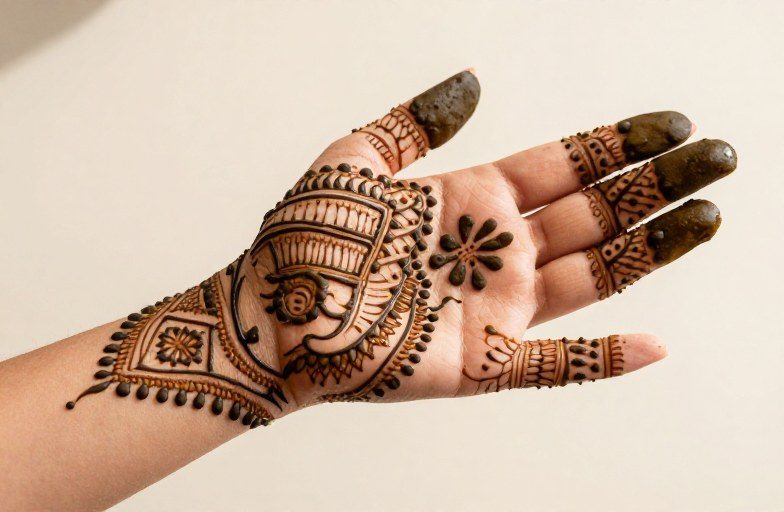
Fresh henna paste goes on as a thick greenish-brown paste, dries, and flakes away to leave a stain ranging from pumpkin orange to deep mahogany depending on skin chemistry and how long the paste sets. Younger clients often want immediate visual impact, so placement and design density matter more than intricate detail they’ll barely sit still for.
Working With Younger Skin
Children’s skin stains faster and sometimes darker due to higher warmth and thinner epidermis, but it also fades quicker with active lifestyles. Keep designs simple for ages under ten: thick lines, dots, basic flowers, or small animals. Avoid delicate trailing vines that smudge with fidgeting. For teens, finer work holds: paisley cuffs, mandala palms, or finger accents that mirror permanent tattoo trends without the commitment.
Pairing Motifs for Meaning
- Floral clusters with geometric borders: Common for sweet sixteen or quinceañera designs, blending growth (flowers) with structure (borders) to symbolize emerging adulthood.
- Moon phases with stars: Popular for younger teens; represents cycles, change, and the temporary nature of the henna itself.
- Initials or numbers hidden in vines: Subtle personalization for birthdays or milestone ages without dominating the design.
- Animal silhouettes: Butterflies for transformation, elephants for strength and luck, both frequently requested by younger wearers.
Mixing jagua gel (blue-black stain) with traditional henna creates two-tone effects that read as more “tattoo-like” to younger clients wanting to preview how permanent ink might look. This pairing also extends the visual life since jagua and henna fade at different rates.
Common Variations & Styles
Henna traditions vary enormously by region, and each carries distinct visual language that affects what a design communicates.
Regional Styles and Their Associations
Indian/Pakistani mehndi covers palms and extends to forearms or feet, dense with paisley, peacocks, and fine meshwork. For young people in diaspora communities, wearing this style often connects to heritage celebrations, Eid, Diwali, weddings, rather than casual body decoration. The full bridal style on a teenager typically signals participation in a family ceremony, not independent fashion choice.
Arabic/ khaleeji styles favor flowing floral trails with significant negative space, running from wrist to fingertip or ankle upward. This reads as more “modern” to younger wearers and works better for casual events, beach trips, or music festivals. The openness feels less formal, less weighted with specific ritual obligation.
Moroccan geometric patterns, diamonds, chevrons, Berber symbols, carry protective associations historically. Younger travelers sometimes request these after visiting Morocco, though the specific tribal meanings often get flattened into generic “exotic” appeal. Worth researching if authenticity matters to the wearer.
White Henna and “Glitter Mehndi”
White henna (actually body paint, not true henna) and glitter additions have surged in popularity for proms, birthday parties, and festival culture. These last hours to a day, not weeks. The meaning shifts toward pure decoration, costume, performance, no stain, no commitment, no traditional resonance. For very young children, this is often the appropriate entry point.
Personal & Modern Meanings
Beyond cultural inheritance, henna accumulates individual significance through the circumstances of application.
Milestone Marking Without Permanence
Age-restricted permanent tattooing creates a charged gap: younger adolescents want bodily autonomy, can’t legally get ink, and turn to henna as legitimate substitute. The meaning becomes one of deferred gratification, of rehearsing identity. A sixteen-year-old with a henna sleeve is trying on a version of themselves, testing how it feels to be marked, visible, committed to an aesthetic.
The fading itself carries meaning. Unlike permanent tattoos that demand living with choices, henna’s disappearance mirrors adolescent flux, intense identification one week, embarrassment the next, gone entirely within a month. Some find this liberating; others experience it as loss, the design’s death reminding them of time passing.
Consent and Bodily Autonomy
For younger children, henna often represents one of the first body modifications they choose themselves. Parental veto still applies, but the stakes are low enough that negotiation happens. The meaning here is about agency: “This is my skin, my decision, my temporary mark.” This matters developmentally in ways adults sometimes underestimate.
Mythology & Folklore
Henna’s ritual associations are often linked to blessing, protection, and fertility across multiple traditions, though specific origins resist clean attribution.
Protective and Auspicious Associations
In South Asian traditions often linked to wedding customs, henna application the night before marriage, mehndi ki raat, serves as communal celebration and, some trace it to, protective ritual against the evil eye. The darkness of the stain is sometimes interpreted as indicative of marital happiness or family affection, though this varies enormously by family and region.
North African and Middle Eastern traditions commonly associate henna with baraka, blessing power, particularly for transitions. Applying it to a child’s hands during Eid or after recovery from illness carries this protective resonance. The henna itself doesn’t “do” anything; the application is the ritual act, the community gathering, the spoken or unspoken intention.
Historical Use on the Young
Children in many henna-using cultures receive small applications from infancy, dots on cheeks, palms stained for holidays. There’s no “age of consent” in traditional practice because the substance itself is understood as benign, celebratory, temporary. The modern Western question “what age can you get a henna tattoo” reflects a different framework: tattoo as potentially transgressive, regulated, requiring maturity. Traditional contexts rarely framed henna this way.
Who Chooses This Tattoo
Demographics for henna span widely, but certain patterns emerge in Western contexts.
Younger children (ages 4-10) typically receive henna at cultural festivals, birthday parties, or family events, chosen by parents, applied by professionals or aunties, rarely self-directed. The meaning is imposed: participation, cuteness, tradition.
Tweens and younger teens (11-15) drive much of the casual henna market. They seek it at malls, beach boardwalks, music festivals. The meaning is social: belonging to peer groups, experimenting with identity, testing boundaries of acceptable body modification. This group most commonly asks “can I get this?” and means both parental permission and social acceptability.
Older teens and young adults (16-22) often use henna more strategically, previewing permanent tattoo placements, honoring heritage events, or engaging in cultural appreciation versus appropriation debates with more awareness. The meaning becomes political or personal in ways younger wearers rarely consider.
Adults choosing henna frequently do so for specific ritual purposes: prenatal blessing ceremonies, recovery celebrations, spiritual marking without permanent commitment. The age question becomes irrelevant; the temporary nature serves adult needs for flexibility, professional constraints, or spiritual practice that permanent ink would contradict.
Best Placements
Henna stain quality varies dramatically by body location due to skin thickness, temperature, and movement patterns.
High-Stain Zones for Maximum Duration
Palms and soles stain darkest and longest, up to three weeks, because of thicker stratum corneum and higher density of keratin. These placements are traditional for celebration and ceremony, but also most visible, most questioned by schools and workplaces. For younger wearers, palm designs mean showing teachers, explaining to coaches, potential dress-code friction.
Backs of hands and tops of feet stain moderately well, two weeks typically, and offer compromise visibility. Finger tattoos here mimic permanent ink trends; the sides of fingers stain poorly and fade fast, which frustrates clients wanting ring-like precision.
Low-Stain and Fading-Fast Areas
- Inner wrists and forearms: Popular for visibility, but frequent washing and thinner skin mean fading within a week. Good for commitment-phobes, frustrating for those wanting longevity.
- Upper arms and shoulders: Stain develops lighter, often more orange than brown, due to cooler temperature and less keratin. Best for casual, decorative intent rather than intense ritual marking.
- Neck and face: Highly controversial for children in many contexts; stains unpredictably and carries significant social weight. Generally avoided for younger wearers except in specific cultural ceremonies.
Aftercare for all placements: keep paste on 6-12 hours minimum, avoid water contact first 24 hours, expect color to darken over 48 hours before beginning to fade. Younger wearers struggle with this patience; the meaning of their henna sometimes becomes “the design I smudged by swimming too soon.”
Before You Decide
Henna’s temporary nature doesn’t mean consequence-free application. Black henna containing PPD (paraphenylenediamine, a hair dye chemical) causes chemical burns and permanent scarring, disproportionately affecting younger users at tourist locations and beach resorts. True henna paste smells earthy, herbal; black henna smells chemical or acrid. Any vendor promising black stain immediately is using something dangerous.
Consider what the henna is standing in for: cultural participation, personal milestone, rebellion, beauty ritual, peer bonding. The meaning shifts based on this need. A twelve-year-old getting matching henna with friends at a birthday party carries different weight than a fifteen-year-old using henna to simulate the permanent tattoos they’ll legally access in three years.
The age question itself, “what age can you get a henna tattoo”, reveals assumptions about body modification as regulated, as requiring maturity. Henna in its traditional contexts rarely asked this; it simply was, available to celebrants of all ages. The modern framing imposes a tattoo-parlor lens on something that functioned differently for centuries. Understanding this tension helps younger wearers and their guardians make choices that respect both the substance and its histories.
Frequently Asked Questions
Is black henna safe for kids?
No. “Black henna” typically contains PPD, a hair dye chemical that can cause severe burns, blisters, and permanent scarring. True henna never produces black stain immediately. If a vendor promises jet-black results, walk away.
How long should a child keep henna paste on?
Minimum six hours, ideally overnight while sleeping. The longer the paste stays intact, the darker and longer-lasting the stain. Younger children often struggle with this patience, so evening application works best.
Can henna cause allergic reactions?
Pure henna (Lawsonia inermis) rarely causes true allergies, though some individuals react to essential oils mixed into quality paste. Reactions to “black henna” with PPD are common and dangerous. Always ask about ingredients.
Does henna stain darker on some skin tones?
Henna develops as a translucent stain over your natural skin pigment, so the visual contrast varies. On deeper skin tones, the orange-brown phase may read more prominently before maturing to darker brown; the final color harmonizes with undertones differently than on pale skin.