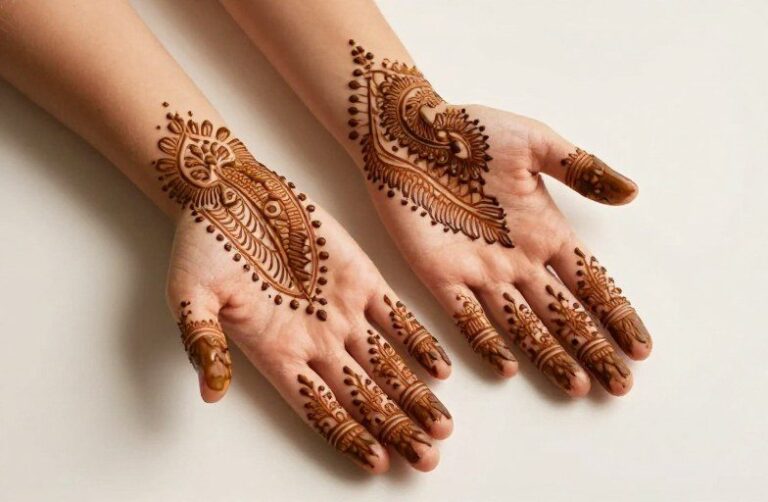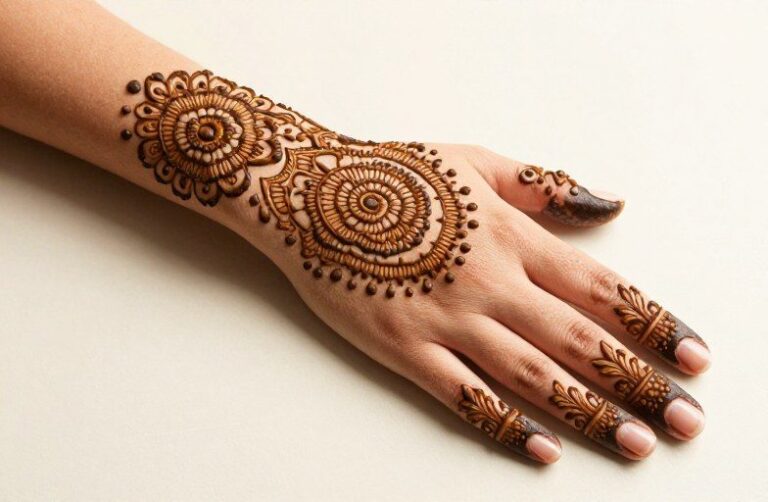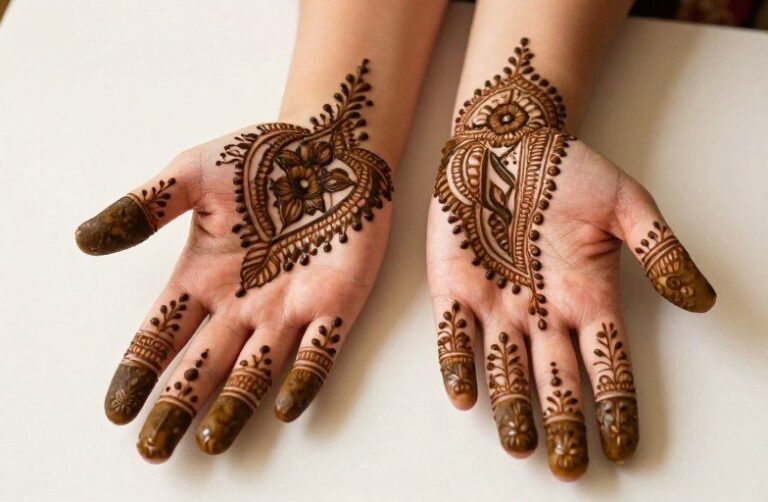
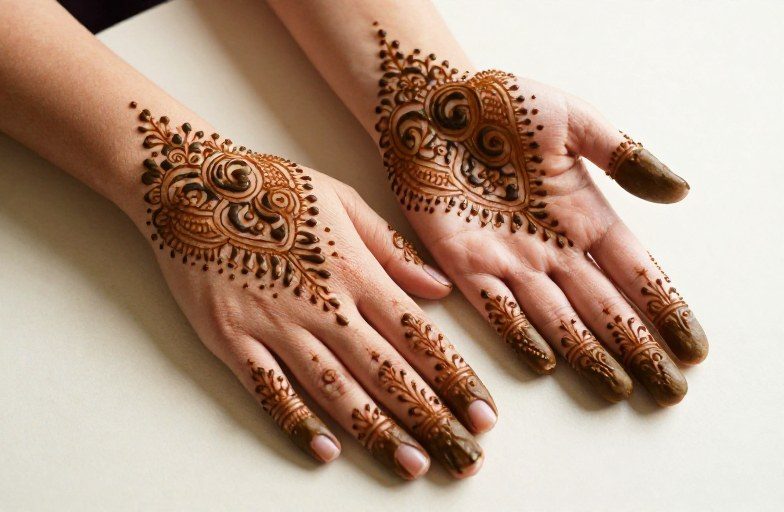
Henna stains the top layers of skin and can’t be erased instantly, but you can speed up fading significantly. Exfoliation, oil-based removal, and time are your actual tools. Most “instant” methods either don’t work or risk irritating your hands. Here’s what actually happens and how to do it without wrecking your skin.
Cost Factors
Removing henna costs you time and supplies, not shop fees. The real expense is potential skin damage from aggressive scrubbing that could affect future tattoo plans.
What You’ll Actually Spend
A bottle of olive oil, sugar scrub, or micellar water runs under $10. Professional henna removal services don’t really exist as a standalone business. If someone offers “laser henna removal,” walk away, laser targets pigment granules in the dermis, and henna sits in the epidermis. You’re paying for false hope.
- Oil + salt/sugar scrub: $3-8
- Exfoliating gloves or pumice: $5-12
- Time investment: 20-40 minutes per session over several days
Hidden Cost: Skin Recovery
Over-scrubbed skin needs 1-2 weeks to normalize before it can handle tattooing well. Damaged stratum corneum rejects stencil application and heals patchy. If you’re removing henna to clear space for a real tattoo, factor in that delay.
Realistic Expectations
Henna lawsone binds to keratin. That bond weakens naturally as your epidermis turns over, roughly 28 days for complete replacement. On hands, where skin is thinner and washes are frequent, fading accelerates. But “instant” removal? Not biochemically possible without removing skin layers you actually need.
What Fades Fast vs. What Lingers
Fresh henna (first 24-48 hours) hasn’t fully oxidized. It’s more vulnerable to oil and gentle abrasion. Deep, mature stains, especially where paste sat longest, like fingertips and palms, hold stubbornly. The darkest patches often need the full 2-3 weeks even with aggressive home treatment.
- Back of hands: 3-7 days with consistent treatment
- Finger pads and palms: 10-21 days typically
- Residual orange shadow: normal, fades with normal washing
The “Black Henna” Problem
Some henna contains PPD (paraphenylenediamine) for darker, faster results. This isn’t henna, it’s a hair dye chemical that can cause blistering, scarring, and permanent sensitization. If your “henna” turned black quickly and feels raised or burns, stop removal attempts and let a dermatologist handle it. Scarring from PPD reactions will absolutely compromise future tattooing in that area.
Tips From the Chair
Working around stained skin teaches you what actually lifts pigment versus what just irritates the surface. These approaches work with your skin’s biology rather than against it.
The Oil Method
Olive, coconut, or baby oil saturate the stain and loosen lawsone’s grip on keratin. Warm the oil slightly, apply generously, and wrap hands in warm washcloths for 10 minutes. Then gently rub with a soft toothbrush or exfoliating glove in circular motions. Rinse, repeat daily. This won’t clear it in one session, but it consistently outperforms harsh scrubs.
What to Skip Entirely
- Lemon juice + baking soda: pH disruption, photosensitivity risk, minimal extra fading
- Chlorine bleach: chemical burns, permanent damage
- Acetone or nail polish remover: strips protective lipids, causes dermatitis
- Excessive pumice stone use: mechanical damage that can scar
Whitening toothpaste gets recommended constantly online. It mildly exfoliates but contains irritants like SLS and menthol. Not worth the trade-off for marginal improvement.
Aftercare Essentials
Treating your hands kindly during removal preserves their tattoo readiness. The goal isn’t just fading henna, it’s keeping the canvas intact.
Moisture Balance
Exfoliation and oil treatments disrupt your moisture barrier. Compensate with fragrance-free moisturizer after every removal session. Cracked, desiccated skin holds henna longer ironically, dry keratin binds lawsone more tightly. Well-hydrated skin sheds faster and more evenly.
Avoid hot water immediately after scrubbing. Lukewarm rinses prevent further barrier compromise. Pat dry, don’t rub.
Protection During Daily Life
- Dish gloves for washing: prevents re-staining from water exposure and protects sensitized skin
- SPF 30+ on exposed hands: freshly exfoliated skin hyperpigments easily
- Petroleum jelly barrier before handling staining foods (turmeric, beets, tomato)
What to Expect Step by Step
Day-by-day progression helps you recognize normal fading versus signs you’re overdoing it.
Days 1-3: The Active Phase
Color darkens initially as oxidation completes, this is normal, not failure. Begin oil treatments twice daily. The stain may look worse before better. Gentle exfoliation starts lifting surface pigment. You’ll see orange-brown residue on your cloth or glove. That’s actual lawsone coming off, not just dead skin.
Days 4-10: Visible Fading
The contrast between heavily stained and lighter areas becomes obvious. Focus remaining treatment on dark patches. Reduce frequency to once daily if skin shows redness or tightness. By day 7, most back-of-hand henna should be noticeably patchy or nearly gone.
Days 11-21: The Lingering Shadow
Fingertips and palm creases may hold faint orange. Shift to normal hand care, regular moisturizing, gentle washing. The stain is now shallow enough that normal epidermal turnover finishes the job. Persistent scrubbing here yields diminishing returns and increasing irritation risk.
Healing Timeline
Your skin’s recovery from removal efforts matters as much as the henna’s disappearance.
Immediate Recovery (0-48 hours post-intensive removal)
Redness, slight warmth, and mild sensitivity are normal. These should resolve with moisturizer and rest from further scrubbing. If you see broken skin, raw patches, or swelling, you’ve gone too far, treat as you would a mild abrasion, keeping it clean and lightly moisturized.
Full Barrier Restoration
Two weeks of gentle care typically returns hands to baseline. If you plan to tattoo over or near the henna area, wait until skin passes the “scratch test”, lightly drag a fingernail across the area without causing visible marks or discomfort. Failed scratch test means compromised barrier; tattooing now risks poor healing and patchy saturation.
For professional tattooing, most artists prefer 3-4 weeks after any intensive skin treatment. This isn’t arbitrary caution, stencil application requires even surface tension, and needle penetration needs consistent resistance. Rushing compromises the work you presumably wanted clear skin to receive.
What to Remember
Henna removal rewards patience and punishes aggression. The fastest legitimate path is consistent, gentle oil-based exfoliation over several days, not a single miracle treatment. Your hands are high-visibility, high-function real estate, damaging them for marginal speed gains serves no one.
If you’re clearing space for a real tattoo, communicate with your artist about residual staining. Light orange shadows don’t typically interfere with design or execution. Dark patches might require design adaptation or additional waiting. A professional reads skin condition accurately and adjusts accordingly.
Finally, “black henna” with PPD demands medical attention, not home removal. The scar tissue it can create permanently alters tattoo options in affected areas. Always ask about ingredients before any henna application, and avoid pre-mixed dark pastes of unknown composition.
Frequently Asked Questions
Does lemon juice actually remove henna faster?
Lemon juice provides mild exfoliation but increases photosensitivity and can cause irritation. Oil-based methods fade henna similarly without the sun damage risk. It’s not worth the trade-off for hands that see daily UV exposure.
Can I tattoo over faded henna stains?
Light residual orange won’t interfere with tattooing, but wait until skin fully recovers from any removal scrubbing, typically 3-4 weeks. Your artist can assess whether remaining color affects the design during consultation.
Why does henna last longer on palms than the back of hands?
Palms have thicker stratum corneum and more keratin, which binds more lawsone. They’re also less exposed to UV and friction that naturally fade stains. The combination makes palm henna notoriously stubborn.
Is micellar water effective for henna removal?
Micellar water lifts surface pigment reasonably well and is gentler than scrubbing. It works best on fresh stains as a first pass before oil treatment. Don’t expect dramatic results alone, but it’s a good low-irritation option.