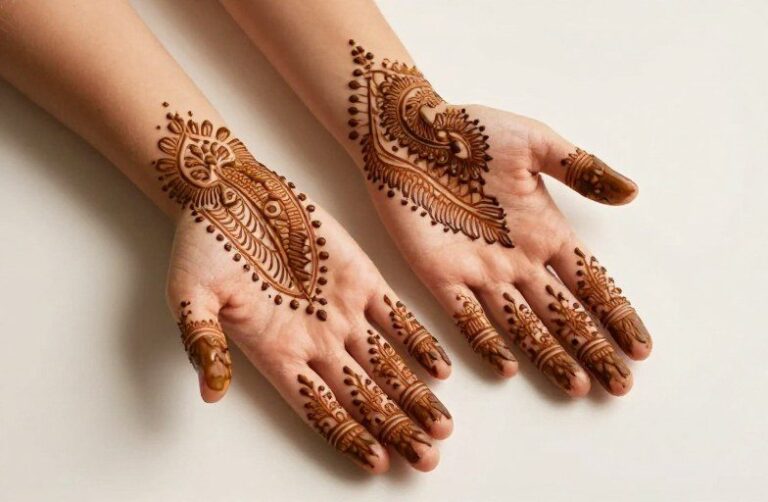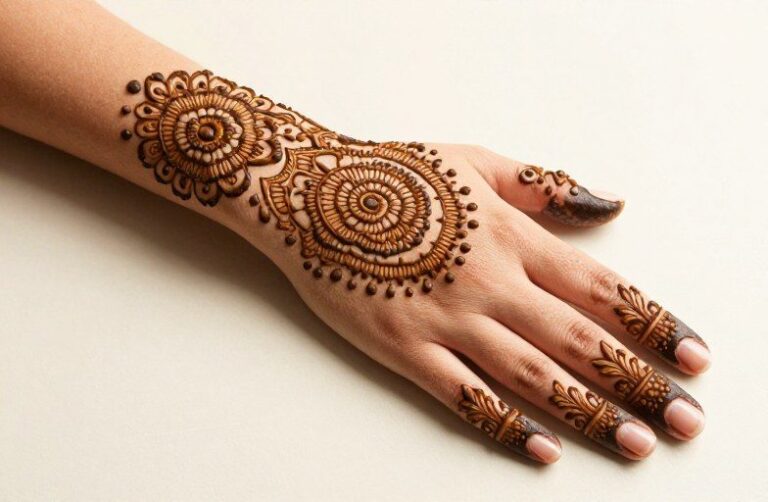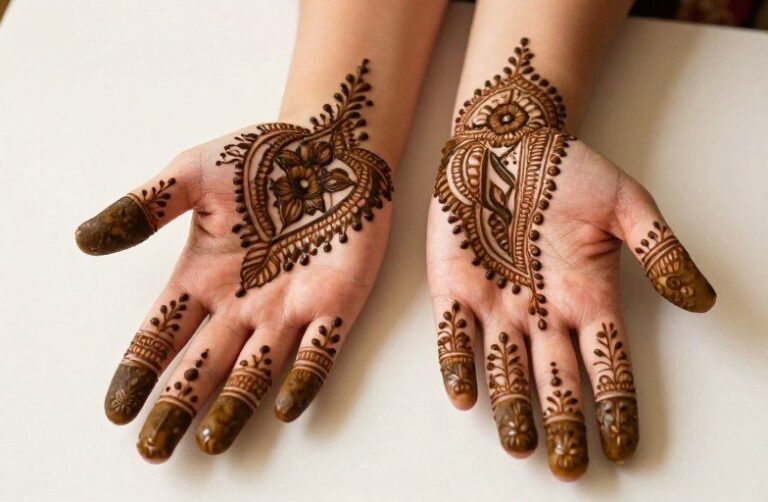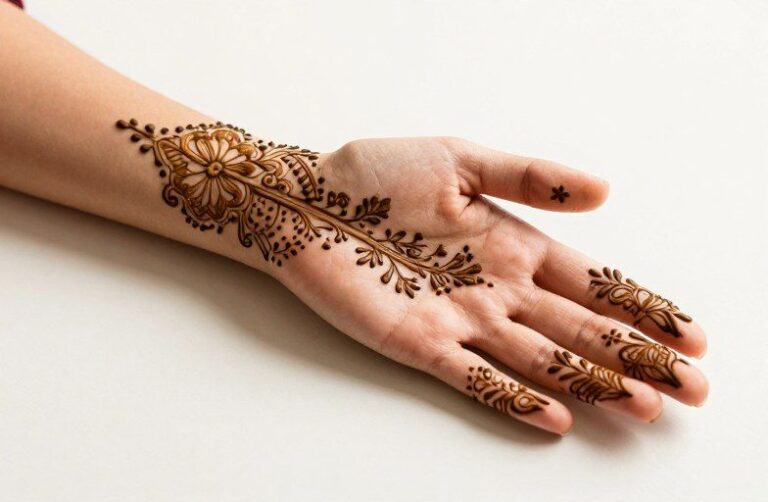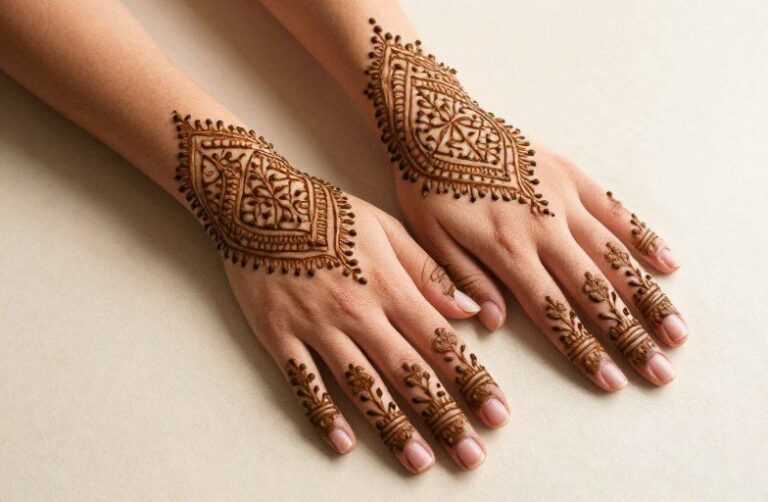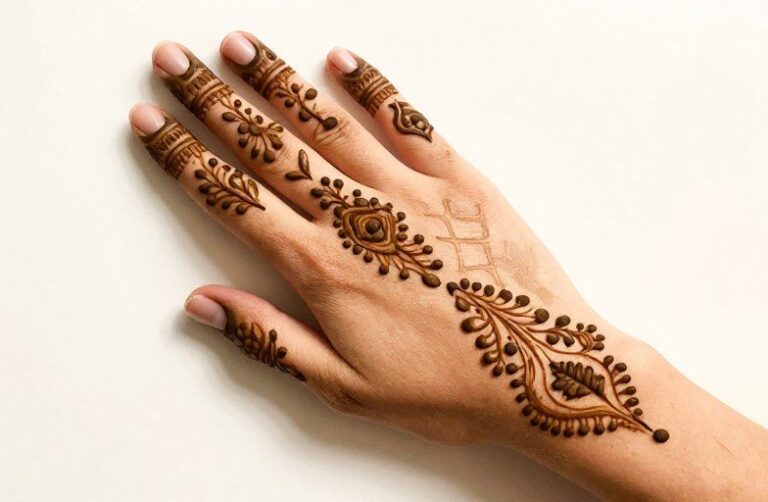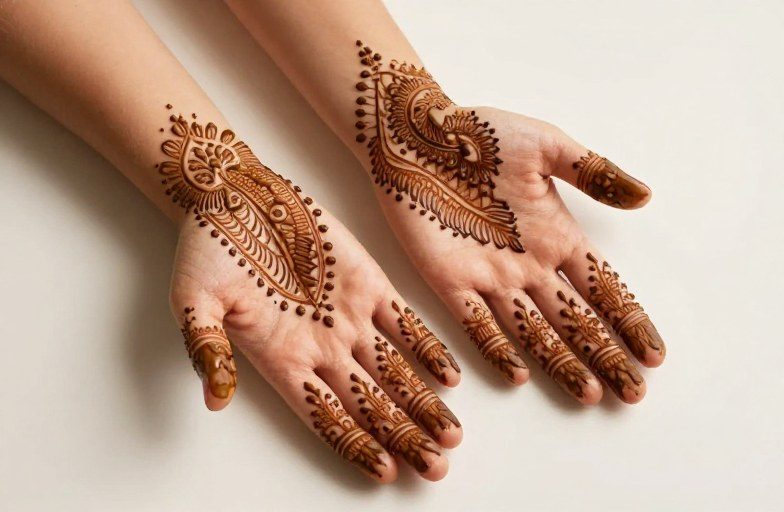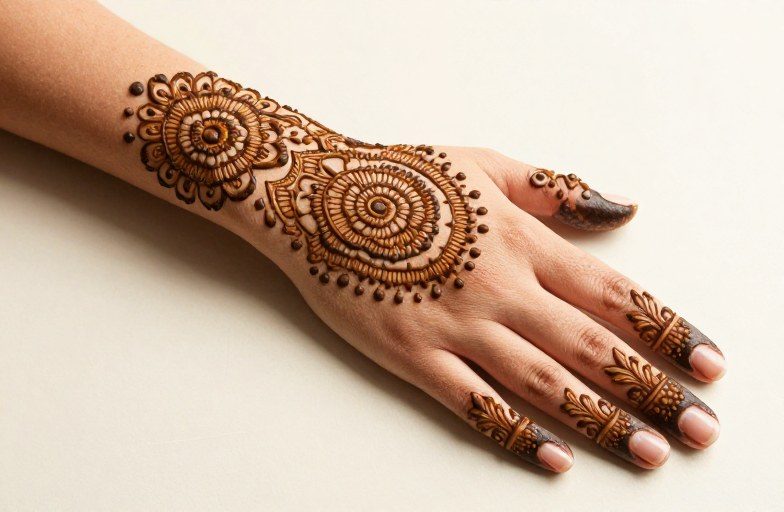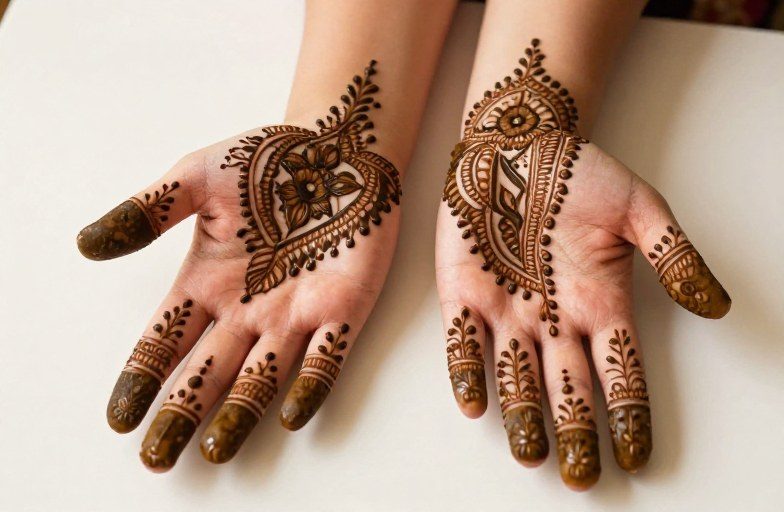
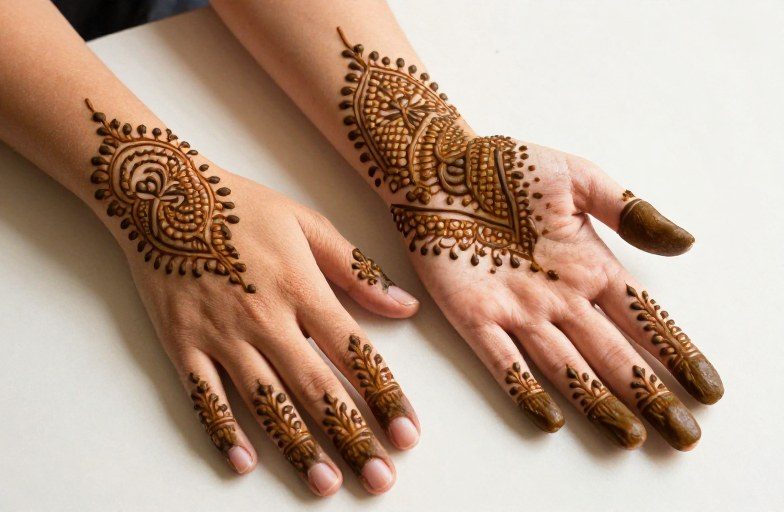
Henna tattoo ink is a paste made from the dried, powdered leaves of the Lawsonia inermis plant, mixed with a mild acidic liquid to release the lawsone dye. The basic recipe is simple: sifted henna powder, lemon juice or strong tea, a touch of sugar for smoothness, and essential oils like cajeput or lavender to deepen the stain. What separates a rich, dark stain from a faint orange smudge is technique, ingredient quality, and patience.
The Direct Answer
Core Ingredients
Start with body-art quality henna powder, not the pre-mixed cones from import stores that often contain undisclosed chemical dyes. The powder should be greenish-brown, finely sifted, and smell faintly grassy. For 100 grams of powder, you’ll need roughly 1/4 cup lemon juice, 1-2 tablespoons sugar, and 10-15 drops of terpinene-rich essential oil. Some mixers prefer strong black tea or coffee instead of lemon for a more brown-toned result, though the stain typically develops less dramatically.
Mix your dry powder with the acidic liquid gradually, stirring until you achieve a consistency like smooth toothpaste. Too thin and it bleeds on the skin; too thick and it won’t flow from an applicator. Let the paste rest, covered, at room temperature for 6-24 hours. This “dye release” period is non-negotiable, fresh-mixed henna stains weakly because the lawsone molecules haven’t activated.
Application Prep
Transfer the rested paste into a mylar cone, carrot bag, or Jacquard bottle depending on the line width you want. Before applying, clean the skin with plain soap and water, no oils, lotions, or deodorant residue. Apply the paste in a thick layer; thin lines dry too fast and stain poorly. Once the design is complete, let it dry until the surface crusts, then seal it with a lemon-sugar dab or medical tape to keep the paste in place for 4-8 hours.
- Scrape off the dried paste with a blunt edge, never wash it off with water immediately
- The initial stain will be bright orange; it darkens to reddish-brown over 24-48 hours
- Avoid water contact for the first 12 hours post-removal for maximum depth
Common Mistakes
Ingredient Errors
Pre-mixed cones labeled “black henna” are the most dangerous pitfall. These often contain paraphenylenediamine (PPD), the same chemical in dark hair dyes, which can trigger severe allergic reactions and permanent scarring. Real henna is never black; it ranges from orange to deep maroon-brown. Another frequent error is using culinary-grade henna meant for hair, it’s coarsely ground, poorly sifted, and formulated for different dye release conditions.
Essential oil choices matter too. Tea tree oil, commonly suggested online, can be skin-sensitizing in the concentrations needed for henna. Cajeput, eucalyptus, or lavender oils with high terpinene content are safer, more effective options. Skip the oil entirely and your stain will likely disappoint, lawsone requires terpenes to penetrate the stratum corneum effectively.
Technique Failures
Impatience ruins more henna than bad ingredients. Applying paste before dye release completes, removing it too early, or washing within hours of scraping all produce pale, short-lived results. Temperature matters: henna paste below 70°F releases dye sluggishly. In winter, find a warm spot for the resting period. Conversely, don’t microwave or heat the paste aggressively, this degrades the lawsone molecules rather than activating them properly.
Cost Factors
Quality henna powder runs $8-15 per 100 grams from reputable suppliers, enough for dozens of medium-sized designs. Essential oils add another $10-15 annually with moderate use. The real cost is time: sourcing proper ingredients, mixing, waiting for dye release, and the lengthy application and setting process. Professional henna artists typically charge $20-80 per session depending on design complexity and local market rates, which reflects this labor intensity rather than material expense.
DIY saves money only if you tattoo frequently or experimentally. For occasional use, a single professional session often costs less than assembling quality supplies and enduring the learning curve. Pre-mixed cones from craft stores seem cheaper at $3-8, but the hidden costs, unpredictable staining, potential PPD exposure, and frequent reapplication, make them poor economy.
Pain & Comfort
Henna application is essentially painless. The paste sits on the skin surface without needle penetration, creating a cooling sensation that some find pleasant. The only discomfort comes from lengthy stillness during drying, large back pieces or full hand designs require 1-2 hours of limited movement. Cramping or stiffness from holding a position is the most common complaint, not skin sensation.
After paste removal, the skin may feel slightly tight or dry as the stain develops. This is normal surface dehydration, not damage. Moisturizing with plain lotion after the first 24 hours restores comfort without affecting the mature stain. Anyone with known plant allergies should patch-test henna powder on a small skin area 48 hours before full application, as sensitivities to Lawsonia or essential oils, while uncommon, do occur.
Aftercare Essentials
First 48 Hours
The stain’s longevity depends heavily on how you treat it initially. Water is the enemy of fresh henna, chlorine, saltwater, and even prolonged shower exposure lift dye from the skin’s upper layers. Keep the area dry for 12 hours after paste removal, then minimize soaking. Pat rather than rub when drying. Apply a thin layer of natural oil or plain lotion before showers to create a water-resistant barrier; avoid petroleum jelly which can trap moisture against the skin.
Longevity Maintenance
Exfoliation is the primary fade mechanism. Hands and feet stain darkest and last longest because the skin is thicker and less frequently exfoliated than, say, the inner arm or back. To extend a body henna design, avoid harsh soaps, scrubs, and retinoid products on the area. A stain on the palm typically lasts 1-2 weeks; on the upper arm or torso, 5-10 days is more realistic. The color lightens progressively from maroon-brown to orange to nothing, without the patchy fading of poorly applied permanent tattoo ink.
- Sleep with loose clothing to prevent paste smearing during the setting period
- Natural oils (coconut, olive) help preserve color better than petroleum-based products
- Swimming and hot tubs significantly shorten stain duration
Realistic Expectations
Henna is temporary by design, not a commitment-free trial for permanent tattoo ideas. The stain chemistry differs fundamentally from tattoo ink deposited in the dermis; henna only colors the stratum corneum, which sheds completely every 2-4 weeks. This means no sharp edges, henna lines naturally feather slightly as dye diffuses through skin cells. Photographic henna designs with hair-thin detail and photographic realism are largely unachievable; the medium favors bold, flowing patterns with some built-in blur.
Color varies enormously by individual skin chemistry. The same paste stains reddish on some people, nearly black on others, with undertones ranging from orange to chocolate. Body temperature, skin pH, and recent sun exposure all influence results. What looks stunning on a friend’s hand may read differently on your own skin. This unpredictability is part of the medium’s character, not a flaw to engineer away.
Placement dramatically affects both darkness and duration. Palms and soles stain deepest due to thicker keratin layers, but also see the most friction and washing. The upper back stains poorly, thin skin, frequent clothing contact, and less natural oil production all work against longevity. Plan designs accordingly: ceremonial bridal henna on hands makes sense; a detailed back piece for a beach weekend does not.
Final Word
Making henna ink at home rewards preparation and punishes shortcuts. The paste itself is simple; the judgment about when it’s ready, how thick to apply, and how long to let it set separates satisfying results from disappointment. Start with small test designs, document what works on your particular skin, and build from there. Henna’s temporary nature invites experimentation that permanent tattooing cannot, but the craft deserves the same respect for materials, hygiene, and technique. Done well, it produces a living color that shifts and fades with genuine beauty, no needles, no permanence, no regret.
Frequently Asked Questions
Can I use henna paste from a hair dye kit for body art?
No. Hair henna is coarsely ground, poorly sifted, and formulated for different dye release conditions. It will clog applicators, stain unevenly, and often contains conditioning additives that interfere with skin adhesion. Body-art quality henna is specifically milled for smooth application and reliable staining.
Why did my henna turn out orange instead of dark brown?
Immediate color is always orange; lawsone oxidizes and darkens over 24-48 hours. If it stays orange, the paste likely had insufficient dye release time, low-quality powder, or was removed too quickly. Essential oils and adequate setting time are critical for achieving deeper maroon-brown tones.
How do I know if a pre-mixed cone contains dangerous PPD?
Real henna paste is greenish-brown and smells earthy or herbal. Black or very dark wet paste, chemical or ammonia odors, and staining within minutes rather than hours are all red flags. When uncertain, make your own paste from known ingredients rather than risking a severe allergic reaction.
Can I shower normally with a fresh henna stain?
Minimize water contact for the first 12 hours after paste removal. When you do shower, keep it brief, avoid direct spray on the design, and apply a thin oil barrier beforehand. Pat dry immediately, rubbing accelerates fading significantly.