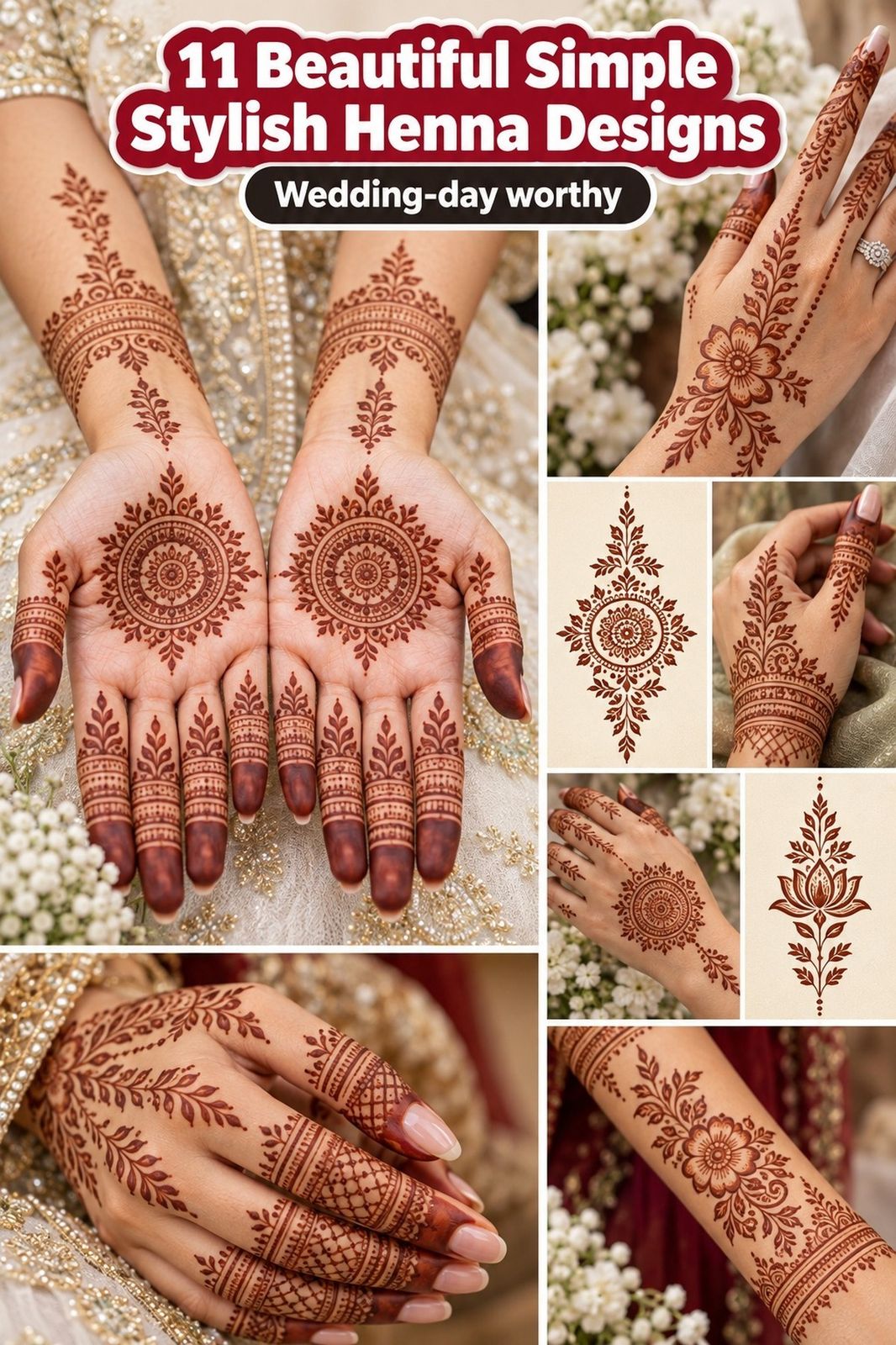
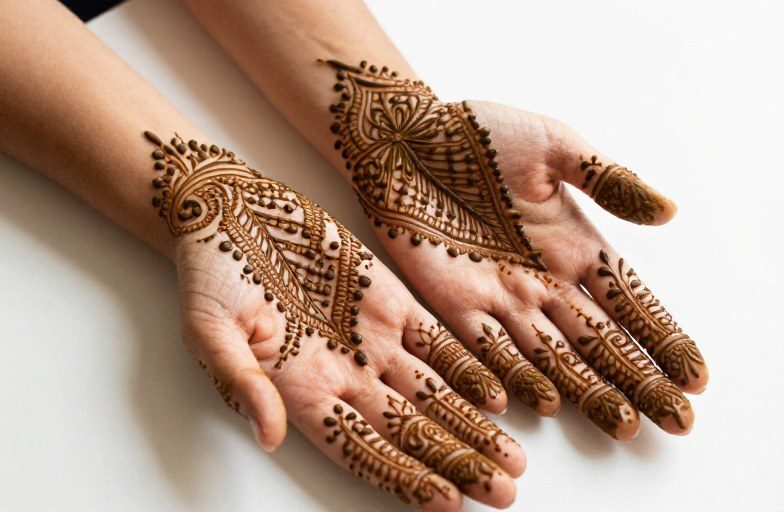
The question sounds simple enough: can you pray with henna on your skin? But if you are asking it, you probably already sense the answer is not just yes or no. You may have heard conflicting opinions, or you may be weighing a wedding celebration against your daily prayers. Here is what actually matters for your practice, stripped of the myths that circulate online.
Why Henna Does Not Break Wudu
Islamic prayer requires ritual ablution, wudu, which includes washing specific body parts with water that must touch the skin. The central concern with any covering, nail polish, medical tape, thick makeup, is whether it creates a barrier. Henna stains the surface layer of skin without forming a sealed film. Water reaches the skin beneath the pigment, so the ablution remains valid. This is the consensus position across major schools of Islamic jurisprudence.
The Barrier Question in Detail
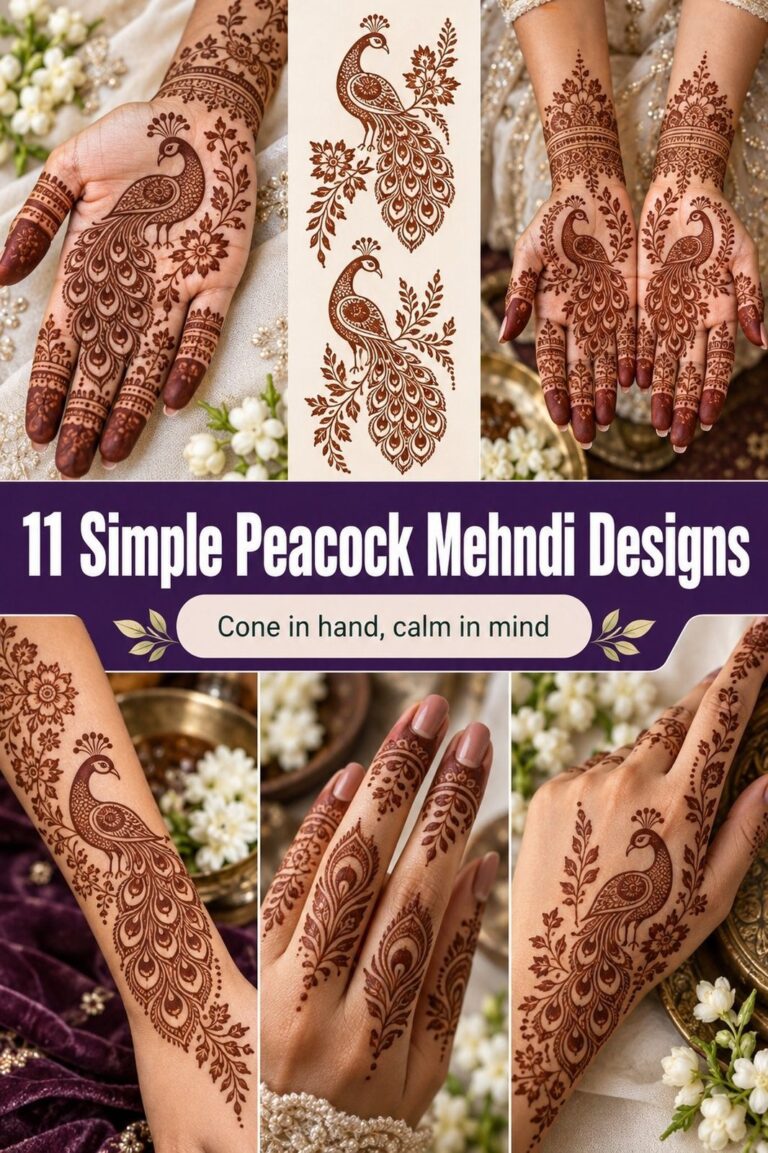
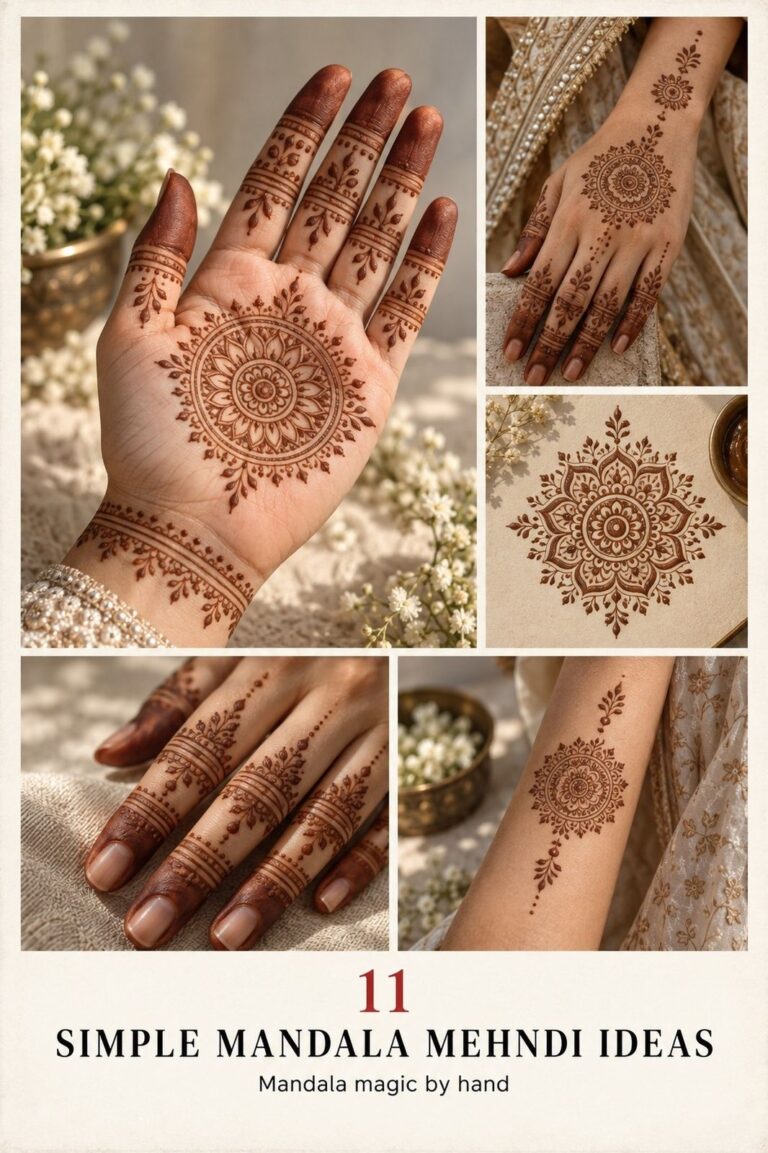
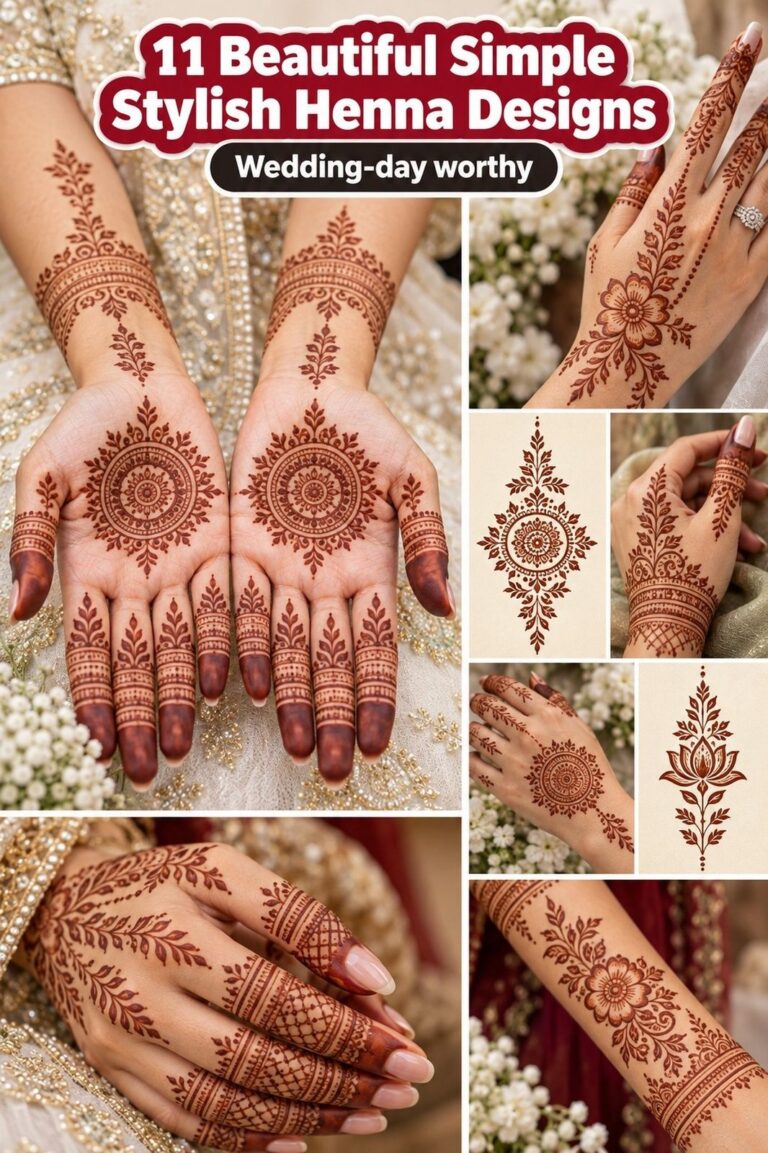
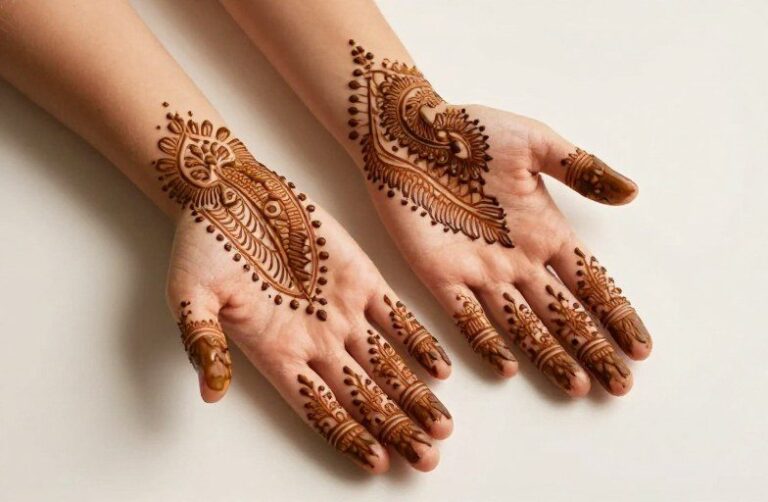
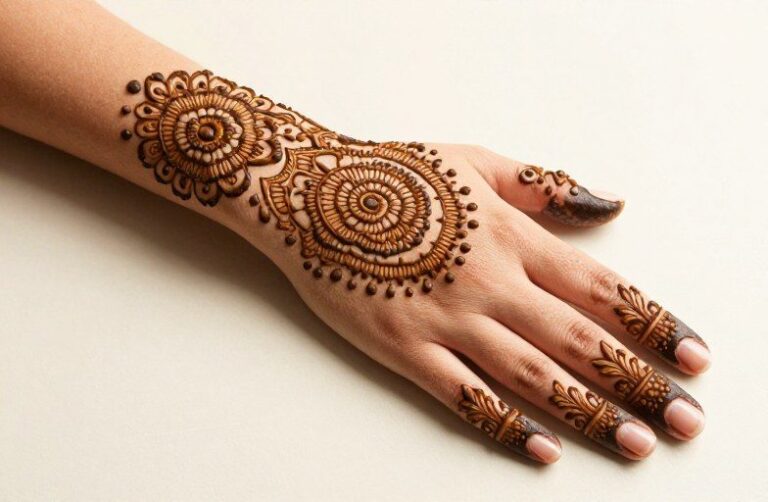
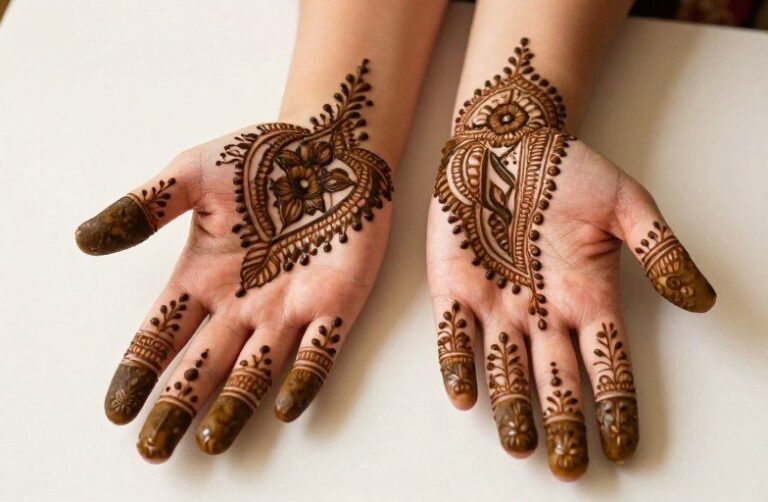
Some confusion arises because henna paste sits on the skin during application and drying. The paste itself is a physical layer, but you remove it before prayer. The stain left behind is not a layer; it is a chemical reaction between lawsone molecules and the keratin in your dead skin cells. Think of it like a mild sunless tan. You would not ask whether tanned skin invalidates wudu, and the same logic applies here.
Where people genuinely stumble is with so-called black henna. This is not henna at all in most cases, but a paste adulterated with paraphenylenediamine (PPD), the same chemical used in permanent hair dye. PPD can create a dark, raised, almost plastic-like coating on the skin. If that coating is thick enough to repel water, you have a problem for wudu. More urgently, PPD causes chemical burns and permanent scarring. You should avoid it entirely, not merely for prayer but for your health.
What Scholars Actually Say
The permissibility of henna is well established in hadith literature. Multiple narrations indicate that the Prophet Muhammad used henna to dye his hair and beard, and that companions did likewise. The color distinguished believers from those who left hair white or used other dyes. From this precedent, jurists reasoned that what the Prophet used for adornment and identification could not be spiritually corrupting.
Permanent tattoos are a separate category. The majority of classical scholars classify them as impermissible based on hadith condemning the alteration of God’s creation. Henna escapes this ruling because it is temporary and non-injurious. The distinction is not arbitrary legal hair-splitting; it reflects a theological preference for reversible, non-harmful adornment over permanent bodily modification.
When Henna Might Still Cause Anxiety
Even with scholarly clarity, you may feel uneasy. Perhaps you encountered a strict teacher who dismissed all body decoration. Perhaps you are new to practicing and cautious about any potential misstep. These feelings deserve respect, but they should not be confused with legal prohibition.
Intention and Context
Islamic ethics place heavy weight on intention. Henna applied for a wedding, for Eid, for simple pleasure, or even for the cooling sensation it provides, none of these intentions corrupt prayer. The problem would arise only if the decoration became an object of pride that distracted from humility before God, or if it were associated with non-Islamic rituals you personally rejected. Even then, the issue would be spiritual condition, not the henna itself.
Some women worry about applying henna during menstruation, when they are not praying anyway. There is no prohibition here; the waiting period for the stain to develop is a practical matter, not a ritual one. Others wonder about henna on the deceased, a traditional practice in some Muslim cultures. This does not affect your living prayer, though it illustrates how deeply henna is woven into the life cycle of Muslim communities.
Practical Scenarios
Consider the bride who applies elaborate henna the night before her wedding. The paste takes hours to dry, cracks, and is brushed away. By the morning prayer, only the stain remains. She washes for fajr normally. The water reaches her skin. She prays. No special procedure is needed.
Consider the traveler who gets a quick tourist henna at a market. The artist uses natural paste. The traveler has no prayer garments and must pray in loose clothing that covers the decorated hand. The hand itself is not awrah for a woman in prayer, though modesty suggests covering it. The prayer is valid.
Consider the person who discovers too late that their henna contained PPD and has developed a thick, scabbed reaction. Until the skin heals and the barrier is gone, wudu on that area is compromised. They should wash what they can and, if the affected area is large, consult a knowledgeable person about whether tayammum, dry ablution, is temporarily appropriate.
Henna and the Question of Permanent Tattoos
Many people searching for prayer and henna are actually circling a harder question: what about permanent tattoos? Perhaps you have one already. Perhaps you are considering a henna-style design in permanent ink and want to know if that changes the equation.
The Theological Distinction
Classical scholars generally prohibit tattooing because it involves piercing the skin and inserting foreign pigment, which they class as unnecessary injury and alteration of creation. This is not a universal consensus, some contemporary scholars argue for contextual reinterpretation, but it remains the dominant view. A permanent tattoo does not, in itself, invalidate prayer if you have already performed it. The sin, if one holds it to be sin, is in the act of tattooing, not in subsequent worship. Your prayers are still accepted; you do not need to remove a tattoo to pray validly.
However, some people experience genuine spiritual distress from carrying a permanent mark they now regret. In such cases, the emotional burden can affect concentration in prayer. Removal is difficult and sometimes more injurious than the original tattoo. Most scholars counsel repentance and moving forward rather than obsession over past choices.
Henna as Alternative
This is precisely why henna occupies such a valued place. It offers decoration, identity, celebration, and beauty without the theological and physical permanence. The fading itself becomes meaningful: nothing lasts but God, and your adornment acknowledges this. You are not locked into a design you outgrow. You are not marked in a way that might complicate your relationship with your body as you age or your faith deepens.
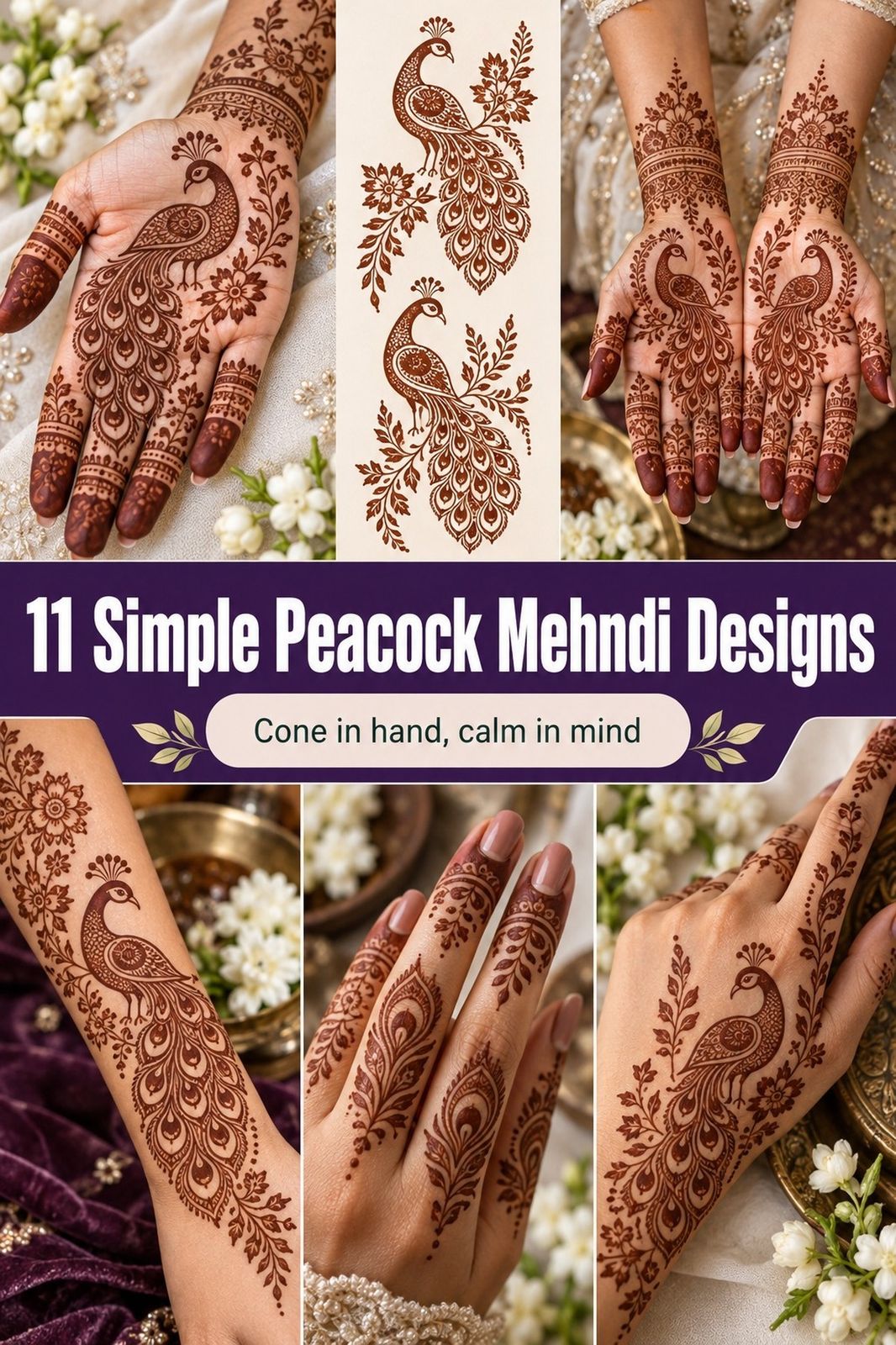
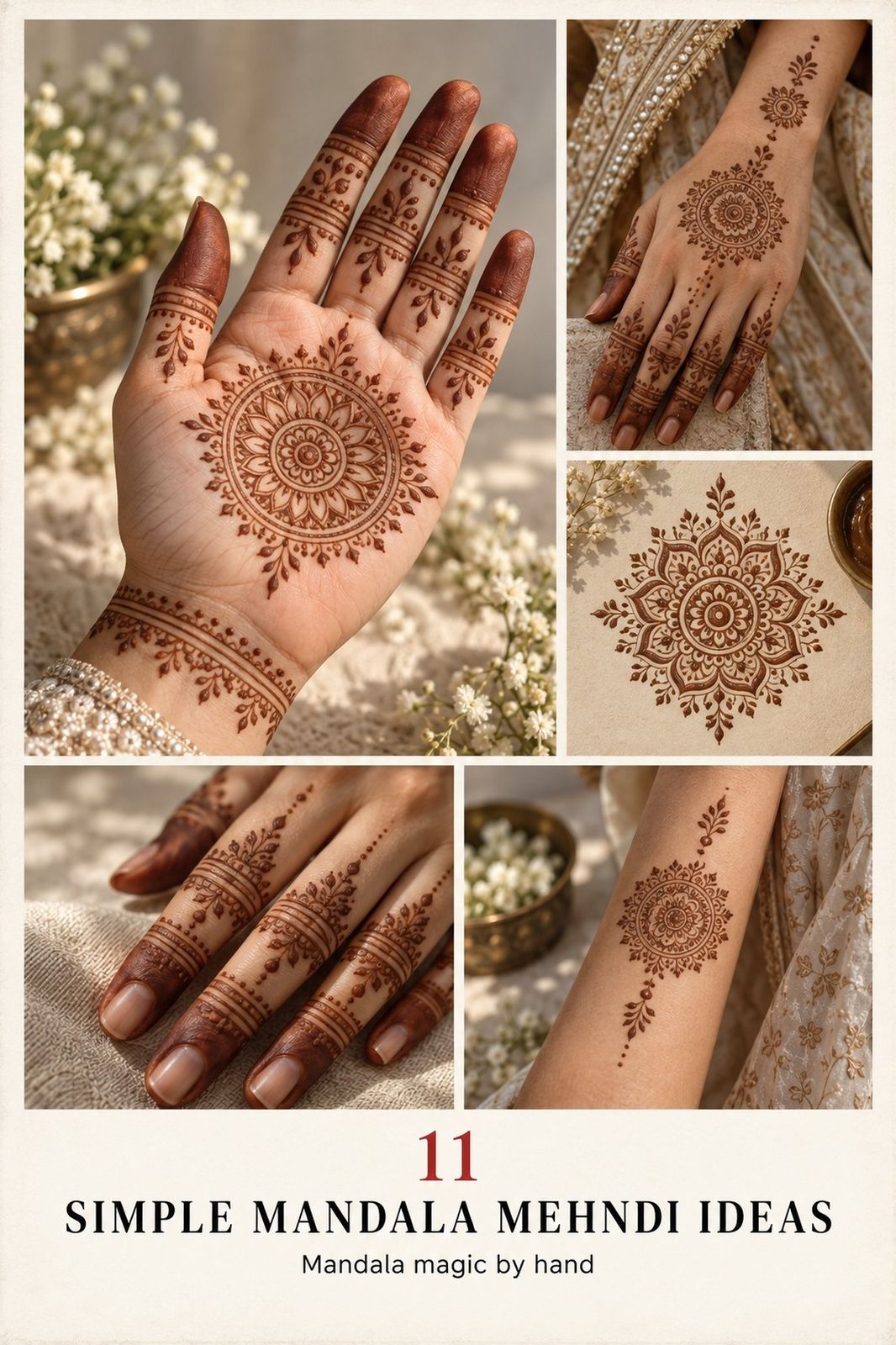
If you are drawn to the visual language of henna, floral vines, geometric frames, delicate finger details, natural henna application satisfies this without the permanent tattoo dilemma. Some artists now specialize in longer-lasting natural stains or jagua-based alternatives, though you should research any product for safety and for its specific implications for wudu if it creates a thicker coating than traditional henna.
What to Remember
Your prayer is valid with henna stain on your skin. The water of wudu reaches through the pigment. The scholarly consensus is broad and old. The only genuine obstacles are PPD-adulterated pastes that create a physical barrier or allergic reaction, and the separate, harder question of permanent tattoos, which does not retroactively invalidate prayer but carries its own ethical weight.
If you are anxious, examine your intention. Are you seeking beauty in a way that honors your faith? Are you avoiding harm to yourself? Are you distinguishing between temporary celebration and permanent alteration? These questions, honestly answered, will guide you more reliably than online rumor.
Henna has colored the hands of Muslim women at weddings and Eid gatherings for centuries, and the hands that raised in prayer afterward were clean before God. The stain remained; the prayer rose. Both belonged there.
Frequently Asked Questions
Does henna on my nails affect wudu?
Nail polish blocks wudu because it creates a sealed barrier. Henna stain does not; it penetrates the nail surface rather than coating it. However, thick layers of henna paste left on nails during drying could act as a barrier. Remove dried paste before ablution.
What if I used ‘black henna’ and my skin is now raised and shiny?
This likely indicates PPD adulteration, not true henna. The raised coating may block water. You should seek medical attention for the chemical burn, and for prayer, wash around the area and consult a knowledgeable person about whether tayammum is appropriate until healed.
I have a permanent tattoo already. Can I still pray?
Yes. Classical scholars generally hold that tattooing is impermissible to perform, but once done, it does not invalidate subsequent prayers. Repentance is recommended, but you do not need removal to worship validly.
Is henna permissible for men?
Henna for hair dyeing is established in prophetic practice and permitted for men. Visible hand and foot decoration is culturally gendered as feminine in most Muslim communities, though not strictly prohibited. Men should consider social context and avoid confusion with feminine norms.
How long should I wait after applying henna before praying?
You may pray immediately if the paste is removed and only stain remains. The drying paste itself is not impure, but it can flake and smudge. Most people wait until the paste cracks off naturally, typically 4-8 hours, then scrape and wash.