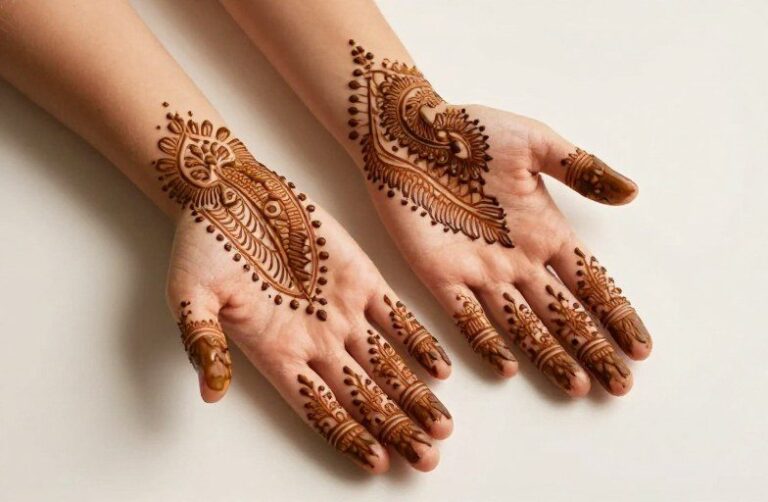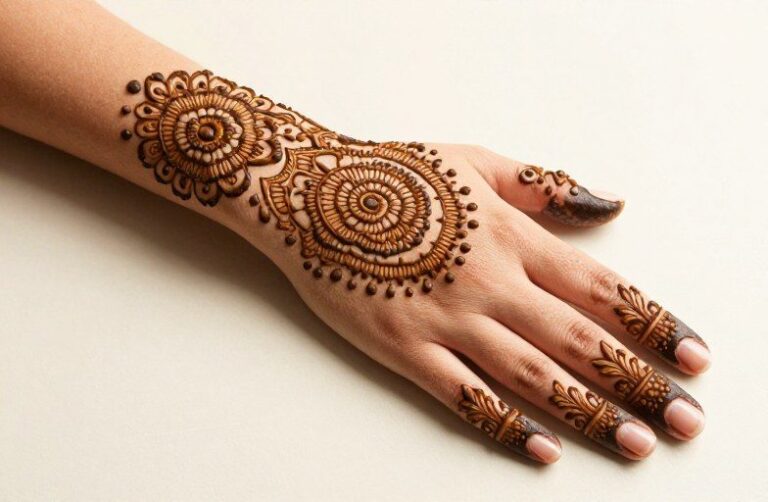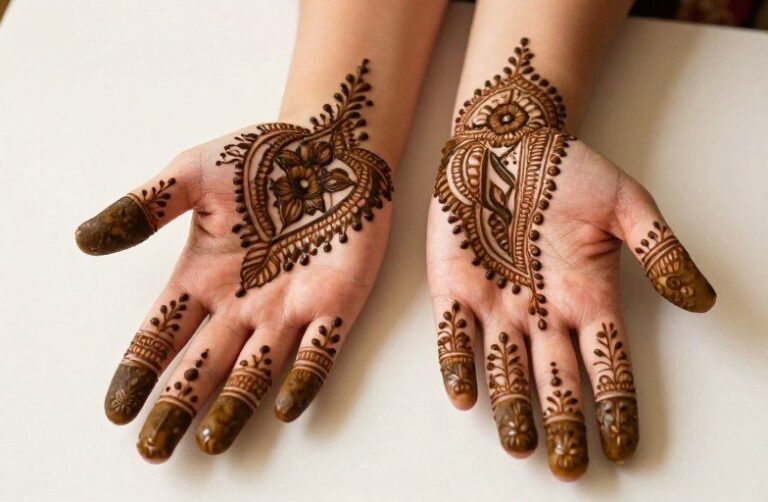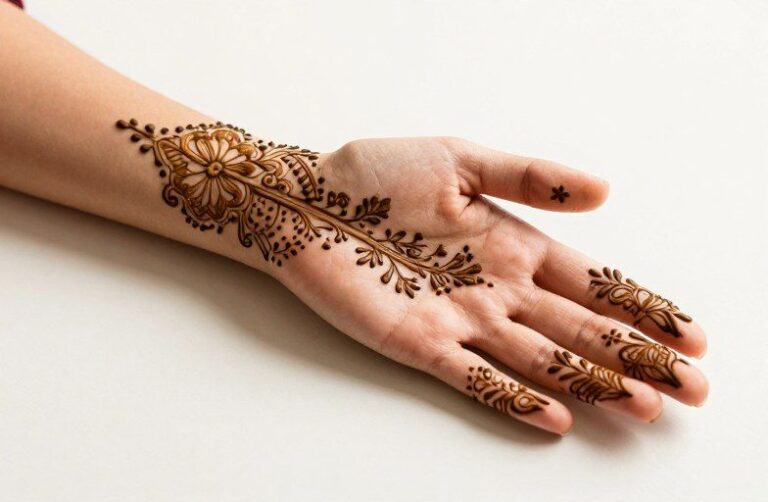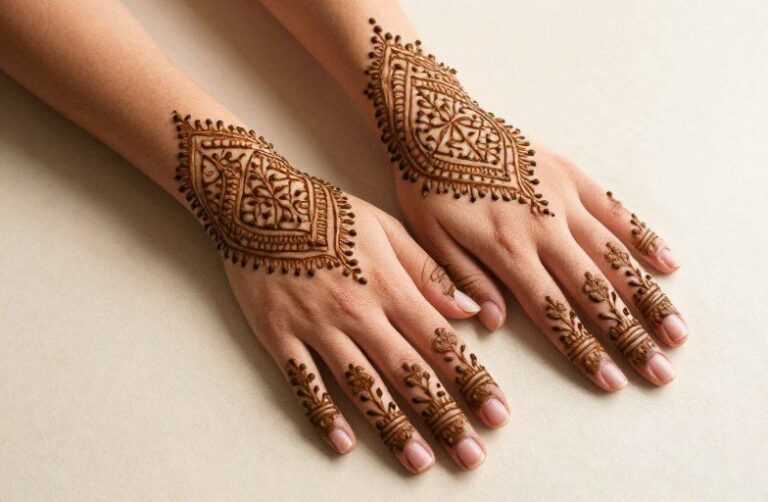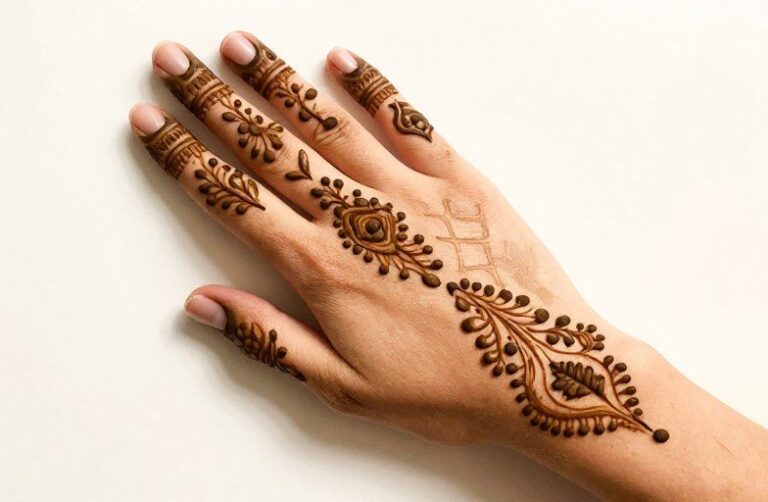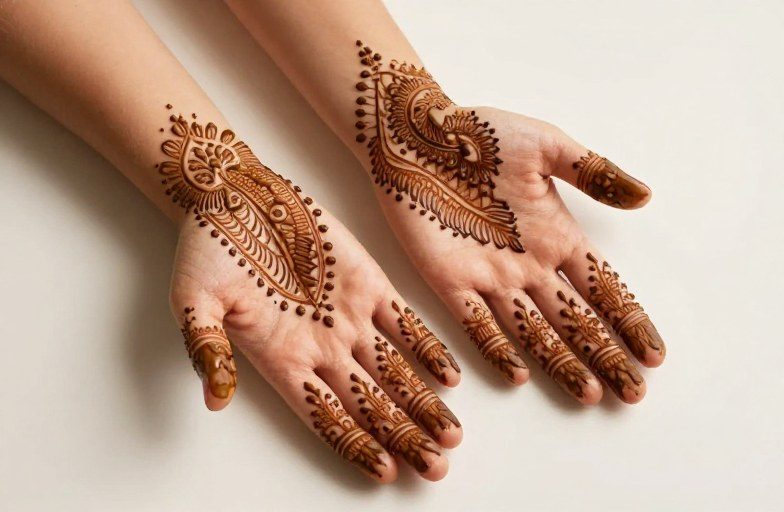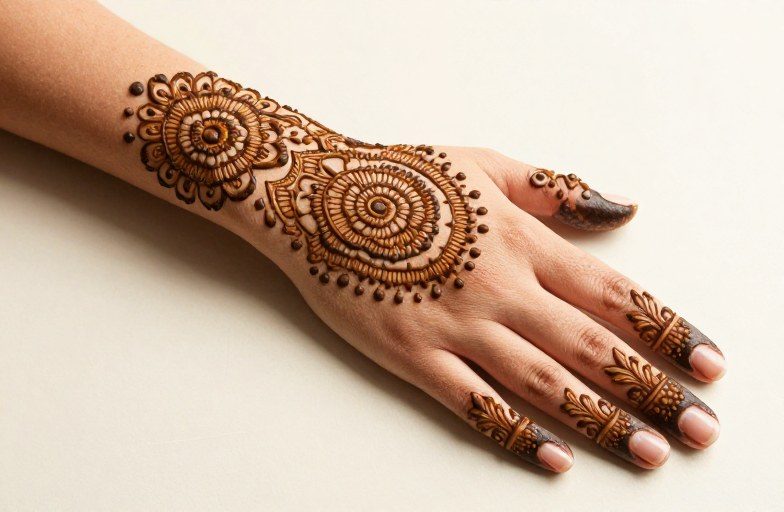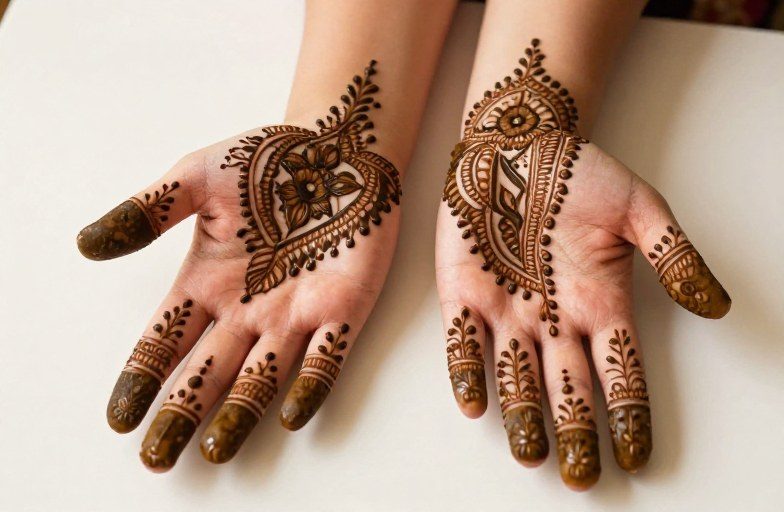
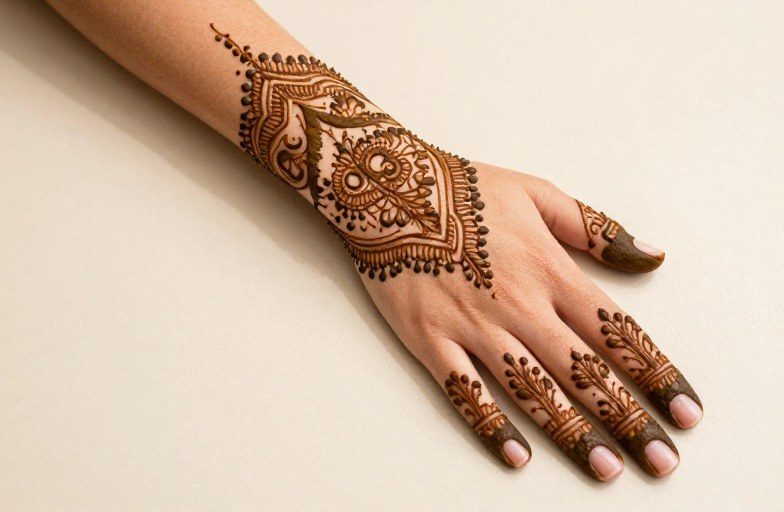
Henna tattoos are temporary by design, but sometimes you want them gone faster than nature intends. The short answer: you can’t instantly erase henna, but you can accelerate fading significantly through exfoliation, oil-based softening, and gentle mechanical removal. Most methods take several days of consistent effort rather than a single magic fix.
The Direct Answer
Unlike permanent ink sitting in your dermis, henna stains only the stratum corneum, the dead outer layer of skin. This is both the limitation and the opportunity. You can’t laser it away or chemically dissolve it without damaging living skin beneath. What you can do is speed up the natural shedding process that would otherwise carry the stain away over 7-21 days.
Success depends heavily on how long the henna has been on. Fresh paste sitting on the surface wipes off with water. A day-old stain has begun binding to keratin and needs oils to loosen it. After 72 hours, the dye has fully oxidized and locked in; from here, you’re essentially waiting for skin turnover, with some tricks to hurry it along.
Why Henna Behaves Differently Than Ink
Natural henna (lawsone from the Lawsonia inermis plant) bonds chemically with skin proteins. This isn’t a coating you can peel off like a sticker. The molecule is small enough to penetrate between dead skin cells but too large to reach living tissue. That chemical bond is stable, water won’t touch it, soap barely affects it, and it laughs at most household solvents.
“Black henna” complicates things. Often containing PPD (paraphenylenediamine), this stuff can penetrate deeper and trigger contact dermatitis. If you’re dealing with a black henna reaction, blistering, spreading redness, intense itching, stop trying home removal and see a clinician. The priority becomes treating the reaction, not aesthetics.
What to Expect Step by Step
Approach removal as a three-day minimum project for anything but the freshest stain. Patience prevents the skin damage that would actually make the henna more visible through contrast.
- Day 1: Warm oil soak (olive, coconut, or baby oil) for 15-20 minutes, then gentle scrub with a washcloth or soft toothbrush. Repeat morning and evening. The oil penetrates the stratum corneum, plumping cells and loosening dye bonds.
- Day 2-3: Introduce mild exfoliation, sugar or salt mixed with oil, or a commercial scrub without harsh acids. Focus on circular motion, not pressure. You’re encouraging shedding, not sanding down to raw skin.
- Day 4+: For stubborn remnants, a paste of baking soda and lemon juice applied for 10 minutes can lift remaining surface dye. Rinse thoroughly and moisturize after. Stop if you feel burning or see redness that doesn’t fade within an hour.
Methods That Actually Waste Your Time
Whitening toothpaste, bleach, and straight lemon juice left on for hours, these circulate online but damage skin without reliably accelerating henna loss. The slight bleaching effect on skin creates pale patches that make remaining henna look darker by comparison. Similarly, chlorine swimming pools fade henna slowly over weeks; a concentrated bleach attempt just burns you.
Hair removal creams (depilatories) theoretically break down keratin, but they’re formulated for coarse hair, not delicate skin surfaces. Chemical burns are common, and the henna often survives anyway in the deeper dead skin layers.
Tips From the Chair
Professional tattoo artists see plenty of clients who got festival henna and now need it gone for work or formal events. The techniques that work align with what you’d do for gentle exfoliation before a cover-up tattoo session.
Heat is your quiet ally. A warm shower before oil application opens pores and increases oil penetration. Follow with a cold rinse to tighten skin and reduce inflammation from scrubbing. This temperature contrast also stimulates circulation, which supports faster cell turnover.
Location matters enormously. Palmar surfaces (hands, soles) have the thickest stratum corneum and hold henna longest, sometimes 3-4 weeks. Inner forearm or shoulder henna often fades in under 10 days with minimal intervention. The thinner the skin, the faster natural shedding resolves your problem.
Cover-Up Considerations
If you’re trying to remove henna specifically to get a permanent tattoo in the same spot, wait. Tattooing over henna-stained skin risks the artist working blind to subtle undertones that affect color mixing. The stain can also confuse stencil application. Most reputable shops will reschedule until the area is fully faded, typically 3-4 weeks for dense hand applications.
Light, faded henna won’t permanently affect the tattoo, once the stained cells shed, the new ink sits in fresh, untinted tissue. But rushing into a session while orange-brown ghosting remains is poor planning that compromises the final result.
Cost Factors
Home removal costs essentially nothing: oil you likely own, a $3 scrub, time. Professional help enters the picture only for problematic black henna reactions or if you’re considering cosmetic procedures that incidentally affect skin.
- Microdermabrasion: $75-150 per session at a medispa. Effective for accelerating turnover on small areas, but overkill for normal henna. Multiple sessions needed, so costs accumulate fast.
- Chemical peels: $100-300. Glycolic or salicylic acid peels speed exfoliation dramatically. A light peel appropriate for this purpose won’t require downtime, but skin will be photosensitive for days after.
- Clinician visit for reaction: Variable by insurance, but urgent care or dermatology copays apply if black henna triggers dermatitis. Worth every penny, PPD sensitization can become lifelong and affect hair dye, clothing dyes, even some medications.
The real cost calculation is time versus money. A $5 bottle of baby oil and a week of patience outperforms a $150 microdermabrasion session for standard henna in most cases.
Realistic Expectations
Complete removal in 24 hours is nearly impossible for fully developed henna. The dye molecules are chemically bound; you’re not washing them away, you’re waiting for the cellular raft they’re attached to sail off your body. Anyone promising instant results is selling something that will hurt you.
Color shifts as it fades. Fresh henna is orange, darkening to deep brown over 48 hours. As removal progresses, it often returns to that orange phase before disappearing entirely. This can look worse temporarily, patchy orange-brown mottling, before it gets better. Plan event timing accordingly.
When to Stop Pushing
Skin that feels tight, shiny, or hot after removal attempts is telling you to back off. Damaged skin heals with temporary post-inflammatory hyperpigmentation, brown or pink marks that last weeks longer than the henna would have. The goal is fading the stain, not proving your dedication through suffering. If aggressive methods aren’t working after 3-4 days, default to gentle moisturization and let nature finish the job.
Healing Timeline
Understanding normal henna lifespan helps set reasonable targets. Uninterrupted, natural henna follows this pattern:
- Days 1-2: Paste removed, orange stain visible, darkening continues
- Days 3-7: Peak color, deepest brown on thick skin, reddish-brown on thin areas
- Days 8-14: Noticeable fading begins, often starting at edges where friction occurs
- Days 15-21: Substantial lightening, patchy ghosting remains
- Days 22-30: Fully gone for most body locations; hands may hold faint traces
Active removal compresses this, typically achieving in 5-10 days what takes 14-21 naturally. The first 50% of fading comes relatively easy; that last 20% of ghosting requires the most effort or the most patience.
After any removal session, treat skin like you would after a light tattoo session: fragrance-free moisturizer, no direct sun exposure (UV can darken residual henna paradoxically), and no picking at flaking skin. The aftercare parallels aren’t coincidental, you’re managing the same biological process of epidermal renewal.
Key Takeaways
Henna removal is a waiting game you can nudge along, not a problem you solve outright. Oil soaks and gentle exfoliation are your most reliable tools; harsh chemicals and aggressive abrasion create new problems while rarely speeding the process. Black henna with PPD demands different handling, prioritize skin health over aesthetics and seek professional care for reactions. Location, skin thickness, and henna age all dramatically affect how quickly you see results. Budget for patience first, products second, professional services only for special cases or complications.
Frequently Asked Questions
Does lemon juice actually remove henna or just bleach the skin?
Lemon juice mildly lightens both henna and skin through its citric acid content, but it doesn’t selectively remove dye. The effect is mostly surface-level and temporary; skin re-darkens while henna remains. Combined with baking soda as a paste, it has slightly more mechanical lifting action, but plain oil and scrubbing is generally more effective with less irritation.
Can I get a tattoo over faded henna that still has a slight stain?
Most artists prefer to wait until the area is completely clear. Residual henna can distort stencil visibility and affect how the artist judges skin tone for color selection. A light ghost usually won’t harm the final tattoo, but it compromises the precision of the session. Three to four weeks of fading typically resolves this for most placements.
Why does my henna seem darker after some removal attempts?
Irritated or freshly exfoliated skin often appears redder, making the brown henna contrast more sharply. Additionally, partial removal can leave dye concentrated in deeper skin layers while surface stain is gone, creating a mottled effect that reads as darker overall. Moisturizing and waiting 24 hours usually reveals the true fading progress.
Is black henna harder to remove than natural brown henna?
PPD-based black henna sometimes penetrates slightly deeper and can trigger inflammatory responses that alter skin texture and color independently of the dye itself. The stain may be more persistent, but the bigger concern is chemical sensitivity. If you suspect black henna, focus on gentle methods and monitor for blistering or spreading redness that indicates a reaction needing medical attention.