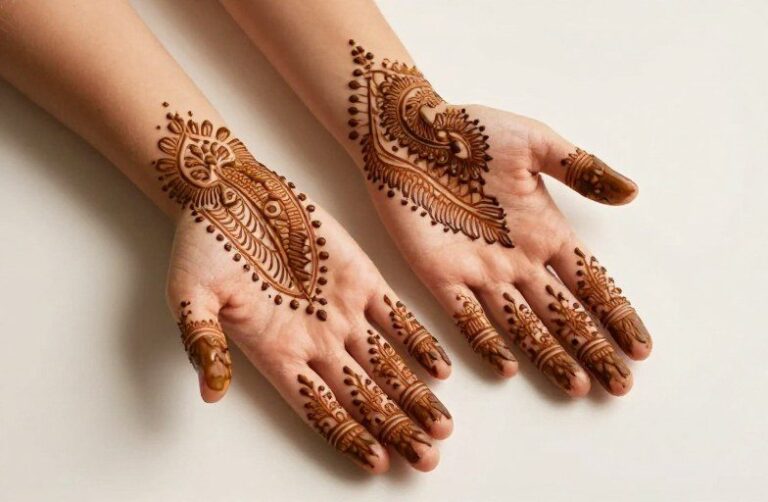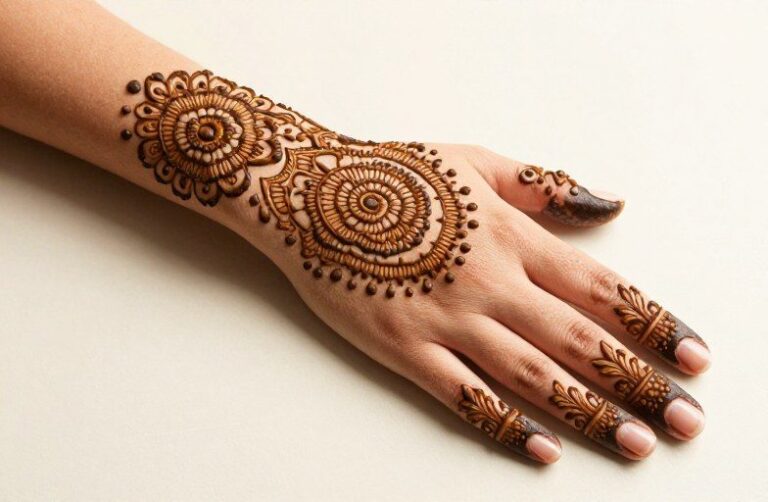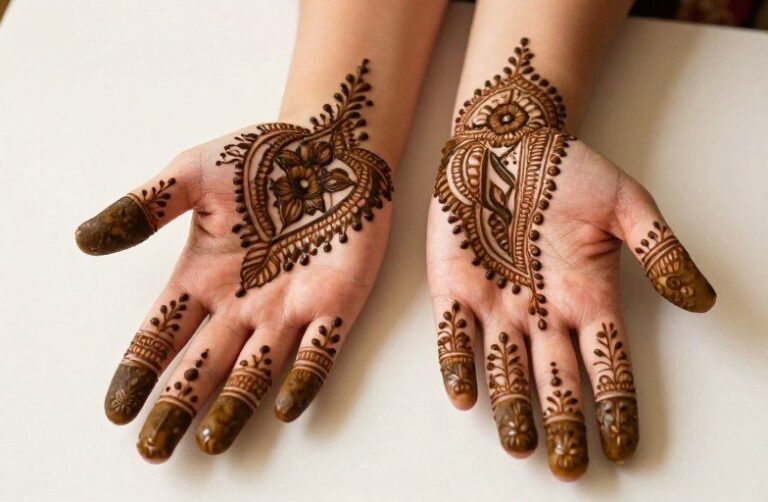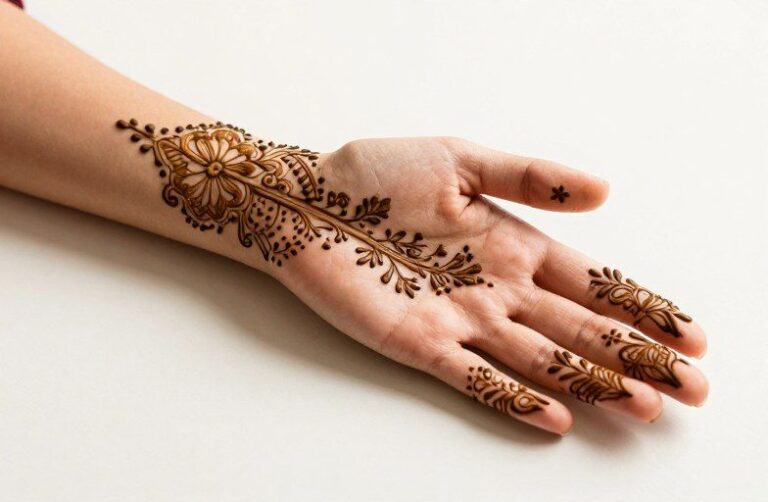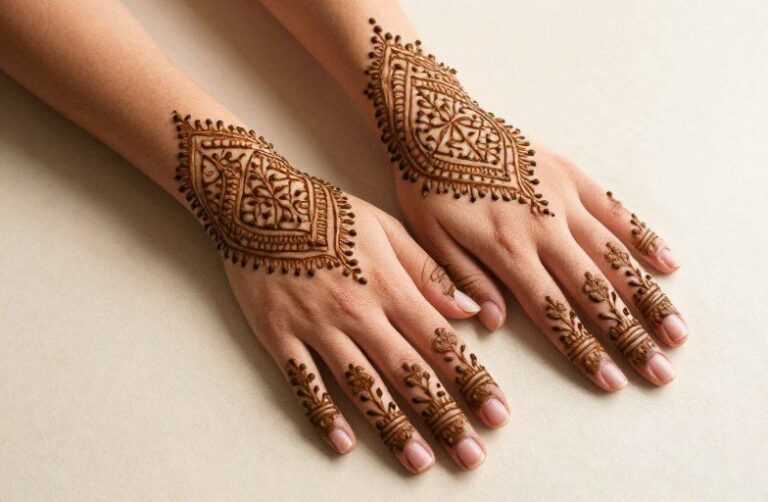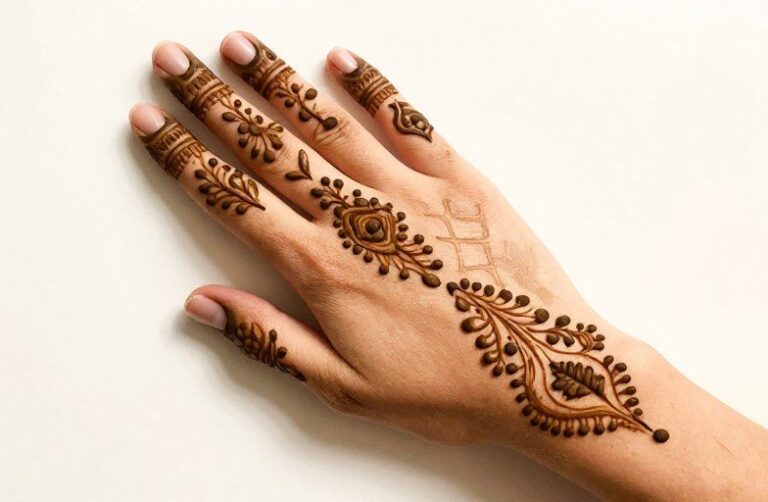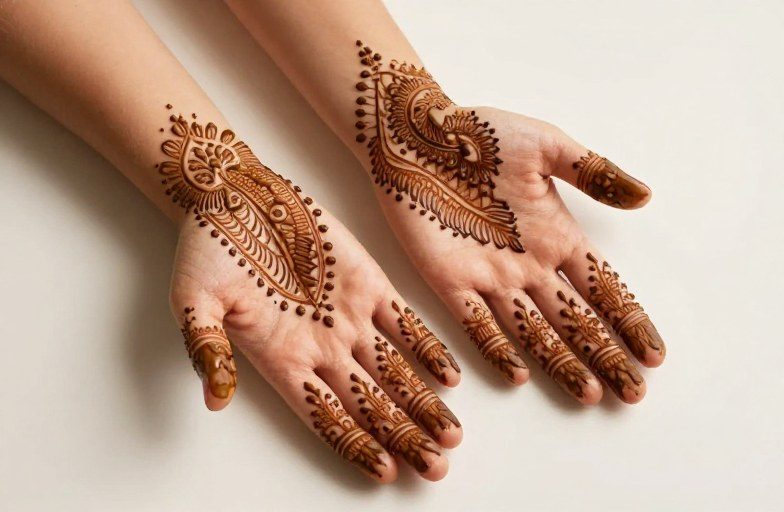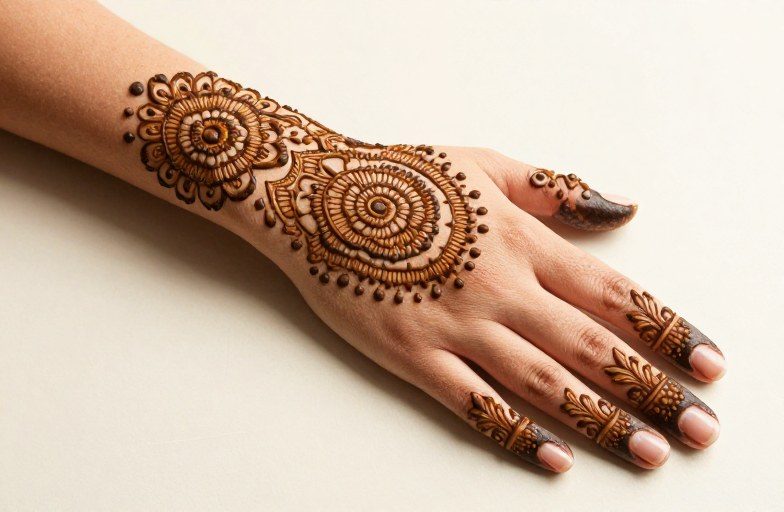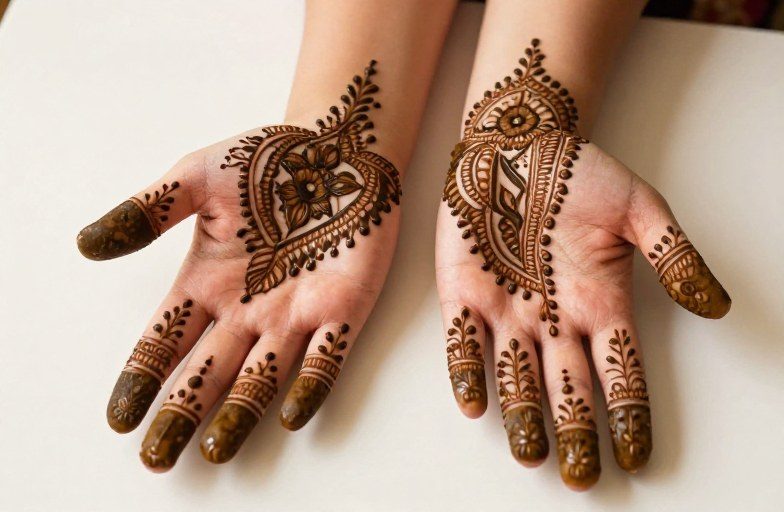
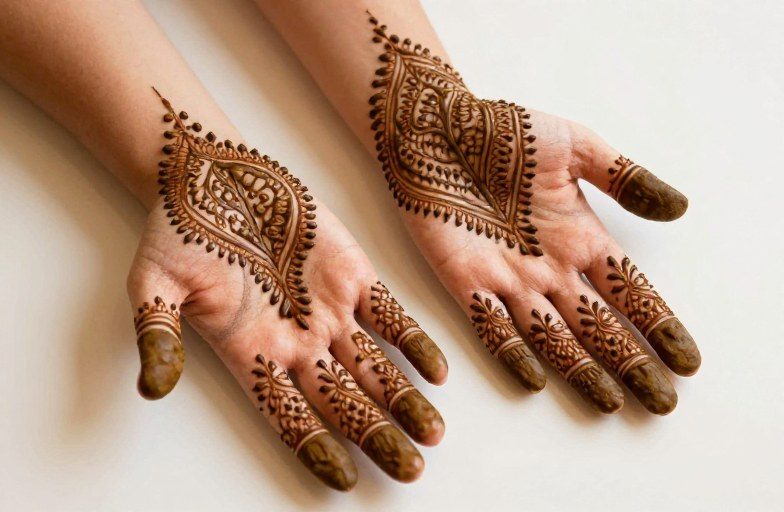
A henna tattoo usually lasts between one and three weeks, with most people seeing noticeable fading start around day seven to ten. The exact timeline depends on where it is placed, how well you care for it during the first 48 hours, and the quality of the paste used. Darker, oilier skin areas like palms and soles tend to hold color longest; thinner skin on wrists, upper arms, or backs fades faster.
The Direct Answer
Typical Timeline by Placement
Palm-side henna, including the thick skin of fingers and soles, often reaches that deep reddish-brown peak and hangs on for two to three weeks. The back of hands, feet tops, and ankles usually show solid color for ten to fourteen days. Arms, shoulders, upper back, and legs commonly fade within seven to ten days. Behind the ear, collarbone, or ribcage, areas with thinner skin and more friction from clothing, might start flaking visibly by day five or six.
- Palms and soles: 2 to 3 weeks
- Back of hands, tops of feet, ankles: 10 to 14 days
- Arms, legs, shoulders: 7 to 10 days
- Thin or high-friction areas (ribs, behind ear, collarbone): 5 to 8 days
What the Color Stages Actually Look Like
Fresh paste comes off revealing a light orange stain that deepens over 24 to 48 hours. That peak color, usually a reddish-brown, sometimes near-black depending on the henna mix, holds for several days before the gradual fade begins. By the end, you will see a patchy, light orange residue, not a crisp design. This progression is normal; it does not mean you did something wrong.
Aftercare Essentials
The First Six Hours
Keep the paste on as long as possible, ideally four to eight hours, or overnight if you can manage sleeping carefully. Do not wash it off with water; scrape dried paste away with a butter knife edge or your fingernails. Water interrupts the stain’s darkening process during development. Even brief exposure can halt oxidation and leave you with a faint result.
The Next Two Days
Avoid swimming, long showers, dishwashing without gloves, and heavy sweating if you can help it. Apply a thin layer of natural oil, coconut, olive, or henna aftercare balms work, to create a barrier against water and friction. Skip exfoliating products, loofahs, and anything with acids or retinols near the design. Sleeping with loose cotton gloves or socks over hands and feet protects fresh stain from rubbing against sheets.
- Scrape, do not wash, paste off initially
- Keep area dry for 24 to 48 hours minimum
- Oil lightly before water exposure
- Avoid friction, exfoliants, and harsh soaps
Understanding the Stain’s Life Cycle
How Henna Actually Works
Henna does not puncture skin like a needle tattoo. The lawsone molecule in the plant powder binds to the keratin in your outermost dead skin cells. This means no open wound, no infection risk from the application itself, and no permanent commitment. It also means the art lives exactly where your skin naturally sheds.
Day one typically shows orange and faint lines. Day two brings deepening toward brown. Days three to seven offer peak color and clarity. Days eight to fourteen bring gradual lightening, edges softening first. After two weeks, scattered pigment remains, mostly in thicker skin areas. These timelines shift with body temperature, ambient warmth during application, and individual skin chemistry.
What Speeds Fading
Skin naturally exfoliates, carrying stained cells away. Anything that speeds cell turnover accelerates this process: sunburn, chemical exfoliants, manual scrubbing, chlorine, hot tubs. Conversely, dry skin sometimes holds stain longer because cells stay put. This is why moisturizing helps extend life, but only after the initial 48-hour setting period. Over-oiling too early can actually loosen paste before the lawsone has fully released.
Realistic Expectations
Why Some Henna Fades Faster
Not all henna is equal. Pure henna powder (Lawsonia inermis) mixed with lemon juice, sugar, and essential oils gives the most reliable, skin-safe stain. “Black henna” containing PPD (para-phenylenediamine), often used for instant dark results, is a different substance entirely. It can cause chemical burns, permanent scarring, and lifelong sensitization. Real henna never dyes black immediately; that color comes from dangerous additives. If someone promises jet-black stain that lasts weeks, that is a warning, not a selling point.
Individual body chemistry matters too. Oily skin sometimes takes stain differently than dry skin. Hormonal changes, medications, and even recent dietary shifts can subtly affect how henna binds. Two people with identical aftercare can get slightly different results. I have seen sisters at the same event, same artist, same paste, with stains peaking two shades apart by day three.
The Nature of Impermanence
Unlike permanent tattoos, henna does not blur or blow out from needle depth. It simply disappears as your skin renews. There is no touch-up culture like with ink tattoos; you either reapply or let it go. Some people enjoy this transience, using it to test placements before committing to permanent work. Others find the short life frustrating, especially after investing in elaborate bridal or festival designs. Both responses are valid. The key is matching your design complexity and placement to your actual timeline needs.
Cost and Value
Professional Pricing
Professional henna pricing varies dramatically by region, artist skill, and design complexity. Simple wrist or ankle patterns might run $15 to $40. Full bridal hands and feet extending to the elbows and knees can cost $200 to $500 or more, with artists booking months ahead. Festival or event rates often charge per design with set time limits, perhaps $20 for ten minutes or $50 for half an hour.
DIY Considerations
DIY henna cones cost $5 to $30 for basic kits, but quality varies enormously. Refrigerated, fresh-mixed paste from reputable suppliers performs better than shelf-stable cones with unknown ingredients. Factor in that you are paying for temporary art; the per-day cost of a $50 design lasting two weeks is roughly $3.50 daily. Compare that to a $300 permanent tattoo that lasts decades, and henna sits in a different value category entirely. It is not inferior, just different, suited to different purposes and budgets.
- Simple design: $15 to $40
- Complex session: $75 to $150
- Bridal full coverage: $200 to $500+
- DIY supplies: $5 to $30
When to See a Professional
For Application
Seek experienced artists for events where photography matters: weddings, engagements, milestone celebrations. They understand how to adjust paste consistency for different skin areas, how to build designs that photograph well during peak color days, and which oils and sealants actually work. A professional also sources clean, tested ingredients. Ask about their mix; they should be transparent about what is in it. Evasion is a red flag.
For Reactions
Contact a dermatologist immediately if you experience blistering, intense itching, spreading redness, or pain rather than mild tingling. These symptoms suggest PPD exposure or allergic reaction, not normal henna response. Bring the product or artist’s ingredient list if possible. Document with photos for medical records. Do not attempt home remedies or topical steroids without professional guidance.
Even with pure henna, mild tingling or slight warmth during application is common. Lemon juice and essential oils can irritate sensitive skin. If discomfort escalates beyond mild sensation, remove paste early and rinse thoroughly. Cool water and gentle soap are sufficient; do not scrub.
What to Remember
Henna offers a temporary, pain-free way to wear intricate body art, but its brief lifespan demands realistic planning. One to three weeks is the honest range, with most designs looking their best for roughly half that time. Placement and aftercare matter more than any secret technique. Quality paste from transparent sources protects both your skin and your results. You might be testing a future permanent tattoo placement, celebrating a specific occasion, or simply enjoying the aesthetic. In any case, henna’s impermanence is its defining feature, not a flaw to overcome. Plan accordingly, choose your artist or paste with care, and appreciate the work while it lasts.
Frequently Asked Questions
Can I make my henna tattoo last longer than three weeks?
Not realistically. The stain lives in the outermost skin layers, which naturally exfoliate. Two to three weeks is the biological maximum for most placements. Focus on aftercare during the first 48 hours to reach the upper end of that range rather than expecting impossible longevity.
Why did my henna turn orange instead of dark brown?
Orange is the initial color; it deepens over 24 to 48 hours. If it stays pale, the paste may have been removed too early, gotten wet during development, or been low quality. Some body chemistry simply takes stain lighter, especially on thinner skin areas.
Is “black henna” safe if I want darker results?
No. Products marketed as black henna often contain PPD, a hair dye chemical that can cause severe burns, scarring, and permanent allergies. Real henna ranges from orange to deep reddish-brown. Any instant black result comes from dangerous additives.
Can I get a henna tattoo before a vacation or beach trip?
Time it carefully. Apply at least two days before swimming so the stain sets fully. Chlorine, salt water, and sun exposure all accelerate fading. For a beach wedding, henna three to four days prior gives peak color for photos while allowing some fade before heavy water activities.