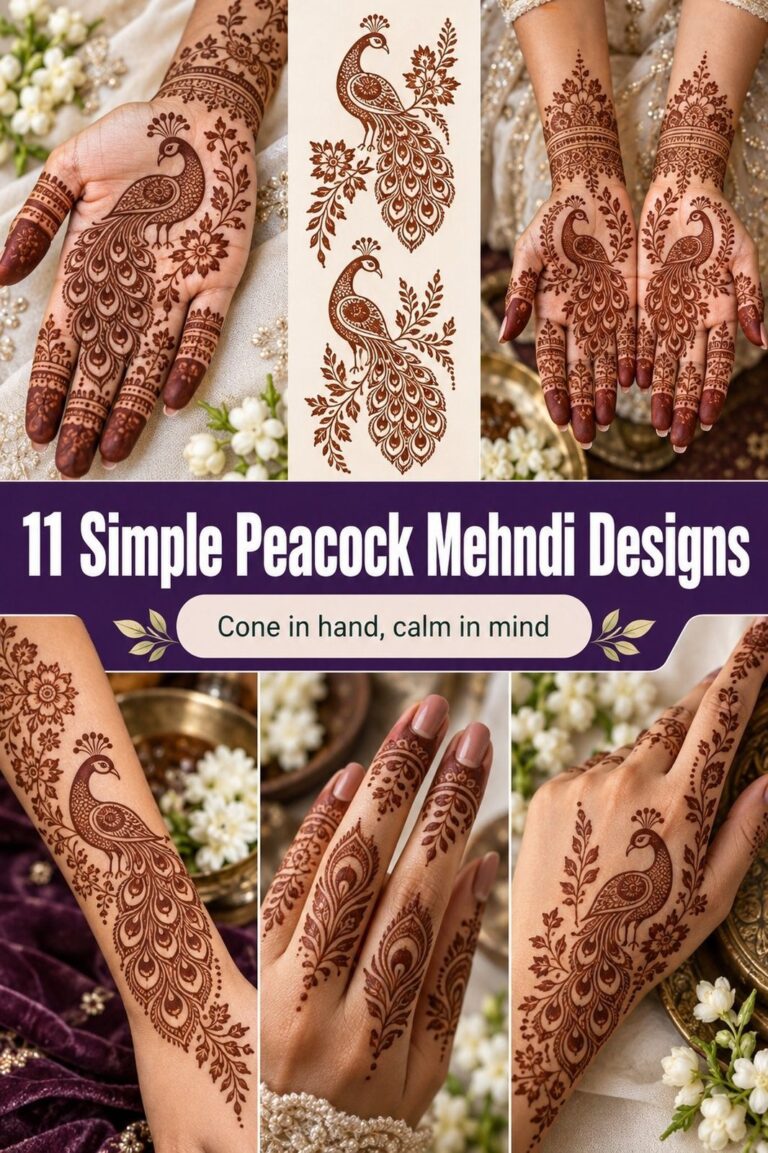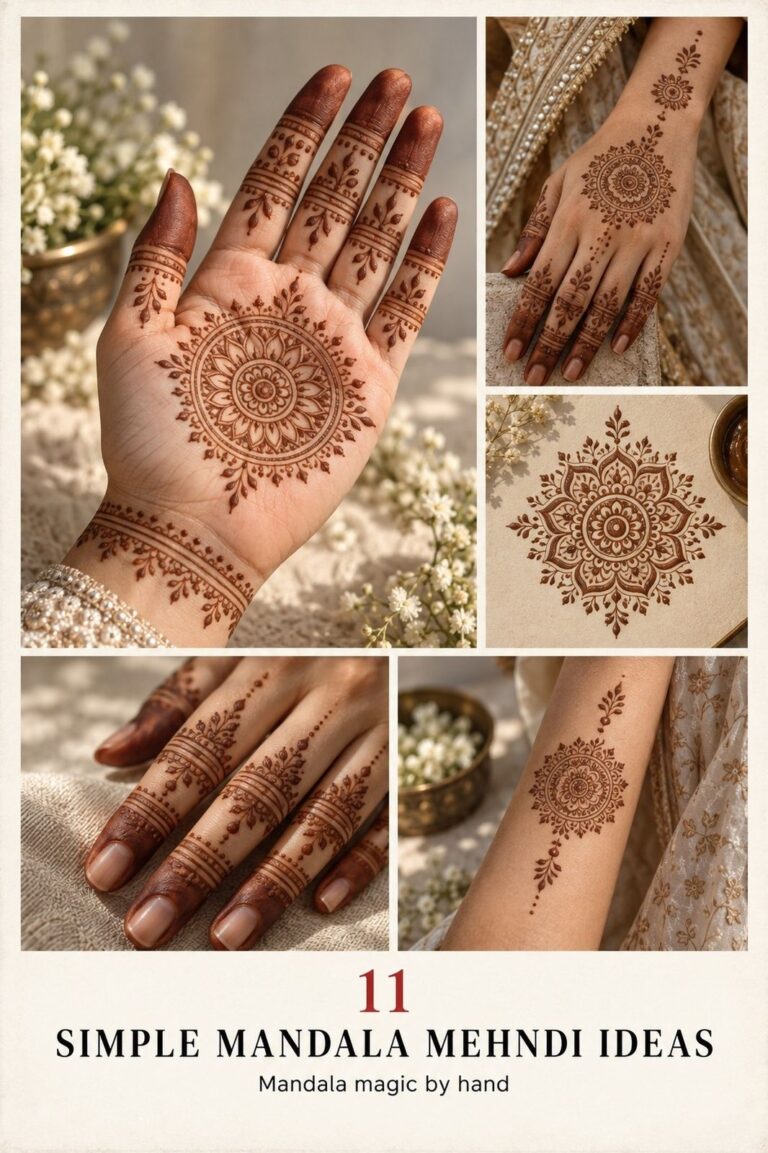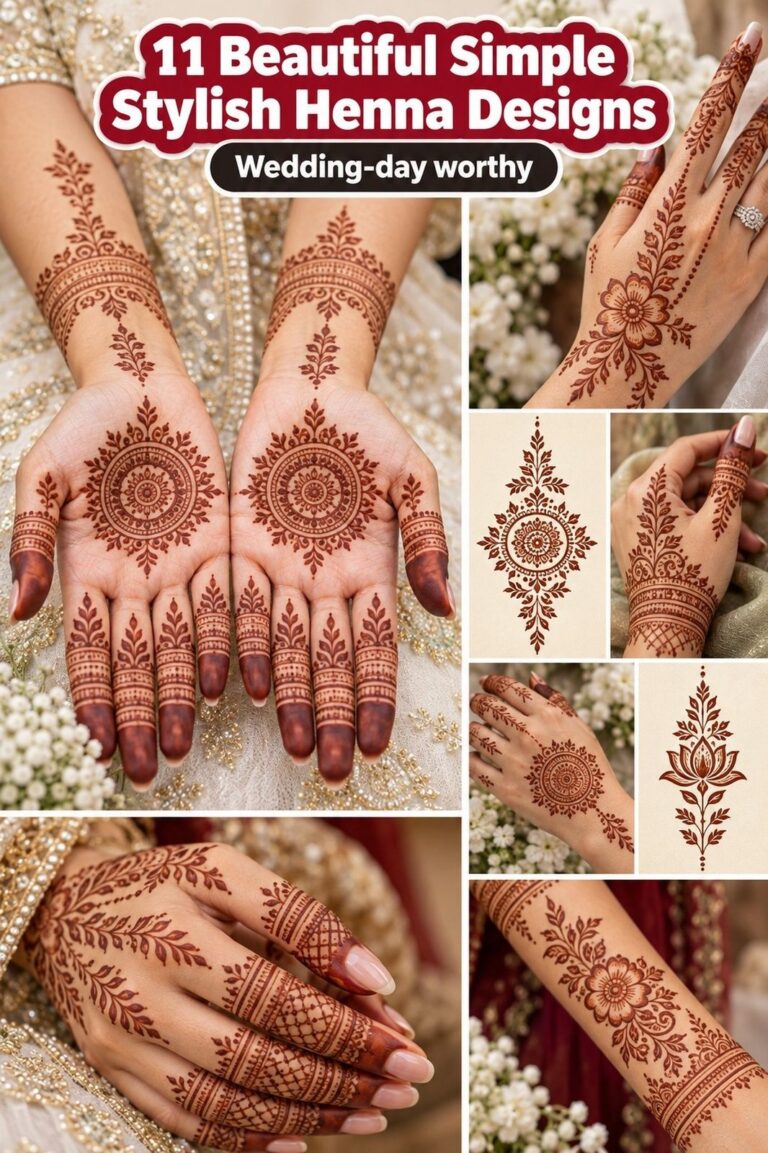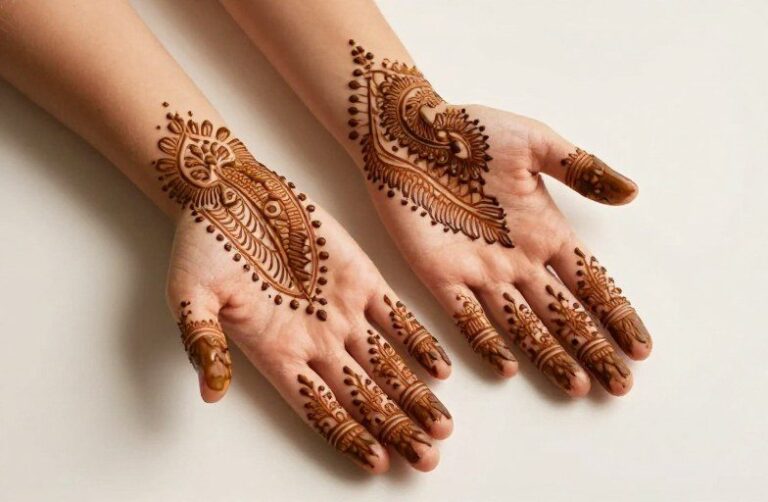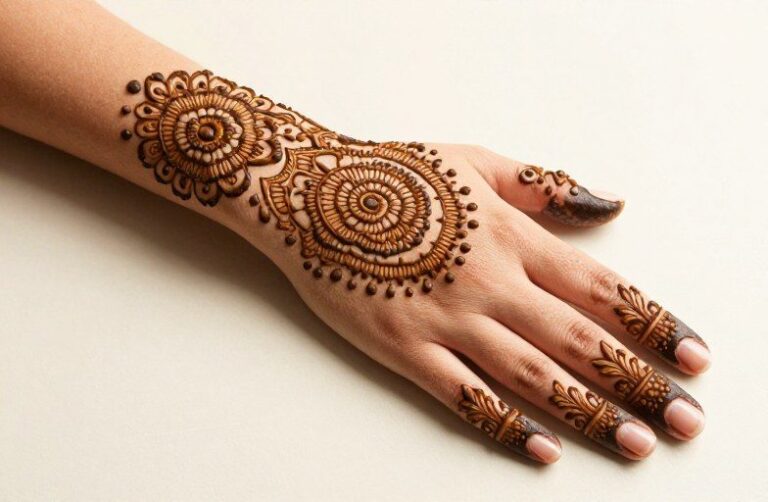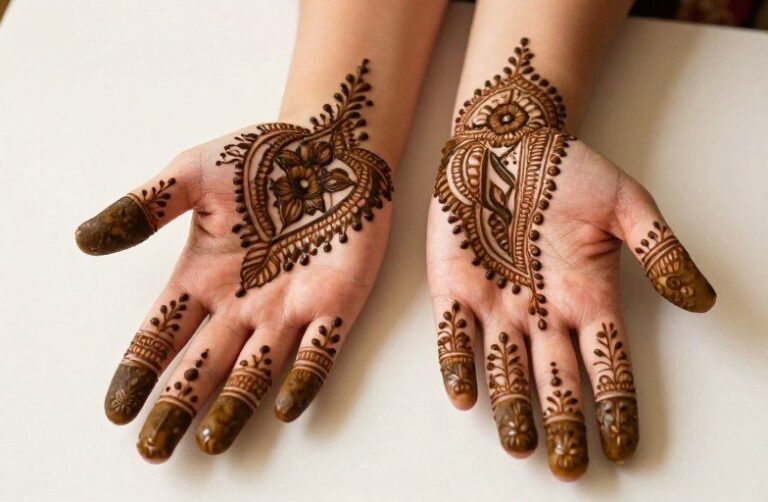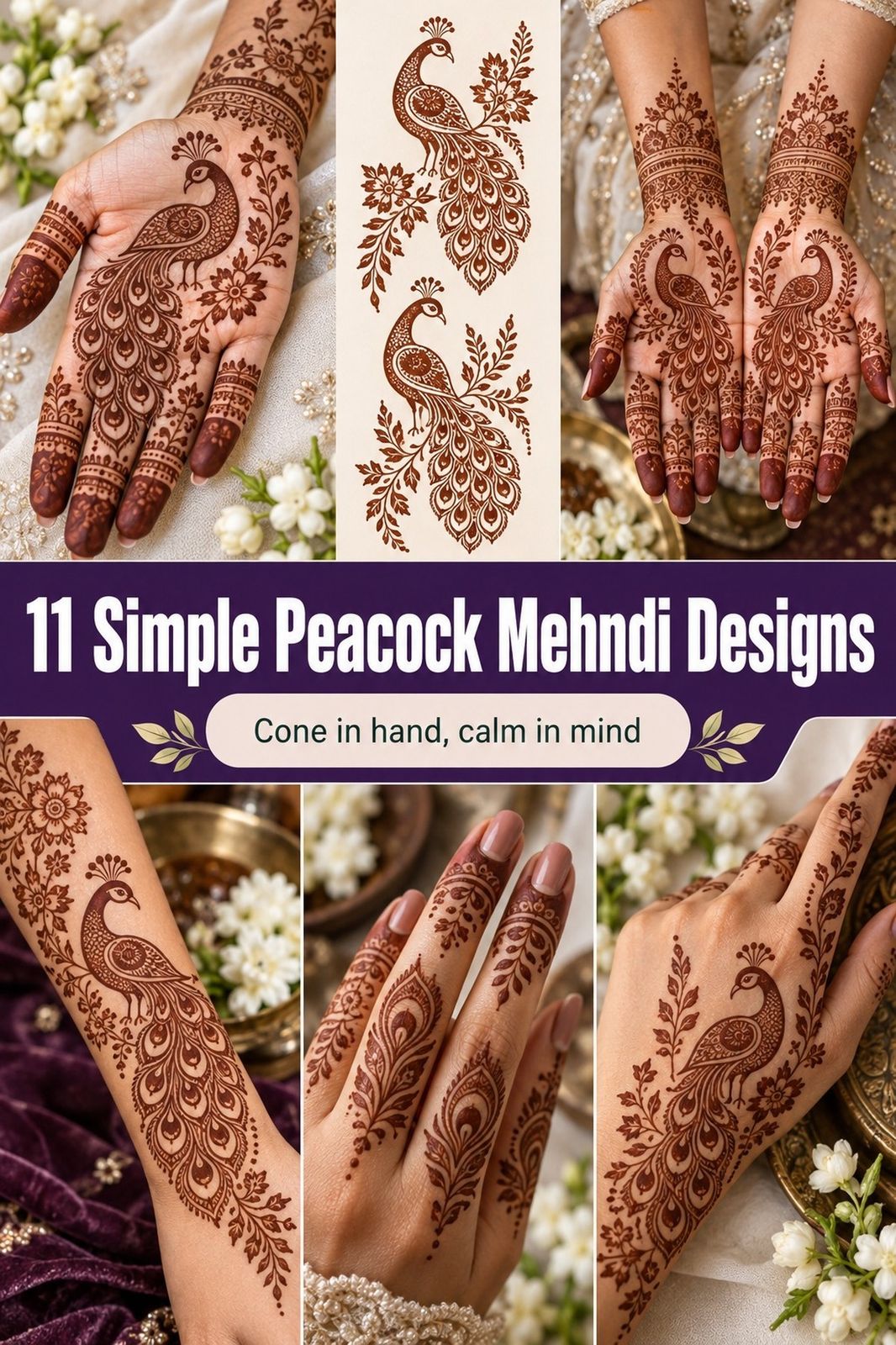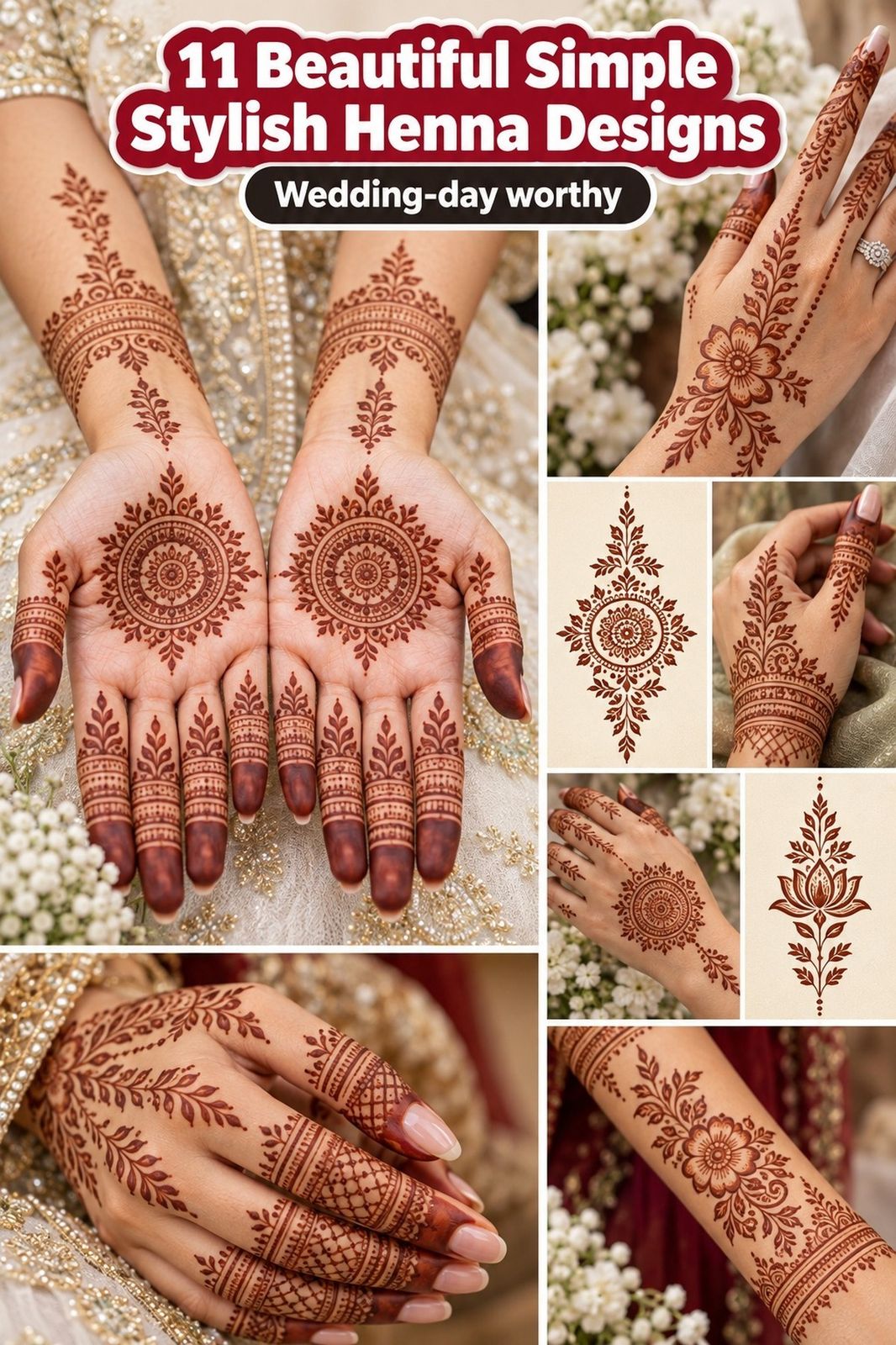

A permanent henna-style tattoo carries a specific tension. It borrows the visual language of a temporary, ritual practice and fixes it to the body for life. The wearer is usually drawn to the organic flow of mehndi designs, the fine lines and floral density, but wants something that will not fade in two weeks. What the design means depends heavily on who wears it, where they place it, and whether they have any living connection to the traditions that created it.
Where the Symbolism Comes From
To understand what a permanent henna-style tattoo communicates, you need to know what it is not. It is not henna. Real mehndi paste stains the top layer of skin and sheds with natural turnover. The permanent version uses tattoo pigment to simulate that warm reddish-brown tone. This technical shift changes the meaning from “blessing for a specific occasion” to something more complicated: a lasting marker of cultural connection, aesthetic preference, or both.
The Ritual Precedents
Mehndi itself sits within a broader history of body marking that predates modern tattooing. Temporary staining with plant dye, ochre application, kohl lining, and scarification all belong to this lineage. Someone choosing a permanent henna-style design often wants to honor that history without falsely claiming participation in a living ritual they do not practice. The meaning is reference, not replication.
Visual Neighbors and Distinctions
- Paisley patterns: Persian in origin, frequently paired with henna-style work; the teardrop shape carries associations with life and eternity
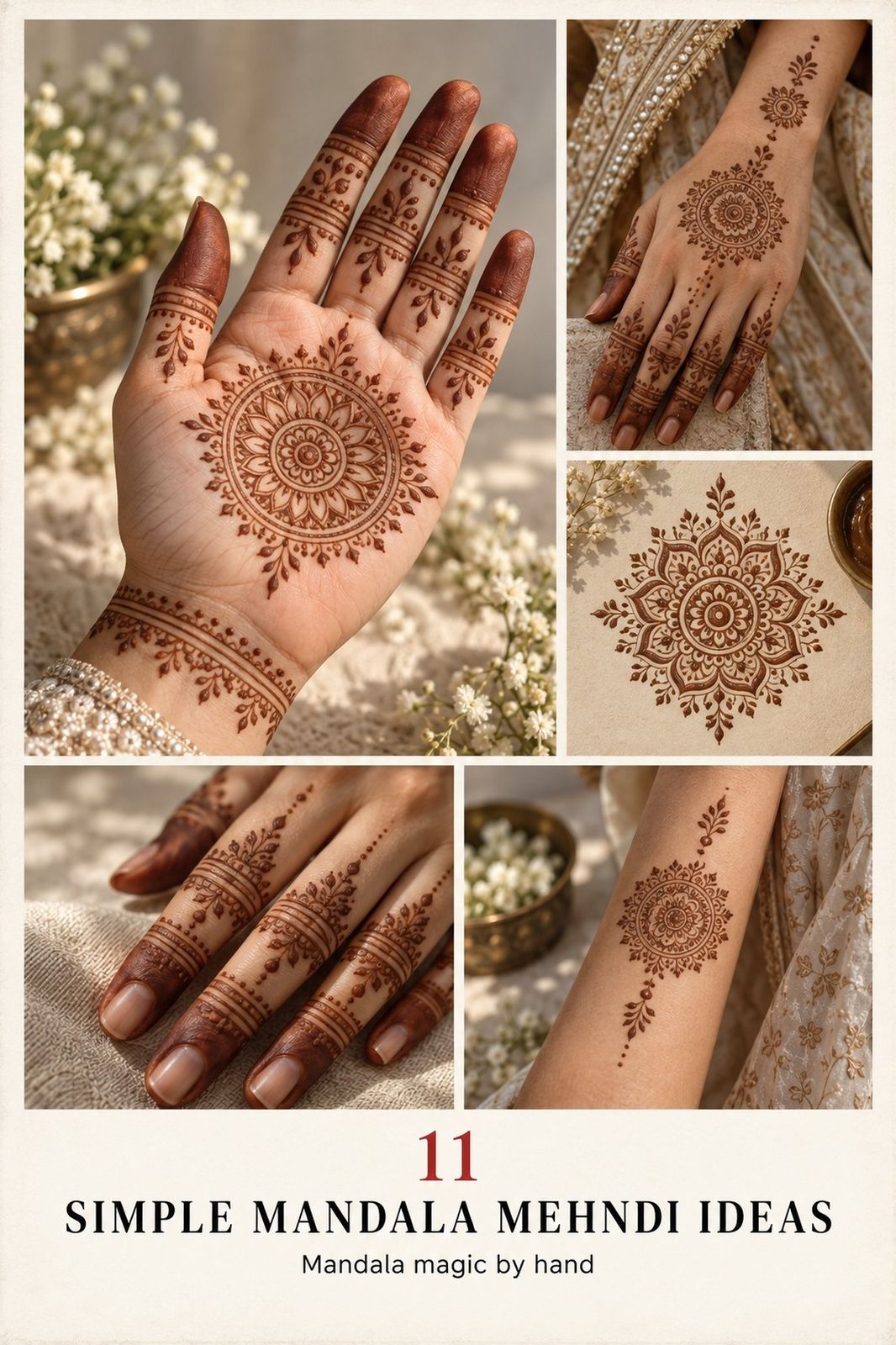
- Mandala structures: Hindu and Buddhist geometric forms used in meditation; radial symmetry echoes the palm-centered designs common in mehndi
- Celtic knotwork: Another continuous-line tradition, though any overlap with henna is aesthetic rather than historical
- Dotwork ornamental: Shares visual density and hand-rendered quality without specific cultural reference
The important distinction: henna-style tattoos carry a risk of being read as cultural tourism that pure geometric work usually avoids. The meaning depends on whether the wearer has an actual relationship to South Asian, North African, or Middle Eastern heritage, and whether they acknowledge that relationship openly.
How Time Changes the Meaning
A tattoo that ages poorly becomes a symbol of regret, not intention. This is especially true for henna-style work, which relies on visual qualities that are technically difficult to preserve.
The Problem of Fine Lines
Traditional mehndi uses extremely thin lines, sometimes approaching the width of a hair. Machine tattooing can achieve this, but skin is living material. Over years, lines spread through collagen remodeling and sun exposure. A fine line can become a fuzzy channel. The dense, lace-like quality of fresh henna turns muddy. Artists who understand this build in slightly heavier line weights from the start, sacrificing some visual accuracy for longevity. The symbolic weight shifts: the tattoo becomes less about precise replication and more about suggesting the spirit of the form.
The Color Reality
Real henna ranges from burnt orange to deep mahogany. Tattoo ink cannot reliably hit this range. Carbon black mixed with red can approximate it, but red pigments are notoriously unstable in tattooing. Iron-based reds often fade to pink or salmon; naphthol reds can shift to orange-peel tones. The brown tones most clients want usually require custom mixing that many shops do not stock. What begins as warm henna brown may settle into faded brick or muddy rust. The meaning, over time, becomes aged, changed, carrying the history of the body it lives on.
What Wearers Actually Intend
Contemporary clients layer personal significance onto this borrowed visual language. The patterns are common enough that you cannot assume any single meaning, but certain motivations appear regularly.
- Commitment to transience: Choosing permanence to honor something temporary, an intentional irony
- Cultural bridge: Mixed-heritage individuals marking connection without claiming full membership in a tradition they were not raised inside
- Aesthetic preference: Pure visual attraction to the organic, flowing, non-figurative quality
- Reclamation: Those with ancestral mehndi traditions who want daily visibility rather than special-occasion practice
The modern meaning often centers on hybrid identity. Someone might have grown up with Eid or Diwali mehndi, moved to a context where that practice marks them as other, and chosen permanence as a refusal to hide. Alternatively, they might have no heritage connection and simply respond to the visual warmth, though this carries more symbolic weight than choosing, say, a Japanese wave without Japanese heritage, because henna remains actively practiced as living ritual.
Placement and Its Specific Weight
Where you put this tattoo matters more than with many styles, because traditional mehndi locations are strongly codified.
Hands and Feet
Traditional mehndi concentrates on palms, backs of hands, and feet. These areas stain deeply and serve protective and celebratory functions in ritual context. Permanent versions here are high-risk: hands see constant sun, friction, and washing. The commitment level is extreme. Symbolically, hand placement says this is not hidden, not tucked away for professional convenience. It is daily declaration. Foot placement carries similar visibility risk in open footwear, plus the specific tradition of bridal henna on feet.
Upper Arm, Back, Thigh
These larger areas allow more detailed compositions that reference henna without replicating its traditional placement. The symbolism shifts from “I am wearing this publicly like ritual mehndi” to “I am incorporating this visual tradition into my personal iconography.” The upper arm offers the best longevity for fine lines: less sun exposure, less movement distortion than hands, enough muscle padding to reduce blowout. Large back pieces can achieve the immersive, all-over quality of full bridal mehndi without the hand-specific cultural echo.
Who Actually Chooses This
Patterns exist, though demographics are never destiny. Women seek this style more often than men, though male henna-style work exists, particularly forearm bands and chest pieces referencing Berber men’s traditions. The choice often follows a specific trigger: attending a wedding with real mehndi, returning from travel in Morocco or India, or researching family history.
There is a notable subset of clients who originally wanted real henna for a wedding or festival, learned about PPD-laced “black henna” and its risks of chemical burn, and pivoted to permanent work as the safer option. Their meaning is practical first: avoid injury, still get the look. The symbolism becomes accidental rather than deeply considered.
Religious and Spiritual Complications
This is where the tattoo becomes most complicated, and where meaning must be negotiated carefully.
Islamic Contexts
Traditional henna is often linked to pre-Islamic practice and later Islamic tradition alike. Some historical sources trace it to cooling rituals in hot climates; others reference a hadith sometimes attributed to Prophet Muhammad regarding henna use for men. Tattooing itself is more contested: many Islamic jurists consider permanent tattooing haram, while temporary henna is widely accepted. A Muslim choosing permanent henna-style work may be navigating this tension explicitly, or may prioritize personal spirituality over juridical opinion. The tattoo’s meaning becomes a visible theological argument.
Hindu and Jain Contexts
Mehndi is commonly associated with Hindu weddings and festivals, particularly Karva Chauth and Teej. The permanent version removes the ritual specificity, no longer tied to fasting, marital blessing, or seasonal celebration, but retains the visual vocabulary. Some practitioners consider this dilution; others see it as evolution. The spiritual meaning depends on whether the wearer maintains active practice or treats the imagery as heritage reference.
Appropriation Risks for Secular Wearers
Those without South Asian, North African, or Middle Eastern heritage face the symbolic burden of potential appropriation. The meaning they intend, that they find this beautiful, may not be the meaning received. This is not a prohibition, but a reality: the tattoo carries social weight beyond personal intention. Some navigate this by working with artists from the tradition, by choosing non-specific ornamental elements over explicitly religious motifs, or by pairing the design with genuine cultural engagement rather than surface borrowing.
What to Remember
A permanent henna-style tattoo means what the wearer brings to it, filtered through what others see. The core symbolism is layered: temporary ritual made permanent, cultural connection made daily, aesthetic preference made commitment. The specific meaning depends on heritage, placement, and whether the design replicates traditional motifs or abstracts them.
What does not change is the technical reality. Fine lines blur. Reds fade. Hands age hard. The symbol evolves whether the wearer intends it or not. The best outcomes come from honest self-assessment: why this style, why this placement, why now. If the answer is only that it looks beautiful, that is valid, but it is worth knowing what else you may be communicating. If the answer is rooted in family history, personal practice, or deliberate cultural bridge-building, the tattoo gains weight it would not otherwise carry.
Choose an artist who understands the technical constraints, who will tell you when a line is too fine to hold, when a color will shift, when a placement will fight you. The meaning of a well-aged henna-style tattoo is continuity. The meaning of a poorly planned one is often just the opposite.
Frequently Asked Questions
Is a permanent henna tattoo culturally appropriative?
It depends on your relationship to the tradition. If you have no South Asian, North African, or Middle Eastern heritage and no active engagement with those cultures, the tattoo risks being read as appropriation. This does not mean you cannot get one, but you should understand the social weight it carries. Working with artists from the tradition, choosing non-religious ornamental elements, and pairing the design with genuine cultural learning rather than surface borrowing all help navigate this.
How long do henna-style tattoo lines stay sharp?
Fine lines, especially those under one millimeter, spread over time due to collagen remodeling and sun exposure. On low-movement, low-sun areas like the upper arm, they may hold definition for several years. On hands, which see constant use, washing, and UV exposure, blur happens faster. Artists who understand this build in slightly heavier line weights from the start, sacrificing some visual accuracy for longevity.
Can tattoo ink really match henna’s color?
Not reliably. Real henna ranges from burnt orange to deep mahogany. Tattoo inks struggle to hit this range and hold it. Red pigments are particularly unstable, often fading to pink, salmon, or orange-peel tones. Custom mixing can help, but most shops do not stock the specific blends needed. Expect the color to shift over time, and discuss this explicitly with your artist before committing.
Why do people get permanent henna instead of real mehndi?
Reasons vary. Some want the visual quality without the two-week fade. Others have heritage connections and want daily visibility rather than special-occasion practice. A notable subset learns about PPD-laced “black henna” and its chemical burn risks, then pivots to permanent work as the safer option. Each motivation carries different symbolic weight.
Are there religious issues with permanent henna tattoos?
In Islam, temporary henna is widely accepted, but permanent tattooing is considered haram by many jurists. Some Muslims navigate this tension explicitly; others prioritize personal spirituality. In Hindu and Jain contexts, permanent work removes the ritual specificity of festival or bridal mehndi, which some see as dilution and others as evolution. The spiritual meaning depends entirely on the wearer’s own practice and intention.