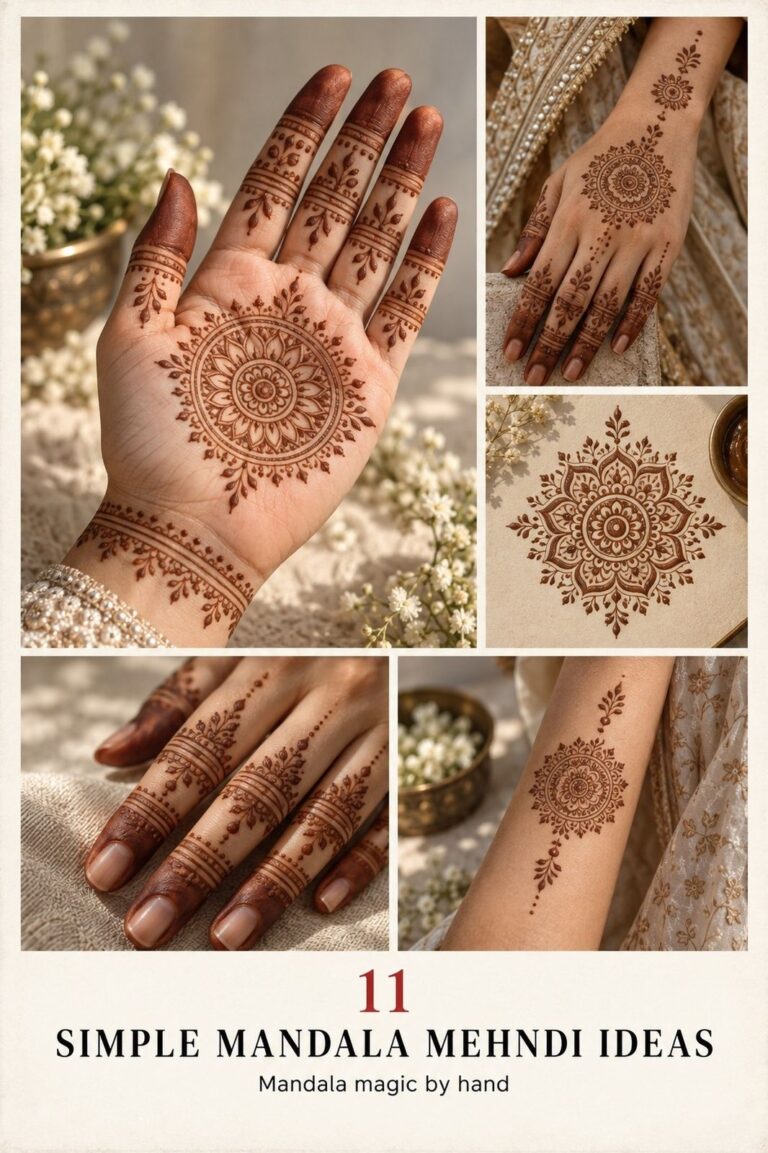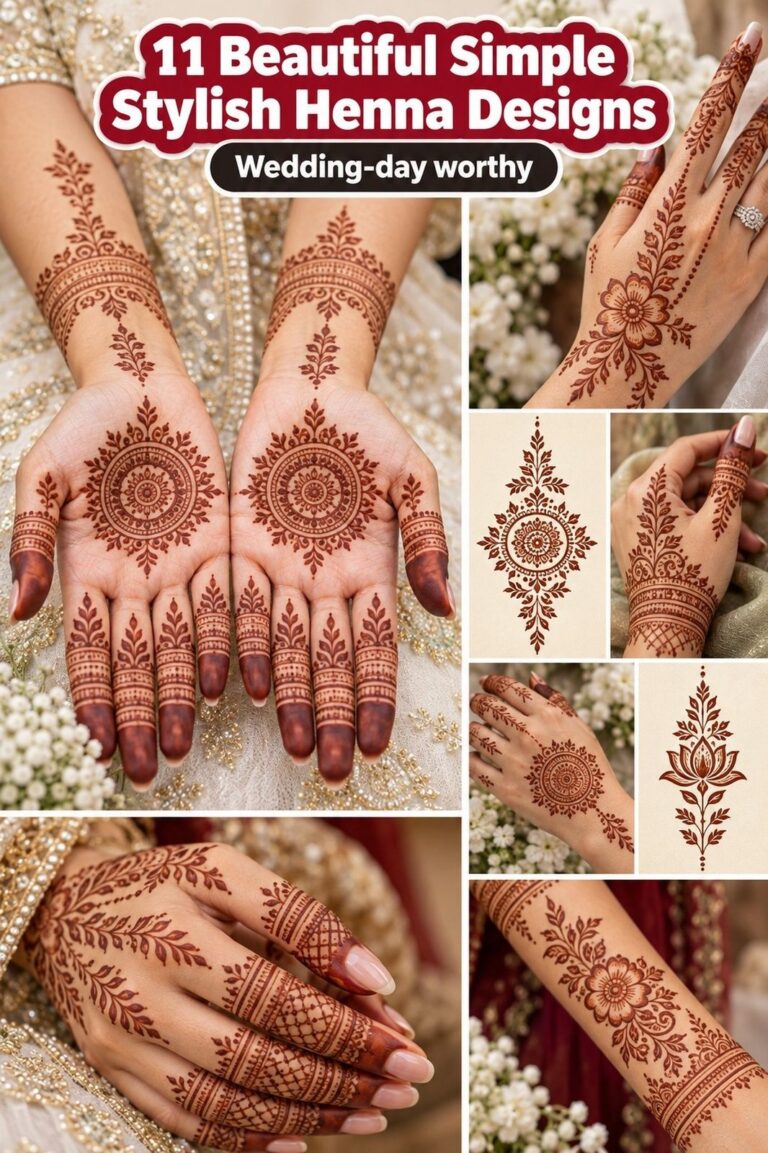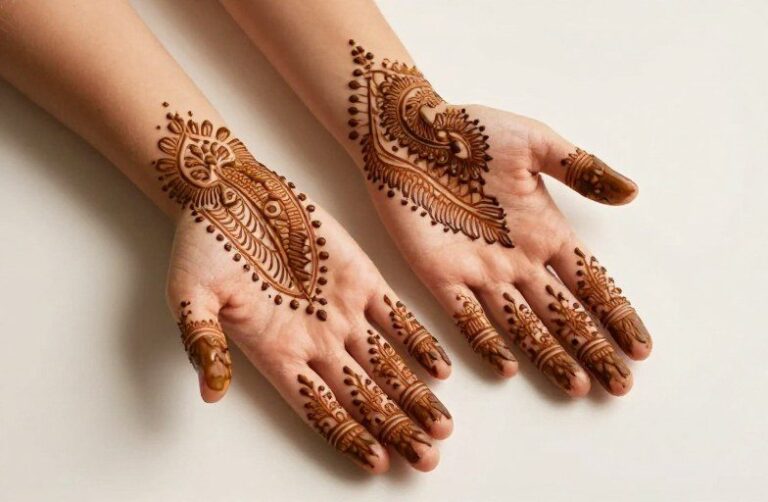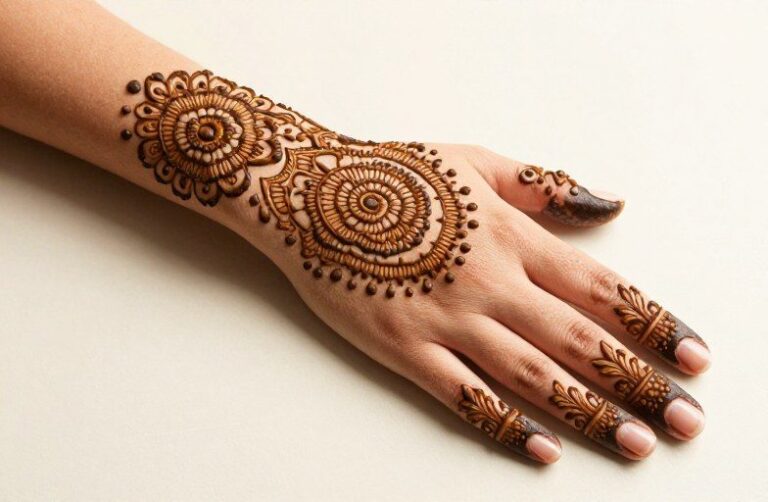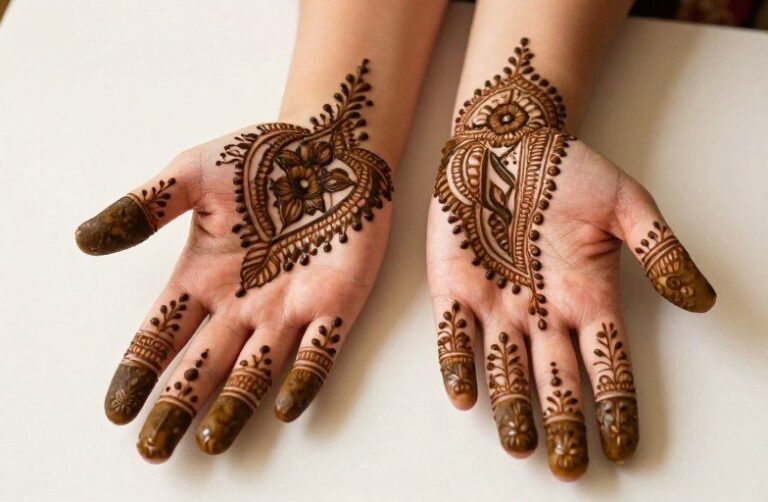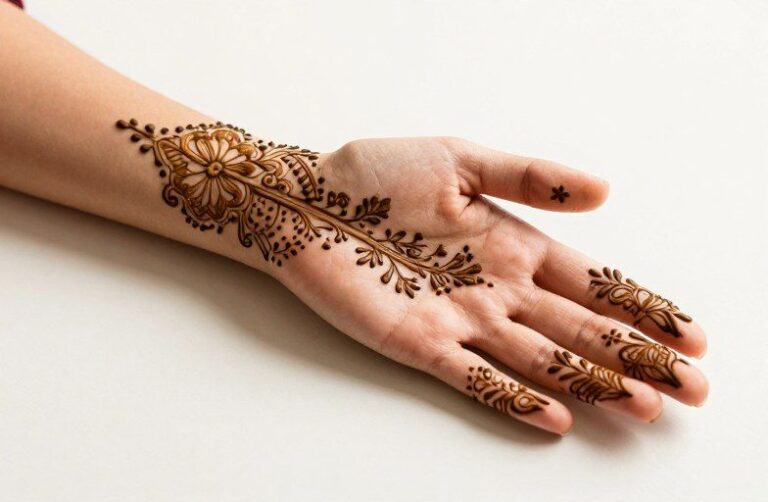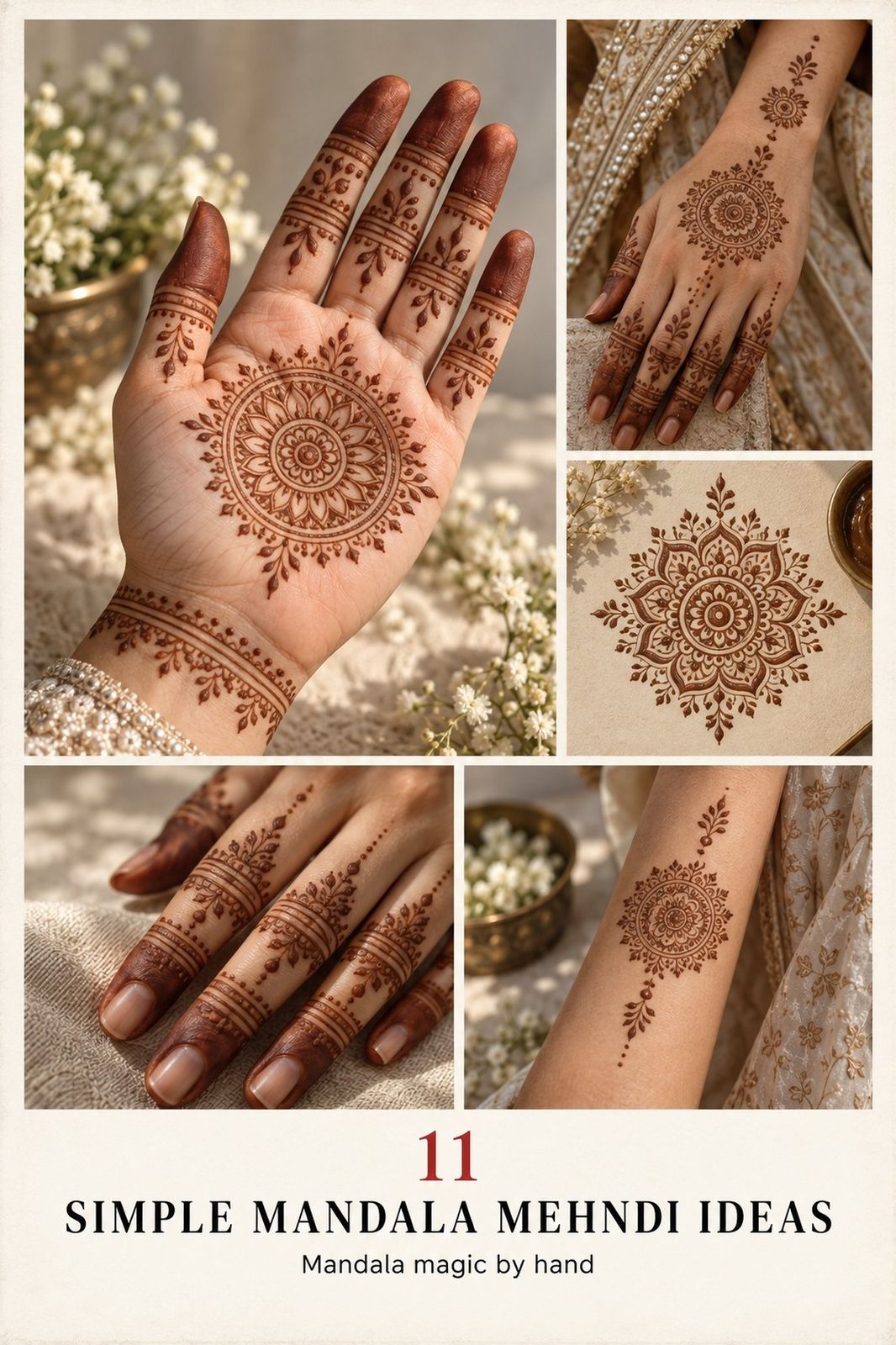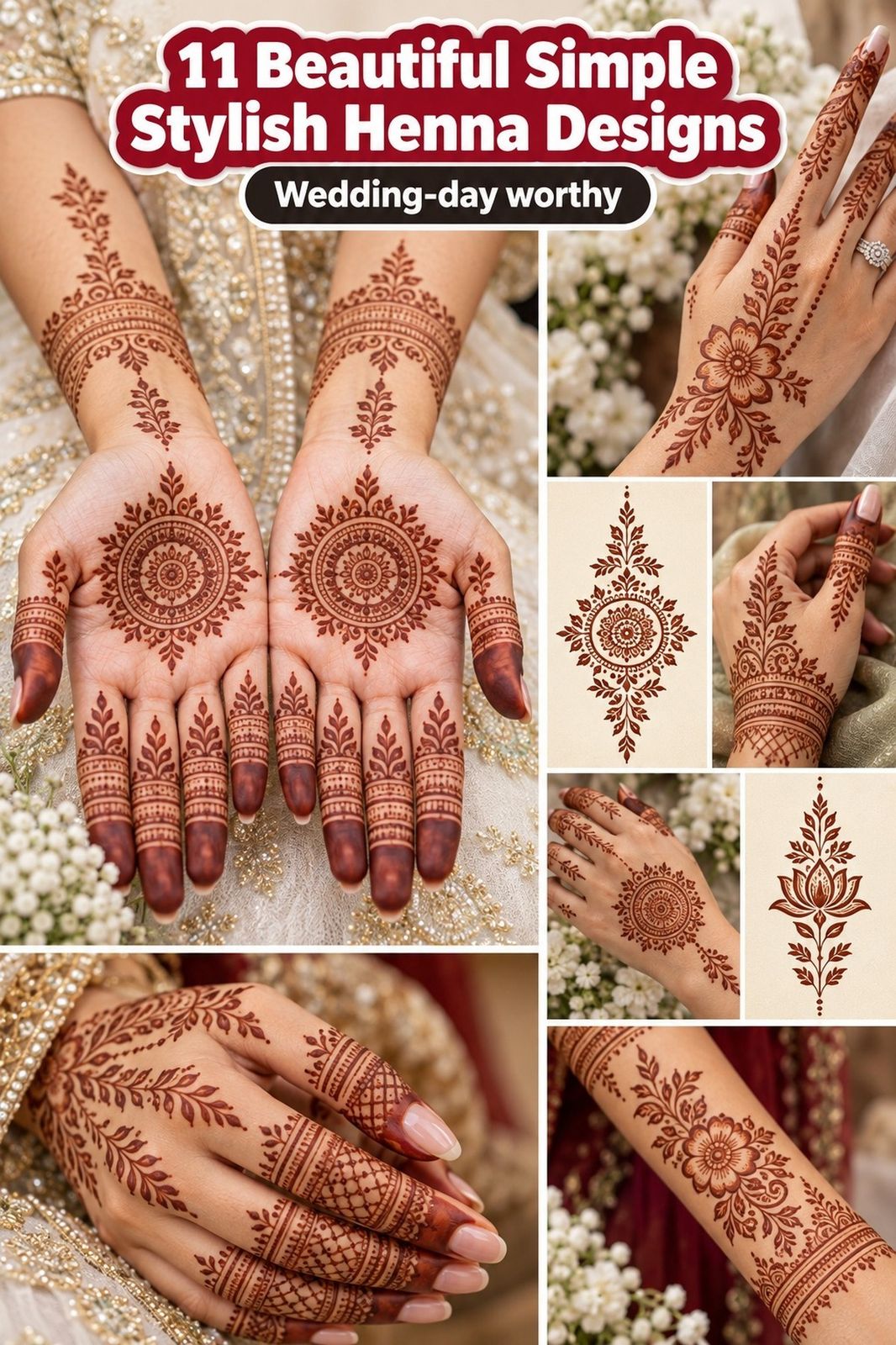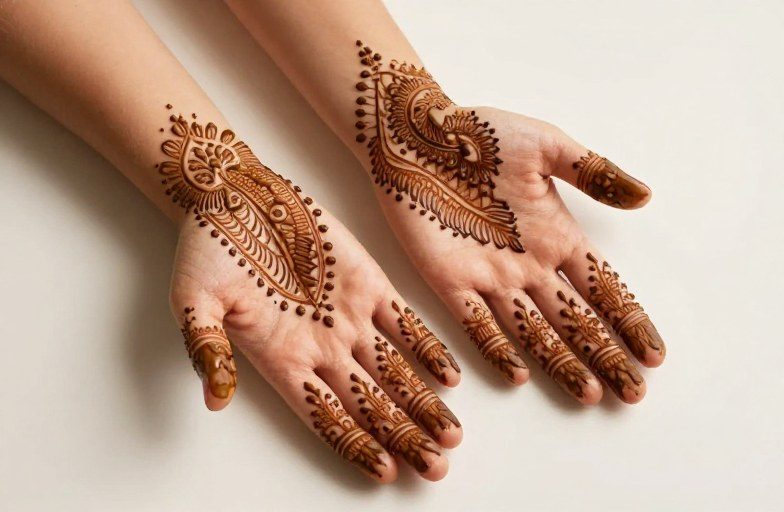
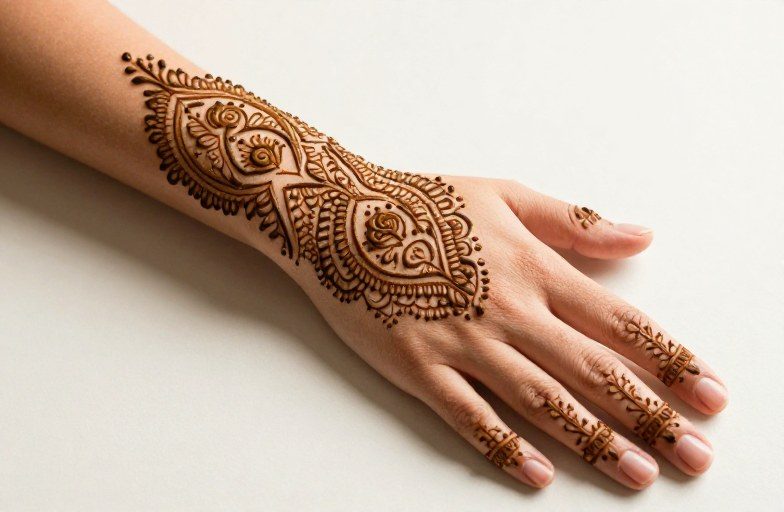
Henna-inspired permanent tattoos translate the traditional art of mehndi into lasting ink. Real henna paste stains the skin’s surface for one to three weeks, then fades. Permanent ink sits in the dermis and stays. The question “do tattoo shops do henna” usually means two things: whether artists apply real henna paste (some do, particularly for cultural events or festivals), and whether they will tattoo henna-style designs permanently (most will, though skill varies enormously).
How the Style Ages on Skin
Permanent henna-style tattoos age differently than the temporary stain they reference. Real henna fades evenly from the surface. Ink shifts over years as skin changes. The fine lines and dense patterns that define mehndi art are particularly vulnerable to time.
Line Spread and Detail Loss
Intricate mehndi patterns rely on hair-thin lines and careful negative space. In permanent ink, these lines spread as skin ages and collagen shifts. A line that starts at 0.3 millimeters might blur to one millimeter or wider over a decade. Dense lace-like patterns can become muddy where adjacent lines merge. Experienced artists adapt by slightly thickening key lines during the initial application, keeping them delicate but giving them enough body to survive.
Placement and Longevity
- Hands and feet: Most authentic to real henna placement, but fastest to fade and blur due to constant use, sun exposure, and thinner skin
- Forearms and calves: Better longevity, still visible, less daily abrasion
- Upper back and ribs: Excellent preservation of detail, though less traditional visibility
- Fingers and toes: High risk of blowout and uneven aging; many artists refuse or warn heavily
Color Fading Patterns
Black ink holds crisper edges than color, which tends to diffuse faster. Shaded elements in henna-style tattoos, pumice dots, gradient fills, are usually the first to become indistinct. Plan for this if your design includes subtle tonal work.
Common Variations and Styles
Not all henna-style tattoos replicate traditional South Asian mehndi. Artists and clients blend influences, sometimes faithfully, sometimes loosely. Knowing what you want before you book saves revision and disappointment.
Traditional Mehndi Motifs
Classic elements include paisleys (often linked to fertility and joy in South Asian symbolism), florals (particularly lotus and jasmine), peacocks (beauty and pride), and geometric mandalas. The vine framework connecting these elements represents the flow of life and interconnectedness. Traditional designs often leave negative space in flowing patterns rather than filling solid areas.
Fusion and Contemporary Adaptations
- Minimalist line work: Single paisley or small mandala, reduced detail, modern placement
- Jewelry-inspired bands: Henna patterns reimagined as permanent bracelets or rings
- Mixed traditions: Arabic floral patterns combined with geometric Berber motifs, or Indian mehndi with Japanese wave patterns
- Dotwork reinterpretation: Stippled shading replacing traditional henna‘s pumice-dot texture
How to Communicate Your Vision
Some artists specialize in authentic replication; others use “henna-inspired” as a loose aesthetic label. Clarify which you want before booking. Bring specific reference images of motifs, not generic Pinterest collections. Ask to see healed photos, not just fresh work. Fresh fine lines look crisp; healed work reveals whether the artist understands how the style ages.
Who Chooses This Tattoo
The appeal crosses boundaries, though motivations differ significantly. Understanding your own motivation helps you choose appropriate motifs and discuss them honestly with your artist.
Cultural Connection and Heritage
For people with South Asian, North African, or Middle Eastern heritage, permanent henna can honor family traditions, commemorate weddings, or maintain cultural practice when real henna application is not accessible. Some choose specific motifs their mothers or grandmothers wore. This is lineage made visible, not decorative borrowing.
Aesthetic Attraction Without Cultural Ties
Others simply love the visual language: the organic flow, the mathematical precision, the intricate detail. This is where ethical questions become relevant. Cultural appropriation debates around henna-style tattoos are active and valid. Respectful approaches include researching specific motif meanings, avoiding sacred symbols without understanding, choosing artists who acknowledge origins, and never treating the style as exotic decoration. Some artists will not do traditional mehndi on clients without South Asian heritage; others will with education and dialogue. Neither position is universal, and policies vary by studio.
Practical Considerations for All Clients
Regardless of motivation, ornamental work requires longer sessions than many expect. A dense forearm piece might take four to six hours. Hand pieces often need multiple sessions. The pain is manageable for most, but the duration tests endurance. Plan accordingly.
Color vs. Black and Grey
Real henna is reddish-brown. “Black henna” containing PPD is dangerous and not true henna. Permanent tattoos offer color options impossible with natural mehndi, but each choice carries trade-offs.
Black Ink: The Standard Choice
Black most closely mimics the bold contrast of fresh henna paste against skin. It photographs clearly, ages most predictably, and allows the finest detail. Most traditional-style pieces use black exclusively. The starkness reads as graphic and intentional.
Color Approaches
- Red-brown ink: Mimics actual henna stain, but often heals pinker or more orange than expected; touch-ups are common
- Jewel tones: Deep green, sapphire, burgundy, used selectively in florals or accents
- White ink: Occasionally used for highlight dots; tends to yellow or disappear entirely
- Watercolor backgrounds: Loose color fields behind precise black henna patterns; high contrast between structure and freedom
Skin Tone Considerations
Color saturation varies by skin tone. Darker skin carries black with striking clarity but may show red-brown inks as subtle rather than vivid. Lighter skin shows broader color range but risks black looking harsh as it ages and fades to grey. Discuss this with your artist during consultation; a responsible artist will adjust pigment recommendations based on your specific skin.
Finding the Right Artist
This style is unforgiving. Fine lines, dense patterns, and negative space management separate competent ornamental artists from those who will leave you with blurred regret. The search process deserves serious attention.
What to Look For in a Portfolio
Request healed photos, ideally one to three years old. Fresh ornamental work looks crisp on everyone. Healed work reveals whether the artist understands how lines spread in their particular application. Look for consistent line weight, clean negative space that has stayed open, and patterns that remain readable from a distance. Be wary of portfolios showing only fresh work, only small simple pieces, or heavily filtered photography.
Questions to Ask in Consultation
- How many ornamental or henna-style pieces have you done?
- Do you have healed photos of work similar to what I want?
- How do you adapt fine lines for aging?
- What is your policy on touch-ups?
- Have you worked with the specific cultural style I am requesting?
Red Flags
Artists who dismiss your questions about longevity, who claim fine lines never spread, or who pressure you toward simpler designs without explanation may lack ornamental experience. Similarly, artists who treat cultural motifs as generic decoration without interest in their origins should prompt careful consideration, particularly if your design carries specific symbolic weight.
Related Symbolic Traditions
Henna motifs overlap with other symbolic traditions, sometimes intentionally blended, sometimes confused. Understanding boundaries helps you choose more deliberately.
Mandalas and Geometric Work
Mandalas appear across Hindu, Buddhist, and geometric tattoo traditions. The henna mandala typically flows more organically, less rigidly symmetrical than Tibetan sand mandalas. If you want strict geometric precision, you may prefer an artist specializing in sacred geometry rather than ornamental henna.
Floral and Paisley Connections
Florals connect to Victorian mourning jewelry, Art Nouveau design, and Japanese botanics, though henna florals are more stylized, less naturalistic. Paisley has complex origins often linked to Persian and Kashmiri textile traditions, becoming globally ubiquitous through trade; in tattoo form, it retains stronger cultural association than when printed on mass-produced goods.
Lace Tattooing and Ornamental Boundaries
Lace tattooing shares visual territory with henna: both use negative space, delicate repetition, ornamental framing. Lace tends more European, more structural; henna more organic, more flowing. Some pieces deliberately blur the boundary. Decide whether you want that ambiguity or prefer clearer stylistic distinction.
Spiritual Dimensions and Personal Meaning
Henna’s spiritual dimensions are often linked to specific practices, though interpretations vary significantly by region, family, and individual belief.
Protective and Blessing Functions
Traditionally, henna applied before weddings or Eid carries baraka, or blessing. The darkness of the stain was sometimes read as an indicator of blessing strength. Permanent tattoos cannot replicate this temporary ritual function, but some choose them as ongoing protective symbols, particularly specific motifs like the hamsa or evil eye incorporated into henna-style framing. This is personal adaptation, not traditional practice.
Marking Life Transitions
Real henna marks thresholds: puberty, marriage, pregnancy, mourning. Permanent henna tattoos sometimes commemorate similar moments, recovery from illness, new citizenship, gender transition. The pattern becomes fixed marker of a change crossed. This parallels but does not replicate the traditional function; it is a personal use of shared visual vocabulary.
Religious Considerations
Some Muslim scholars historically discouraged permanent tattoos while permitting temporary henna; others accept both. Hindu and Jain traditions vary widely in their relationship to body modification. Individual belief varies, and tattoo choices do not necessarily indicate religious practice or rejection. If religious observance matters to you, consult sources you trust rather than assuming universal rules.
What to Remember
Permanent henna-style tattoos occupy complex territory between aesthetic choice, cultural practice, and personal symbolism. They demand technical skill from artists. Fine lines, dense patterns, and negative space management are unforgiving, and mistakes are difficult to correct. They ask cultural awareness from wearers, particularly those without heritage connection. And they reward patience: these pieces take longer to apply than simpler designs, longer to heal, and longer to appreciate as they settle into skin over months rather than days.
If you are considering one, study traditional mehndi sources before approaching an artist. Bring reference images that show specific motifs you love, not generic collections. Ask potential artists about their experience with fine-line ornamental work; portfolio review is essential. Decide whether you want faithful traditional replication or contemporary interpretation. Both are valid, but they require different artists, different budgets, and different ongoing expectations.
Plan for touch-ups. Dense ornamental work often needs refinement at eighteen to twenty-four months as initial lines settle and spread slightly. Budget for this maintenance. Protect your work from sun exposure, which degrades fine lines faster than bold ones. And choose placement with aging in mind: a hand piece will need more attention than a back piece, but may matter more to your daily life.
The best henna-style tattoos result from slow collaboration between informed client and specialized artist. Rushed decisions, unclear communication, or unexamined cultural borrowing produce work that ages poorly in every sense. Take the time this style deserves.
Frequently Asked Questions
Do tattoo shops actually apply real henna paste?
Some do, particularly in cultural contexts, festivals, or studios with artists trained in traditional mehndi application. However, most tattoo shops focus on permanent ink. Real henna paste is a temporary stain, not a tattoo, and requires different skills and materials. Call ahead to ask specifically if you want temporary henna rather than permanent henna-style ink.
How long does a permanent henna-style tattoo take to apply?
Longer than most people expect. A dense forearm piece typically takes four to six hours. Full hand or foot coverage might require multiple sessions of three to four hours each. The fine lines and dense detail cannot be rushed without quality loss. Discuss session length and pricing structure with your artist during consultation.
Will fine lines in henna-style tattoos blur completely over time?
All tattoos spread somewhat, but skilled artists plan for this. Lines that start extremely thin (below 0.3mm) are at highest risk. Artists experienced in ornamental work build in slight structural thickness that preserves the design’s readability as it ages. Expect some softening at ten to fifteen years; plan for touch-ups to maintain crispness.
Is it cultural appropriation to get a henna-style tattoo if I am not South Asian?
This is debated, and no single answer satisfies everyone. Respectful approaches include researching specific motif meanings, avoiding sacred symbols without understanding, choosing artists who acknowledge and credit origins, and never treating the style as exotic decoration. Some artists will not do traditional mehndi on clients without heritage connection; others will with education and dialogue. The most important factor is your attitude and preparation, not your background alone.
Can I get a henna-style tattoo in color that looks like real henna?
Red-brown inks exist to mimic henna stain, but they often heal pinker or more orange than expected, and may require touch-ups. True henna’s color comes from lawsone reacting with skin proteins, which ink cannot replicate exactly. Black ink remains the most reliable and predictable choice for henna-style tattoos. Discuss realistic expectations with your artist if color matching matters to you.