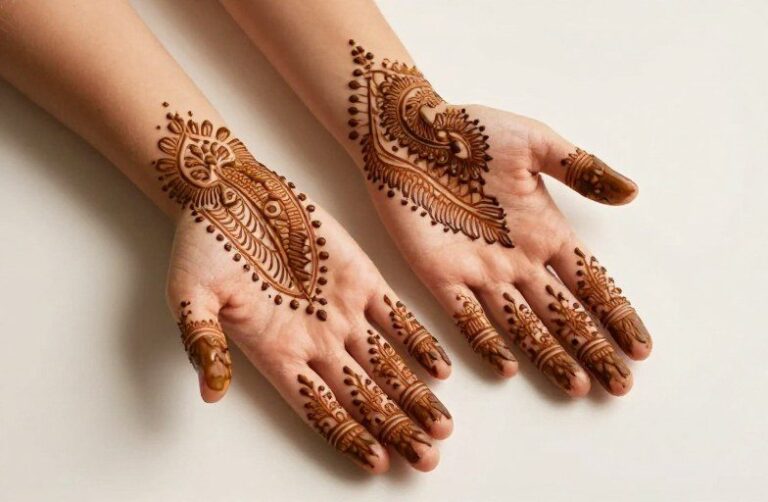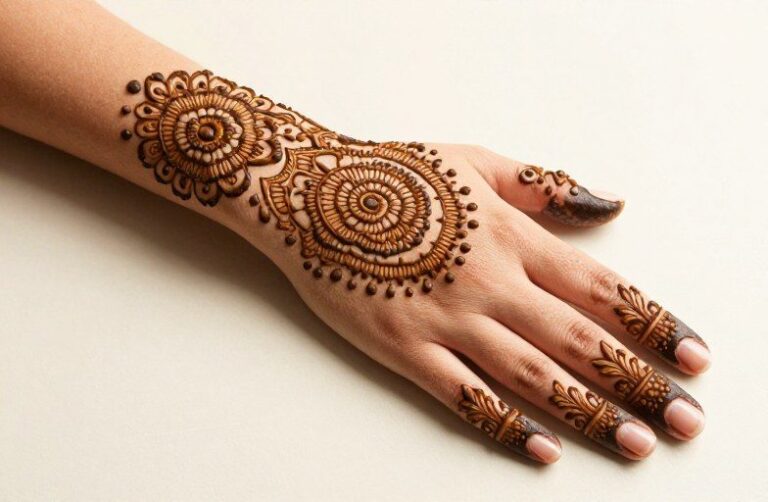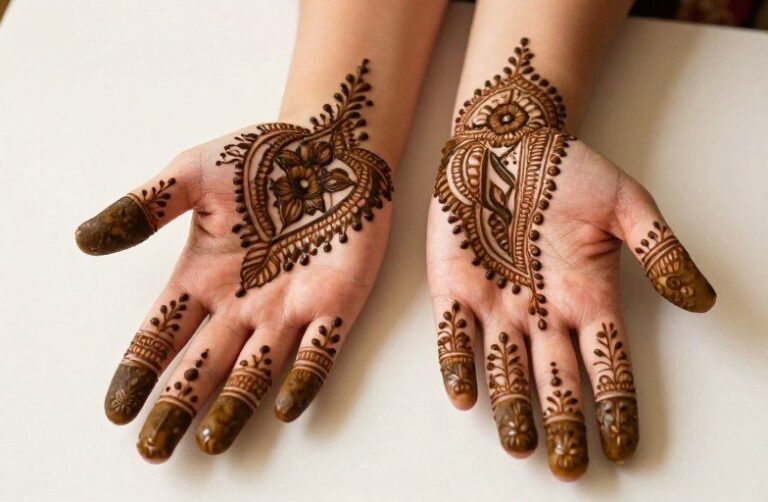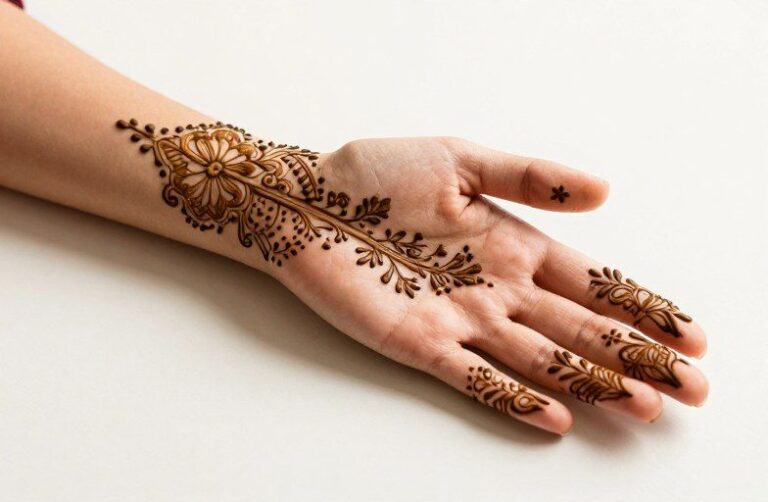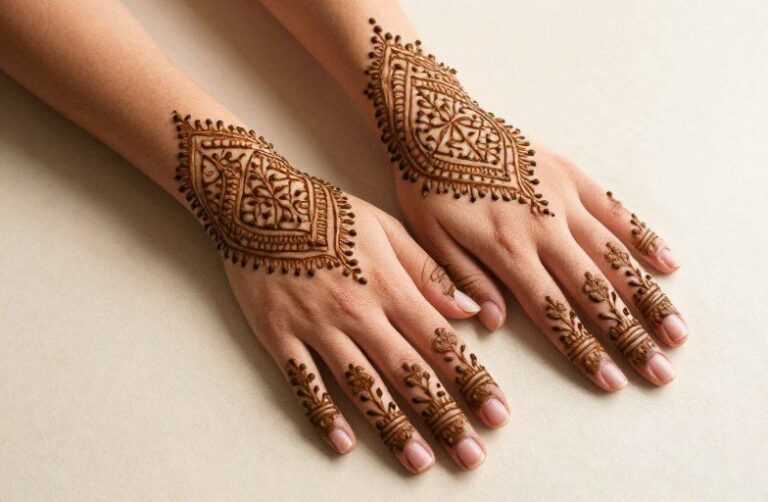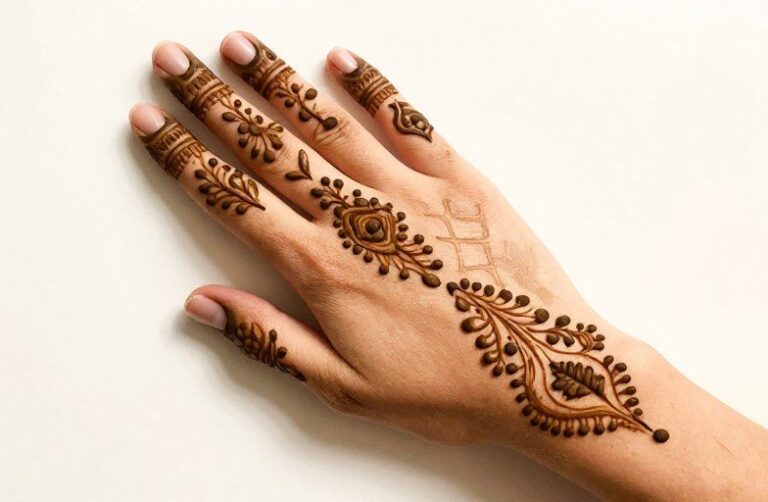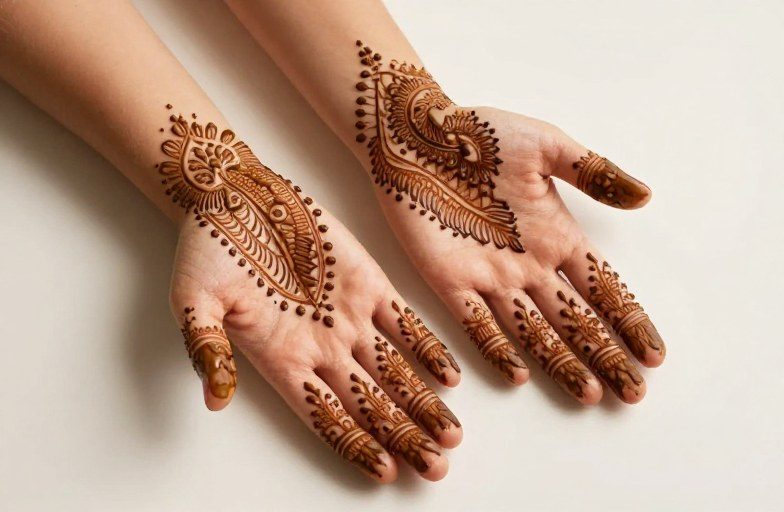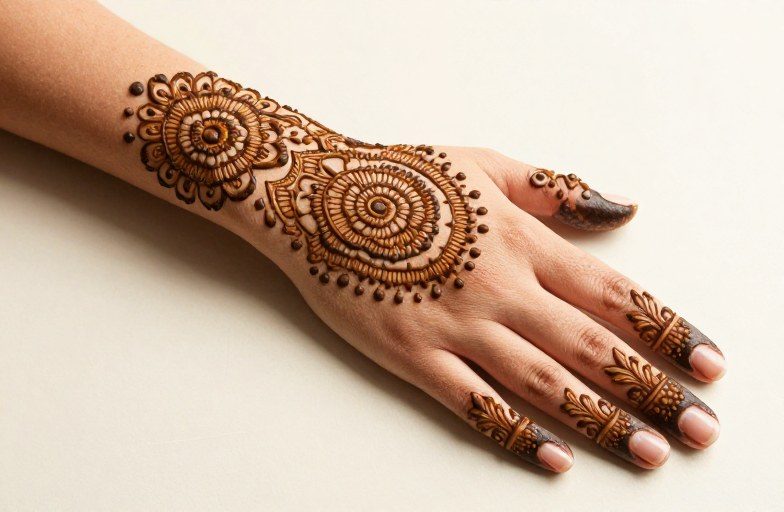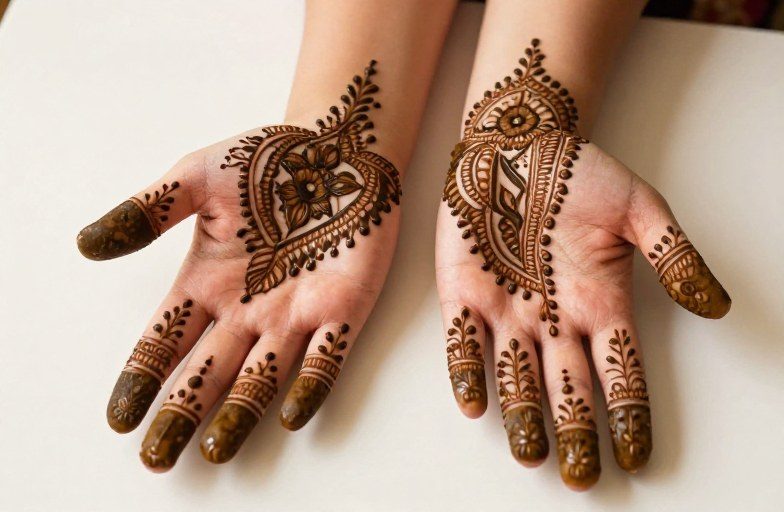
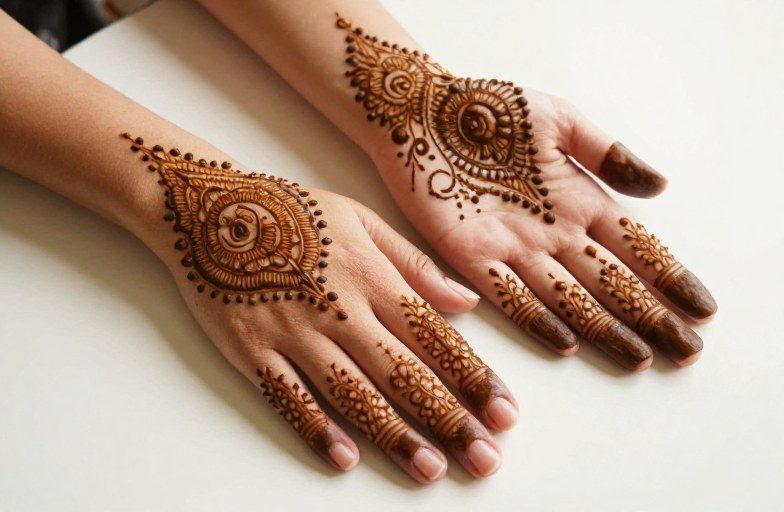
Putting henna over a tattoo means staining a temporary design across skin that already holds permanent ink. The tattoo does not disappear; it shows through, muted and changed, while the henna’s reddish-brown pattern sits on top. Some people do this to test how a new design might look, others for a wedding or festival, others simply because they like the two textures together. There is no single reason, and no single meaning.
Where These Practices Come From
Henna application, called mehndi in many South Asian and Middle Eastern communities, has archaeological evidence stretching back to ancient Egypt and the Levant. It began as a cooling paste for skin, then became ceremonial decoration for weddings, births, and religious occasions. Tattooing developed separately, through distinct traditions in Polynesia, Japan, Indigenous North America, and Europe, each with its own rituals and social rules.
A Modern Combination, Not an Ancient One
Layering henna over tattooed skin is recent. It emerged as global travel increased and diaspora communities brought these practices into contact. You see it now at fusion weddings, music festivals, and among people who move between cultural spaces. The pairing does not inherit a traditional meaning; it creates new, personal significance from old materials. That is not a flaw. It is simply what happens when two long histories meet in one person’s body.
Colonial Pressure and Present Choices
Both henna and tattooing were suppressed under colonial rule, labeled primitive or immoral. Their combination today can be an act of reclamation, or it can be a casual aesthetic choice with no political weight. The difference matters. Treating every instance as automatically spiritual romanticizes the practice and flattens the real history of resistance into a generic wellness narrative.
Religious and Spiritual Responses
How religious traditions view henna over tattoo varies sharply. Islamic jurisprudence on tattoos ranges from prohibition to acceptance of existing ink; henna remains widely permitted and often encouraged, particularly for women. In this context, covering a tattoo with henna can soften its visibility or frame it within a more accepted decorative form.
Hindu and Jain Wedding Contexts
Bridal mehndi in South Asian ceremonies traditionally covers hands and feet, sometimes extending to arms or legs. A bride with existing tattoos may find henna flowing over or around that ink. Here the meaning is practical and visual: achieving the expected density of pattern for photographs and social presentation. It is not primarily a doctrinal statement.
Personal Spiritual Readings
Some people assign their own spiritual meaning to the layering. The henna fades; the tattoo stays. This can serve as a private meditation on impermanence, borrowing from Buddhist concepts of anicca without requiring formal religious commitment. The meaning is self-generated, not handed down. That does not make it less real, only less traditional.
Related Practices and Distinctions
Several body art forms share conceptual territory with henna-over-tattoo. Understanding them clarifies what this specific combination does and does not do.
- Jagua gel: A South American fruit-derived dye that stains blue-black, sometimes used over tattoos for darker contrast than henna’s reddish tone.
- White ink tattoos: Permanent tattoos using pale ink, creating a different visibility play against darker skin or black ink lines.
- Tattoo stickers and cosmetic markers: Truly temporary options lasting days, used to audition designs before committing to permanent work.
- Scarification and branding: Permanent modification through tissue damage rather than pigment; shares with tattooing the irreversibility that henna lacks.
What distinguishes henna-over-tattoo is the active combination of permanence and transience, not the presence of either quality alone.
How the Layering Actually Looks
The visual result depends on technique, henna quality, and the tattoo underneath.
Full Coverage Compared to Selective Integration
Full coverage attempts to blanket the tattooed area in henna. On large, dark tattoos, this usually fails; the ink dominates regardless. Selective integration uses henna patterns that flow around, connect to, or partially obscure tattoo elements. This creates deliberate visual relationship between the two layers. Most experienced practitioners prefer this approach.
The Timeline of Appearance
Fresh henna paste sits raised and dark green-brown on the skin. The stained result develops over 24 to 72 hours as lawsone oxidizes. Over a tattoo, this means the ink is fully hidden for the first day, then gradually reappears as paste flakes and stain settles. The meaning shifts with this timeline: complete concealment giving way to shared presence.
The Black Henna Warning
So-called “black henna” containing para-phenylenediamine (PPD) causes dangerous allergic reactions and permanent scarring. This is not true henna. Natural henna stains reddish-brown. Anything darker or faster-staining warrants immediate refusal, regardless of what meaning you hoped to attach.
What the Combination Signifies
henna over a tattoo represents negotiation between change and permanence. The tattoo cannot be altered without significant effort; the henna will fade within one to three weeks. This pairing lets you temporarily recontextualize a permanent decision without changing it.
Commitment and Flexibility Together
Psychologically, this appeals to people who value both decisiveness and adaptability. The tattoo represents a choice kept; the henna represents ongoing openness to new expression. Neither quality negates the other. They complement.
Social Reading and Context
In some settings, henna-over-tattoo signals participation in multiple cultural communities. In others, it may be read as appropriation, depending on your relationship to the traditions involved. The meaning is not in the image itself but constructed through context, relationship, and intention. You cannot control all readings, but you can inform your own.
Where on the Body This Works
Technical and aesthetic factors determine where layering succeeds.
- Hands and feet: Traditional henna locations with thicker skin that takes stain well. Tattoos here are often small or faded, allowing henna to dominate. Fingers stain poorly and fade fastest.
- Forearms: Common tattoo locations where henna can frame or extend existing designs. The flat surface allows clean application.
- Upper arms and shoulders: Less traditional for henna but workable. Larger tattoos here resist full coverage; selective integration works better.
- Back and torso: Large tattoo canvases where henna becomes impractical due to application time and paste drying challenges.
- Ankles and lower legs: Traditional for henna, frequently tattooed. Good stain retention on calves, faster fading on shins where skin is thinner.
Healed tattoos take henna more predictably than fresh ink. New tattoos need complete healing, typically four to six weeks minimum, before any topical application beyond basic aftercare. Henna over unhealed tattoo risks infection, uneven staining, and damage to both investments.
What to Remember
Can you put henna over a tattoo? Yes, with attention to healing time and henna quality. What it means depends on your situation: a temporary experiment, a ceremonial practice, a visual strategy, or a personal meditation on permanence. The combination carries no fixed traditional meaning because it is fundamentally contemporary, born from cultural contact rather than inherited ritual. Approach it with clear intention and honest understanding of what each layer brings, and what each will become as it ages.
Frequently Asked Questions
Will henna damage my existing tattoo?
Natural henna will not damage a fully healed tattoo. The lawsone dye stains the outer skin layer without penetrating to the dermis where tattoo ink sits. Avoid applying henna to tattoos less than six weeks old.
How long does henna last over a tattoo compared to bare skin?
Henna typically fades faster over tattooed skin because the ink-altered surface may exfoliate differently. Expect one to two weeks of visible stain rather than the two to three weeks common on unstained skin.
Can I get a permanent tattoo that looks like henna?
Yes, many tattoo artists specialize in henna-inspired permanent designs. However, this is a separate process with different commitments. A henna-style tattoo will not fade or change, which removes the temporary quality that gives actual henna its particular meaning.