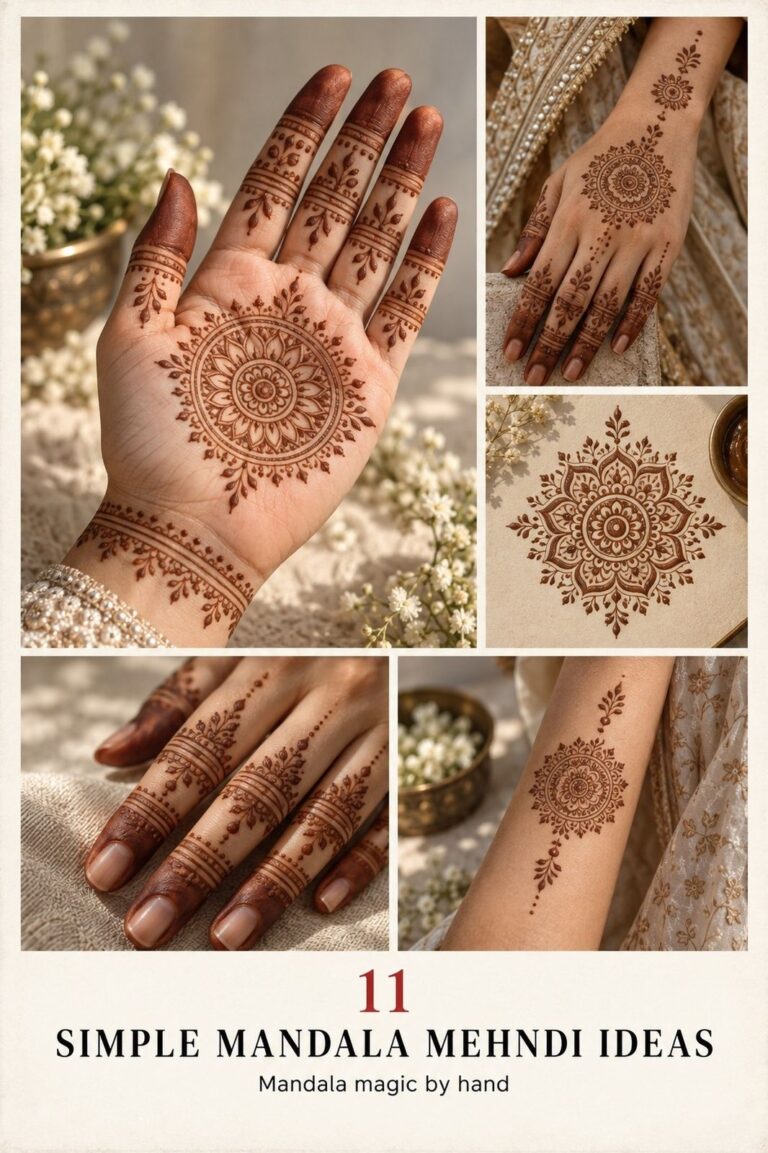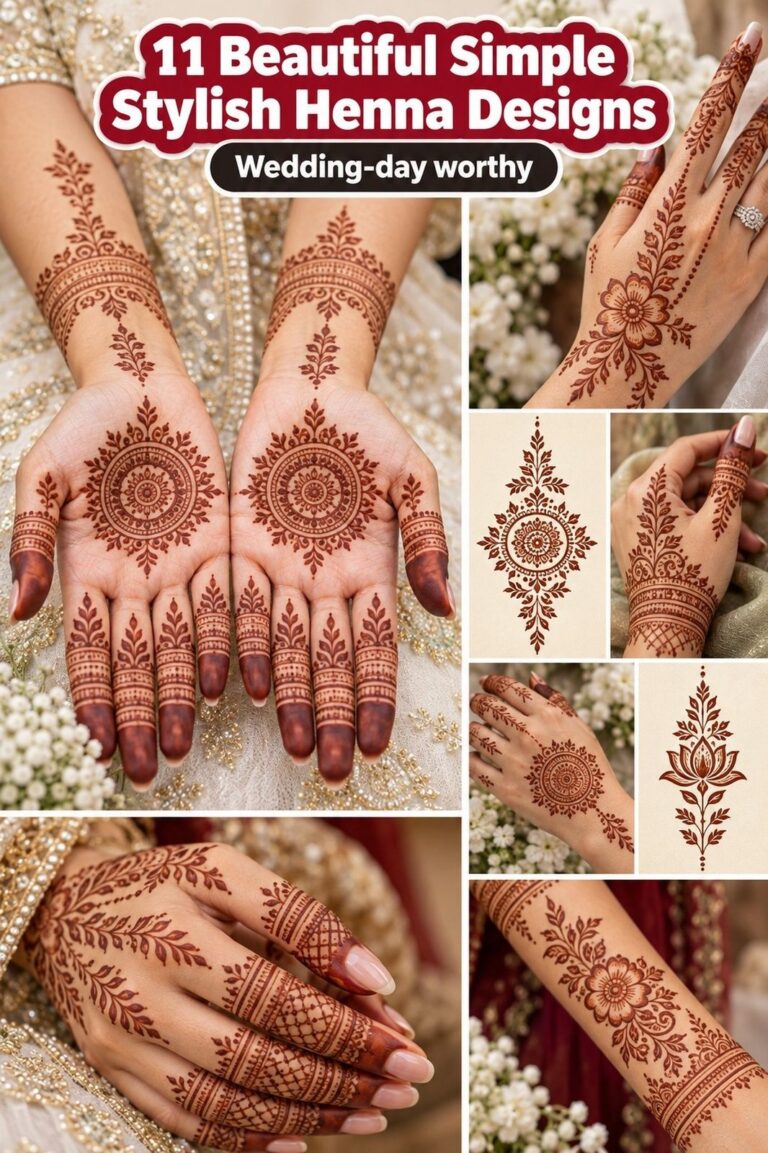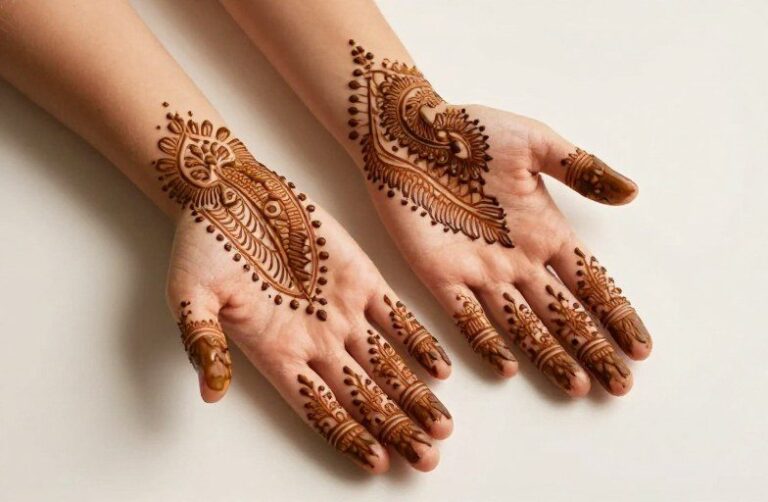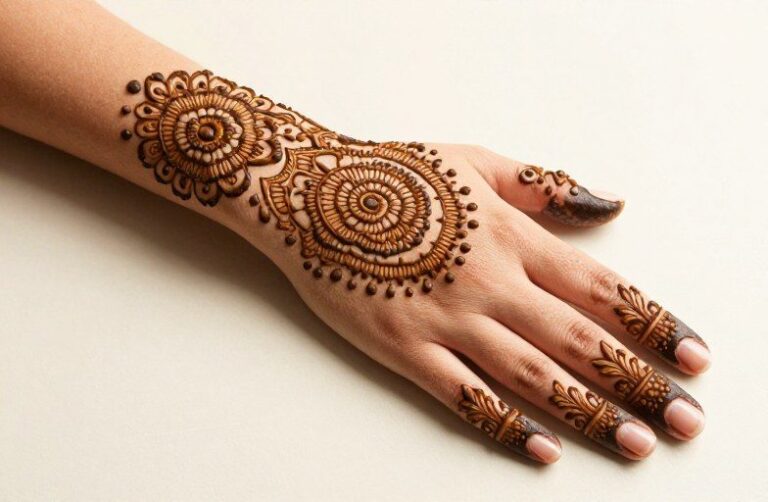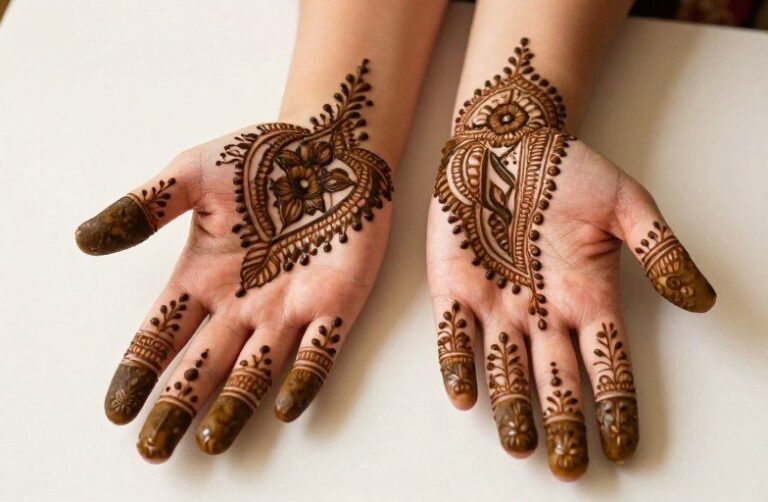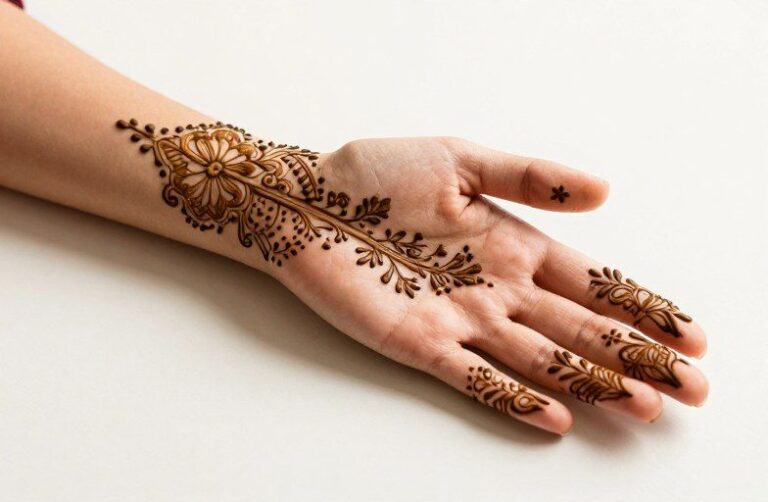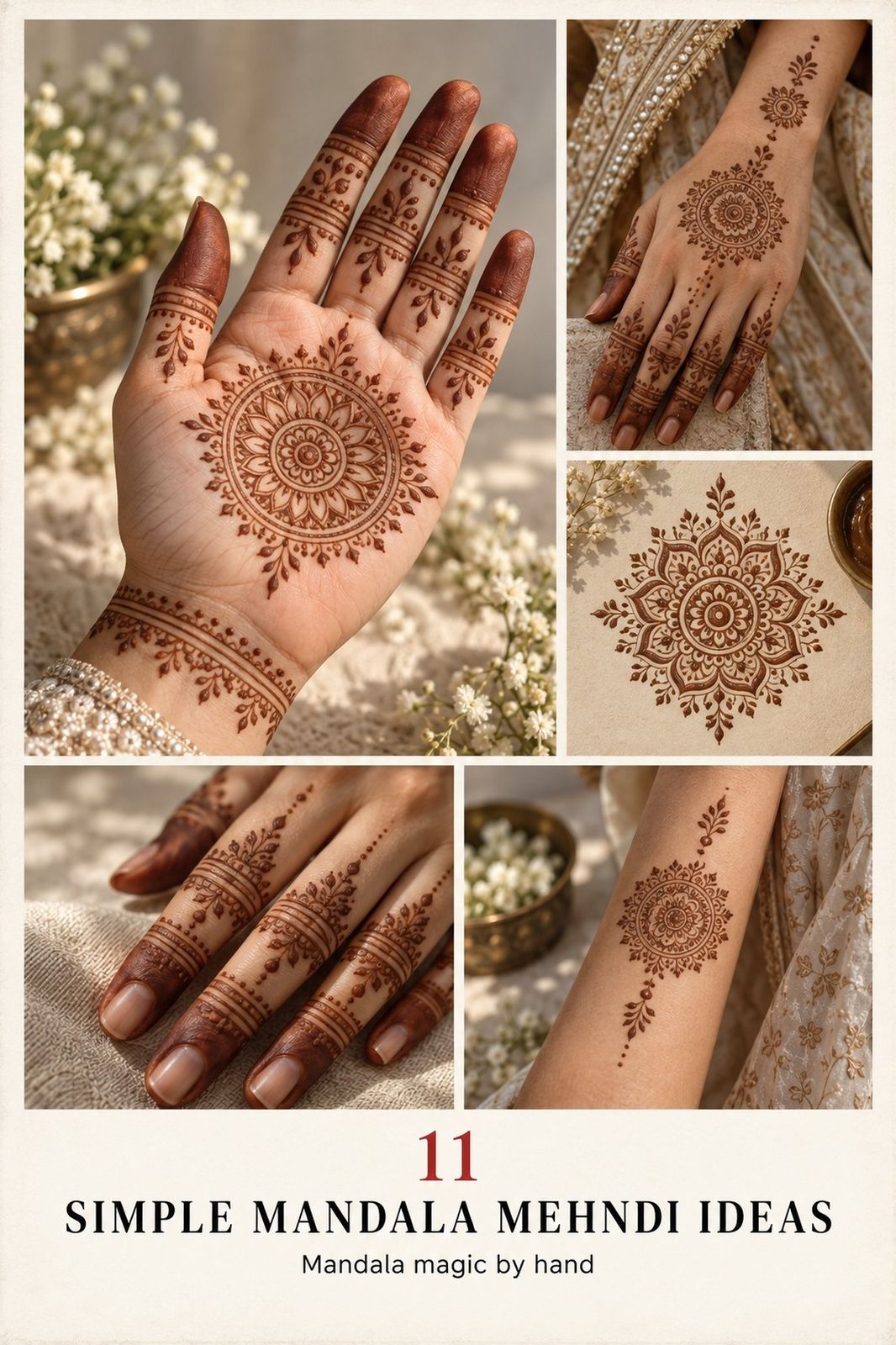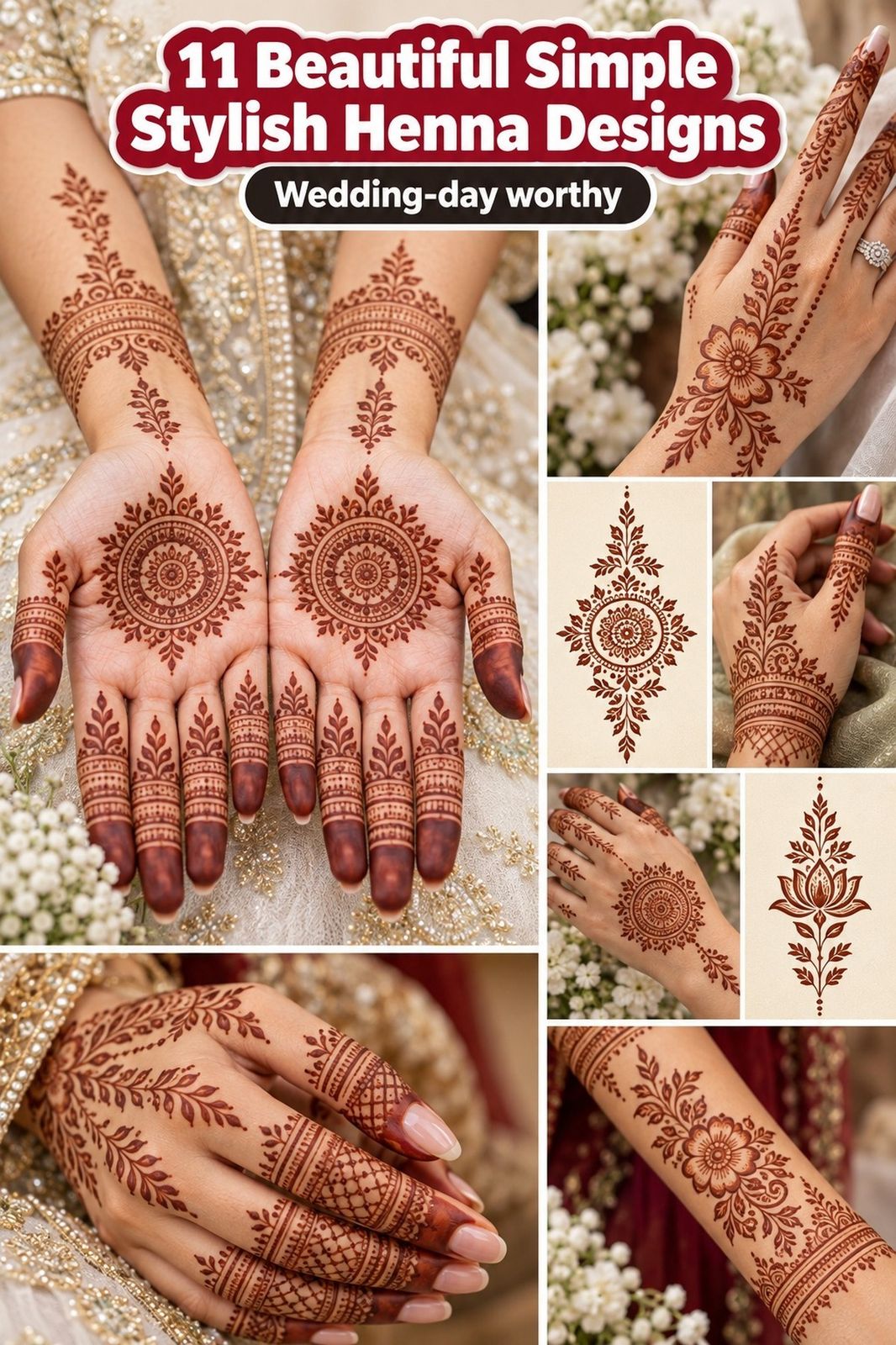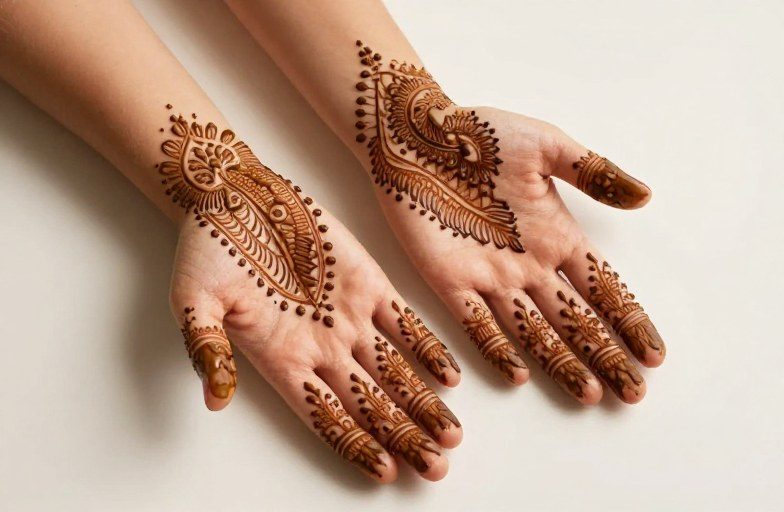
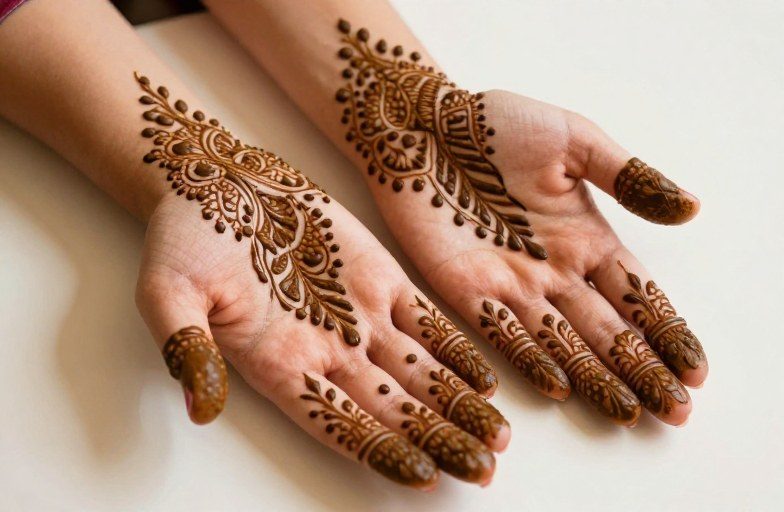
Homemade henna tattoos start with mixing pure henna powder, lemon juice, sugar, and essential oil into a smooth paste, letting it rest for dye release, then piping it onto skin in your chosen design. The stain darkens over 24-48 hours and typically lasts one to three weeks depending on body placement and aftercare. This guide covers safe mixing, clean application, and realistic expectations for at-home results.
What to Expect Step by Step
Mixing Your Paste
Start with body-art quality henna powder, often linked to Rajasthani or Moroccan origins, though sourcing varies. Sift two tablespoons of powder to remove clumps, then stir in enough lemon juice to reach thick yogurt consistency. Add one teaspoon sugar for smooth flow and ten drops of cajeput or tea tree oil to help dye release. Cover and let sit at room temperature for six to twelve hours until the surface shows a dark, cracked skin and the paste smells sharp and earthy.
Transfer the paste into a cone: a rolled triangle of mylar, a cut plastic bag corner, or a proper henna cone. Snip a tiny opening, too large and lines blob, too small and your hand cramps. Practice pressure control on paper before touching skin.
Application and Drying
Clean the skin with soap and water, no oils or lotions. Work from the center of your design outward to avoid smudging wet lines. Apply thick enough that the paste sits slightly raised; thin layers crack off and stain weakly. Let the paste dry until it no longer transfers when touched, usually twenty to forty minutes. For a darker stain, leave the paste on four to eight hours, or seal it with a sugar-lemon dab and medical tape for overnight wear.
- Warm skin stains darker than cold skin; hands and feet take color best
- Scrubbing the paste off early yields orange, not brown, results
- Scrape dried paste off with a card or fingernail, never wash immediately
Aftercare Essentials
The First 24 Hours
Once the paste is removed, the stain starts orange and deepens to reddish-brown over a day. Keep the area dry and warm. Avoid water exposure, no dishes, no swimming, no long showers with the design directly under spray. A light coat of olive oil or beeswax balm before water contact helps repel moisture, though it will not make the stain waterproof.
Extending the Life
Exfoliation kills henna fast. Skip loofahs, scrubs, and chemical exfoliants on the area. Chlorine and salt water fade stains noticeably. Moisturize daily with something simple, unscented lotion or natural oil, to keep the skin surface intact. On hands, the stain often concentrates at the cuticles and fades from the palms first because of constant washing and friction.
Healing Timeline
Henna does not wound the skin, so there is no true healing in the tattoo sense. The dye molecule, lawsone, binds to keratin in the dead outer layer. That layer naturally sheds. On thick-palmed areas like soles or palms, the stain may hold two to three weeks. On thin, frequently washed skin like wrists or collarbones, expect five to ten days. The color trajectory runs: bright orange at removal, deep brown by day two, gradual fade to tan, then patchy disappearance.
Some people develop faster fading in spots where clothing rubs, watch straps, waistbands, sock lines. Planning placement around your daily habits gets you closer to the longevity you want.
Pain & Comfort
Physical Sensation
Henna application is painless. The paste cools as it dries, sometimes tingling slightly from the essential oils. If you feel burning, itching, or raised welts, remove the paste immediately, this signals reaction, not normal process. True henna paste is brown or green-brown; black “henna” often contains paraphenylenediamine (PPD), a hair dye chemical that can scar and sensitize you to future reactions.
Allergen Awareness
Even natural henna can irritate. Citrus allergies, sensitive skin conditions, and essential oil sensitivities matter. Patch test on your inner arm twenty-four hours before full application. Pregnant people often avoid henna on the belly due to limited safety data, though hands and feet remain common choices in many traditions.
Common Mistakes
Using the wrong liquid ruins paste. Bottled lemon juice with preservatives often prevents proper dye release; fresh-squeezed or safe bottled without additives works better. Tap water alone weakens the stain. Too much sugar makes paste runny and slow-drying; too little and it cracks off in chunks.
Freezing leftover paste seems practical but often kills dye potency after one thaw. Mix small batches. Another frequent error: applying to freshly shaved or sunburned skin. Both increase irritation risk and uneven staining. Wait twenty-four hours post-shave, and skip henna on broken skin entirely.
- Black henna is never safe for body art; walk away from any artist offering it
- Pre-made cones from unknown sources may contain undisclosed additives
- Rushing dye release time yields weak, short-lived stains
When to See a Professional
Skill Gaps and Safety
Complex bridal patterns, large back pieces, or designs requiring perfect symmetry benefit from trained hands. Professional henna artists understand pressure consistency, negative space balance, and how paste consistency shifts with humidity. They also source tested powder and maintain clean application standards.
See a professional if you want a stain for a specific event, wedding, festival, photograph, where uneven results would disappoint. The cost, typically fifteen to sixty dollars depending on design complexity and location, buys reliability and often darker, more even staining from refined technique.
Reaction Signs
Blistering, spreading redness, or pain lasting past paste removal needs medical attention. Do not attempt to treat severe reactions at home. A professional artist can also identify whether your reaction stems from the henna itself, the essential oil, or a contaminant.
Final Thoughts
Homemade henna rewards patience: in waiting for dye release, in slow application, in the days of watching color deepen. The results are temporary by design, which makes them forgiving for beginners and satisfying for regular practitioners. Focus on clean materials, realistic placement choices, and gentle aftercare. Your first cone will wobble; your tenth will flow. The stain remains honest about what it is, surface-deep, beautiful, and gone before you tire of it.
Frequently Asked Questions
Can I use regular kitchen henna from the grocery store for body art?
Grocery store henna is often linked to hair dye use and may contain additives, lower dye content, or unspecified ingredients. Body-art quality henna from reputable suppliers gives safer, more predictable staining for skin application.
Why did my henna turn out orange instead of brown?
Orange results usually mean the paste was removed too early, the dye did not fully release during resting, or the body placement was too cold. Color deepens over 24-48 hours; patience often corrects initial disappointment.
How do I keep my henna design from cracking and falling off?
Add sugar to your paste for flexibility, apply thick enough to stay moist while drying, and avoid moving the skin area until the surface sets. Dabbing with a sugar-lemon solution once partially dry also helps seal the paste.
Is it safe to get henna while pregnant?
Many pregnant people choose henna on hands and feet, though belly application is often avoided due to limited safety data. Patch test first, as skin sensitivity changes during pregnancy, and consult your care provider if uncertain.