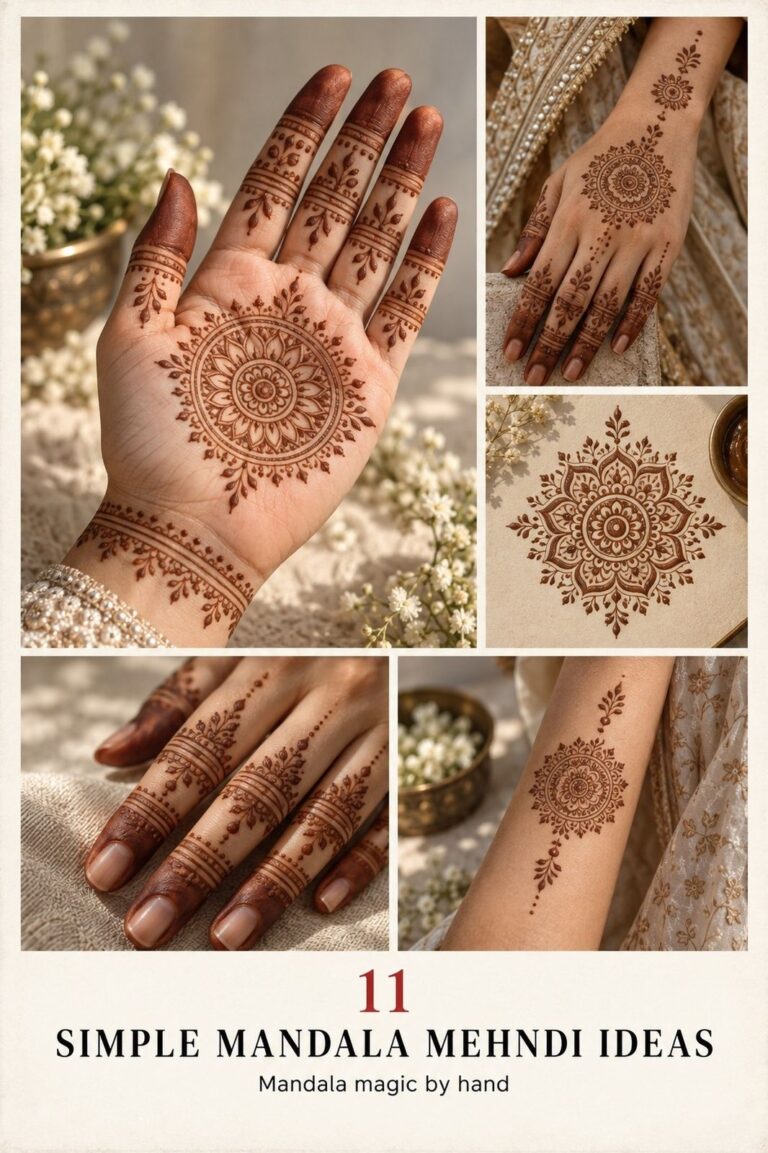
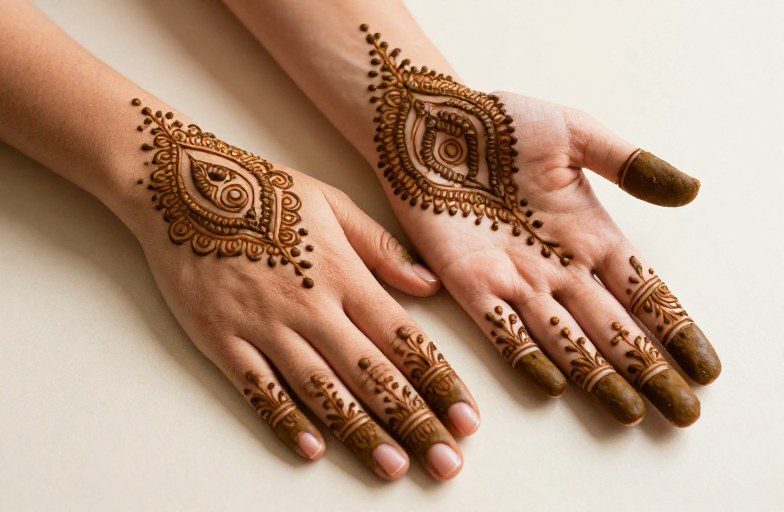
Henna paste comes together from three core ingredients: henna powder, an acidic liquid, and sugar. The acid from lemon juice releases the lawsone dye in the henna, sugar keeps the paste flexible and sticky on skin, and essential oils deepen the stain. Mix these properly, let the paste rest for dye release, and you’ll get a smooth, workable henna that stains a rich reddish-brown.
Pain & Comfort
Henna sits on the surface of your skin rather than puncturing it, so there’s no needle involved and no pain during application. The paste feels cool and slightly gritty, like wet mud. Some people experience a mild tingling or tightening as the paste dries, especially on thinner skin areas like the tops of hands or collarbones. This is normal and not an allergic reaction in most cases, though anyone with known sensitivities to citrus or essential oils should patch-test first.
Skin Sensitivity Considerations
Fresh lemon juice is the standard acid, but it can sting on broken or freshly shaved skin. If your skin is sensitive, swap to a milder acid like diluted lime juice or even strong chamomile tea. The trade-off is a slightly lighter stain. Essential oils, tea tree, cajeput, or lavender, boost dye release but can irritate; a few drops go a long way. Skip the oils entirely if you’re prone to dermatitis, and expect a less dramatic color payoff.
Healing Timeline
Henna doesn’t “heal” in the tattoo sense because it doesn’t wound the skin. Instead, it stains the stratum corneum, the dead outer layer. The color develops over 24-72 hours, peaks around day two or three, then gradually fades as your skin naturally exfoliates. On palms and soles, where skin is thicker and more alkaline, stains last longest, sometimes two to three weeks. On arms, backs, or thighs, expect seven to ten days before significant fading.
What Affects Longevity
- Body chemistry: oilier skin tends to shed faster, shortening stain life
- Location: friction from clothing or washing accelerates fading
- Aftercare: keeping the paste on longer initially and avoiding water early helps
- Quality of henna: stale or improperly stored powder yields weak, short-lived color
What to Expect Step by Step
Start with body art quality (BAQ) henna powder, greenish-brown, silky fine, with no grit or sand. Mix about 25 grams of powder with 1/4 cup lemon juice, stirring until you get thick mashed-potato consistency. Add 1-2 teaspoons of sugar and a few drops of essential oil. Cover the bowl tightly and let it sit at room temperature for 6-12 hours; you’ll see the surface darken to a brownish film, signaling dye release.
Getting the Right Consistency
Too runny, and the paste bleeds across skin lines. Too stiff, and it cracks off before staining. The sweet spot is toothpaste-thick: holds a peak when you lift the spoon, but squeezes smoothly through a cone. Adjust with tiny splashes of lemon juice or pinches of powder. Once ready, strain through nylon stocking if lumpy, then load into a rolled cellophane cone or squeeze bottle with a fine tip.
Application and Drying
Clean the skin with soap and water, no oils or lotions, which block stain. Apply the paste in smooth, continuous lines. Let it dry 15-20 minutes until the surface crusts, then dab a lemon-sugar solution (equal parts) lightly over the design to keep it moist and sticky. Leave the paste on as long as possible; four hours minimum, overnight ideally. Scrape off dry paste with a butter knife or credit card edge. Don’t wash with water for the first 12 hours.
When to See a Professional
Most henna artists won’t touch paste chemistry, they buy pre-mixed cones from reputable suppliers. But if you’re mixing at home and getting consistently pale, orange, or streaky results, a professional can diagnose whether your powder is stale, your acid too weak, or your resting time too short. Professional henna artists also carry insurance, use tested recipes, and understand how designs flow with body contours.
Red Flags in Store-Bought or Street Henna
“Black henna” often contains paraphenylenediamine (PPD), a hair dye chemical that can cause blistering, scarring, and lifelong sensitization. Real henna never stains black initially; it ranges from orange to deep maroon. If a cone smells like ammonia or hair dye, or the artist promises a black stain that lasts weeks, walk away. The risk isn’t worth the aesthetic.
Common Mistakes
Beginners often rush the dye release, applying paste too soon and getting faint, orangey stains that wash off in days. Patience matters. Another frequent error is using too much liquid, creating runny paste that spreads beyond the intended design. Water is especially problematic, it dilutes the acid and weakens the stain. Stick to lemon juice or another designated acid.
Storage and Freshness Errors
- Leaving mixed paste unrefrigerated for more than a day; it loses potency fast
- Buying henna in bulk and storing it for years; powder oxidizes and weakens after 6-12 months
- Freezing mixed paste in large blocks; thaw and refreeze degrades consistency
- Using metal bowls or utensils; reactive metals can alter dye chemistry
Store unused powder in an airtight bag in the freezer. Mixed paste keeps about a week refrigerated, or several months frozen in small portions.
Aftercare Essentials
The first 24 hours determine how dark your stain gets. After scraping off dried paste, avoid water entirely, no dishes, no showers hitting the area, no sweating if possible. Some people seal the design with a thin layer of lemon-sugar, then wrap loosely in toilet paper and medical tape to sleep. The warmth of your body helps the stain develop.
Protecting the Stain Long-Term
Once the color sets, treat it like a delicate fabric. Pat dry after bathing instead of rubbing. Apply natural oils like coconut or olive oil before swimming or hot tub use; chlorine and prolonged soaking lift the stain faster. Exfoliants, retinoids, and chemical sunscreens on the area will strip color prematurely. If you want the stain gone sooner, exfoliate deliberately, otherwise, let it fade naturally.
The Bottom Line
Good henna paste rewards patience and precision. Source quality powder, respect the chemistry of acid and time, and resist the urge to wash too early. The result is a temporary mark that carries genuine craft, no machine, no needle, just pigment and skin doing what they’ve done for centuries. If you’re practicing on yourself or preparing for an event, the fundamentals don’t change: fresh ingredients, proper rest, and careful aftercare separate a faint orange smudge from a deep, satisfying stain.
Frequently Asked Questions
Can I use bottled lemon juice instead of fresh?
Fresh lemon juice works better because bottled versions often contain preservatives that can interfere with dye release. If fresh isn’t available, look for pure bottled juice with no additives, though the stain may be slightly less intense.
Why did my henna turn out orange instead of dark brown?
Pale orange usually means the paste wasn’t left on long enough, the dye release was incomplete, or the henna powder was old or low quality. Darker stains develop over 24-48 hours, so wait before judging the final color.
Is it safe to leave henna paste on overnight?
Yes, longer paste contact generally produces darker stains. Wrap the area loosely to protect your bedding, and make sure the paste is fully dried before sleeping to avoid smudging the design.
How do I know if my henna powder is still good?
Fresh henna powder smells earthy and slightly grassy, with a bold greenish-brown color. If it smells like nothing, looks gray, or has clumps that won’t break down, it’s likely oxidized and won’t stain well.