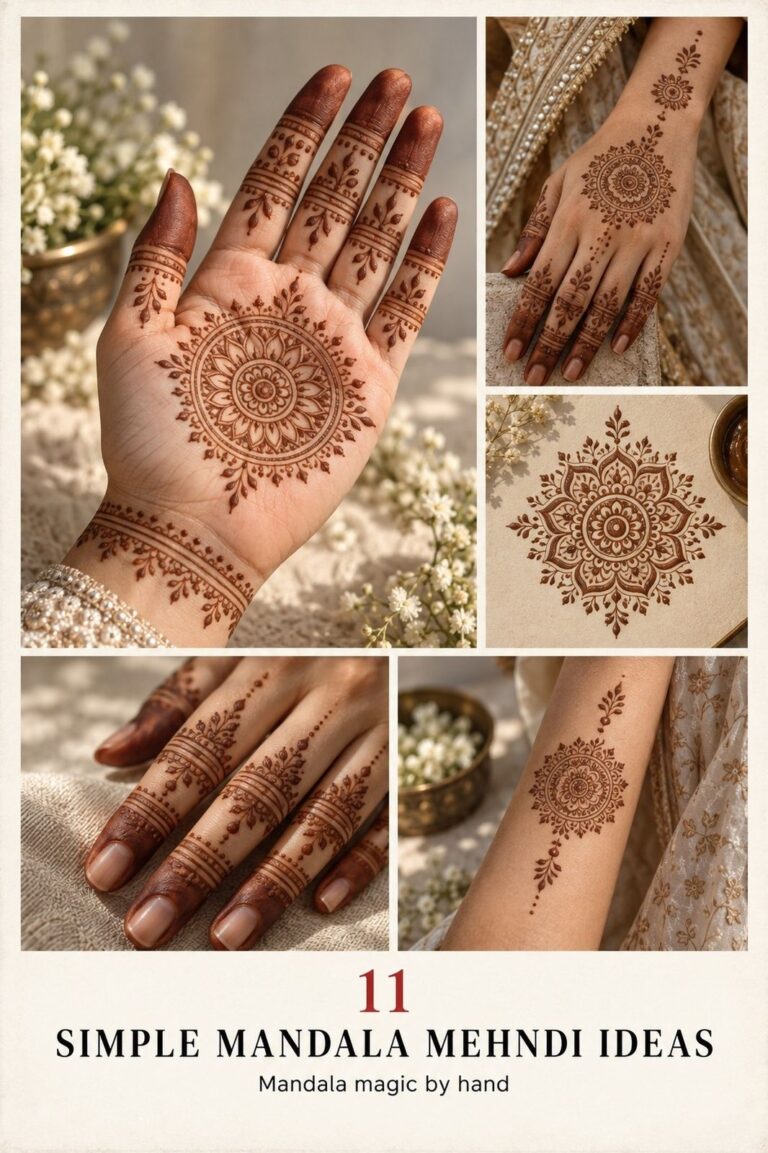
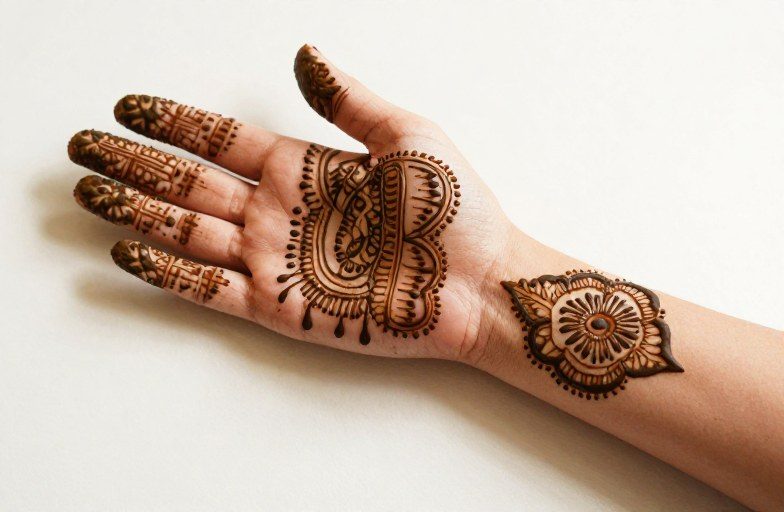
Henna tattoo stickers are reusable stencils you apply to skin, fill with jagua or henna paste, peel off, and reveal a temporary design that lasts one to two weeks. You make them by creating a durable stencil from silicone mold material, transfer paper, or thick adhesive vinyl. This guide covers the actual process, what trips people up, and how to care for the finished tattoo.
The Direct Answer
Materials You Actually Need
Skip the craft-store guesswork. For functional stickers that hold up to repeated use, gather: medical-grade silicone putty (Smooth-On or equivalent), a flat silicone mat or thick parchment, jagua gel or natural henna paste, transfer paper designed for stencils, an X-Acto knife or precision cutter, and a squeegee or old gift card. Some people use adhesive vinyl sheets from sign shops instead of silicone; both work, but silicone molds last longer and flex better around curved spots like shoulders or calves.
- Silicone putty: two-part mix, sets in 15-20 minutes
- Jagua gel: blue-black stain, 1-2 week duration
- Natural henna: brown-orange stain, shorter life, more variable
- Transfer paper: holds the stencil together during application
- Precision cutting tool: clean edges prevent bleeding
Building the Sticker Step by Step
Draw or print your design at actual size. Remember that fine lines under two millimeters tend to break during molding or clog with paste. Simpler shapes, geometric patterns, florals with moderate spacing, survive the process better than photorealistic detail.
Cut the design from paper and press it into a flat slab of silicone putty. Peel the paper out once cured; you now have a negative mold. Alternatively, cut the shape directly from adhesive vinyl and apply that vinyl to skin as a one-use mask. The silicone route lets you make dozens of applications from one mold. The vinyl route is faster for single use but tears after one or two pulls.
To apply: position the sticker on clean, dry skin. Spread a thin, even layer of jagua or henna across the openings. Wait for the paste to skin over, usually 20-40 minutes for jagua, up to several hours for traditional henna depending on recipe. Peel the sticker straight back, not sideways. Let the stain develop overnight without scrubbing.
Cost Factors
Upfront vs. Per-Tattoo Math
A half-pound kit of silicone putty runs $25-40 and yields roughly 15-20 palm-sized molds. Jagua gel costs $15-30 for four ounces, enough for 30-40 small designs. Compare that to salon jagua appointments at $30-80 per piece in most US cities. Home production pays off after your fifth or sixth application if you want repeated motifs. For one-off experiments, adhesive vinyl at $1-2 per sheet makes more sense.
Hidden Expenses
Transfer paper, replacement blades, and skin-safe sealant spray add up. Some people buy a cheap thermal printer to burn designs onto stencil paper; at $80-150, that only makes sense if you’re producing stickers regularly. Storage containers matter too, silicone molds left in open air collect dust that transfers to skin.
Common Mistakes
Design and Cutting Errors
Islands, floating pieces inside letters or shapes, fall out unless connected by bridges. New cutters forget this constantly. A lowercase ‘a’ or ‘o’ needs thin tabs holding the center in place. Without them, you get a solid blob instead of a letterform. Another frequent error: cutting too deep through the sticker backing, which lets paste seep underneath and blur edges. Cut through the top layer only, then weed excess with tweezers.
Application Timing
- Applying to freshly moisturized skin: barrier creams block stain uptake
- Removing the sticker too early: paste smears before the skin forms a crust
- Moving the sticker after contact: stretches openings and distorts the image
- Layering paste too thick: cracks and flakes off instead of staining evenly
Skin temperature matters. Cold skin takes stain poorly. Warm the area with a hair dryer on low before application, or apply after a shower once fully dry.
Healing Timeline
What to Expect Day by Day
Jagua develops on a different schedule than traditional henna. The paste goes on blue-gray, dries matte, and gets removed after 20-40 minutes. For the first four hours, the stain is invisible or very faint. By hour eight, a light blue-gray appears. Peak color hits at 24-48 hours, a deep blue-black that resembles a fresh tattoo. Traditional henna shows orange immediately, darkens to brown over 48 hours, and never reaches that blue-black range.
Both types hit maximum depth at two days, then slowly fade. Jagua typically lasts 10-14 days on trunk areas, 7-10 on hands and feet where skin turns over faster. Henna fades faster, roughly 5-10 days depending on body chemistry and aftercare.
How Placement Affects Duration
Thicker skin holds stain longer. Palms and soles stain deepest but also exfoliate fastest. Inner forearms and upper backs offer the best compromise: enough thickness for good uptake, not enough friction to kill the design quickly. Avoid joints that flex constantly, knuckles, elbows, knees, unless you want a weathered look within days.
Aftercare Essentials
The First 24 Hours
Keep the area dry and warm. No swimming, no dishwashing without gloves, no gym sessions that soak the spot in sweat. The stain is still developing chemically; water and friction interrupt that process. Sleep with loose clothing over the design if it’s somewhere that touches sheets.
Extending the Life
- Pat, don’t rub, when drying after showers
- Avoid petroleum-based lotions; they lift the stain from skin surface
- Apply light, unscented moisturizer to surrounding skin only
- Skip exfoliants, retinols, and acids near the design
Sun exposure fades jagua faster than henna. A simple physical cover or SPF on adjacent skin helps preserve contrast. Swimming pools with chlorine are brutal, expect noticeable fading after one long session.
When to See a Professional
Chemical Safety Concerns
“Black henna” sold at tourist spots often contains paraphenylenediamine (PPD), a hair dye chemical that causes blistering, permanent scarring, and lifelong sensitization. If you bought pre-mixed paste that stains within minutes and turns jet black, it likely contains PPD. Real jagua takes hours to develop and never stains instantly. A professional body artist can source verified jagua fruit extract or mix proper henna from powder, lemon juice, and essential oils.
Complex Placement or Scale
Full sleeves, back pieces, or designs wrapping around fingers demand stencil alignment that home cutters struggle to achieve. Professionals use thermal printers and application tape to register multi-section stencils. They also know how paste behaves on different skin tones, jagua reads differently on very fair versus very deep skin, and adjusting exposure time matters.
If you have a history of skin reactions, eczema, or contact dermatitis, patch-test any material on your inner arm for 48 hours before committing to a visible placement. Professionals keep client histories and know which ingredients to avoid; most home makers don’t.
Key Takeaways
Silicone molds and adhesive vinyl both produce usable henna tattoo stickers, but silicone rewards the upfront effort with reusability. Keep designs bold with adequate spacing, connect islands with bridges, and time your paste removal to the skin-over point rather than a clock. Jagua delivers blue-black stains peaking at 48 hours; traditional henna gives warm brown tones developing on a similar timeline. Aftercare is minimal but specific: water avoidance early, gentle treatment ongoing, and chemical vigilance always. The process costs $40-60 to start, breaks even quickly for repeat designs, and offers a middle path between permanent commitment and one-night temporary tattoos.
Frequently Asked Questions
Can I use regular craft vinyl instead of transfer paper for henna stickers?
Standard craft vinyl works for single-use masks but lacks the adhesive strength for precise placement and clean removal. Stencil-specific transfer paper grips the vinyl cutout without leaving residue, and it’s designed to release without distorting thin lines.
Why did my jagua tattoo turn green instead of blue-black?
The paste was likely left on too long or mixed with an oxidizing agent. True jagua develops blue-gray to blue-black. Green tones usually indicate spoilage, contamination, or a product that isn’t real jagua fruit extract.
How do I store silicone molds so they stay usable?
Keep them flat or loosely rolled in a sealed container away from direct light and heat. Dust them with cornstarch before stacking to prevent surfaces sticking together. Stored properly, they last several years.
Is it safe to make henna stickers for kids?
Jagua and natural henna are generally considered safe for children over six, but PPD-laced products are not. Always verify ingredients, do a patch test, and avoid application near eyes or on broken skin. Supervise paste removal to prevent accidental ingestion.