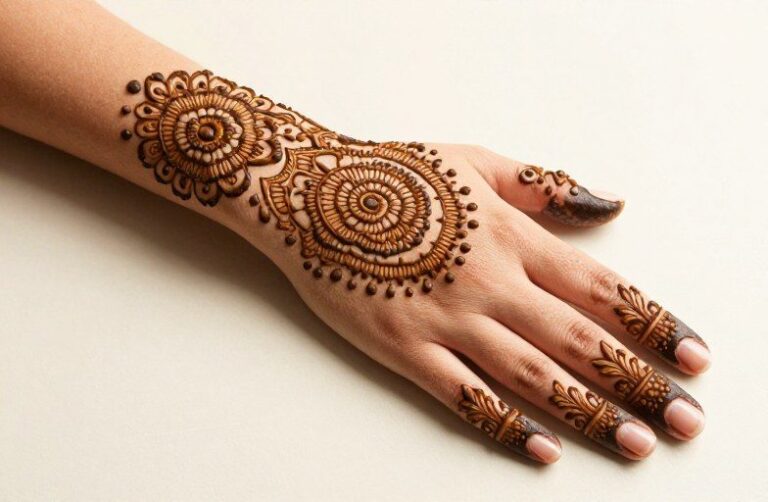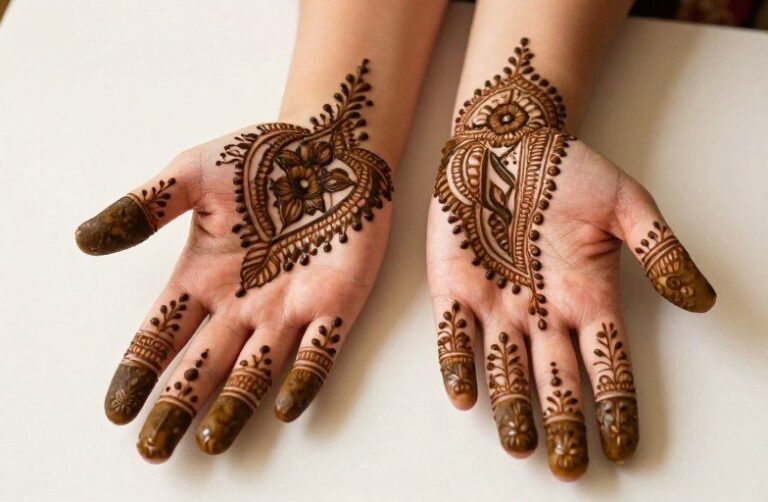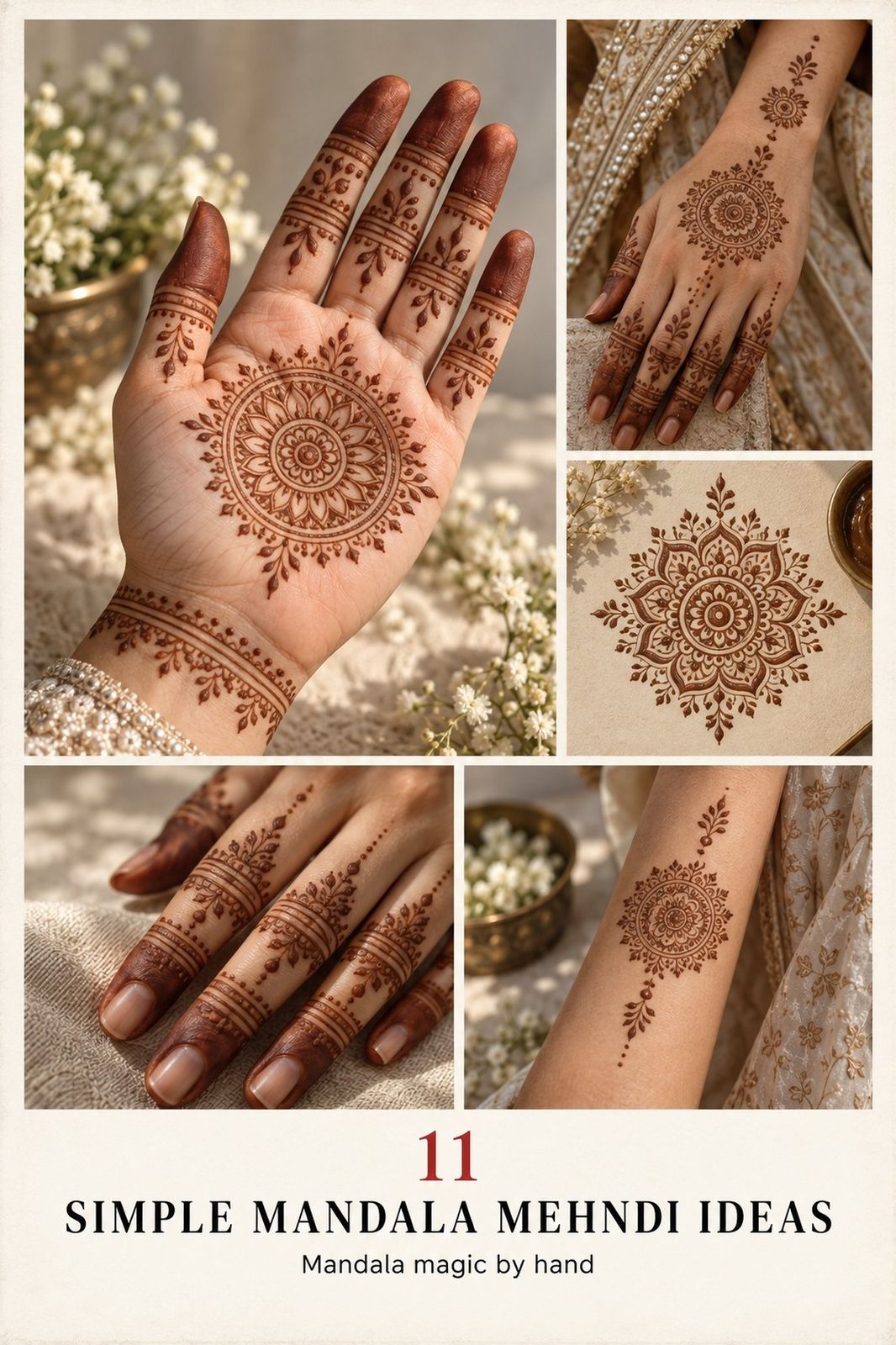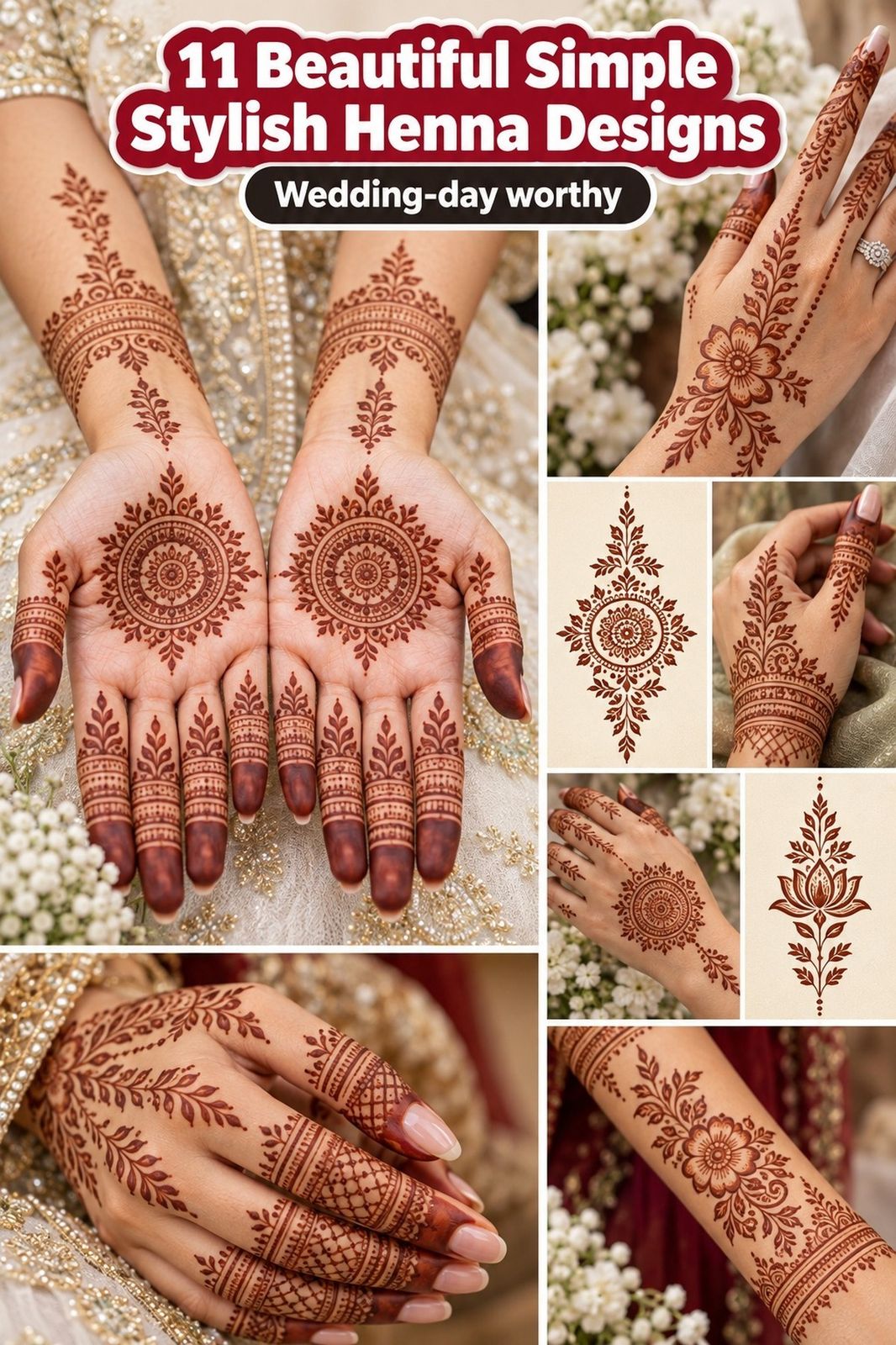
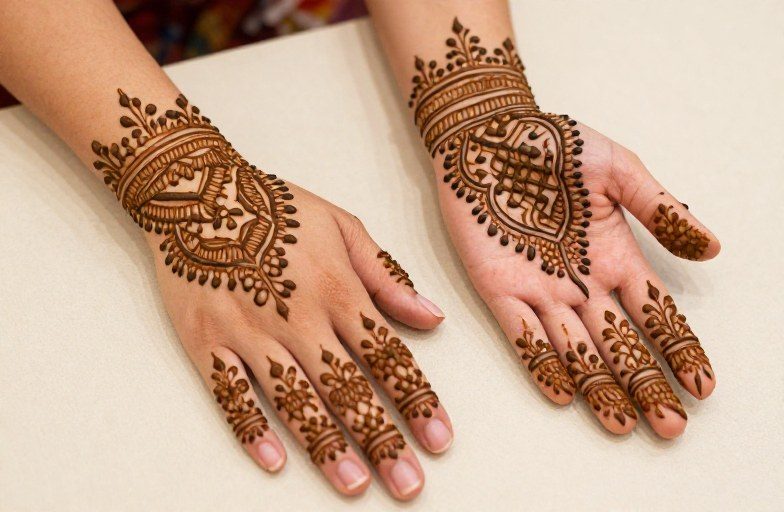
Henna tattoos, also called mehndi, carry meaning rooted in blessing, protection, and celebration. Unlike permanent ink, the design fades as the paste flakes away, leaving a stain that deepens over days, a visual metaphor for transient beauty and the passage of significant moments. The symbolism centers on joy, fertility, spiritual devotion, and the marking of life transitions.
Symbolism & Core Meaning
The Stain as Blessing
The darkening process itself holds symbolic weight. Fresh henna paste sits on skin for hours, cracking and flaking before revealing the orange-to-burgundy stain beneath. This transformation mirrors patience rewarded, effort yielding beauty. In many traditions, the depth of color indicates the strength of love between partners or the abundance of blessings received. Brides historically aim for the darkest possible stain, with folk beliefs connecting color intensity to mother-in-law affection or marital prosperity.
Protection and Spiritual Barrier
Henna application often precedes vulnerable moments, childbirth, marriage, major journeys. The designs function as apotropaic marks, believed to ward off evil eye and misfortune. Specific motifs carry protective charge: eyes, suns, and intricate lattice patterns designed to confuse harmful spirits. This isn’t mere decoration; it’s active spiritual technology, the body temporarily armored through botanical means.
- Bridal henna: joy, fertility, sexual awakening, union of families
- Postpartum application: protection for mother and newborn
- Eid and Diwali: spiritual purification, renewal, community celebration
- Travel henna: safe passage, return home
- Mourning marks: transition, remembrance, honoring the dead
History & Cultural Roots
Geographic Spread and Adaptation
The henna plant, Lawsonia inermis, thrives in semi-arid zones from North Africa through the Middle East to South Asia. Its use for body marking stretches back millennia, often linked to Bronze Age civilizations and ancient cooling practices in hot climates. Some trace it to Egyptian mummification rituals, where henna dyed hair and nails of the deceased. The practice spread along trade routes, adapting to local beliefs: Berber communities in Morocco developed distinctive geometric styles; Indian subcontinent traditions favored dense floral and paisley coverage; Arab cultures emphasized bold, architectural lines.
Colonial Distortion and Modern Reclamation
European colonial encounter with henna frequently misread its significance, reducing it to exotic ornament. Contemporary practice involves navigating appropriation concerns, white Western festival-goers sporting “henna tattoos” without cultural context sparked legitimate backlash. Meanwhile, diaspora communities reclaim the tradition, blending ancestral patterns with personal symbolism. The meaning shifts with context: a Desi bride’s full-hand mehndi differs fundamentally from a quick festival booth design, even when the paste chemistry remains identical.
Best Placements
Traditional Zones and Their Significance
Palms and soles stain darkest due to thicker keratin layers and higher body heat. These placements dominate bridal work, the hands as tools of domestic creation, the feet grounding the bride in new territory. Backs of hands and tops of feet accept lighter stains, suitable for everyday visibility without full ceremonial commitment.
Less common but meaningful: henna along the hairline for blessing, on the pregnant belly for protection, behind ears for discreet spiritual marking. The nape gains popularity for temporary experimentation before permanent neck commitment. Finger-only designs read as playful, low-stakes, good for first-timers testing personal comfort with visible body modification.
Practical Placement Considerations
Paste must remain undisturbed 4-8 hours for proper stain development. This reality shapes viable placement: inner forearms work better than elbows that bend and crack the paste. Sleep with wrapped hands requires planning. Professional obligations matter, visible hand henna still carries stigma in conservative workplaces, despite growing acceptance. The temporary nature offers freedom, but 1-3 weeks of visible stain still demands intentionality.
Design Tips & Pairings
Motif Vocabulary and Combinations
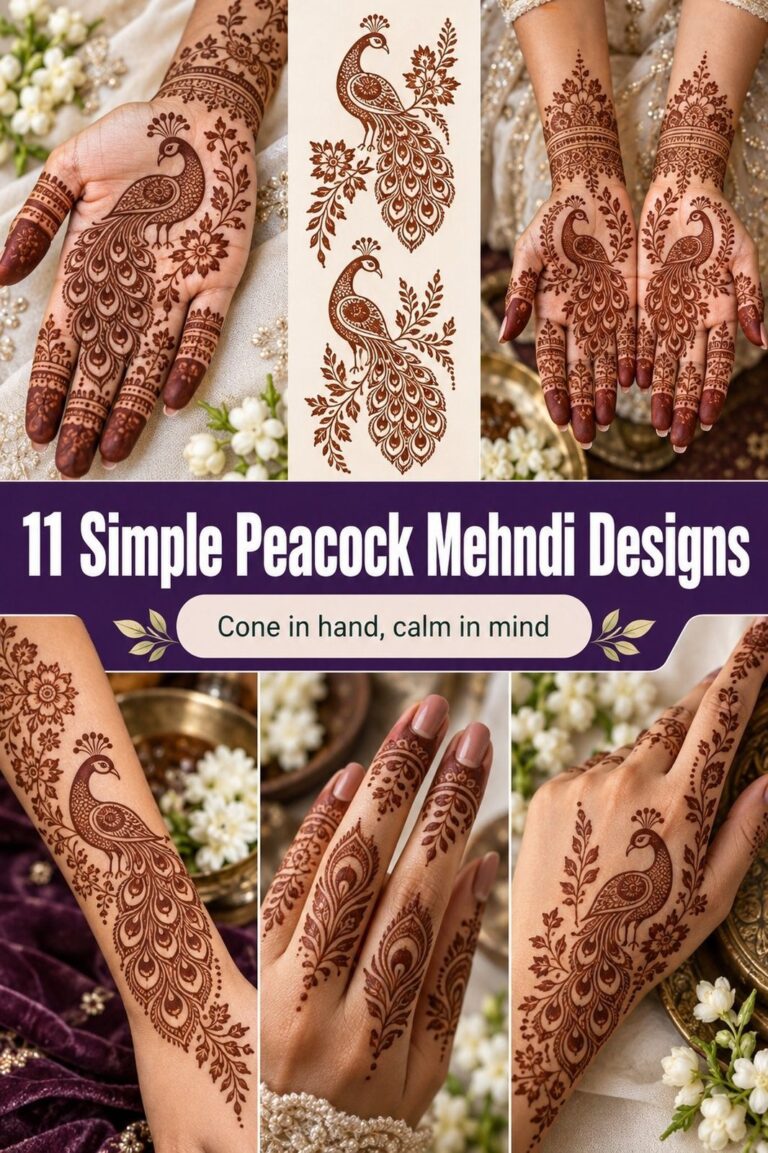
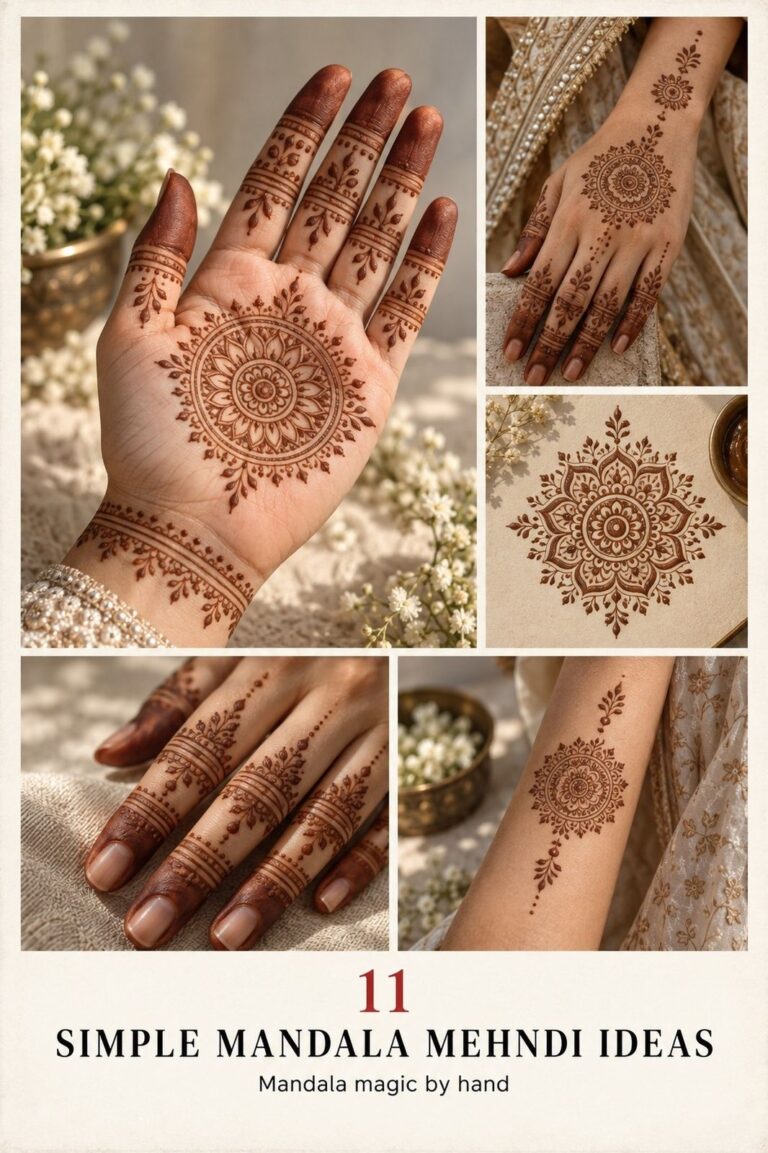
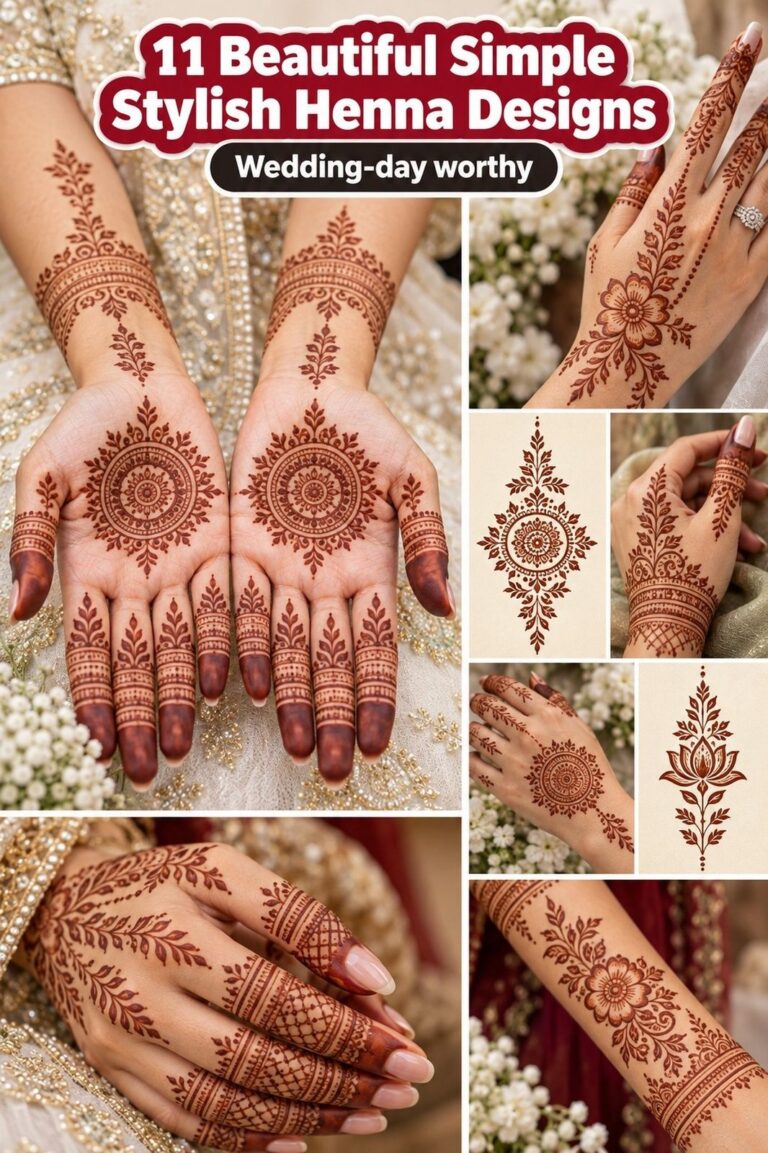
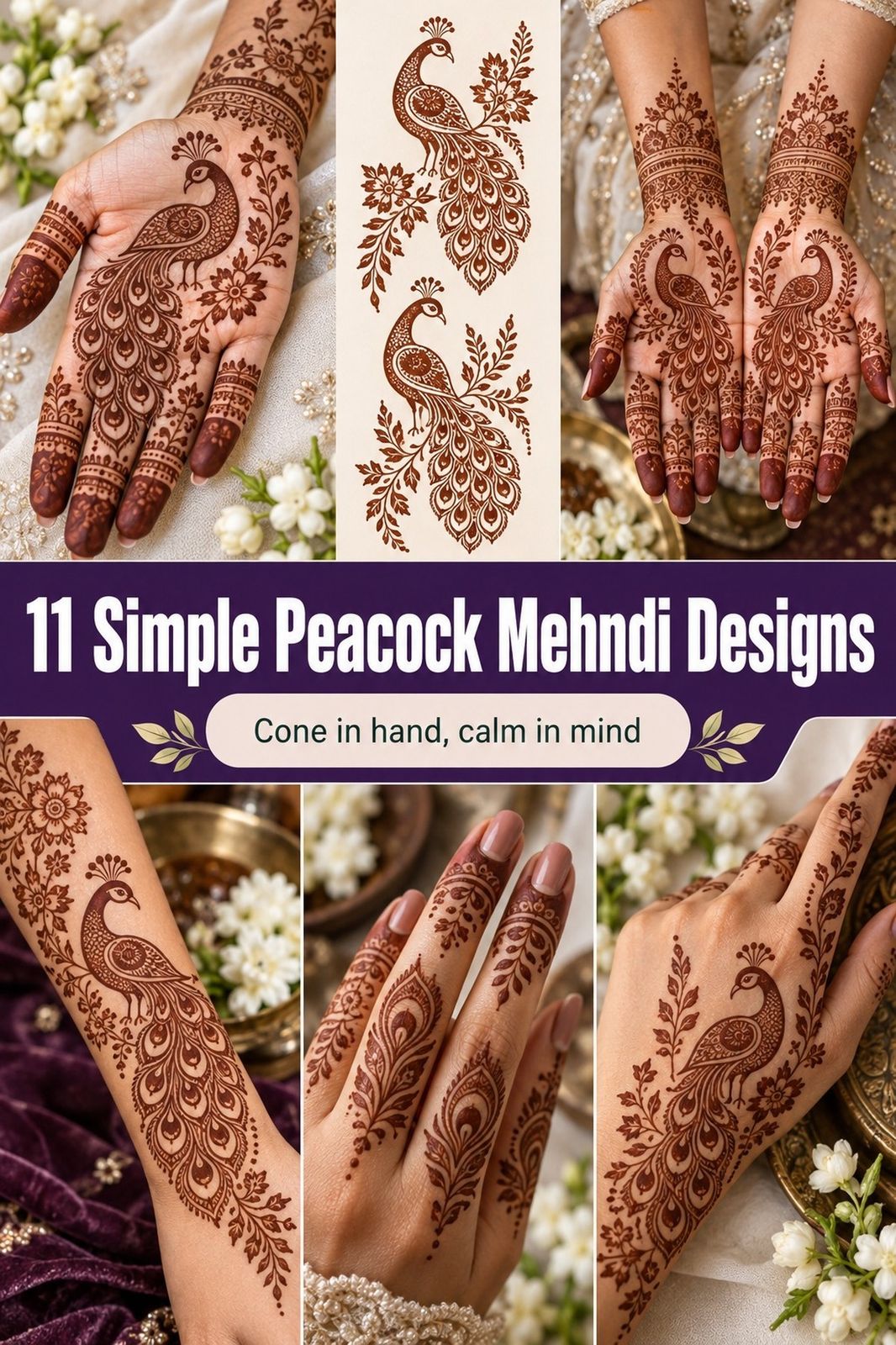
Floral elements, lotus, rose, jasmine, signal beauty, growth, and feminine energy. Paisley (mango/boteh) represents fertility and eternity. Peacocks denote grace, pride, and watchfulness. Geometric tessellations reference Islamic artistic traditions and infinite divine patterns. Combining these requires cultural literacy: mixing Hindu bridal motifs with Islamic geometric borders without understanding either tradition reads as shallow pastiche.
- Line weight: fine lines for delicacy, bold outlines for visual impact
- Negative space: unstained skin shapes the design as much as stained areas
- Density gradient: dense coverage at fingertips fading to sparse wrist bands
- Contemporary additions: initials, dates, zodiac symbols integrated into traditional frames
Aftercare for Maximum Stain and Longevity
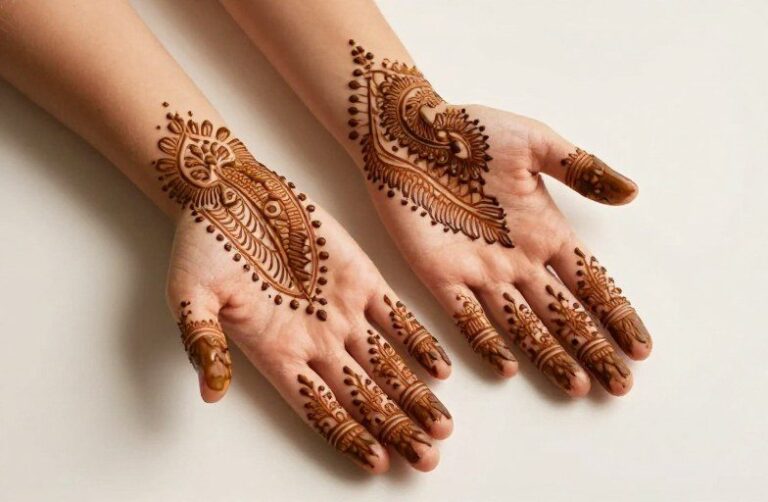
Scrape dried paste off with oil, never water. Avoid water contact 12-24 hours post-removal. Heat deepens color, steam from cooking or a warm environment helps. Lemon-sugar sealing extends paste adhesion. Once stained, moisturize minimally; oils and exfoliation accelerate fading. The stain progresses through orange (day 1), red-brown (days 2-3), deep burgundy (peak, days 3-5), then gradual fade through brown to gone.
Similar & Related Symbols
Permanent tattoo equivalents often reference henna’s visual language: ornamental mandala tattoos, mehndi-inspired sleeve work, paisley integrations. Jagua (genipa americana) offers blue-black temporary stains mimicking permanent ink, sometimes marketed deceptively as “black henna”, a distinction with safety implications, as true henna never produces black results naturally.
Related protective marking traditions include kohl eye lining, amulet tattoos in Thai sak yant, and Coptic Christian cross tattoos. The temporary-permanent spectrum matters: henna’s impermanence allows commitment without lifelong consequence, making it distinct from scarification or branding practices that permanently alter the body.
Who Chooses This Tattoo
Cultural practitioners maintain the tradition as living heritage, South Asian brides, Moroccan women before Eid, Sudanese communities celebrating births. Spiritual seekers adopt henna for ritual marking without permanent body modification. Tattoo collectors use it to test-drive placements before committing to needles. Festival participants seek temporary adornment without next-morning regret.
The choice often signals something specific: respect for cultural roots, hesitation about permanent modification, professional constraints, or philosophical preference for impermanence. Someone who chooses repeated henna application rather than permanent tattoo may value renewal, seasonal marking, or the meditative application process itself. The paste mixing, the hours of stillness, the anticipation of revealed color, these constitute part of the practice’s meaning, not merely the final visual result.
The Takeaway
Henna works as temporary tattoo through lawsone molecules binding with skin keratin, but its meaning operates through cultural context and personal intention. The symbolism of blessing, protection, and transitional marking remains potent whether applied by a generational practitioner in Karachi or a studio artist in Brooklyn. Understanding this history transforms the choice from aesthetic consumption to informed participation. The stain fades; the significance of how and why it was applied does not.
Frequently Asked Questions
How long does a henna tattoo actually last?
Typically 1-3 weeks depending on placement, skin type, and aftercare. Palms and soles last longest due to thicker skin; areas with frequent washing or friction fade faster. Avoiding exfoliation and oil contact extends the stain.
Is ‘black henna’ safe to use?
No. True henna produces orange-brown to burgundy tones. Products labeled “black henna” often contain para-phenylenediamine (PPD), a hair dye chemical that can cause severe allergic reactions, blistering, and permanent scarring. Always verify ingredients.
Can I get a henna tattoo if I’m not from the culture it originated in?
Context and respect matter. Attending a cultural event where henna is offered, supporting practitioners from that tradition, and learning the history behind designs differs from treating it as costume. Avoid sacred bridal motifs for casual festival wear.
Does henna work differently on different skin tones?
The stain chemistry remains identical, but visual contrast varies. On deeper skin tones, henna reads as warm glow rather than sharp contrast. Experienced practitioners adjust design density and line weight for optimal visibility across all skin tones.