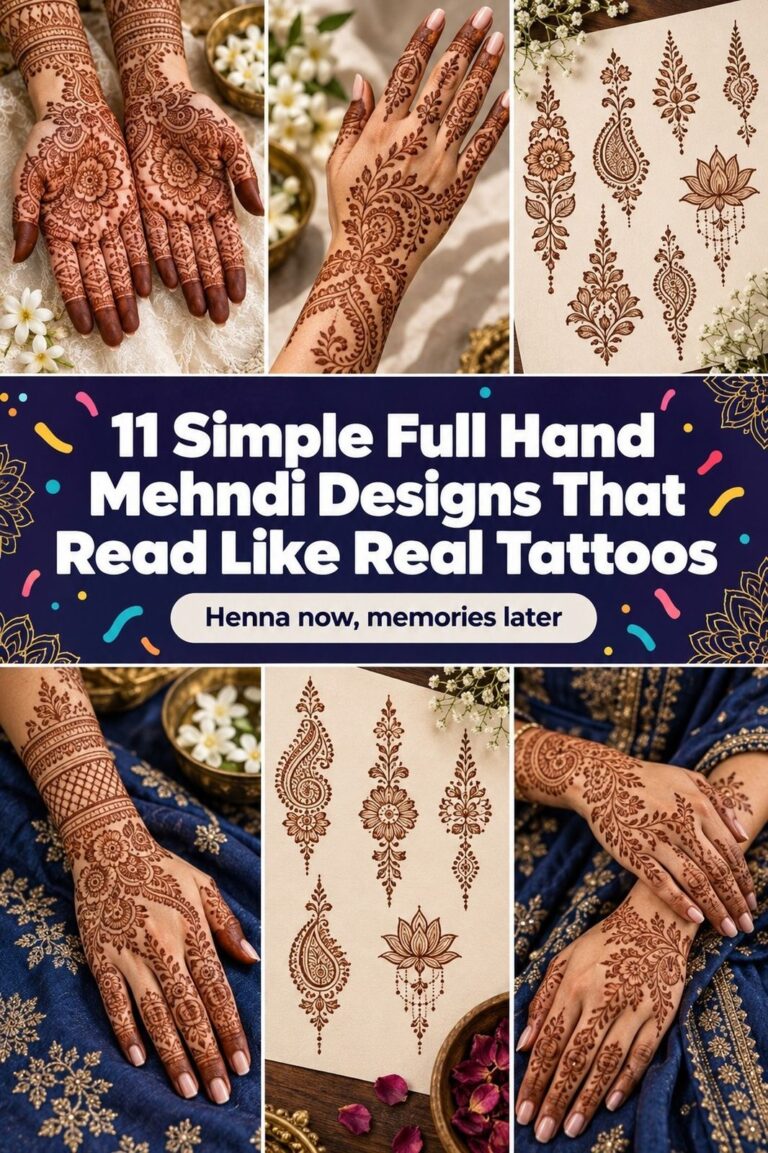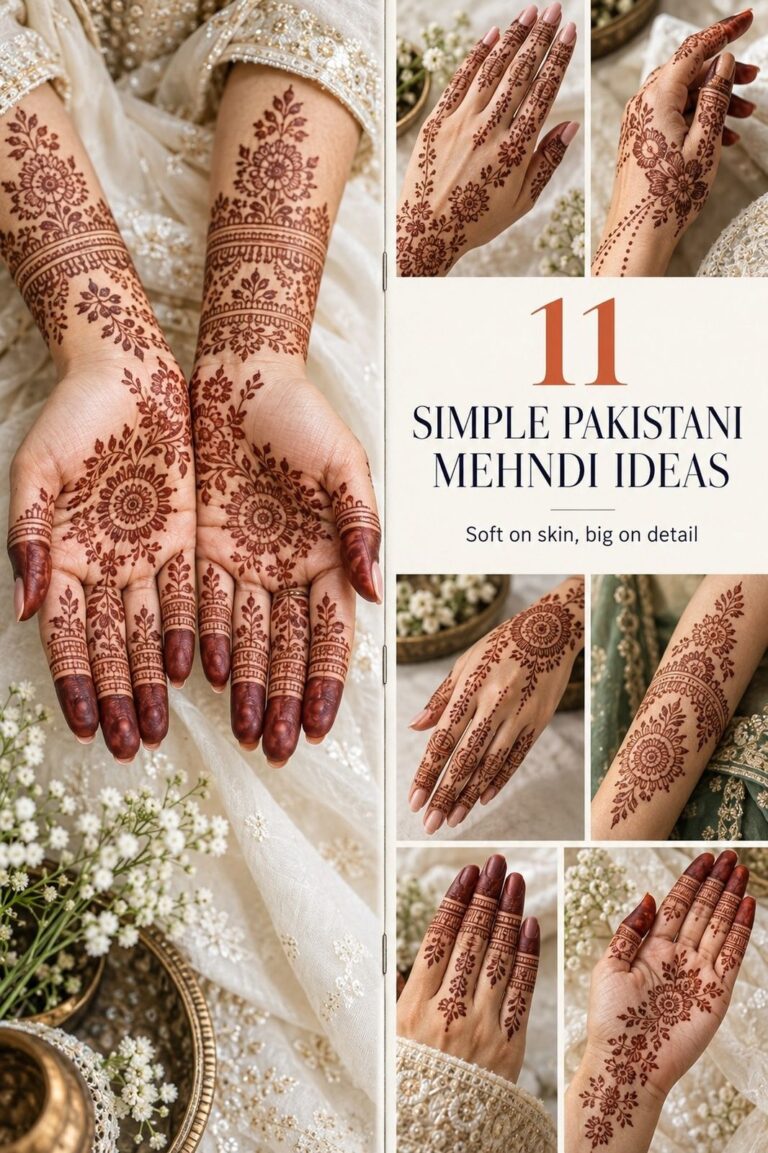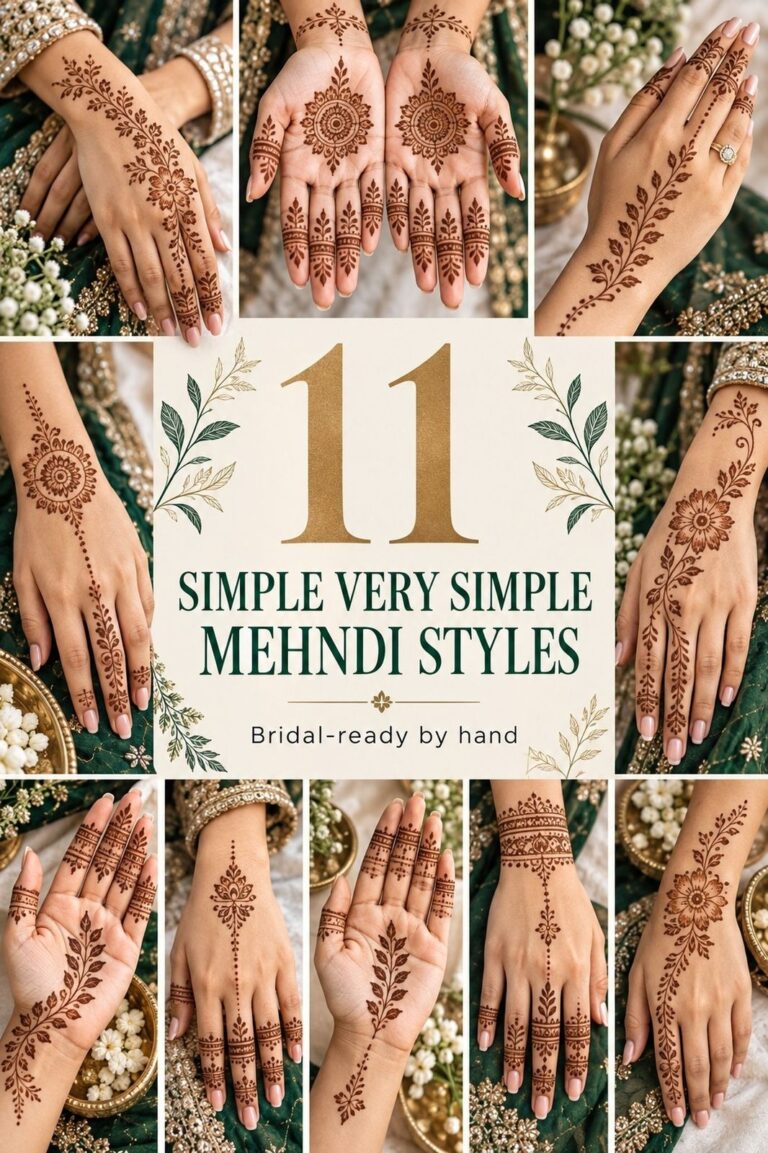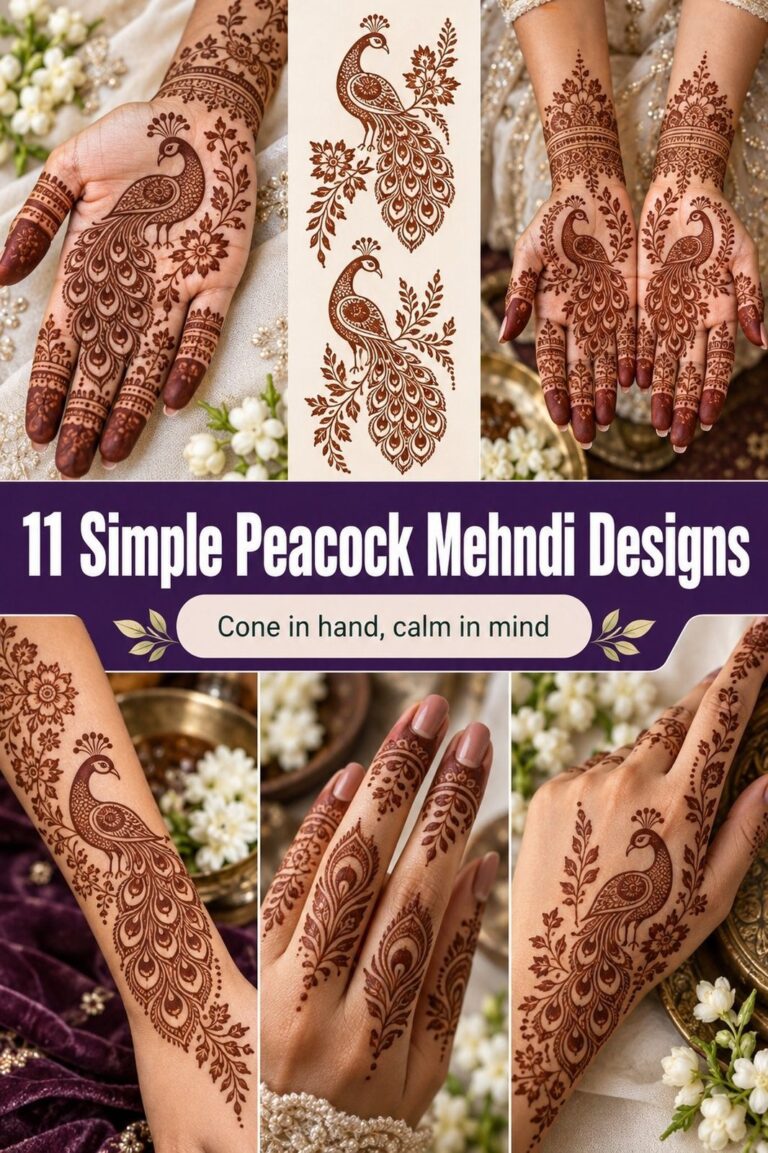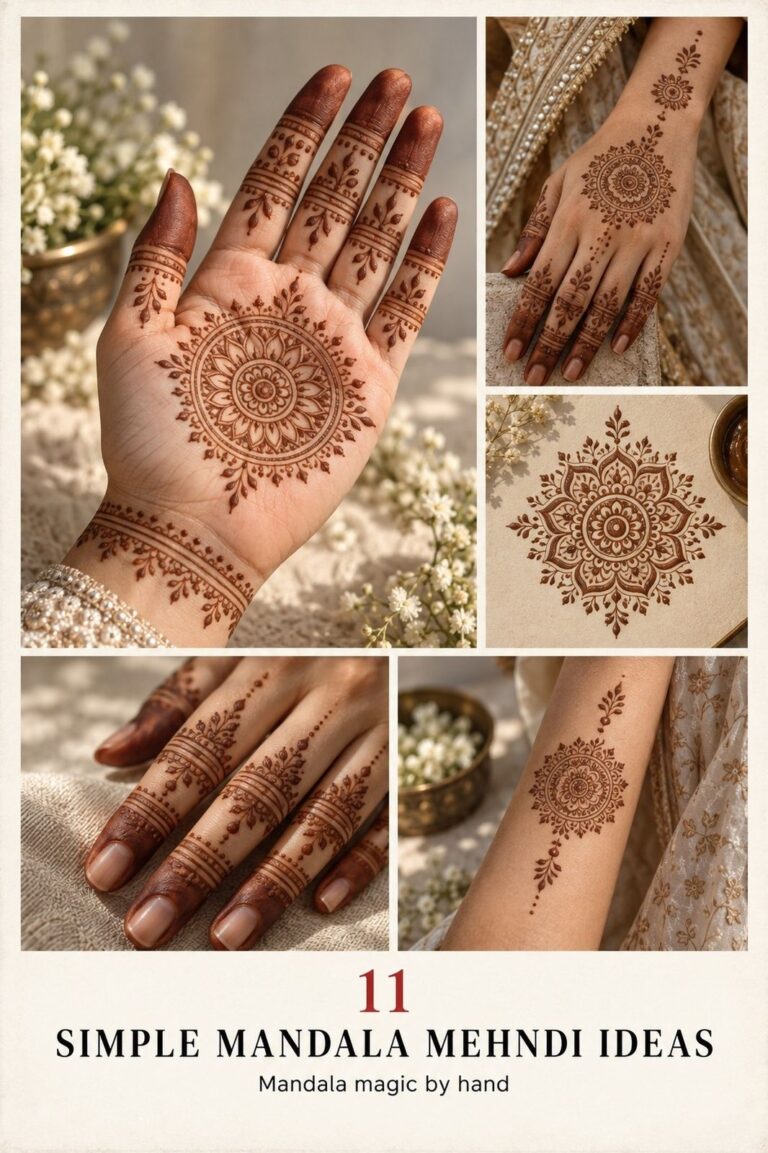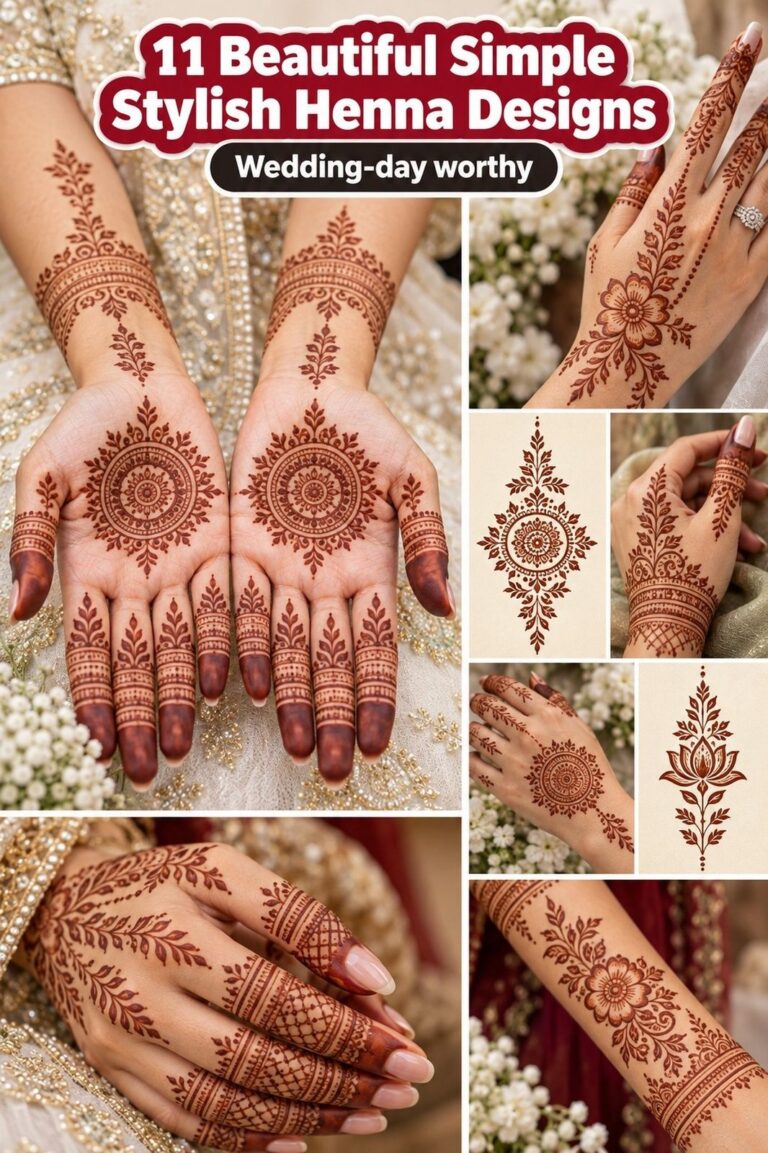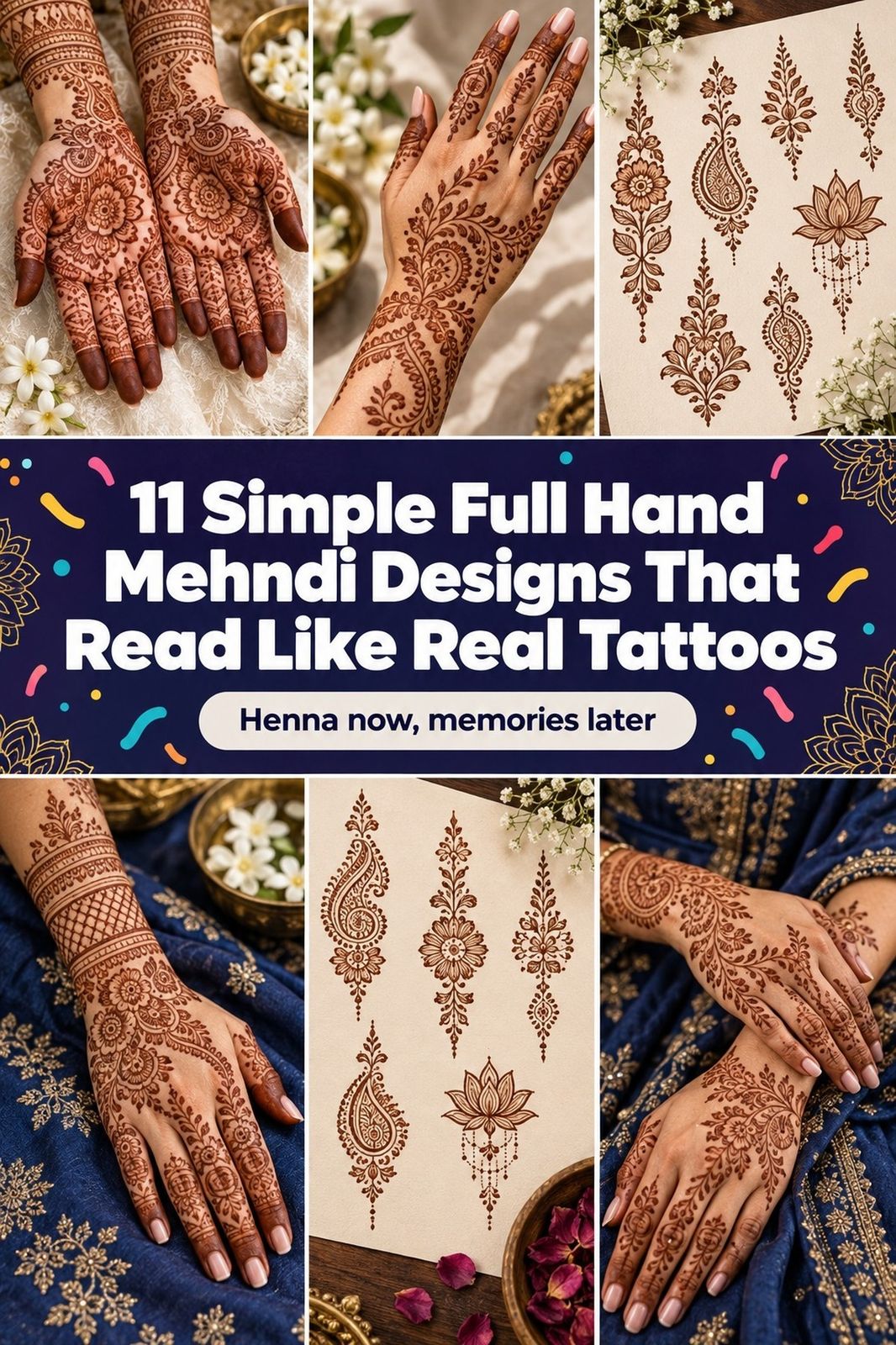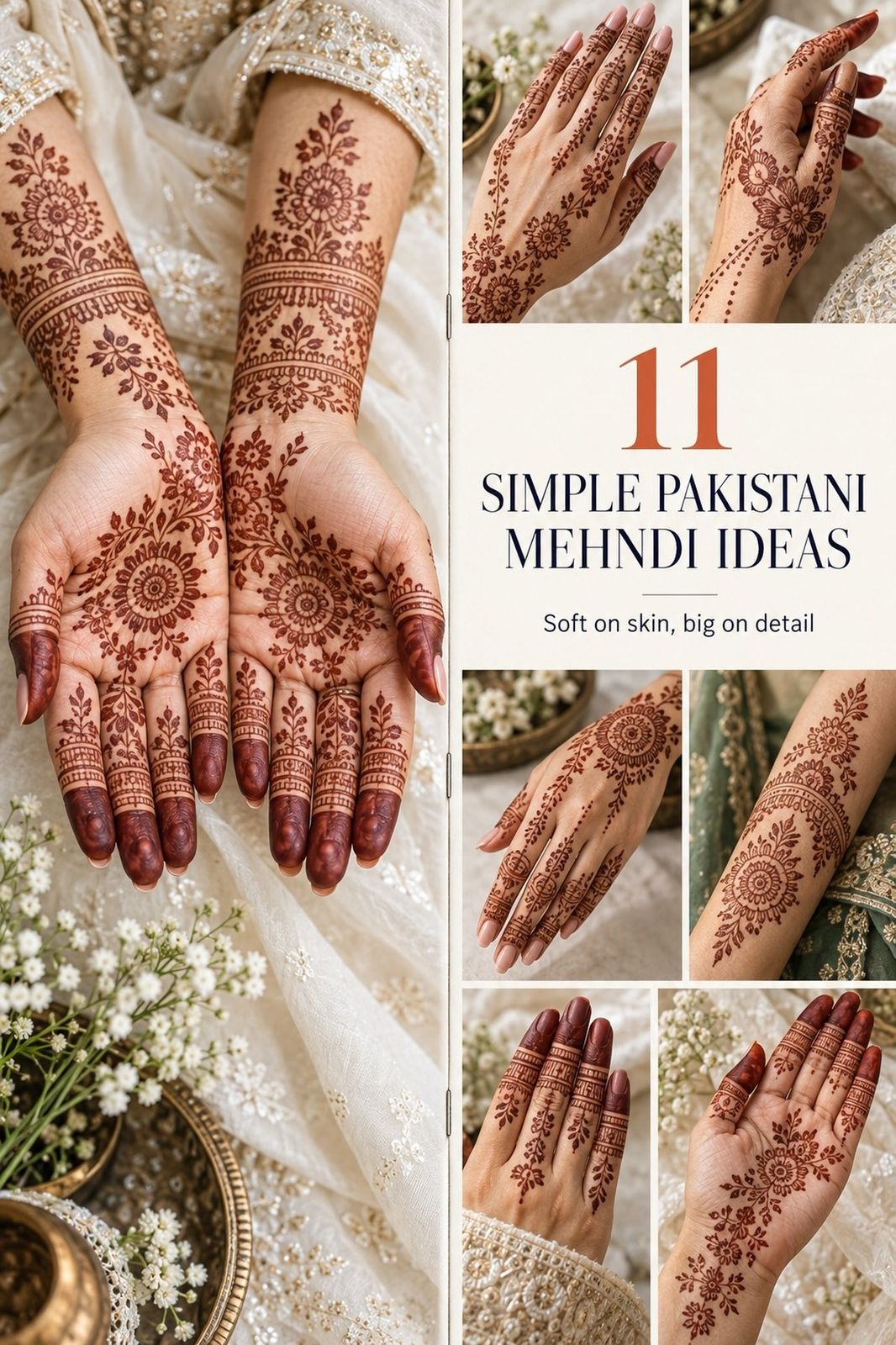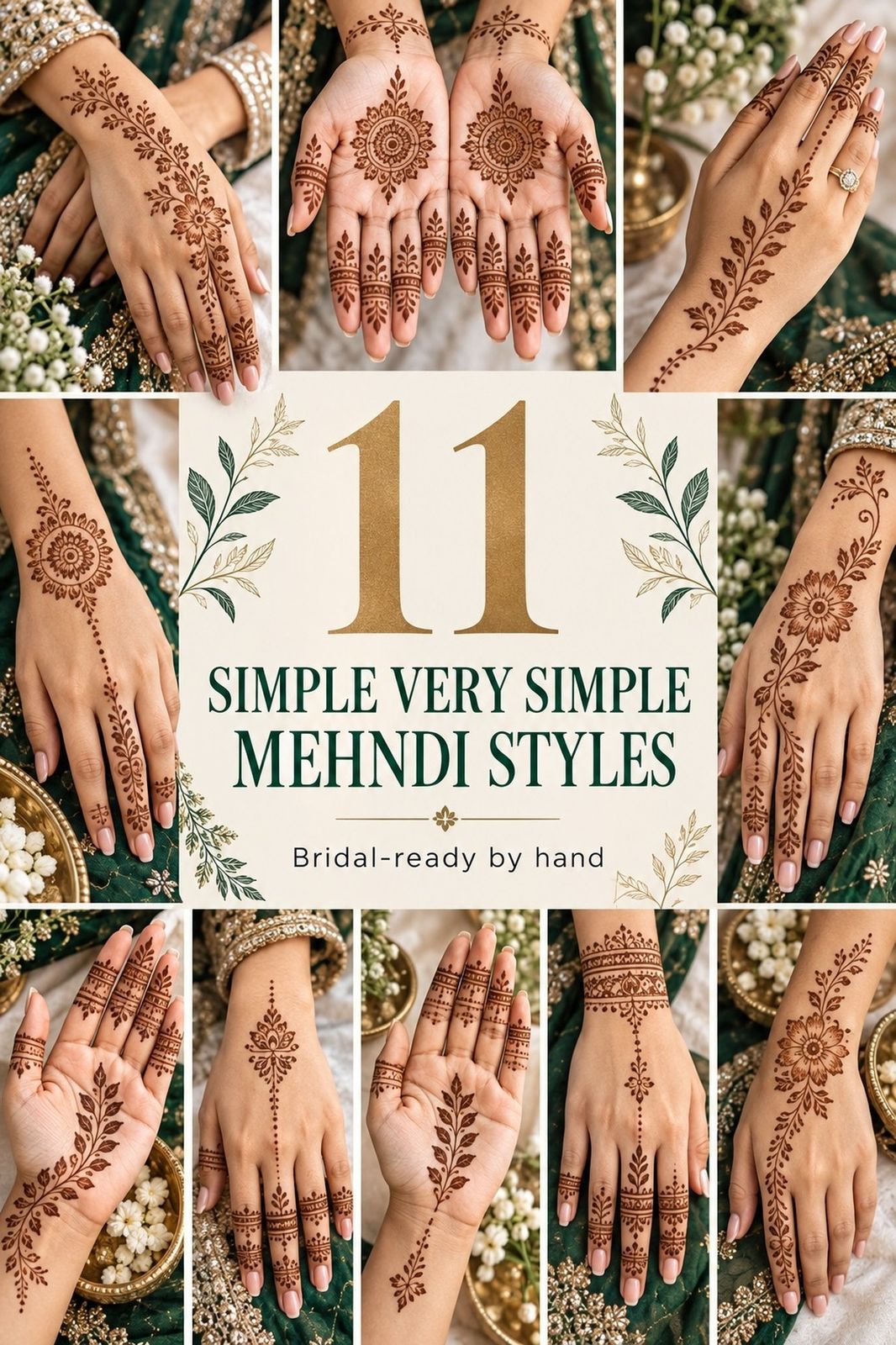
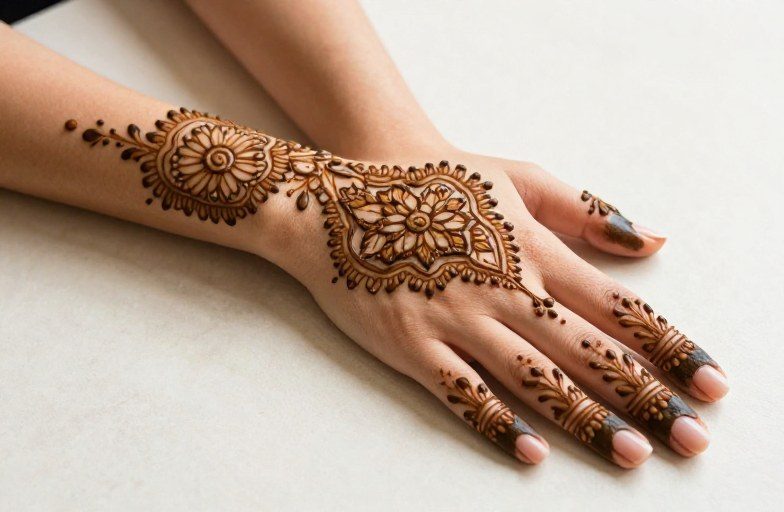
The henna tattoo in Islamic contexts represents a permitted form of temporary body adornment, fundamentally distinct from the permanent tattoos that most Islamic scholars consider haram (forbidden). Unlike needle-and-ink tattoos that alter the body permanently, henna stains the skin’s surface for one to three weeks, which places it in a different category of religious permissibility. The design often incorporates geometric patterns, floral arabesques, and calligraphic elements that carry spiritual significance, protection, celebration, and blessings.
Best Placements
Traditional henna application follows specific cultural patterns that differ from conventional tattoo placement logic. The hands and feet remain the most common sites, not merely for visibility but because the skin there takes the stain differently, thicker epidermis on palms and soles yields deeper, longer-lasting color.
Hands and Fingertips
Full hand coverage with fingertips saturated dark represents bridal and Eid traditions across South Asian and Arab Muslim communities. The fingertips specifically draw focus to the hands during prayer gestures. For tattoo adaptations of this style, artists often place similar geometric or floral patterns on the dorsal hand, though this permanent placement carries different religious implications than temporary henna.
Feet and Ankles
Foot placement connects to the henna plant’s historical cooling properties, applied to feet to lower body temperature in hot climates. Tattoo renditions frequently wrap the ankle or top of foot with vine-like arabesques. This placement ages poorly due to constant friction from footwear and thinner skin structure, often requiring touch-ups within a few years.
How It Ages on Skin
Henna itself doesn’t age, it fades predictably. The natural dye lawsone binds to keratin, then sheds as skin exfoliates. A quality application lasts 7-14 days on hands, up to 3 weeks on legs where skin turnover slows. Tattoo adaptations of henna-style designs face entirely different aging realities.
Line-based henna patterns, fine geometric grids, delicate paisley outlines, blur faster than bold designs. On hands specifically, which endure constant washing and abrasion, fine lines can spread noticeably within 2-3 years. Shading-heavy adaptations hold up better but lose the characteristic “stained” aesthetic that makes henna visually distinctive. Black and grey versions often settle into a blue-grey cast that reads as generic ornamental rather than specifically henna-inspired.
- Fine linework on hands: visible blur at 18-36 months
- Medium-weight geometric bands: 5-7 years before significant softening
- Heavily saturated black ornamental: 8-12 years, but loses the translucent quality of real henna
- White ink “henna style”: fades to invisible or yellowish within months, generally not recommended
Color retention varies dramatically by body zone. Inner wrist and forearm placements preserve detail longest; palms and soles of feet reject most tattoo ink entirely due to rapid cell turnover and thick stratum corneum.
Similar & Related Symbols
The visual vocabulary surrounding henna in Islamic contexts connects to broader ornamental traditions that tattoo artists frequently reference.
Arabesque and Geometric Patterning
Islamic artistic tradition’s prohibition against figurative representation in religious contexts generated extraordinarily sophisticated geometric and vegetal patterns. These arabesques, interlacing vines, infinite knots, star polygons, appear independently of henna in architecture, textiles, and manuscript illumination. Tattoo adaptations often mix these elements with henna-style florals, creating hybrid ornamental pieces that read as culturally resonant without directly replicating ritual application.
Calligraphic Integration
Arabic script, particularly Quranic verses or the names of Allah, carries profound religious weight. Some permanent tattoo seekers request calligraphy in henna-style ornamental frames, though this combination raises specific religious concerns, permanent bodily inscription of the divine name, which touches the ground during prostration, creates theological discomfort for many observant Muslims. Temporary henna calligraphy avoids this issue entirely.
Mythology & Folklore
Henna’s association with protection predates Islam and persists across Muslim cultures. The plant itself, Lawsonia inermis, grows across North Africa, the Middle East, and South Asia, with usage often linked to pre-Islamic Berber, Jewish, and Hindu traditions in those regions. Islamic adoption incorporated these protective associations without necessarily endorsing their pre-Islamic spiritual mechanisms.
Night of the Henna celebrations precede weddings in many Muslim-majority cultures, with complex designs believed to ward evil eye and bring barakah (blessing). The darkness of the stain supposedly correlates to the strength of the mother-in-law’s love, a folk belief, not theological doctrine. Some trace specific pattern origins to Ottoman, Mughal, or Andalusian court traditions, though definitive historical documentation remains sparse for particular regional styles.
The Prophet Muhammad’s recorded use of henna for hair dyeing and medicinal purposes establishes precedent for the substance itself, but not for the elaborate decorative practices that developed later. Scholarly opinions on henna’s permissibility vary primarily around intent and context, celebration versus imitation of non-Muslim practices, modesty versus display.
Color vs Black and Grey
Authentic henna ranges from burnt orange to deep maroon depending on skin chemistry, application time, and henna quality. “Black henna” containing para-phenylenediamine (PPD) causes severe allergic reactions and scarring, this is a chemical additive, not natural henna. Tattoo adaptations must navigate this color history carefully.
Brown-based pigments can approximate henna’s natural tone but often heal too dark or too red. Many artists instead lean into the black ornamental tradition, acknowledging the design’s henna inspiration while accepting that permanent ink cannot replicate temporary stain. Black and grey versions emphasize pattern structure over color authenticity, sometimes incorporating dotwork to mimic the granular texture of henna paste application.
Color realism attempts, actual orange-brown “henna color” tattoos, tend to age poorly. These pigments fade unpredictably, often shifting toward pink or grey. The visual reference point of “fresh henna paste” (dark brown-black) versus “developed stain” (reddish-brown) creates additional confusion in client expectations.
Common Variations & Styles
Regional henna traditions offer distinct visual languages that tattoo artists adapt with varying degrees of fidelity.
Khaleeji (Gulf Arab) Style
Large, bold floral motifs with significant negative space characterize this style. Designs often concentrate on hands and feet with minimal finger detail. Tattoo adaptations work well as larger ornamental pieces on shoulders or thighs where the scale matches the original’s visual impact. The boldness translates better to permanent ink than finer styles.
Indo-Pakistani Intricacy
Dense, all-over patterning with paisley (mango-shaped) elements, fine mesh, and bridal figurative elements (though these are less common in strictly Islamic interpretations). Tattoo versions require substantial space to prevent muddying, forearm sleeves or full back pieces maintain the detail density. Attempting this fineness on small areas yields indistinguishable dark patches within years.
North African Berber Patterns
Geometric and symbolic rather than floral, often incorporating diamond shapes, cross-hatching, and protective sigils. These designs sometimes carry specific tribal or regional identification that outsiders should approach with cultural awareness. The graphic boldness ages excellently in tattoo form.
The Takeaway
The henna tattoo in Islamic contexts occupies a nuanced position: the temporary plant-based application enjoys broad religious acceptance and deep cultural significance, while permanent ink adaptations enter more contested territory. For those drawn to the aesthetic, understanding this distinction matters, both for respectful engagement with the tradition and for realistic expectations about how permanent versions will age and read. The patterns themselves carry genuine beauty and mathematical sophistication that transcend their medium, but the medium changes the meaning. Temporary henna marks celebration and blessing; permanent ornamental tattoos mark personal aesthetic choice, sometimes with cultural homage, sometimes with unfortunate appropriation. The difference lies in the wearer’s knowledge and intention, not in the design’s visual similarity.
Frequently Asked Questions
Does getting a permanent henna-style tattoo make me exempt from Islamic prayer requirements?
No. Permanent tattoos, including henna-inspired designs, do not invalidate prayer according to most scholars, though they may be considered sinful to acquire. The tattoo itself doesn’t need removal for prayer validity, unlike impure substances on the body, ink is generally considered a neutral presence.
Can non-Muslims respectfully get henna-style tattoos?
The ornamental patterns themselves are not exclusively religious symbols, though specific calligraphic or culturally protective designs may carry weight you don’t intend. Research the specific pattern’s origins; avoid sacred names or phrases. Many Muslim tattoo artists are willing to discuss appropriate boundaries with interested clients.
Why do some henna tattoos turn black instead of brown?
Natural henna never stains black. Black results indicate PPD (para-phenylenediamine) chemical additives, which cause blistering, permanent scarring, and lifelong chemical sensitivities. This dangerous practice is common in tourist areas and some unregulated cosmetic applications.
How do I tell if a tattoo artist understands actual henna patterns versus generic ornamental?
Ask to see their reference material, authentic regional styles have specific structural rules (Khaleeji negative space, Indo-Pakistani mesh density, Berber geometric vocabulary). Artists who can’t name these traditions or who offer only Pinterest-style generic “tribal” florals lack the cultural knowledge for respectful, accurate work.