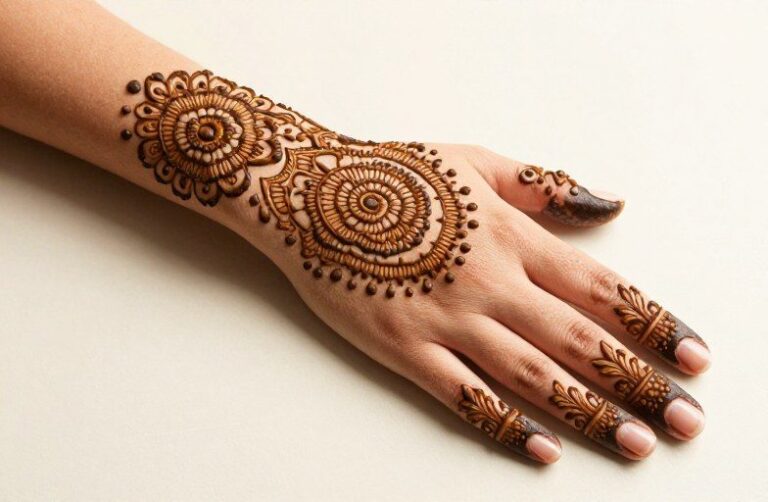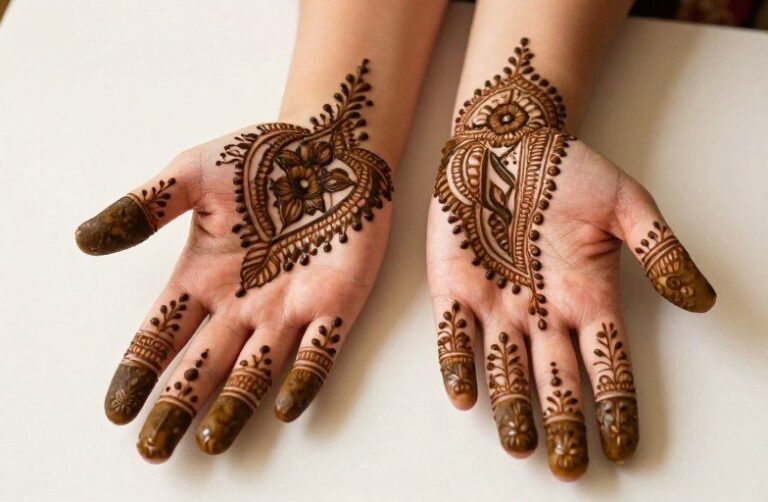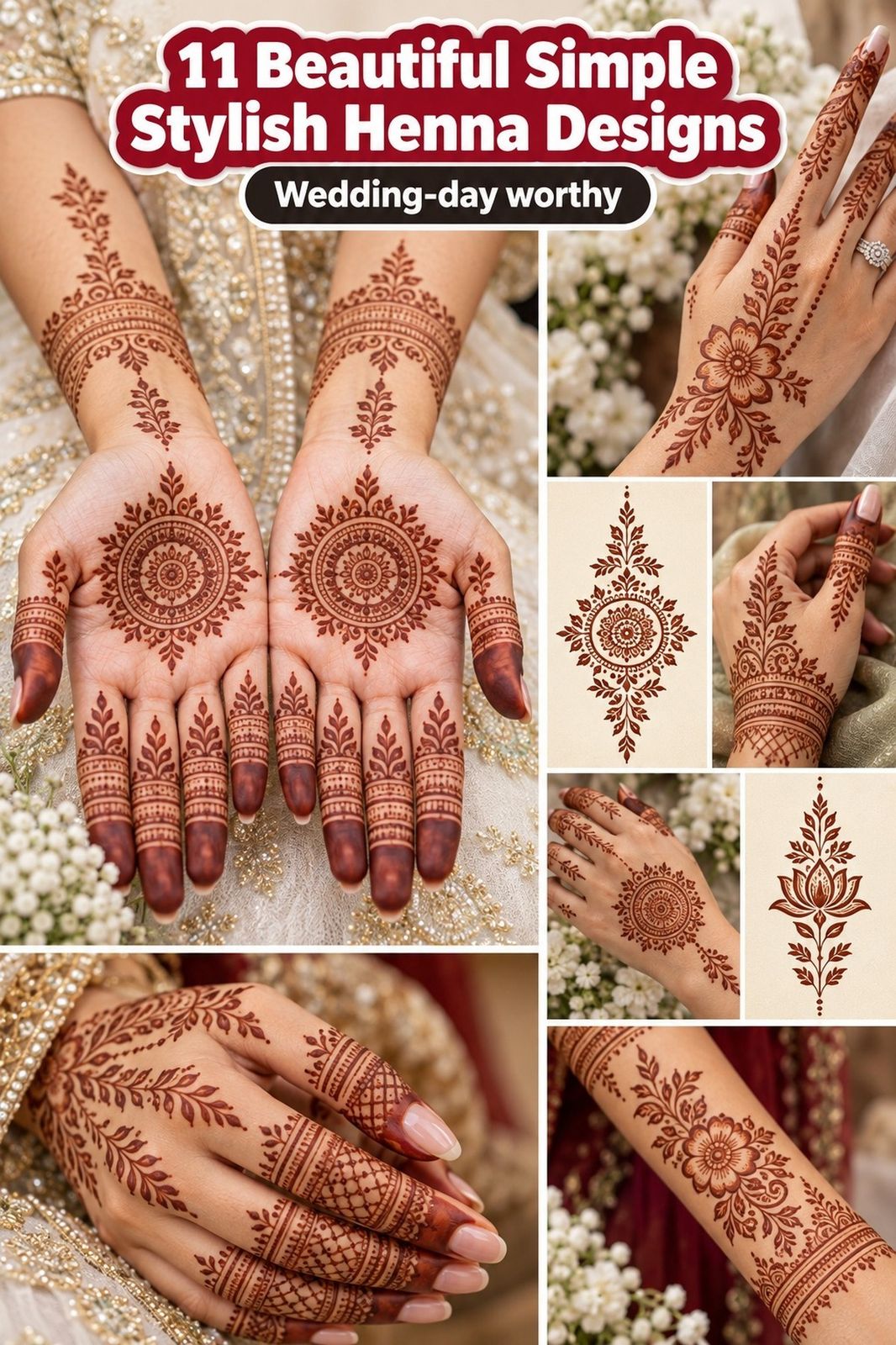
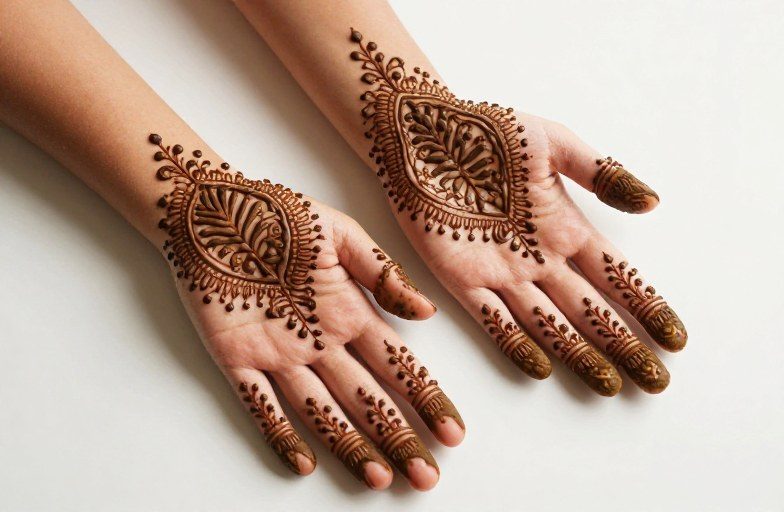
Getting a henna tattoo is not inherently cultural appropriation, but context matters deeply. The practice becomes problematic when you strip it from its cultural significance, treat it as a disposable trend, or wear designs tied to sacred rituals without understanding them. What “henna” means depends on if you’re discussing the plant-based dye itself, the South Asian and Middle Eastern traditions of mehndi, or the Western festival-style temporary tattoos that borrow the name and look.
History & Cultural Roots
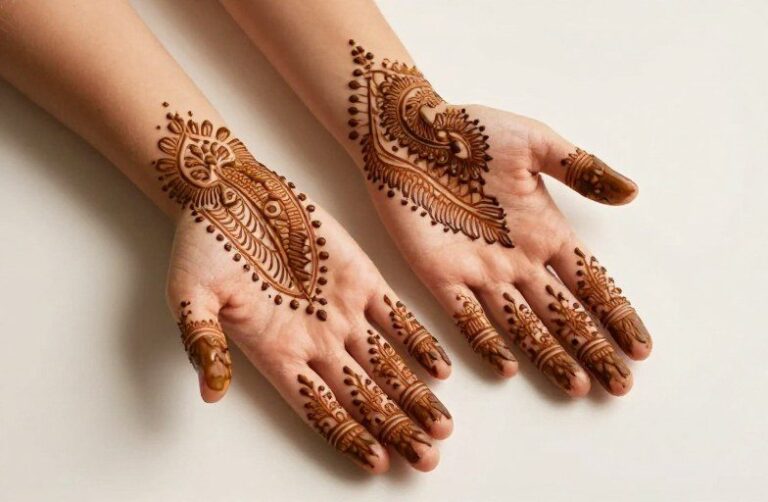
The henna plant, Lawsonia inermis, grows across North Africa, the Middle East, and South Asia. People have stained skin and hair with its crushed leaves for thousands of years. The paste creates an orange stain that darkens to deep reddish-brown over 24-48 hours.
Regional Traditions
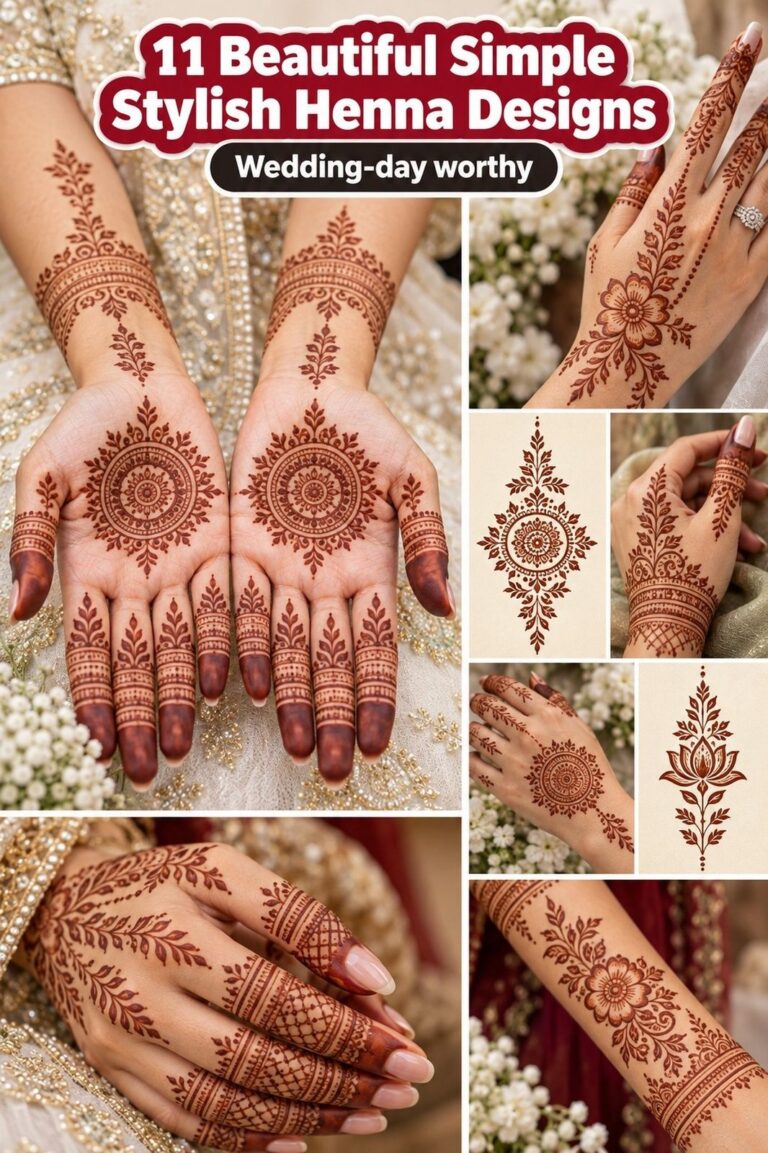
Mehndi ceremonies remain central to Hindu and Muslim wedding traditions in India, Pakistan, Bangladesh, and surrounding regions. Intricate bridal designs cover hands and feet, applied by family members or professional artists in sessions lasting hours. The darkness of the stain is often interpreted as a sign of the couple’s bond strength or the bride’s welcome into her new family. In Morocco, geometric Berber patterns serve protective purposes and mark celebrations. Yemeni Jewish communities historically used henna for pre-wedding rituals that have now largely faded.
These aren’t decorative afterthoughts. They’re communal events with specific songs, foods, and social roles attached.
How the Practice Traveled
Colonial trade routes and diaspora movements spread henna knowledge, but the 1990s South Asian pop culture boom and Western festival circuits created the modern “henna tattoo” phenomenon. Beach boardwalks, music festivals, and mall kiosks began offering quick 10-minute designs, often using the term “tattoo” to market a practice that involves no needles and no permanent ink.
Color vs Black and Grey
Traditional henna is never black. Natural henna paste ranges from greenish-brown to dark brown when wet, staining skin in reddish-brown tones. “Black henna” is a misnomer, it’s typically natural henna adulterated with paraphenylenediamine (PPD), a hair dye chemical that can cause severe allergic reactions and permanent scarring. Some artists use Jagua gel, a South American fruit derivative, for blue-black temporary stains. This is a different plant entirely.
Permanent tattoos replicating henna designs are almost always done in black and grey. The fine linework translates reasonably well to tattoo needles, but the organic flow of fresh henna paste, its slight irregularities, the way it cracks and flakes, cannot be replicated in permanent ink. A tattooed “henna design” is frozen; the real thing breathes and fades.
- Natural henna: reddish-brown stain, fades in 1-3 weeks
- “Black henna”: dangerous PPD additive, avoid completely
- Jagua gel: blue-black stain, different plant origin
- Permanent tattoo: black and grey ink, lasts lifetime
Mythology & Folklore
Specific symbolic meanings attach to henna in various cultures, though these are often localized rather than universal. Some traditions link henna to cooling properties, applying it to reduce body heat or fever. Others associate it with baraka, blessing or divine favor, particularly in North African contexts.
Design Motifs and Their Backgrounds
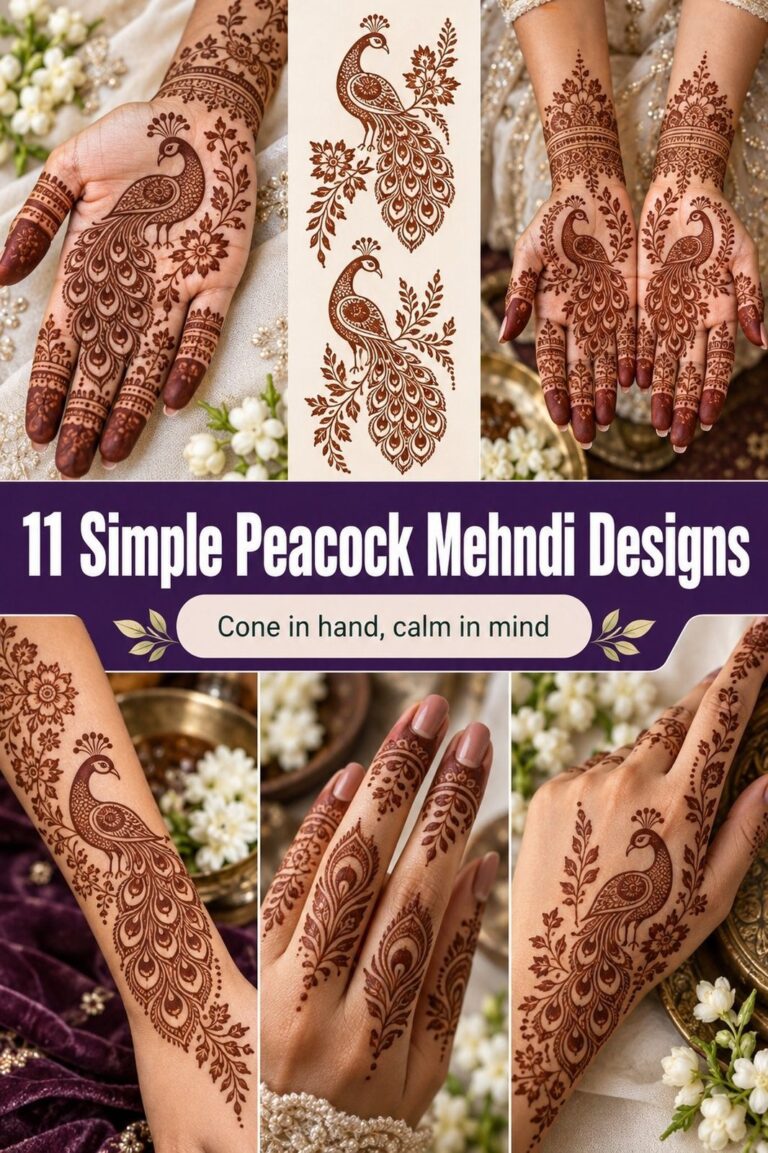
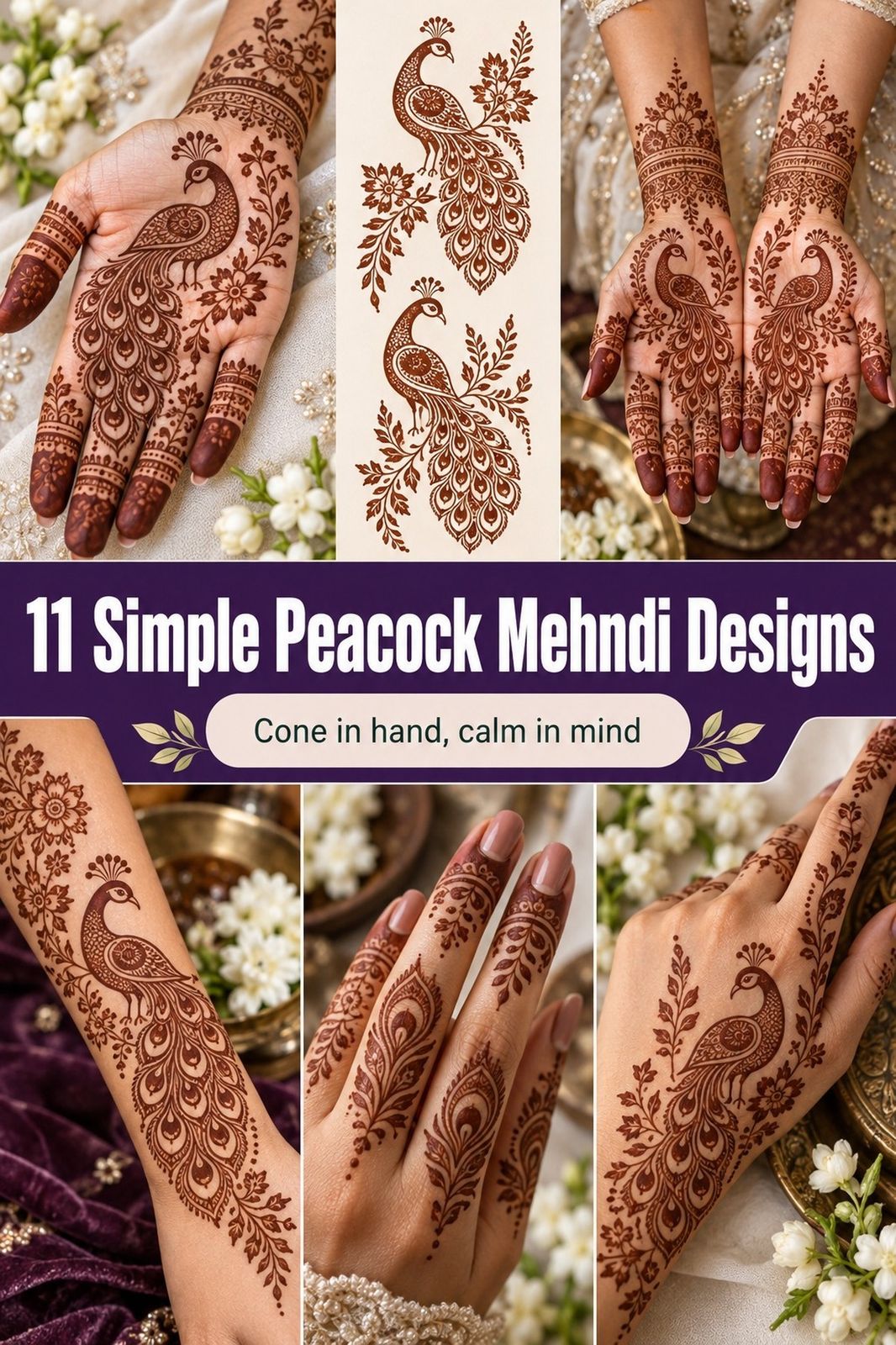
Common elements carry specific cultural loads. Paisley forms, often called mango shapes in South Asia, represent fertility and joy. Peacocks symbolize beauty and grace in Hindu contexts. The “evil eye” motif appears across Mediterranean and Middle Eastern henna traditions as protective imagery. Intricate lace-like patterns that leave significant negative space are characteristic of Moroccan and Gulf styles, while Indian bridal work tends toward denser, more comprehensive coverage.
These motifs aren’t generic “exotic” decoration. Using them without acknowledging their origins flattens their significance into aesthetic consumption.
Design Tips & Pairings
If you’re considering henna-inspired permanent work, several technical factors matter. The fine lines of traditional henna, often drawn with toothpicks, cones, or jacquard bottles, are thinner than typical tattoo needle groupings. A skilled artist must use single needles or tight three-round liners to approximate the delicacy. Over time, these fine lines blur and spread. What looks crisp at two years may become fuzzy at ten.
Placement Considerations
Hands and feet are traditional for good reason: thicker stratum corneum holds henna stain longest. For permanent tattoos, these same areas present challenges. Finger tattoos fade fastest due to constant use and regeneration. Palm and sole tattoos are technically possible but notoriously difficult to heal and retain. The tops of hands and feet offer better longevity. Consider how the design flows with natural hand movements, knuckle placement affects readability when fingers flex.
Pairing with Other Elements
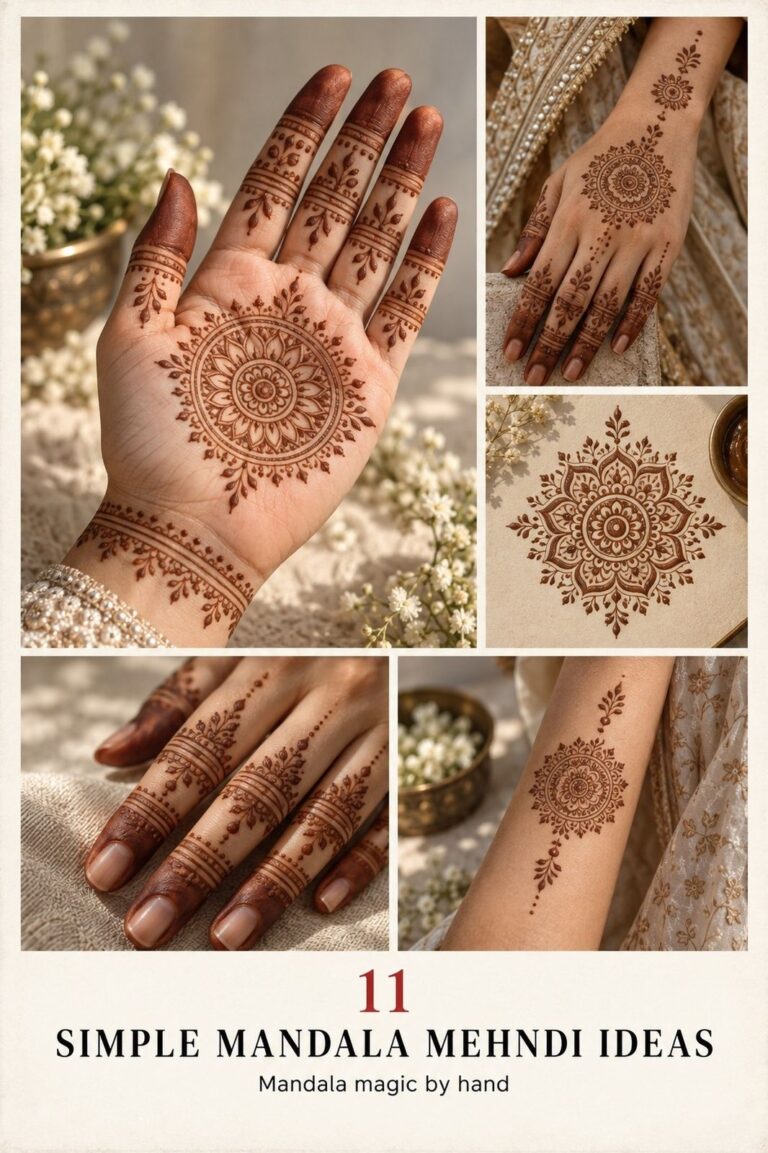
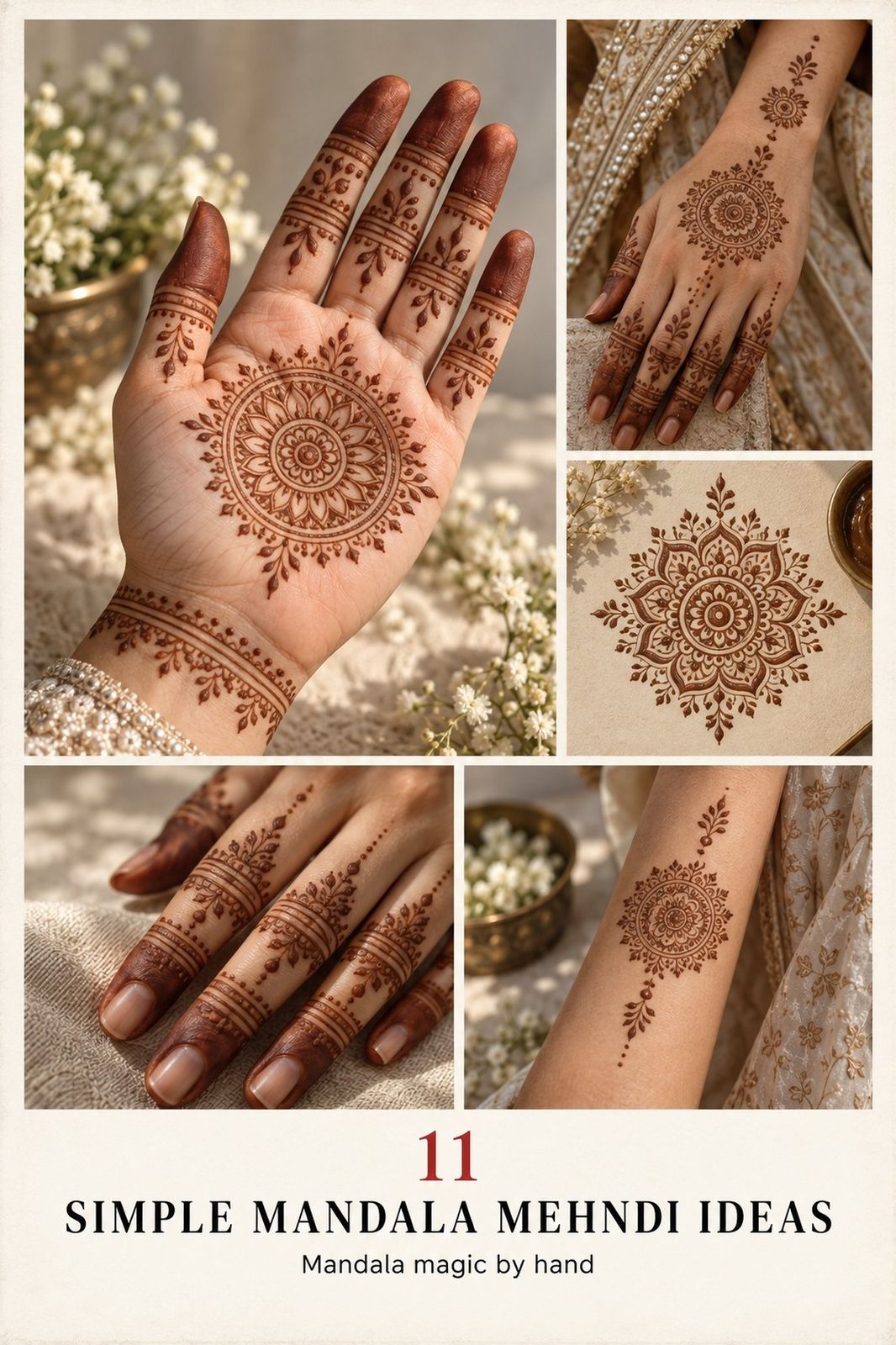
Henna-inspired linework pairs well with geometric frameworks, mandala structures, or dotwork backgrounds. Some artists combine the organic floral mehndi style with harder-edged ornamental tattoo traditions. The contrast between flowing henna curves and rigid geometry can work strikingly, but requires an artist comfortable with both visual languages.
Common Variations & Styles
Several distinct visual traditions fall under “henna” broadly, and conflating them reads as uninformed. Gulf or Khaleeji style features bold, spaced motifs with heavy emphasis on fingertips and nails. Indian bridal work builds dense, interconnected patterns covering entire hands and forearms. Moroccan style uses more geometric, architectural elements. Sudanese traditions historically included bold abstract shapes distinct from the floral work most Westerners recognize.
Contemporary fusion styles blend these with unrelated visual systems, Polynesian tribal, Japanese irezumi, American traditional, sometimes successfully, often awkwardly. The mashup approach risks treating all non-Western traditions as interchangeable “ethnic” flavoring.
Similar & Related Symbols
Other temporary body marking practices carry comparable cultural weight. Jagua, mentioned earlier, is used by indigenous Panamanian and Colombian communities for ceremonial purposes. The Japanese tebori hand-poking tradition shares the slow, meditative application quality but is permanent. Bindi and forehead markings in South Asian traditions are spiritually significant, not decorative accessories. Maori moko and Samoan tatau are permanent, sacred, and historically tied to specific social status.
The key distinction: henna’s temporary nature has made it seem “safe” to borrow, as if impermanence excuses cultural extraction. The logic doesn’t hold. A practice’s duration on skin doesn’t determine whether its cultural context deserves respect.
Before You Decide
Ask specific questions. Are you getting this from a practitioner who learned within the tradition? Are the designs generic “tribal” patterns or specific to a culture you have no connection to? Is this for a wedding, and if so, are you participating in a ritual that belongs to someone else’s marriage customs? Are you calling it a “tattoo” when it’s a stain, or a “tattoo” when it’s permanent ink copying someone else’s ceremonial art?
There’s meaningful difference between attending a friend’s mehndi ceremony and getting a cone applied in celebration, versus paying a beach vendor for “henna” as vacation entertainment. The former participates in relationship; the latter extracts aesthetic without context. Permanent tattoos of henna designs occupy murkier territory, technically legal, ethically questionable if the wearer has no cultural connection and hasn’t researched the specific motifs’ significance.
Your skin, your choice, but informed choice requires understanding what you’re carrying. Henna’s beauty isn’t separate from its cultural embeddedness. Recognizing that doesn’t limit your options, it deepens them.
Frequently Asked Questions
Can white people get henna without it being appropriation?
Context matters more than race alone. Participating respectfully in a friend’s cultural event, learning from practitioners within the tradition, and avoiding sacred ritual designs you don’t understand are key factors. The problem is extraction, not participation.
How long does real henna last compared to a permanent tattoo?
Natural henna stains skin for one to three weeks, fading as skin exfoliates. Permanent tattoos remain for life, though they blur and shift over decades. The temporary nature of henna is central to its cultural use for transitional life events.
Is it safe to get henna at a beach or festival booth?
Be cautious. Ask about ingredients. Natural henna paste contains lemon juice, sugar, and essential oils. Avoid anything promising black results immediately, this likely contains dangerous PPD chemical additives that can scar skin permanently.
What’s the difference between henna and mehndi?
Henna refers to the plant and paste itself. Mehndi describes the art form and cultural practice, particularly in South Asian contexts. The terms overlap but aren’t identical, mehndi carries the full cultural weight that ‘henna’ as a commodity often strips away.