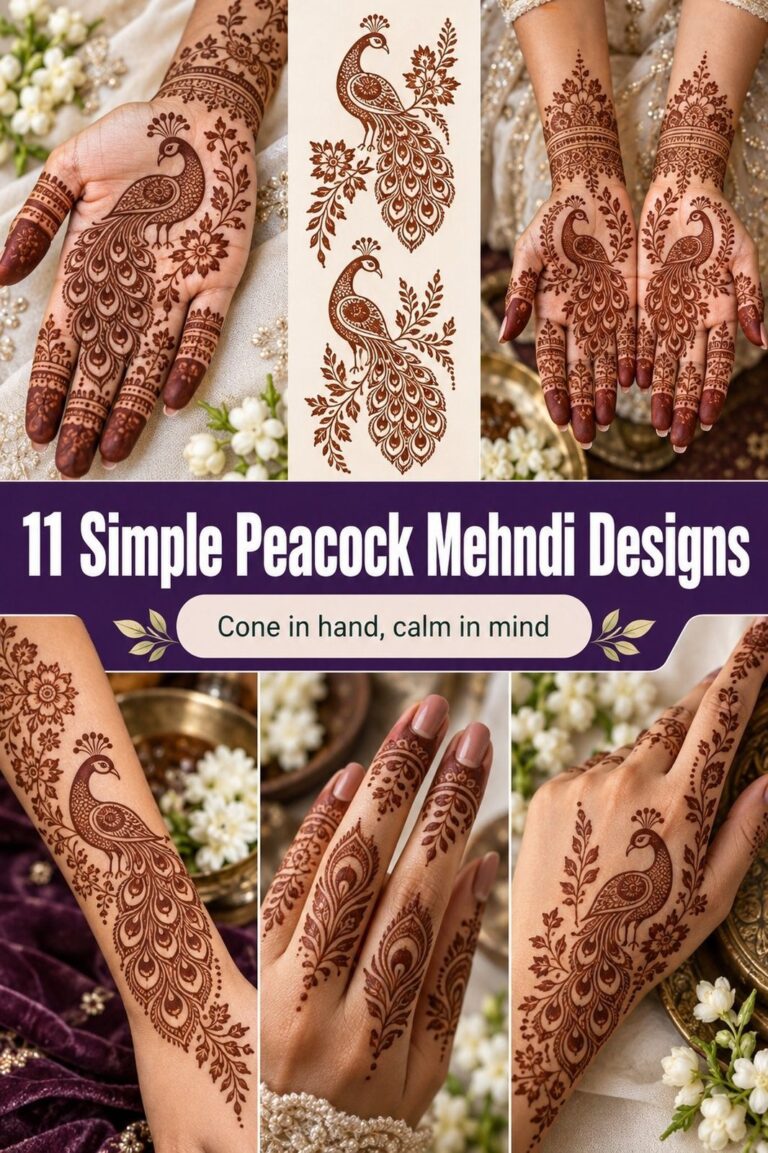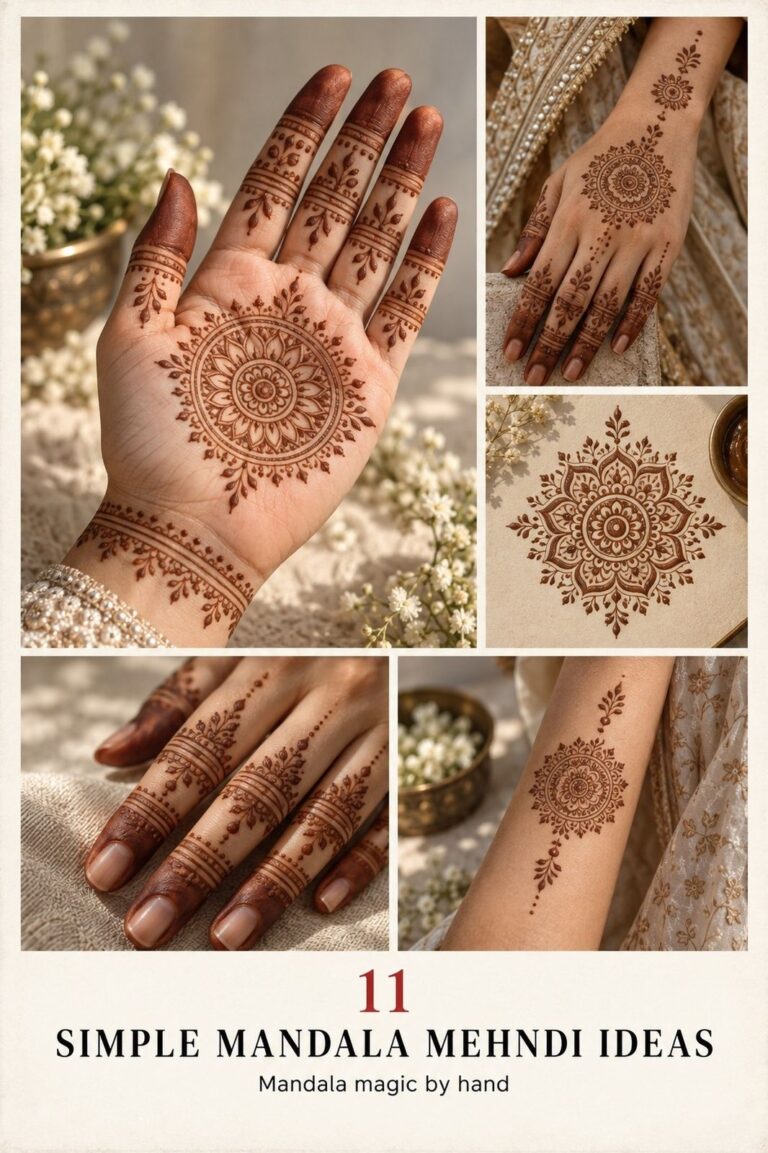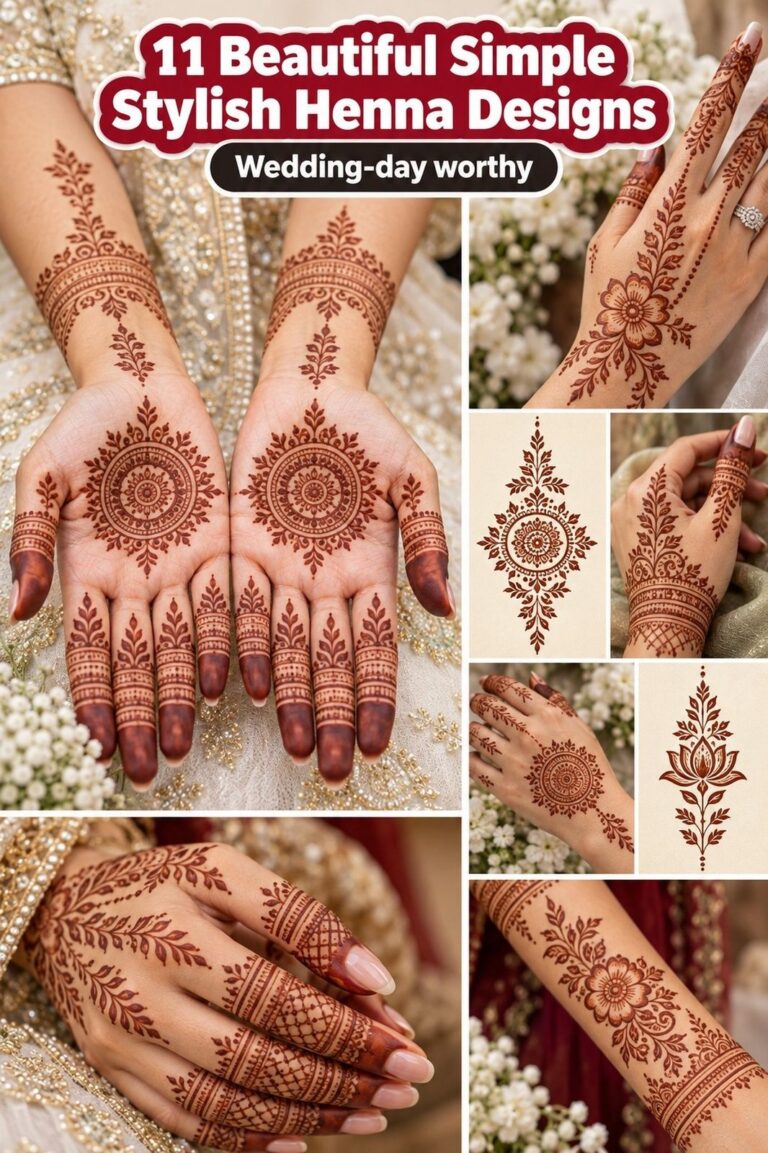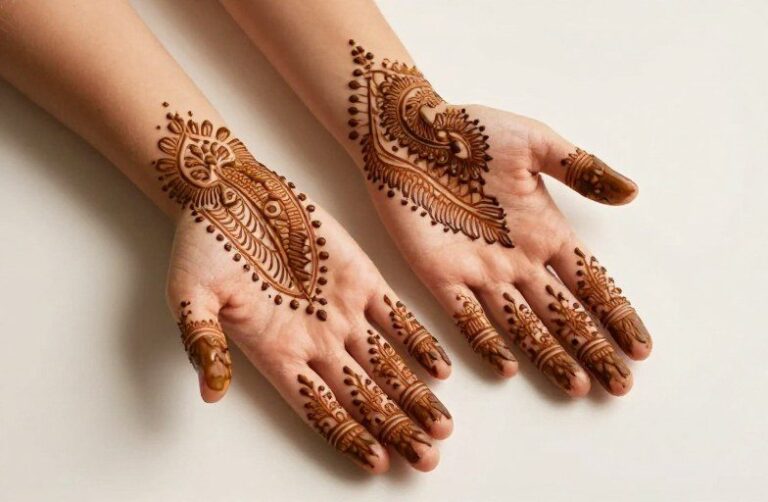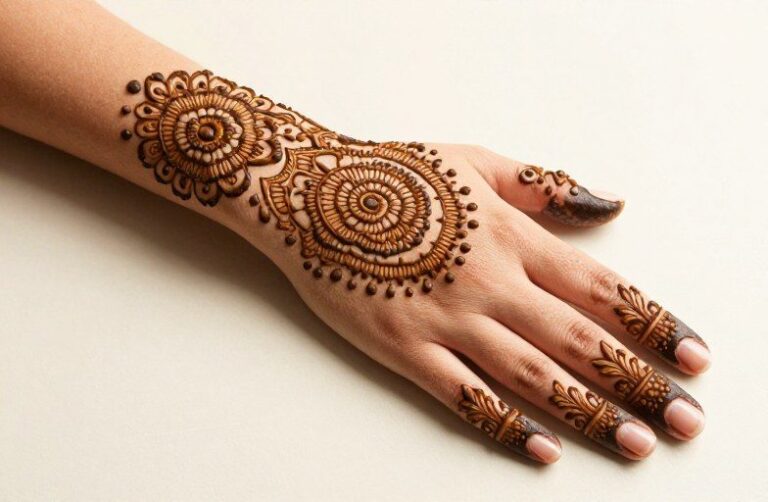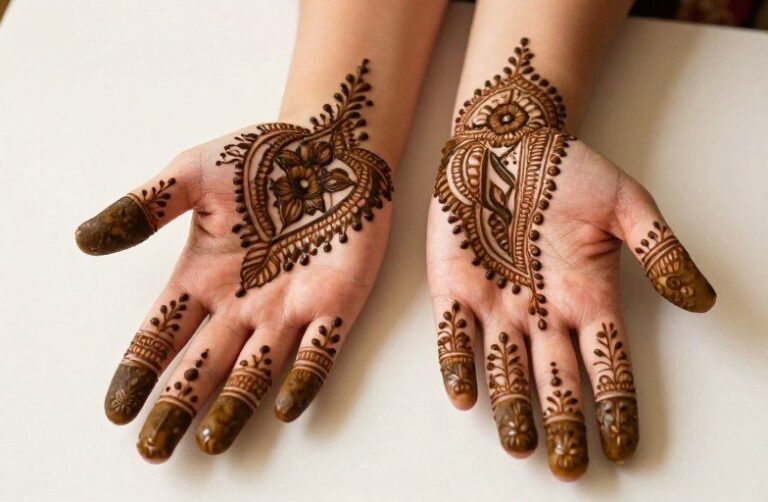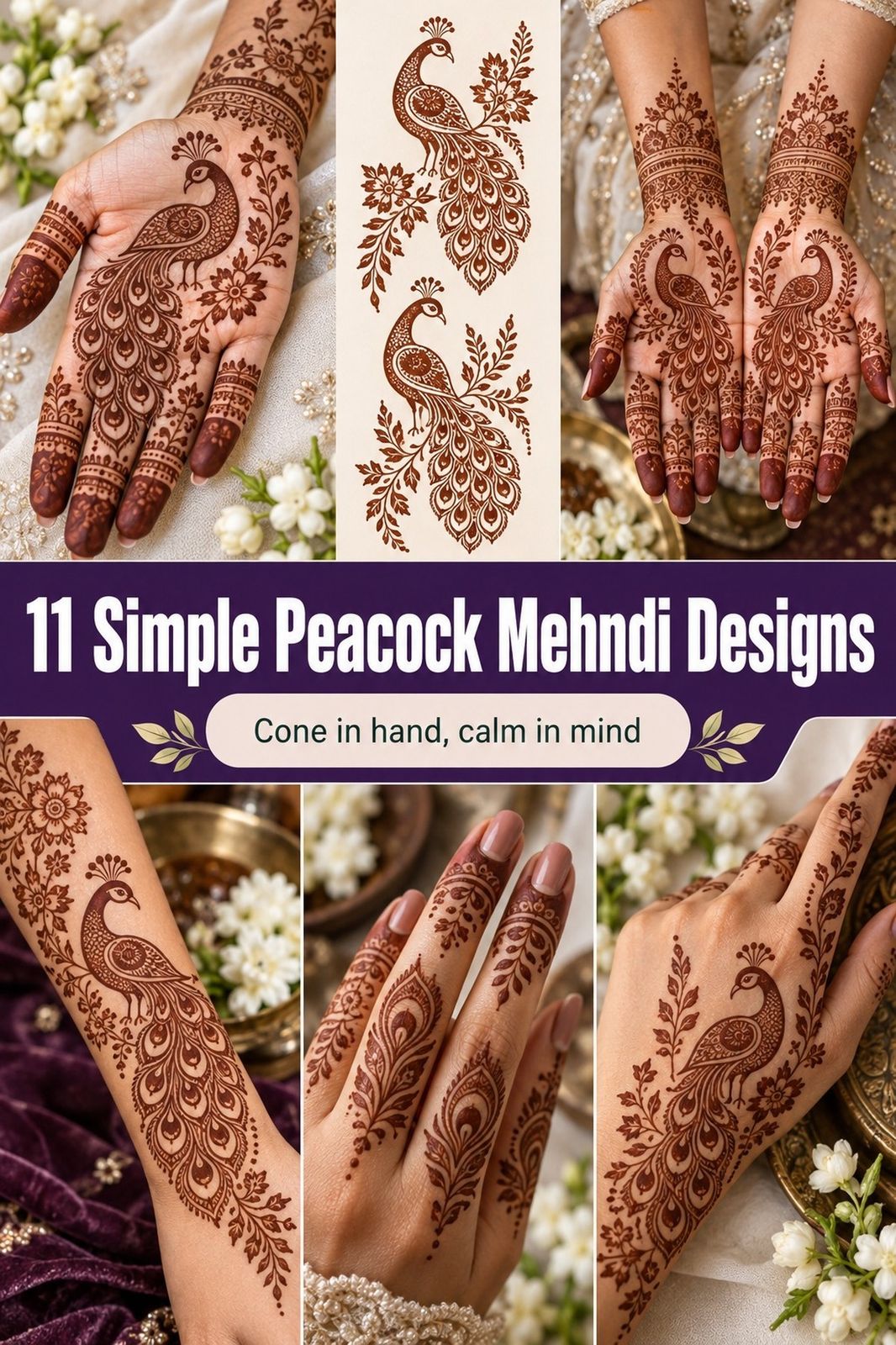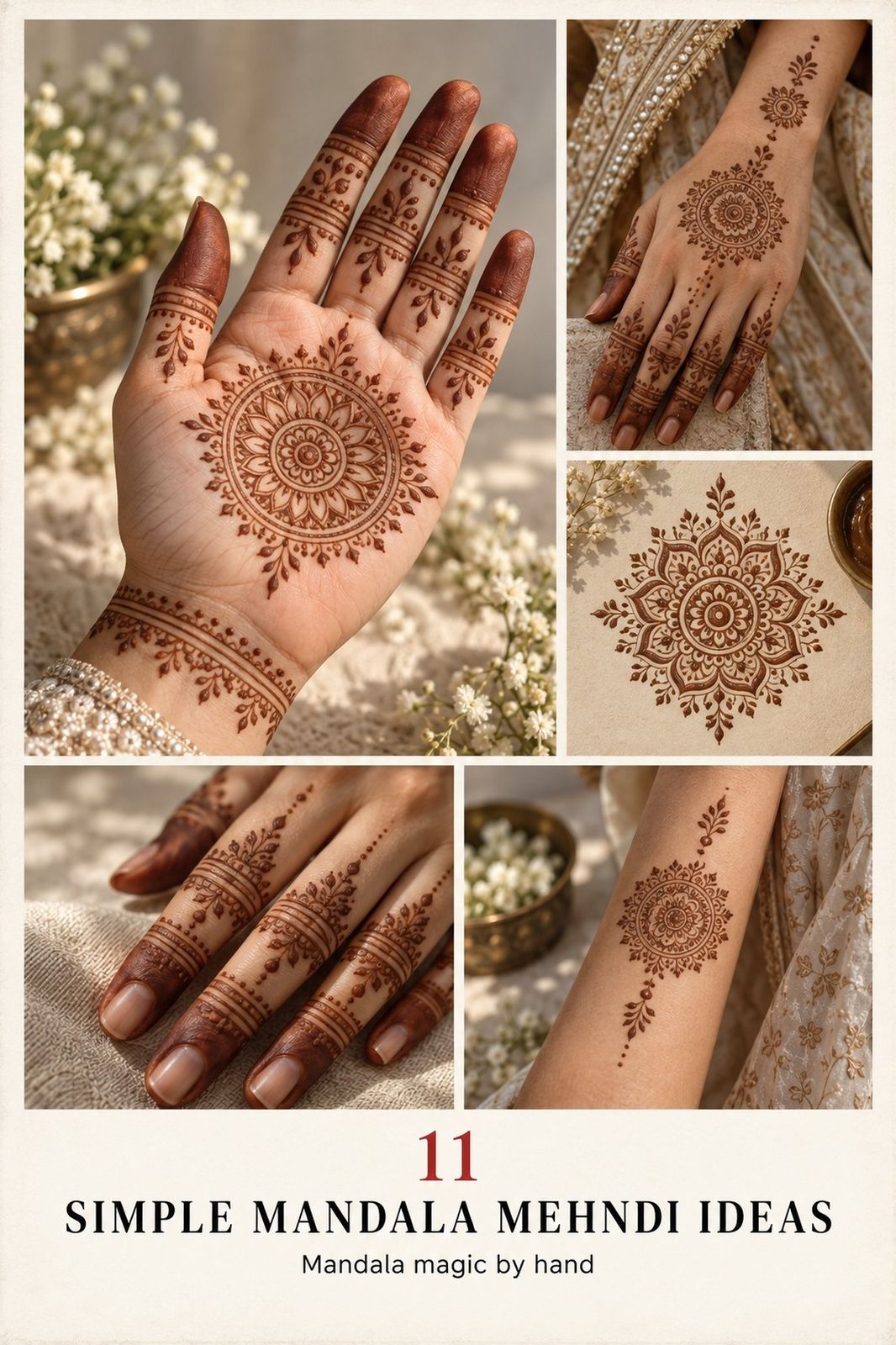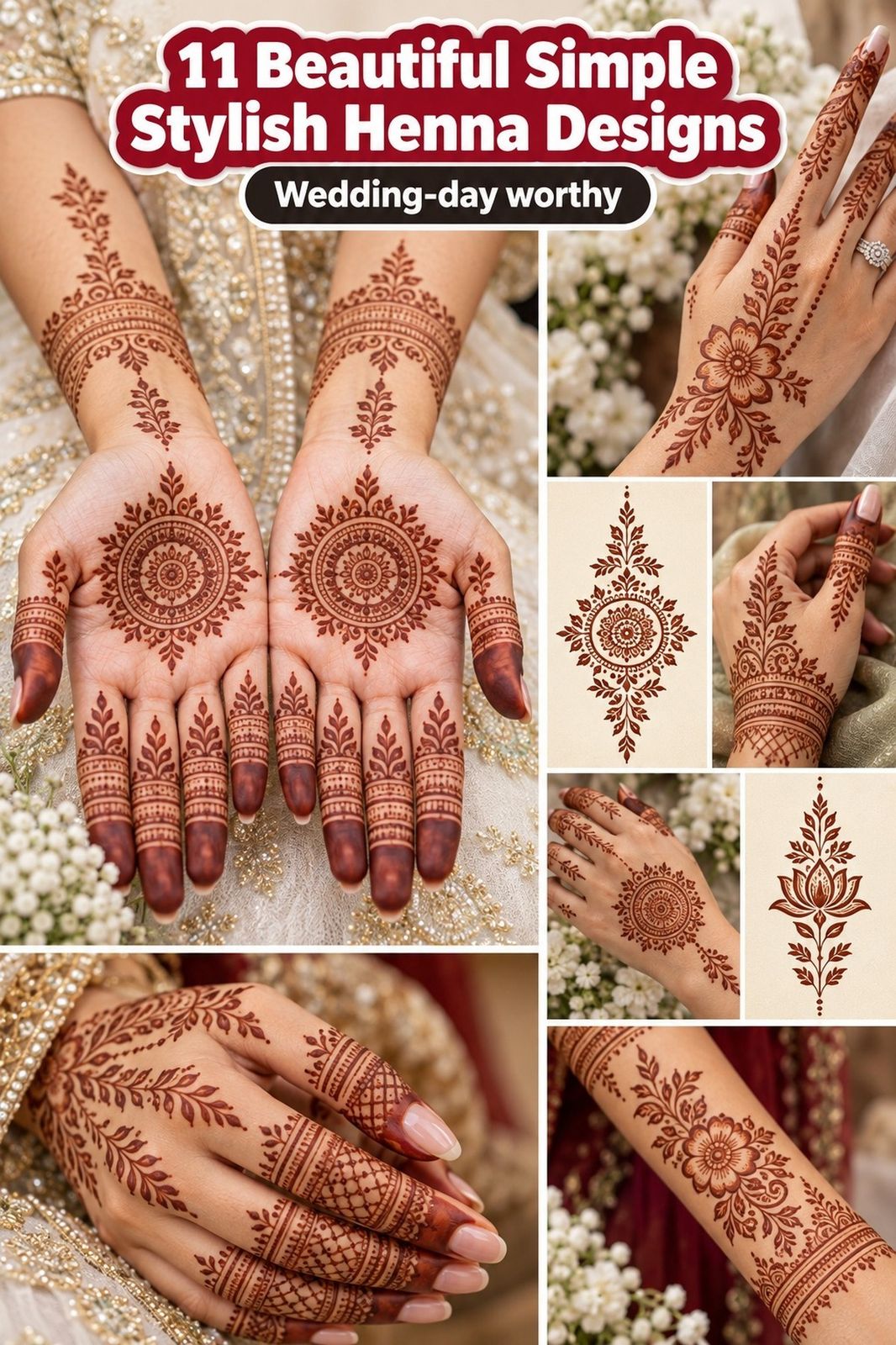
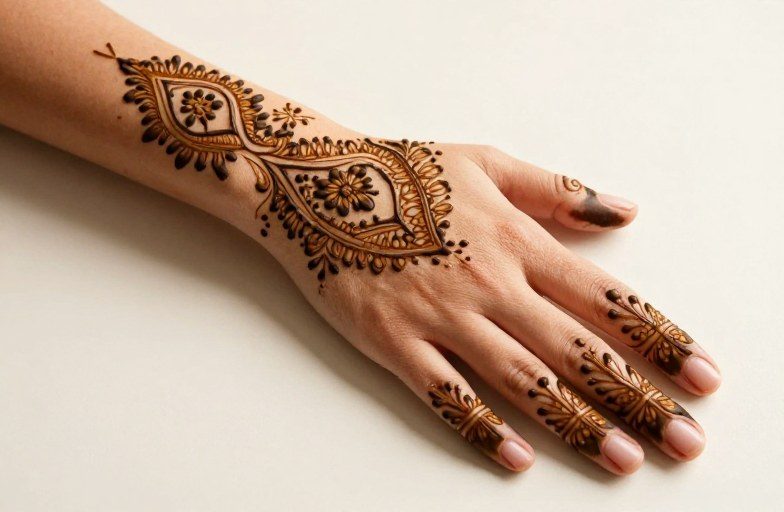
Drawing a henna tattoo means applying paste from a cone or bottle to create temporary, stain-based body art that lasts one to three weeks. You’ll squeeze the paste in controlled lines, let it dry, then flake it off to reveal an orange-brown stain that darkens over 48 hours. The skill lies in consistent pressure, steady hand movement, and understanding how the paste behaves on skin.
Common Mistakes
Most home henna disasters come from rushing the basics. The paste consistency matters more than artistic talent, too thick and lines break; too thin and it bleeds into fine lines you never intended.
Wrong Paste and Cone Control
Pre-mixed cones from import stores often contain chemical additives like PPD that cause blistering reactions. Seek out fresh, natural paste with henna powder, lemon juice, sugar, and essential oils. When filling your own cone, snip the tip to match your design scale: about 1mm for fine lines, 2-3mm for bold fills. Hold the cone like a pencil, not a syringe, your thumb and fingers roll the top to push paste down, rather than squeezing from the middle which causes explosive bursts.
Ignoring Skin Prep and Timing
Clean skin with plain soap, no lotion residue. Henna binds to keratin; oils create a barrier. Drawing on freshly exfoliated skin yields a lighter stain. Apply in the evening so the paste can set overnight, six to eight hours of contact time produces the deepest color. Wrapping with medical tape or tissue keeps the paste intact while you sleep.
- Drawing on hands then immediately washing dishes
- Scraping off paste before it’s fully dry (crumbles, doesn’t smudge)
- Adding lemon-sugar sealant too wet, dissolves the design
- Expecting instant dark color; stain develops over two days
Healing Timeline
Henna doesn’t wound the skin, but the stain undergoes its own maturation process that mimics tattoo healing in some ways. Understanding this prevents panic and preserves results.
The First 48 Hours
Once you flake off the dried paste (never wash it off with water), you’ll see a pale orange mark. This disappoints first-timers who expected instant mahogany. The stain oxidizes and darkens through the first two days, hitting peak color around 48 hours. Avoid water contact during this window, shower with gloves if the design is on hands.
Days Three to Fourteen
The stain gradually fades as your skin exfoliates. Palms and soles, with their thicker keratin layers, hold color longest, sometimes three weeks. Inner wrists, backs of hands, and arms typically show noticeable fading by day ten. The fade isn’t uniform; high-friction areas lighten first. This is normal, not a sign you did something wrong.
Realistic Expectations
Henna offers something permanent tattoos cannot: complete impermanence. But that same quality means limitations. The color range stays within orange-brown to deep burgundy on most skin tones. Black “henna” is a misnomer, it’s usually indigo or dangerous chemicals.
Line precision depends heavily on your dominant hand. Drawing on your own left forearm with your right hand? Manageable. A full mandala on your own right shoulder? Nearly impossible without a mirror setup and serious shoulder flexibility. Design complexity should match your reach and your practice level.
Skin chemistry affects results dramatically. Some people stain deep chocolate brown; others peak at pumpkin orange. Medications, skin pH, and even menstrual cycle timing can shift your outcome. One application is not a reliable predictor of the next.
When to See a Professional
Professional henna artists earn their rates through paste consistency knowledge, design fluency, and speed. A skilled artist completes an elaborate bridal hand in 45 minutes that might take you six hours with breaks.
Events and Scale
Weddings, Eid celebrations, or any event where photographs matter warrant professional application. They bring consistent paste, know how to adapt designs to your specific hand shape, and can work on multiple guests efficiently. For personal experimentation, home application suffices.
Reaction Concerns
Itching, burning, or spreading redness during or after application signals a reaction. Rinse immediately with cool water. Professionals carry liability insurance and use tested ingredients; home paste sources vary. If blistering develops, that demands medical attention, not a return to the artist.
Cost Factors
DIY henna runs cheap: $10-20 for quality henna powder, lemon juice, sugar, and oils yielding multiple sessions. Pre-made natural cones from reputable suppliers cost $3-8 each. The investment is time, learning to roll cones, mixing paste, and building hand steadiness.
Professional pricing varies by region and occasion. Simple hand designs might run $15-40. Full bridal applications with both hands and feet can reach $200-500, often including a trial session. Festival or party rates typically charge per person with minimums.
- Design complexity and coverage area
- Artist experience and speed
- Travel requirements for private events
- Paste quality (natural vs. organic sourcing)
- Peak season demand (wedding season, holidays)
Tips From the Chair
Steady hands come from your whole body, not just fingers. Brace your elbows on a table. Breathe out while drawing lines, most people hold breath and tense, creating shakiness. Practice on paper with a fine-tip marker first; the motion translates directly.
Building Your Design Vocabulary
Start with repeating elements: dots, teardrops, vines, simple geometric borders. Combine these rather than attempting freehand complex figures immediately. Traditional Indian, Arabic, and Moroccan styles each have distinct visual grammars, dots and paisleys versus flowing floral lines versus geometric tessellations. Pick one tradition to study rather than mashing aesthetics randomly.
Aftercare That Actually Matters
Keep the paste on as long as tolerable, minimum four hours, ideally overnight. Once removed, avoid water for 12 hours if possible. Apply a thin layer of natural oil (coconut, olive) before showering to create a water barrier. No scrubbing, no exfoliating products on the area. The stain lives in the dead skin layer; preserve it by treating that skin gently.
Final Thoughts
Drawing henna well rewards patience over talent. Your tenth cone will look dramatically better than your second. The temporary nature invites experimentation without the weight of permanence, but that same quality means accepting imperfect lines and uneven fades as part of the medium. Start small, prioritize paste quality, and let the stain teach you what your skin does with this ancient dye.
Frequently Asked Questions
How long should I leave henna paste on my skin?
Leave natural henna paste on for at least six hours, ideally overnight while sleeping. The longer the paste stays in contact with your skin, the deeper the stain will develop. Cover it with tissue and medical tape to protect the design.
Can I use black henna for a darker tattoo?
Avoid so-called black henna, which typically contains PPD or other chemical additives that can cause severe blistering and permanent scarring. Natural henna ranges from orange to deep brown only. Indigo can create darker tones safely when mixed properly.
Why did my henna turn out orange instead of brown?
The stain oxidizes over 48 hours, starting pale orange and darkening to brown. If it stays orange, your paste may be old, the skin wasn’t clean, or the paste was removed too soon. Fresh paste and longer contact time solve most color issues.
How do I keep henna from smudging while it dries?
Apply a lemon-sugar sealant once the paste surface has dried for 30 minutes, this keeps the paste stuck to skin. Stay still while drying, and wrap designs with breathable material before sleeping. Avoid touching the paste until it fully crumbles on its own.