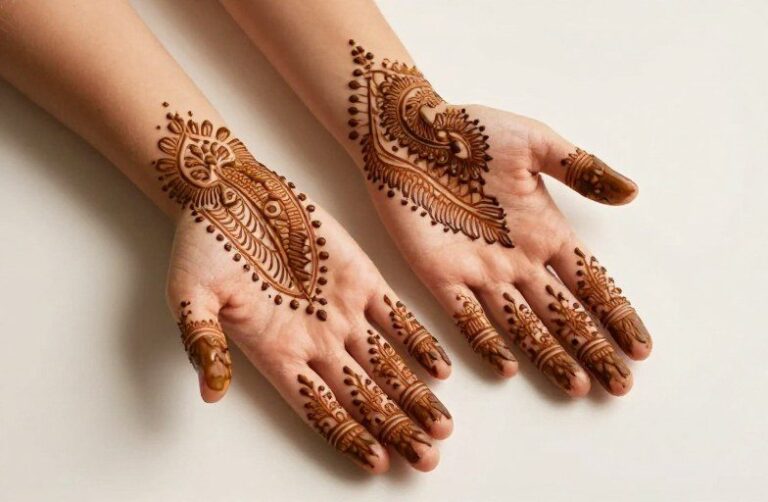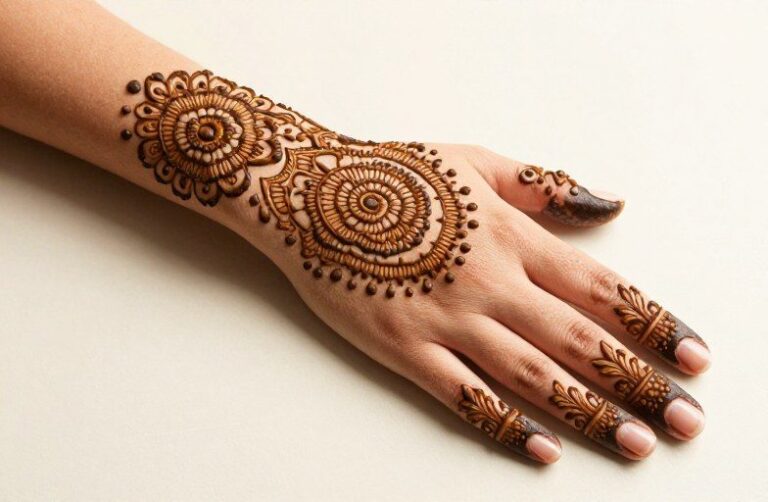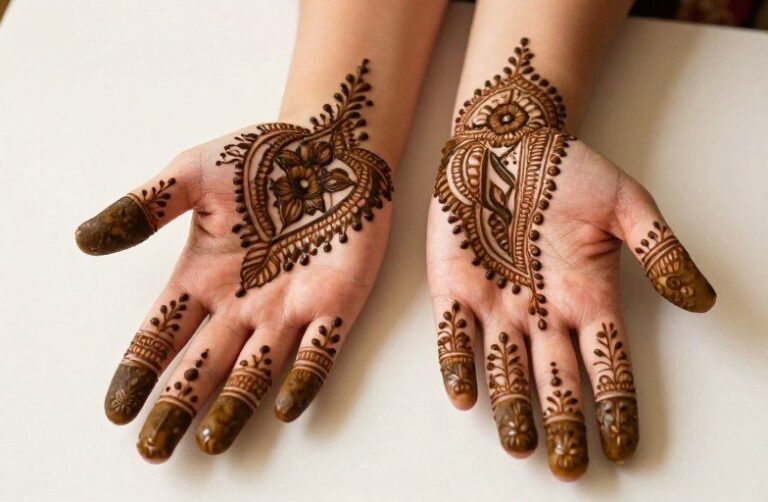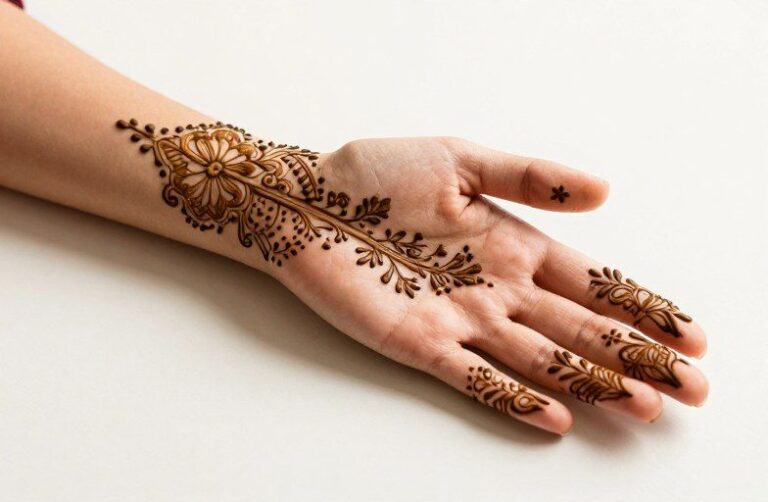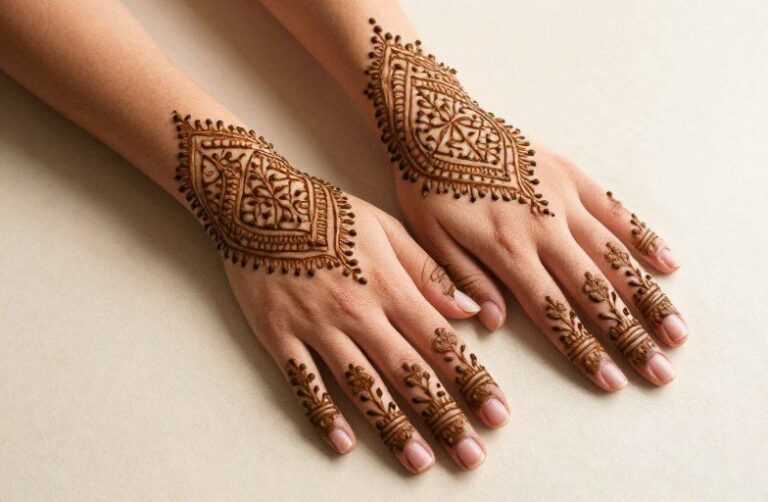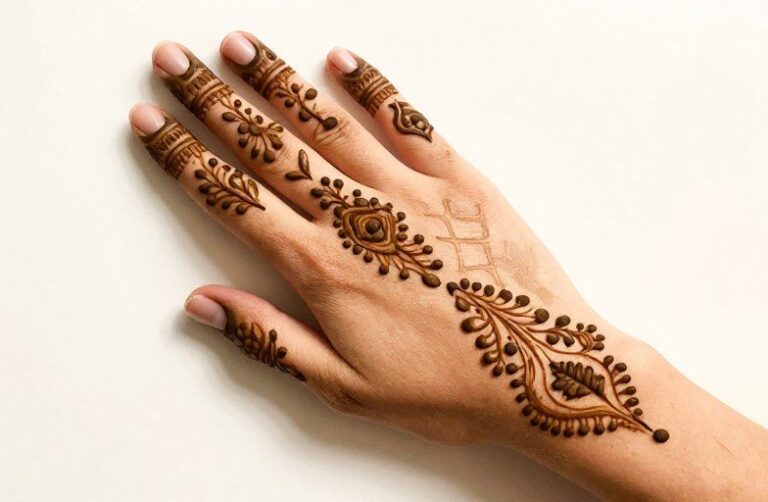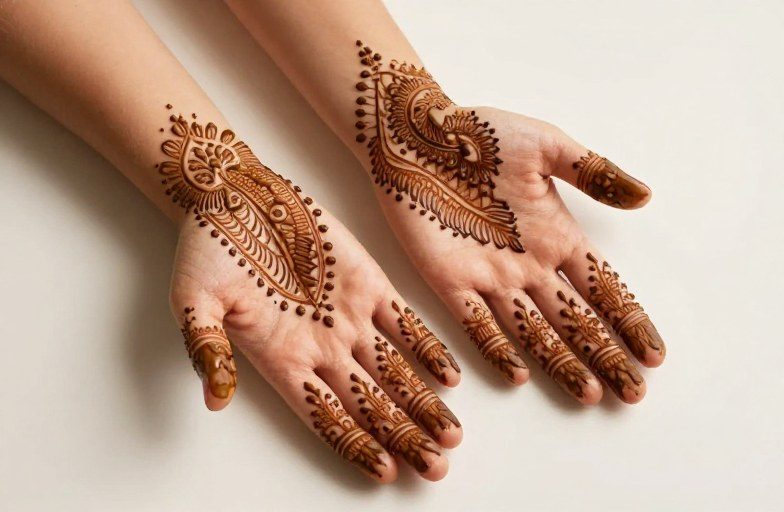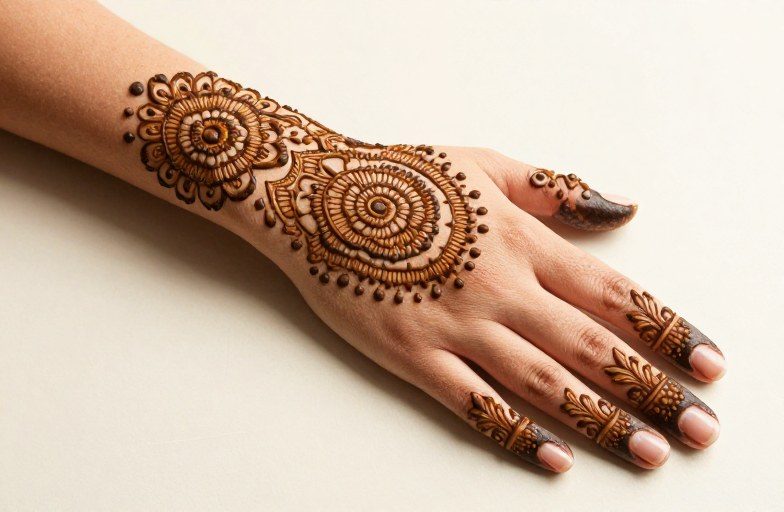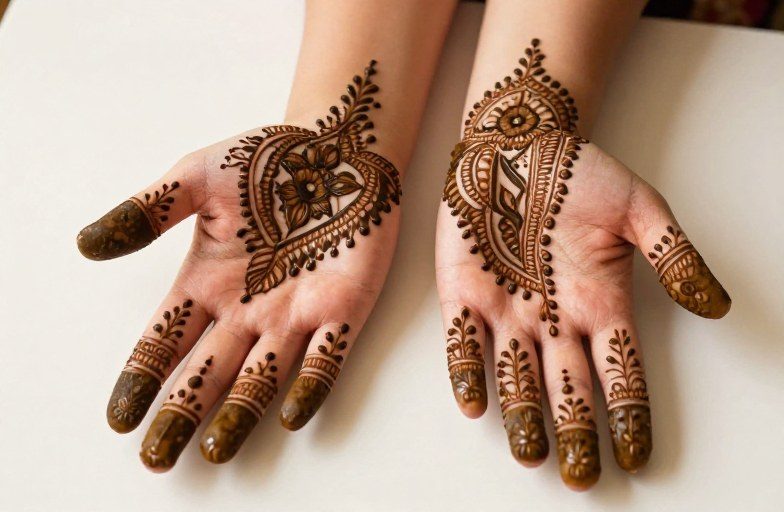
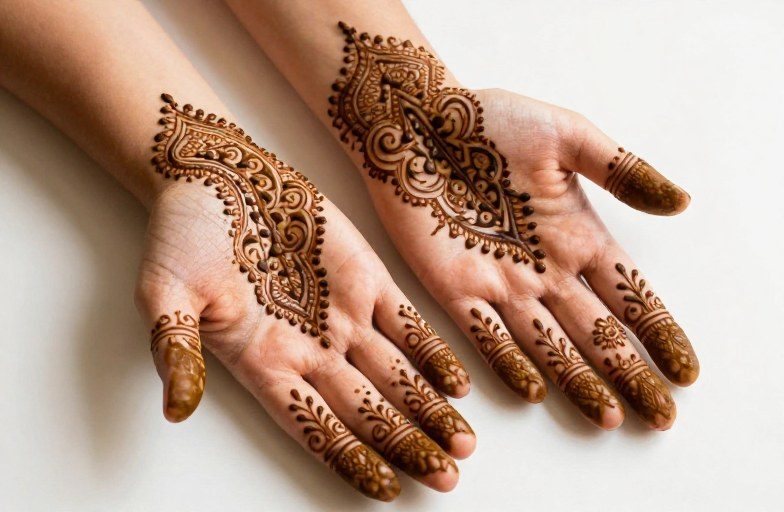
A henna tattoo usually lasts between one and three weeks on skin, with the deepest stain fading noticeably after about ten days. The exact duration depends on where you put it, how long the paste stays on initially, and how you treat the area afterward. Unlike permanent ink, henna sits in the top layers of skin and sheds as those cells naturally turn over.
Common Mistakes
Most premature fading comes from simple, fixable errors. Understanding what weakens the stain helps you avoid the disappointment of a design that disappears in days instead of weeks.
Washing Too Soon
Scrubbing the paste off early is probably the biggest killer of longevity. The dye molecule, lawsone, needs hours to migrate from the paste into the keratin of your skin. Rinsing after two or three hours gives you a faint orange mark that might vanish within days. For the darkest, longest-lasting result, the dried paste should stay on a minimum of six hours, and many experienced practitioners leave it overnight.
Wrong Placement
Areas with thick, calloused skin hold henna far better than thin or oily zones. Palms and soles stain deepest and last longest because the stratum corneum is thickest there. Fingers, backs of hands, and wrists give moderate results. The face, chest, upper arms, and legs often yield lighter stains that fade faster. Putting henna on your upper back or shoulders and expecting two weeks of bold color usually leads to disappointment.
- Water exposure: swimming, long baths, and dishwashing without gloves strip color fast
- Exfoliation: scrubs, chemical exfoliants, and shaving the area accelerate fading
- Heat and sweat: saunas and intense workouts can soften and lift the stain early
- Low-quality paste: pre-mixed cones with chemical additives often stain poorly and unpredictably
Healing Timeline
Henna does not “heal” like a broken skin tattoo, but it does go through distinct phases as the color develops and then degrades. Knowing this timeline sets realistic expectations and prevents panic when the orange paste first rinses away.
First 48 Hours
After you scrape off the dried paste, the stain appears light orange. Over the next day and a half, it darkens to a rich reddish-brown as the lawsone oxidizes and reacts with air. This darkening is normal and expected. Avoid moisturizing during this window; oils can block oxidation and keep the final color lighter than it could be.
Days 3 Through 10
This is peak color. The stain sits at its darkest brown or near-black on palms, a warm mahogany on hands, and lighter tones on arms or legs. During this period, minimize water contact. Pat dry rather than rub after washing, and keep the area out of chlorinated pools and hot tubs. The color remains relatively stable but begins very gradual fading as skin cells start their natural shedding cycle.
Days 11 to 21
Fading becomes visible. The stain turns patchy, lighter, and slightly orange again as the dyed skin cells exfoliate. On thick-skinned areas like palms, you might still see faint traces at three weeks. On thinner skin, the design may be nearly gone by day fourteen. There is no way to stop this; it is simply biology.
When to See a Professional
Most henna application happens at home or at festivals, but certain situations warrant finding an experienced artist or, in rare cases, medical attention.
Allergic Reactions
True henna, made from Lawsonia inermis leaves, rarely causes allergies. The bigger risk is “black henna,” a paste adulterated with paraphenylenediamine (PPD), the same chemical in dark hair dyes. PPD can cause severe blistering, chemical burns, and permanent scarring. If a paste turns black almost immediately on skin, or if the artist promises a black stain that lasts weeks, walk away. Seek medical care for intense burning, blistering, or swelling within 24 hours of application.
Poor Technique or Staining
If your home application resulted in blotchy, uneven lines or the color vanished in two days, a professional can assess whether the paste quality, application method, or aftercare was at fault. Some artists specialize in bridal or festival henna and understand how to build paste consistency, control line weight, and advise placement for maximum longevity.
What to Expect Step by Step
Knowing the full process from mixing to fade helps you plan timing for events and avoid surprises.
Fresh henna paste mixes henna powder with lemon juice, sugar, and essential oils like tea tree or lavender. The mixture rests for dye release, usually several hours, then goes into a cone for application. The artist draws the design directly onto clean, dry skin. The paste dries over 20-30 minutes, then cracks as you move. A sugar-lemon sealant sometimes goes over the top to keep the paste stuck to skin longer.
After the recommended wait time, six to twelve hours is standard, you scrape off the bulk without water. The orange residue left behind is the developing stain. Over 24-48 hours, it darkens to its final color. From there, normal skin turnover takes over. The design fades progressively, not all at once, which means edges soften first while centers hold longer.
- Day 0: paste applied, dries, stays on skin for hours
- Day 1: paste removed, light orange stain visible
- Day 2: color darkens to final brown tone
- Days 3-10: peak visibility and depth
- Days 11-14: noticeable fading, patchiness begins
- Days 15-21: faint remnant or fully gone, depending on placement and care
Tips From the Chair
These practical adjustments come from artists who have applied thousands of designs and watched how they wear.
Before Application
Exfoliate the area gently 24 hours beforehand, not the day of. Fresh, smooth skin takes stain more evenly than skin with built-up dead cells or residue from lotions. Avoid moisturizing the day before and day of application. Clean skin with mild soap, dry thoroughly, and do not apply oils, sunscreen, or deodorant to the area.
After Paste Removal
Scrape, do not wash. A butter knife, old credit card, or fingernail works. Keep the area dry for the first 24 hours if possible. Apply a thin layer of natural oil, coconut, olive, or henna aftercare balm, only after the color has fully developed on day two or three. This creates a moisture barrier against water and friction without blocking the initial oxidation.
For sleeping with fresh paste, wrap loosely in toilet paper or tissue, then cover with a sock or glove for hands, or a loose cotton sleeve for arms. The tissue absorbs paste crumbles and protects bedding. Do not use plastic wrap directly on skin; it traps sweat and can smudge the design.
Cost Factors
Henna pricing varies widely by region, artist experience, and design complexity. Understanding what drives cost helps you budget appropriately and recognize when a price seems suspiciously low.
Festival or beach henna often runs $10-30 for simple hand designs, applied quickly with pre-made cones. Private appointments with established artists range from $50-150 per hour, with intricate bridal work on both hands and feet potentially reaching several hundred dollars. The paste itself is cheap; you are paying for the artist’s steady hand, design knowledge, and understanding of how to make the stain last.
Extremely low prices sometimes signal old, poorly stored paste or chemical additives meant to force a dark stain quickly. Fresh, natural henna mixed that week costs more than year-old powder or mass-produced cones with undisclosed ingredients. Ask when the paste was mixed and what is in it. A trustworthy artist answers directly.
Final Thoughts
Henna offers a temporary, painless way to wear detailed body art without needle commitment. The one-to-three-week lifespan is not a flaw; it is the nature of a dye that interacts with living skin rather than sitting permanently beneath it. With proper placement, patience during the initial wait, and gentle aftercare, you can push toward the longer end of that range. Choose your artist carefully, respect the process, and enjoy the design while it lasts, knowing that its impermanence is part of the point.
Frequently Asked Questions
Can I make a henna tattoo last longer than three weeks?
Not really. The stain lives in dead skin cells that naturally shed. On thick skin like palms, you might see faint traces near three weeks, but biology sets the limit. Focus on dark initial staining and gentle care rather than hoping for permanence.
Why did my henna turn orange instead of brown?
You likely washed the paste off too soon, used old or low-quality paste, or applied it to thin, oily skin. True henna always starts orange and darkens over 24-48 hours. If it stayed orange, the lawsone did not have enough time or quality to fully develop.
Is black henna safe if I want a darker stain?
No. “Black henna” usually contains PPD, a chemical linked to severe allergic reactions and permanent scarring. Natural henna ranges from orange to deep reddish-brown. Anyone promising black results that last weeks is using dangerous additives.
Should I get henna before a beach vacation?
Timing matters. Apply henna at least two days before heavy water exposure so the stain fully develops. Once darkened, coat the design with oil before swimming and rinse with fresh water after. Even with care, salt water and sun will accelerate fading.