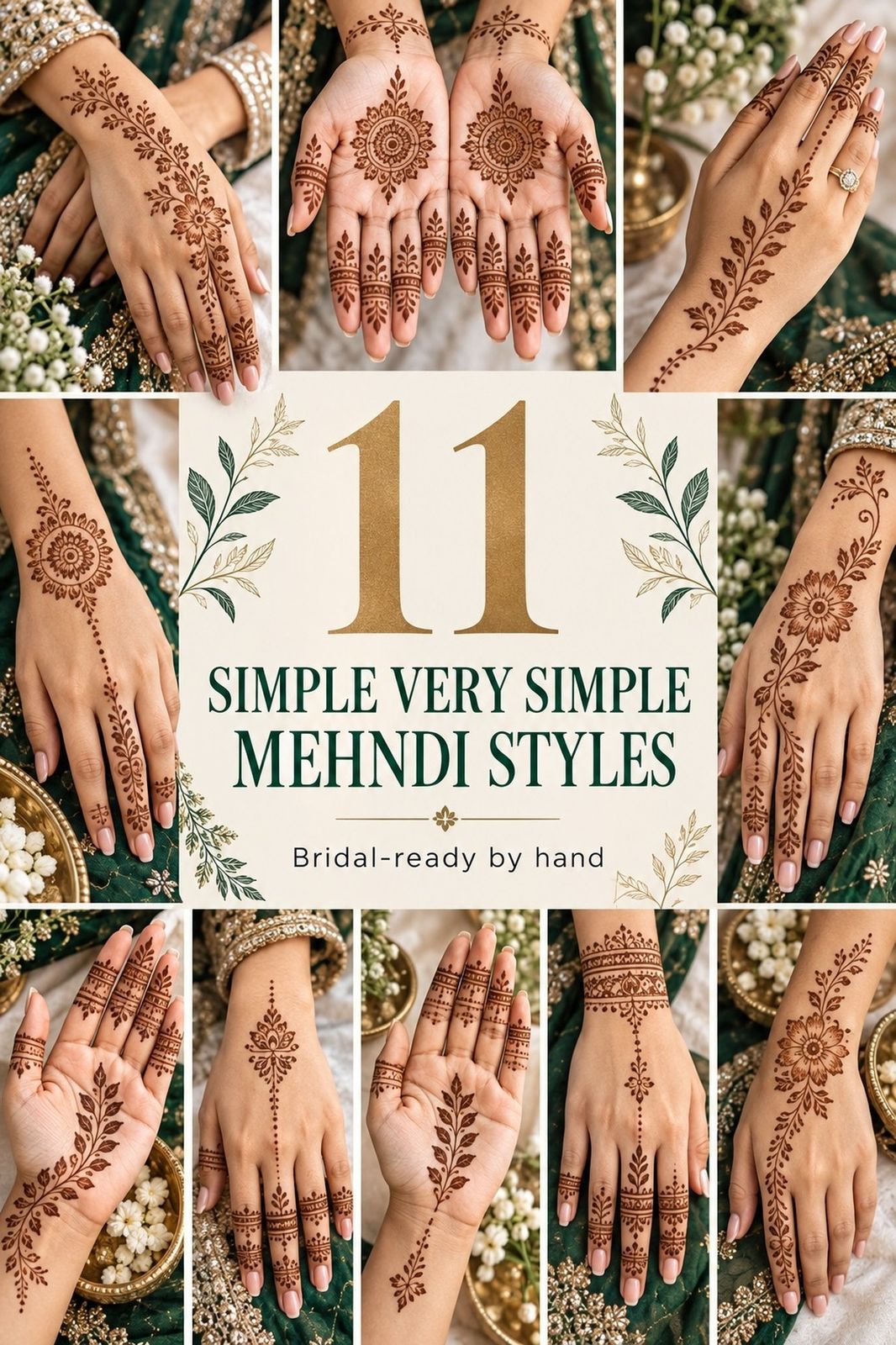
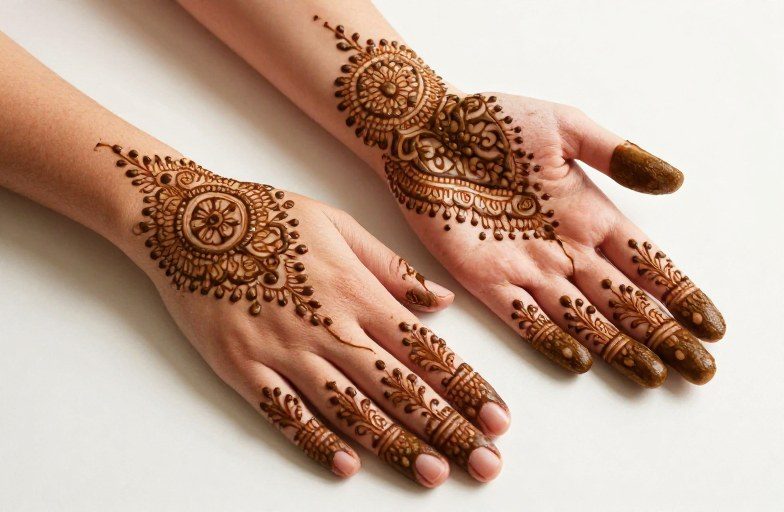
Natural henna, made from the Lawsonia inermis plant, is generally considered safe for pregnant women when applied to the skin by a skilled artist using pure ingredients. The real danger lies in so-called “black henna” or any mix containing paraphenylenediamine (PPD), a hair dye chemical that can cause severe allergic reactions and scarring. If you are pregnant and considering henna, the focus should be on ingredient verification, artist qualification, and timing within your pregnancy, not on avoiding henna altogether.
When to See a Professional
Not all henna artists are equal, and pregnancy raises the stakes for getting this right. A professional who understands prenatal application is worth seeking out specifically, not just whoever is available at a festival or beach boardwalk.
What to Ask Before Booking
Start with ingredient transparency. The artist should be able to tell you exactly what is in their paste: Lawsonia inermis powder, lemon juice or tea, sugar, and essential oils. Some essential oils, particularly clove, nutmeg, and cinnamon, are not recommended during pregnancy, so ask which ones they use. Lavender and tea tree are generally considered safer options in the small amounts present in henna paste, but verify this with your own comfort level.
Request photos of healed results and fresh application. The paste should look brownish-green, not jet black. Black paste signals PPD, which is never safe and especially risky during pregnancy when immune responses can be unpredictable.
Red Flags That Should Send You Walking
- “Black henna” advertised anywhere on their materials
- Vague answers about ingredients or sourcing
- Premixed cones from unknown manufacturers (common in import shops)
- Pressure to decide immediately at events or markets
- No portfolio of work on actual skin
A reputable artist will welcome your questions, especially about pregnancy. Anyone who seems annoyed or dismissive is not someone you want applying anything to your body right now.
Pain & Comfort
Henna application itself is painless. The paste sits on the skin surface; there are no needles, no broken skin, no bleeding. For pregnant women, this is part of the appeal, decorative body art without the physical stress of a needle tattoo.
Comfort issues during pregnancy are more about positioning and duration. A belly piece requires lying on your back or side for an hour or more, which becomes uncomfortable or inadvisable in later trimesters for some women. Back pieces mean sitting still with forward pressure. Hand and foot designs are more manageable but still require patience as the paste dries and sets.
Room temperature matters too. Henna releases dye more effectively with warmth, but overheating is not comfortable during pregnancy. A skilled artist works in a climate-controlled space and won’t rush the process with heat lamps or other shortcuts that could make you dizzy or nauseated.
Common Mistakes
Misinformation about henna during pregnancy runs in both directions, some sources blanket-ban it, others treat all henna as harmless. Neither extreme helps you make a good decision.
Assuming “Natural” Labels Mean Anything
The word “natural” is unregulated in cosmetics. A cone labeled natural henna can still contain PPD, metallic salts, or other additives. The only reliable verification is ingredient disclosure from the artist themselves, ideally with batch information from their supplier.
Getting Henna Too Late in Pregnancy
Many women want belly henna for maternity photos, typically done around 32-36 weeks. This timing is generally fine for natural henna, but consider your own mobility and comfort. A massive design that takes three hours to apply and six hours to set becomes impractical when you need bathroom breaks every forty minutes. Smaller, simpler designs on hands or feet offer more flexibility.
Confusing Henna with Jagua or “White Henna”
Jagua (from the Genipa americana fruit) is sometimes marketed as a black-natural alternative. It is not henna, and its safety during pregnancy has not been established. “White henna” is typically body paint or adhesive with no actual henna content. Neither carries the same track record as traditional Lawsonia inermis.
What to Expect Step by Step
Understanding the full timeline helps you plan, especially when pregnancy already demands so much scheduling around energy levels and appointments.
Consultation: Discuss design size, placement, and ingredients. This can happen by message or in person. Pregnancy is a good reason to be more thorough than usual.
Application: The artist draws the design with a cone or jac bottle, working from a template or freehand. Skin should be clean, without lotions or oils that block dye absorption. A small belly design takes 20-30 minutes; an elaborate full-belly piece can run 1-2 hours.
Drying and Setting: The paste hardens and cracks as it dries. You will need to keep it intact for 4-6 hours minimum, ideally 8-12 hours for the darkest stain. This means limited movement, no bending that cracks the design, and protection from accidental contact with clothing or furniture.
Scraping and Reveal: The dried paste flakes off, leaving an orange-yellow stain that looks too light. This is normal. Over 24-48 hours, oxidation darkens it to reddish-brown.
Peak and Fade: Color peaks around day two or three, then gradually fades as skin exfoliates. On palms and soles, where skin is thickest, stains last 1-2 weeks. On the belly or back, expect 5-10 days.
Aftercare Essentials
Aftercare for henna is simpler than for a permanent tattoo but still matters for color development and longevity.
The First 24 Hours
Keep the area warm but not hot. A loose cotton wrap can protect the design without smothering it. Avoid water completely, no showers over the design, no dishes if it is on your hands. The dye needs uninterrupted time to migrate into the upper skin layers.
After scraping off dried paste, a thin layer of natural oil (coconut, olive, or a balm the artist recommends) helps protect the stain. Do not use petroleum-based products, which can interfere with oxidation and darken unevenly.
Extending the Life of Your Stain
- Minimize water exposure; when necessary, pat dry rather than rub
- Avoid exfoliating products, chlorine pools, and harsh soaps on the area
- Apply light oil daily to slow natural exfoliation
- Accept that palms and soles will fade faster due to constant skin turnover
During pregnancy, your skin may be more sensitive or prone to dryness. This does not usually affect henna staining, but keeping skin moisturized in the days before application helps even absorption.
Realistic Expectations
Henna is temporary, which is the point for many pregnant women who want celebration without permanence. But temporariness also means accepting limitations.
Color varies by individual skin chemistry, body temperature, and placement. The same artist, same paste, same design will look different on two people. On pregnant bellies, where skin is stretched and blood flow increased, stains sometimes develop faster but may also fade unevenly as the skin continues to change.
Design precision is harder on curved, moving surfaces. A belly henna will not look like a flat illustration; it adapts to your body, which is part of its character but worth knowing if you expect photographic perfection.
Cost ranges widely by region and artist reputation. Simple hand designs might run $30-60. Elaborate belly pieces from experienced artists can reach $150-300 or more. Pregnancy-specific experience may command a premium; this is usually worth paying for the peace of mind.
Final Thoughts
Natural henna during pregnancy is a reasonable choice when you verify ingredients, choose a qualified artist, and plan around your own comfort and schedule. The risks are not in the henna plant itself but in adulterated products and careless application. Your job is to be more selective than you might be otherwise, which is good practice for the decisions ahead.
Trust your body. If something feels off about the paste, the space, or the artist, walk away. There will always be another opportunity, and the best henna experience is one you feel fully good about, especially now.
Frequently Asked Questions
Can I get henna on my belly in the third trimester?
Yes, natural henna on the belly is generally considered safe in the third trimester. Choose a design size you can comfortably sit or lie still for, and plan bathroom breaks before the artist starts. Some women find lying flat uncomfortable by 36 weeks, so mention this when booking.
Why did my henna turn black instead of brown?
True henna stains reddish-brown, not black. If the paste or immediate stain looks black, it likely contains PPD, a hair dye chemical that can cause severe burns and allergic reactions. Remove it immediately and do not use that artist again.
Do I need to check with my doctor before getting henna while pregnant?
Most healthcare providers are comfortable with natural henna during pregnancy, but checking never hurts, especially if you have skin conditions, allergies, or are high-risk. Bring ingredient information if you have it, since doctors often worry about PPD adulterants, not the henna plant itself.
Can I use henna to cover stretch marks?
Henna can be applied over stretch marks, but the stain may develop unevenly because the skin texture and thickness differ. Some artists have specific techniques for this; ask if they have experience with scarred or stretched skin before booking.