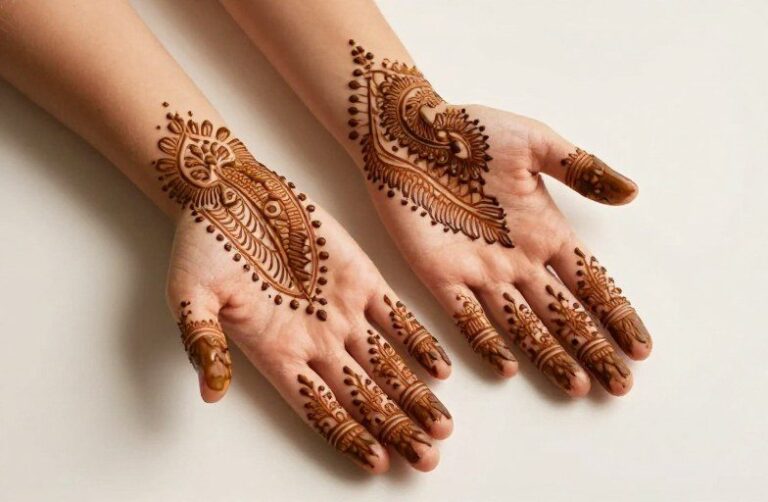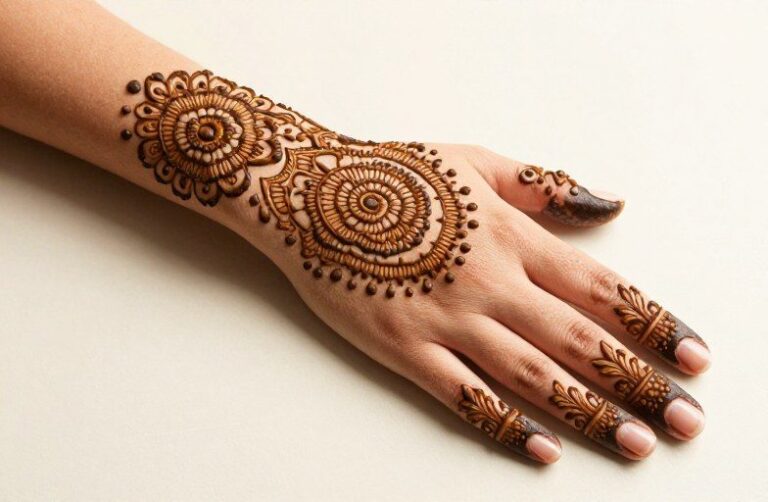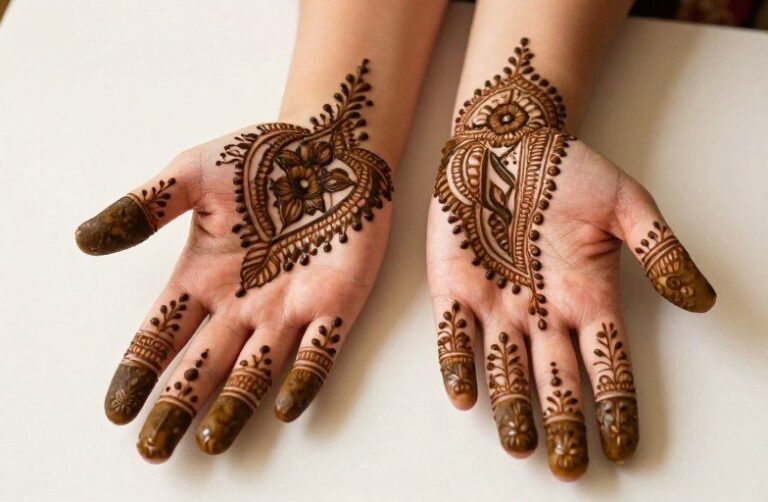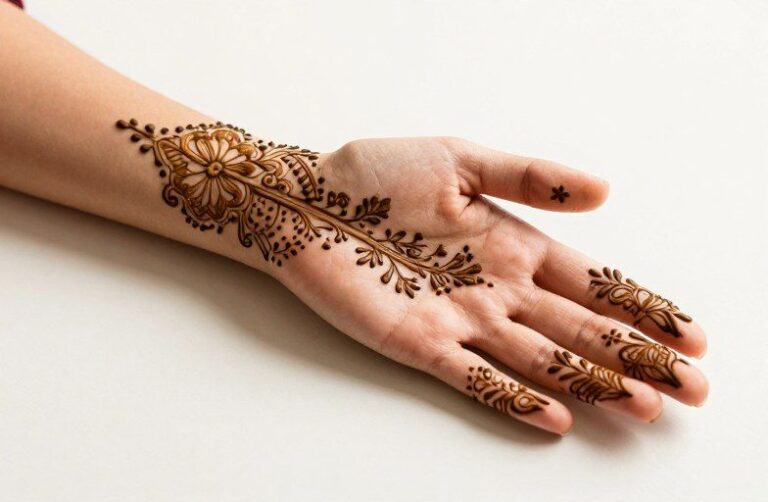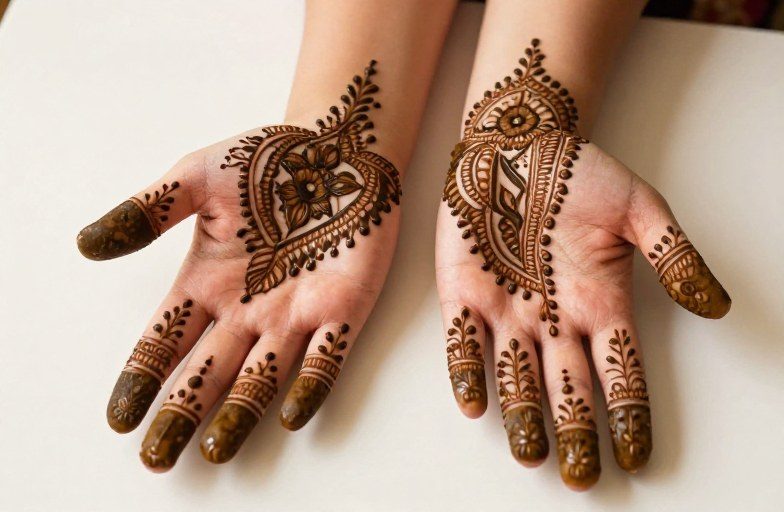
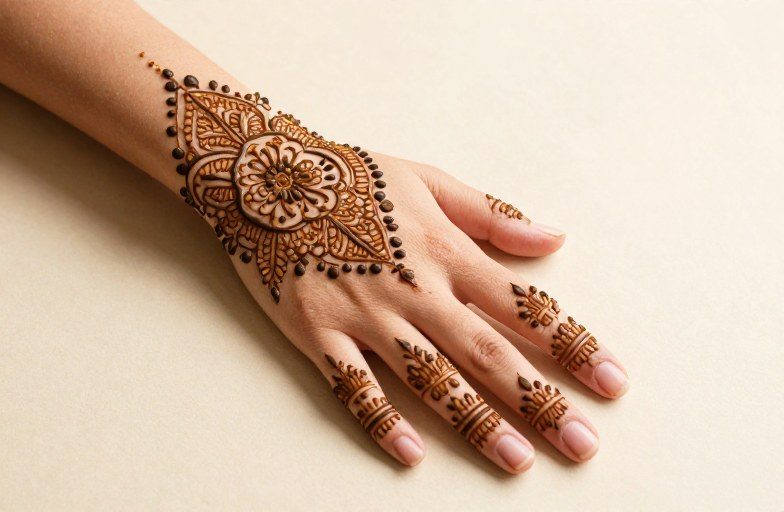
Henna tattooing is a skill you can build at home with minimal investment, though it demands patience and deliberate practice. Start with pre-mixed natural henna paste to learn cone pressure and line flow before attempting to mix your own powder. Expect your first dozen attempts to look uneven, control comes from repetition, not talent.
The Direct Answer
What “Learning Henna” Actually Means
There’s no formal licensing for henna like there is for permanent tattooing, so “learning” breaks into three practical stages: understanding the material, training your hand, and developing design fluency. Natural henna (lawsonia inermis) stains skin orange-brown through a lawsone reaction with keratin. This is fundamentally different from “black henna” containing PPD, a hair dye chemical that can scar. Real henna is always some shade of brown, never jet black immediately.
Your first purchases should be: a 10-20 cone pack of reputable natural henna, practice sheets of glass or Mylar, a design reference book focused on regional styles you want to learn, and a cheap kitchen scale for eventual mixing. Total startup cost: $30-50.
Time to Basic Competency
Most people can produce recognizable, even patterns after 20-30 hours of focused practice. That’s not 20-30 casual applications, it’s deliberate work on paper, glass, or fruit skin before touching human skin. A simple floral vine with consistent line weight typically takes 6-8 weeks of regular practice to execute cleanly.
What to Expect Step by Step
Week 1-2: Cone Control
Cut your cone tip to about 1mm opening. Too large and paste blobs; too small and you strain your hand fighting pressure. Practice on glass or a ceramic tile: straight lines, curves, teardrops, and dots. The motion comes from your fingers, not your wrist, pinch and release rhythmically while your hand glides. Your lines will wobble. That’s normal. Focus on consistent paste flow first, straightness second.
- Hold the cone like a pencil but with your index finger applying top pressure
- Keep the cone tip at a 45-degree angle to the surface
- Move slower than you think, henna flows best at deliberate speed
- Practice filling shapes without gaps or overflow
Week 3-4: Basic Patterns
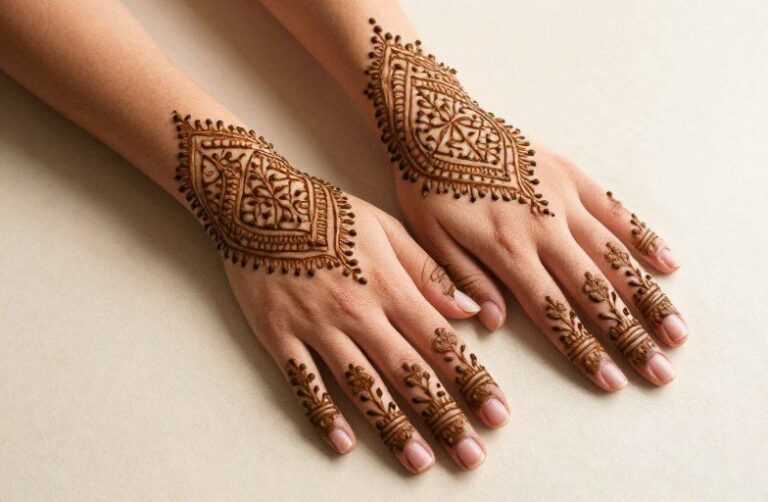
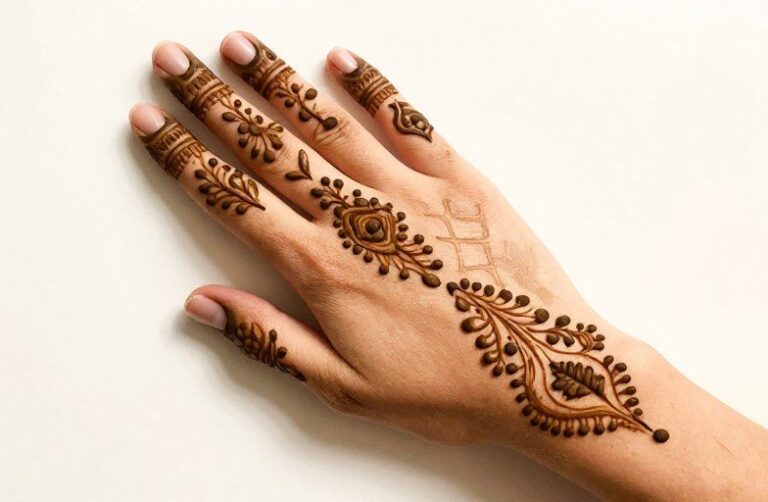
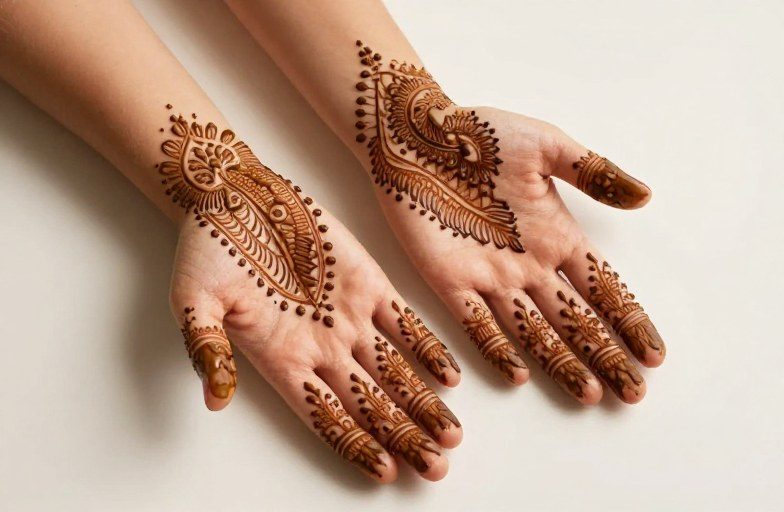
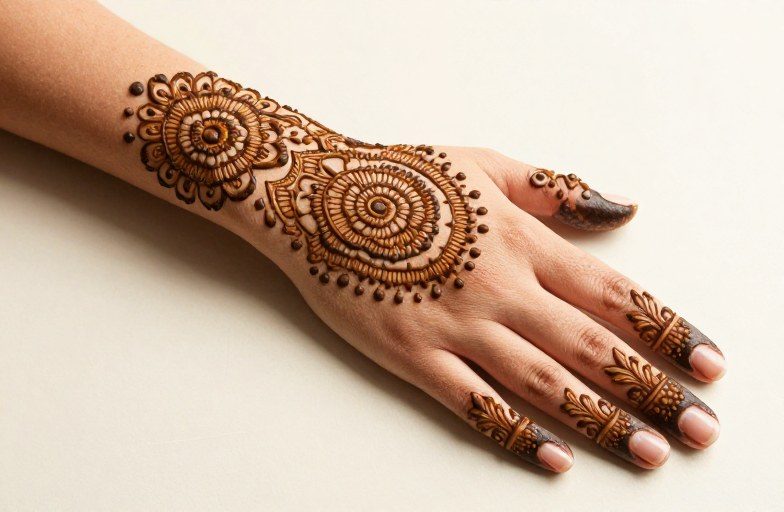
Traditional henna builds from modular elements: paisleys, florals, dots, and lines arranged in geometric or flowing compositions. Pick one style, Moroccan geometric, Indian bridal, or Arabic floral, and study its repetition rules. Moroccan work relies on symmetry and negative space; Indian bridal fills densely; Arabic favors bold outlines with sparse interior detail. Don’t mix styles randomly until you understand each structure.
Week 5-8: Skin Application
Human skin is uneven, warm, and moves. Start on the back of your own hand or inner forearm, flat, visible, and forgiving. Apply, let paste dry until it cracks slightly (15-30 minutes), then seal with lemon-sugar spray or leave alone. Scrape off; don’t wash. The stain develops over 24-48 hours, starting orange and darkening to brown. Palms and soles stain darkest due to thicker keratin; upper arms and backs stain lightest.
Common Mistakes
Material Errors
Buying “black henna” or pre-mixed cones with undisclosed ingredients is the most serious mistake. PPD-laced products can cause chemical burns and permanent scarring. Stick to suppliers who list ingredients and harvest dates, freshness matters. Henna powder loses potency after about a year. Refrigerated paste lasts 2-3 days; frozen, 2-3 months.
Another frequent error: adding too much liquid when mixing powder. The paste should hold a peak like stiff toothpaste. Runny paste bleeds into skin lines and stains fuzzy. Too thick, and it won’t extrude smoothly. Adjust with lemon juice or water in teaspoon increments.
Application Errors
- Applying too thin, henna must sit on the skin surface, not be rubbed in
- Touching the design while wet, smudging lines
- Expecting immediate dark color; patience is mandatory
- Practicing only on paper and being shocked by skin’s texture
- Ignoring aftercare: water, chlorine, and exfoliation fade stains fast
Pain & Comfort
Henna application is painless, paste sits on skin surface, no needles break skin. The sensation is cool and slightly gritty as it dries. Some people feel mild tingling from lemon juice or essential oils in the mix; this is generally harmless but rinse if it burns. The only “pain” comes from sitting still during long applications (bridal work can take 4-6 hours) or from skin pulling as paste dries and cracks.
For clients or friends, provide a comfortable seated position with the working area supported. Cramping your neck over someone’s hand for two hours teaches you why professional henna artists use armrests and good lighting. A headlamp or desk lamp with daylight temperature (5000-6500K) reveals paste color accurately.
Realistic Expectations
Stain Duration and Variables
Natural henna stains last 1-3 weeks depending on body placement, skin chemistry, and aftercare. Palms and soles: 2-3 weeks. Backs and upper arms: 5-10 days. Frequent hand-washing, dishwashing, swimming, and exfoliation shorten this. The stain doesn’t “fade” uniformly, it breaks up from edges inward, often looking patchy before disappearing.
Skin tone affects appearance, not duration. On darker skin, henna reads as a subtle warm glow rather than stark contrast. This is neither better nor worse, just different visual impact. Photos online are often filtered or taken at peak development (24-48 hours post-application), not representative of average appearance.
Skill Progression
Your tenth design will be noticeably better than your second. Your fiftieth will show rhythm and confidence. But henna has a ceiling: it’s a temporary medium with inherent limitations in detail and color range. You won’t achieve photorealism or permanent-tattoo precision. The aesthetic satisfaction comes from flowing, organic linework and the ephemeral nature of the art.
Tips From the Chair
Workspace Setup
Good henna work happens in good light with clean surfaces. Cover your table in plastic or newspaper. Keep a damp cloth and dry towel within reach, henna stains fabric permanently. Wear dark clothes. Have a small bowl of sugar-lemon sealant (1:1 ratio, applied with cotton balls) ready for when paste starts flaking.
I learned the hard way that ceiling fans ruin designs. Air movement dries paste unevenly, causing cracking and poor stain. Work in still air or use a fan pointed away from your station.
Building a Portfolio
Photograph every design at 24 hours for accurate color documentation. Natural daylight, no filters. Organize by style and complexity. This builds reference for yourself and credibility if you later charge for events. Speaking of: don’t charge until your lines are consistently clean and your stain reliably dark. Underpricing damages the market; premature charging damages your reputation.
Before You Decide
Consider whether you want henna as personal practice, occasional hobby, or event service. Each demands different investment. Personal practice needs minimal supplies and no skin beyond your own. Event work requires liability awareness, speed (15-20 minutes per basic design), and comfort with public interaction. Many cities have cultural festivals where henna artists work, attend, observe, ask questions.
Also weigh whether temporary or permanent tattooing aligns with your goals. Henna skills transfer partially to permanent tattooing, line confidence, design composition, client interaction, but machine tattooing requires separate apprenticeship, bloodborne pathogen training, and state licensing. The hand skills are cousins, not twins.
Finally, respect the cultural origins. Henna traditions span North Africa, the Middle East, and South Asia with specific ceremonial meanings. Learning the aesthetic without acknowledging the heritage is extractive. Study the history, credit your influences, and avoid claiming invented “tribal” or “fusion” styles that erase actual traditions.
Frequently Asked Questions
Can I use regular hair dye henna powder for skin designs?
Body art quality henna is sifted finer and contains higher lawsone content than hair dye grades. Hair henna often includes additives and coarser texture that produces uneven skin stains. Source powder specifically labeled for body art.
How do I fix a smudged line while the paste is still wet?
Quickly wipe the entire area with a damp cloth and restart. Partial fixes create visible seams. For small errors, you can sometimes scrape carefully with a toothpick once paste begins to set, but prevention through steady hand positioning matters more.
Why does my henna stain orange instead of brown?
Immediate orange color is normal and develops to brown over 24-48 hours. If it stays orange, your paste may be old, your application too thin, or your aftercare too wet. Check powder freshness and avoid washing the area for 12 hours post-application.
Is it safe to do henna on children?
Natural henna is generally considered low-risk for children over six, but patch test first. Never use on infants or anyone with G6PD deficiency. Avoid hands of young children who might ingest paste. Supervise constantly to prevent PPD exposure from unknown products.