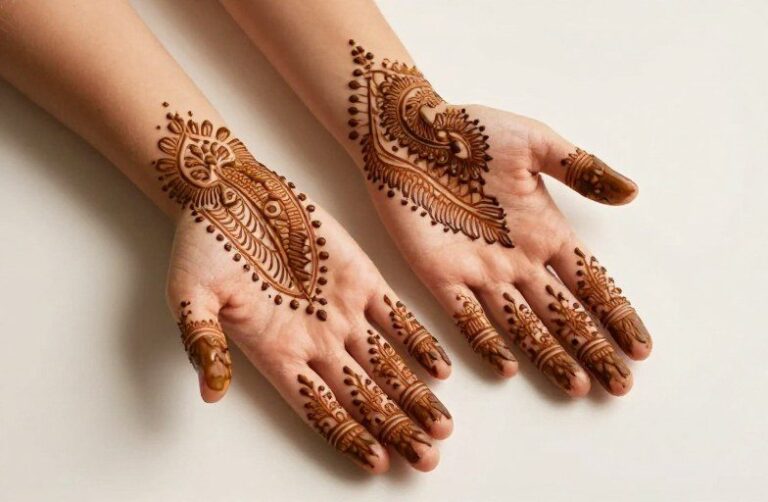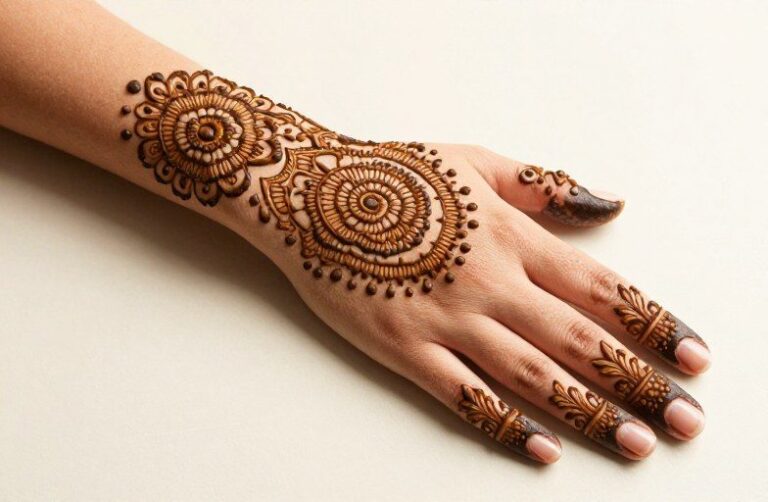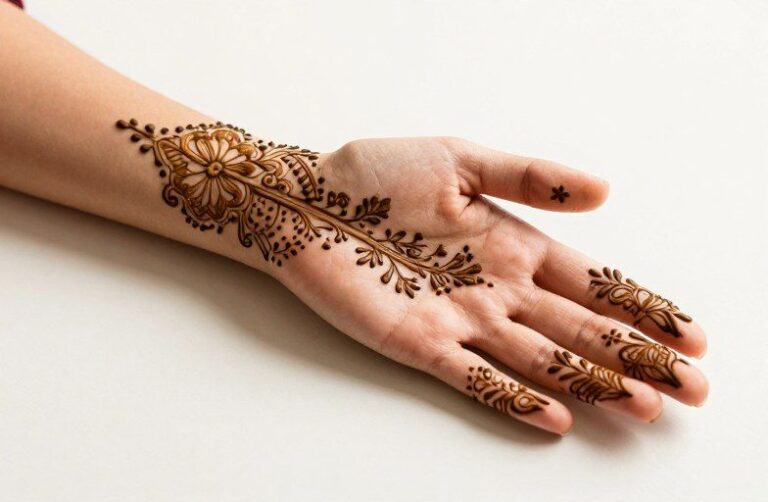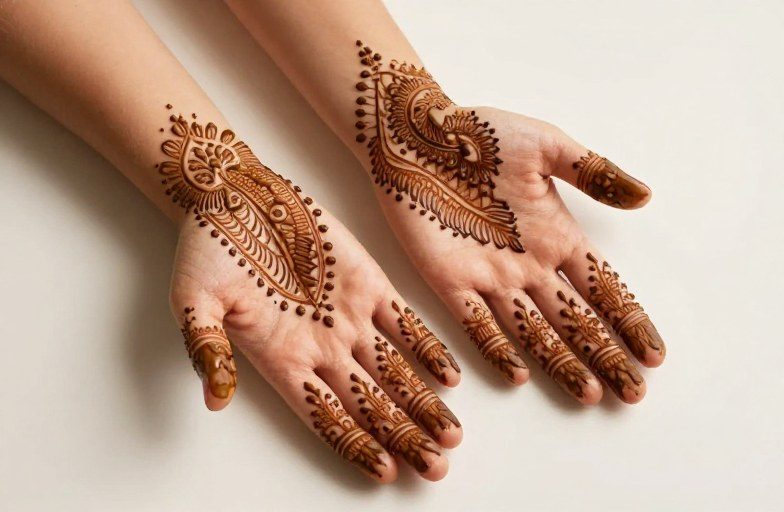
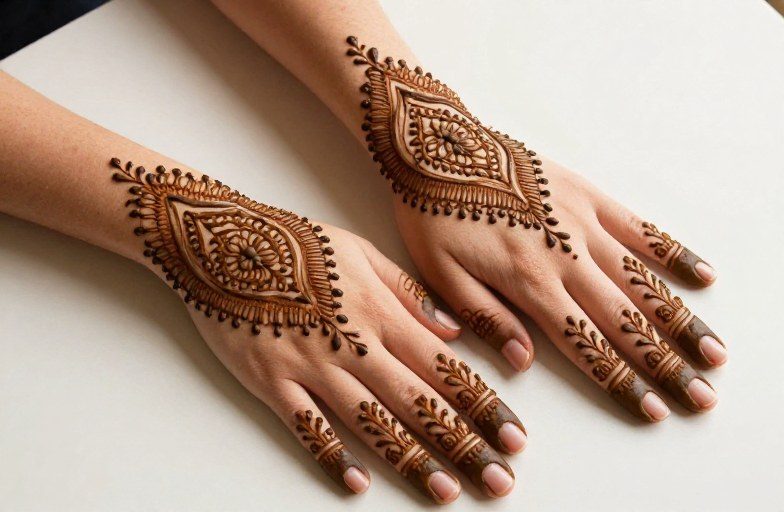
The fastest way to remove a fake henna tattoo is to break down the stain with oil and gentle exfoliation. Start with baby oil, coconut oil, or olive oil, massage it in, let it sit for 10-15 minutes, then wipe away with a warm washcloth. Repeat daily and follow with a mild scrub; most fake henna fades significantly within a week, though complete removal depends on how long the stain has set and your skin type.
What to Expect Step by Step
Immediate Removal Attempts
Fresh fake henna sits on the skin’s surface, making the first 24 hours your best window for removal. Oil dissolves the adhesive and pigments used in most temporary henna products. Apply generously, cover with a warm damp cloth to open pores, then gently rub in circular motions. Don’t scrub aggressively, irritated skin holds pigment longer and can develop uneven patches where the stain lingers.
For stubborn areas, mix oil with a small amount of baking soda to create a mild paste. The slight abrasiveness lifts dead skin cells carrying the dye. Rinse thoroughly and moisturize immediately; dry skin traps pigment in cracks and flakes.
When the Stain Has Set
After 48 hours, fake henna migrates deeper into the stratum corneum. At this stage, focus on accelerating natural skin turnover. Daily gentle exfoliation with a washcloth, sugar scrub, or mild chemical exfoliant containing lactic acid helps newer skin surface faster. Swimming in chlorinated pools and hot showers both speed fading, though you’ll want to balance this with moisturizer to prevent the dried-pigment look that makes stains appear darker.
- Apply oil before bed and cover with cotton gloves or clothing to prevent staining fabrics
- Avoid lemon juice or straight vinegar, the acidity burns without removing pigment faster than oil
- Never use bleach, acetone, or abrasive household cleaners on skin
- Exfoliate no more than once daily to prevent raw, sensitive patches
Cost Factors
Removing fake henna at home costs essentially nothing if you already own oil and a washcloth. A bottle of baby oil and basic sugar scrub runs under $10 total. Professional help enters the picture only for severe reactions or misidentified tattoos, some people mistake jagua (a fruit-based temporary tattoo) or even mild allergic reactions for stubborn henna.
Actual black henna containing PPD (paraphenylenediamine) can cause chemical burns and lasting scars. If you suspect PPD exposure, burning, blistering, or swelling that worsens after 24 hours, urgent care or a dermatologist visit becomes necessary. That consultation typically runs $150-400 without insurance, but delaying care risks permanent skin damage and sensitization that affects future hair dye and tattoo reactions.
Products Worth Buying vs. Skipping
Specialized “tattoo removal creams” marketed for temporary ink rarely outperform household oil. Makeup remover containing micellar water works similarly to oil but costs more per ounce. The one worthwhile purchase: a gentle chemical exfoliant like a 5-10% lactic acid lotion, which accelerates fading without physical abrasion. Expect to pay $12-25 for a bottle that lasts months beyond this single use.
Aftercare Essentials
Treated skin needs barrier repair. Exfoliation and oil-stripping disrupt the lipid layer that keeps moisture in and irritants out. Apply a plain, fragrance-free moisturizer immediately after each removal session, ceramide creams, plain petroleum jelly, or simple shea butter all work. Avoid scented lotions; freshly exfoliated skin absorbs fragrances more readily and may react.
Sun exposure darkens remaining pigment and slows fading by triggering melanin production alongside the fake henna stain. Cover treated areas or use SPF 30+ until the tattoo disappears. This matters especially on hands, forearms, and feet where people often place henna and where sun hits hardest.
- Wash hands with lukewarm water, not hot, to prevent further drying
- Pat dry rather than rubbing with towels
- Reapply moisturizer after every hand-washing
- Skip makeup or self-tanner over fading henna until fully gone
Healing Timeline
Normal Fading Pattern
Most fake henna begins lightening within 2-3 days of active removal. A light, poorly applied stain might disappear in 4-5 days. Dense, dark applications from professional temporary tattoo services or high-quality jagua can take 10-14 days even with consistent treatment. The color typically shifts from dark brown or black to orange-brown before finally dispersing into faint yellow patches that vanish with the next skin cycle.
Signs Something’s Wrong
Contact dermatitis from fake henna often mimics stubborn staining. If the area becomes raised, intensely itchy, or develops a different color pattern than fading, spreading redness, for instance, this indicates reaction, not residual pigment. Normal fading happens evenly across the design; patchy persistence with surrounding inflammation needs medical evaluation. Scarring from PPD reactions can appear weeks after the initial tattoo, so monitor the area for texture changes even after color fades.
Pain & Comfort
Proper fake henna removal shouldn’t hurt. A mild tingling from exfoliation is normal; burning, stinging, or sharp pain means you’re damaging skin. The temptation to scrub harder for faster results backfires, injured skin regenerates with more melanin and sometimes retains pigment in scar tissue, creating a permanent ghost of the temporary design.
People with eczema, psoriasis, or generally sensitive skin should avoid chemical exfoliants entirely and stick to oil soaks with the gentlest physical buffing. If any removal method causes discomfort, stop immediately. The henna will fade on its own eventually; forcing the process isn’t worth lasting damage.
Managing Disappointment
A visible fake henna mistake, wrong name, misspelled word, design you hate, creates genuine distress. Covering with clothing, makeup, or a wrap bandage works short-term while removal progresses. Some people opt for a real tattoo cover-up, though artists generally want the area fully healed and pigment-free before needling over it. Expect 2-4 weeks before a tattooist will work over former temporary tattoo territory.
The Direct Answer
Oil, time, and gentle exfoliation remove fake henna. There’s no instant wipe-away solution that doesn’t harm skin. The stain binds to keratin in dead skin layers; you must either dissolve the binding or wait for natural shedding. Commercial “instant” removers rely on solvents that irritate and rarely work dramatically faster than household oil methods.
Black henna warnings bear repeating: any product claiming to be henna that stains black within an hour likely contains PPD. Real henna stains orange-brown initially and darkens over 24-48 hours. If you’ve used black henna and experience burning, blistering, or spreading redness, seek medical care rather than attempting home removal. The priority shifts from cosmetic removal to preventing permanent injury.
Key Takeaways
Start with oil and patience, most fake henna yields to this alone. Exfoliate gently, moisturize religiously, and protect from sun. Avoid harsh chemicals, aggressive scrubbing, and anything that burns or stings. Expect 3-14 days depending on stain depth and your skin’s turnover rate. Watch for allergic reaction signs, especially with black henna, and get medical help for anything beyond normal fading. The skin you’re treating will outlast every temporary design; treat it accordingly.
Frequently Asked Questions
Can I use nail polish remover to get rid of fake henna faster?
No. Acetone and nail polish remover severely dry and irritate skin, potentially pushing pigment deeper into damaged areas while causing chemical burns. Stick to oil-based methods that break down the stain without harming your skin barrier.
Why is my fake henna turning green or blue as it fades?
Some temporary tattoo inks, especially certain jagua-based products or mixed formulas, oxidize through color shifts during breakdown. Green or blue tones usually indicate the dye molecules separating rather than skin damage, and they’ll continue fading to yellow before disappearing.
Will swimming in a pool really help remove fake henna?
Chlorine and extended water exposure do accelerate fading by softening the stratum corneum and promoting exfoliation. However, pool chemicals also dry skin considerably, so moisturize heavily after swimming to prevent the stain from lingering in cracked, dehydrated patches.
How can I tell if my ‘henna’ reaction needs a doctor?
Seek medical care for spreading redness, blistering, pus, fever, or pain that worsens after 48 hours. Normal fading feels like nothing; allergic reactions to PPD or other additives escalate rather than improving with time and basic care.