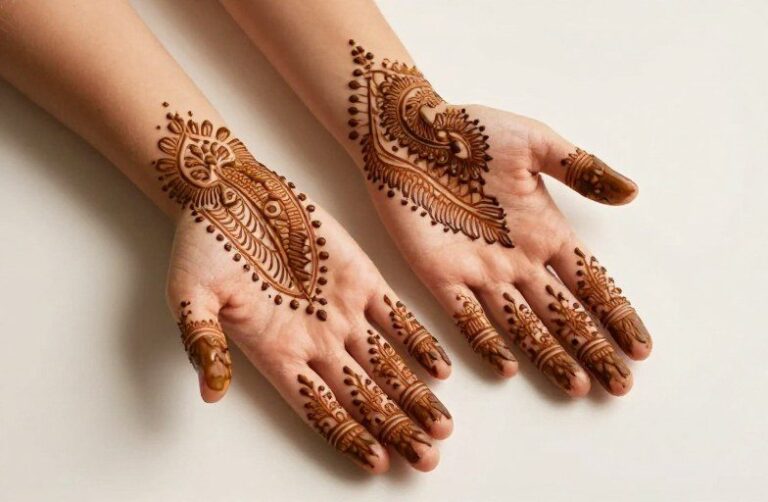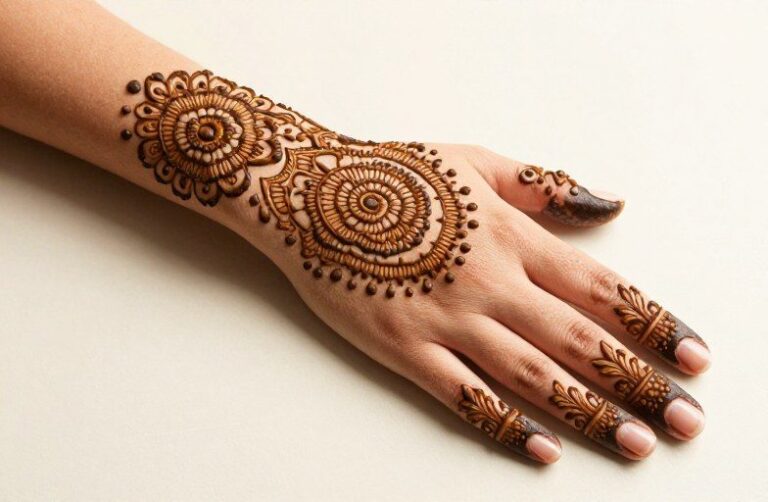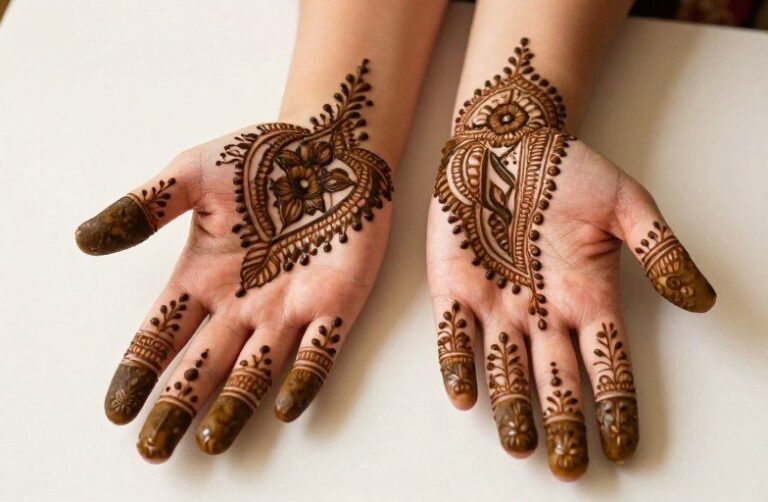
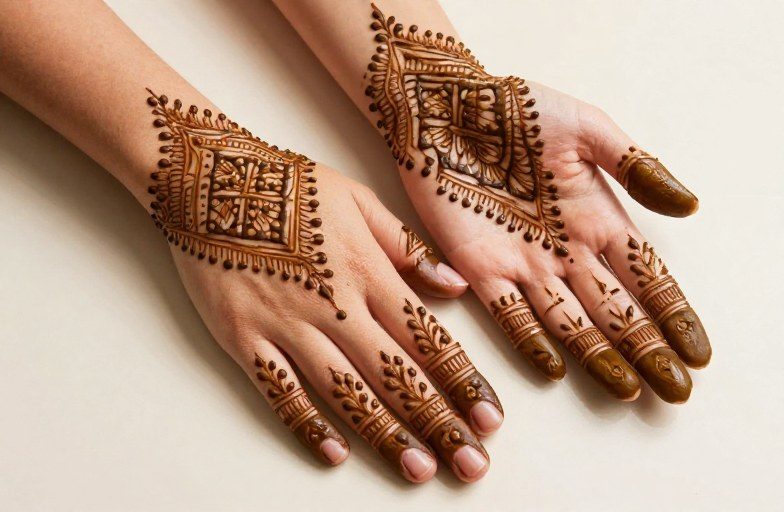
Henna tattoo ink sits on the outermost layer of skin, not in the dermis like real tattoo ink. That means it fades on its own in one to three weeks, but you can speed things up with the right methods. Gentle exfoliation, oil-based soaks, and time are your most reliable tools. Nothing removes henna instantly without risking skin damage.
Common Mistakes
People often panic and reach for harsh solutions that do more harm than good. Understanding what not to do saves you from irritation, discoloration, or a longer healing timeline.
Scrubbing Too Aggressively
Steel wool, pumice stones, and salt scrubs with large crystals can break skin before the henna is gone. Once the epidermis is compromised, you risk scabbing, infection, and a darker-looking stain from inflammation. Stick to soft washcloths, fine sugar scrubs, or gentle exfoliating gloves.
Using Bleach or Chemical Peels
- Household bleach causes chemical burns and permanent light spots on skin.
- Over-the-counter facial peels with high glycolic or salicylic acid concentrations irritate areas where henna was applied, especially on hands or ankles.
- Hair bleach (peroxide and powder developers) thins skin unpredictably and often leaves redness that lasts longer than the henna would have.
These methods are sometimes suggested in online forums. They are not worth the trade-off.
Expecting Immediate Results
Henna stains keratin, the protein in your top skin layer. Even aggressive removal takes days, not hours. Patience prevents the kind of damage that turns a two-week fade into a two-month healing process.
What to Expect Step by Step
Speeding up henna removal works best as a layered approach over several days. Each step softens the stain and lifts dyed skin cells without forcing the process.
Day 1-2: Oil Soaks and Warm Water
Olive oil, coconut oil, or baby oil break down the henna paste residue and loosen stained cells. Soak the area for ten to fifteen minutes, then gently rub with a soft cloth. Warm water opens pores slightly and helps the oil penetrate. Repeat twice daily. You will see the stain lighten from dark brown or orange to a softer hue.
Day 3-5: Exfoliation and Chlorine Exposure
After oil softens the stain, introduce gentle exfoliation. A paste of baking soda and lemon juice applied for a few minutes lifts dead skin effectively, though lemon can sting on sensitive areas. Swimming pools with chlorine, long hot showers, and steam rooms all accelerate fading. Do not combine multiple harsh methods in one day, space them out and moisturize between sessions.
Day 6-10: Continued Maintenance
By this point, most henna is significantly faded. Keep moisturizing to prevent dry skin from holding onto the last traces of stain. The final bits usually cling to thicker skin areas like palms, fingertips, or ankle bones. Focused oil soaks on these spots finish the job.
Cost Factors
Removing henna at home costs little. A bottle of oil, a gentle scrub, and time are your main investments. If you are considering professional help, understand what drives price.
DIY Supplies
- Coconut or olive oil: $5-12 for a container that lasts multiple sessions.
- Fine sugar scrub or gentle exfoliating glove: $3-10.
- Baking soda and lemon: typically already in most kitchens.
Total DIY cost rarely exceeds $20 unless you experiment with multiple products.
Professional Services
Some medspas offer exfoliating treatments or light chemical peels that speed henna removal. Microdermabrasion runs $75-150 per session and usually requires one to two visits for henna. These services are not medically necessary for henna, which fades naturally. Most people choose them only for urgent situations like wedding photos or job interviews where visible hand stains are problematic.
When to See a Professional
Most henna removal needs no professional intervention. Certain situations warrant expert help, though not necessarily from a tattoo artist.
Black henna is the main red flag. This product often contains paraphenylenediamine (PPD), a hair dye chemical that causes allergic reactions, blistering, and permanent scarring. If you applied black henna and experience burning, swelling, or oozing, see a dermatologist. Do not attempt home removal on irritated skin.
Stains that darken rather than fade after two weeks, or areas that become raised and itchy, also need medical evaluation. Standard brown henna rarely causes these issues, but additives in commercial mixes can trigger contact dermatitis.
Aftercare Essentials
Skin needs recovery between removal attempts, even when methods are gentle. Proper aftercare keeps the process moving and prevents the stained area from looking worse than the original henna.
Moisturizing and Barrier Protection
After every oil soak or exfoliation session, apply a plain, fragrance-free lotion. Aquaphor or similar occlusive ointments work overnight to restore barrier function. Avoid scented products immediately after scrubbing, open pores absorb fragrance chemicals more readily, increasing irritation risk.
Sun Protection
Freshly exfoliated skin tans unevenly. A henna stain may fade, but UV exposure can darken surrounding skin and make the outline visible longer. SPF 30 on exposed areas prevents this contrast. This matters especially for hand, foot, and ankle placements where henna commonly sits.
Pain & Comfort
Legitimate henna removal should not hurt. Mild tingling from lemon juice or slight abrasion from a scrub is normal. Sharp pain, burning, or skin that feels hot to the touch means you have gone too far.
Recognizing Your Limits
Skin on the hands and feet tolerates more abrasion than inner arm or neck skin. Adjust pressure accordingly. If an area becomes raw, stop all removal attempts for forty-eight hours and focus on moisturizing. Returning to the process with healed skin yields better results than pushing through damage.
Emotional Discomfort
There is often social pressure behind urgent henna removal, family disapproval, workplace concerns, or changed relationship circumstances. The physical process is painless, but the psychological weight can make you rush. Set realistic expectations: even optimal removal takes several days. Communicate this timeline to anyone pressuring you, and avoid the temptation to damage your skin for marginal speed gains.
Final Thoughts
Henna is a surface stain, not a permanent commitment. That is both its charm and its limitation when you want it gone. The safest removal strategy respects your skin’s natural turnover cycle while nudging it along with oil, gentle exfoliation, and time. Avoid shortcuts that promise instant results, they trade a temporary cosmetic issue for potential lasting damage. Whether your henna was a festival experiment, a cultural celebration, or simply a change of heart, you have options that do not require risking your skin’s health.
Frequently Asked Questions
Does henna removal leave scars if done correctly?
No. Gentle oil soaks and soft exfoliation only remove dead skin cells that would naturally shed anyway. Scarring results from aggressive scrubbing, chemical burns, or infection from broken skin.
Can I get a real tattoo over faded henna?
Wait until the henna is completely gone and the skin has returned to normal texture. Tattooing over stained or recently exfoliated skin leads to uneven ink saturation and unpredictable healing.
Why does my henna look darker on palms than on my arm?
Thicker skin with more keratin absorbs more lawsone, the dye molecule in henna. Palms, fingertips, and soles stain deepest and fade slowest because of this dense protein layer.
Is black henna harder to remove than brown henna?
Black henna often contains PPD, which can penetrate deeper and trigger allergic reactions. It may require longer fading time and should never be aggressively removed if skin shows any irritation.