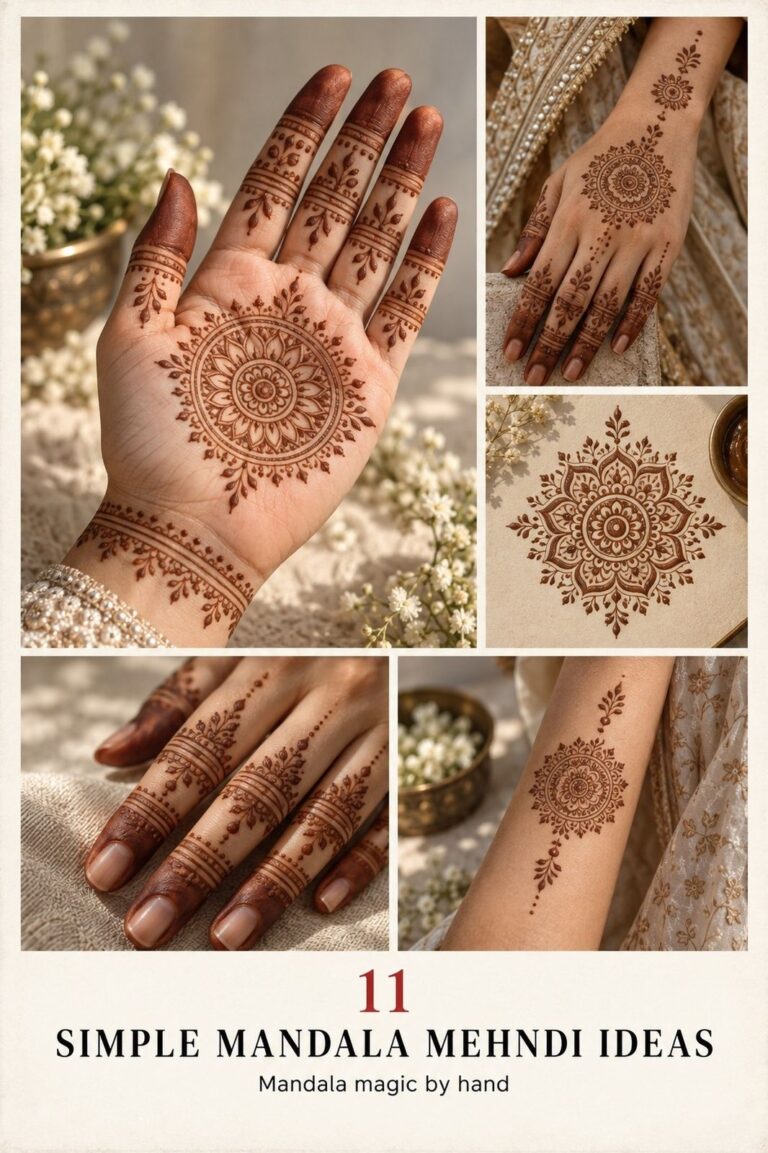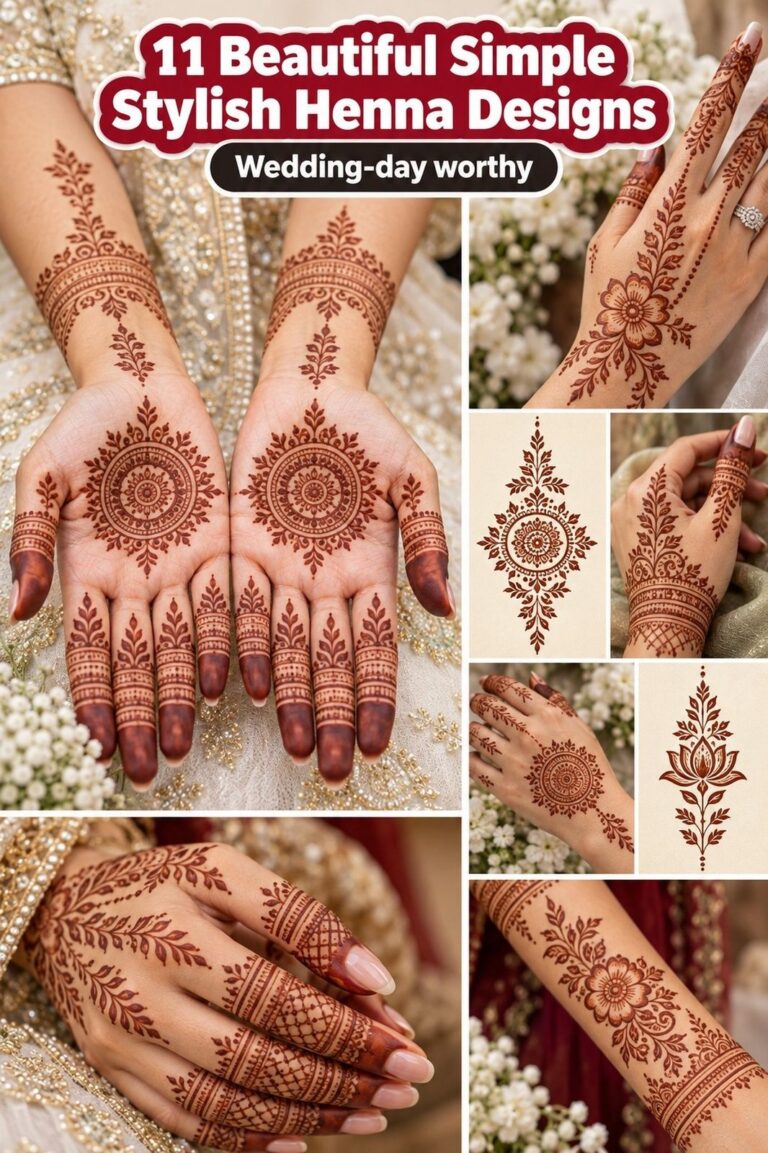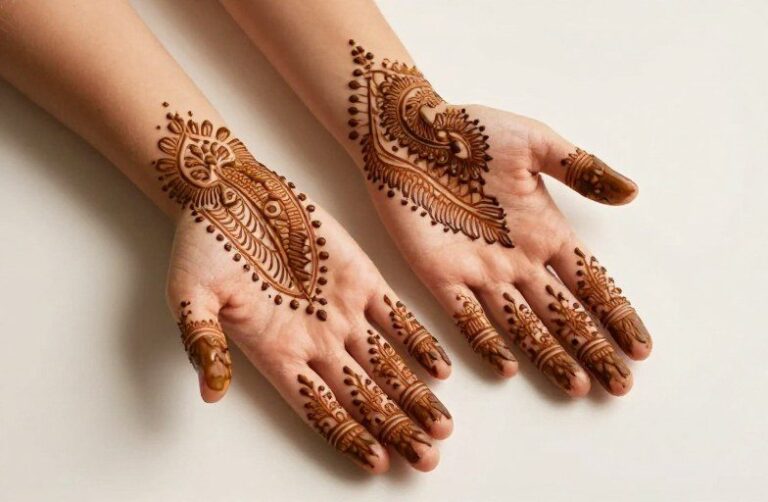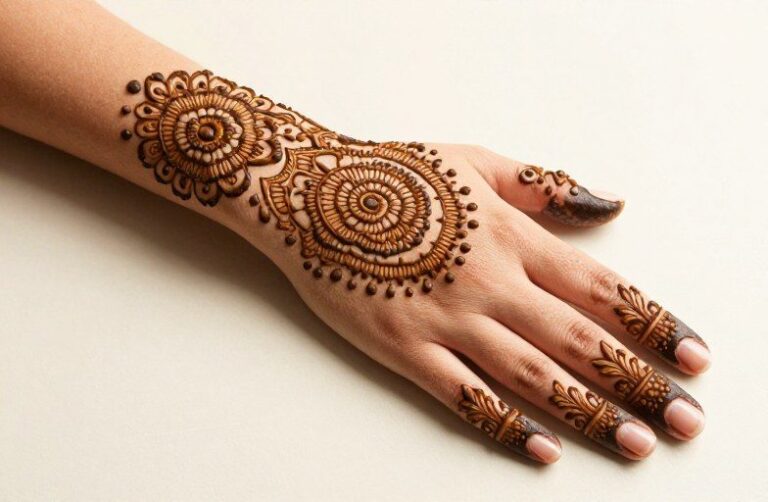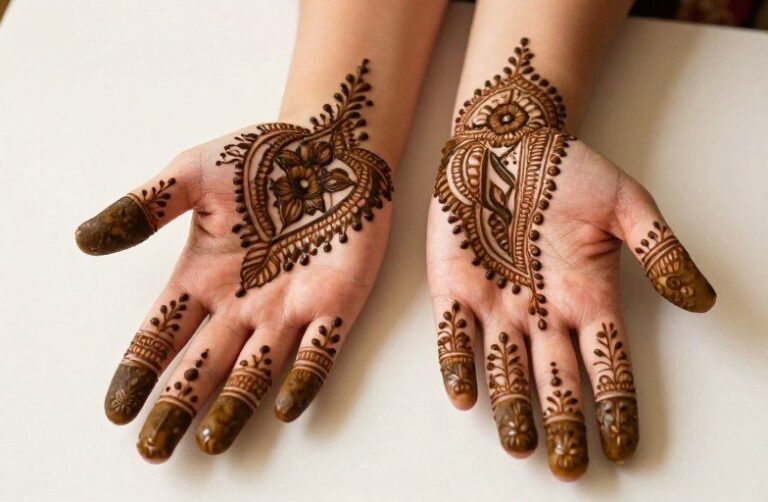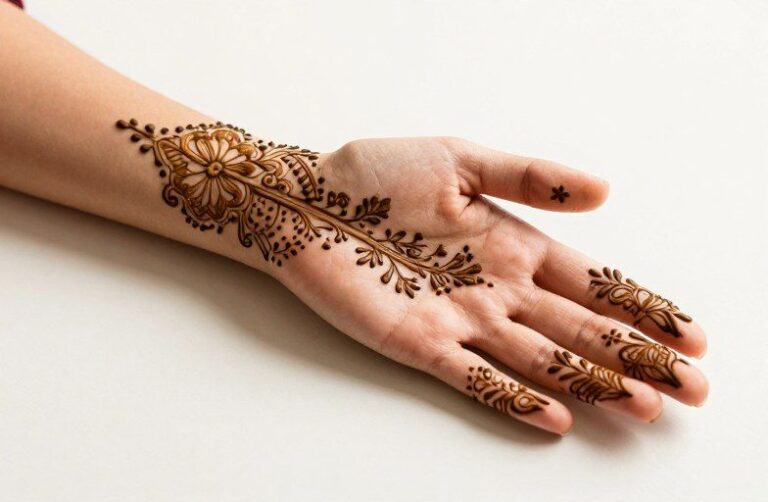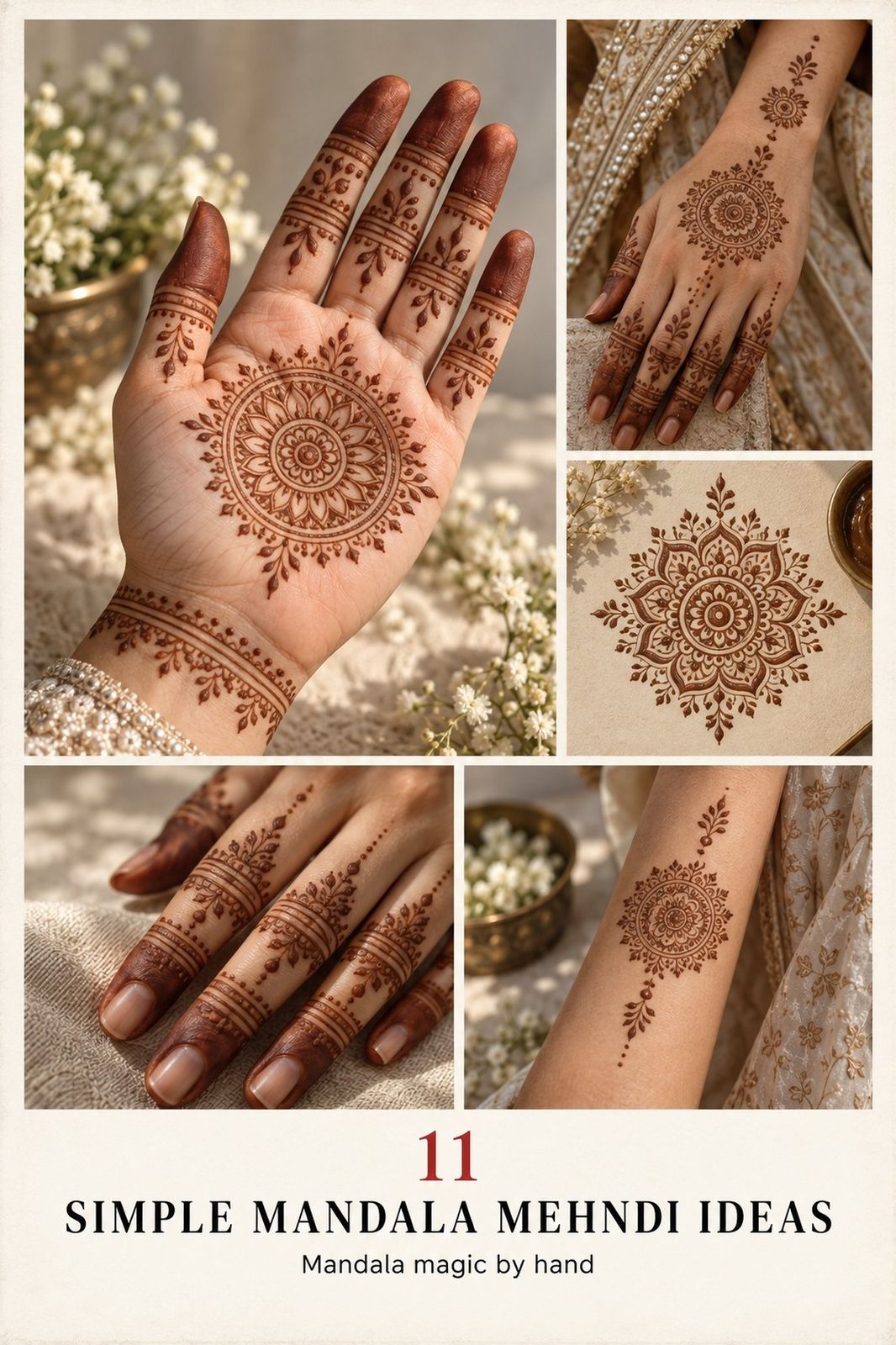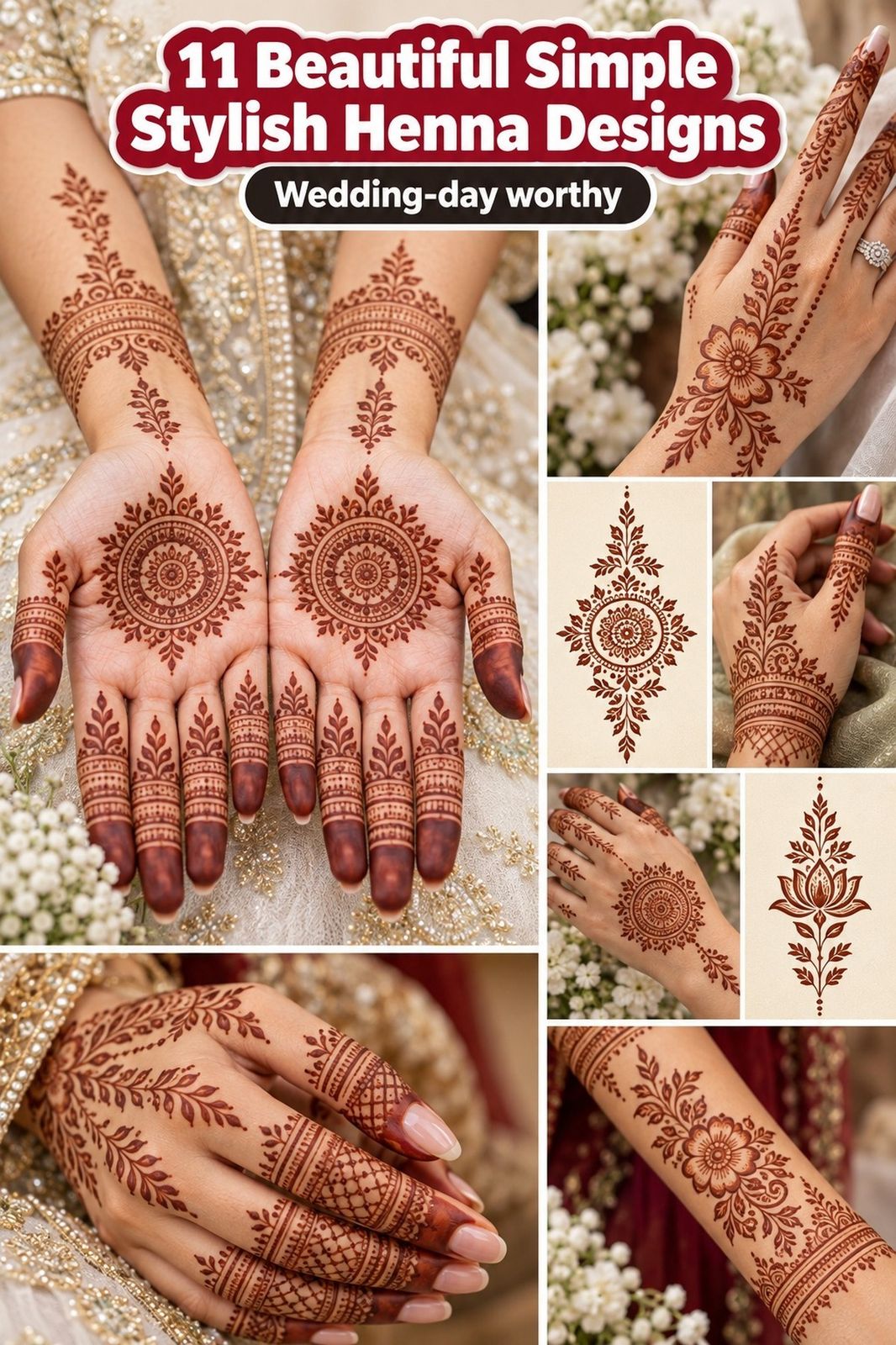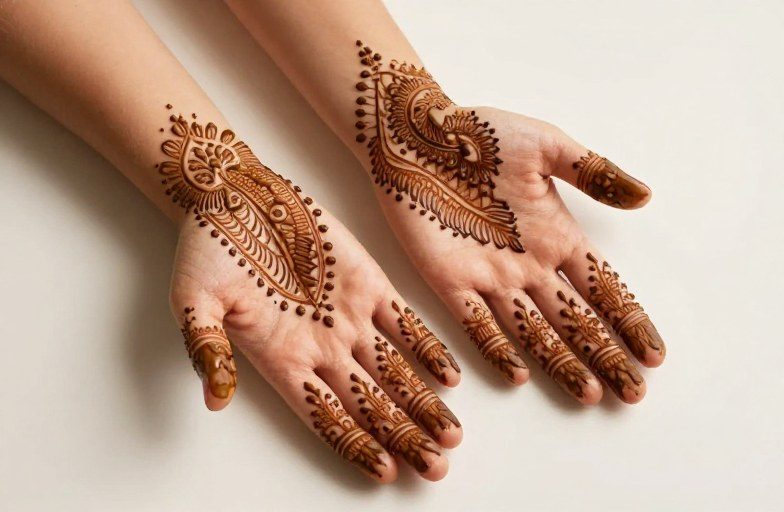
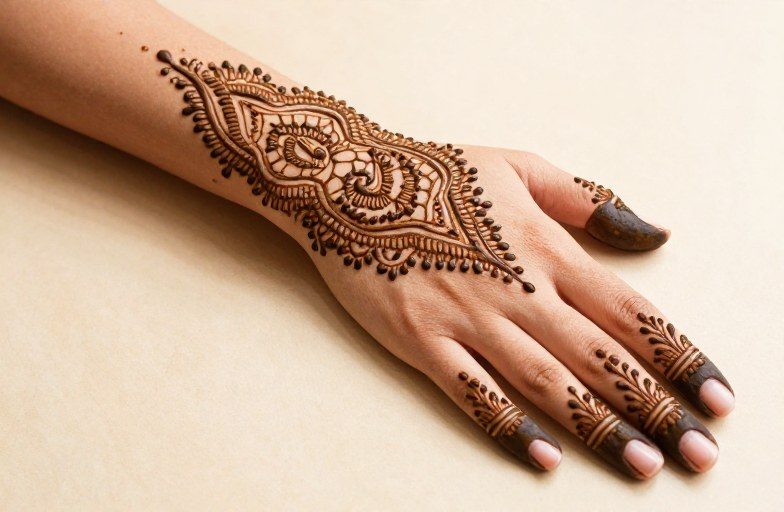
The fastest way to extend a henna tattoo‘s life is to leave the paste on for 6-12 hours, keep it warm and undisturbed during that time, then avoid water and exfoliation for the first 48 hours after paste removal. What you do in the first three days determines whether your stain fades in one week or lingers for three.
The Direct Answer
Henna’s staying power comes down to dye saturation and skin chemistry. Lawsone, the active compound in henna paste, binds with keratin in the outermost skin layer. The deeper the lawsone penetrates before the paste dries and flakes, the longer the stain persists. Here’s how to maximize that bond.
Prep the Skin Properly
Clean skin with mild soap, no lotion residue. Henna adheres poorly to oily or moisturized surfaces. Exfoliate gently 24 hours before, not the day of, to remove dead skin without leaving the area raw. Avoid shaving immediately beforehand; micro-cuts can cause uneven absorption and irritation.
Application Timing and Technique
Apply henna in the evening so you can sleep with the paste intact. Warmth accelerates dye release and uptake. Wrap the design loosely in tissue, then cover with a sock or soft cloth to prevent smudging. Some people use a medical tape border, but never seal the paste airtight, moisture trapped against skin can cause uneven results or, in sensitive individuals, contact dermatitis.
- Leave paste on 6-12 hours minimum; 24 hours for maximum darkness
- Scrape off dry paste with a card or fingernail, don’t wash it off
- Apply a sugar-lemon sealant (dissolved sugar in lemon juice, dabbed on) once the paste starts cracking to keep it slightly tacky longer
- Heat the area gently with a warm (not hot) rice bag during the first 2-3 hours
The stain will look orange immediately after paste removal. It darkens to burgundy-brown over 24-72 hours as oxidation completes. Patience here is non-negotiable.
Aftercare Essentials
The first 48 hours after paste removal are when the stain sets. Water is henna’s primary enemy during this window. Short, lukewarm showers beat long soaks. Pat the area dry, no rubbing. Apply a thin layer of natural oil (coconut, olive, or henna-specific balm) before water exposure to create a hydrophobic barrier.
What to Avoid
Swimming pools, hot tubs, and dishwater without gloves will strip stain fast. Chlorine is particularly aggressive. Exfoliating products, alpha-hydroxy acids, retinols, salt scrubs, even vigorous towel-drying, remove stained skin cells prematurely. Sun exposure fades henna too; the lawsone molecule breaks down under UV. A physical sunscreen or clothing cover helps preserve color on exposed areas like hands.
Maintenance Routine
After the initial 48 hours, light oiling daily keeps the stained skin supple and slows natural exfoliation. On hands and feet, where friction and washing are constant, expect faster fading regardless of care. A light touch with a pumice stone on unstained surrounding skin can keep the design looking crisp as it ages.
Healing Timeline
Henna isn’t a wound, but it follows a skin-cell lifecycle. The stain sits in the stratum corneum, which renews every 2-4 weeks. Your henna timeline depends on body placement, skin type, and daily habits.
Typical Fade Patterns by Placement
Palms and soles stain darkest because skin is thickest there, but they also face the most friction and washing. A palm design might look vivid for 7-10 days, then ghost along for another week. Upper arms, thighs, or back, areas with thinner skin but less mechanical wear, often hold 2-3 weeks of visible color. Fingers and toes are wildcards; constant use and thinner skin mean rapid turnover.
- Days 1-3: Stain darkens to peak color
- Days 4-10: Gradual, even fading begins
- Days 11-21: Color becomes patchy, edges soften
- Week 3+: Residual orange tint on thick skin areas
Individual variation is significant. Oily skin types often see faster fade. Dry skin holds stain longer but may absorb unevenly if not prepped. Hormonal shifts, including pregnancy, can darken or alter henna uptake unpredictably.
Pain & Comfort
Natural henna paste is generally painless. The cooling, muddy sensation as it dries is the main physical experience. Some people report mild tingling or tightness as the paste hardens, normal, not a sign of trouble. True pain, burning, or significant itching indicates a problem, usually with the paste composition.
Black Henna Warning
“Black henna” containing paraphenylenediamine (PPD) is not traditional henna and can cause severe allergic reactions, blistering, and permanent scarring. PPD is a hair dye chemical added for instant dark results. If someone offers “black henna” that stains immediately, walk away. Natural henna takes hours to darken and never produces true black. The PPD reaction can be delayed 3-10 days, so initial comfort means nothing.
Cost Factors
Henna pricing varies by region, artist skill, and event type. Festival booths might charge $10-30 for simple hand designs. Private appointments with experienced artists run $50-150+ for intricate full-hand or bridal work. Some artists price by time, others by design complexity.
What Affects Price
Custom design work costs more than flash sheets. Bridal henna, covering hands to elbows and feet to knees, represents a 3-6 hour commitment and commands premium rates. Travel fees apply for home or venue appointments. Paste quality matters too, artists using fresh-mixed, high-lawsone henna rather than pre-made cones from uncertain sources charge more because their materials cost more and their results last longer.
DIY henna kits range $5-20 but carry quality risk. Old powder, improper mixing, or contaminated water yields weak stains. If you’re serious about longevity, fresh paste from a reputable source outperforms most kit options.
When to See a Professional
Consult a professional henna artist, not a tattooer, when you want bridal or event work, have sensitive skin, or need design advice for your specific skin tone and placement. Professional artists understand how different body areas take stain, can adjust paste consistency for detail level, and know which oils and aftercare suit your climate.
Red Flags to Avoid
Pre-made cones with no ingredient list, artists who can’t tell you when the paste was mixed, or anyone guaranteeing specific stain duration. Henna is organic chemistry; results vary. Good artists explain this variability honestly. They should also ask about allergies, especially to plants in the Lythraceae family.
For a permanent tattoo inspired by henna patterns, seek a tattoo artist specializing in fine linework and mandala geometry. The skin behavior differs, tattoo ink sits in the dermis, not the epidermis, but design principles of flow, negative space, and repetition translate. Bring reference photos, not your henna-stained skin, since healed henna color doesn’t predict tattoo ink behavior.
Before You Decide
Henna offers a commitment-free way to wear body art, but that freedom comes with maintenance demands. The stain rewards patience and punishes haste. If you want dark, lasting results, block out the time for proper application and the first 48 hours of careful aftercare. If that level of attention doesn’t fit your lifestyle, adjust expectations, lighter, shorter stains still carry beauty, just a different kind.
Consider placement honestly. A full hand design looks striking but demands lifestyle adjustments: gloves for dishes, careful showering, awareness of every surface you touch. A shoulder or upper back placement fades slower and interferes less. Match your design ambition to your willingness to maintain it.
Finally, source matters. Fresh henna, mixed with lemon juice, sugar, and essential oils (often tea tree or lavender), and left to release dye for 12-24 hours before application, outperforms old powder or chemical-laden shortcuts. The extra effort in sourcing and preparation is the difference between a stain that washes off in three days and one that lingers for three weeks.
Frequently Asked Questions
Why did my henna turn orange instead of dark brown?
The color deepens through oxidation over 24-72 hours after paste removal. Immediate orange is normal. If it stays orange, the paste may have been removed too soon, the henna powder was old, or the dye didn’t have enough time to release before application.
Can I put henna on freshly sunburned skin?
No. Sunburned, irritated, or broken skin absorbs henna unpredictably and can lead to uneven staining or increased sensitivity. Wait until skin has fully recovered, usually several days after the burn subsides.
Does swimming in the ocean fade henna faster than a pool?
Salt water and chlorine both accelerate fading, but through different mechanisms. Salt draws out moisture and can speed exfoliation; chlorine chemically degrades the lawsone molecule. Both are rough on fresh henna, wait at least 48 hours after paste removal, and apply oil beforehand if you must swim.
Why does my henna fade faster on my fingers than my palm?
Finger skin is thinner with faster cell turnover, and fingers endure more friction, washing, and product contact throughout the day. The palm’s thicker stratum corneum holds more dye and sheds more slowly, though it faces heavy washing too.
Related Tattoo Guides
- How to Remove Henna Tattoo From Skin Safely
- Explore more