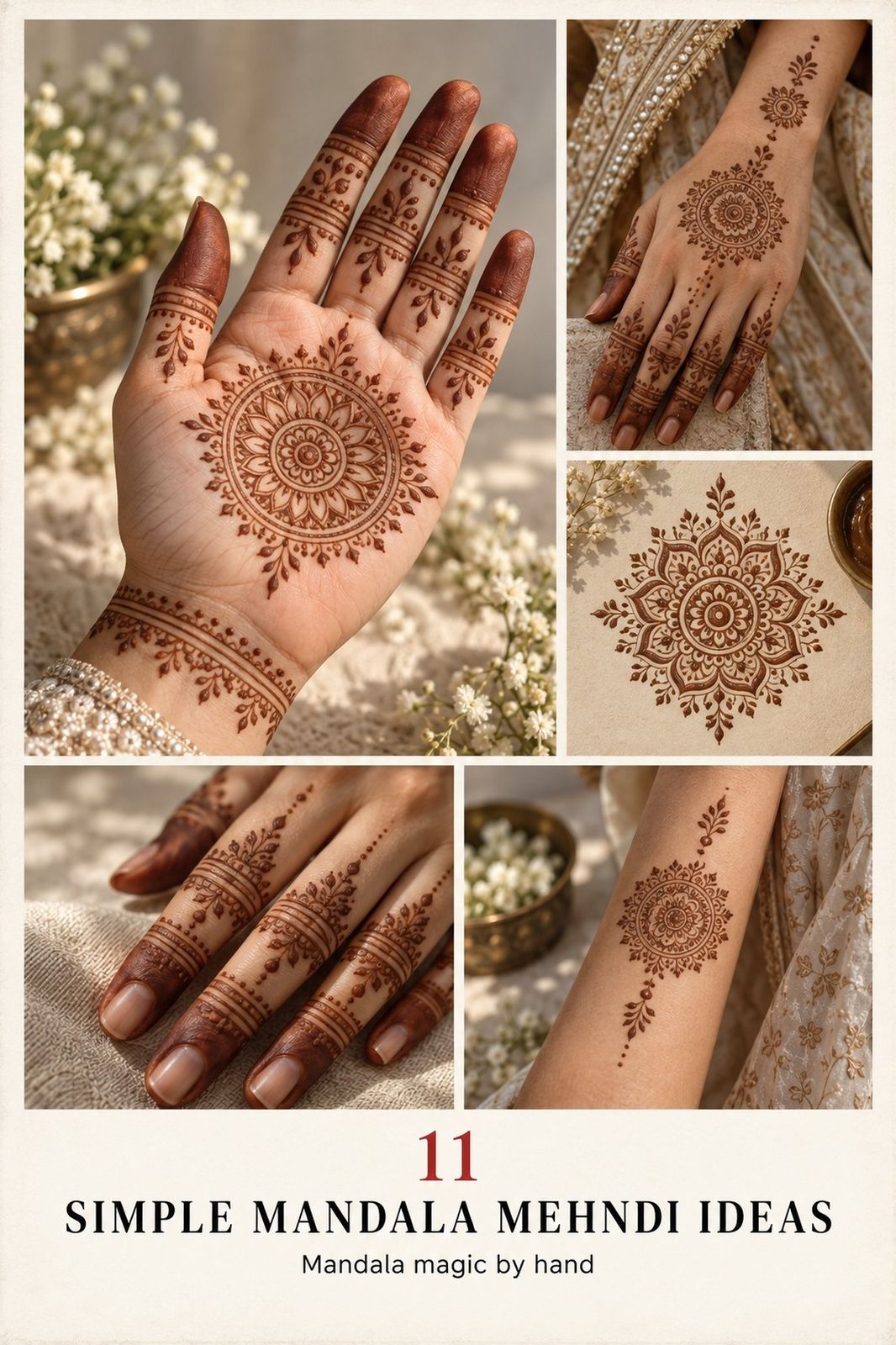
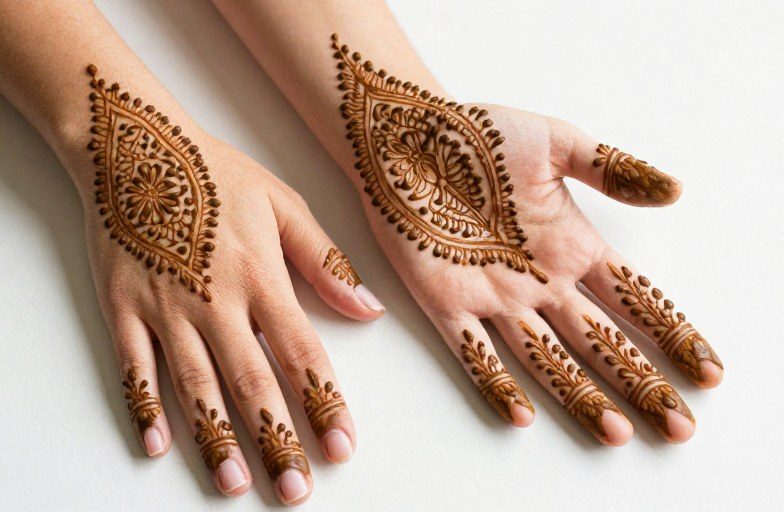
If your henna tattoo starts burning, swelling, or blistering instead of simply fading, you’re likely dealing with an allergic reaction, most often to para-phenylenediamine (PPD) in so-called “black henna.” The immediate move: wash the area thoroughly with mild soap and cool water, apply a cold compress, and stop using any product on the skin. For severe symptoms like spreading rash, pus, or difficulty breathing, seek emergency care without delay.
The Direct Answer
What a Reaction Actually Looks Like
Normal henna stains darken over 24-48 hours, then flake away leaving an orange-brown mark. A reaction looks nothing like this. Watch for intense itching within hours, raised welts, burning pain, fluid-filled blisters, or skin that turns dark purple-black with swelling. PPD, the same chemical in permanent hair dye, gets mixed into illegal “black henna” to force a faster, darker stain. Natural henna (lawsonia inermis) rarely causes true allergy, though individual sensitivities exist.
Immediate Steps That Help
- Wash the paste off completely with cool water and gentle, fragrance-free soap, scrub gently but thoroughly
- Apply cold compresses 10-15 minutes at a time to reduce swelling and numb itching
- Pat dry; leave the skin completely bare, no lotions, oils, or home remedies on broken skin
- Take an oral antihistamine for itching if you tolerate them; avoid topical antihistamine creams which can worsen reactions
- Document with photos in case you need medical follow-up or want to report the vendor
Over-the-counter 1% hydrocortisone can calm mild, intact-skin reactions after 24 hours. Never apply steroid cream to open blisters or weeping skin.
Cost Factors
What You’ll Spend on Aftercare
Treating a mild reaction at home runs minimal: basic hydrocortisone ($5-10), antihistamines ($4-15), and perhaps a gentle cleanser you already own. Where costs spike is misdiagnosis or delay. Urgent care visits for infected blistering range $150-350 without insurance. Dermatology follow-ups for persistent contact dermatitis or post-inflammatory hyperpigmentation add $200-400 per visit. The “cheap” beach henna that caused this often carries the hidden price of weeks of skin damage.
When to Consider the Expense of Professional Help
Spreading redness beyond the tattoo’s edges, yellow crusting, fever, or swelling that involves joints (fingers, wrists, ankles) warrants prompt medical evaluation. These suggest secondary infection or severe contact dermatitis. Emergency room visits for anaphylaxis, rare but documented with PPD, cost substantially more, but delaying is never worth the risk. Keep receipts; some jurisdictions allow reporting illegal PPD henna vendors to consumer protection offices, and documentation supports any potential claim.
Common Mistakes
People often make reactions worse through panic or misinformation. Scratching tops the list, it drives allergen deeper, opens skin to infection, and can cause permanent scarring or discoloration. Another frequent error: reapplying henna or “natural” remedies to “cover” the damage. Lavender oil, tea tree oil, lemon juice, and even plain henna itself on compromised skin intensify irritation.
Products to Avoid on Reactive Skin
- Neosporin and similar antibiotic ointments, common contact allergens themselves, especially neomycin
- Topical antihistamines (diphenhydramine creams), can trigger their own allergic reactions
- Fragranced lotions, essential oils, and “healing balms” with undisclosed ingredients
- Heat, hot showers, heating pads, or sun exposure increase inflammation and histamine response
The “Wait and See” Trap
Contact dermatitis from PPD worsens over 48-72 hours even after exposure stops. Early intervention limits damage. Waiting to see if it “calms down on its own” often means watching blistering spread from a palm-sized design to surrounding skin. The chemical continues triggering immune response until fully removed from the skin surface and superficial layers.
What to Expect Step by Step
Hour 0-24: The Warning Phase
Within hours of application, itching begins, sharper than the mild tingle of normal henna drying. The stain may look inky black rather than natural brown, a red flag for PPD presence. Skin reddens, swells slightly, and the pattern becomes raised. Washing thoroughly now matters most; every minute the paste sits, more PPD penetrates.
Day 2-5: Peak Inflammation
This is usually the worst stretch. Blisters may form, weep, and crust. The original pattern becomes unrecognizable under swelling. Skin feels tight, hot, and intensely itchy. Sleep disruption is common. Continue cold compresses, keep the area dry and uncovered when possible, and monitor for infection signs: increasing pain, warmth, pus, or red streaks. If any appear, seek medical care.
Week 2-8: Healing and Aftermath
Active inflammation subsides, but skin remains sensitive and may peel repeatedly. The area often darkens to a brown or purple stain, post-inflammatory hyperpigmentation, that fades slowly over months, sometimes years. This discoloration differs from normal henna stain; it’s uneven, blotchy, and may outlast any decorative pattern. Sun protection (SPF 30+, physical blockers like zinc oxide) prevents permanent darkening during this vulnerable phase.
Pain & Comfort
PPD reactions hurt differently than normal tattoo healing. The sensation is burning and stinging rather than the dull ache of needle work. Blisters create sharp, localized pain when they rupture. Clothing friction, sleeves, waistbands, sock elastic, becomes genuinely painful against swollen skin.
Practical Comfort Measures
- Loose, breathable natural fabrics, cotton or linen, never synthetic blends that trap heat
- Raise affected limbs when possible to reduce throbbing and swelling
- Cool (not cold) showers; pat, never rub, dry with a clean towel reserved for this area
- Distraction helps, reactions spike at night when attention focuses on discomfort
Oral pain relievers like ibuprofen address both pain and inflammation if you can take NSAIDs safely. Avoid aspirin in children or those with bleeding concerns.
Aftercare Essentials
Protecting Skin During Recovery
Healed skin after a PPD reaction behaves like skin after a burn: thin, sensitive, prone to sun damage, and slow to regain normal barrier function. For the first month, treat the area as fragile. No exfoliation, no shaving directly over it, no swimming in chlorinated pools or hot tubs. Moisturize only with plain, fragrance-free emollients like plain petroleum jelly or simple ceramide creams once skin has fully closed.
Long-Term Sensitization to Know About
PPD allergy is typically permanent. Once sensitized, you may react to hair dye, dark clothing dyes, some printer inks, rubber chemicals, and even certain medications. Cross-reactions with related compounds (para-aminobenzoic acid, sulfonamides, benzocaine, black rubber) are documented. Inform any future healthcare provider, tattoo artist, or hair professional about this reaction. Consider medical alert documentation if reactions have been severe.
Future henna use requires vigilance. Ask vendors directly about ingredients; refusal to answer is an answer. True natural henna smells earthy, herbal, almost like hay or wet tea leaves. It stains orange-brown initially, darkening to reddish-brown over days. Any black, instant-dark, or chemically sharp-smelling product carries PPD risk.
The Takeaway
Most henna reactions stem from illegal PPD additives, not the plant itself. Fast removal, cold management, and resisting the urge to treat with more products form the core of effective response. The real protection happens before application, asking questions, smelling the paste, walking away from suspiciously dark or fast results. Your skin’s reaction to PPD is a warning system, not a personal failure. Listen to it early, and you limit both immediate suffering and long-term sensitivity that can complicate everything from hair coloring to medical care.
Frequently Asked Questions
Can I use regular henna again after having a PPD reaction?
Pure natural henna (lawsonia inermis) is chemically different from PPD, but cross-contamination at vendor level is common. If you try again, source from reputable suppliers who list ingredients, test a tiny patch on your inner arm first, and wait 48 hours. Many people with PPD sensitivity simply avoid all henna to eliminate risk.
How do I tell if a henna artist is using PPD-laced paste?
Ask directly what’s in it; vague answers or claims of “secret family recipe” are red flags. Natural henna paste must sit on skin 1-4 hours for color development and stains orange-brown initially. Any product promising black results in under an hour contains PPD or similar synthetic dyes.
Will the dark stain left after a reaction ever fully disappear?
Post-inflammatory hyperpigmentation from PPD reactions typically fades over months, occasionally persisting 1-2 years. Sun exposure darkens it permanently for some people. Consistent SPF protection and patience matter more than bleaching creams, which often irritate sensitized skin further.
Should I report where I got the reaction?
Yes, if feasible. In the US, the FDA prohibits PPD in skin-contact cosmetics but enforcement is spotty. Report to local health departments, the FDA’s MedWatch program, and consumer protection offices. Your documentation helps prevent others from similar harm, especially at tourist venues and festivals where vendors operate temporarily.