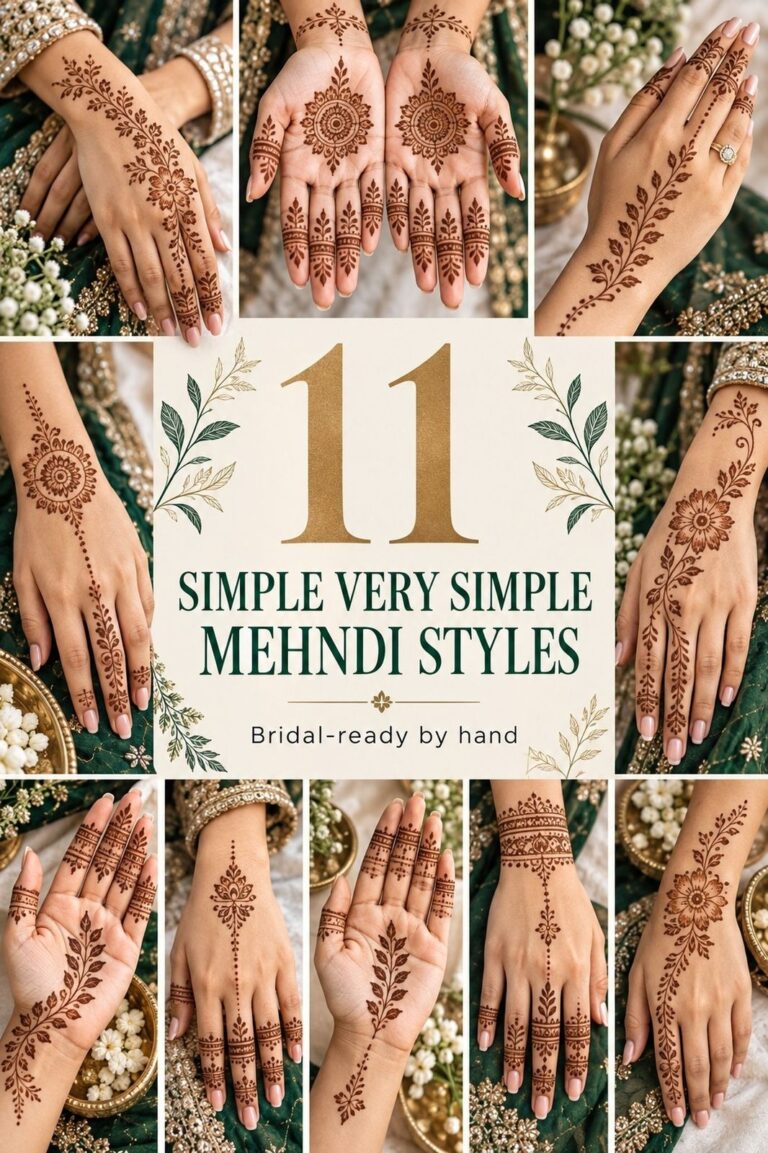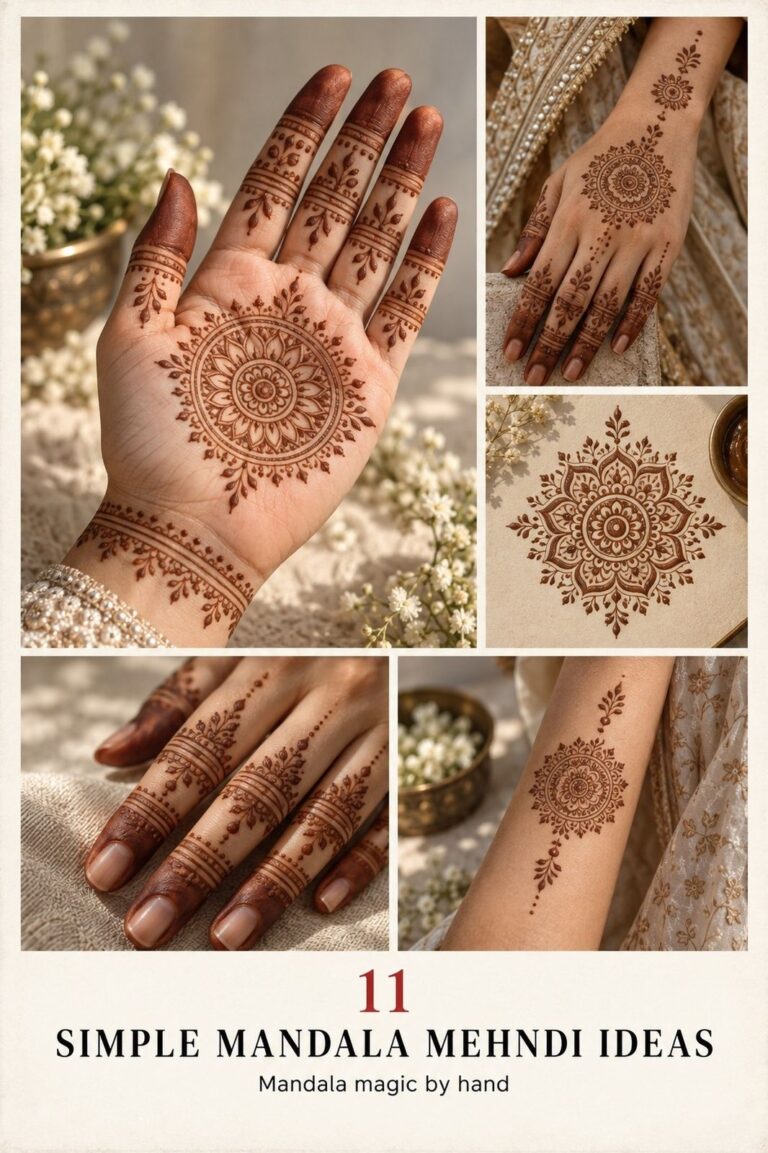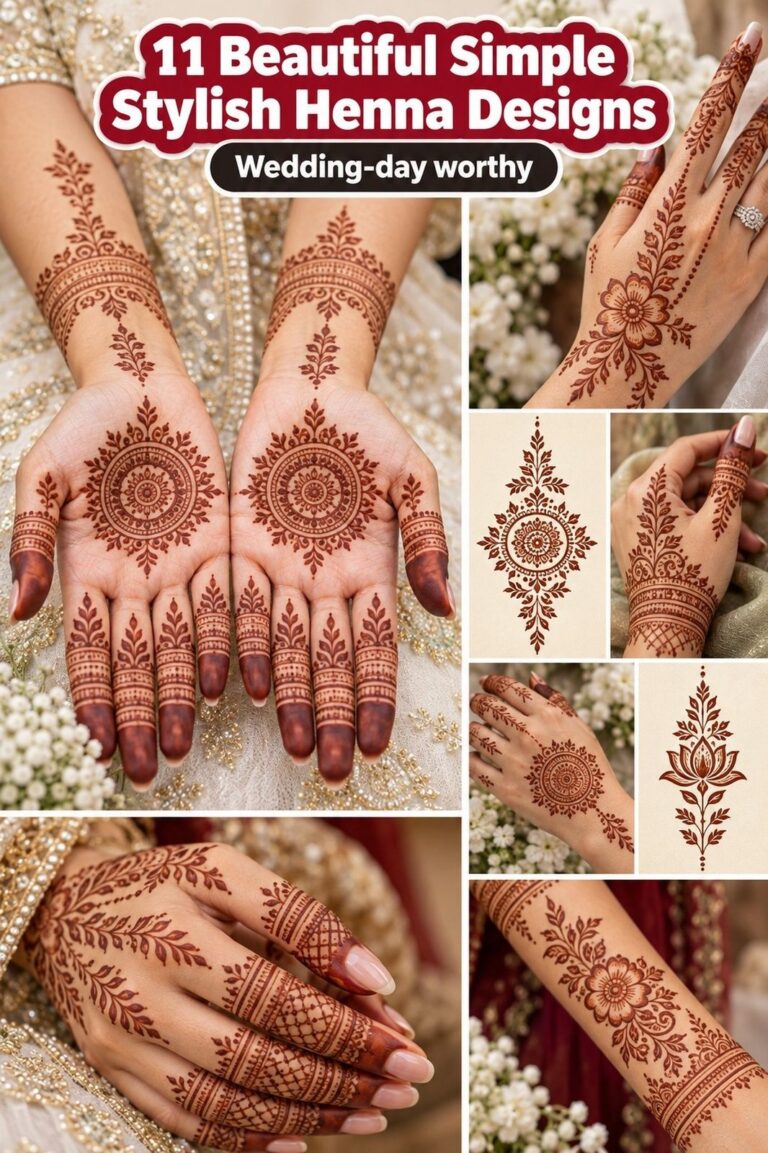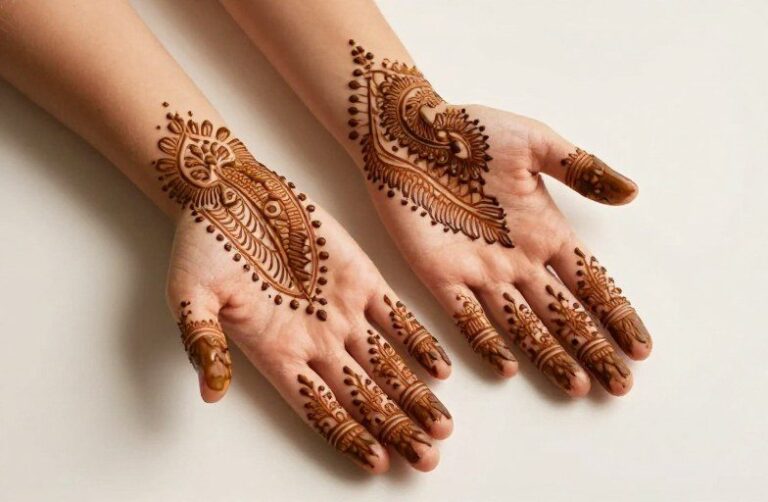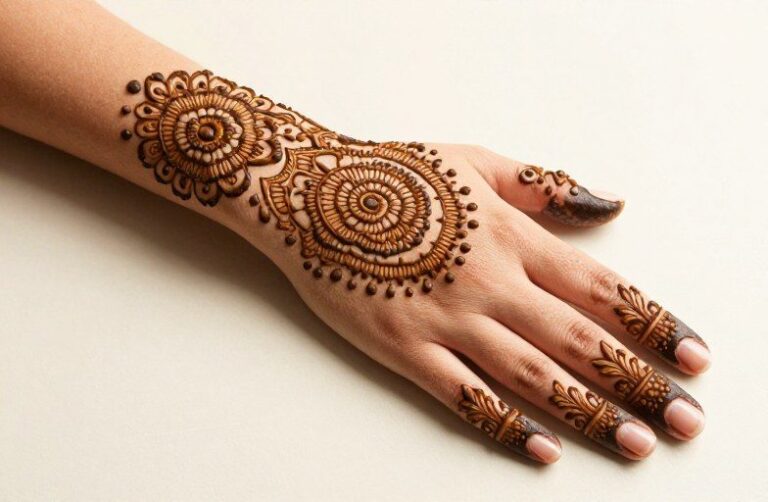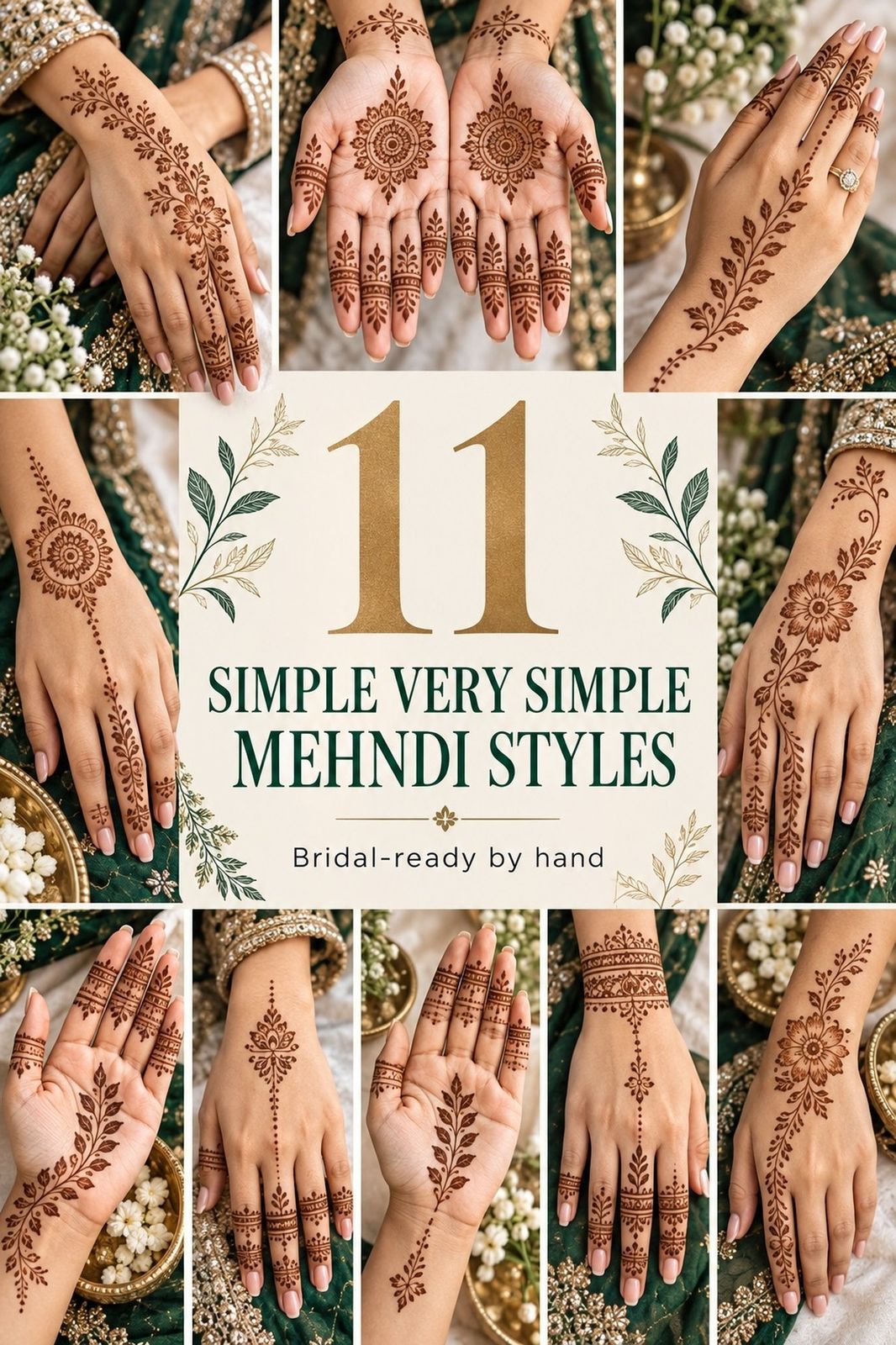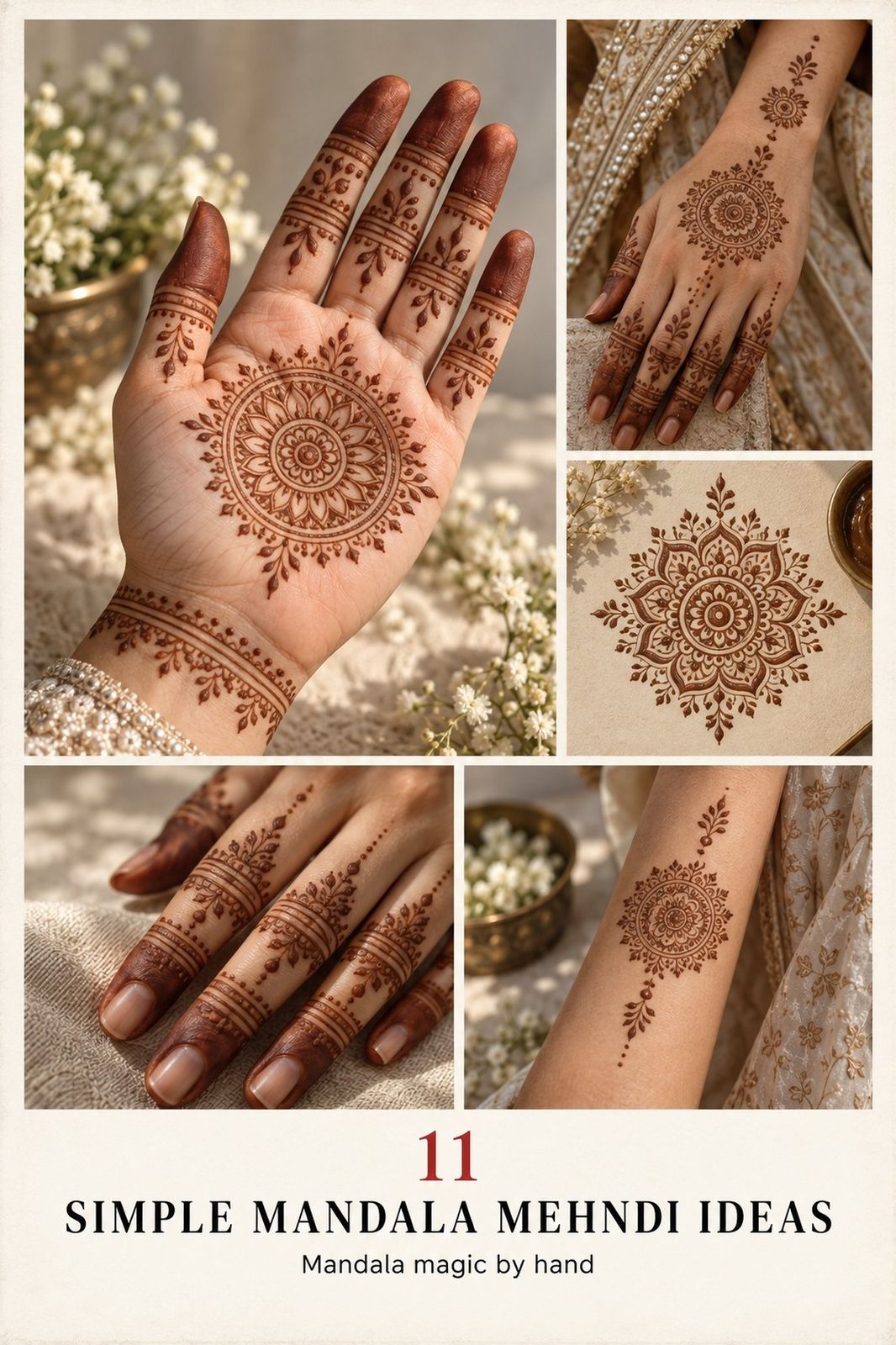
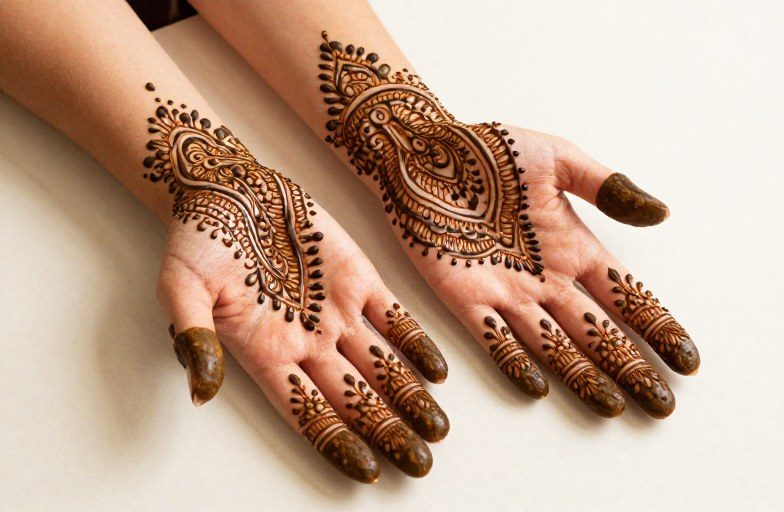
A henna tattoo can last anywhere from one to three weeks, but most fade within a week because of simple mistakes in the first 24 hours. The key to longevity comes down to three things: keeping the paste on as long as possible, protecting the stained skin from water and friction, and choosing placement wisely. Do those right, and you’ll get the full lifespan out of your stain.
Tips From the Chair
Professional henna artists have refined these methods over years of watching what works and what washes out by day three.
The Lemon-Sugar Seal
Once the henna paste dries to the touch, dab a mixture of lemon juice and sugar onto the design with a cotton ball. The sugar creates a sticky crust that keeps the paste attached to skin longer, and the lemon’s acidity helps release more lawsone, the dye molecule in henna. Reapply this seal every few hours if the paste starts flaking. Don’t oversaturate, soggy paste slides off and smears.
Heat Activation
Warmth speeds the dye release and deepens the stain. After applying paste, hold the area near a heater, laptop vent, or warm (not hot) rice bag. Hands and feet stain darkest because they’re farthest from the heart and run cooler, so extra heat on arms or back makes a visible difference. Avoid direct flame or anything that could burn.
- Leave paste on 6-12 hours minimum; overnight is ideal
- Wrap loosely with medical tape or tissue to prevent crumbling in bed
- Scrape off dry paste with a butter knife or fingernail, never wash off initially
- Avoid soaps, lotions, and oils on the design for 24 hours after paste removal
What to Expect Step by Step
Understanding the color progression helps you avoid panic when the stain doesn’t look “right” immediately.
Day One to Three
Freshly scraped henna looks orange or light copper, especially on lighter skin tones. This alarms people who expected instant burgundy. The color oxidizes and darkens over 48 hours, reaching peak depth around day two or three. That initial orange is normal, don’t scrub it off thinking it failed.
Week Two and Beyond
By day seven, the stain enters its fade phase. The pattern becomes patchy as skin naturally exfoliates. On palms and soles, where skin is thickest, you might see faint ghost lines at day fourteen. On thin inner wrists or collarbones, it may be nearly gone by day ten. This variation is purely anatomical, not a reflection of aftercare quality.
When to See a Professional
Not all henna is safe, and not all artists work with real henna.
Black henna containing PPD (para-phenylenediamine), a hair dye chemical, can cause blistering, permanent scarring, and lifelong chemical sensitivities. Real henna paste is brown, greenish-brown, or olive when wet, never jet black. If an artist promises black results or the paste smells like chemicals rather than earthy tea and eucalyptus, walk away.
Seek a professional if you want intricate bridal-style work, if you have sensitive skin or eczema, or if you’re covering a large area like a full hand or foot. A skilled artist knows proper paste consistency, too thin and it bleeds; too thick and it won’t adhere to fine lines.
Healing Timeline
Henna doesn’t wound the skin like a needle tattoo, but the stain sets through a specific chemical process that requires care.
The First Twelve Hours
This window determines everything. The lawsone dye binds to keratin proteins in the dead skin layer. Water interrupts this bond. Shower with the area outside the spray, or wear a plastic glove over hand designs. Sweat also counts as moisture, skip the gym session.
Days Three Through Seven
The stain is fully set but vulnerable to exfoliation. Loofahs, salt scrubs, and chlorine pools lift stained skin cells faster. Apply a thin layer of natural oil (coconut, olive, or henna aftercare balm) to create a barrier. Don’t over-moisturize with water-based lotions, they soften the stained layer and hasten fading.
The Direct Answer
Here’s the distilled protocol: apply to clean, dry skin; leave paste 6-12 hours; seal with lemon-sugar; avoid water entirely for 12 hours post-removal; keep the area out of pools, hot tubs, and exfoliating products for one week; moisturize with oil, not lotion. Follow this exactly, and most people get 10-14 days of visible color, sometimes 21 on palms or feet.
Placement matters enormously. Inner wrists fade fastest from hand-washing and friction against desks. Upper arms, shoulders, and upper back last longer because they’re less abused. Ankles survive better than feet if you wear socks and shoes that rub. The pattern itself matters too, bold, thick lines remain readable longer than delicate trailing vines that blur as they fade.
Pain & Comfort
Henna application is painless. The paste sits on skin surface; no needles break the barrier. Some people feel mild tingling from lemon juice or essential oils in the mix, especially on sensitive skin. This should not burn or itch persistently. If it does, remove the paste immediately, that’s a reaction, not normal sensation.
During the drying phase, the paste tightens and cracks, which feels stiff but not painful. Sleeping with dried henna requires some adaptation. Wrap hands in tissue and loose socks, or accept that your sheets may carry temporary brown smudges. The paste crumbles like dried mud; it won’t stain fabric permanently the way wet paste does.
After removal, skin may feel dry. That’s from the astringent properties of henna and lemon, not damage. Oil-based moisturizers restore comfort without the water content that accelerates fading.
Before You Decide
Henna offers commitment-free body art, but that freedom comes with maintenance if you want it to look good for more than a weekend. Consider whether your daily routine allows for the water restrictions, swimmers, dishwashers without gloves, and people who wash their hands fifty times daily will see abbreviated results. The stain also reads differently on various skin tones; on very dark skin, expect a subtle bronze glow rather than the dramatic burgundy visible on lighter complexions.
Factor in occasion timing. For a wedding or festival, get henna two days before peak visibility, not the morning of. That gives oxidation time to reach full depth. And if you’re testing whether you want a permanent tattoo in a particular spot, henna’s fade pattern actually mimics how a real tattoo will age, areas with more friction and sun exposure blur fastest. Pay attention to where it holds and where it doesn’t. That observation is more useful than any consultation about long-term ink placement.
Frequently Asked Questions
Can I shower with a fresh henna tattoo?
Avoid direct water on the design for the first 12 hours after paste removal. When you do shower, keep the stream indirect and pat the area dry immediately, don’t rub with a towel.
Why did my henna turn orange instead of dark red?
Orange is the normal initial color; it darkens to reddish-brown over 24-48 hours as the lawsone oxidizes. If it stays pale orange, the paste may have been removed too soon or the henna was stale.
Does sunscreen affect henna fading?
Sunscreen won’t directly strip the stain, but sun exposure itself accelerates fading by increasing skin cell turnover. SPF helps marginally, but covering the design with clothing preserves color far better.
Can I get henna if I have eczema or sensitive skin?
Patch test first on a small area like the inner elbow. Some essential oils in henna paste trigger reactions. Seek artists who offer essential-oil-free mixes, and avoid entirely if you have active eczema flare-ups in the area.