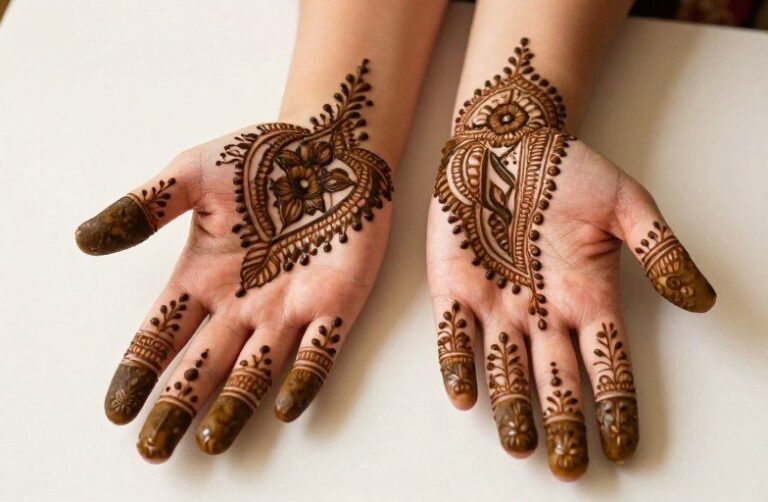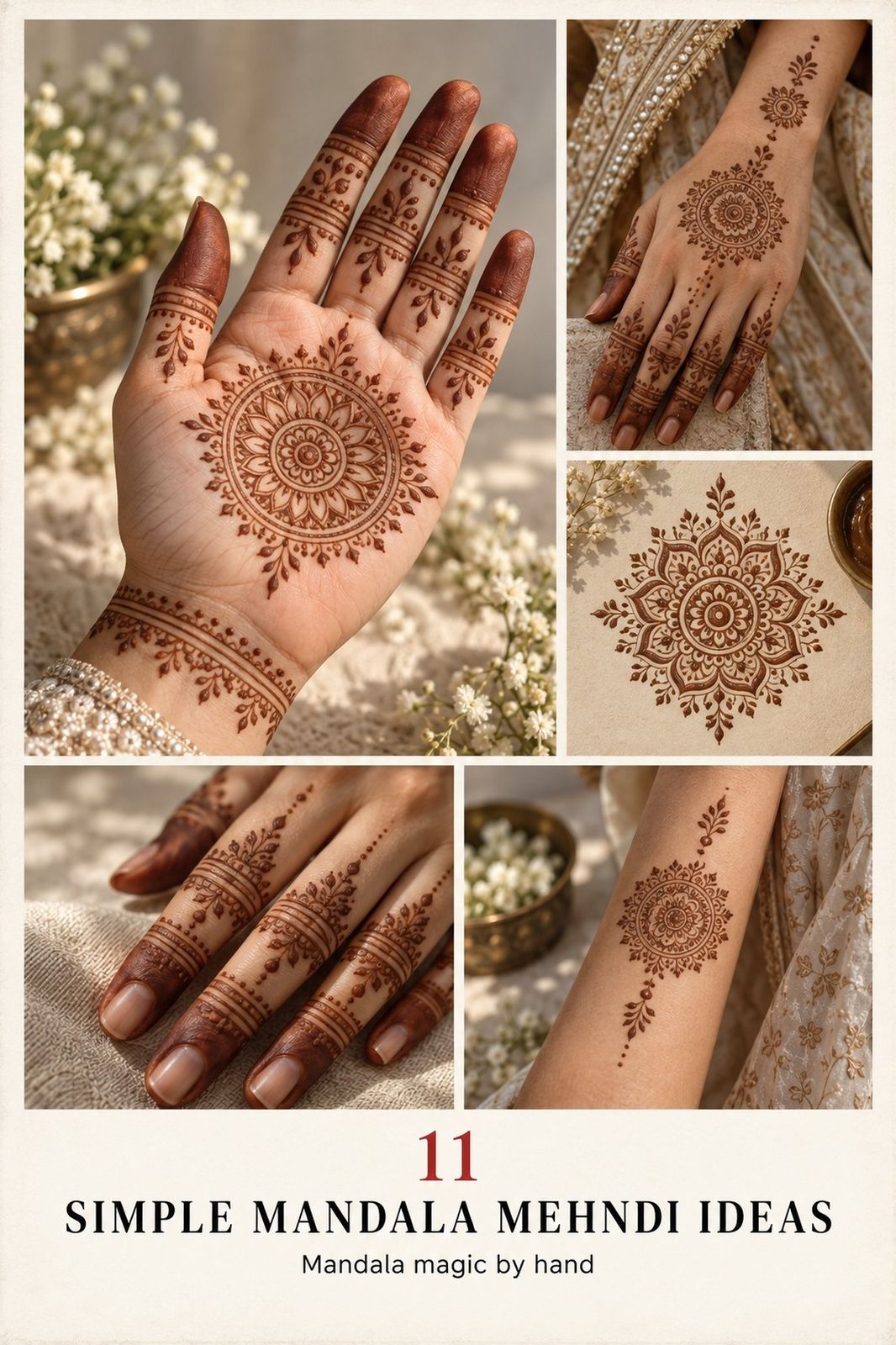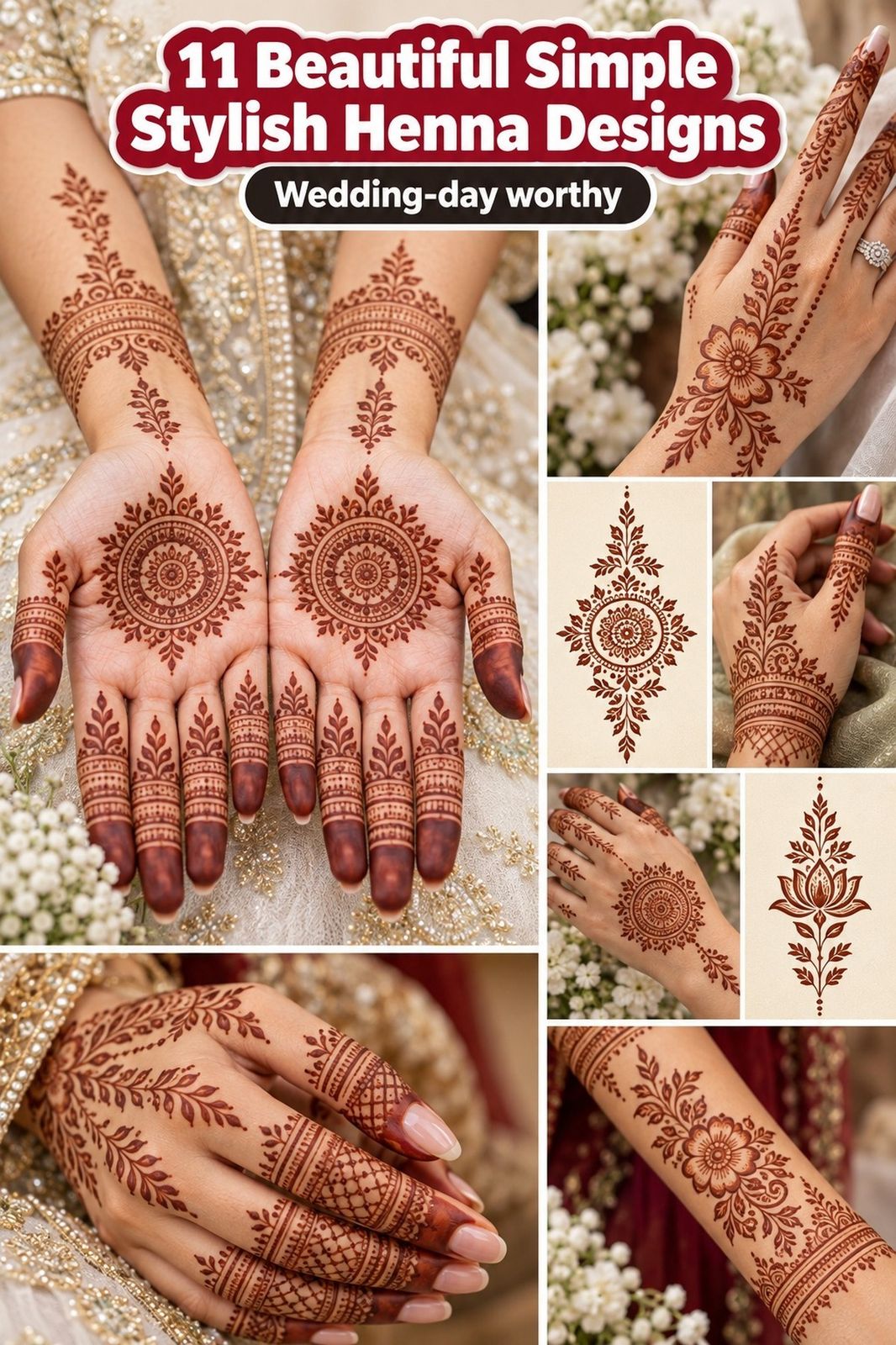

Henna tattooing is a temporary body art technique using plant-based paste to stain the skin. For beginners, success comes down to fresh paste, clean skin, and patience while the paste sets. This guide covers the practical skills and honest expectations that separate a crisp, dark stain from a faint, blurry disappointment.
Pain & Comfort
One of henna’s biggest draws is the near-total absence of pain. Unlike needle-based tattooing, henna paste sits on the skin’s surface and stains the dead keratin layer without breaking the skin. Most people feel nothing beyond a cooling sensation as the paste dries.
What You Actually Feel
As the paste dries, the skin tightens slightly. Some people experience mild tingling or itchiness, this is usually from the essential oils (typically tea tree or lavender) mixed into the paste to release dye, not the henna itself. If you have sensitive skin, a simple patch test on your inner wrist 24 hours before full application is standard practice.
The real discomfort comes from the waiting. A proper henna stain requires the paste to stay on skin for 4-8 hours, sometimes overnight. Sleeping with hardened paste crumbling into your sheets tests anyone’s patience. Wrapping the dried design in medical tape or a loose cotton glove helps protect it and reduces the mess.
After the Paste Comes Off
The stain starts orange and darkens to reddish-brown over 24-48 hours. During this oxidation period, the skin may feel dry. A thin layer of natural oil, coconut, olive, or jojoba, keeps the area comfortable without interfering with color development. Avoid scrubbing, exfoliating, or prolonged water exposure for the first day to protect the developing stain.
Realistic Expectations
How Long It Actually Lasts
Henna stains typically last 1-3 weeks. The variation depends on body placement, skin chemistry, and aftercare. Palms and soles, with their thicker skin layers, hold the darkest, longest-lasting stains, often 2-3 weeks. Outer arms, backs, and legs usually fade faster, sometimes within 7-10 days. Finger stains fade quickest due to constant washing and use.
The color also shifts. That initial bright orange darkens to a deep reddish-brown within 48 hours. By day 5-7, it softens to a lighter brown or amber. “Black henna” that stains immediately and lasts unusually long often contains PPD (para-phenylenediamine), a chemical additive that can cause severe allergic reactions and permanent scarring. Real henna is never black when applied.
What Fresh Paste Looks Like
Fresh henna paste is greenish-brown, smooth, and smells earthy with a hint of whatever essential oils were added. It should not smell like chemicals, ammonia, or hair dye. Pre-made cones from reputable suppliers work for beginners, though many experienced artists mix their own from henna powder, lemon juice, sugar, and essential oils. Paste can be frozen for months and thawed for use.
What to Expect Step by Step
Preparation
Start with clean, dry skin. Avoid lotions, oils, or sunscreen on the application area, they create barriers that block dye absorption. Shaving the area a day beforehand removes dead skin and helps the paste make full contact. Some artists lightly wipe the skin with lemon juice or witch hazel to remove surface oils.
- Work in a warm room, henna releases dye faster with body heat
- Have paper towels, cotton balls, and a damp cloth ready for cleanup
- Wear old clothing; henna stains fabric permanently
- Protect work surfaces with newspaper or plastic
Application Technique
Cut a tiny opening at the cone tip, smaller than you think, about 1-2mm. Practice pressure control on paper first. The paste should flow steadily without dripping.
Work from the center of your design outward to avoid smudging. Keep the line thickness consistent by maintaining even pressure on the cone. Rest your application hand on the skin or a stable surface to reduce shaking. For fine details, hold the cone like a pencil; for thick fills, grip it like a frosting bag.
After applying, let the paste dry until the surface is no longer tacky, usually 15-30 minutes. Then apply a sugar-lemon sealant (dissolved sugar in lemon juice, dabbed on with a cotton ball) to help the paste stick and crack less. This extends wear time significantly.
The Waiting Period
Leave paste on as long as possible. Minimum 4 hours for a visible stain; 6-8 hours or overnight for deep color. Once fully dry, the paste flakes off naturally. Do not wash it off with water, scraping off dry paste preserves more stain. The orange residue left behind is normal; it darkens with time.
Common Mistakes
Beginners often apply paste too thin. A thin layer dries too fast and doesn’t release enough dye. The paste should sit slightly raised on the skin, like a line of frosting, not scraped flat.
- Moving the design before the paste sets, results in smeared, blurred lines
- Applying to freshly exfoliated or sunburned skin, stains unevenly or too dark
- Using old or improperly stored paste, yields faint or no stain
- Touching the design repeatedly while drying, oils from fingers block absorption
- Expecting immediate dark color, the orange stage is normal and necessary
Another frequent error is applying henna to hands and immediately doing dishes, typing, or handling objects. Plan your application for low-activity periods. Evening applications work well for overnight setting.
Tips From the Chair
Getting the Darkest Possible Stain
Heat is your ally. After removing dry paste, keep the area warm for the first 24 hours. Some people wrap the design in tissue and plastic, then apply gentle heat from a distance with a hair dryer or heating pad. Avoid direct contact that could burn skin.
Natural oils applied after the initial 24-hour oxidation period help the stain last by creating a moisture barrier. But avoid petroleum-based products like Vaseline early on, they can pull dye from the skin during the critical darkening phase.
Design Choices That Work
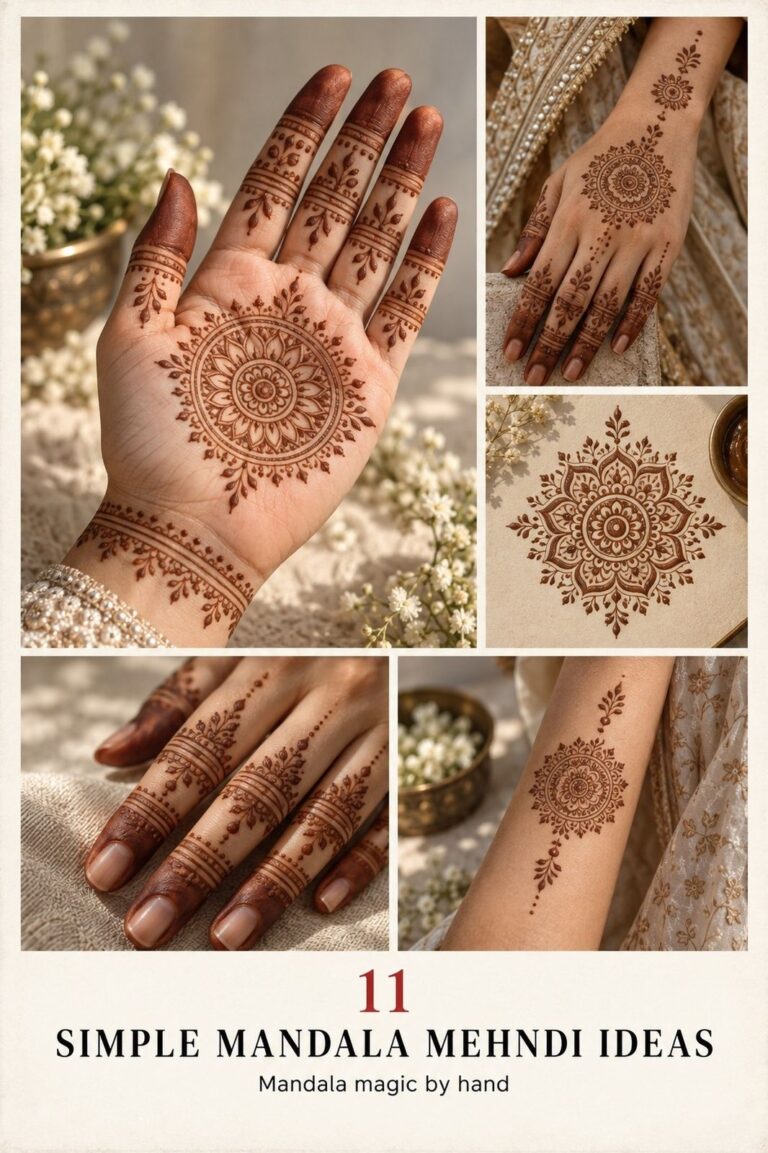
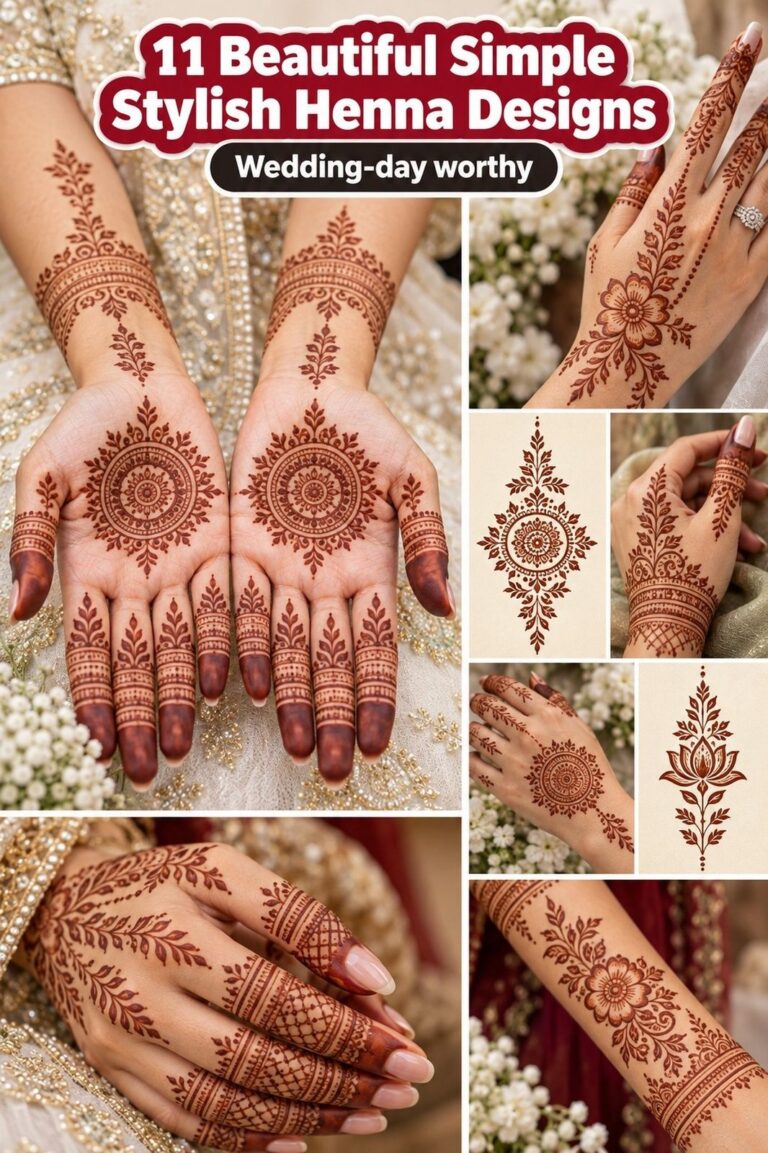
Simple geometric patterns, vines, and florals suit beginners better than intricate portraits or fine lettering. Lines should be bold enough to hold definition as the paste spreads slightly upon contact. Test your design scale, details smaller than a grain of rice often blur together.
Tracing paper or transfer paper can help map complex designs onto skin before applying henna. Some artists draw lightly with a cosmetic pencil as a guide. For freehand work, practice the rhythm of consistent curves and dots on paper until the motion feels natural.
The Direct Answer
Here’s the straightforward path to your first successful henna tattoo:
Source fresh, natural henna paste from a reputable supplier, avoid anything labeled “black henna” or “emergency cone.” Prepare clean, dry skin without products. Cut a small cone tip and practice pressure on paper. Apply your design with lines thick enough to hold paste, working from center to edge. Let it dry, seal with sugar-lemon solution, and leave it on 6-8 hours minimum. Scrape off dry paste without water, expect orange color that darkens over 48 hours, and protect the area from water and scrubbing for the first day.
That’s the core technique. Everything else, design complexity, color depth, longevity, builds from these fundamentals through repetition and observation of how your specific skin responds.
Final Word
Henna rewards patience more than artistic genius. Your first attempts may be uneven, pale, or smudged. The paste consistency, your skin’s chemistry, and environmental factors all interact in ways that only experience reveals. Document your results, what paste you used, how long it stayed on, where on the body, what aftercare you practiced. Patterns emerge quickly.
The temporary nature of henna is its gift, not its limitation. Each application teaches something for the next. Work with natural materials, respect the time requirements, and treat the process as practice rather than performance. The stain will fade, but the skill builds.
Frequently Asked Questions
Can I use henna paste from the grocery store for body art?
Grocery store henna is often for hair dye and may contain additives, lower dye content, or coarser sift that isn’t skin-safe. Body art quality henna is finer, fresher, and typically mixed with skin-safe essential oils. Buy from suppliers specializing in body art henna.
Why did my henna turn out orange instead of brown?
The orange stage is completely normal and necessary. Real henna oxidizes from orange to reddish-brown over 24-48 hours after paste removal. If it stays bright orange, the paste may have been too old or left on too briefly.
How do I keep henna from cracking and falling off too soon?
Add sugar to your paste mixture or apply a sugar-lemon sealant after the surface dries. This keeps the paste flexible and adhered longer. Avoid thick applications in very dry climates where rapid cracking is more likely.
Is it safe to henna tattoo children or during pregnancy?
Natural henna is generally considered safe, but children’s skin is more sensitive and they struggle to keep paste on without smearing. Pregnancy-safe henna avoids certain essential oils; plain henna with lemon juice and sugar is the conservative choice. Patch testing is wise for any new user.