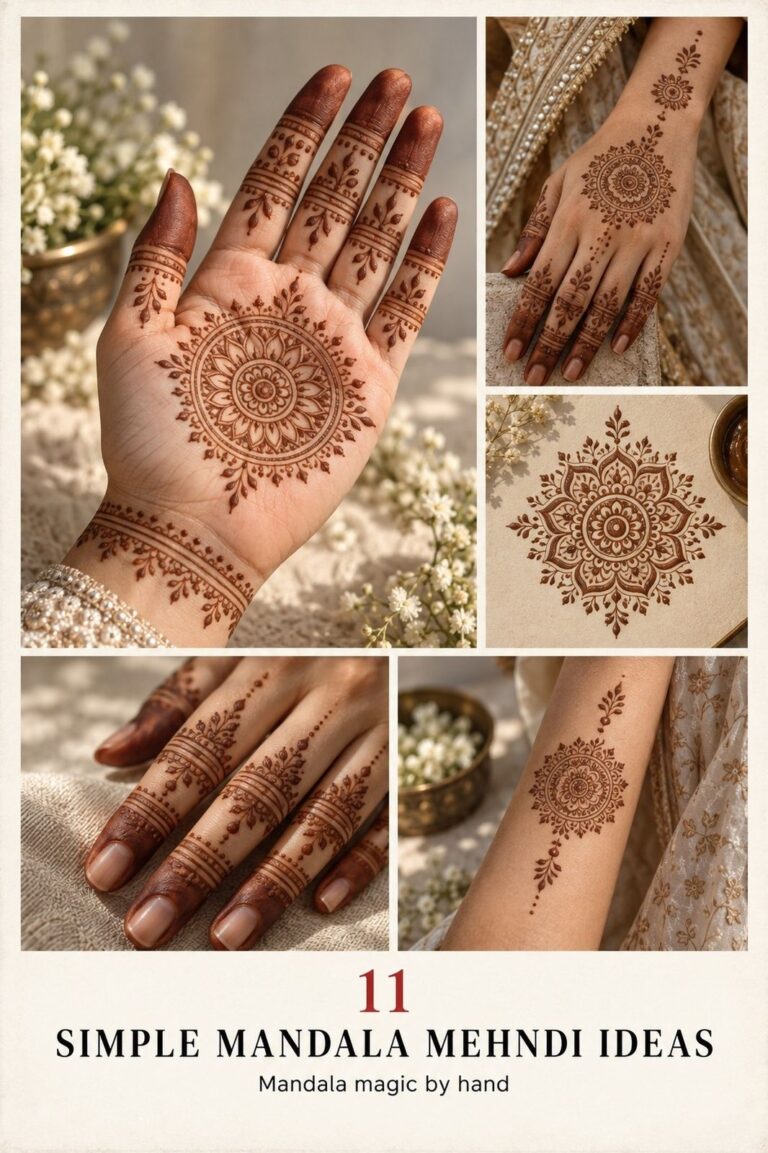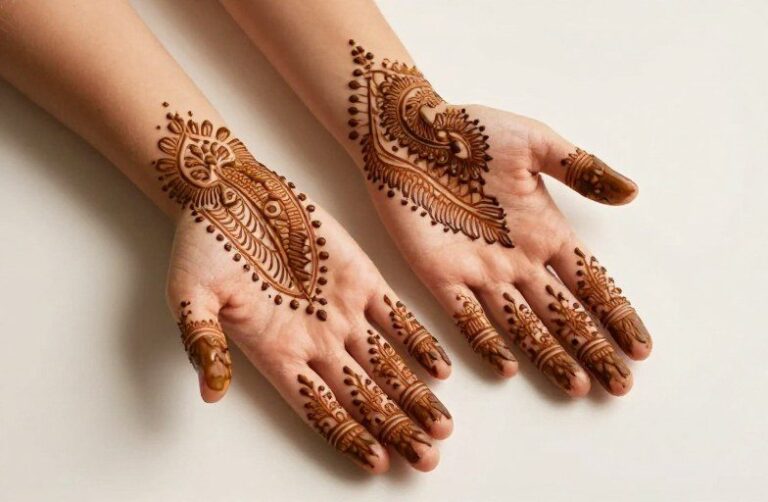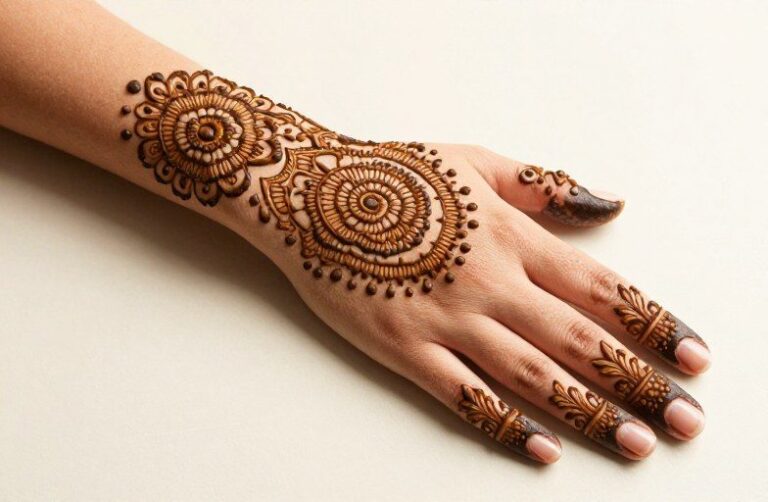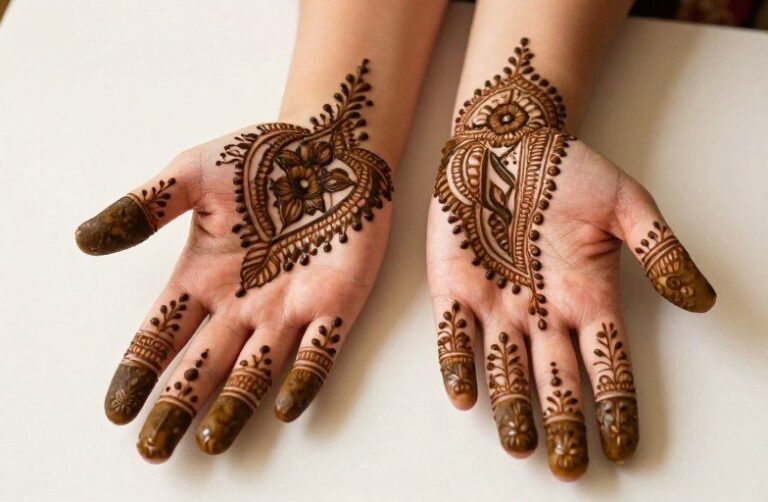
Henna fades on its own in one to three weeks, but you can speed things up with oil soaks, gentle exfoliation, and warm water. Don’t use bleach, lemon juice on broken skin, or aggressive scrubbing, that’s a fast track to irritation, not clear skin.
The Direct Answer
Henna stains the top layers of your skin. It doesn’t sink deep like a needle tattoo, which means removal is about lifting stained dead skin cells rather than breaking down ink. The safest approach combines three things: oil to dissolve the henna’s binding oils, mild exfoliation to remove stained skin, and time.
Start with a warm shower to soften the skin. Apply baby oil, coconut oil, or olive oil and let it sit for 10-15 minutes. Wipe away with a warm washcloth using gentle circular pressure. Repeat daily. For faster results, follow oil removal with a soft exfoliant, sugar mixed with oil, or a washcloth with mild soap. Never scrub until the skin is raw.
What Actually Damages Skin
- Chlorine bleach or hydrogen peroxide, chemical burns, not faster fading
- Lemon juice on irritated or freshly shaved skin, phototoxic reactions, possible blistering
- Coarse salt scrubs on thin areas like wrists or collarbones, abrasions that scar
- Acetone or nail polish remover, strips natural oils, causes dermatitis
- Pumice stones or sanding, unnecessary trauma for a temporary stain
Tips From the Chair
Professional tattoo artists see a lot of panicked walk-ins asking about henna gone wrong, too dark, wrong placement, allergic reactions to “black henna” containing PPD. The advice below comes from shop-floor experience, not medical training, but it’s grounded in how skin actually behaves.
Placement Matters for Fading Speed
Henna fades fastest where skin regenerates quickly: palms, fingers, soles of feet. It lingers on thicker, less mobile skin like the upper arm, back, or thigh. If your henna is on your hands, normal washing and friction will do half the work for you. On the upper back or chest, you’ll need to be more deliberate with oil and exfoliation because those areas don’t get the same daily abrasion.
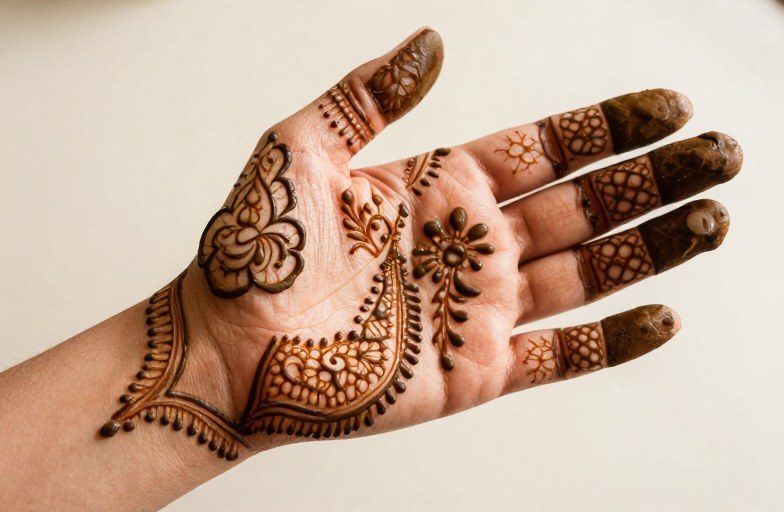
Line-dense henna designs also fade unevenly. Fine lines blur first; solid patches of henna hang on longer. This creates a blotchy look during removal. Exfoliating the whole area evenly helps avoid the “partially erased” effect.
Aftercare That Backfires
Ironically, the same aftercare that preserves a real tattoo, moisturizing, avoiding sun, keeps henna dark longer. To fade henna, do the opposite: warm water exposure, gentle friction, and letting the skin dry out slightly between oil treatments. Don’t over-moisturize the area unless the skin feels tight or irritated.
Pain & Comfort
Proper henna removal shouldn’t hurt. A mild tingling from exfoliation is normal; burning, stinging, or sharp pain means you’re damaging the skin barrier. Stop immediately.
“Black henna” containing paraphenylenediamine (PPD) is a different situation. This chemical dye, often used in tourist markets and beach stands, can cause severe allergic reactions: blistering, scarring, and permanent sensitization to hair dye and some textiles. If your henna was black, smelled like ammonia or chemicals, or caused any itching, burning, or swelling during application, do not attempt aggressive removal. See a dermatologist. The stained skin may be compromised already.
When Removal Itches
Itching during fading usually means the skin is dry or irritated from over-exfoliation. Switch to pure oil soaks without scrubbing for a few days. If itching persists, develops a rash, or spreads beyond the henna area, that’s not normal fading, get it checked.
What to Expect Step by Step
Day-by-day expectations help you avoid the temptation to over-treat. Here’s the realistic timeline for intentional fading with safe methods.
Days 1-3: Henna is darkest. The paste has fully oxidized. Start oil soaks now, coconut or baby oil, 15 minutes, wipe with warm cloth. You’ll see slight lightening, mostly from surface paste residue coming off.
Days 4-7: Natural fading accelerates. Add gentle exfoliation every other day. The stain will look patchy as denser areas hold on. This is normal. Continue daily oil soaks.
Days 8-14: Significant fading on most body areas. Hands and feet may be nearly gone. Thicker skin areas still show a ghost image. Reduce exfoliation to every two days to avoid irritation.
Days 15-21: Most henna is gone or barely visible. Persistent shadow on slow-fading areas can be treated with continued oil soaks, but patience is more effective than force at this stage.
Accelerating Factors That Actually Work
- Swimming in chlorinated pools, chlorine lightly bleaches and exfoliates
- Sauna or steam room, opens pores, softens stained skin
- Normal gym friction, sweat and equipment contact on areas like forearms
- Shaving the area once fading begins, physically removes stained top layer
Cost Factors
Removing henna at home costs essentially nothing, oil, a washcloth, and patience. Professional help enters the picture only when something goes wrong, and those costs vary widely.
Dermatologist visits for allergic reactions or suspected PPD exposure run $150-$400 without insurance for the consultation alone. Prescription topical steroids, if needed, add $20-$100. Laser treatment is almost never appropriate for henna, it’s designed for needle-deposited ink in the dermis, not surface stains in the epidermis. Any clinic suggesting laser for pure henna removal is either uninformed or upselling.
Professional tattoo artists won’t remove henna for you, it’s not a service shops offer. Some may consult for free if you’re considering a real tattoo in the same area and need the skin clear first. That conversation is worth having if you’re planning to get tattooed over faded henna residue; residual stain can affect color saturation in light ink.
When to See a Professional
Most henna removal is DIY. See a dermatologist for: blistering, spreading redness, pus, fever, or severe itching after “black henna” application. These indicate allergic contact dermatitis or infection, not normal fading.
Also seek professional guidance if the henna area becomes numb, unusually painful, or develops a thick, leathery texture. These are signs of chemical burn or deep skin damage, often from PPD exposure. Scar prevention matters more than stain removal at that point.
Before Covering With a Real Tattoo
Wait until the skin is fully normal, no residual redness, texture change, or visible stain shadow, before getting tattooed over the area. Henna residue in pores can interfere with needle penetration and ink settling. Most artists recommend at least two weeks after the last visible henna is gone, longer if the skin was irritated during removal. Bring this up in your consultation; a good artist will examine the area and adjust the timeline.
The Takeaway
Henna is temporary by design, but impatience makes people damage their skin trying to rush the process. Oil, warm water, gentle exfoliation, and realistic timing are your entire toolkit. Avoid anything that burns, stings, or requires you to scrub raw. If the henna was black or chemically scented, treat the situation more cautiously, your skin has already been exposed to something harsher than plant paste. And if you’re clearing space for a permanent piece, give your skin the full recovery window; good tattooing requires healthy canvas, not rushed compromise.
Frequently Asked Questions
Does henna come off faster on certain body parts?
Yes. Palms, fingers, and soles fade fastest due to constant friction and rapid skin turnover. The upper back, chest, and thighs hold henna longer because the skin is thicker and less mobile.
Can I use makeup remover or rubbing alcohol to fade henna?
These will dry out the skin and may cause irritation without significantly speeding fading. Oil-based methods are gentler and more effective at breaking down henna’s natural binding oils.
How long should I wait before getting a real tattoo where henna was?
Wait until all stain is gone and the skin feels completely normal, no texture changes, redness, or irritation. Most artists suggest at least two weeks after the last visible shadow disappears.
Why is my henna turning green or blue during fading?
Natural henna shouldn’t change to green or blue. That color shift suggests chemical additives, possibly PPD in “black henna.” Stop removal attempts and consult a dermatologist if you see this.