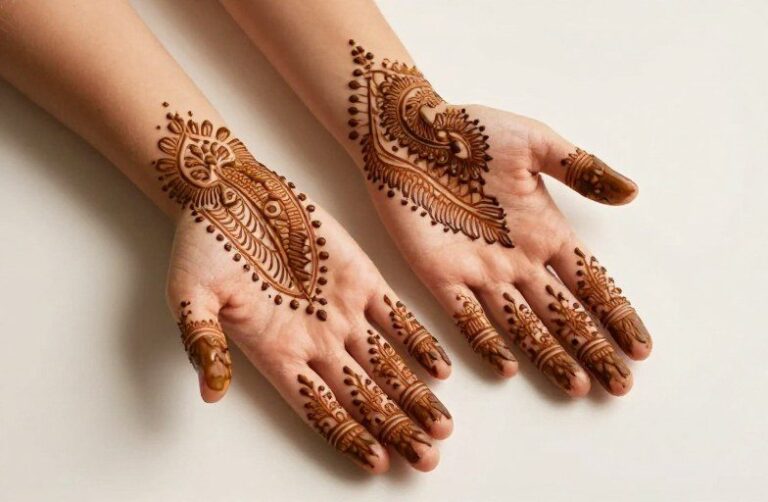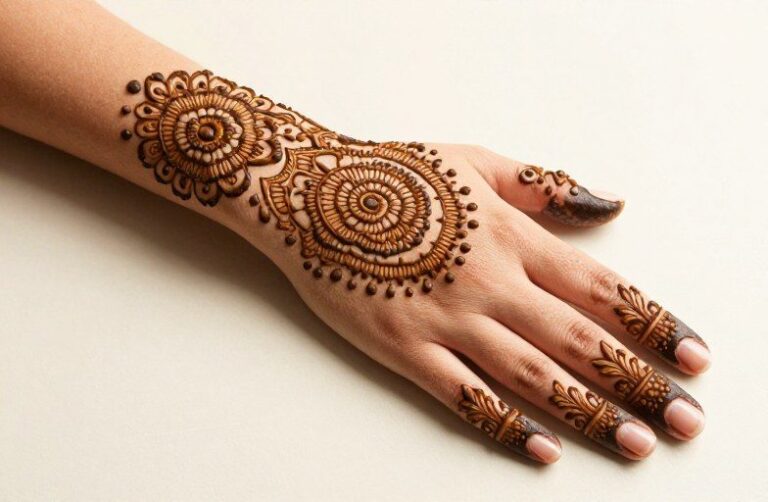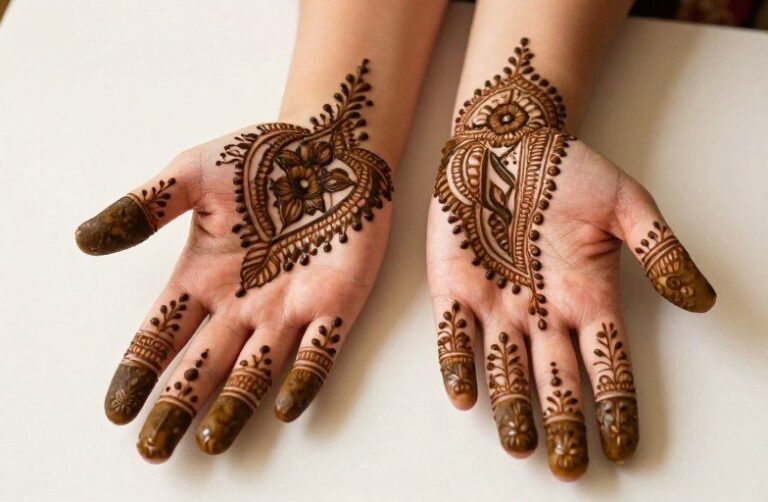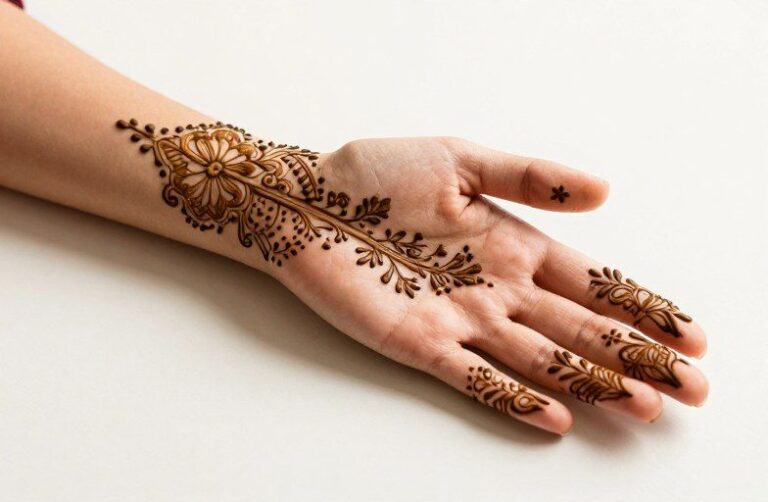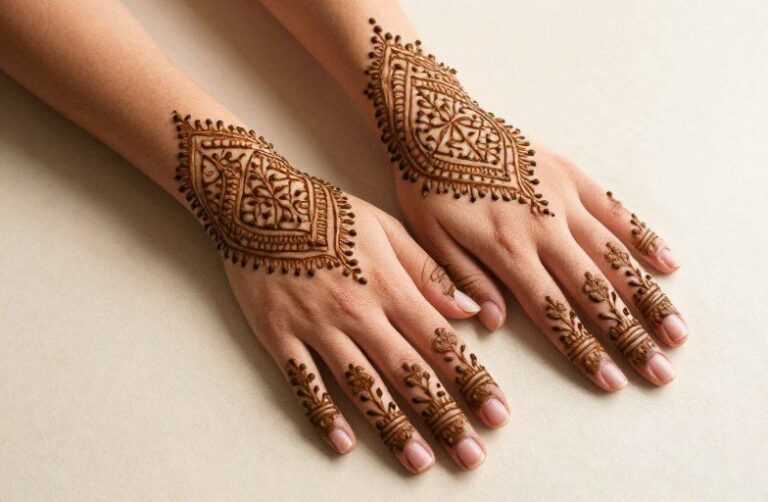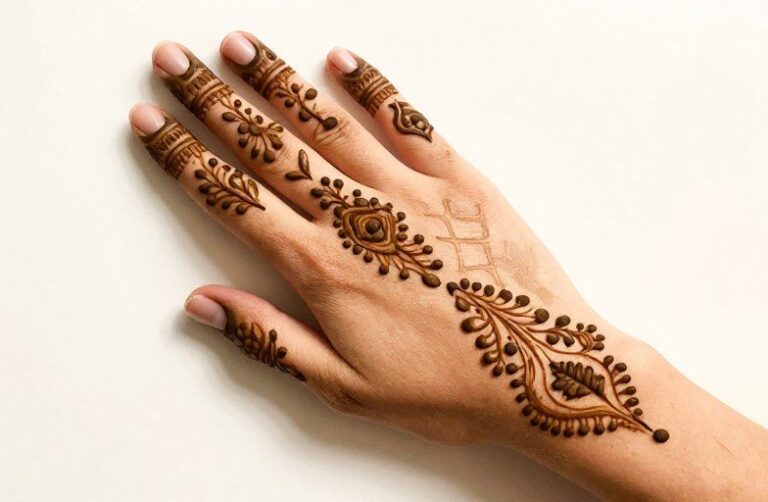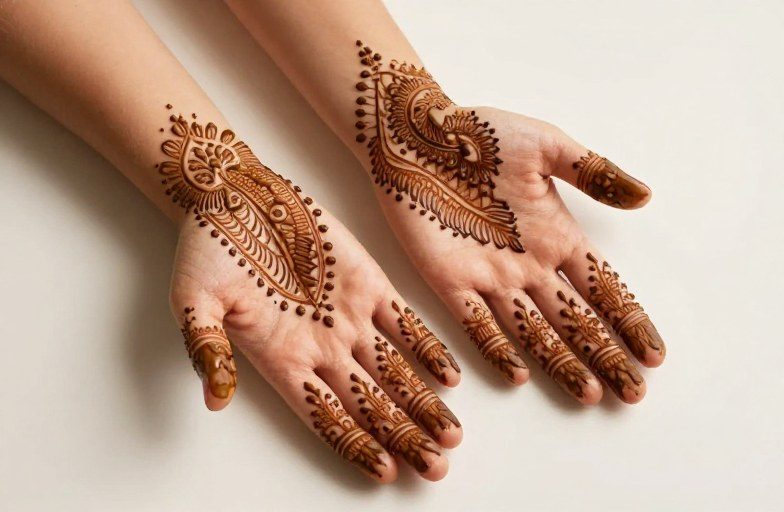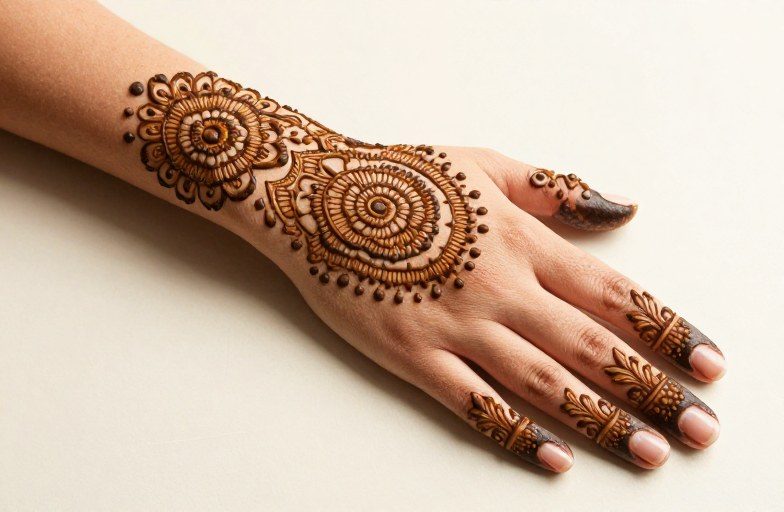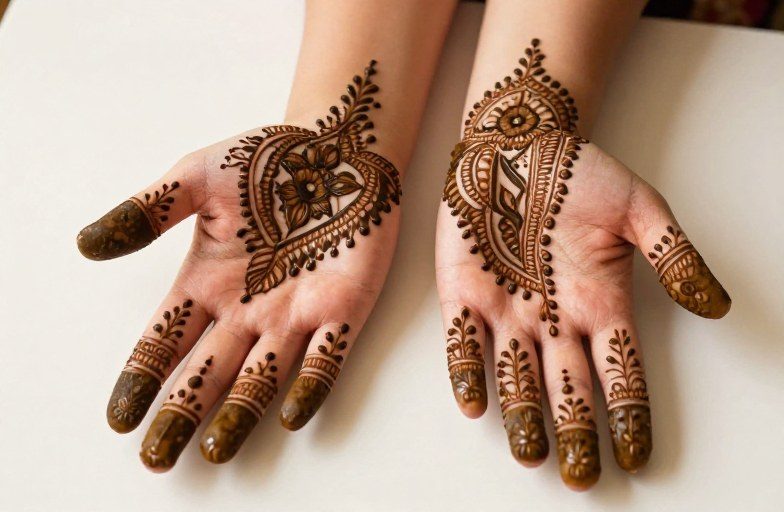
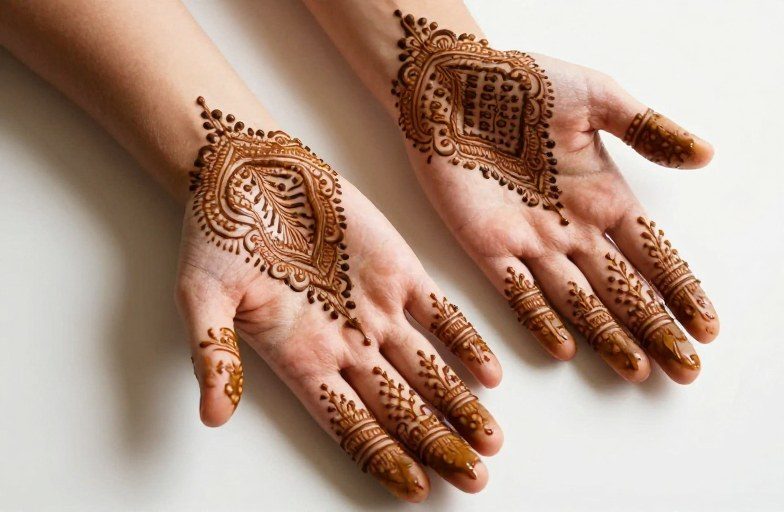
Mehndi tattoo stickers offer a temporary way to wear intricate henna-inspired designs without the hours of paste application and staining. To apply one, you clean and dry the skin, peel the backing, press the sticky side firmly onto your chosen spot, dampen the paper backing with a wet cloth until saturated, then slowly peel the paper away to reveal the transferred design. The whole process takes under two minutes once you get the hang of it.
The Direct Answer
Let’s walk through the actual mechanics so you don’t waste a sheet or end up with a smudged transfer.
Skin Prep
Wash the area with plain soap and water. No lotion, no sunscreen, no residual body oil. These create a barrier that keeps the adhesive from grabbing properly. Exfoliate lightly if the skin is flaky, dead skin cells lift with the paper and take the design with them. Let the skin dry completely. Even a trace of moisture traps air bubbles underneath.
Application Steps
- Cut around the design with a small margin; don’t try to peel the whole sheet at once
- Remove the clear plastic film if your sticker has one
- Place the design face-down on your skin; once it touches, repositioning is nearly impossible
- Press firmly from the center outward to eliminate air pockets
- Hold a wet cloth or paper towel against the backing paper for 30-60 seconds until fully saturated
- Peel the paper back slowly at a low angle; if the design sticks to the paper, stop and re-wet that section
- Pat dry gently and avoid touching the fresh transfer for 10 minutes
Some brands use a different adhesive system where you peel the backing, stick the design, then remove a top layer. Read the included instructions, forcing the wrong layer ruins the sticker.
Healing Timeline
Mehndi stickers aren’t wounds, but they do go through a visual lifecycle that mirrors some aspects of real tattoo settling.
First 24 Hours
The color looks most saturated and sharp immediately after application. The adhesive film sits on the skin surface, catching light and giving a slightly raised appearance. During this window, avoid friction from tight clothing, backpacks, or sleeping directly on the design. The edges are vulnerable to lifting if scraped.
Days 2-7
The design begins to integrate visually with your skin tone as the surface film wears microscopically. Showering is fine; scrubbing is not. The color may soften slightly, this is normal, not fading from poor application. By day five to seven, you’ll likely see small cracks in fine lines or gaps where the sticker has worn from natural skin movement.
Removal Phase
Most mehndi stickers last 3-7 days depending on placement and care. They don’t flake off dramatically like a sunburn peel. Instead, they gradually break down at edges and high-friction points. When you’re ready to remove, baby oil or an oil-based makeup remover dissolves the adhesive gently. Don’t rip dry stickers off, this irritates skin and can cause superficial damage that looks worse than the tattoo itself.
Realistic Expectations
These products occupy a specific niche, and understanding their limitations prevents disappointment.
How They Differ From Real Henna
Traditional henna paste stains the top layers of skin, creating a color that emerges over 24-48 hours and fades as your skin naturally exfoliates. Mehndi stickers are essentially decals with a brown or reddish printed pattern. The color you see at minute one is the color you get, no oxidation, no deepening. The visual effect is “instant henna” rather than authentic henna.
Visual Authenticity
Up close, the printed lines lack the slight irregularity of hand-applied henna. The finest details in sticker designs sometimes blur at edges or show dot-matrix patterns under bright light. From conversational distance, though, a well-applied sticker reads convincingly. For photos or events where you’ll be seen at arm’s length, they perform admirably. For intimate inspection or someone familiar with real henna, the difference is apparent.
Pain & Comfort
Application itself is painless, no needles, no paste sitting for hours, no cracking and flaking as henna paste dries. The sensation is comparable to placing a Band-Aid. Some people with sensitive skin react to the adhesive, experiencing mild redness or itching at the edges. This usually resolves within hours of removal. If you know you react to medical adhesives or cosmetic tapes, patch-test on your inner wrist before committing to a large design.
During wear, the sticker creates a slight film on the skin surface. In hot weather or during exercise, sweat can pool under the edges, creating a prickly sensation. This isn’t harmful, but it feels unpleasant. Patting dry rather than rubbing preserves the design while relieving the discomfort.
Cost Factors
Pricing varies dramatically based on where you buy and what you’re getting.
Sheet Pricing
Drugstore and craft-store sheets typically run $3-8 for a single sheet with multiple small designs or one large centerpiece. Online marketplaces offer bulk packs, ten sheets for $15-25 is common. The cheapest sheets use thinner adhesive and simpler printing; the design transfers less completely and wears faster. Mid-range options ($5-10 per sheet) generally offer better adhesion and more detailed printing.
Professional Application
Some henna artists and temporary tattoo services offer sticker application as part of event packages. You’re paying for curation and placement expertise rather than the product itself. Expect $15-40 for a single large design applied professionally, often bundled with photography or party services. For personal use, DIY application is straightforward enough that professional help is rarely necessary unless you need precise placement for a specific outfit or photoshoot.
Common Mistakes
Most failed applications stem from rushing or skipping basic prep.
Placement Errors
Applying over body hair, whether fine arm hair or thicker leg hair, creates air gaps and causes premature lifting. Shaving 12-24 hours beforehand gives you smooth skin without the irritation of fresh razor burn. Curved surfaces like wrists and ankles require extra attention: cutting small slits in the sticker backing (not the design itself) allows it to conform to contours without wrinkling.
Aftercare Missteps
- Applying lotion over the sticker immediately, it breaks down the adhesive
- Submerging in hot tubs or long baths within the first 24 hours, soaking lifts edges
- Exposing to direct sunscreen spray, the alcohol base dissolves many adhesives
- Scratching at itchy edges, this rolls the sticker back from the outside in
Another frequent error: choosing high-friction placements (palms, soles, inner fingers) and expecting longevity. These areas regenerate skin rapidly and contact surfaces constantly. Even the best sticker won’t survive two days of hand-washing. For maximum duration, select the outer forearm, upper arm, calf, or shoulder blade.
Final Thoughts
Mehndi tattoo stickers serve a genuine purpose: they let you wear complex, culturally resonant patterns without commitment, time investment, or skill requirements. They’re not substitutes for real henna in contexts where authenticity matters, and they’re not competitors to permanent tattooing, they’re their own category of temporary adornment.
Treat them with the same care you’d give any cosmetic you want to look good: prep properly, place thoughtfully, and respect the limitations of the medium. The result won’t fool a henna artist, but it will photograph well, complement an outfit, and let you experiment with placement and scale before considering anything permanent. For special occasions, travel, or simply testing whether you enjoy wearing visible designs, they’re a practical tool worth mastering.
Frequently Asked Questions
Can I shower with a mehndi tattoo sticker on?
Yes, brief showers are fine. Keep the water stream from hitting the design directly for the first day if possible. Pat dry gently, don’t rub with a towel. Avoid soaking in baths, pools, or hot tubs until the sticker has fully set, usually after 24 hours.
Why did my sticker design tear or stretch during application?
The backing paper wasn’t wet enough when you peeled it, or you pulled too fast at too steep an angle. Next time, saturate the paper until it’s almost translucent, then peel slowly back against itself rather than straight up. Tearing also happens if the skin moves during application, keep the area relaxed and still.
How do I make a mehndi sticker look more like real henna?
Choose designs with slightly thicker lines and traditional motifs rather than photorealistic prints. Apply to areas where real henna is commonly placed, backs of hands, forearms, feet. The color won’t deepen like real henna, but matte-finish stickers read more authentically than glossy ones. Avoid obvious “sticker shine” by dusting lightly with translucent powder after application.
Can I layer multiple stickers for a larger design?
You can, but the edges of each sticker create visible seams. For best results, choose sheets specifically designed as multi-piece compositions with interlocking edges. If combining separate stickers, overlap them slightly rather than butting edges together, gaps are more obvious than slight overlaps, which can blend visually.