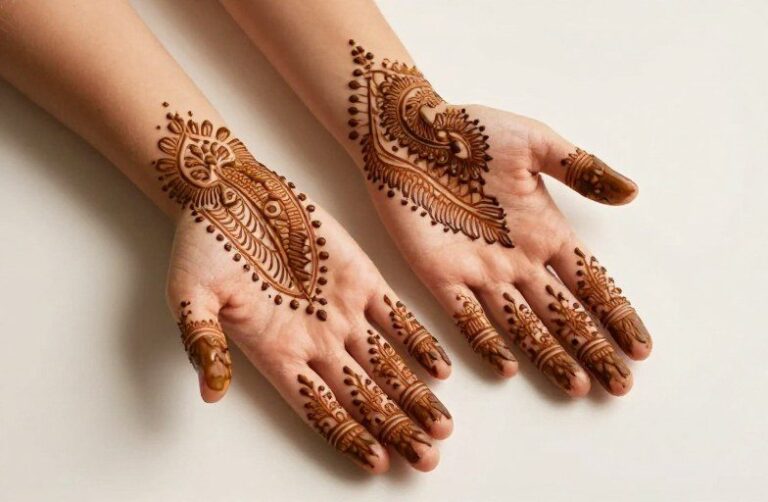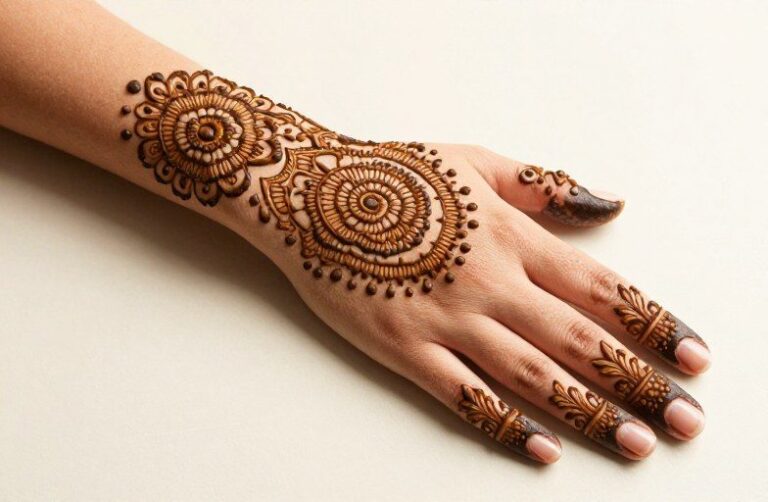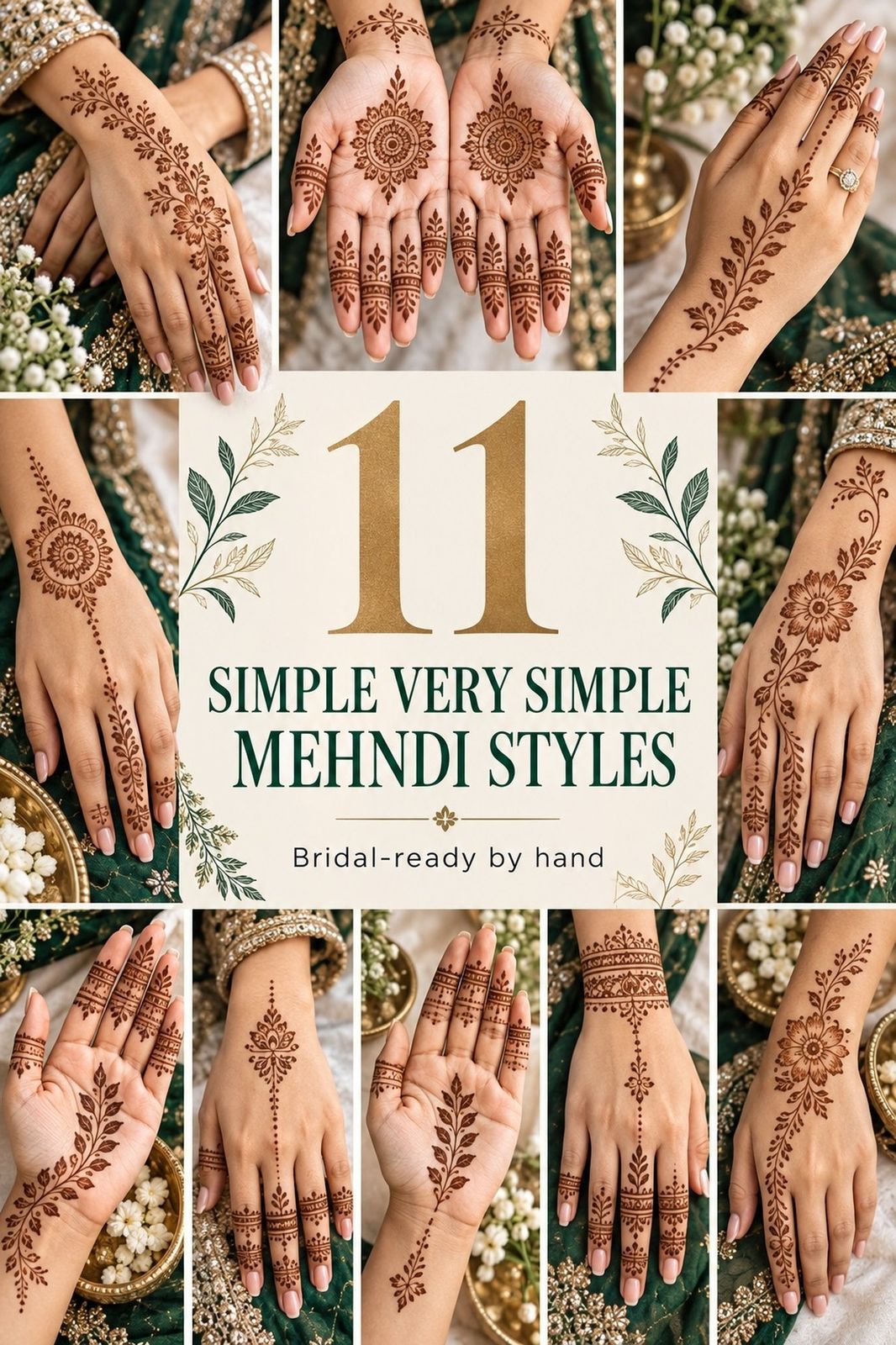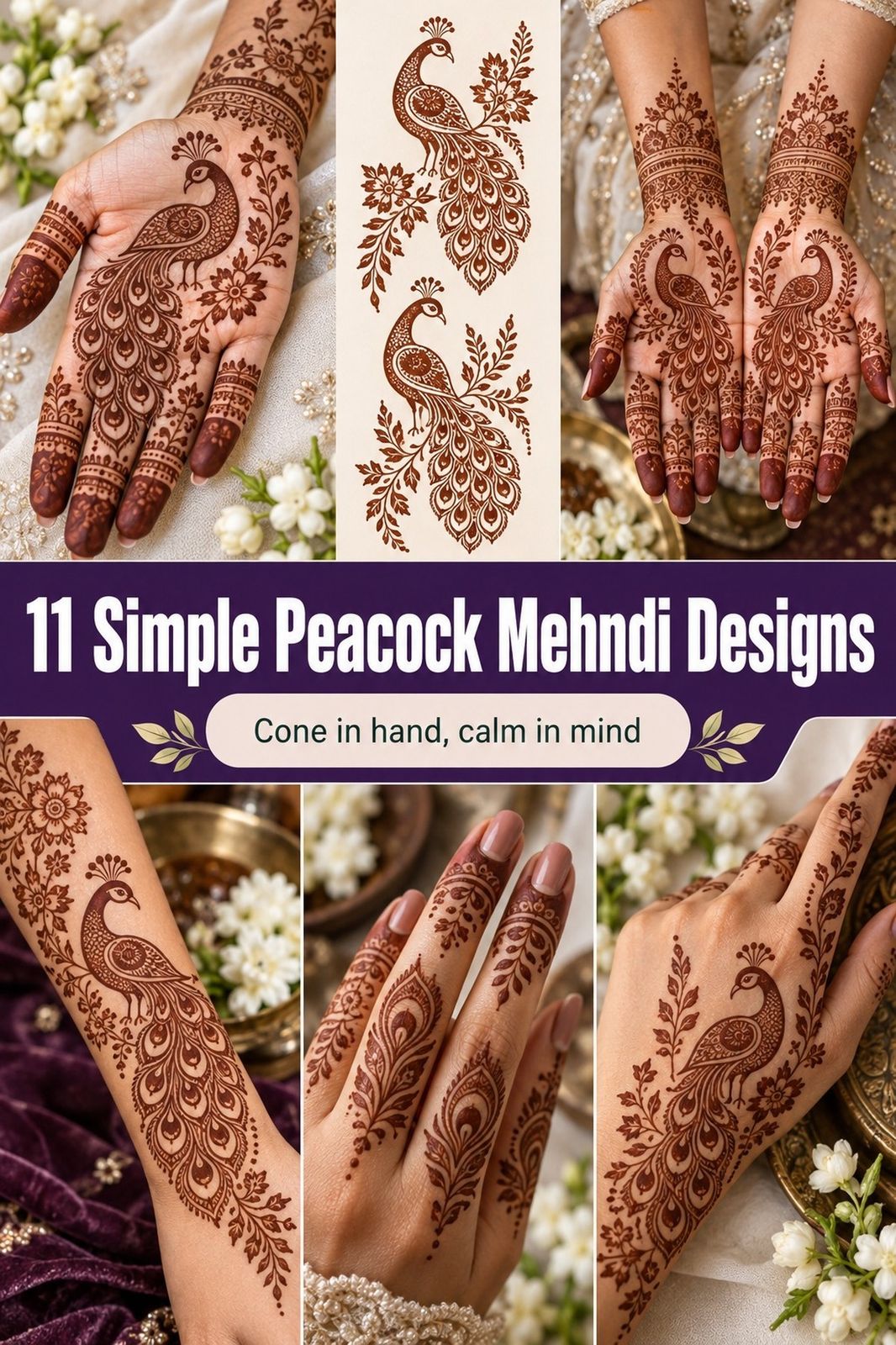
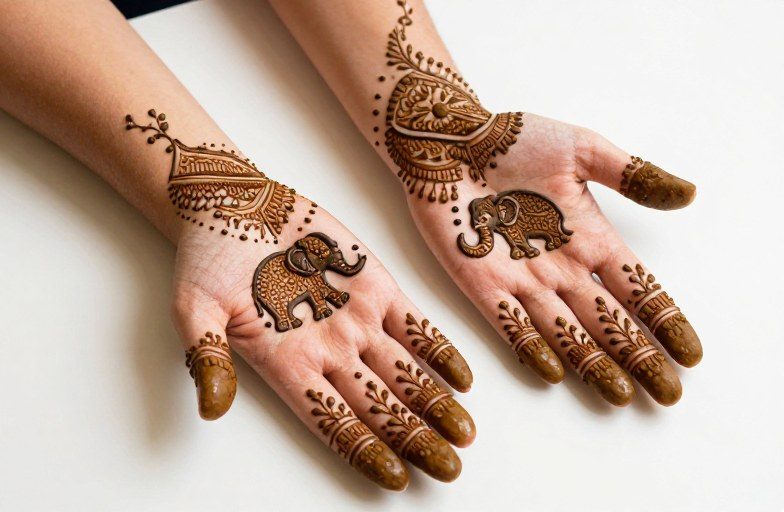
A henna elephant tattoo merges the elephant’s global symbolism of memory, strength, and good fortune with the decorative, flowing aesthetic of mehndi art. People choose this design to honor heritage, mark life transitions, or carry a protective emblem that ages gracefully on skin. The henna style, intricate linework, paisley fills, and dot patterns, softens the elephant’s massive form into something ornamental and deeply personal.
Who Chooses This Tattoo
The appeal crosses demographics, but certain threads run through most decisions. South Asian diaspora members often want a permanent nod to mehndi traditions without the temporary nature of actual henna. Others connect to elephant conservation, having volunteered or traveled where these animals hold sacred status. Some simply respond to the visual, elephants carry weight without aggression, and the henna style wraps that mass in delicacy.
Common Placements and Why
Placement shapes how the design reads. The upper arm and shoulder give space for a full profile with trunk raised, a classic luck symbol. Wrists and ankles suit smaller, more abstract interpretations: just an elephant head framed in mandala patterns, or a trunk curling into a paisley swirl. Ribs and thighs accommodate the most elaborate mehndi fills, where the elephant’s silhouette becomes negative space inside lace-like linework.
- Forearm: High visibility; trunk direction matters, up for luck, down for mourning or remembrance in some traditions
- Upper back: Room for a family group, each elephant scaled to represent relatives
- Behind the ear: Tiny, trunk-curled silhouette; heals well but fades faster from sun exposure
- Foot: Echoes actual mehndi placement; painful but culturally resonant
Gender and the Design
While henna application has feminine associations in many cultures, the elephant itself reads neutral. Men often opt for bolder black linework, less floral filler, sometimes incorporating geometric or tribal elements. Women frequently choose softer brown tones, more paisley and lotus integration. These aren’t rules, just tendencies observed in shop requests.
Symbolism & Core Meaning
Elephants accumulate meaning across cultures faster than almost any animal. Their recognized intelligence, mirror self-recognition, grief rituals, cooperative problem-solving, grounds the symbolism in observable fact, not just myth. In tattoo form, this translates to designs emphasizing the eye, the trunk’s sensitivity, or the family herd structure.
Memory and Ancestry
The elephant’s proverbial memory makes it a memorial motif. A henna-style piece might integrate a parent’s initials into the ear’s pattern, or place dates within the trunk’s spiral. The mehndi aesthetic suits this, its dense detail rewards close looking, revealing personal codes only to those who know where to search.
Strength Without Violence
Unlike lion or bear imagery, elephant strength carries no predatory edge. This attracts people who’ve survived hardship without becoming hardened themselves. The henna style amplifies this: delicate linework containing massive form, beauty that doesn’t need to announce itself aggressively.
Design Tips & Pairings
Henna elephant tattoos succeed or fail on line weight and spacing. Too fine, and the detail blurs within years. Too bold, and you lose the mehndi character that makes the design distinctive.
Linework vs. Shading
Pure linework mimics actual henna most closely, brown or black ink, no gray wash. This ages predictably but can look flat on larger pieces. Dotwork shading inside the ears or around the legs adds dimension without breaking the mehndi illusion. Some artists use whip shading for a soft, almost henna-stained gradient. Avoid heavy black fill; it kills the lace-like quality.
- Color additions: Subtle, maybe a single lotus in soft pink, or gold ink highlights that catch light
- Border frames: Circular mandala backgrounds or rectangular mehndi panels containing the elephant
- Companion elements: Peacocks for beauty and pride, lotus for spiritual emergence, Ganesha’s mouse for devotion
Scaling the Detail
At three inches, you get a recognizable silhouette with minimal interior pattern. At eight inches, every leg can carry different mehndi motifs, one with paisley, one with florals, one with geometric bands. The trunk alone can host a full descending vine pattern. Discuss with your artist how the detail will read at your chosen size; phone-screen reference images rarely show true scale.
History & Cultural Roots
Mehndi itself is often linked to Bronze Age rituals across the Levant and South Asia, with henna’s cooling properties making it practical before it became decorative. The elephant’s cultural presence stretches similarly deep, African rock art, Indus Valley seals, early Chinese bronzework. The combination, however, is largely modern tattoo culture’s invention, not an unbroken tradition.
South Asian Mehndi Traditions
Bridal mehndi commonly includes elephant motifs, especially in Rajasthan and Gujarat. The elephant-headed god Ganesha removes obstacles; his vehicle, the mouse, appears less frequently. A wedding guest might receive henna with elephant patterns blessing the union. Translating this to permanent tattoo carries weight, some view it as appropriation if done without connection, others as natural evolution of diaspora identity.
African Henna and Elephant Symbolism
North African and Somali henna traditions use less figurative imagery, favoring geometric and floral patterns. But sub-Saharan elephant cultures, Maasai, Bamileke, various forest traditions, honor the animal as ancestor, rain-bringer, or royal emblem. Some trace blended henna-elephant designs to cross-cultural exchange in port cities, though documentation remains sparse.
Religious & Spiritual Angles
The elephant’s spiritual significance varies dramatically by tradition, and conflating them risks shallow symbolism. Hindu Ganesha worship, Buddhist white elephant narratives, and African animist practices are distinct systems.
Hindu and Buddhist Contexts
Ganesha’s elephant head makes the animal inseparable from Hindu devotional practice. A henna-style Ganesha tattoo is common, but many prefer the abstracted elephant to avoid literal deity representation, some believe only the initiated should carry divine images. In Buddhism, Queen Maya’s dream of a white elephant entering her womb foretold the Buddha’s birth. Thai and Lao art stylizes this elephant into almost abstract form, sometimes referenced in tattoo design.
Secular Spirituality
Many wearers hold no specific religious affiliation but respond to the elephant as spirit animal or totem. The henna aesthetic suits this, decorative, non-dogmatic, open to personal interpretation. The trunk’s upward curve, specifically, has become near-universal shorthand for positivity and forward momentum, divorced from any originating tradition.
Personal & Modern Meanings
Contemporary wearers layer private significance onto cultural foundations. The elephant becomes a framework for individual narrative.
Family and Fertility
Matriarchal herd structure resonates with women building or celebrating family. A mother might place a calf behind her own elephant, or add a second small elephant for each child. The henna style’s intricacy suits this, each family member’s “elephant” can carry distinct patterning while harmonizing visually.
Survival and Recovery
The elephant’s capacity to mourn, remember, and continue moving appeals to those processing trauma. The trunk’s prehensile strength, delicate enough to pick a flower, powerful enough to uproot a tree, mirrors the duality of surviving hardship while maintaining softness. Henna’s temporary original form adds resonance: what was once fleeting becomes permanent, marking survival.
Final Thoughts
A henna elephant tattoo works because it holds contradiction gracefully, massive animal in delicate style, ancient symbol in modern skin, collective meaning open to private reading. The design demands technical precision; mehndi linework doesn’t forgive shaky hands or poor planning. Choose an artist with demonstrated ornamental or geometric experience, not just general realism skill. Ask to see healed photos, not fresh work, the fine lines that look crisp at day three can disappear by year three if improperly placed or overworked. The meaning you carry is yours to determine, but the craft of carrying it well is shared, earned through research and the right collaboration.
Frequently Asked Questions
Does the direction of the elephant’s trunk really matter?
Upward-curled trunks are commonly associated with good luck and prosperity across several traditions. Downward trunks sometimes signify mourning or remembrance, though this varies by culture and individual intention. Discuss what feels right for your specific meaning.
How well does fine henna-style linework age on skin?
It depends heavily on placement and sun exposure. Areas with frequent movement or friction, hands, feet, inner arms, blur faster. Upper back, outer thighs, and upper arms preserve detail longest. Always use sunscreen to slow fading and spreading.
Can I get a henna elephant tattoo if I’m not South Asian?
Many artists and wearers consider respectful, researched appreciation distinct from appropriation. Avoid copying specific sacred motifs you don’t understand, and consider whether your design connects to genuine personal meaning rather than aesthetic tourism.
What’s the typical healing time for this style?
Like all tattoos, surface healing takes two to three weeks. However, the fine lines of mehndi-style work can appear fully settled only after six to eight weeks. Avoid swimming and direct sun during initial healing to preserve crisp detail.