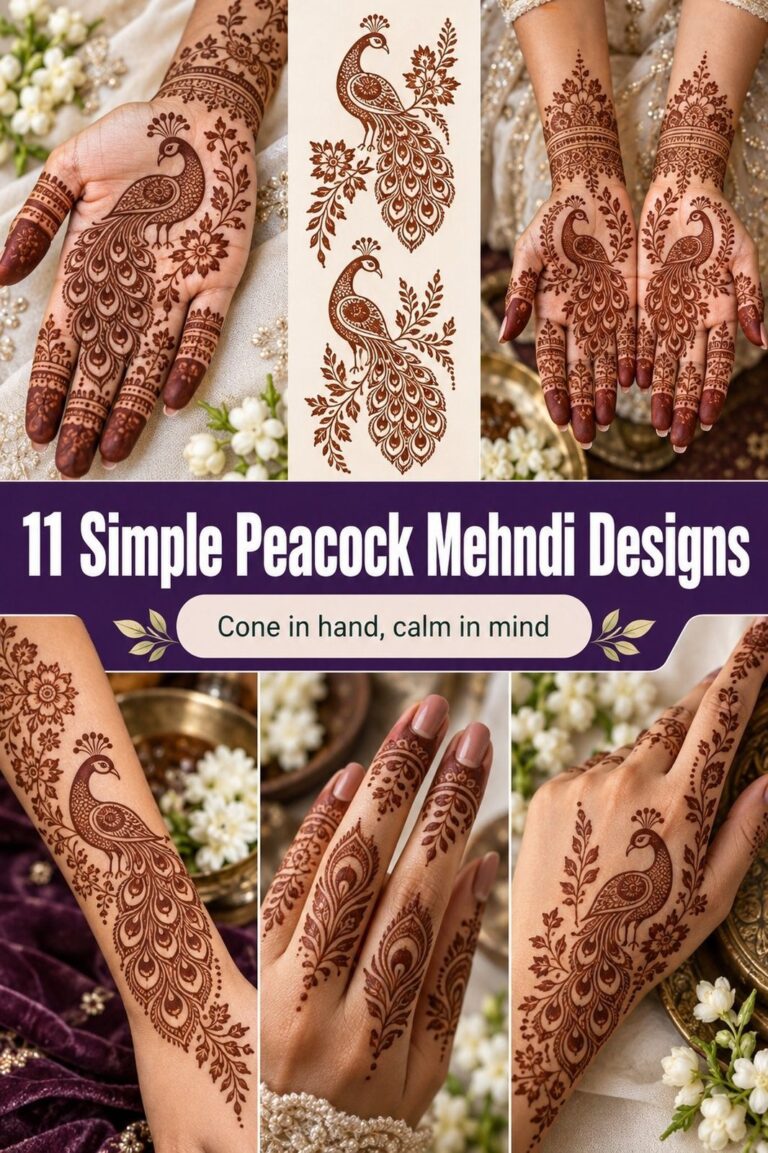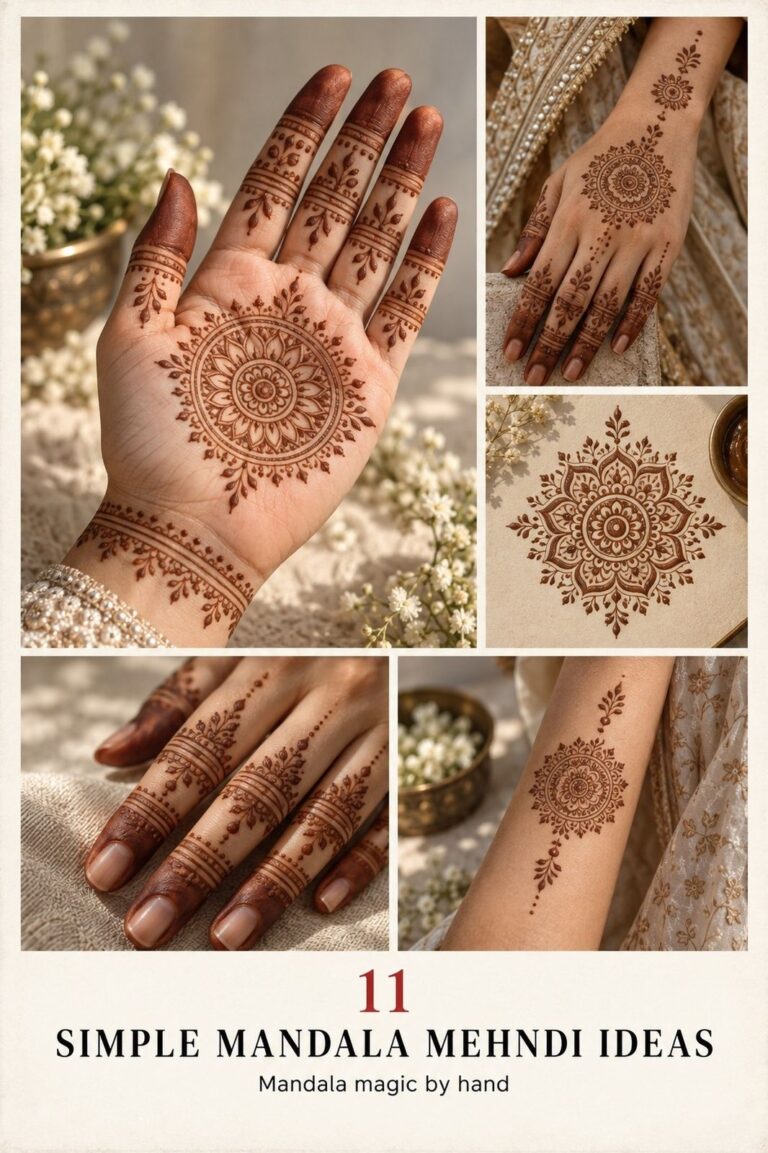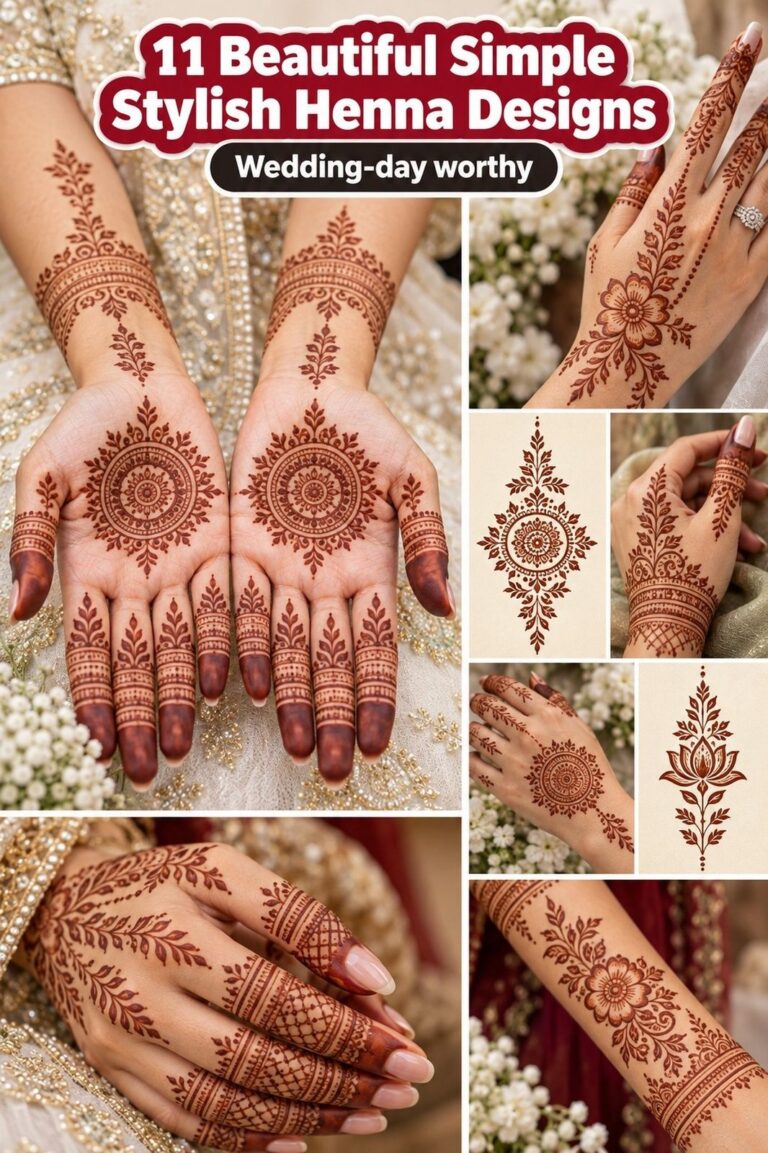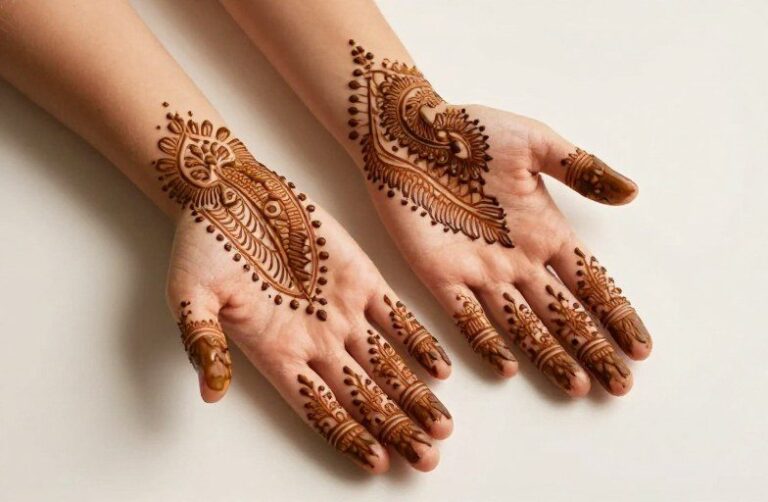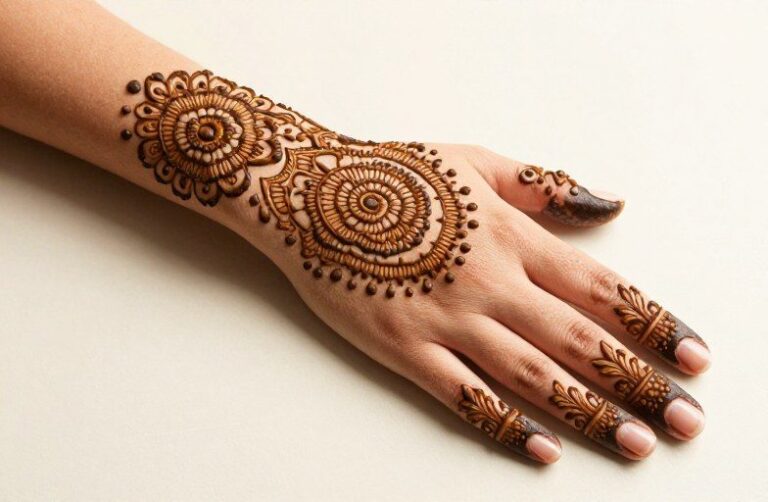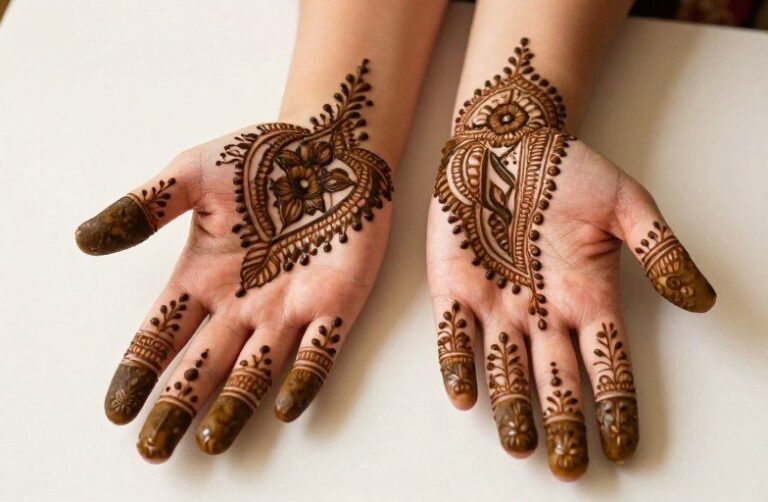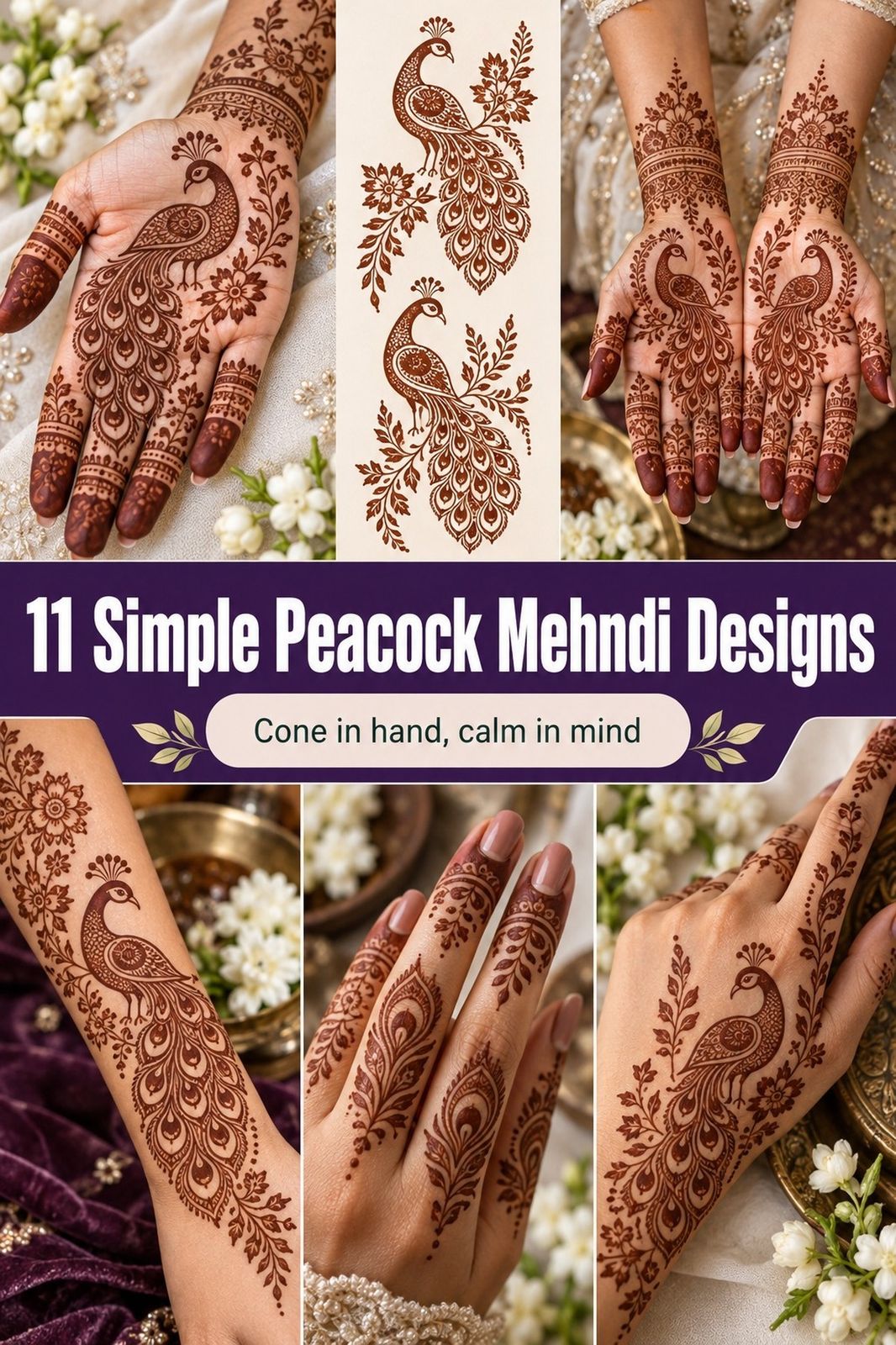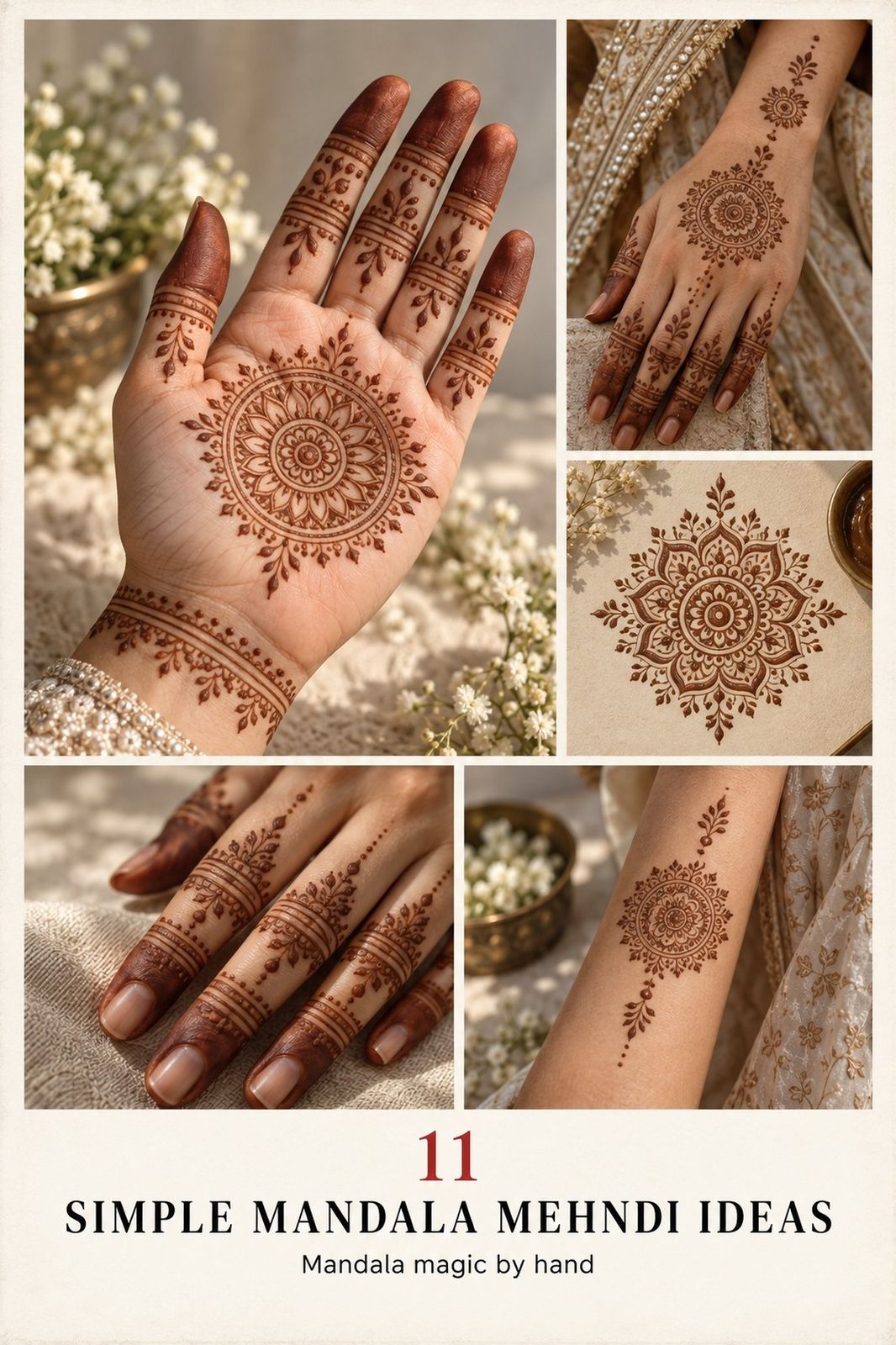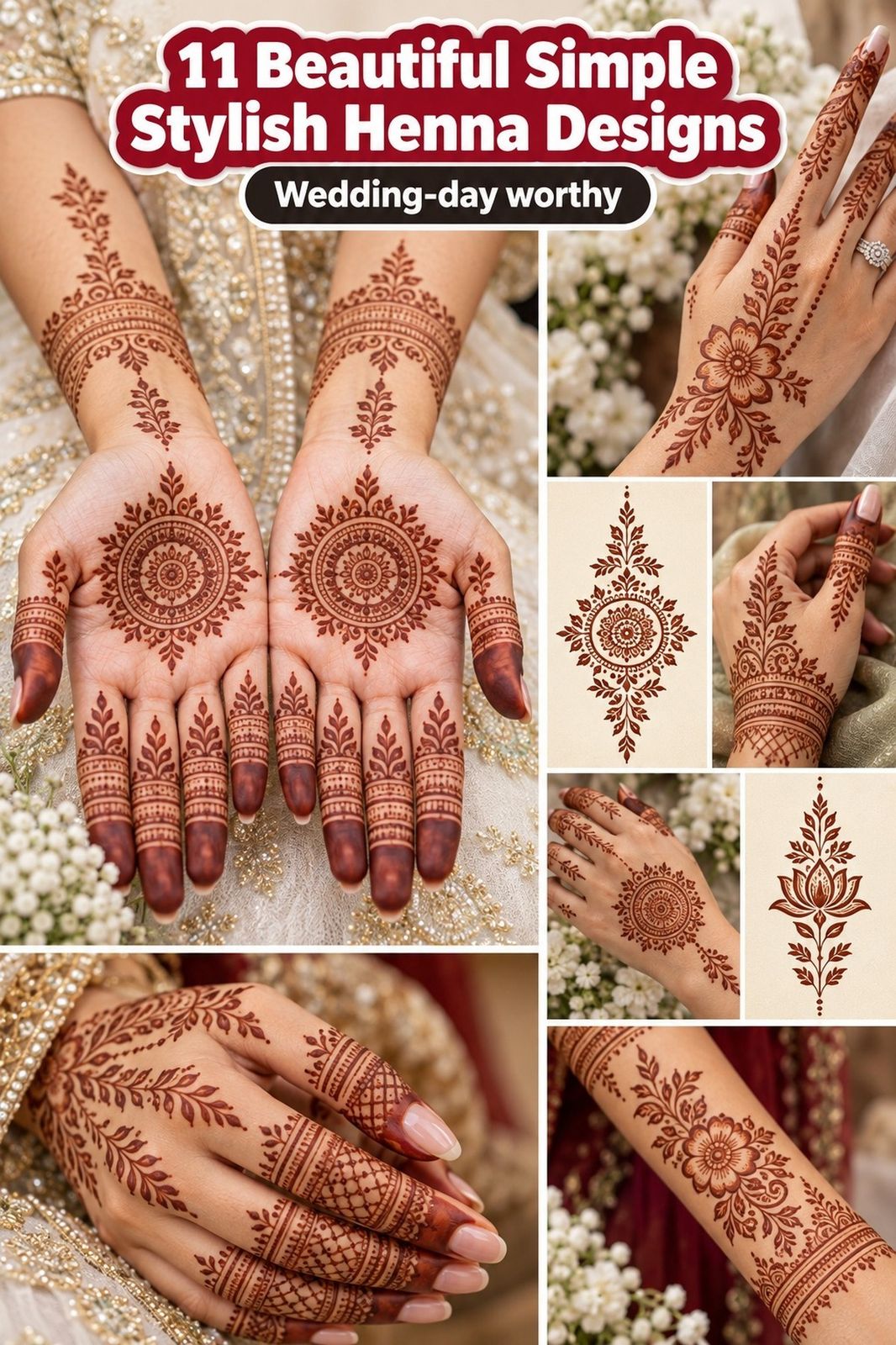
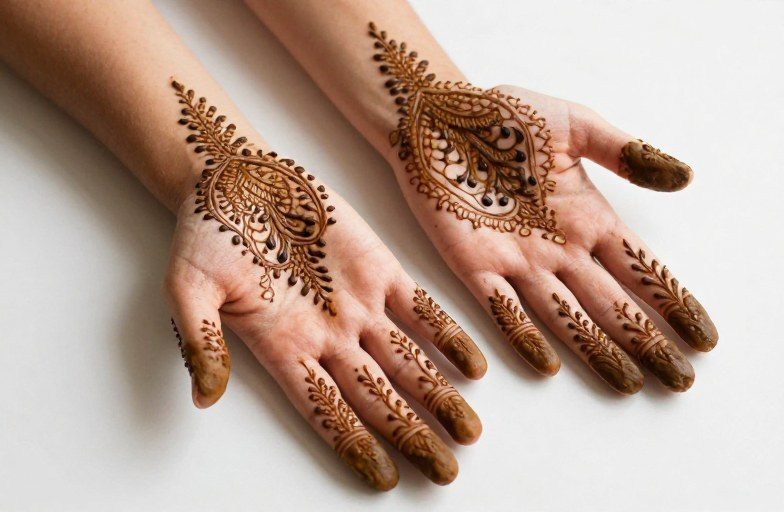
A henna meaning life tattoo typically combines the flowing, organic patterns of traditional mehndi with symbols of vitality, trees, spirals, vines, or the word itself woven into the design. In permanent ink, it captures the ephemeral beauty of henna while anchoring it as a lasting commitment to growth, resilience, and the cyclical nature of existence. Most people choose this motif to honor a personal transformation, a survival, or simply an affirmation of being fully alive.
Symbolism & Core Meaning
The henna plant itself carries weight. Its leaves yield a dye that stains skin for weeks, then fades, naturally mirroring impermanence. When someone commits this to permanent tattoo form, the tension between temporary and eternal becomes the point.
Life, Death, and the Space Between
Traditional henna application happens at weddings, births, and funerals across South Asian, North African, and Middle Eastern cultures. The same hands that celebrate a union might later mourn a passing. A permanent henna-style life tattoo can hold this duality: the intricate lacework speaks to joy and ceremony, while the permanence insists on continuity. Some incorporate specific elements:
- Flowing vines and leaves: growth, ongoing process, the unfinished nature of a life still being lived
- Spirals and mandala centers: cycles, return, the way years fold into each other
- Open negative space: breath, pause, the unscripted future
The Word Itself
Scripting “life” in stylized calligraphy, Arabic “hayat,” Hindi “jeevan,” or simply English, within henna-style ornamentation is increasingly common. The text becomes pattern; the pattern becomes text. Readability matters less than integration. A skilled artist will make the letters dissolve into vines so the word only fully reveals itself from certain angles.
Design Tips & Pairings
Placement dictates detail level. Henna patterns are traditionally dense and fine, which doesn’t translate equally everywhere.
Where Detail Works
Forearms, upper arms, calves, and upper back offer flat planes where linework stays crisp. The side of the hand, top of the foot, and sternum can work but require simplification, fine lines blur faster on thin, mobile skin. For a life-themed piece, consider:
- Inner forearm: visible to the wearer, space for a tree-of-life motif with henna-style roots
- Shoulder cap: natural curve suits circular mandala designs with life symbols at center
- Ribcage: large canvas for sprawling vine work, though pain is significant and healing tricky
Complementary Elements
Pairing henna-style life tattoos with other symbols requires restraint. The pattern itself is busy; adding too many competing icons muddies the composition. Effective combinations include:
- Single small bird or butterfly breaking from the vine pattern, literal emergence
- Minimalist moon phases tucked into negative space, suggesting life’s phases
- A single unadorned word or date in plain lettering, contrasting with the ornamental surround
Color choices are limited if you want the henna effect. Traditional mehndi is reddish-brown; modern interpretations sometimes use black henna (which is actually PPD-based and dangerous for skin contact, not a true tattoo reference). In permanent ink, stick to black or deep brown for authenticity. Color accents, emerald green leaves, small gold dots, can work but age unpredictably.
Religious & Spiritual Angles
Henna holds specific religious significance that doesn’t automatically transfer to a secular life tattoo. Understanding the context matters if you’re borrowing from traditions outside your own.
Islamic Contexts
Mehndi is sunnah for many Muslims, particularly in wedding contexts. The Prophet Muhammad is often linked to its use, though scholarly debate exists. A permanent henna-style tattoo with “hayat” (life) or “al-hayat” carries different weight than decorative florals. Some Muslims avoid permanent tattoos entirely; others don’t. If you’re not Muslim, using explicitly religious phrases like “hayat” without understanding can read as appropriation. Stick to botanical patterns or consult meaningfully with the tradition.
Hindu and Jain Traditions
Mehndi ceremonies (often called mehndi nights) precede Hindu weddings. The designs traditionally include the groom’s initials hidden within patterns, and the depth of color is sometimes said to predict marital happiness. A permanent henna life tattoo drawing from this tradition might incorporate lotus motifs (birth, purity, unfolding) or the kalpavriksha (wish-fulfilling tree). Again, specificity matters, generic “tribal” patterning strips the reference of meaning and often looks dated within years.
How It Ages on Skin
This is where romantic Pinterest references meet physical reality. Henna-style tattoos are line-heavy with extensive fine detail. Aging is not kind to this approach.
The Line Spread Problem
Needle-group linework, even single-needle, spreads over time. A hair-fine vine that looks crisp at six months will soften at three years, blob at ten. The dense patterning that makes henna visually striking becomes muddy when individual lines lose definition. Strategic design choices help:
- Vary line weight: thicker main stems with thinner tendrils, so hierarchy survives blurring
- Build in contrast gaps: solid black areas next to skin breaks, not just uniform density
- Avoid all-over equal fineness: the eye needs rest, and skin needs space to age gracefully
Touch-Up Reality
Unlike bold traditional or Japanese work, henna-style pieces don’t always refresh cleanly. Going back over faded fine lines often makes them heavier, losing the delicate quality that defined the piece. Plan for this from the start: slightly bolder than you think you want, with enough structural elements that the design reads even when detail softens.
Sun exposure accelerates fading. The ornamental nature of these tattoos often leads to placement on hands, feet, forearms, highly exposed areas. SPF becomes maintenance, not suggestion.
Mythology & Folklore
The henna plant’s own stories inform what a life-themed tattoo can carry.
The Plant’s Origins
Multiple origin stories exist, often linked to love and death intertwined. In some South Asian traditions, henna first grew from the ashes of a lover’s pyre, staining the hands that prepared the body. In others, the Prophet Muhammad dyed his beard with it, establishing its blessed status. The plant’s cooling properties, used to reduce fever, soothe skin, connect it to survival and comfort in harsh climates. These associations with endurance, with thriving despite conditions, feed naturally into life symbolism.
The Night of the Henna
Across cultures, the application itself is ritual. Women gather, paste is applied, stories are told. The waiting, hours for the stain to set, forces stillness. A permanent tattoo removes this communal, temporal aspect but can commemorate it. Some choose the design to honor a specific night, a specific gathering, a specific person who applied their henna. The life being referenced isn’t abstract; it’s particular, embodied, shared.
Similar & Related Symbols
Understanding adjacent motifs helps clarify what distinguishes the henna-life combination.
Tree of life tattoos share the growth symbolism but read more explicitly, less ornamentally. Celtic knotwork offers similar endless-line quality but different cultural grounding. Mandalas center wholeness rather than process. The unalome, popular in recent years, traces a single path to enlightenment, more linear than cyclical.
What henna-style life tattoos offer that these don’t is the specific texture of celebration, of hand-applied care, of pattern that rewards close looking. The meaning isn’t only in the symbol but in the visual language used to render it.
Key Takeaways
A henna meaning life tattoo works best when the design acknowledges the tension between its temporary inspiration and permanent form. Prioritize line weight variation and structural clarity for aging. Respect religious origins without performatively claiming them. Place it where detail can survive and where you’ll see it, this is an affirmation, not a hidden token. Most importantly, let the pattern breathe; henna’s beauty has always been in the balance between filled space and open skin.
Frequently Asked Questions
Will a henna-style tattoo look blurry after a few years?
Fine lines soften and spread over time, especially on hands and feet. Build in thicker structural elements and contrast gaps so the design remains readable even as detail fades.
Is it cultural appropriation to get a permanent henna-style tattoo?
Botanical patterns and general ornamental style are widely shared; using specific religious text or sacred symbols from traditions you don’t belong to requires genuine understanding and ideally, consultation.
Can I get this tattooed in brown ink to look like real henna?
Some artists offer brown or reddish-brown inks, but these fade faster than black and can heal unevenly. Black ink with warm undertones is more reliable long-term.
What’s the most painful placement for dense henna-style work?
The sternum, ribs, and tops of feet combine thin skin with proximity to bone. Dense detailing requires more passes, extending session time significantly in already sensitive areas.