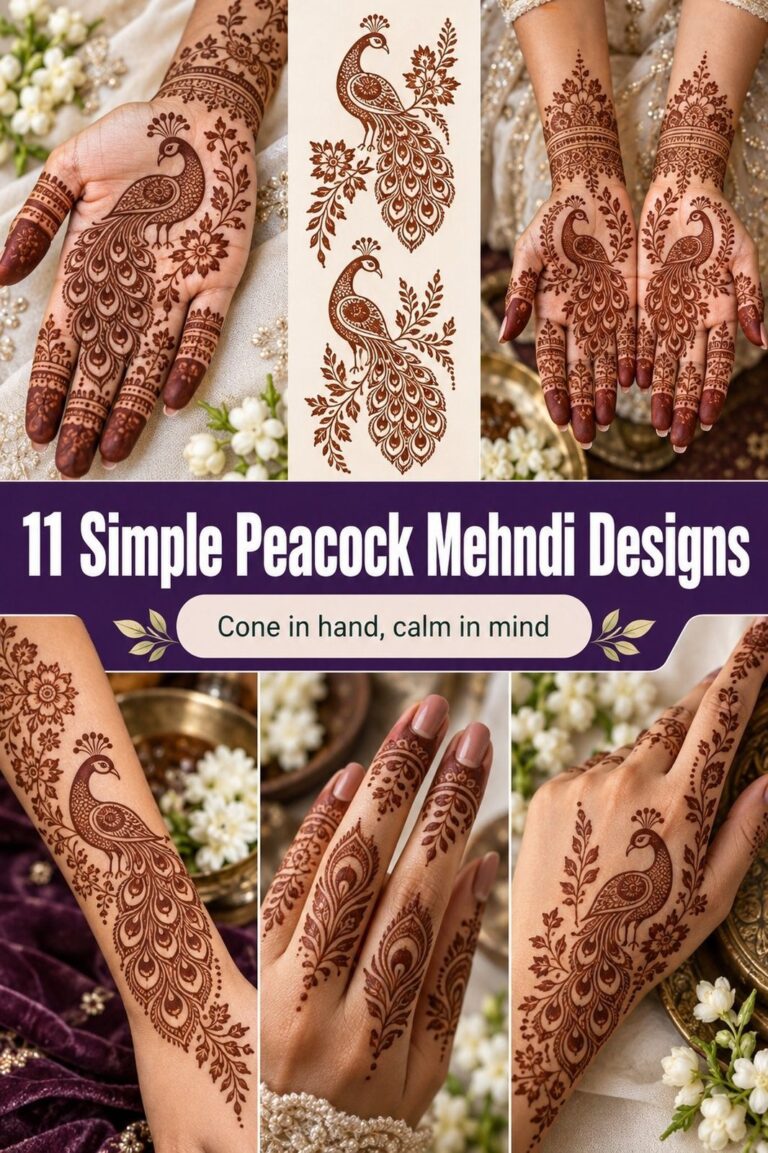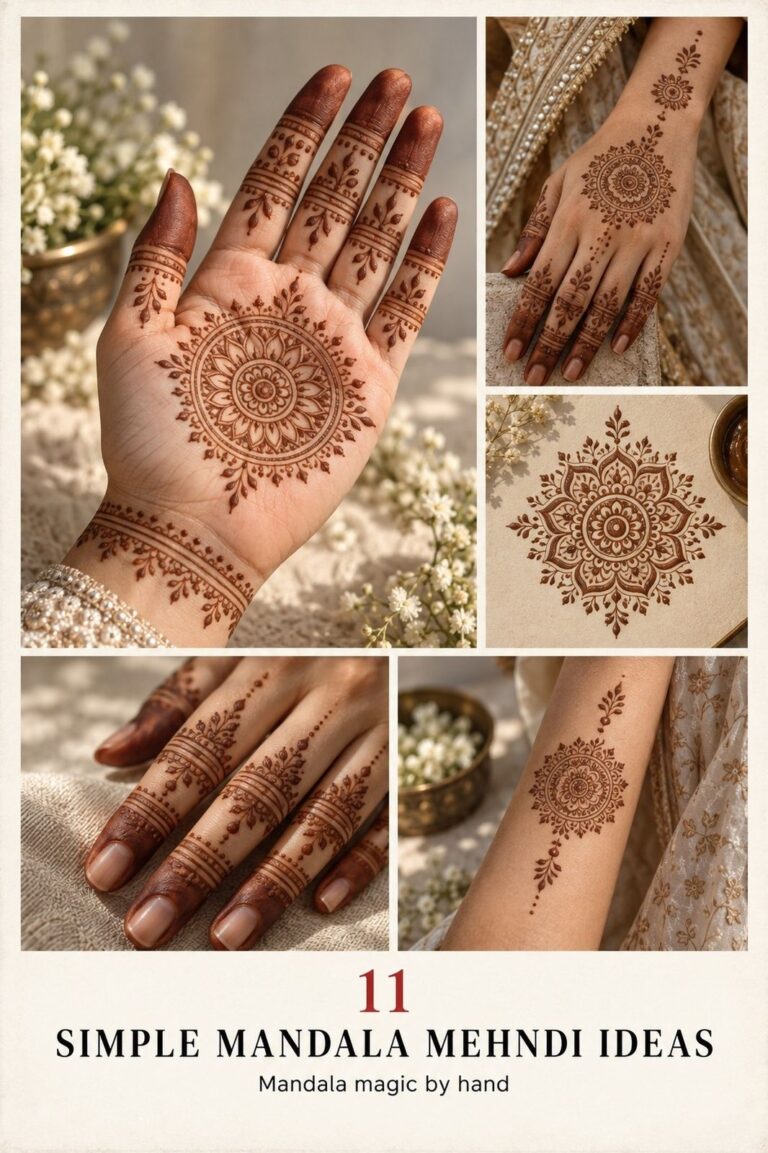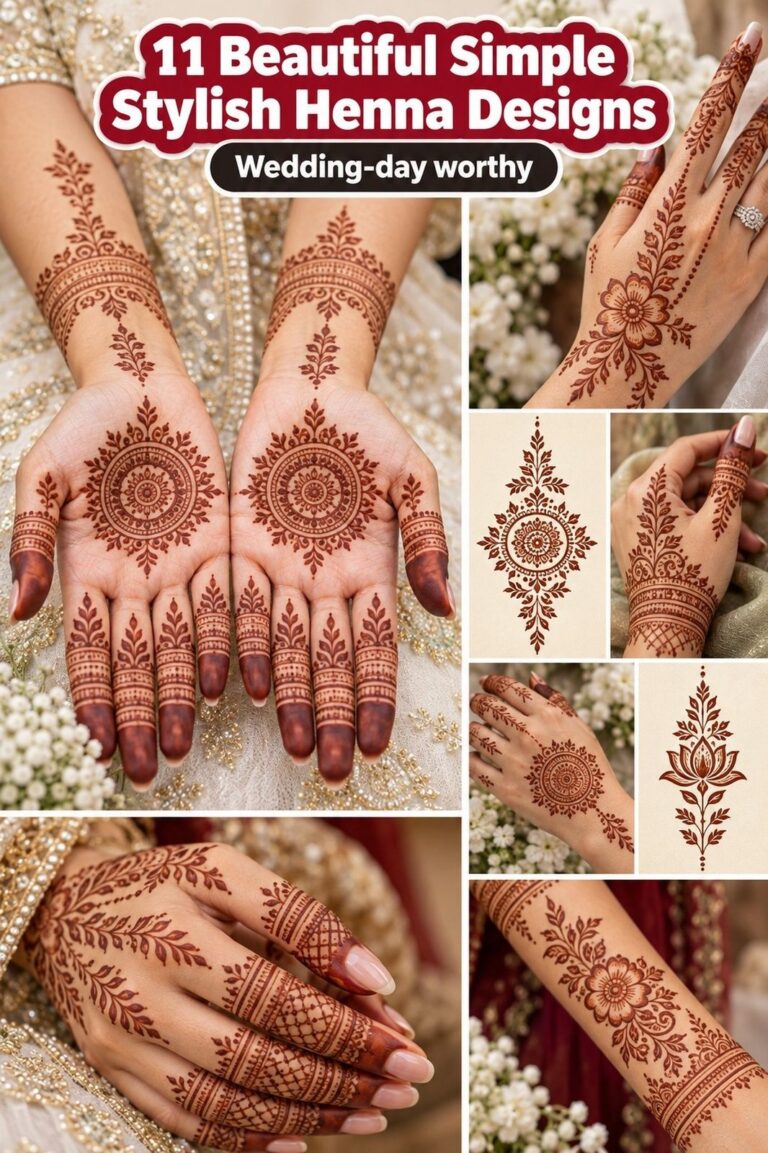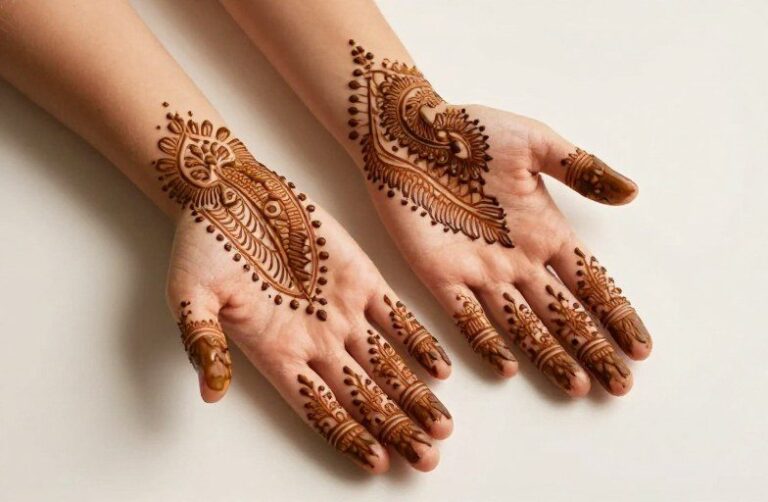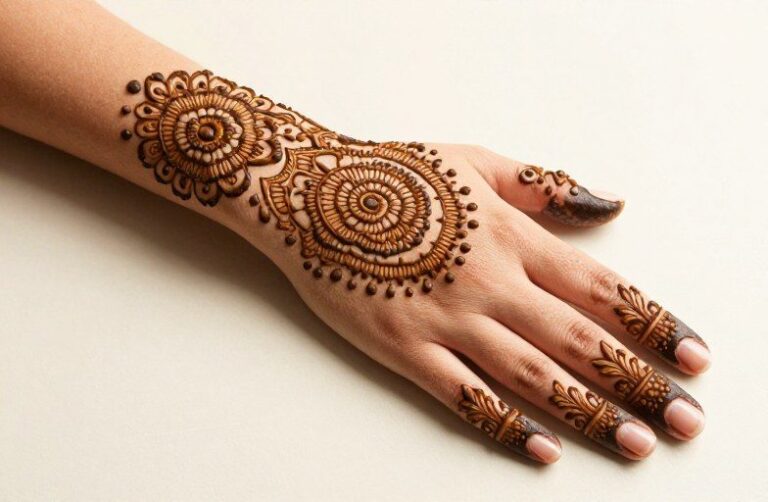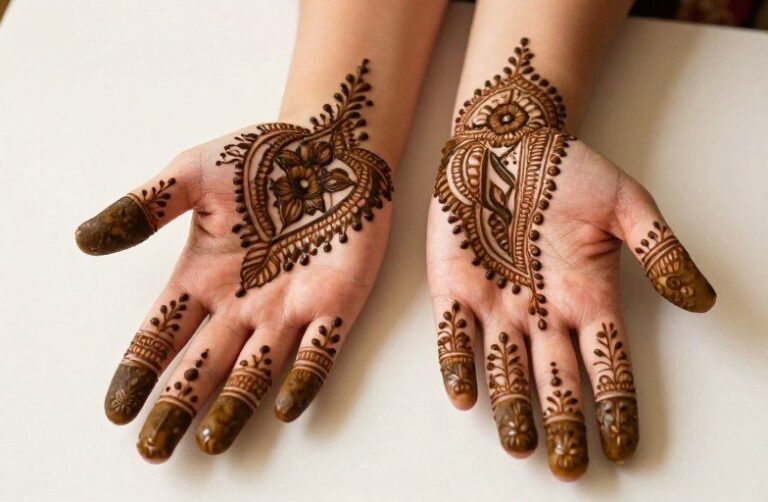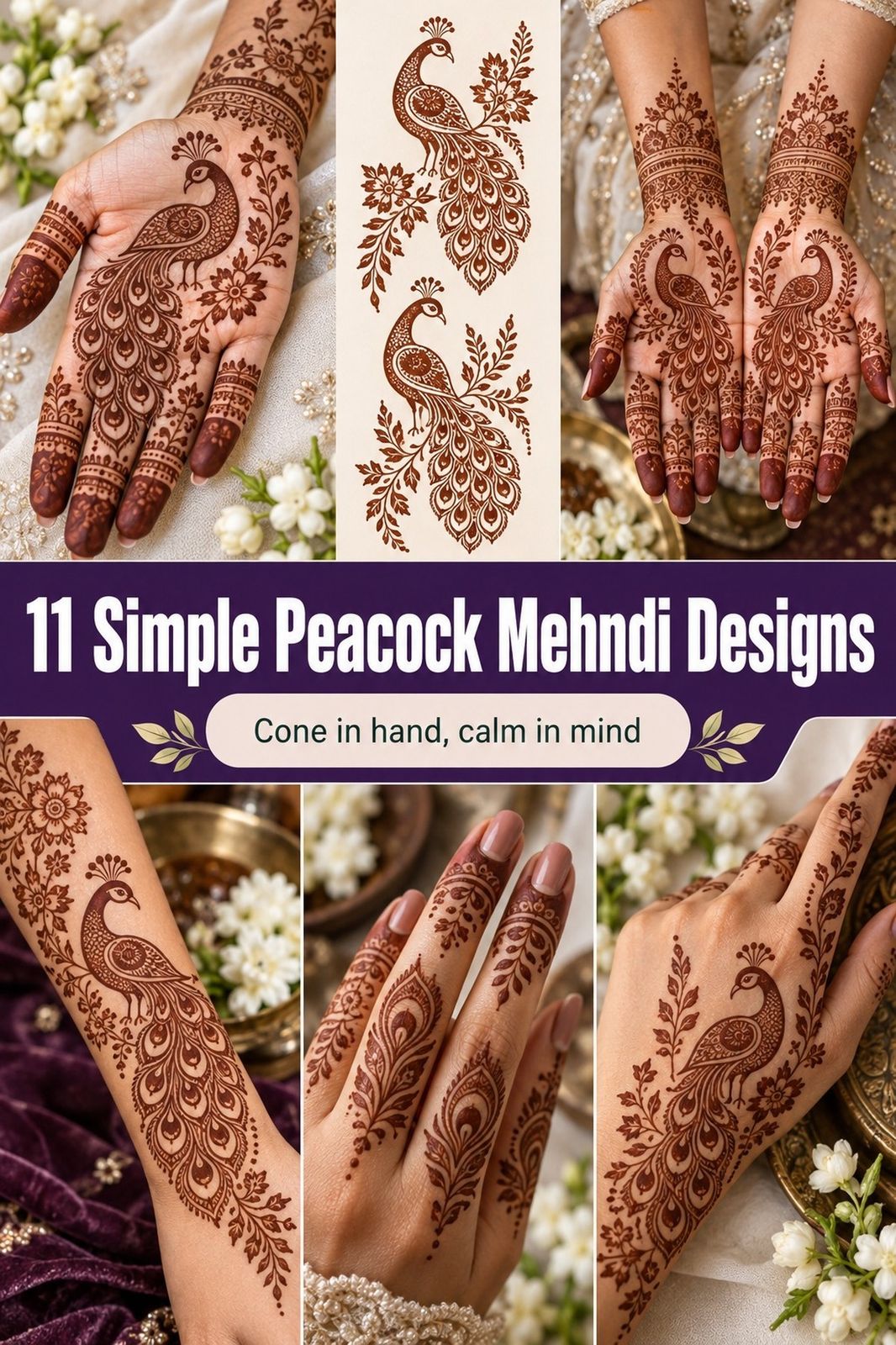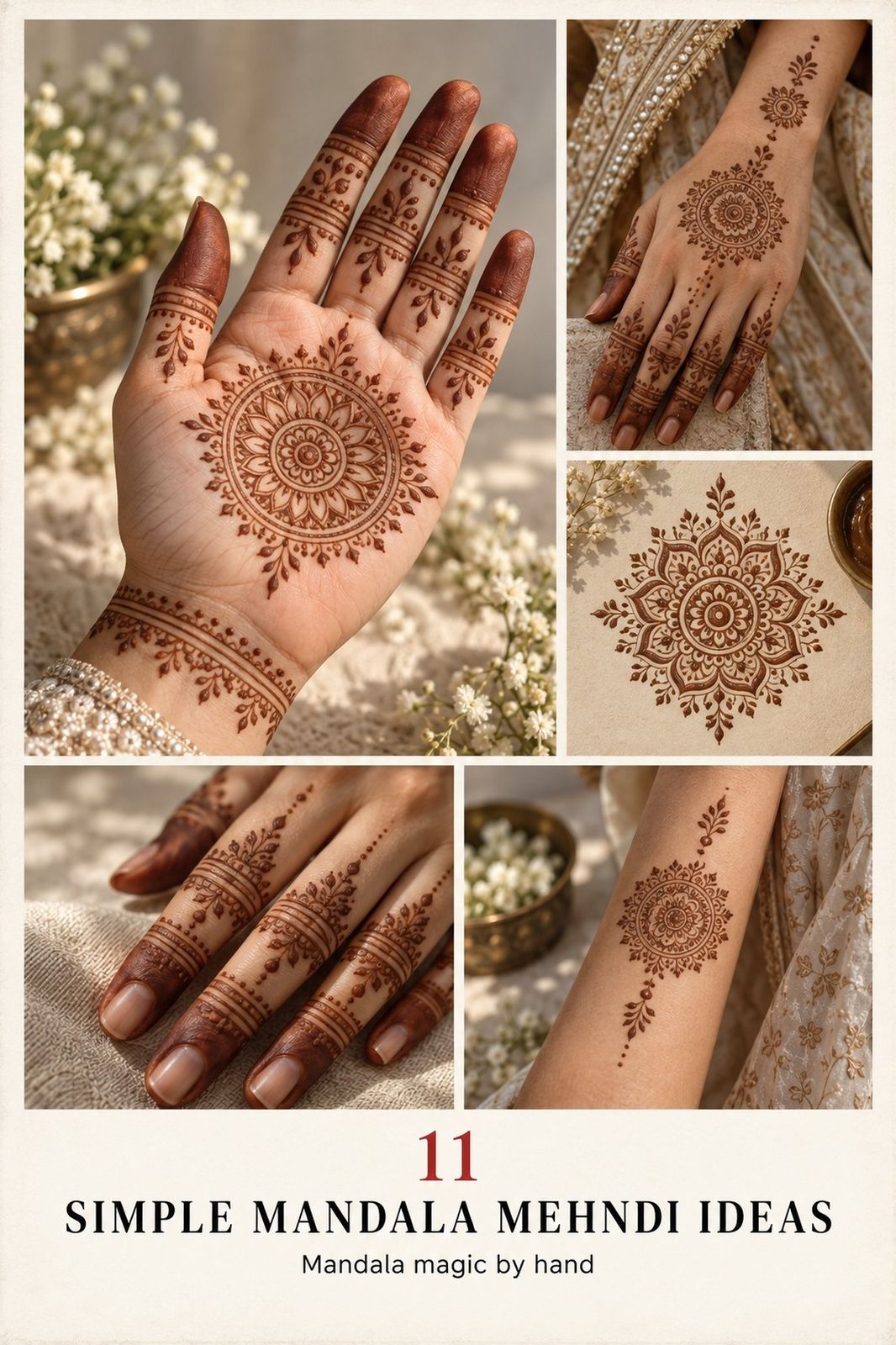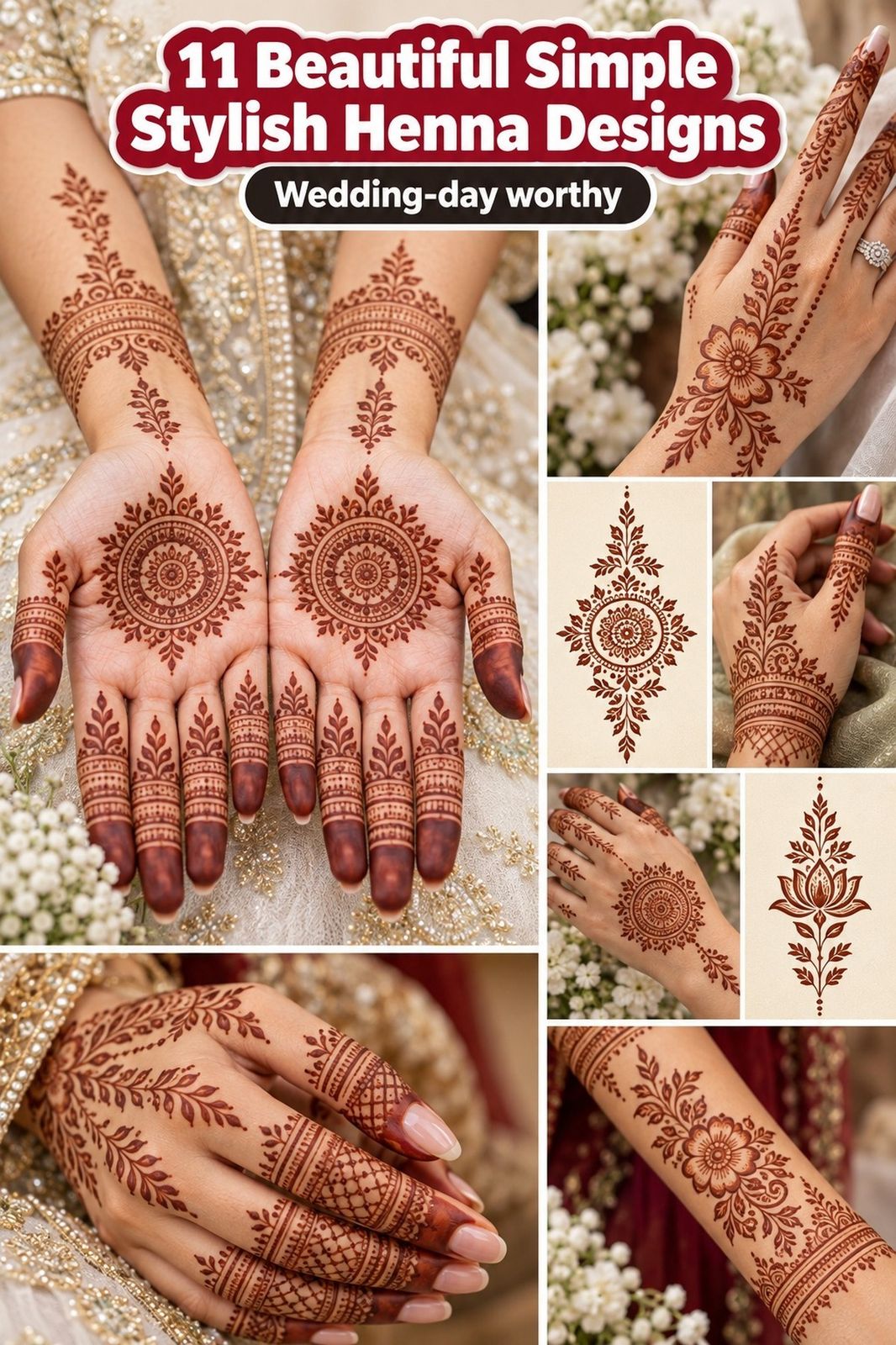
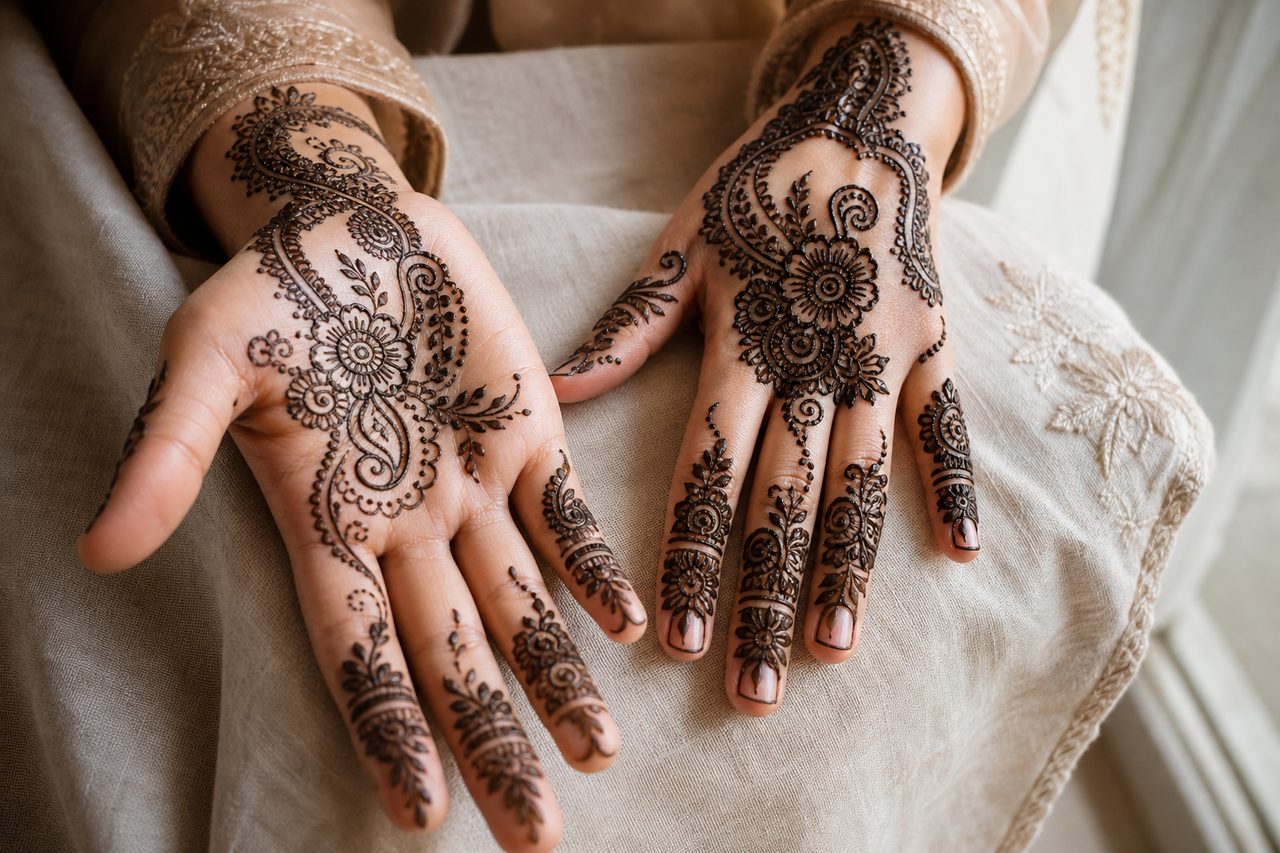
A black henna tattoo is a temporary body design using paste that often contains para-phenylenediamine (PPD) to create a dark, near-black stain resembling a real tattoo. Unlike traditional reddish-brown henna, the black version carries a specific visual weight, people choose it for the drama of sharp, dark lines without permanent commitment. The meaning intertwines cultural tradition, personal aesthetics, and the tension between temporary adornment and permanent-looking results.
History & Cultural Roots
Natural henna, derived from the Lawsonia inermis plant, has decorated skin across North Africa, the Middle East, and South Asia for millennia. The paste typically stains skin in shades of orange-brown to deep rust depending on body chemistry and dwell time.
The Shift to Black
The modern black henna phenomenon emerged from tourist markets and festival circuits where vendors wanted to offer something that photographed like a real tattoo. PPD, a chemical common in hair dye, produces that jet-black stain quickly. This adaptation severed the design from its traditional context while keeping the visual language of henna patterns. The result is a hybrid form: the flowing geometry of mehndi traditions paired with the boldness of contemporary tattoo aesthetics.
Regional Variations in Traditional Henna
- Moroccan: Dense geometric patterns, often angular and architectural
- Indian: Floral motifs with fine linework, frequently covering palms and feet
- Arabic: Larger, more open designs with flowing vines and negative space
- Sudanese: Bold, thick applications with distinctive staining techniques
Black henna paste rarely honors these distinctions. Most vendors apply generic patterns optimized for quick execution and photographic impact rather than cultural specificity.
Religious & Spiritual Angles
Traditional henna holds spiritual significance in several faiths. In Islam, mehndi often marks Eid celebrations and wedding nights as acts of beautification within religious frameworks. Hindu weddings feature elaborate bridal henna as part of solah shringar, the sixteen adornments. The darkness of the stain is sometimes interpreted as a measure of marital blessing or familial love.
Black Henna’s Spiritual Disconnect
Because black henna relies on chemical additives, it carries little of this sanctified weight. Religious practitioners generally avoid it. The black stain’s association with hair dye chemicals rather than plant matter removes it from blessing-adjacent contexts. For some wearers, though, the visual darkness itself carries symbolic weight, evoking protection, boundary-setting, or the deliberate choice to stand apart from traditional expectations.
Mythology & Folklore
Henna’s folklore often centers on natural stain color and longevity. Darker traditional stains signal deeper love, stronger luck, or more attentive application. Night-blooming jasmine is sometimes mixed into paste for fragrance and supposed enhancement of the stain’s depth.
Black henna sits awkwardly within this folklore. The instant blackness contradicts the patient waiting, the lemon-sugar sealing, the overnight scraping that traditional application requires. The mythology of black henna is instead contemporary and cautionary: the chemical burn stories, the permanent scarring, the allergic sensitization that can make future hair dye use dangerous. These modern narratives have, in a sense, created their own folklore of warning.
The Allure of Temporary Darkness
There’s a specific psychological pull to temporary black markings. They offer the visual authority of tattoo culture, commitment, edge, permanence, without the needle, the cost, or the lifetime decision. This paradox defines black henna’s modern mythology: the pretend permanent, the reversible commitment, the risk taken for something designed to fade.
Who Chooses This Tattoo
The demographic is broader than often assumed. Festival attendees want weekend-long adornment that photographs well against sunburned skin. Tourists in beach towns seek souvenirs they can wear home. Teenagers, barred from permanent shops by age, find black henna accessible and parentally tolerable. Adults considering real tattoos sometimes use black henna as a trial run for placement and visibility.
The Commitment-Phobe’s Gateway
There’s genuine utility here. Someone uncertain about a full sleeve can test how a dense black design feels on their forearm during daily activities. The two-week lifespan provides real data: Does it snag on clothing? Do coworkers react? Does the visual weight feel empowering or imprisoning? This practical testing function is underdiscussed in the broader conversation about black henna’s risks.
The Aesthetic-First Crowd
Another subset simply wants the look. They aren’t exploring tattoo culture or cultural tradition. They want dark, intricate lines that read as decorative rather than meaningful. For this group, black henna functions as jewelry substitute, as seasonal accessory, as Instagram content. The meaning is surface-level by design, and that’s valid if the risks are understood.
Common Variations & Styles
Black henna application styles cluster around several approaches, each with distinct visual results and technical execution.
- Fine-line reproduction: Attempting to mimic single-needle tattoo work; often blurs as PPD paste spreads slightly under skin tension
- Traditional pattern speed-run: Simplified paisleys, mandalas, and florals executed in 10-15 minutes for tourist throughput
- Tribal-adjacent blackwork: Heavy fill patterns, sometimes Polynesian-inspired though rarely with cultural permission or accuracy
- Lettering and script: Names, quotes, or symbolic words; legibility degrades quickly as the stain mottles during fading
- Accent pieces: Ankle bands, wrist cuffs, or finger rings designed to read as permanent jewelry alternatives
How the Stain Actually Ages
Day one: jet black, slightly raised, occasionally crusty. Days two to four: black softens to dark charcoal, edges blur. Days five to ten: patchy fade to blue-gray or greenish tones depending on skin chemistry and PPD concentration. Days ten to fourteen: mottled remnants, often heaviest at pattern edges where paste was thickest. The fading is rarely graceful; it tends to look diseased or dirty before full disappearance, unlike natural henna’s relatively even retreat to orange to pale yellow.
Design Tips & Pairings
If you’re set on black henna despite the documented risks, certain approaches maximize visual impact and minimize some common problems.
Placement Strategy
Palms and soles stain darkest but also experience fastest mechanical exfoliation, hands are washing, feet are walking. The upper arm, outer calf, or upper back offer slower fade and less disruption to daily function. Avoid areas where skin folds or flexes constantly; the paste cracks, the stain mottles, and the result looks unintentionally distressed.
Complementary Real Tattoos
Some collectors use black henna to fill gaps between permanent pieces temporarily, maintaining visual continuity during sleeve planning. Others use it to test how blackwork-heavy designs interact with their existing color work. The contrast between faded black henna and fresh permanent ink is instructive, henna’s blue-gray cast versus carbon black’s true neutral teaches something about how pigments read differently on skin.
For those transitioning from henna curiosity to permanent commitment, the design translation matters. Henna’s flowing, unbroken lines often need thickening for tattoo longevity, fine lines blur over years, and what reads as delicate in temporary stain becomes illegible in settled ink. A good artist will adapt rather than directly copy.
The Bottom Line
Black henna occupies an uncomfortable space: it borrows the visual language of sacred tradition and permanent body art without fully committing to either. The meaning you might find in it is largely personal, temporary darkness, tested commitment, accessible adornment, because the form itself carries little established cultural weight. What it does carry, undeniably, is risk. PPD reactions range from mild irritation to permanent scarring and lifelong sensitization.
The symbolism of black henna is ultimately about wanting something you aren’t sure you want permanently. That’s a real human position, not a failing. If you’re drawn to it, consider whether natural henna’s authentic tradition or a consultation with a permanent artist might serve that impulse more safely. The dark lines will fade regardless; how they leave your skin behind is the part worth thinking through.
Frequently Asked Questions
Is black henna actually made from the henna plant?
No. True black henna contains para-phenylenediamine (PPD) or similar chemical additives mixed with henna paste or used alone. Natural henna from the Lawsonia inermis plant stains only in orange-brown to rust tones. The jet-black color comes entirely from synthetic additives.
How long does a black henna tattoo typically last?
Most fade within one to three weeks depending on placement, skin type, and aftercare. Areas with frequent friction or washing, like palms and fingers, fade fastest. The stain rarely fades evenly, often leaving patchy gray-green remnants before disappearing completely.
Can I get a real tattoo over where black henna was applied?
You should wait until all staining and any skin reaction has fully resolved, which may take several weeks to months. If you experienced any blistering, scarring, or prolonged redness, consult a dermatologist before tattooing. Damaged skin doesn’t hold ink predictably and may heal poorly.
Why do some black henna tattoos look raised or blistered?
Raised or blistered areas usually indicate a chemical burn or allergic reaction to PPD, not a normal healing process. This can happen immediately or develop days later. Any blistering, weeping, or significant pain warrants medical attention, as reactions can worsen with repeated exposure.