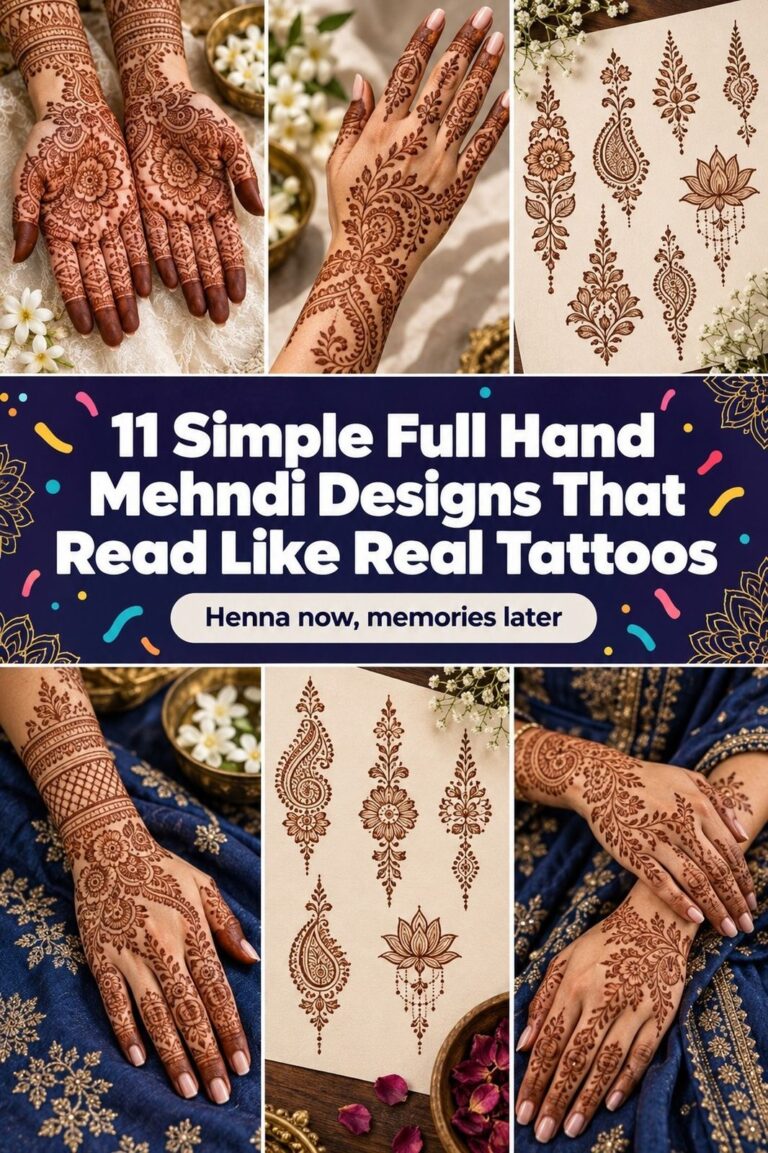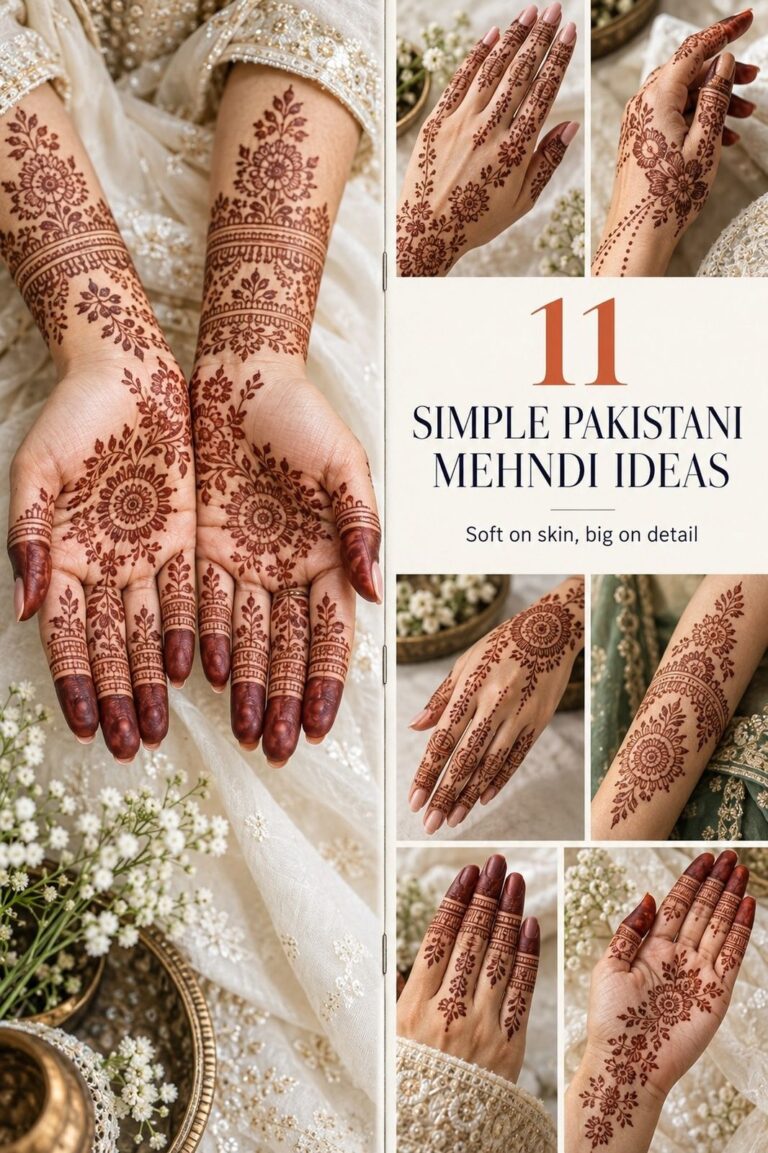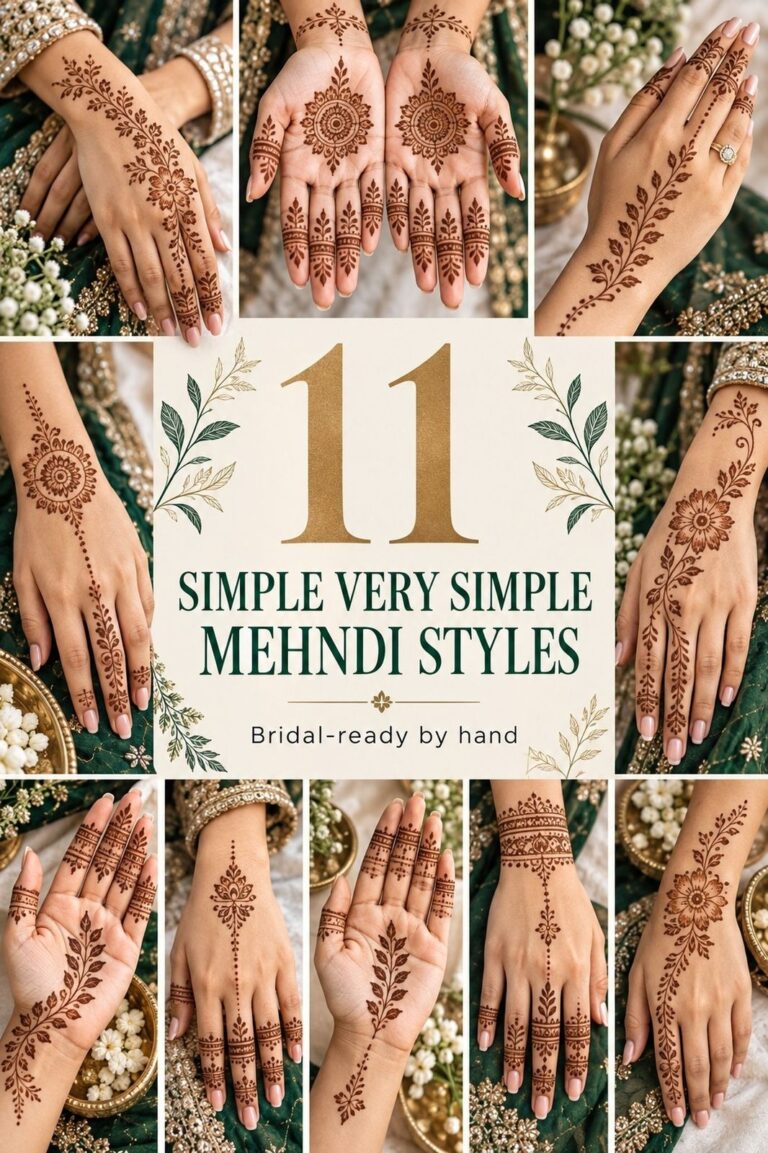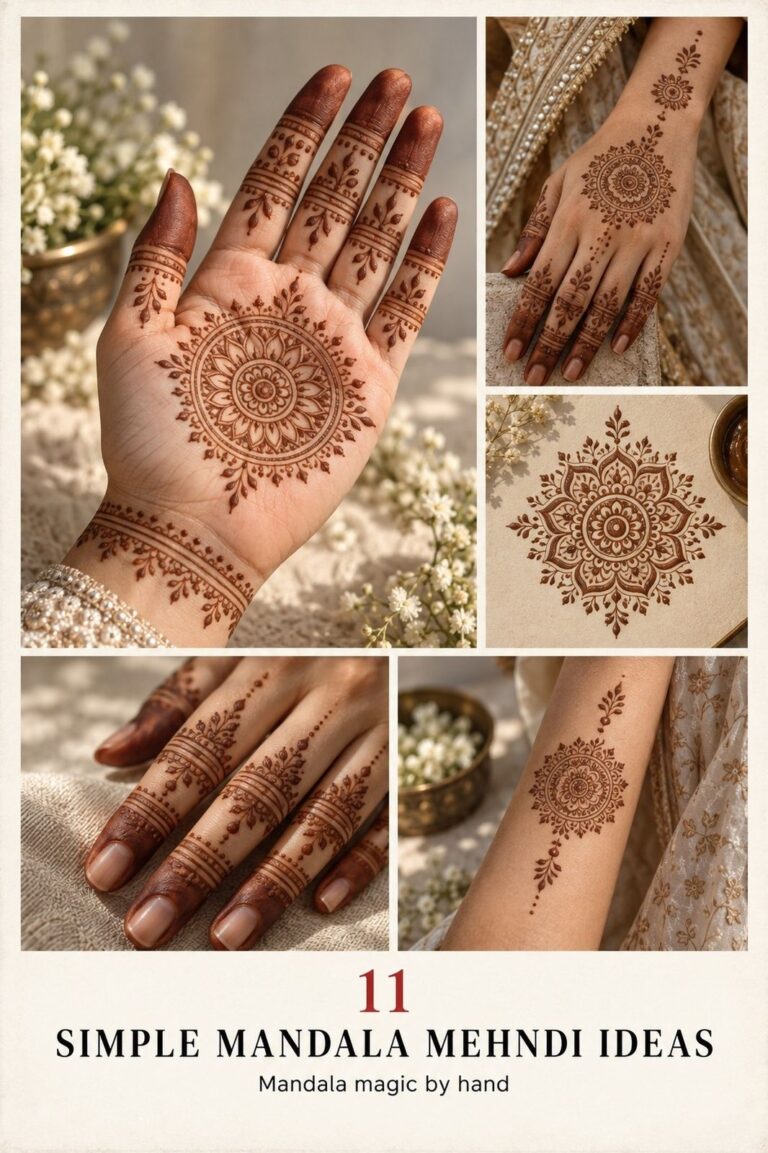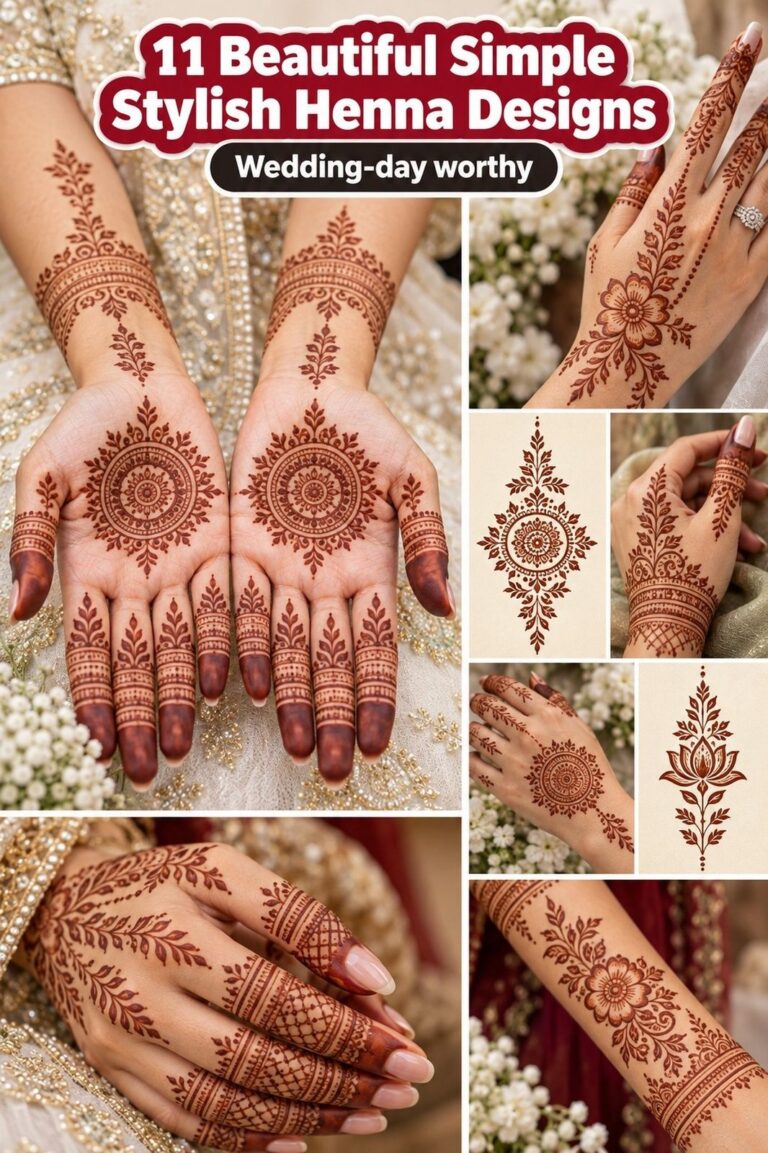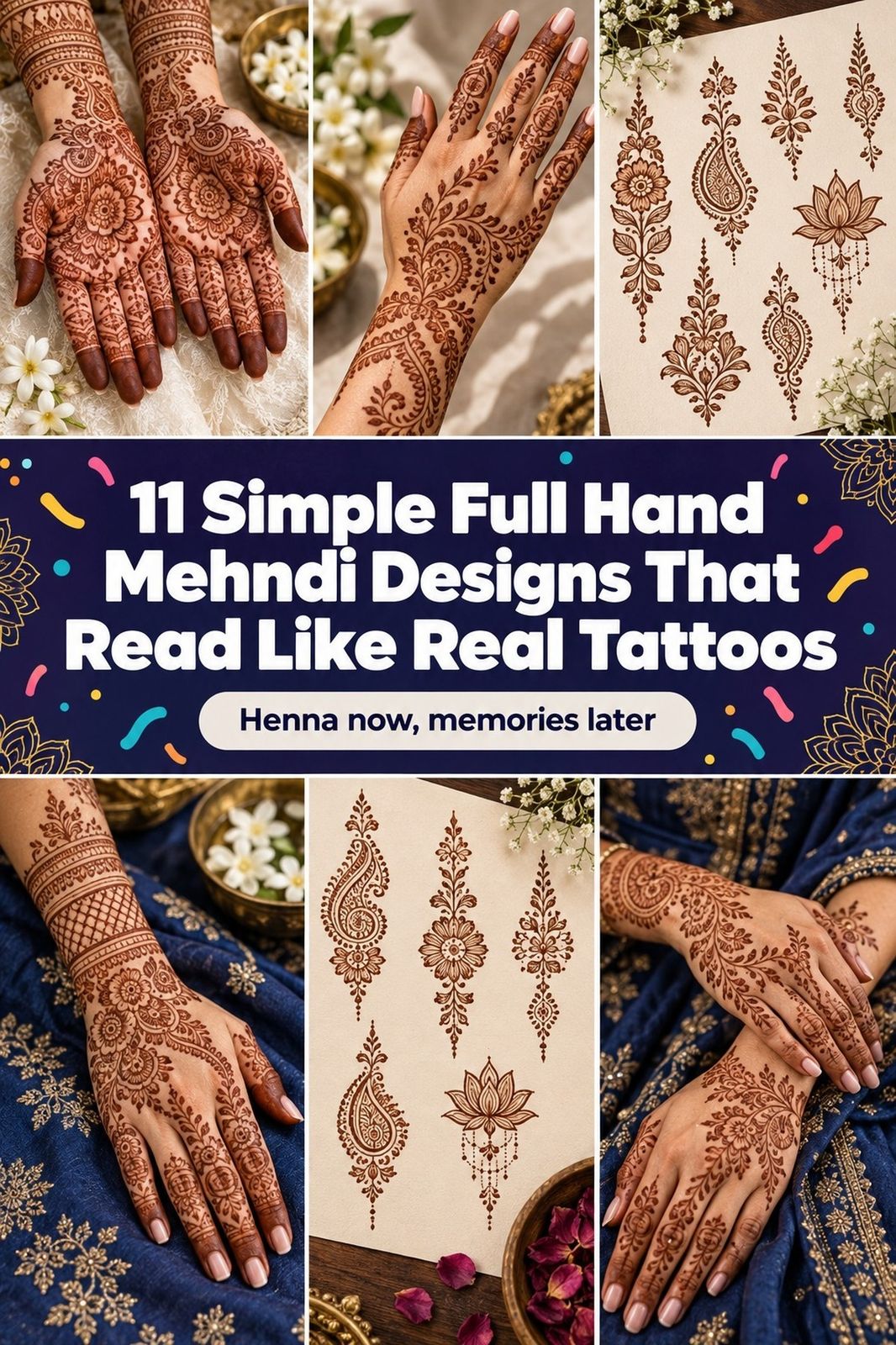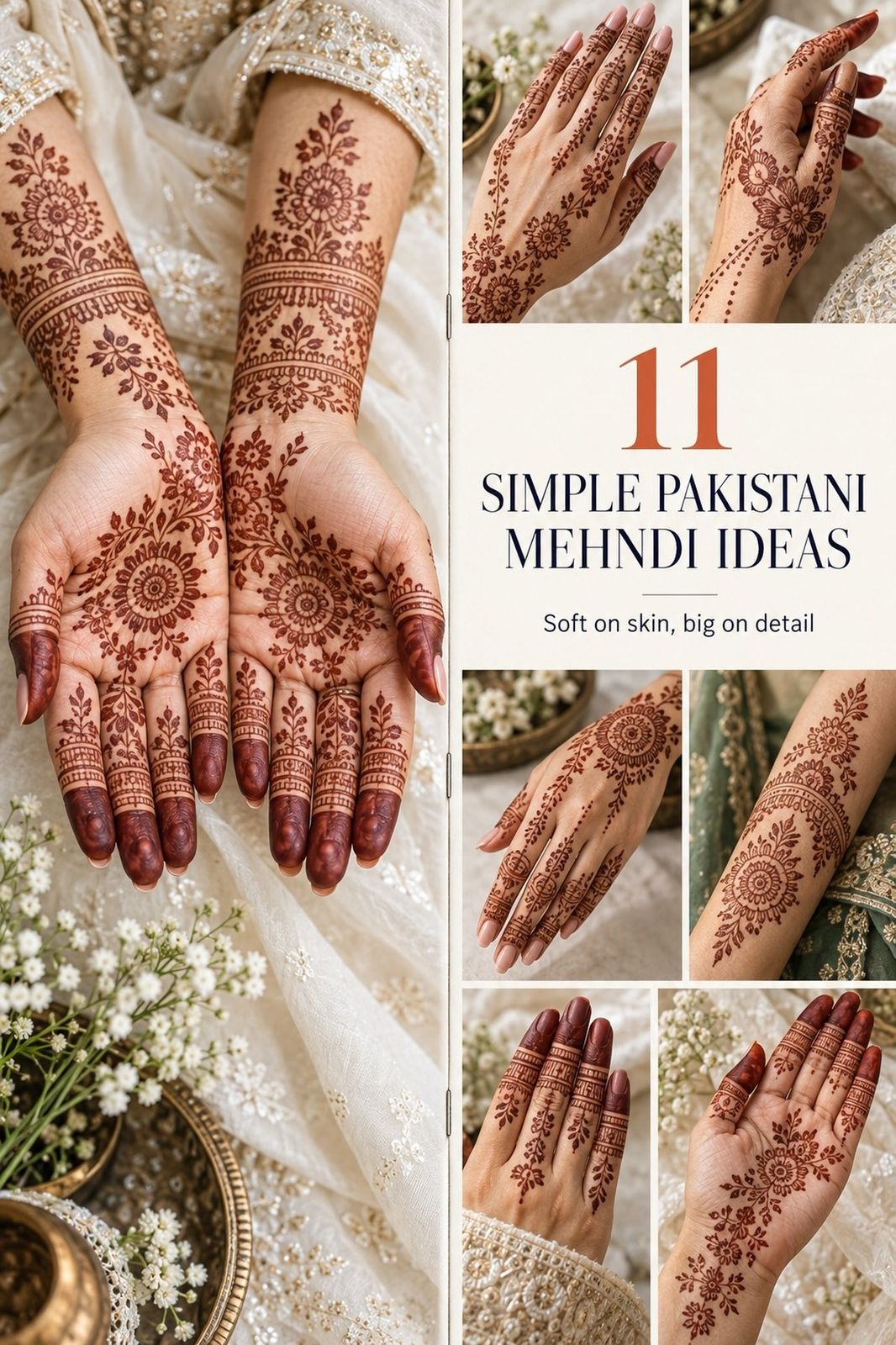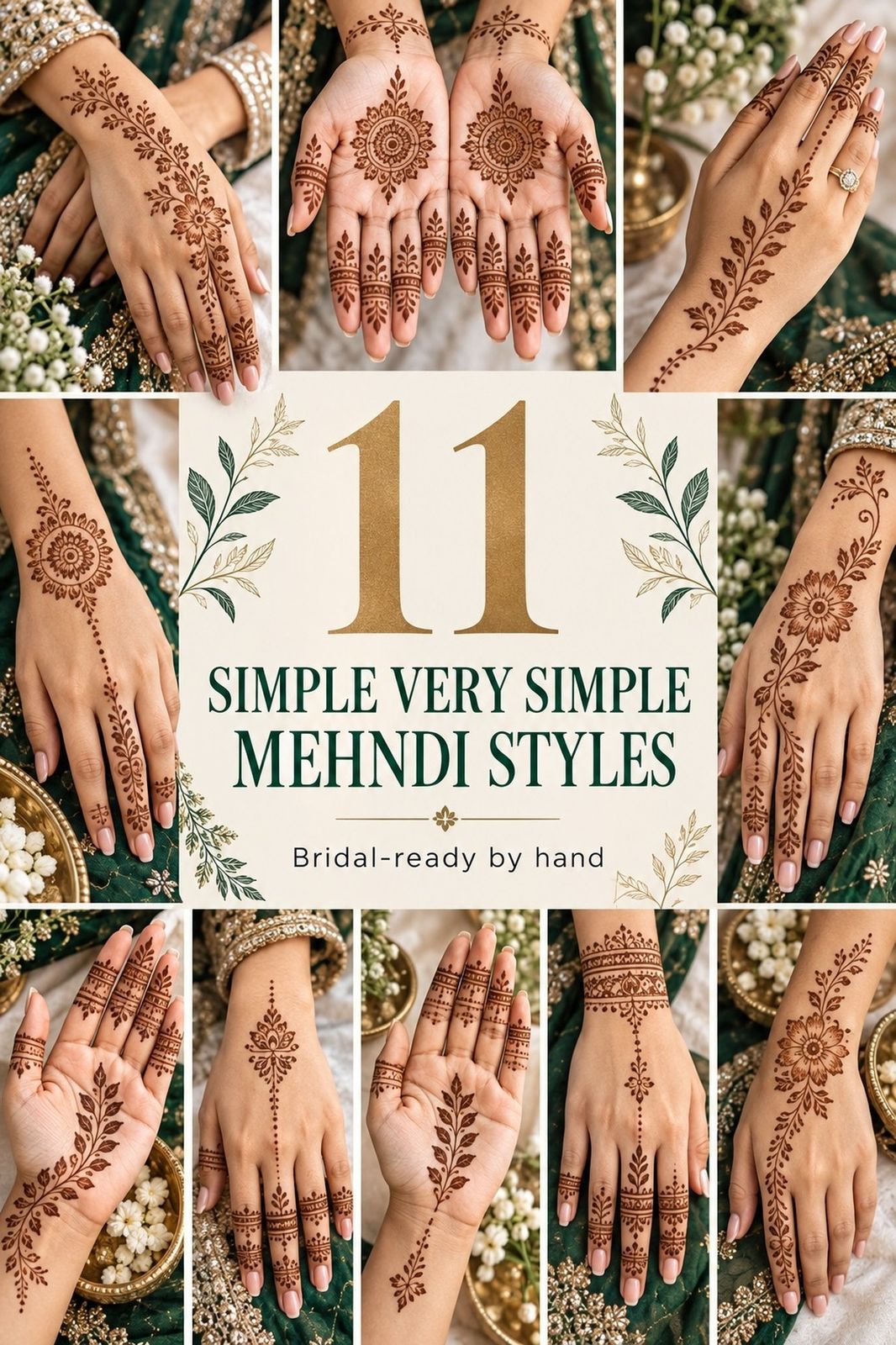
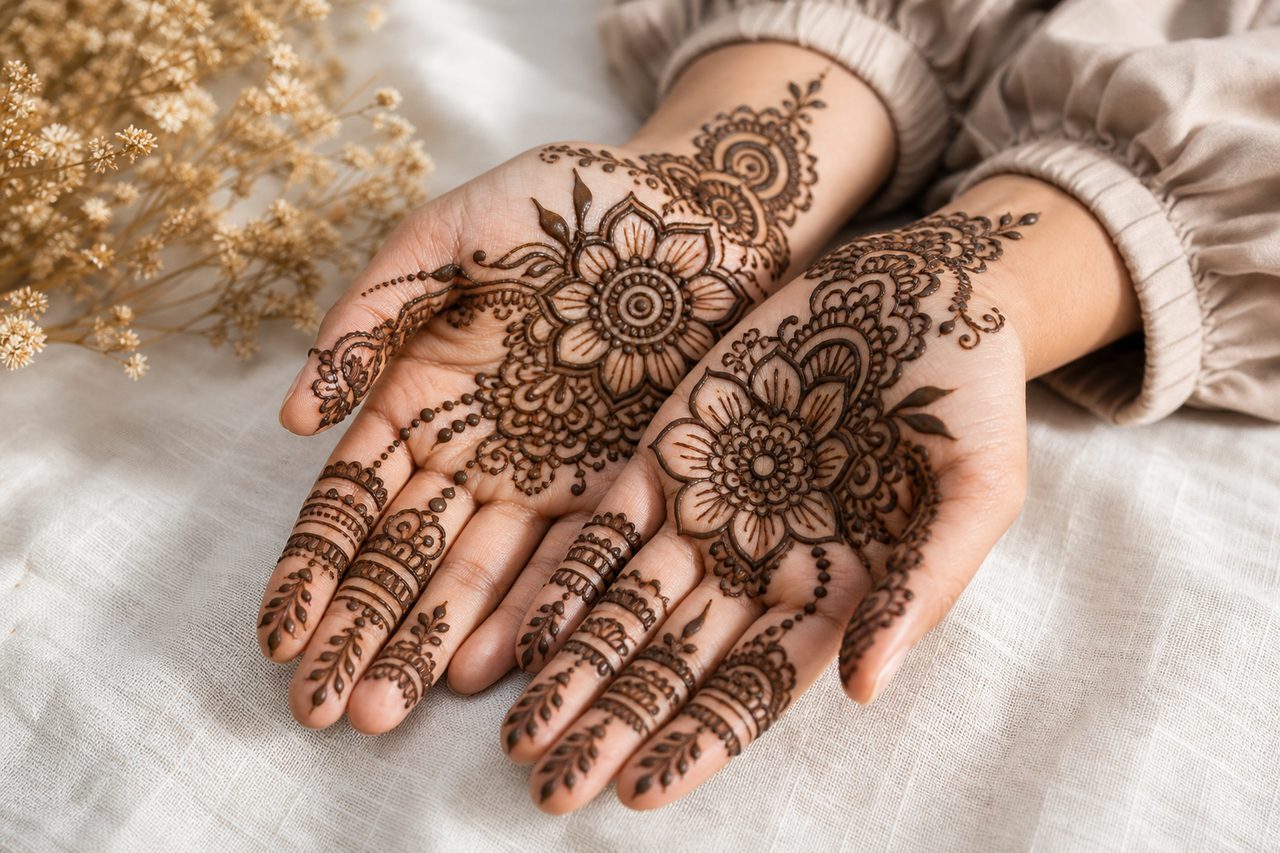
A DIY henna kit tattoo carries layered meaning: it honors the ancient tradition of mehndi body art while celebrating personal agency, creative experimentation, and the beauty of impermanence. Unlike permanent ink, this design marks a moment in time, something you made yourself, on your own terms, with your own hands. The symbolism often centers on self-sufficiency, cultural appreciation (when approached respectfully), and the willingness to embrace art that fades.
Best Placements
Where you apply henna changes how the design reads and how long it lasts. Natural mehndi traditions favor specific body areas, and modern placements follow both practical and symbolic logic.
Hands and Feet
Palms, backs of hands, and soles represent the classic canvas. The thick, keratinized skin in these areas grabs henna dye more aggressively, producing the deepest rust-to-burgundy stains. A palm design suggests openness, giving, or receiving, common in wedding and celebration contexts across South Asian and Middle Eastern cultures. Feet carry more private symbolism, often associated with grounding, travel, or spiritual protection. The stain here lasts longest because these areas exfoliate slower than, say, the inner wrist.
Arms, Ankles, and Less Traditional Spots
Forearms and upper arms work well for larger DIY experiments, though the thinner skin yields lighter, shorter-lasting color. Ankles offer a middle ground, decent stain depth with visible placement. Behind the ear, along the collarbone, or down the spine? These read as distinctly contemporary Western adaptations. The meaning shifts toward personal adornment rather than cultural ceremony. Stain quality drops significantly on the neck and torso due to faster cell turnover and thinner epidermis.
- Palms/soles: deepest color, 1-2 weeks visible, strongest cultural resonance
- Forearms: moderate stain, 5-10 days, good for practice and visible display
- Backs of hands: traditional placement, easy to show or hide
- Feet: longest-lasting, private symbolism, harder to apply yourself
- Neck/torso: light stain, 3-7 days, modern aesthetic choice
How It Ages on Skin
Henna doesn’t age like permanent tattoo ink, it lives, dies, and disappears on a completely different timeline. Understanding this lifecycle matters for anyone choosing this design for its meaning.
The Stain Development Process
Fresh paste goes on dark green or brown-black. The real color develops over 24-72 hours as lawsone molecules bind with skin proteins. That initial orange reveal when paste flakes away? Not the final result. Patience rewards you with richer tones. The deepest stains come from leaving paste on 6-8 hours, avoiding water contact, and applying sugar-lemon sealant. A DIY kit tattoo means embracing this delayed gratification, the meaning includes trust in a process you can’t rush.
Fading Patterns and What They Signal
Color doesn’t fade uniformly. Palms and fingertips often stay dark while the design blurs toward the wrist. This gradient effect becomes part of the aesthetic, proof that the art was alive, changing, mortal. The fading itself carries meaning: nothing permanent, everything temporary, beauty in transience. Some find this liberating; others find it frustrating. Your relationship to that impermanence says something about why you chose henna over needle and ink.
Who Chooses This Tattoo
The DIY henna kit appeals to distinct groups for different reasons, and the meaning shifts accordingly.
Cultural Practitioners and Heritage Wearers
For those with South Asian, North African, or Middle Eastern roots, DIY kits extend tradition into diaspora life. The meaning here is continuity, keeping practice alive across distance, preparing for Eid or Diwali or a cousin’s wedding without access to a professional mehndi artist. The kit becomes a bridge between generations, between homeland and adopted country.
Experimenters and the Permanence-Shy
Others use kits to test drive body art, to participate in festival culture, or to simply decorate without commitment. The symbolism leans toward play, exploration, and low-stakes creativity. There’s meaning in that too: the refusal to let every aesthetic choice carry lifetime weight. The DIY aspect amplifies this, imperfect lines, wobbly symmetry, and all become badges of authentic self-made experience rather than professional polish.
Color vs Black and Grey
Natural henna offers one authentic palette: the orange-to-brown-to-burgundy range that develops from the Lawsonia inermis plant. Yet the market complicates this.
Natural Henna: The Real Deal
True henna paste smells earthy, almost like hay or wet tea leaves. The stain progresses from pale orange to deep reddish-brown. This color carries its own symbolism: warmth, earth, blood, life force. The variation between individuals, some stain deep chocolate, others barely reach copper, reflects skin chemistry, body temperature, and aftercare. No two applications look identical, which reinforces the meaning of unique, unrepeatable experience.
Black Henna and Chemical Dangers
So-called “black henna” often contains paraphenylenediamine (PPD), a hair dye chemical that can cause blistering, scarring, and lifelong sensitization. The meaning here inverts: what promised temporary beauty becomes permanent damage. Authentic DIY kits never produce instant black results. The true color develops slowly. Anyone selling “black henna” is selling risk, not tradition. The ethical choice, natural paste, patient waiting, becomes part of the tattoo’s meaning: good things require time and discernment.
Religious & Spiritual Angles
Mehndi carries specific spiritual weight in several traditions, though context determines whether a DIY kit tattoo engages that meaning or merely borrows aesthetic.
Islamic and Hindu Traditions
In many Muslim communities, henna application before Eid or weddings follows sunnah, practices associated with the Prophet Muhammad. The meaning includes blessing, purification, and celebration. Hindu weddings often feature elaborate bridal mehndi with hidden initials, fertility symbols, and protective imagery. Using a DIY kit without these contexts doesn’t automatically invoke the same spiritual weight, but awareness matters. The design’s meaning depends partly on your intention and your relationship to these traditions.
Modern Spiritual Adaptations
Some contemporary wearers assign personal spiritual meaning: henna as ritual of self-care, as meditation in application, as marking personal transitions (new jobs, recoveries, birthdays). The slow, deliberate process of squeezing paste through a cone demands presence. That mindfulness becomes the spiritual content, no borrowed tradition required, though respect for origins remains essential.
Design Tips & Pairings
What you pair with henna, and how you execute it, shapes the final meaning.
Traditional Motifs and Their Resonance
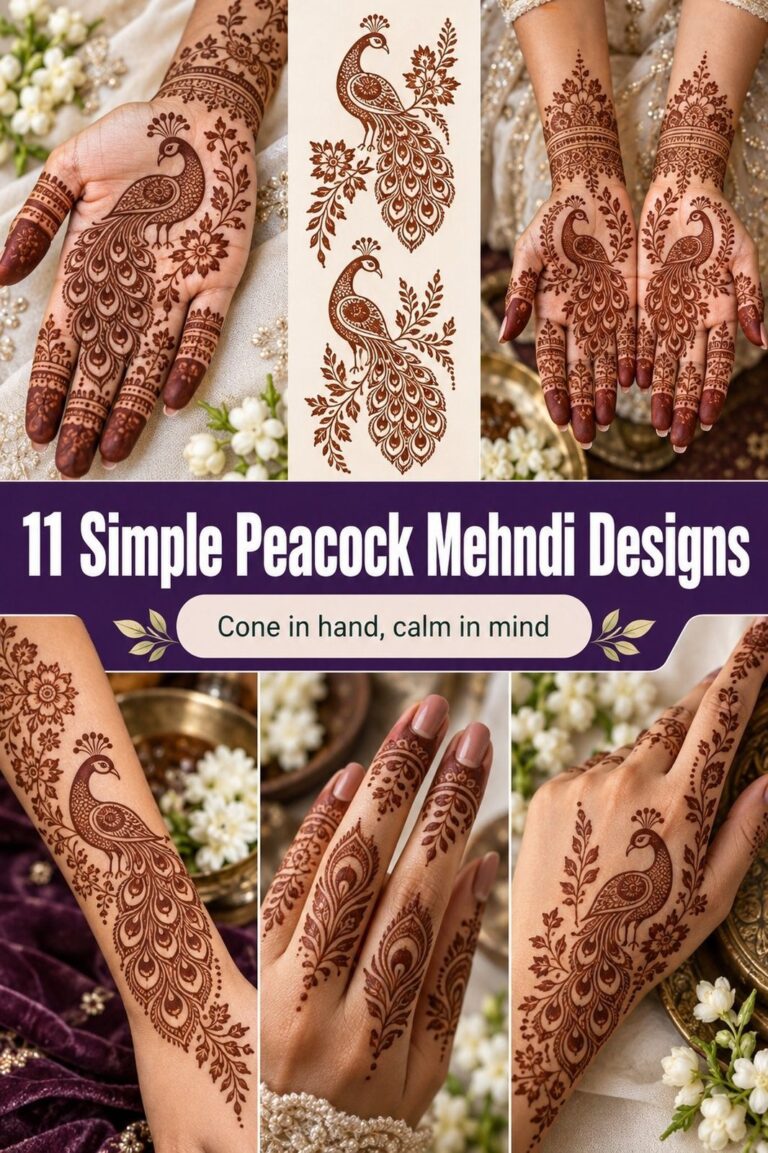
Paisleys (mango shapes) symbolize fertility and joy. Flowers, particularly lotus and jasmine, carry associations with purity and beauty. Peacocks represent grace and dignity. Vines and leaves suggest growth and connection. A DIY kit lets you combine these freely, though understanding origins deepens meaning rather than making decoration feel arbitrary. Line weight matters: fine lines create delicacy, thicker ones boldness. Henna paste behaves differently than tattoo ink, lines spread slightly, so precision requires practice.
Pairing with Permanent Tattoos
Some collectors use henna to fill gaps between permanent pieces, test placement for future ink, or simply contrast temporary and permanent on the same body. The juxtaposition creates meaning: the fleeting against the forever, the self-applied against the professionally rendered. Others keep henna entirely separate from their tattoo collection, maintaining distinct categories of body art.
- Start with simple geometric patterns before attempting complex florals
- Keep a damp cloth nearby for immediate correction of mistakes
- Apply a sugar-lemon mixture after paste dries to prevent flaking
- Avoid water, lotion, and friction for the first 24 hours
- Scrape rather than wash paste off for maximum stain depth
Final Thoughts
A DIY henna kit tattoo occupies meaningful space between tradition and invention, between lasting commitment and momentary experiment. The symbolism ultimately resides in what you bring: your hands doing the work, your patience waiting for color to develop, your willingness to let something beautiful disappear. Whether approached as cultural practice, creative play, or spiritual ritual, the meaning deepens with understanding and respect for where this art comes from, and honesty about where you stand in relation to it.
Frequently Asked Questions
How long does a DIY henna kit tattoo typically last?
Natural henna stains last one to two weeks on hands and feet, shorter on arms and torso. Duration depends on skin type, placement, aftercare, and how frequently the area gets wet or rubbed.
Can I get a dark black stain from a natural henna kit?
No. Authentic henna produces orange-to-brown tones that deepen over 48 hours. Products promising instant black color usually contain dangerous chemicals like PPD that can scar skin permanently.
What’s the best way to make my henna tattoo last longer?
Leave paste on for at least six hours, apply a sugar-lemon sealant once it dries, avoid water for the first 24 hours after scraping off, and minimize exfoliation of the stained area.
Is it culturally appropriate for anyone to use a DIY henna kit?
Appreciation differs from appropriation. Learning about mehndi’s origins, avoiding sacred designs without understanding, and supporting authentic sources matters. Using henna for aesthetic enjoyment is generally acceptable; claiming cultural practices you don’t belong to is not.