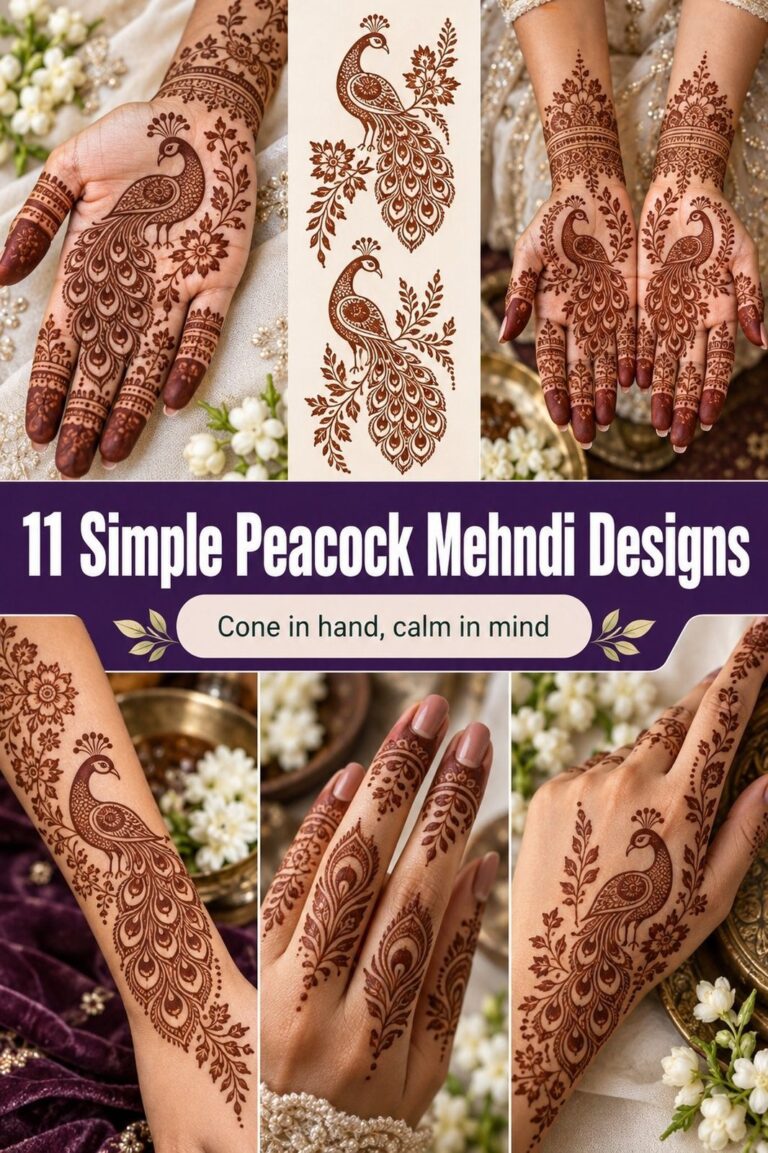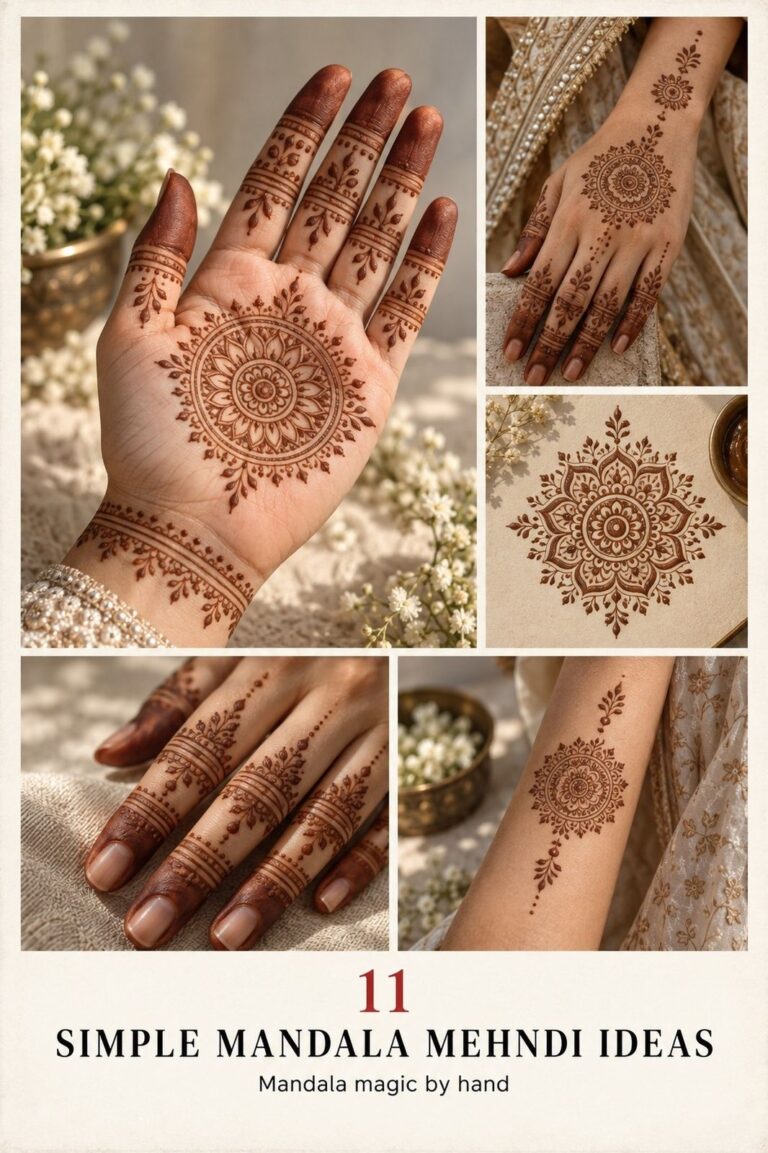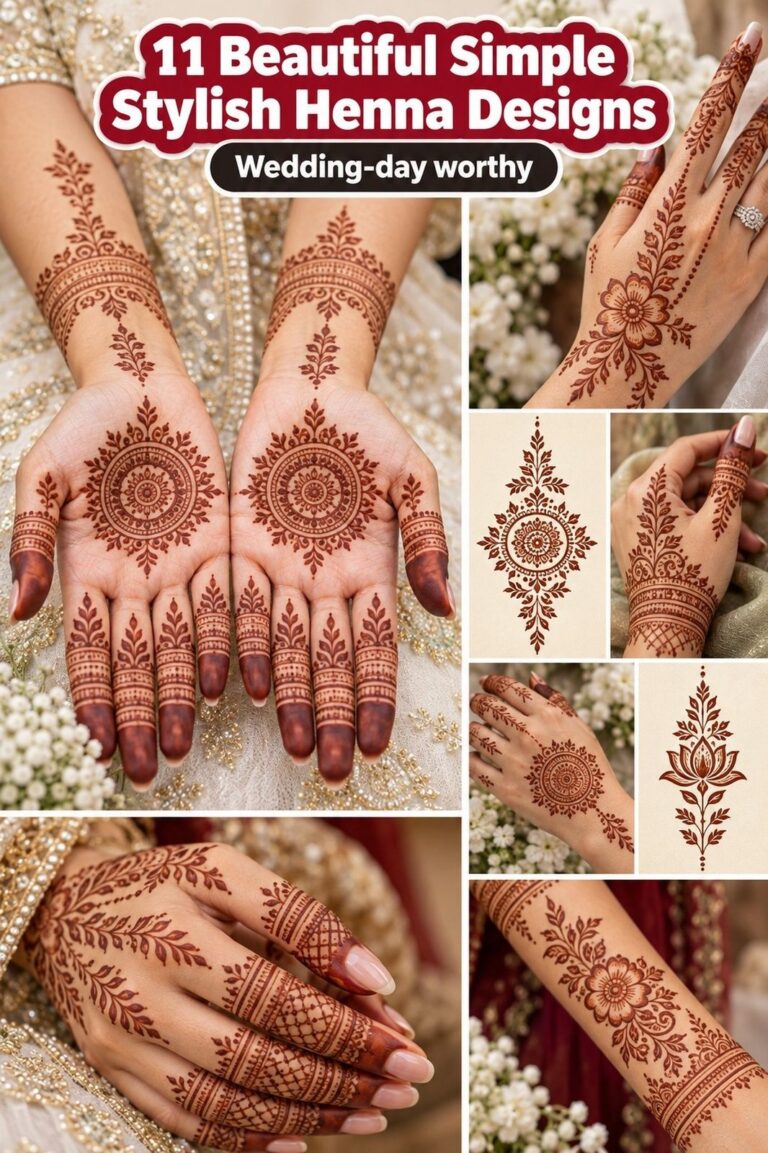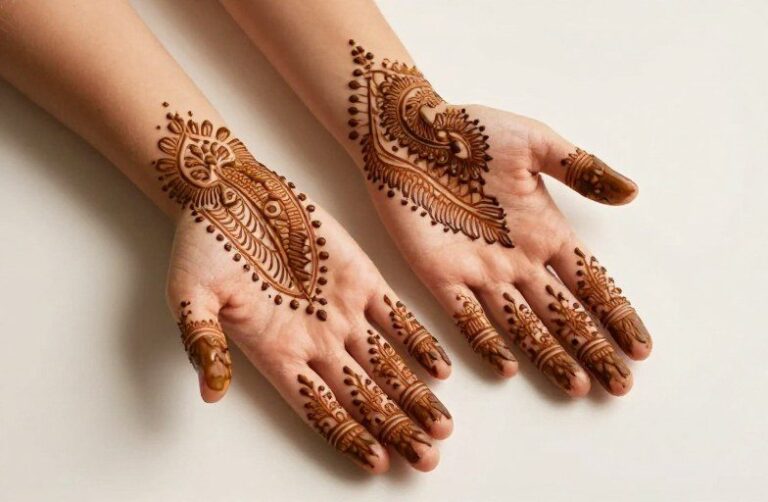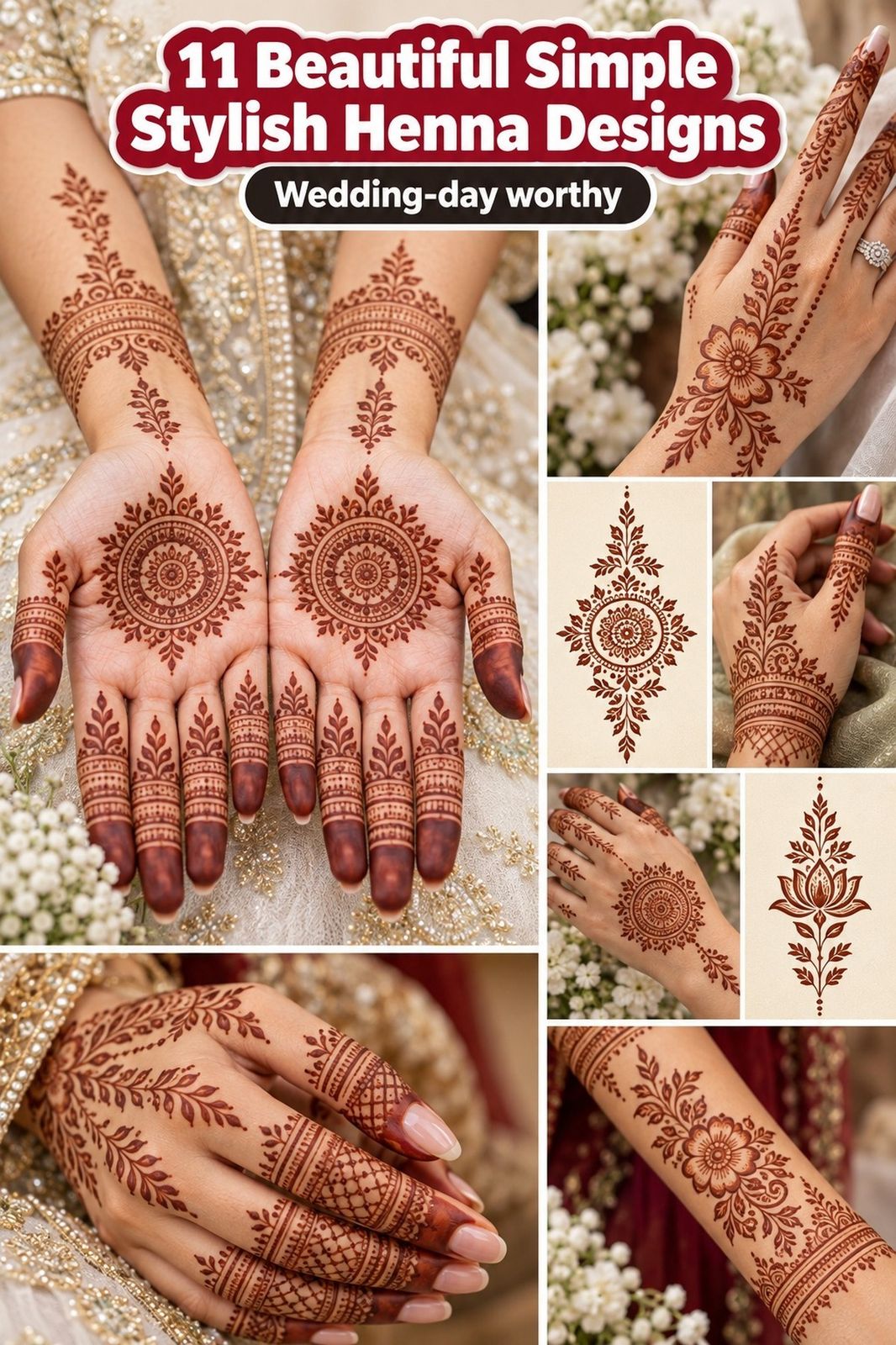
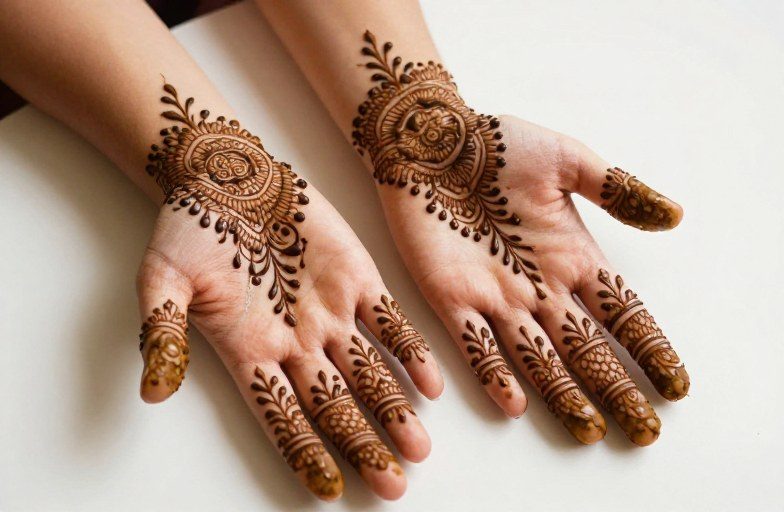
Yes, henna tattoos have meanings that range from traditional blessings of luck and fertility to deeply personal symbols of transformation, protection, and celebration. The significance depends on the design’s origin, the wearer’s intent, and the cultural context in which it’s applied. Understanding these layers helps you choose a henna piece that resonates rather than appropriates.
Symbolism & Core Meaning
Henna’s symbolism is rooted in its physical properties as much as its visual patterns. The dye itself, derived from the Lawsonia inermis plant, stains skin in shades of burnt orange to deep rust brown. This temporary transformation of the body has made it a marker of transitional moments across multiple cultures.
Traditional Protective Functions
Across North Africa, the Middle East, and South Asia, henna application often precedes significant life events. The cooling properties of the paste historically offered relief in hot climates, which evolved into associations with calming the bride before a wedding or a mother before childbirth. Specific motifs carry established meanings:
- Paisleys and teardrops: Commonly linked to fertility, abundance, and the mango’s shape as a symbol of joy
- Flowers, particularly lotus: Associated with purity, awakening, and the unfolding of potential
- Eye motifs: Serve as protective symbols against the evil eye in Mediterranean and Middle Eastern traditions
- Geometric borders: Represent the containment of blessings, creating a sacred frame around the wearer
The Temporary as Meaningful
Unlike permanent ink, henna’s fading over two to three weeks carries its own symbolism. This impermanence suits rituals of passage, weddings, pregnancies, coming-of-age ceremonies, where the marking is meant to accompany a specific phase rather than last a lifetime. The gradual disappearance mirrors the integration of the experience into memory.
Religious & Spiritual Angles
Henna occupies different positions across faith traditions, and its use varies from devotional practice to cultural custom without religious weight.
Islamic Contexts
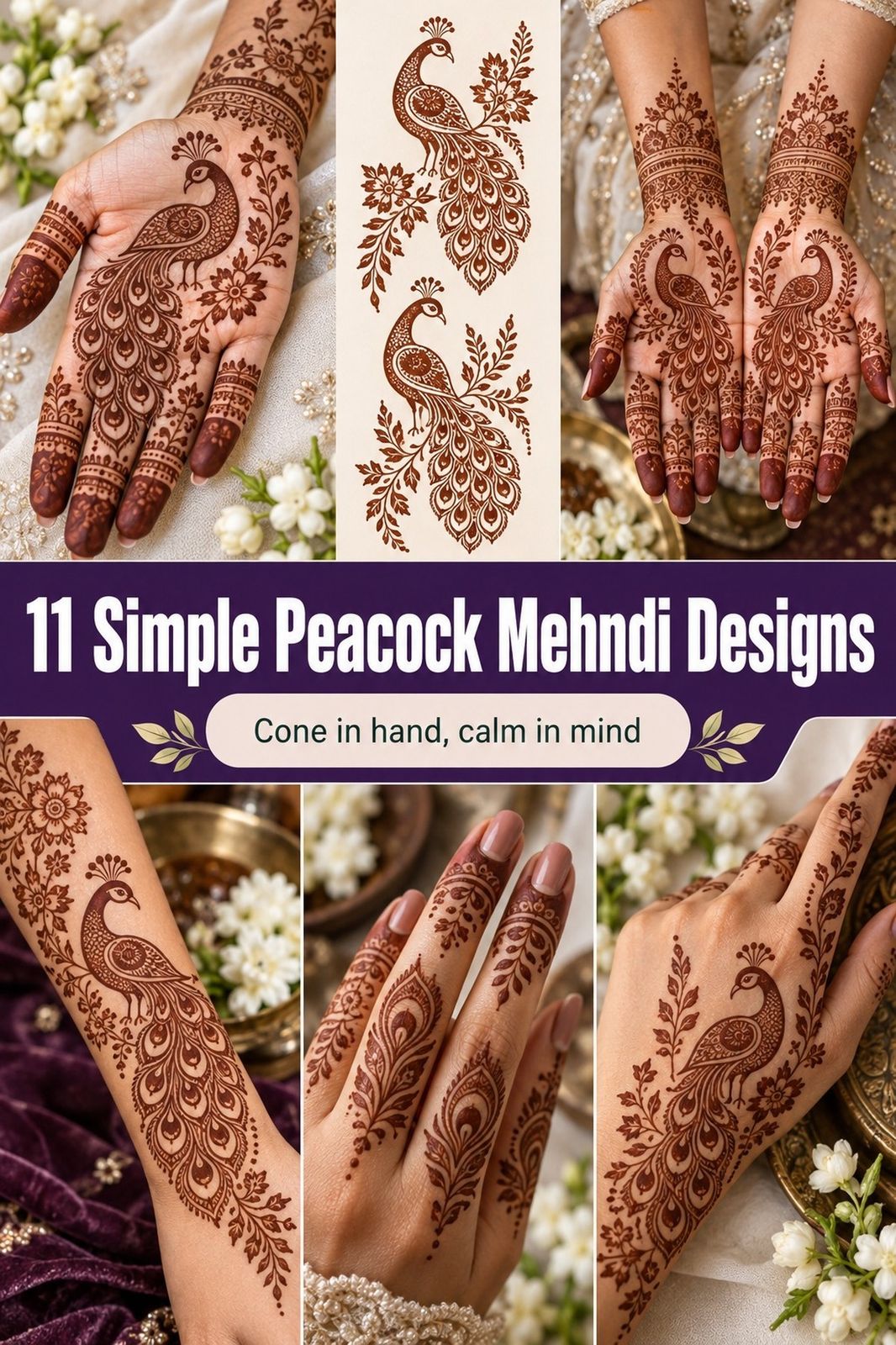
In many Muslim communities, henna is often linked to the Prophet Muhammad’s recorded encouragement of the practice for both men and women. Nighttime application during Ramadan, particularly on the 15th night (Laylat al-Bara’ah), remains common in South Asian Muslim communities. The designs tend toward floral and vegetal patterns, avoiding figurative imagery in line with aniconic preferences in religious art.
Hindu and Jain Traditions
Mehndi ceremonies constitute a pre-wedding ritual in Hindu practice, with the darkness of the stain sometimes interpreted as an indicator of the mother-in-law’s affection. Intricate bridal designs may incorporate the groom’s initials hidden within the pattern, creating a playful search ritual. In Jain tradition, henna application during festivals often accompanies fasting and prayer.
Christian and Jewish communities in the Middle East and North Africa have historically used henna for similar life-cycle events, though the practice is more culturally maintained than religiously prescribed in these contexts.
Personal & Modern Meanings
Contemporary wearers in Western contexts often adopt henna for reasons disconnected from its traditional settings, which requires thoughtful engagement to avoid trivialization.
Non-Cultural Personal Symbolism
Modern wearers frequently choose henna to mark personal transitions without claiming cultural heritage: recovery milestones, travel experiences, creative experimentation. The temporary nature lowers commitment, making it appealing for those testing placement ideas before permanent tattooing or those in professions restricting visible ink.
Appropriation vs. Appreciation
The key distinction lies in context and attribution. Wearing henna to a South Asian friend’s wedding with their invitation differs substantially from sporting bridal-level complexity at a music festival without understanding. Simplified, non-traditional designs applied with awareness of origin represent a middle path many practitioners consider respectful.
Color vs Black and Grey
Authentic henna exists in a narrow color range determined by the plant’s lawsone molecule and skin chemistry. The market offers alternatives with significant trade-offs.
Natural Henna Tones
Fresh henna paste yields orange stains that mature to reddish-brown over 48 hours. The final color depends on body temperature, application duration, and individual skin chemistry. Warmer skin tones typically develop deeper, more saturated results. The natural variation is part of the medium’s character, not a flaw.
“Black Henna” and Chemical Risks
So-called black henna often contains para-phenylenediamine (PPD), a hair dye chemical added to speed staining and darken results. PPD can provoke severe allergic reactions, blistering, and permanent scarring. Some formulations also include gasoline, kerosene, or other solvents. The resulting black stain may look striking but carries genuine health risks. White henna, conversely, contains no actual henna, it’s typically body paint or adhesive with cosmetic pigments, sitting on the skin’s surface rather than staining it.
Best Placements
Henna staining works differently across body areas due to skin thickness, temperature, and exposure patterns.
High-Performance Areas
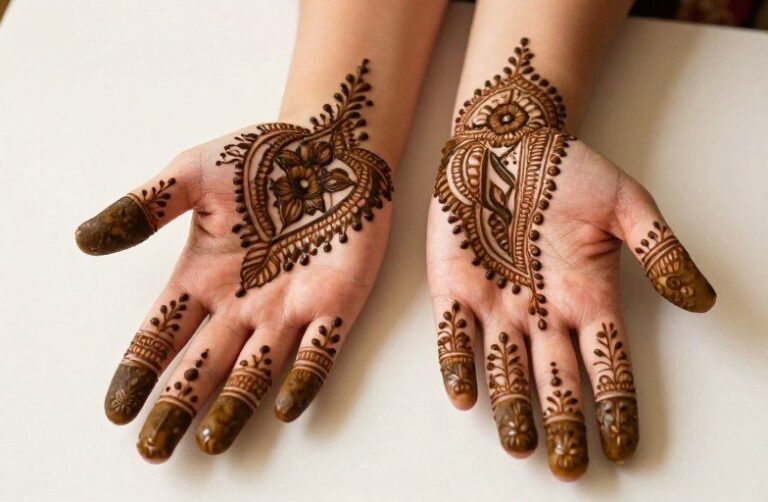
Palms and soles take the darkest, longest-lasting stains because of thicker stratum corneum and higher concentration of keratin for the dye to bind. These areas also experience the most friction, accelerating fade. Traditional bridal mehndi concentrates here for maximum visual impact during the ceremony’s hand-focused rituals.
Visible vs. Concealed Placement
Backs of hands and forearms offer visibility with moderate longevity, typically five to ten days of good color. These suit casual wearers wanting display without the intensity of palm application. Upper arms, shoulders, and ankles take lighter stains but fade more gracefully, making them practical for extended wear. Facial application remains rare outside specific cultural contexts and risks uneven staining due to thinner, more sensitive skin.
Design Tips & Pairings
Creating or selecting henna that respects tradition while expressing individuality involves attention to pattern vocabulary and composition.
Traditional Pattern Integration
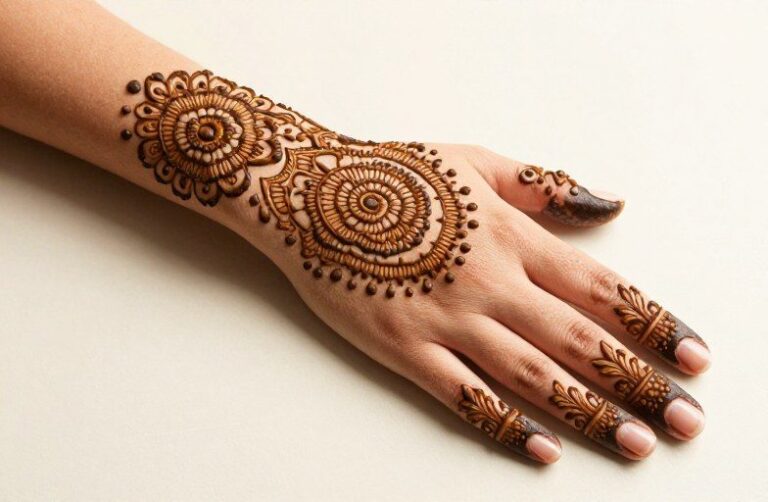
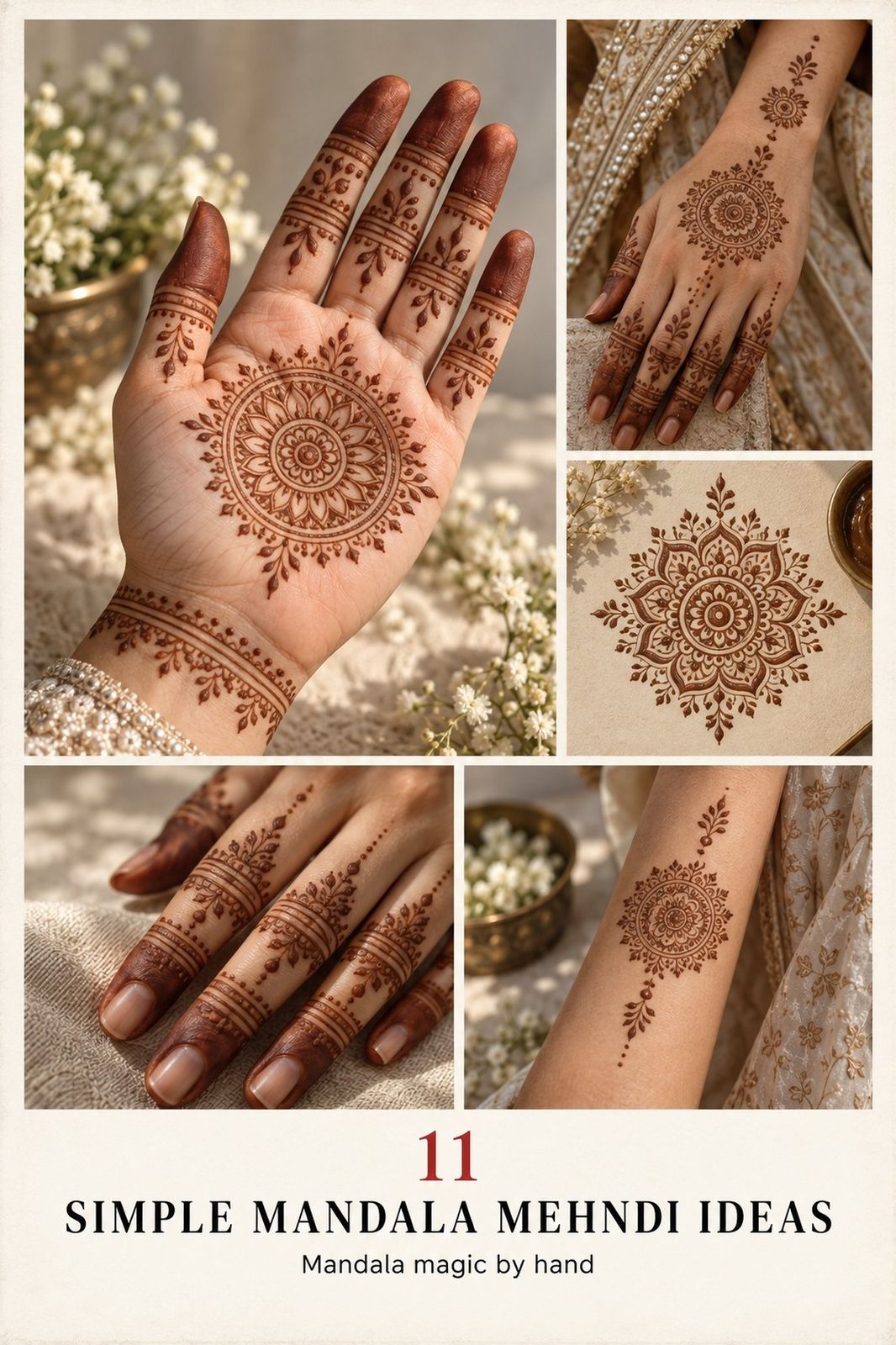
Effective designs build from a central focal point, often a large flower or mandala, radiating into secondary motifs and terminating in fine line work at fingers or wrist. Negative space matters as much as filled areas; the skin showing through creates breathing room and highlights the pattern’s geometry. Finger tips traditionally receive solid color blocks, a technically demanding area where paste application and wrap technique determine success.
Combining with Permanent Tattoo
Some collectors use henna to trial placement concepts before committing to permanent work, though the visual effect differs substantially. Henna can also temporarily extend existing tattoos, creating sleeve-like coverage for specific events. The contrast between henna’s organic fade and tattoo’s permanence creates interesting temporal layering when photographed together.
Key Takeaways
Henna tattoos carry genuine meanings rooted in centuries of practice across multiple cultures, from protective blessings to transitional markers. The temporary nature is central to its function, not a deficiency. Natural henna’s color range is limited but safe; chemical alternatives promising black or white results introduce real risks. Placement determines both visual impact and longevity. Modern wearers benefit from understanding origins rather than treating henna as mere decoration, choosing simpler designs and appropriate contexts when not participating in the cultural traditions that developed the art form. Whether applied for a wedding, a festival, or personal experimentation, henna remains a medium where the wearer’s awareness and respect shape the meaning as much as the pattern itself.
Frequently Asked Questions
How long does a henna tattoo typically last?
Natural henna lasts one to three weeks depending on placement, skin type, and aftercare. Palms and soles fade fastest due to friction and washing, while upper arms and ankles may retain faint stains for closer to three weeks. Avoiding exfoliation and chlorine extends the color.
Can I get a henna tattoo if I have sensitive skin?
Patch test 24 hours beforehand on a small area like the inner wrist. Natural henna rarely causes reactions, but the lemon juice and essential oils in paste can irritate sensitive skin. Never proceed with “black henna” if you have any skin sensitivities.
What’s the difference between henna and mehndi?
Mehndi refers specifically to the art form and practice in South Asian contexts, particularly the elaborate bridal application. Henna names the plant and dye used across cultures. The terms overlap but carry different cultural weight.
Is it disrespectful to get henna if I’m not from a culture that traditionally uses it?
Context matters more than prohibition. Attending a friend’s cultural event with their invitation differs from wearing intricate bridal designs to casual settings without understanding. Choosing simpler, non-traditional patterns and acknowledging origins represents respectful engagement.