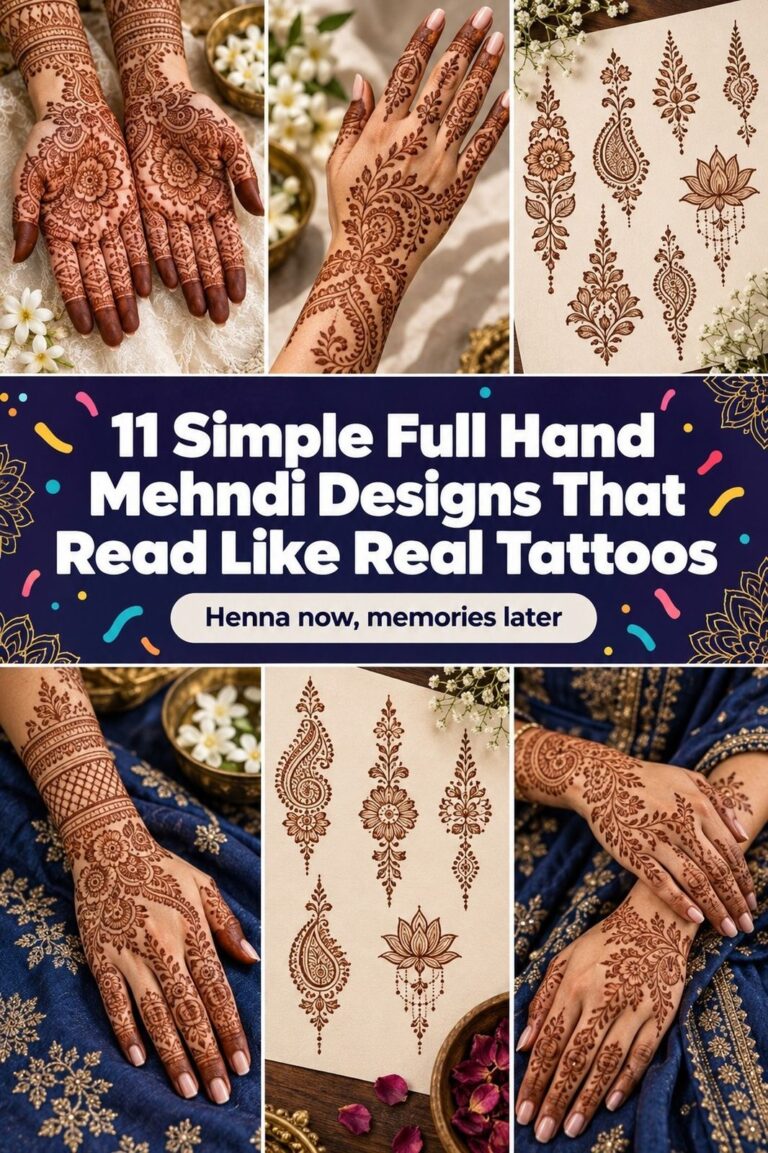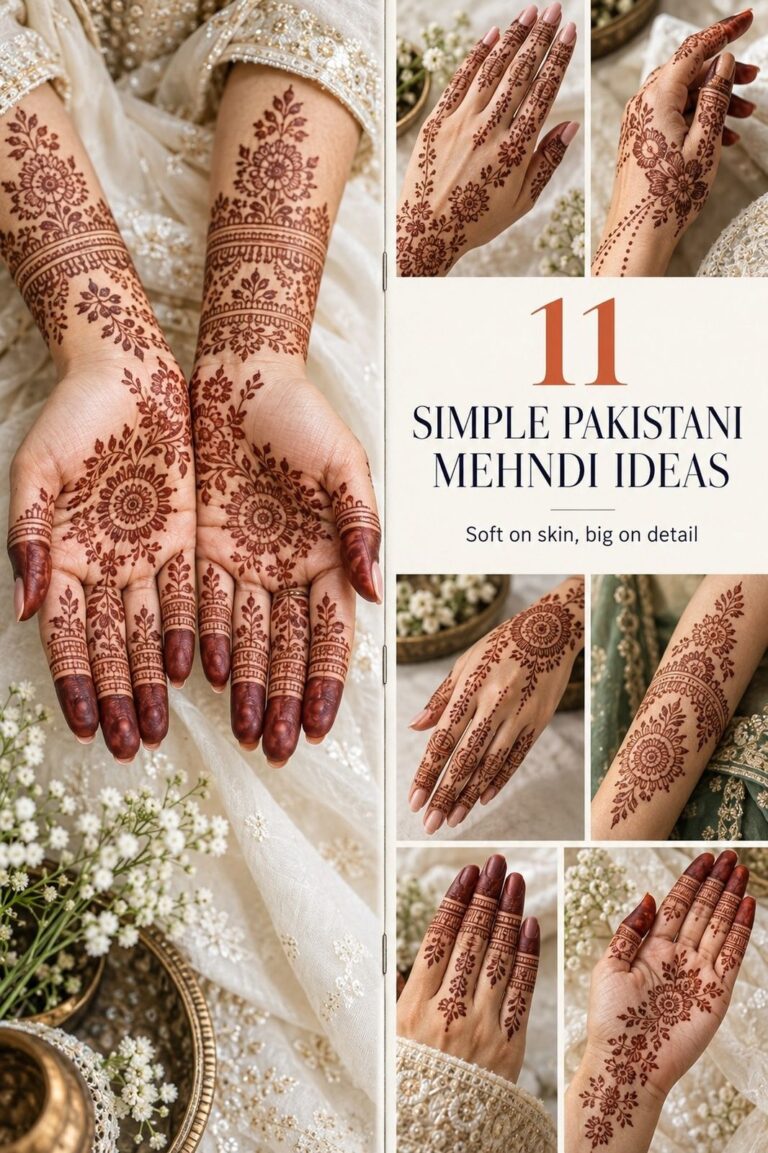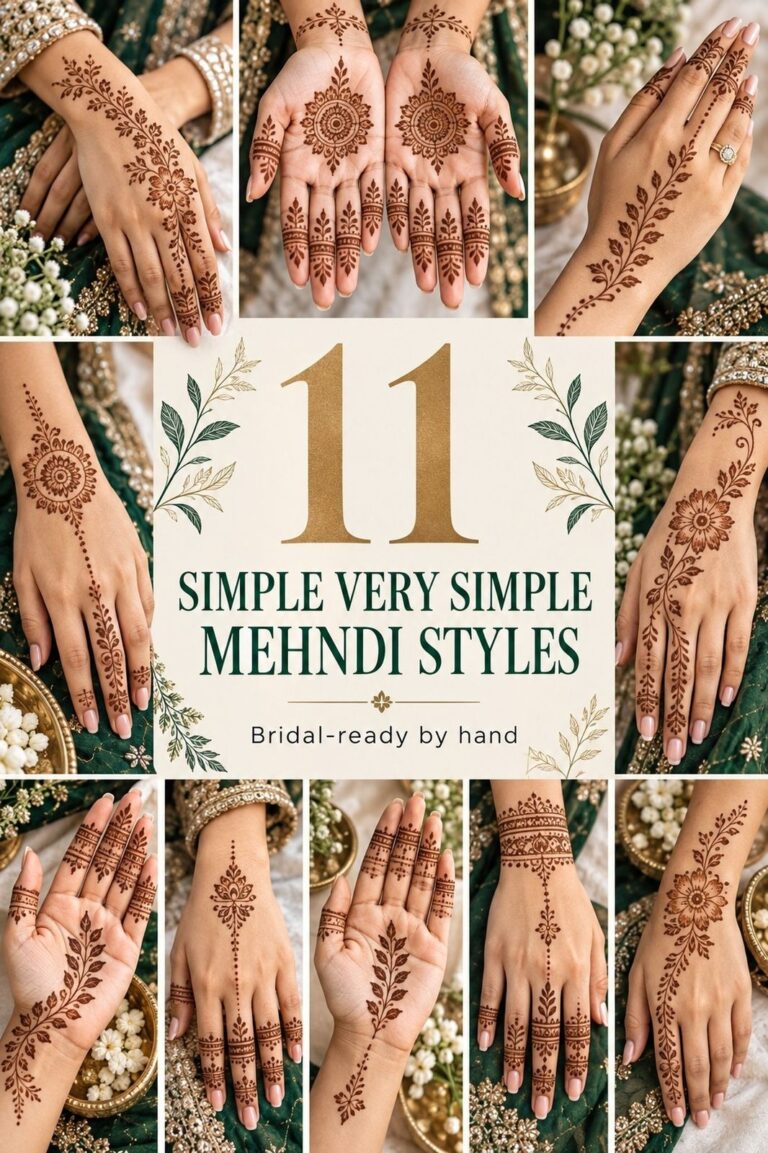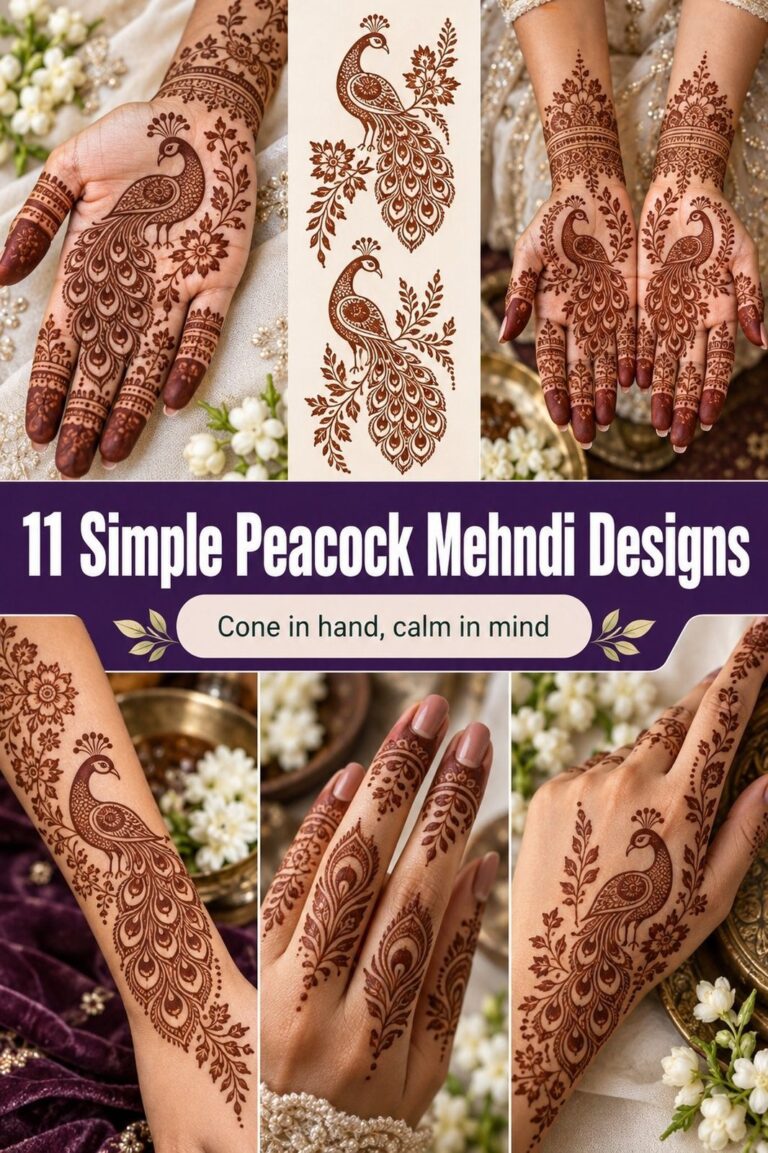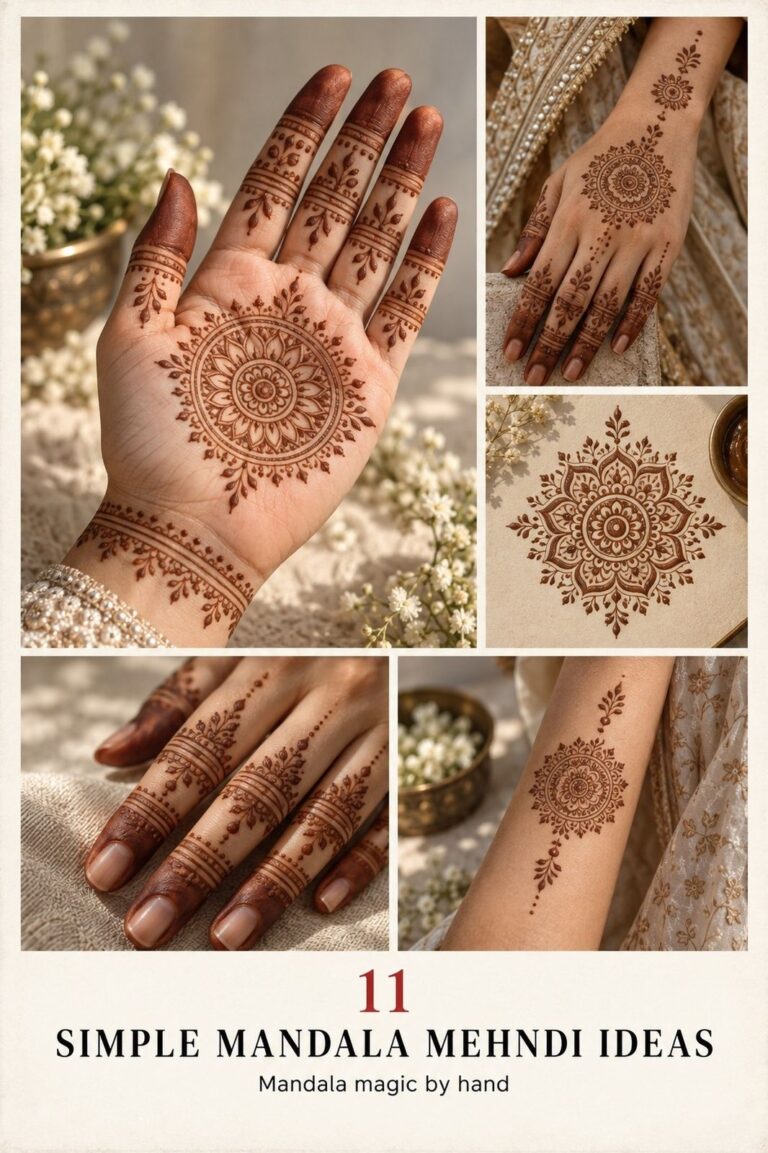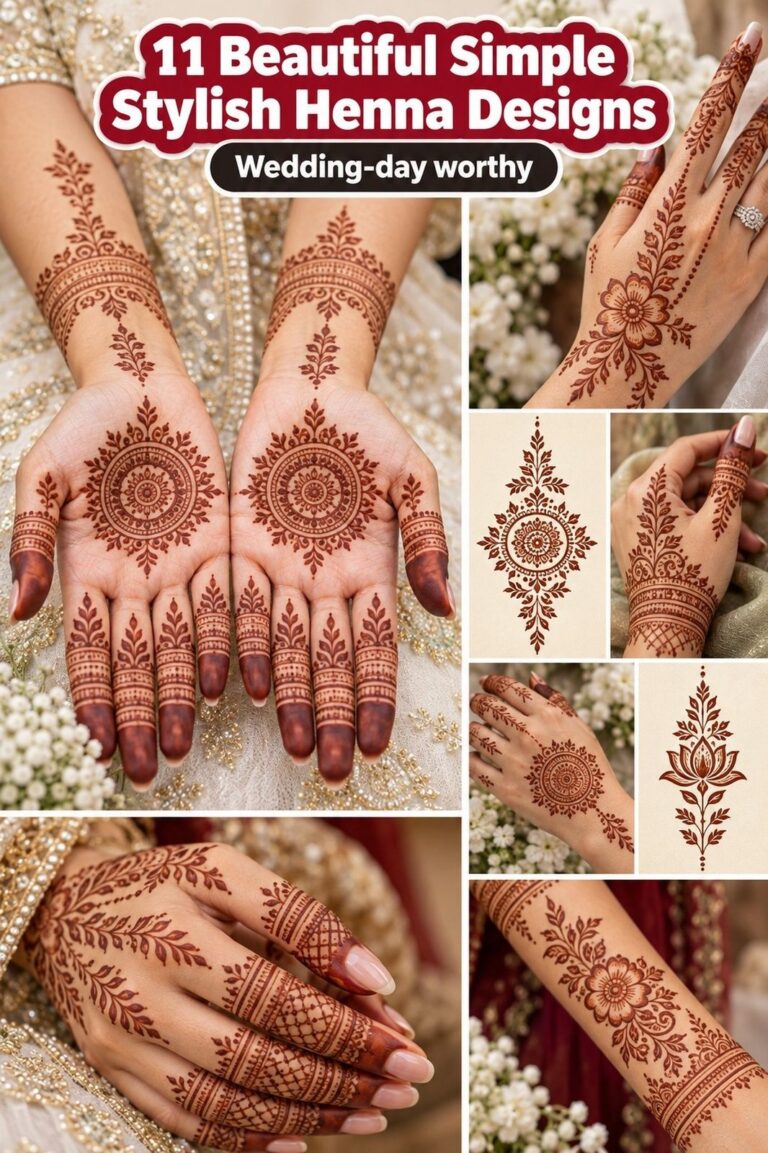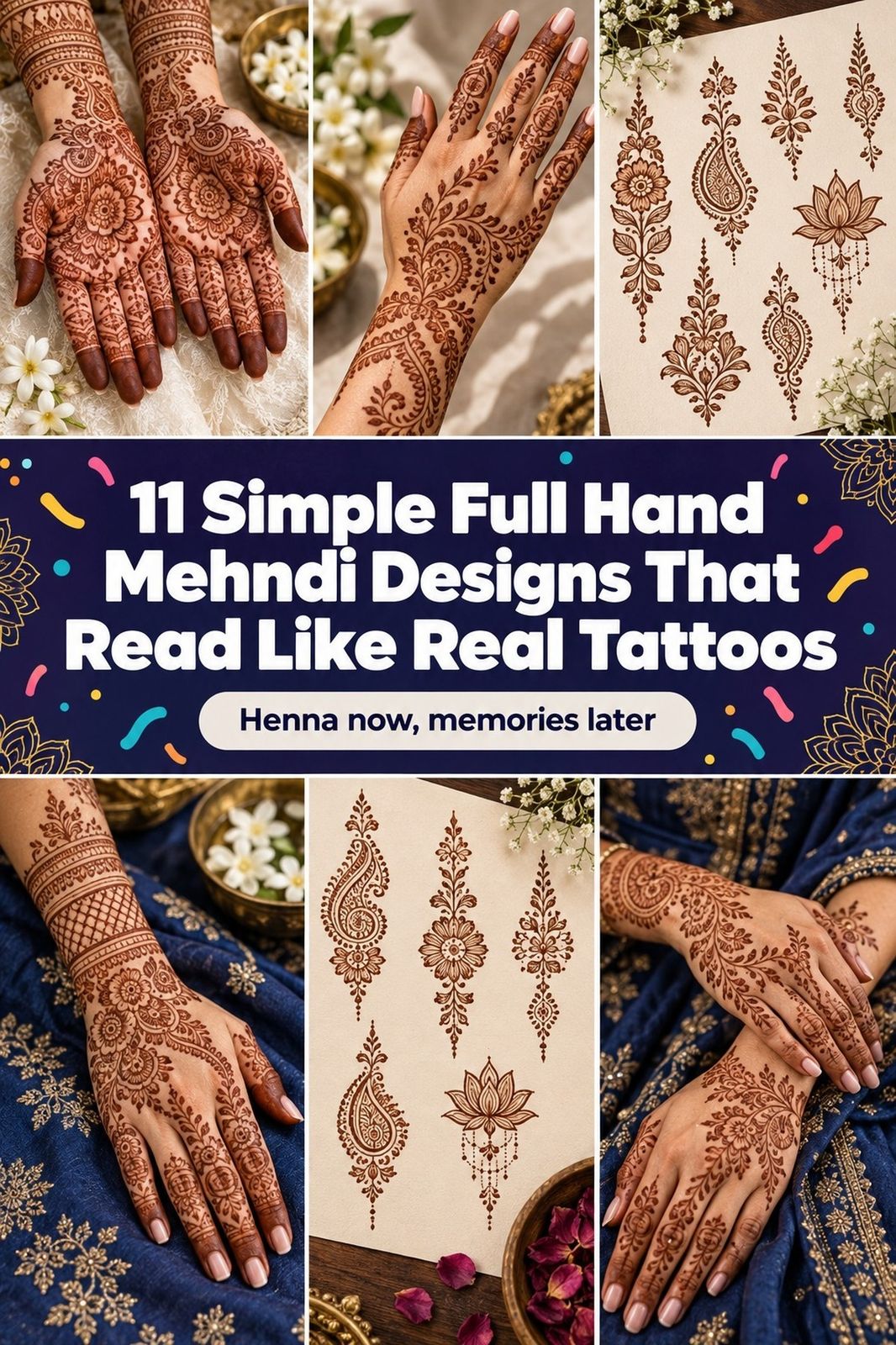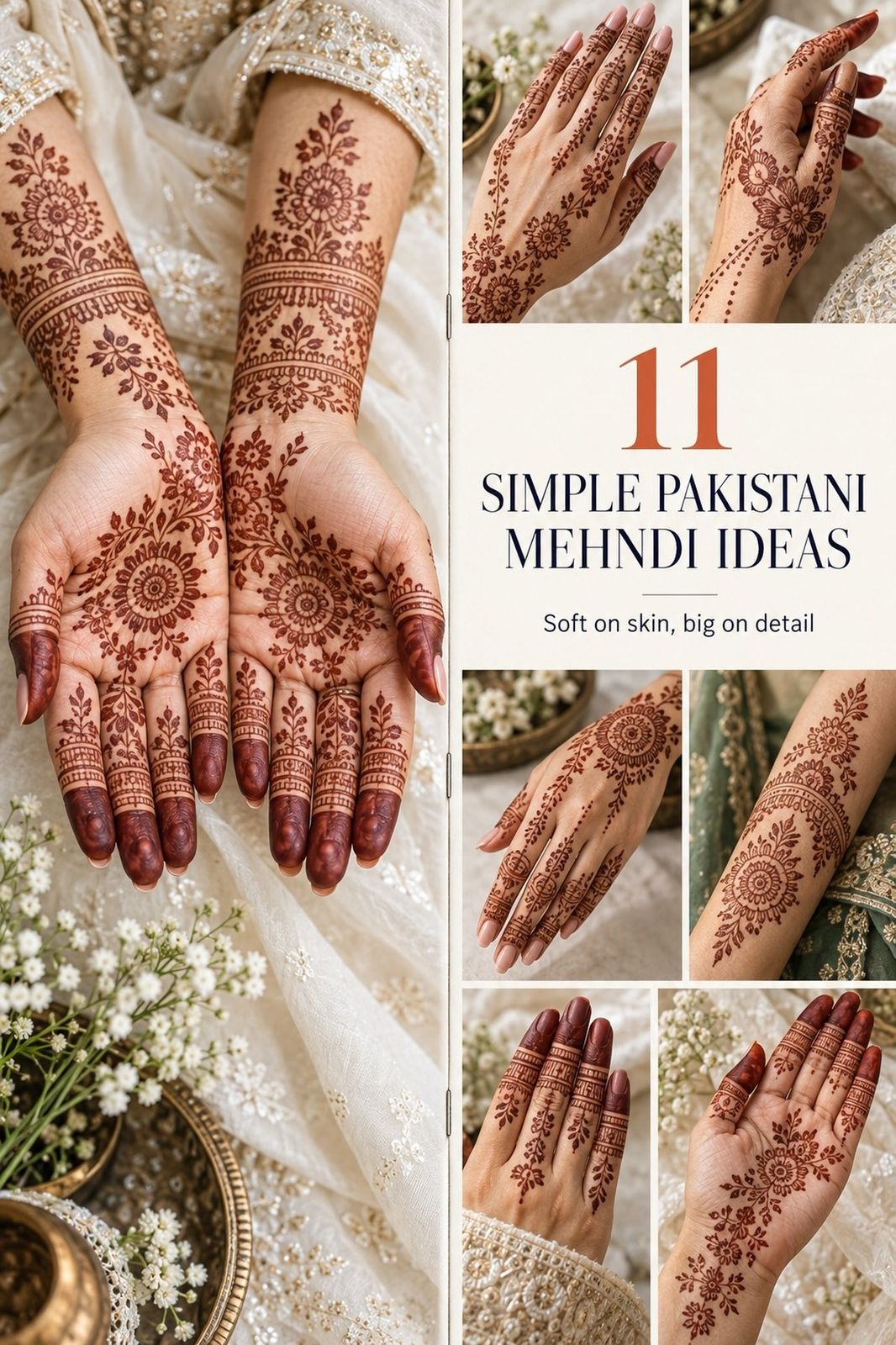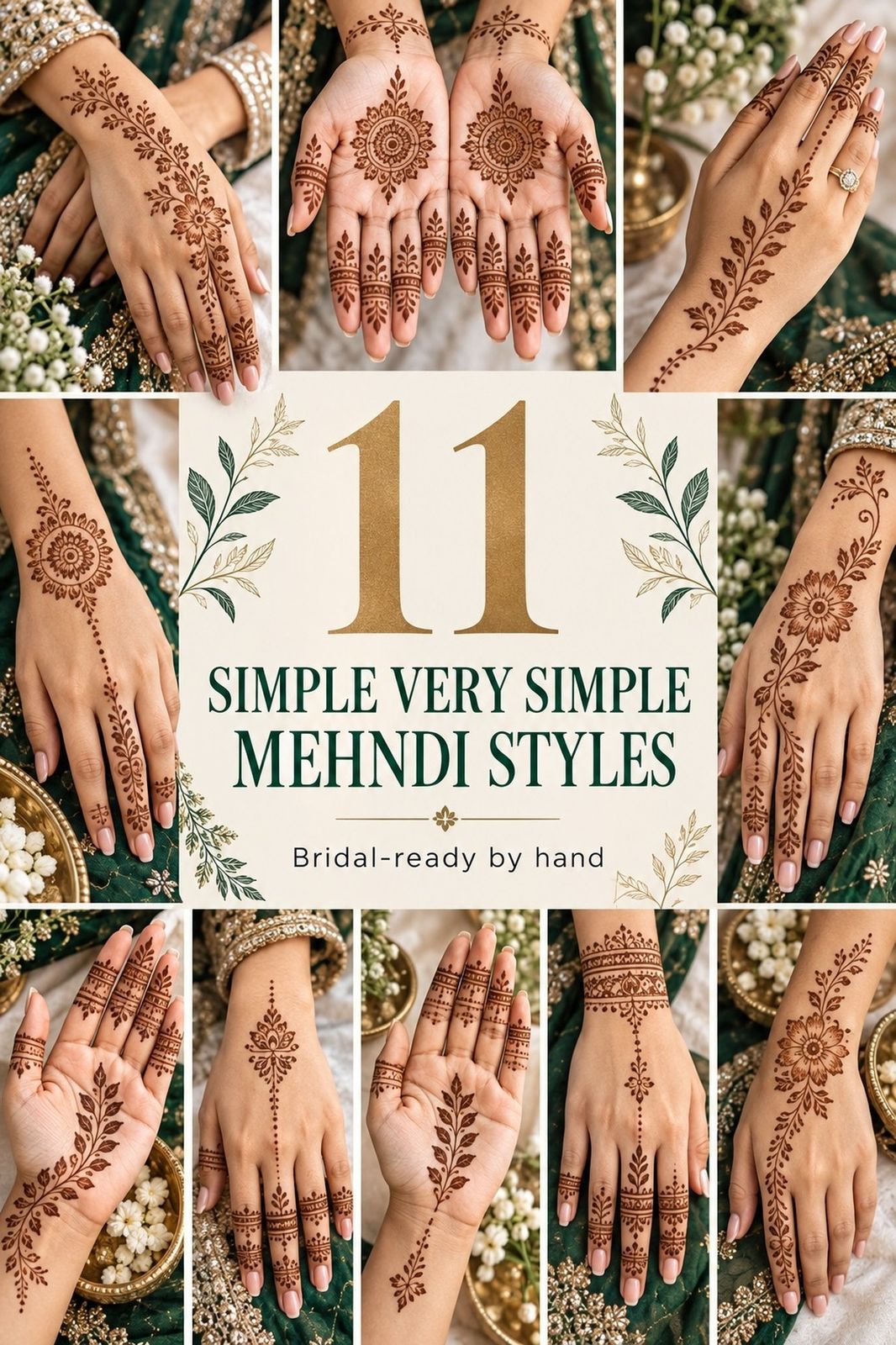
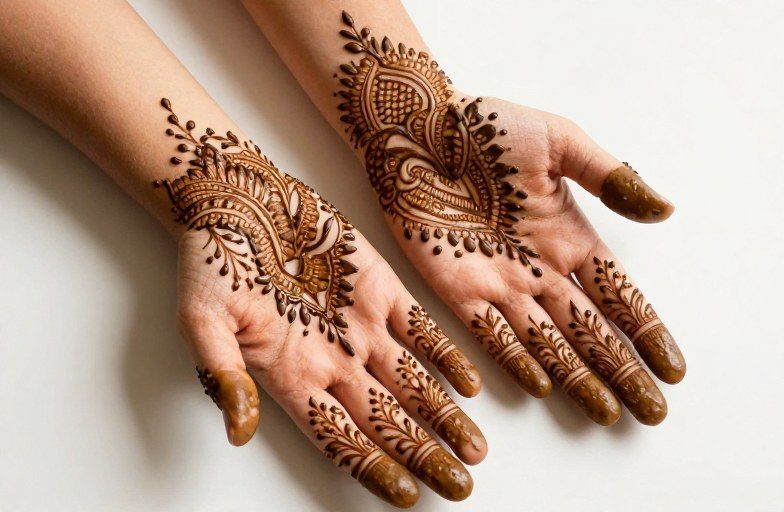
A meaningful henna tattoo traditionally represents blessing, protection, and celebration of life’s thresholds. The plant-derived dye stains the skin in warm reddish-brown tones, creating temporary markings that honor commitment, fertility, and spiritual devotion across multiple cultures. Unlike permanent ink, henna’s fading nature mirrors its core symbolism: beauty that is precious precisely because it does not last.
Symbolism & Core Meaning
The Temporary as Sacred
Henna’s impermanence is its central philosophical statement. A stain that deepens over 48 hours, peaks, then gradually flakes away mirrors natural cycles: growth, fullness, decay, renewal. This quality made it essential for rites of passage, weddings, births, coming-of-age ceremonies, where the mark’s disappearance paralleled the transition from one life stage to another.
Protection remains the most universal symbolic thread. Dense, intricate patterns were believed to create a barrier against the evil eye and malevolent spirits. The complexity itself functioned as a kind of spiritual armor; gaps in the design were sometimes deliberately filled to prevent negative forces from finding entry points. Brides received the most elaborate coverage, with hands and feet fully patterned to safeguard the fertility of the union and the health of future children.
Joy and Celebration
Beyond protective functions, henna signifies active joy. The application process, slow, communal, scented with eucalyptus or tea, constitutes a ritual of gathering. Darker stains were historically prized as omens of stronger love or deeper blessing, though this preference varies by region and family tradition. The color itself carries warmth: earth tones connecting the wearer to soil, root, and grounded presence.
Design Tips & Pairings
Placement and Scale
Palms and soles take henna darkest due to thicker skin and higher protein content. The backs of hands and tops of feet yield medium tones. Arms, legs, and back pieces lighten faster and fade quickest, plan accordingly if you want longevity. Finger tattoos blur within days because of constant movement and washing; they’re charming but ephemeral.
- Bridal full-hand: Extends from fingertips to wrist, sometimes connecting to forearm bands. Requires 4-6 hours drying time.
- Minimalist wrist band: Single flowing vine or geometric stripe. Dries faster, suits casual occasions.
- Foot sole mandala: Circular design centered on the arch. Intensely dark, surprisingly private.
- Behind-ear accent: Small floral or moon motif. Trendy placement, fades in under a week.
Complementary Elements
Pair henna with permanent tattoos by using it to test placement concepts or to enhance existing work during special events. Some collectors frame permanent mandalas with fresh henna borders for weddings or spiritual gatherings. The contrast between permanent ink lines and organic henna flow creates visual tension that photographs beautifully but requires planning, henna can stain fresh tattoos unevenly, so wait until healed work is fully settled.
Common Variations & Styles
Regional Pattern Languages
Indian/Pakistani designs favor dense paisleys, peacocks, and floral grids with fine linework filling every available space. Arabic styles use larger, bolder floral sprays with significant negative space, roses, vines, and leaves flowing asymmetrically. African traditions, particularly Moroccan and Sudanese, emphasize geometric precision: diamonds, triangles, and angular grids that read as architectural rather than botanical.
Indo-Arabic fusion has emerged as a contemporary hybrid, combining the density of South Asian work with the breathing room of Middle Eastern approaches. This style suits modern clients who want visual impact without six-hour application sessions.
Modern Adaptations
White henna (actually skin-safe body paint, not true henna) creates raised, pale designs popular for weddings and photography. “Black henna” containing PPD dye is dangerous and should be avoided; it causes chemical burns and permanent scarring. Jagua, a South American fruit extract, produces blue-black tones closer to tattoo ink but carries its own allergy risks. Always verify ingredients.
History & Cultural Roots
Origins and Spread
The henna plant, Lawsonia inermis, thrives in semi-arid zones from North Africa to South Asia. Its use for body adornment is often linked to ancient Egypt, where mummies show henna-stained hair and nails. Some trace it to the Bronze Age Levant; others point to early use in the Arabian Peninsula and Persian Empire. What is established: by the medieval period, henna practice was widespread across the Islamic world, the Indian subcontinent, and Jewish communities of North Africa and the Middle East.
Trade routes carried both the plant and its techniques. The Mughal courts of India raised henna to high art, with professional artists developing increasingly complex regional styles. Ottoman and Persian courts similarly cultivated elite henna traditions, though often with distinct aesthetic priorities, geometric precision versus floral abundance.
Colonial and Contemporary Contexts
European colonial presence in South Asia and North Africa sometimes suppressed henna as “backward,” then later exoticized it as Orientalist spectacle. Diaspora communities maintained practice as cultural continuity. The late 20th-century Western adoption, music festivals, beach tourism, casual mall kiosks, sparked necessary conversations about appropriation versus appreciation. Meaningful engagement requires understanding specific patterns’ origins and avoiding sacred bridal motifs for casual recreation.
Religious & Spiritual Angles
Islamic Practice
Henna carries particular significance in Muslim cultures. The Prophet Muhammad is commonly associated with appreciation of henna, and many hadith reference its use. It remains central to henna night (mehndi celebrations) before weddings across South Asian Muslim communities. Some Sufi orders use henna to mark spiritual devotion, applying it to the hands of new initiates or during dhikr gatherings. The dye’s natural origin aligns with broader Islamic preferences for organic, unaltered substances.
Hindu and Jewish Traditions
In Hindu practice, henna is often linked to Lakshmi and auspiciousness. Karvachauth and Teej festivals feature elaborate application as marital devotion. Jewish communities of Yemen, Morocco, and Iraq historically used henna for henna ceremony (lilat al-henna) before weddings, sometimes with specific blessings. These parallel traditions, Muslim, Hindu, Jewish, developed independently but share common threads of protection, fertility, and communal celebration.
Similar & Related Symbols
Mehndi patterns frequently incorporate motifs with independent symbolic lives:
- Paisley (boteh): Resembling a mango or teardrop, often linked to fertility and abundance. The curved form allows infinite tessellation.
- Peacock: Immortality, beauty, and watchfulness. In South Asian contexts, the peacock associates with Krishna and monsoon renewal.
- Lotus: Purity emerging from mud. Common in Hindu and Buddhist henna, less frequent in strictly Islamic geometric traditions.
- Eye motifs: Direct apotropaic protection, often hidden within larger patterns.
- Mandala structures: Cosmic order, spiritual journey. The center-to-edge movement suggests unfolding consciousness.
Permanent tattoo collectors sometimes adapt these motifs into lasting ink, though the translation requires adjustment, henna’s flowing, organic lines differ from tattoo needle precision. A paisley that works in paste may need simplification for clean tattoo aging. Conversely, tattoo collectors sometimes commission henna artists to create temporary versions of their permanent pieces for events, creating living dialog between the two forms.
The Bottom Line
A meaningful henna tattoo meaning centers on transience as virtue, protection through pattern, and communal ritual over individual display. The best designs honor specific cultural lineages rather than treating all “tribal” or “ethnic” patterns as interchangeable. Quality paste matters more than elaborate design, natural henna, properly mixed with lemon juice and essential oils, yields the safest, most beautiful stain. Dark paste that looks almost black before drying usually contains additives; authentic henna paste appears greenish-brown and smells earthy.
Aftercare is simple but non-negotiable: keep the paste on as long as possible (minimum four hours, ideally overnight), avoid water for the first 24 hours after removal, and expect the stain to deepen from orange to burgundy over two days. Moisturize lightly, exfoliate gently when ready for removal, and appreciate the fading as part of the form’s essential character. What disappears was never meant to stay; what remains is the memory of having been marked.
Frequently Asked Questions
How long does a meaningful henna tattoo actually last?
Natural henna lasts one to three weeks depending on placement, skin chemistry, and aftercare. Palms and soles hold color longest due to thicker skin. Frequent hand-washing accelerates fading on fingers and backs of hands.
Can I get a henna tattoo if I have sensitive skin or allergies?
Patch test 24 hours beforehand on your inner arm. Avoid “black henna” containing PPD entirely, it causes severe reactions. True henna rarely triggers allergies, but lemon juice and essential oils in the mix can irritate some skin types.
What’s the difference between henna and a jagua tattoo?
Henna comes from the Lawsonia plant and stains reddish-brown. Jagua is derived from a South American fruit and produces blue-black tones resembling permanent ink. Jagua is newer to commercial use with less established safety data.
Is it appropriate to get henna if I’m not from South Asian or Middle Eastern heritage?
Appreciation differs from appropriation. Avoid sacred bridal motifs, religious symbols, or claiming cultural expertise. Simple floral or geometric designs, applied with understanding of origins and respect for practitioners, generally receive more welcome reception than random “tribal” pattern selection.