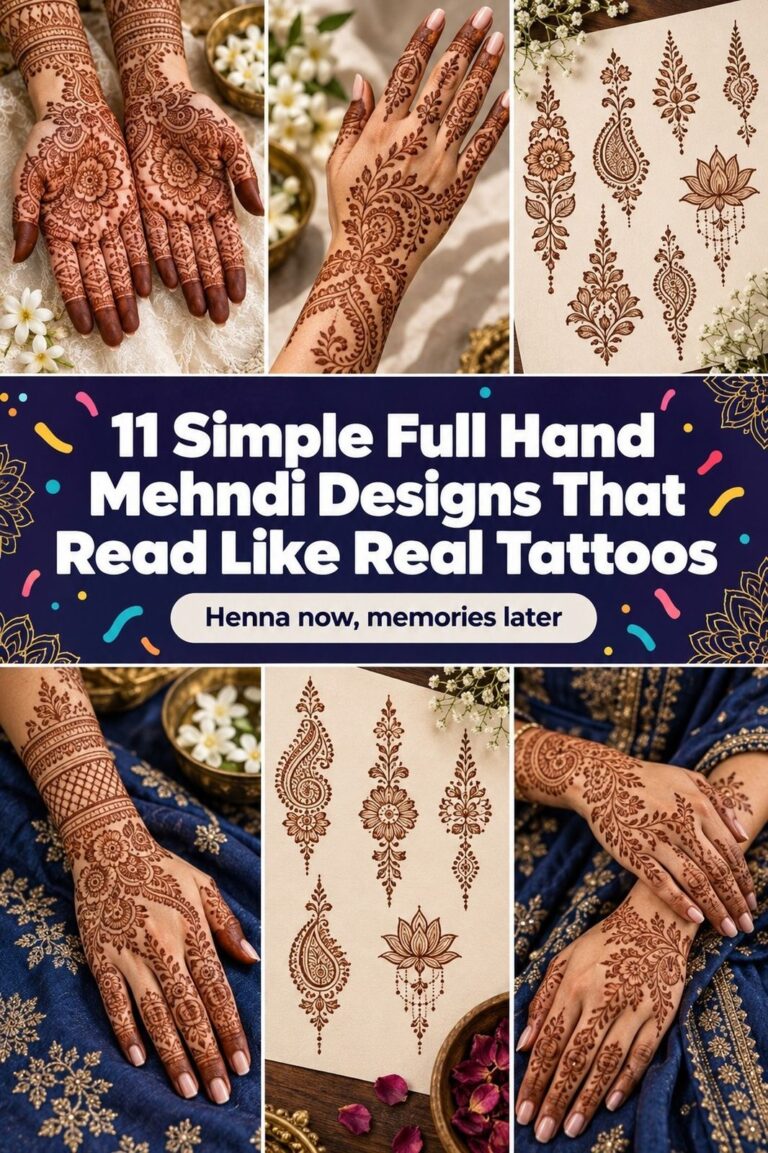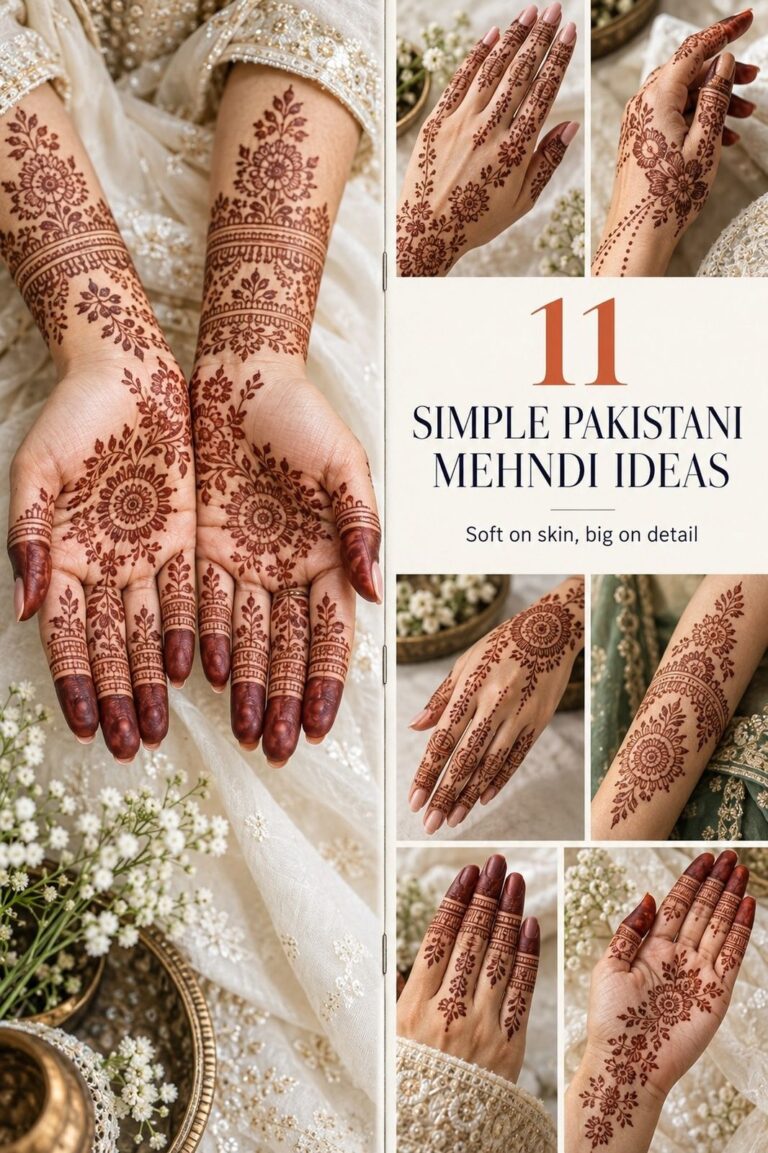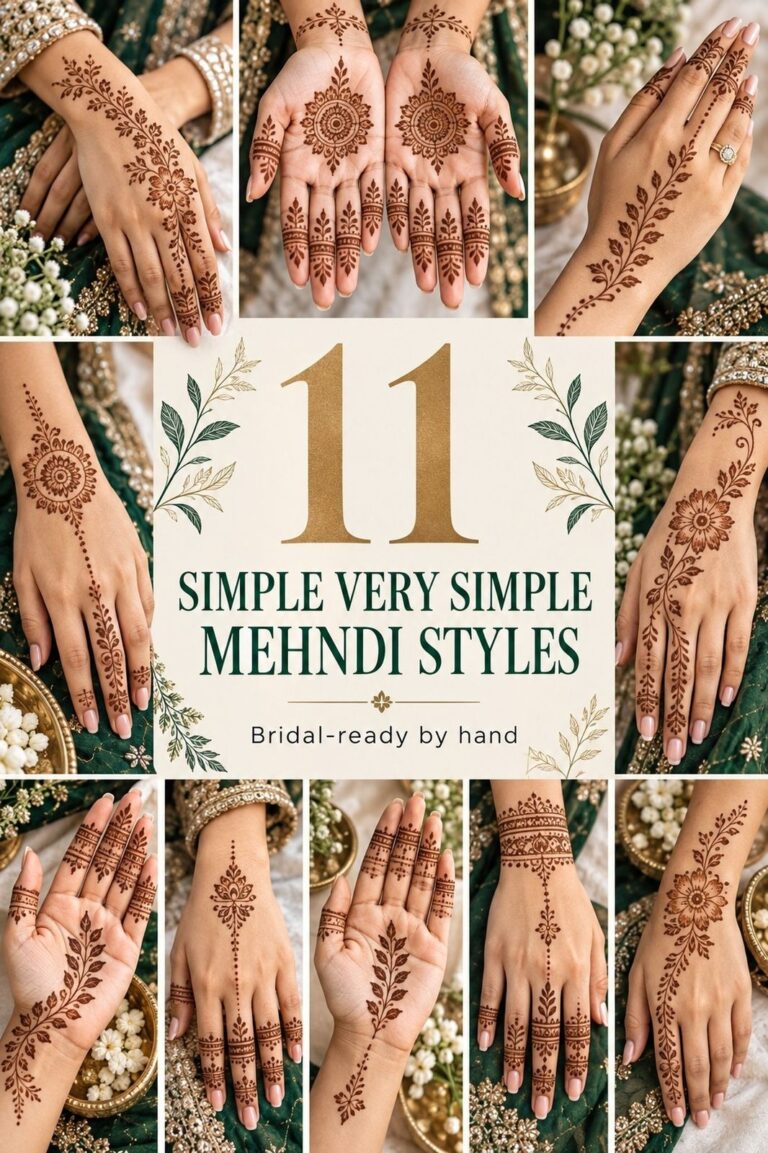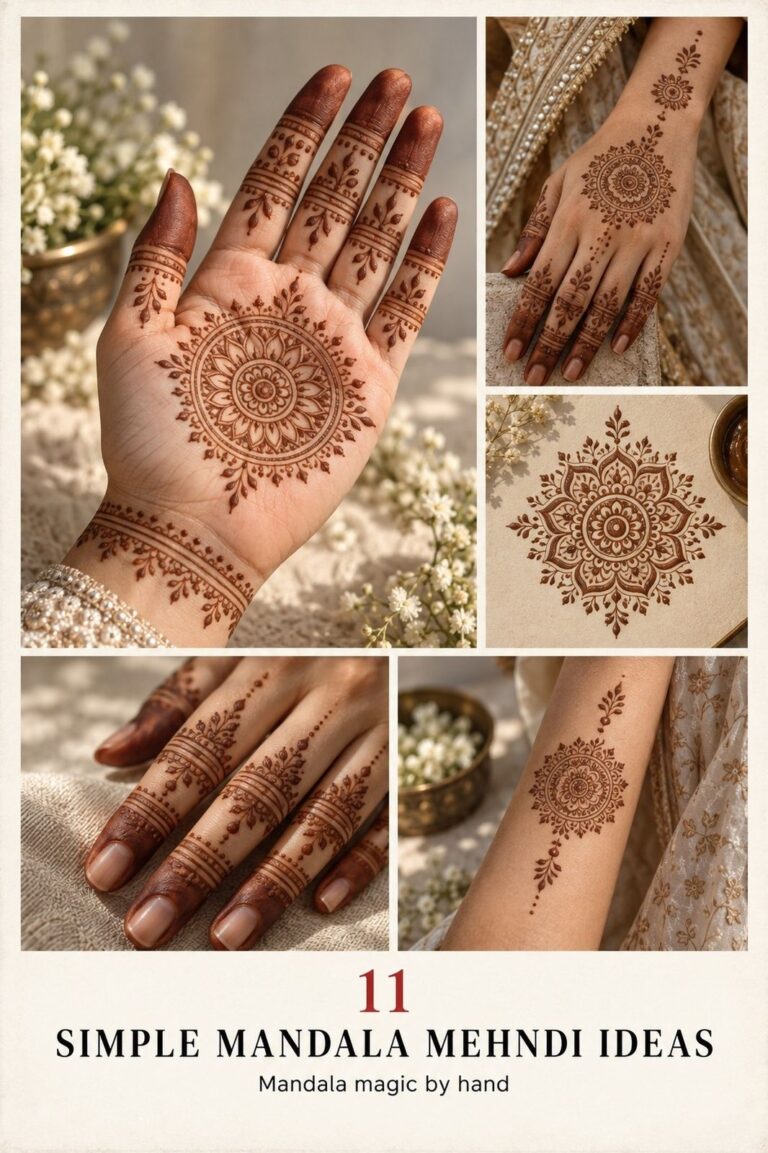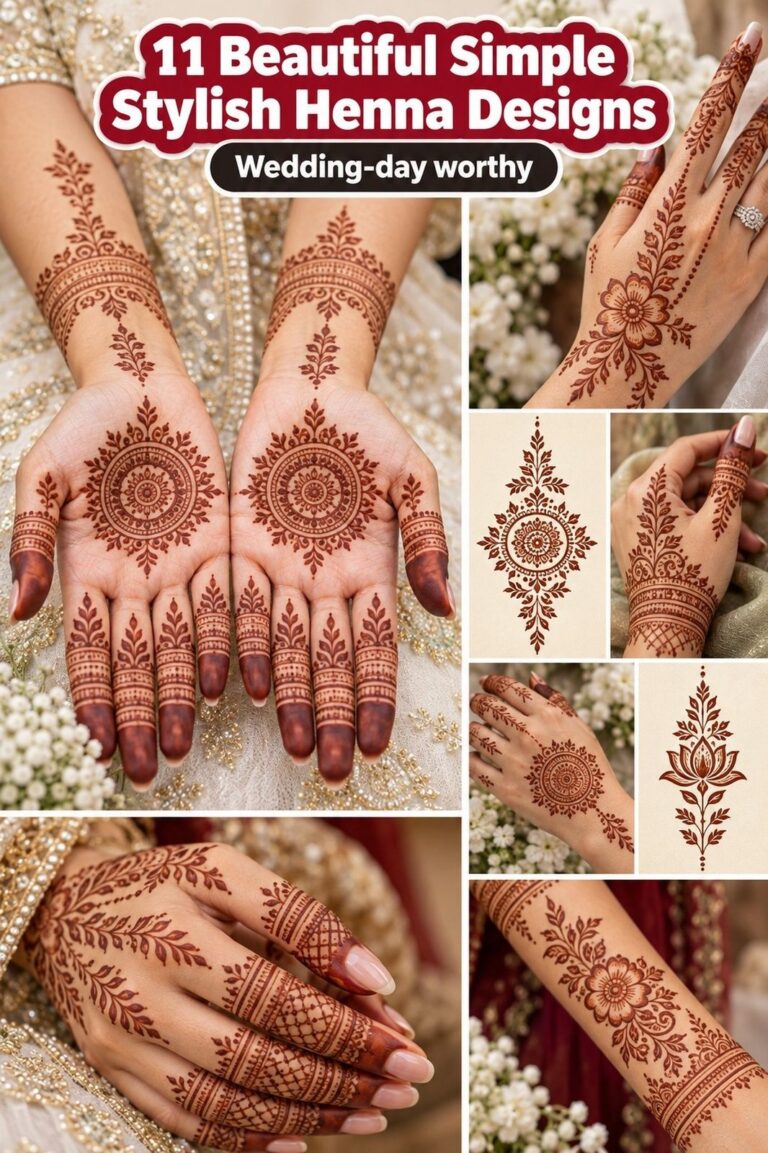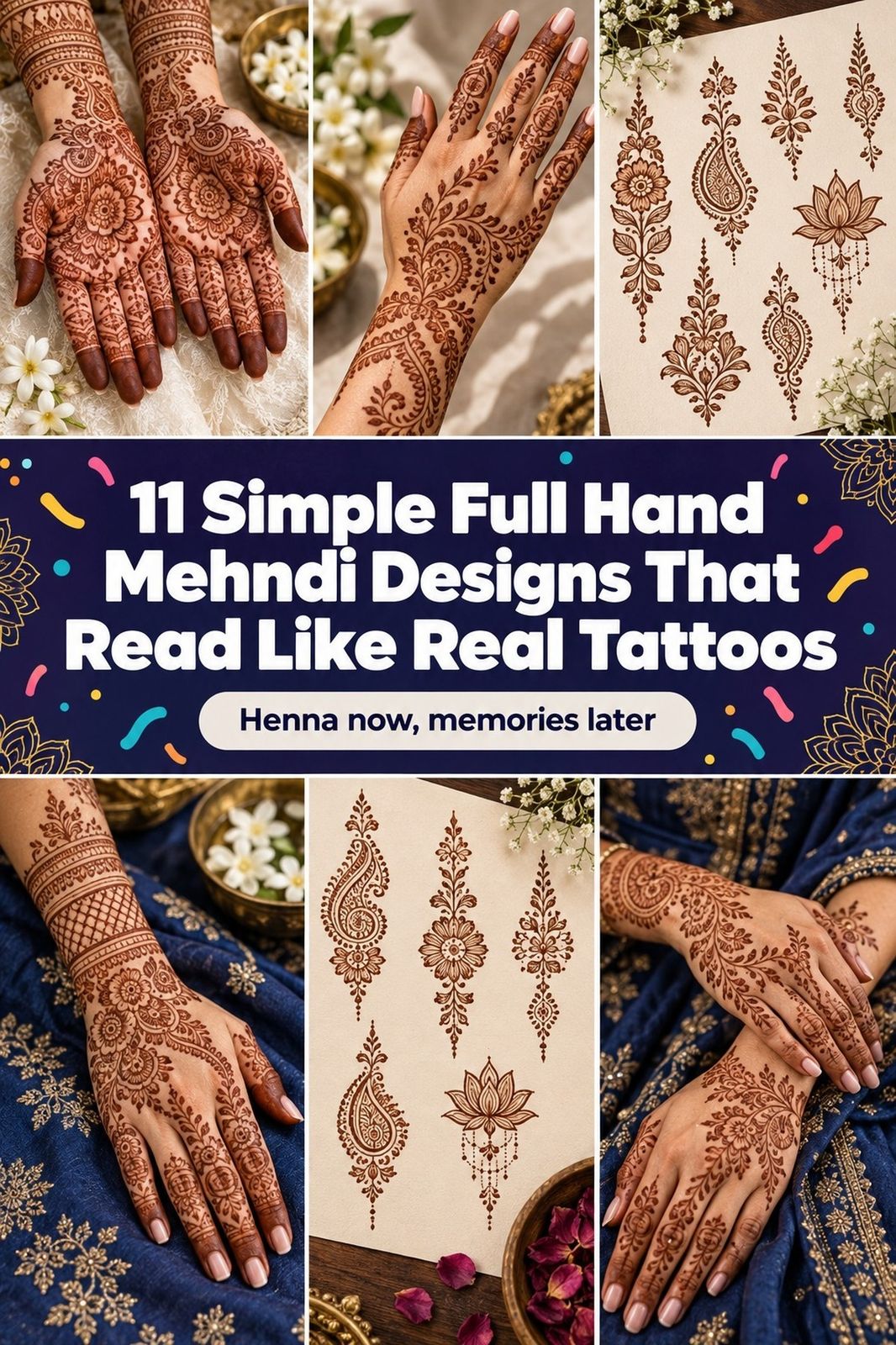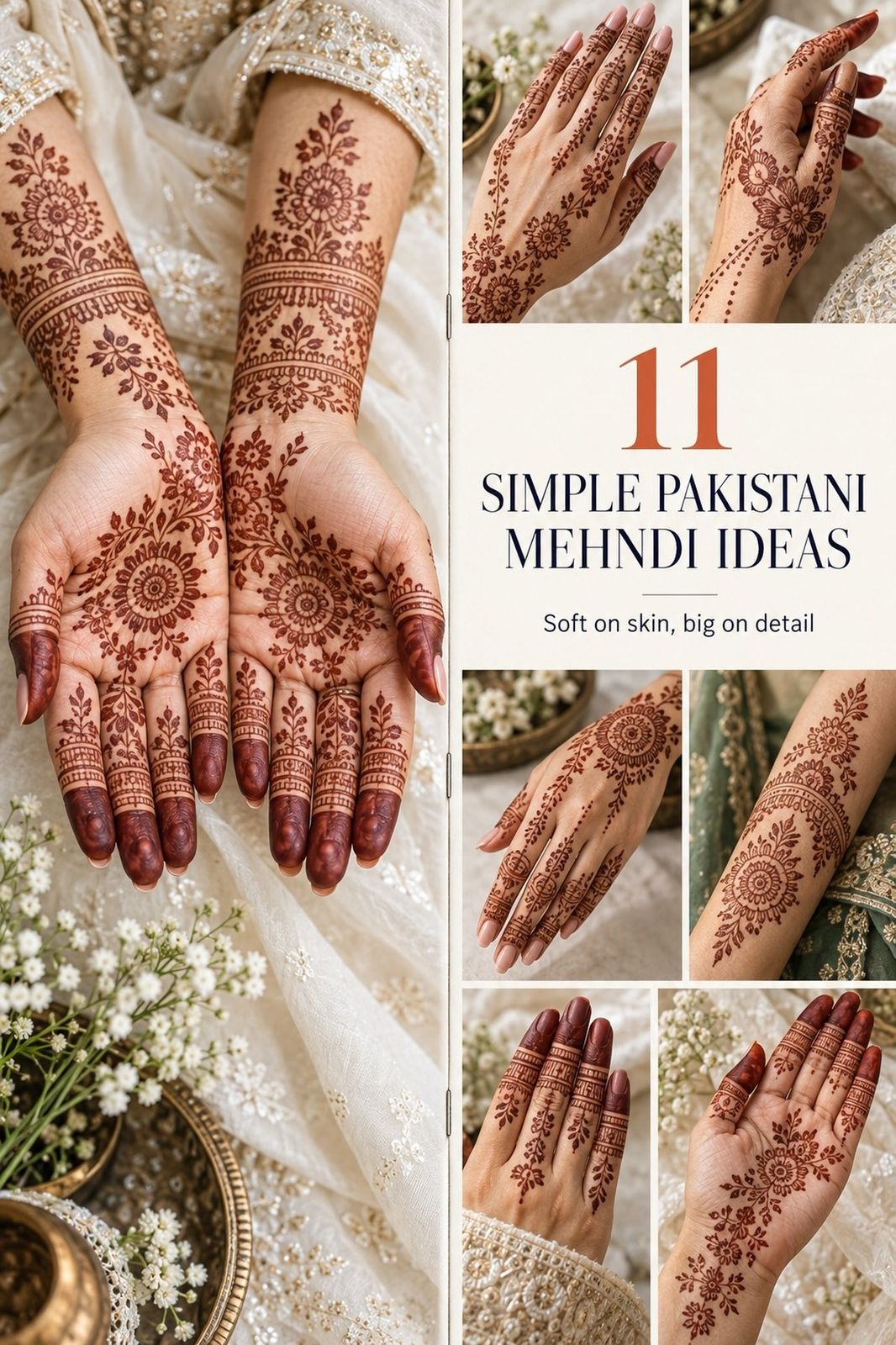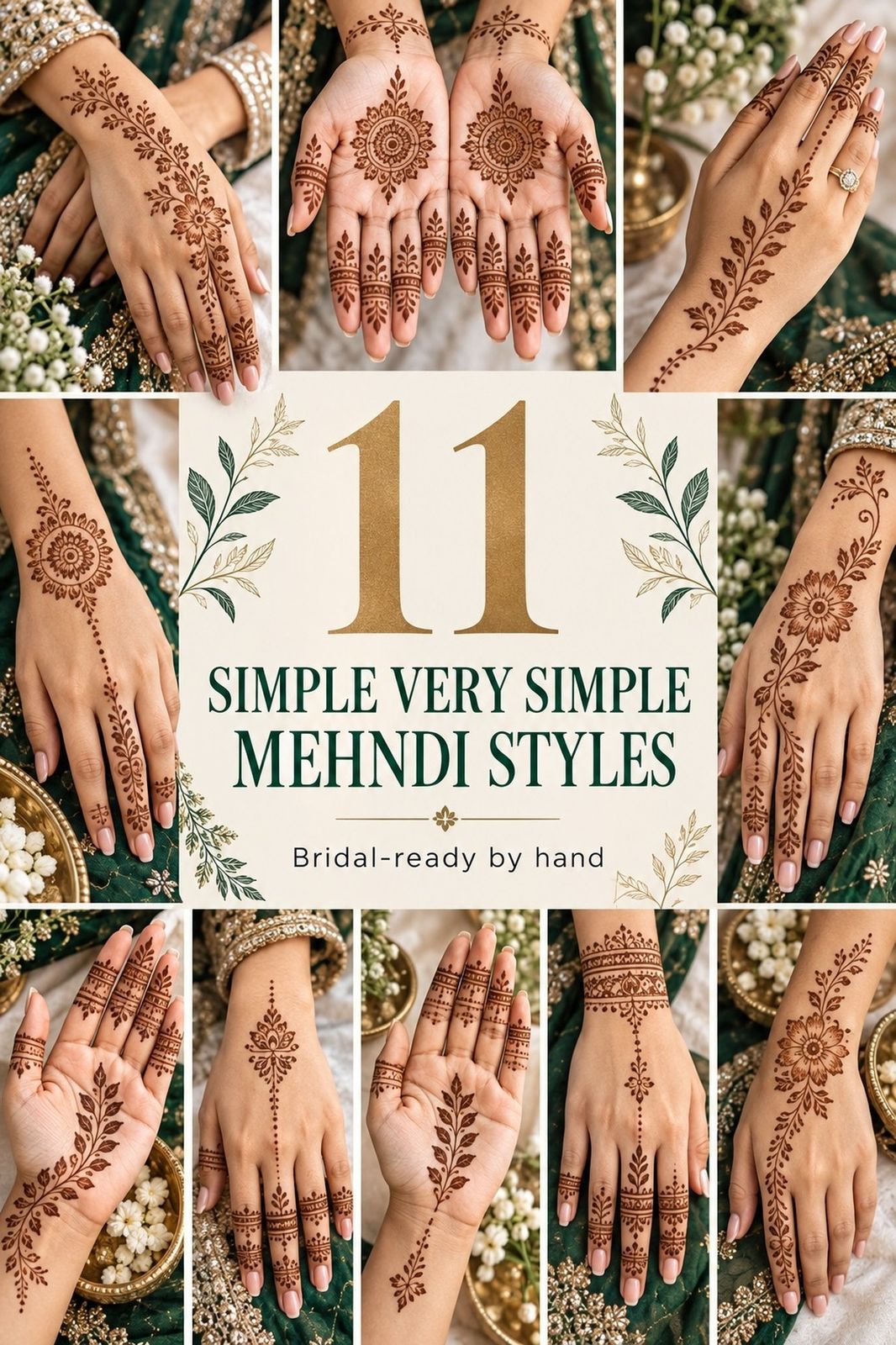
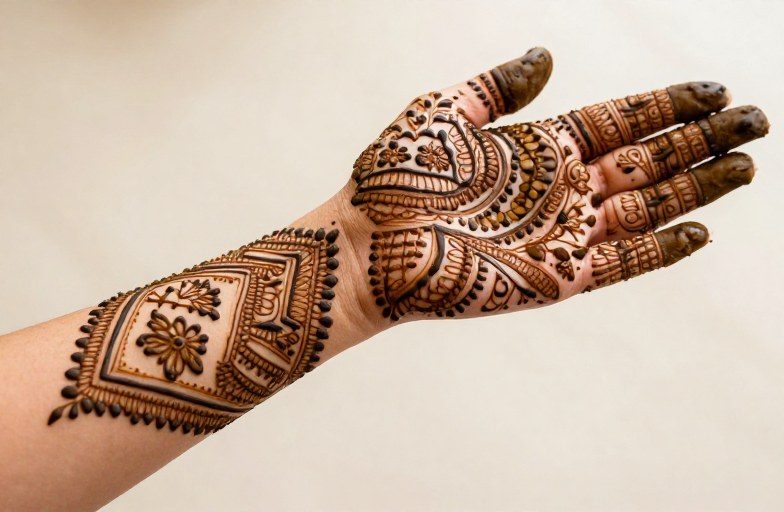
Henna tattoos in India, called mehndi, are temporary body art made from powdered Lawsonia inermis leaves. In permanent tattoo form, they carry the same layered symbolism: celebration, spiritual protection, fertility, and the beauty of impermanence. A henna-style tattoo in ink becomes a permanent marker of these temporary blessings.
Personal & Modern Meanings
Celebration and Transition
Bridal mehndi remains the most visible tradition. A bride’s hands and feet get covered in intricate patterns the night before the wedding in a ceremony called the Mehndi Ki Raat. The depth of the stain supposedly predicts the strength of the marriage. In permanent ink, people carry this symbolism through engagements, anniversaries, or personal milestones. Placements mirror the original: palms, backs of hands, feet, wrapping around wrists like actual henna would.
Protection and Luck
Beyond weddings, mehndi functions as apotropaic magic. Designs near doorways of the body, wrists, ankles, the nape, echo how henna was believed to ward off the evil eye. Modern wearers often choose these placements for travel, new ventures, or periods of vulnerability. The paisley, or kairi (mango shape), repeats throughout protective designs for its eye-like quality that “looks back” at harm.
Color vs Black and Grey
Real henna ranges from burnt orange to deep maroon, never the black “henna” that contains dangerous PPD chemicals. Permanent tattoos have options:
- Red/brown ink closest to authentic henna, but fades faster than black. Expect 5-10 years of vibrancy before significant muting. Works best on lighter skin tones where the warm tones read clearly.
- Black ink gives the graphic punch of a fresh henna paste design. Holds crisp lines longer. On darker skin, black provides necessary contrast that colored inks lose.
- Black and grey wash mimics the tonal variation as real henna dries and flakes. Shading suggests the paste’s texture without literal color. Ages better than red-based pigments, which are notorious for turning muddy pink or greyish.
Line weight matters enormously. Henna artists draw with cone tips that vary from hair-fine to bold; tattoo needles should replicate this range. Single-needle work for the delicate filigree, 7-9RL for the heavier border lines. Shading should stay light, dense black fill looks like a different tradition entirely, closer to Polynesian work than Indian.
Mythology & Folklore
Divine Connections
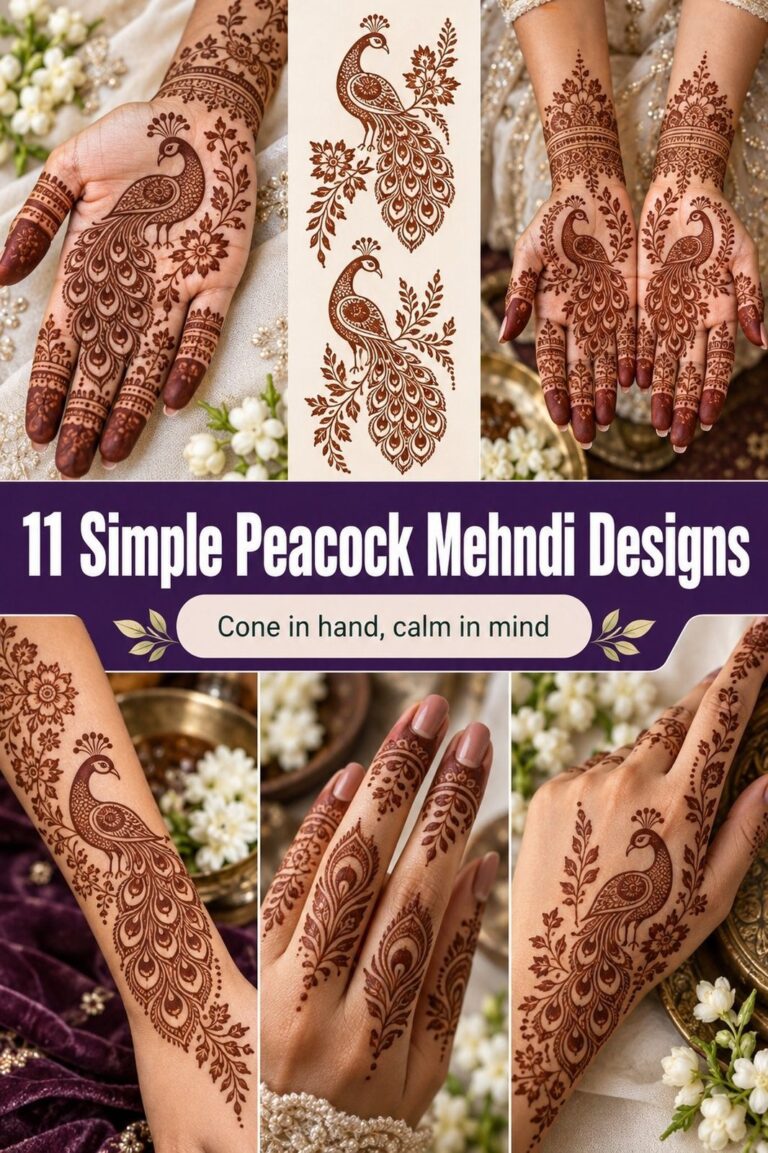
The mehndi plant carries associations with several deities. Parvati, goddess of marriage and fertility, receives henna offerings. Some trace the bridal custom to her union with Shiva. Krishna’s consort Radha and the gopis are often depicted with decorated hands. A tattoo drawing from these sources might include lotus motifs (Lakshmi), peacocks (associated with Krishna and rain/ fertility), or the sun and moon pairing that appears in bridal designs.
The Hidden Name
A charming folk tradition hides the groom’s initials somewhere in the bridal pattern. He must find them on the wedding night; failure supposedly means the wife dominates the marriage. Tattoo adaptations sometimes hide names, dates, or meaningful words in the negative space of paisleys and floral scrollwork. This requires a skilled artist, the hidden element must read as decorative abstraction at first glance.
History & Cultural Roots
Henna use in the Indian subcontinent stretches back at least to the Vedic period, with evidence often linked to ritual texts and archaeological finds. The Mughal era (1526-1857) raised mehndi to court art, developing the highly detailed, densely packed style most recognized today. Persian influence brought the arabesque and floral naturalism; Rajput traditions contributed bolder geometric elements.
Regional variation remains significant. Rajasthani work features large, bold patterns with minimal empty skin. Arabic-influenced styles from Hyderabad and Kashmir use more flowing, spaced-out vines. Pakistani and Bangladeshi traditions overlap considerably with Indian ones. A tattoo honoring specific heritage should research the correct regional vocabulary rather than defaulting to generic “Indian” patterns.
The 1990s diaspora spread mehndi globally, sometimes flattening these distinctions. Permanent henna-style tattoos emerged as second-generation South Asians sought permanent markers of heritage that temporary paste couldn’t provide. The aesthetic also crossed over into Western festival culture, often stripped of meaning, something many Indian-origin wearers now consciously reclaim through more specific, culturally rooted designs.
Best Placements
Hands and Feet
The traditional and most powerful placements. Palm tattoos hurt significantly, thick skin, many nerve endings, rapid shedding that blurs lines. Back of the hand ages better, though still prone to fading from sun and washing. Finger tattoos from henna-style work often blow out; the fine lines intended for paste become indistinct blobs in skin. Feet, especially tops and sides, hold detail reasonably well but hurt on bone.
Arm and Leg Bands
Wrist-to-forearm or ankle-to-calf bands translate the “bangle” effect of real henna. These age better than hand or foot work. The cylindrical shape of limbs suits the scrolling vine patterns. Inner forearm offers good visibility and moderate pain; outer forearm ages faster from sun exposure.
Back and Torso
Large-scale mandala or floral centerpieces work on shoulder blades, lower back, or ribs. These areas allow the dense, all-over patterning of bridal mehndi without the functional problems of hand placement. Healing is easier, less friction, less sun. The trade-off is personal visibility; you need a mirror to see your own tattoo.
Design Tips & Pairings
Authentic henna vocabulary includes specific elements:
- Paisley/kairi: The teardrop/mango shape, most fundamental unit. Represents fertility, abundance, the eye that protects.
- Floral vine: Usually running jasmine or lotus. Suggests joy, beauty, the temporary nature of bloom.
- Peacock: Associated with monsoon, dance, Krishna. Complex to tattoo well; requires significant space.
- Mandala/dotwork: Central radiating pattern, often on palms or as focal point. Demands technical precision in ink.
- Net/lattice: Fills negative space in dense bridal work. In tattoo, can become too dark if over-inked.
Pairing with other styles requires care. Geometric work can complement the mathematical underpinnings of mandala mehndi. Watercolor backgrounds behind black henna linework look disjointed, the traditions clash. Script in Hindi, Sanskrit, or Urdu can integrate if the calligraphy matches the curve of the surrounding pattern. Straight-edged fonts fight the organic flow.
Aftercare for fine-line ornamental work: keep moisturized longer than bold traditional tattoos. Dry skin makes fine lines drop out during healing. Sun protection is non-negotiable; the delicate patterns lose contrast fastest to UV damage.
Final Thoughts
A permanent henna-style tattoo carries weight it doesn’t invent for itself. The temporary paste was always about specific moments, weddings, festivals, rites of passage. Ink makes it permanent, but the symbolism still breathes in those contexts. Wear it with knowledge of what the paisley meant before it became a generic “boho” signifier. Choose regional specificity over vague exoticism. Respect the difference between appreciation and appropriation: learn the tradition, credit its sources, and let the work honor rather than consume what it references.
The best henna tattoos in ink don’t just look like the paste. They carry the same intention: blessing, protection, celebration of the body’s capacity for beauty. That’s the meaning worth making permanent.
Frequently Asked Questions
Does a henna tattoo in permanent ink have religious significance?
It can, depending on intent and design. Many symbols, Om, lotus, specific deities, carry devotional weight. Others choose purely ornamental patterns. The wearer’s knowledge and respect matter more than the ink itself.
How long does a henna-style tattoo last compared to real henna?
Real henna fades in 1-3 weeks as skin sheds. Permanent ink lasts decades, though fine lines blur and colors mute over 10-15 years. Touch-ups restore crispness but can’t fully stop aging.
Can I get a henna tattoo if I’m not South Asian?
Appreciation differs from appropriation. Research the specific tradition, avoid sacred symbols without understanding, choose a knowledgeable artist, and credit the cultural source. Many Indian artists welcome respectful engagement.
Why do some henna tattoos look blurry after healing?
Fine ornamental lines spread slightly in skin, especially on hands and feet where skin moves and sheds rapidly. Blowout from too-deep needle work, or natural aging, causes blurring. Skilled artists adjust line weight for longevity.