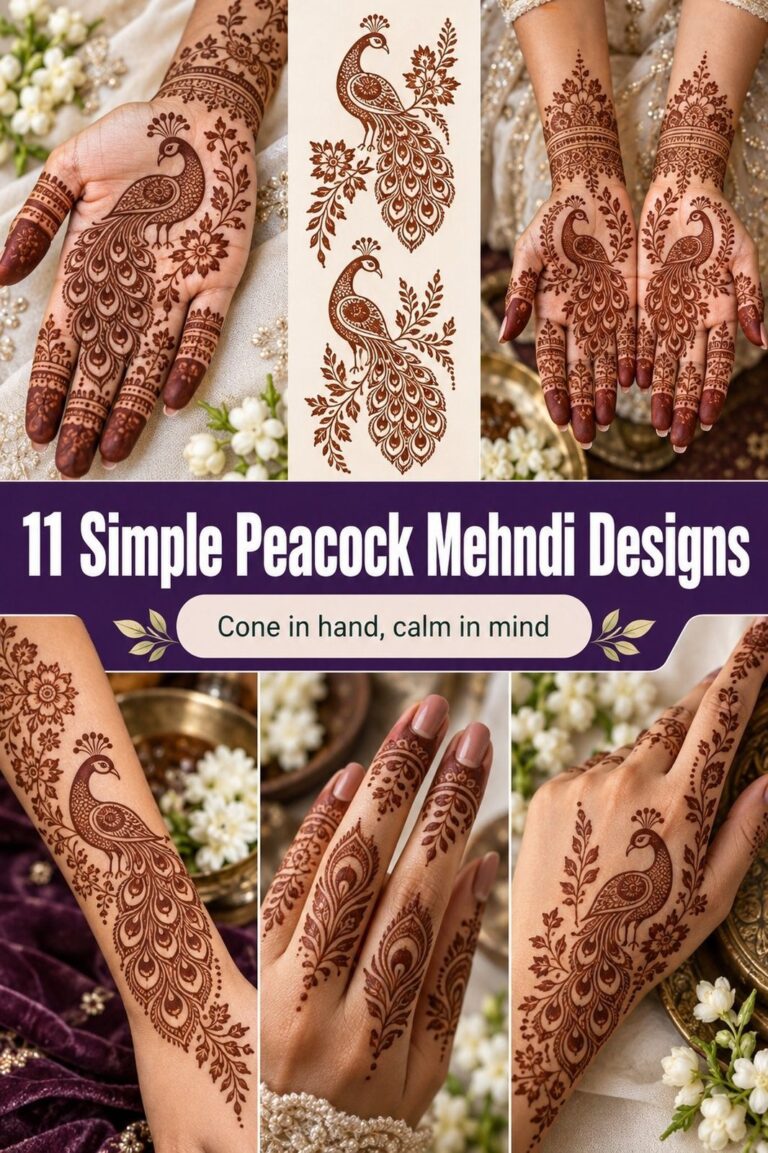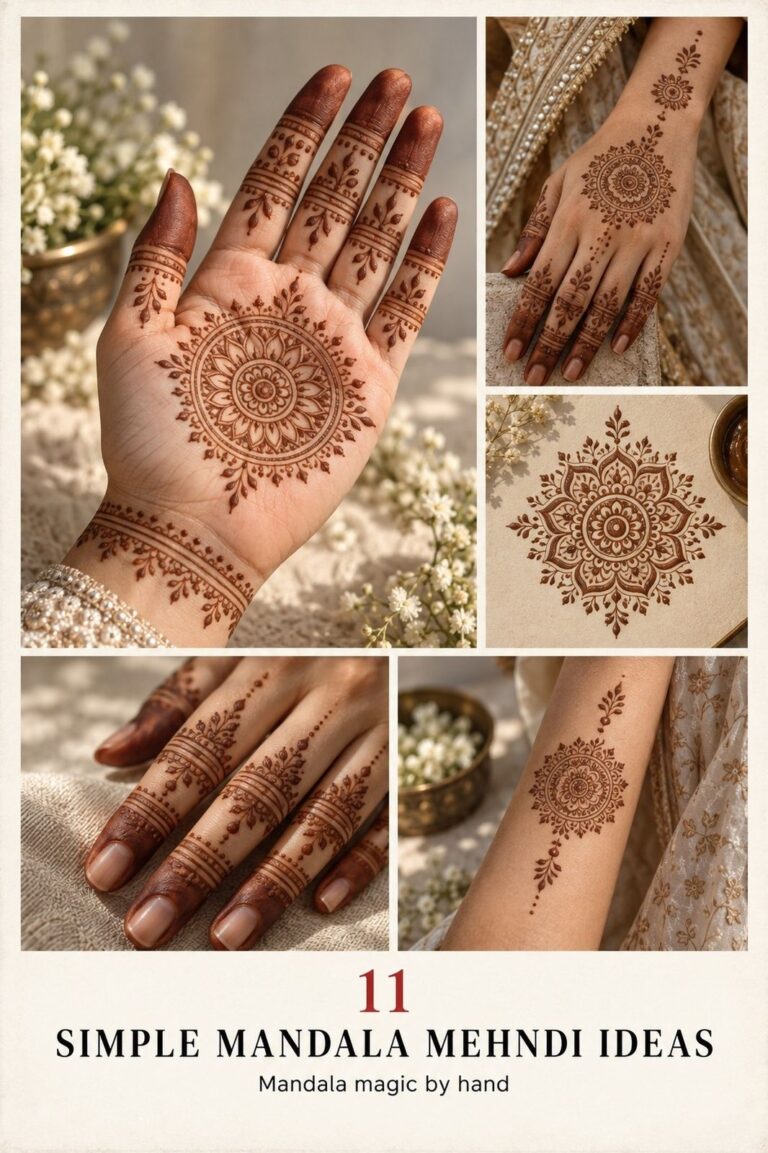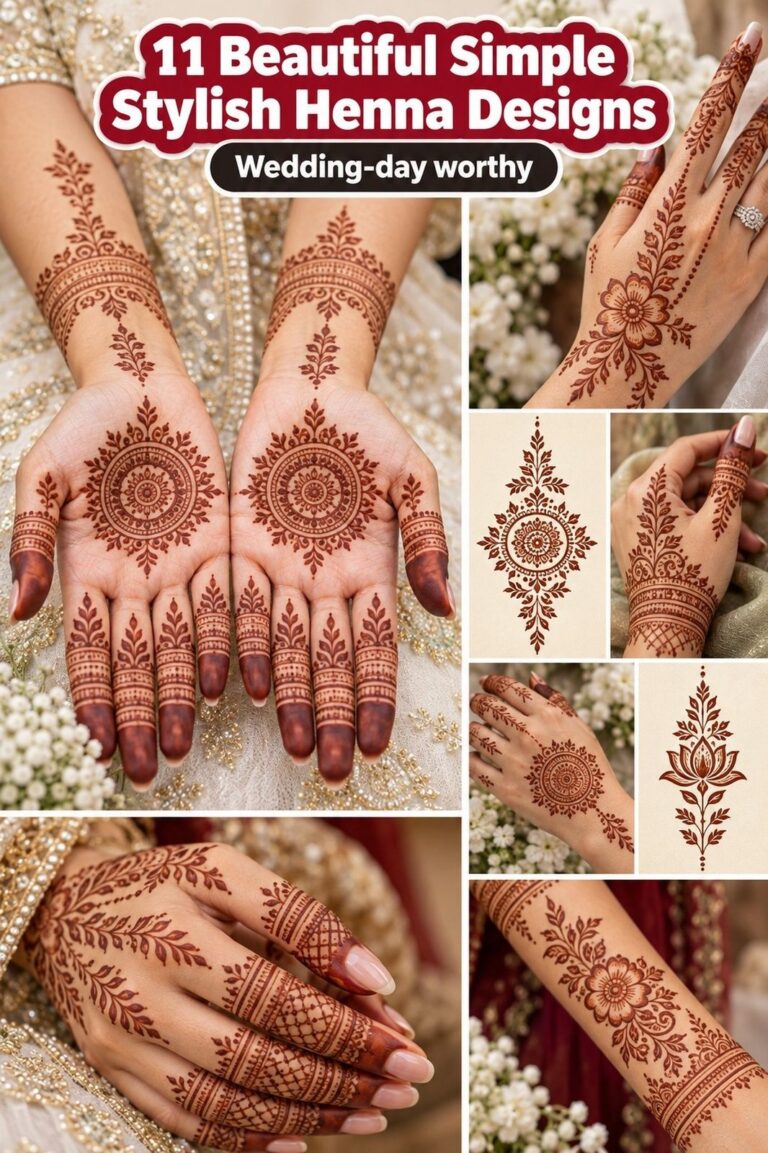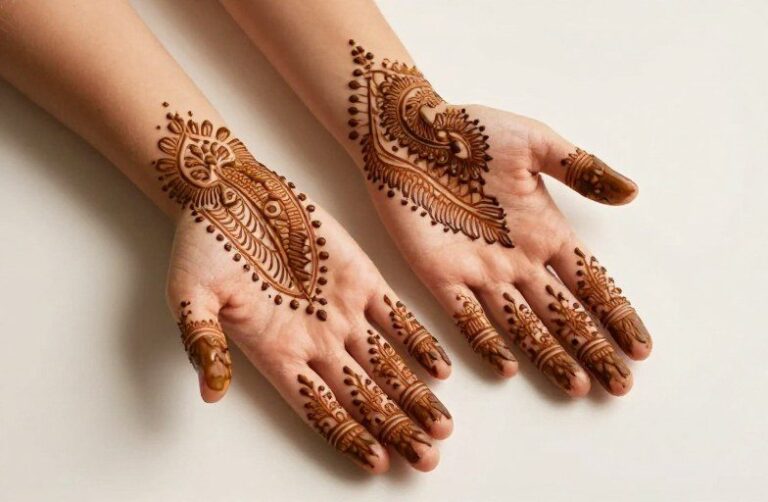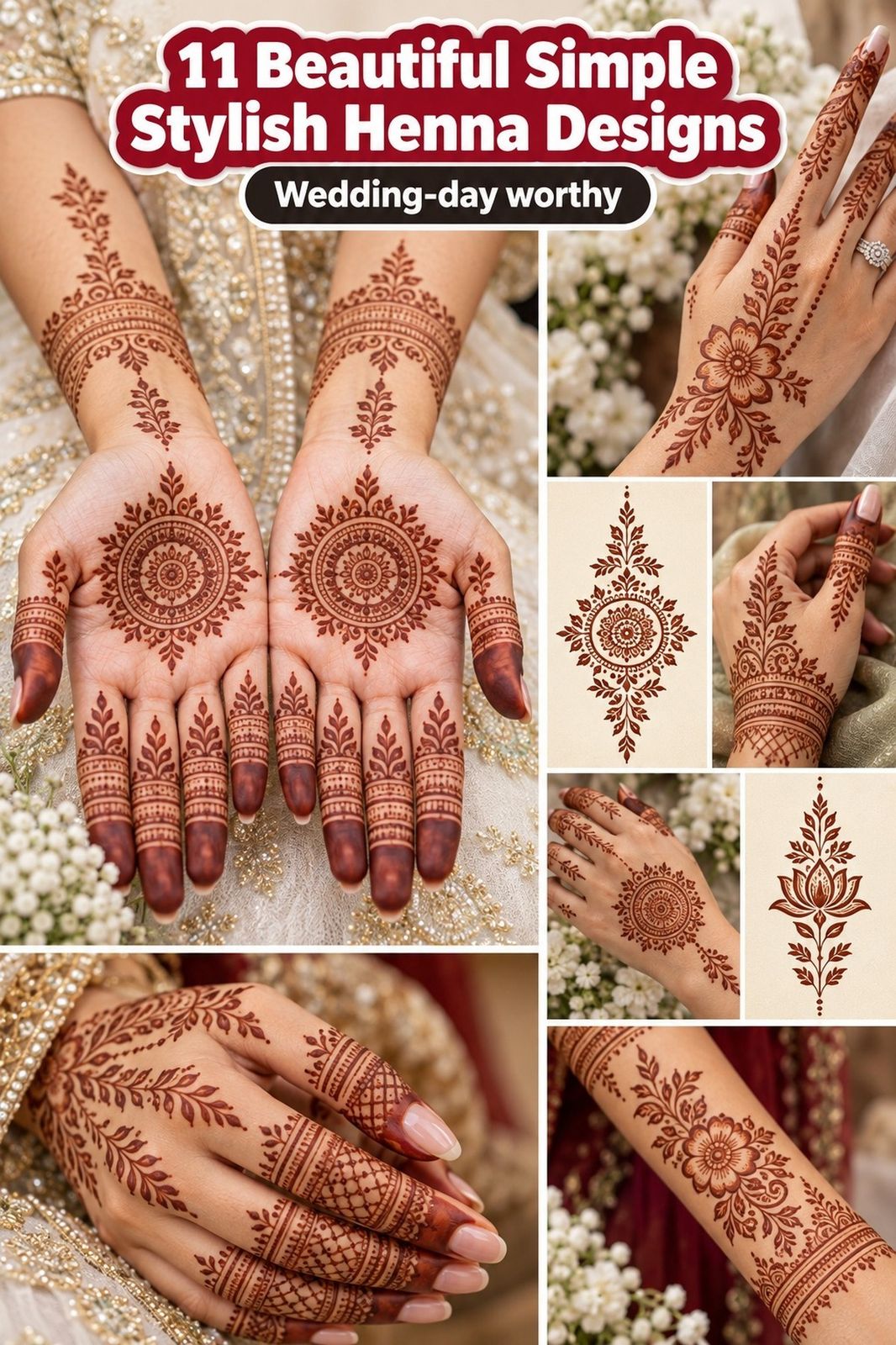
Henna is not a tattoo in the technical sense. No needle breaks the skin; instead, paste made from the Lawsonia inermis plant stains the epidermis, fading as skin naturally exfoliates over one to three weeks. Yet the meaning attached to henna application runs parallel to permanent tattooing in many cultures: it marks rites of passage, offers protection, and broadcasts social status through intricate, temporary designs.
Color vs Black and Grey
What Henna Actually Looks Like
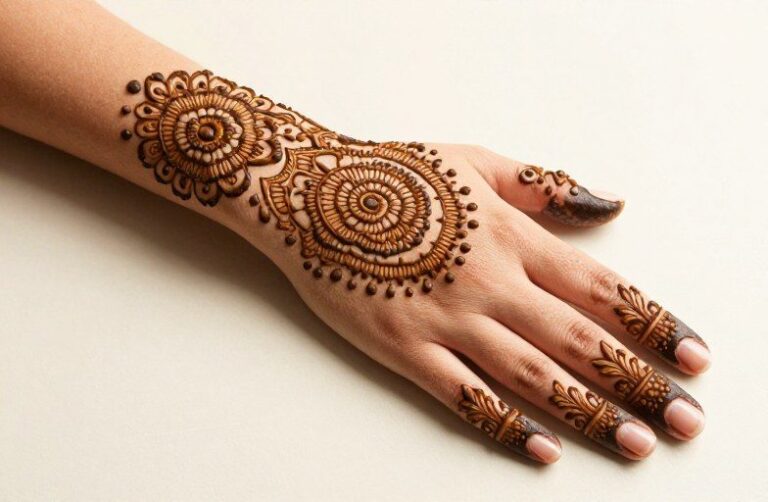
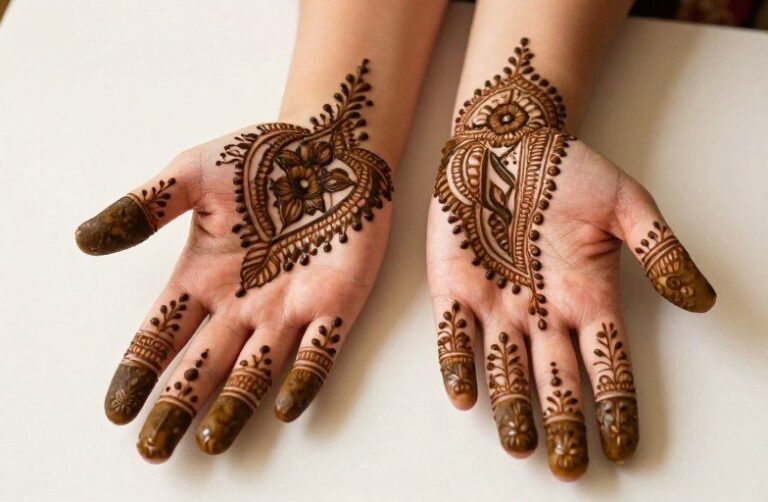
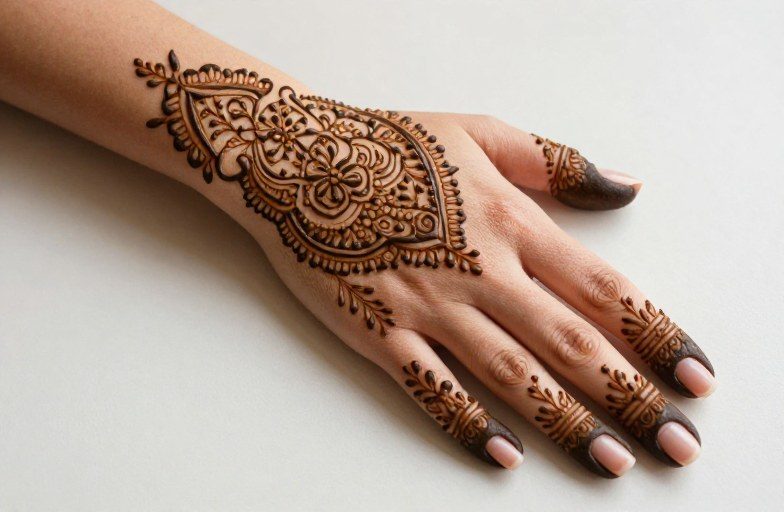
Fresh henna paste goes on dark greenish-brown and dries to a crust. The stain underneath develops from pale orange to deep rust-brown over 24, 72 hours, depending on body chemistry, paste quality, and how long the dried paste stays on the skin. On palms and soles, where skin is thickest, the color saturates to a near-burgundy. On thinner areas like the back of hands or wrists, expect lighter, more caramel tones.
Unlike tattoo ink sitting in the dermis, henna lives in the dead skin layer. That means the “color” is literally your stained epidermis flaking away. No green, blue, or black henna is natural. “Black henna” typically contains paraphenylenediamine (PPD), a hair dye chemical that can scar or trigger severe allergic reactions. The traditional brown-red palette is the only authentic, safe option.
How Fading Compares to Tattoo Aging
A healed tattoo in black and grey holds its value contrast for years, though sun and skin changes blur edges and lighten darks over decades. Henna’s fade is guaranteed and rapid. The gradient from dark to gone takes ten to twenty days, often fastest on hands that wash frequently. Some people find this ephemerality meaningful, the design exists only for a specific window, tied to an event or intention, then disappears without laser or cover-up.
Similar & Related Symbols
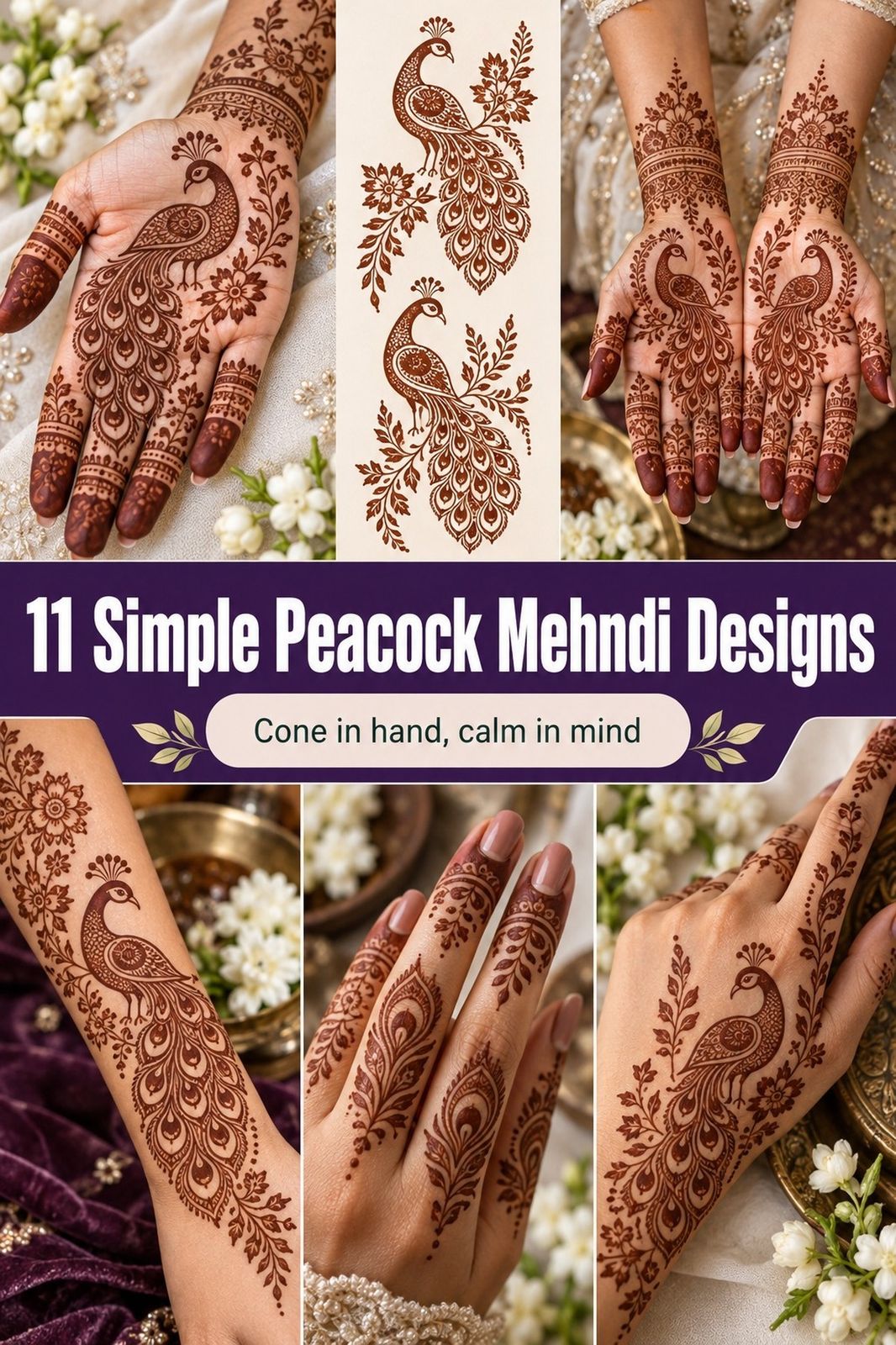
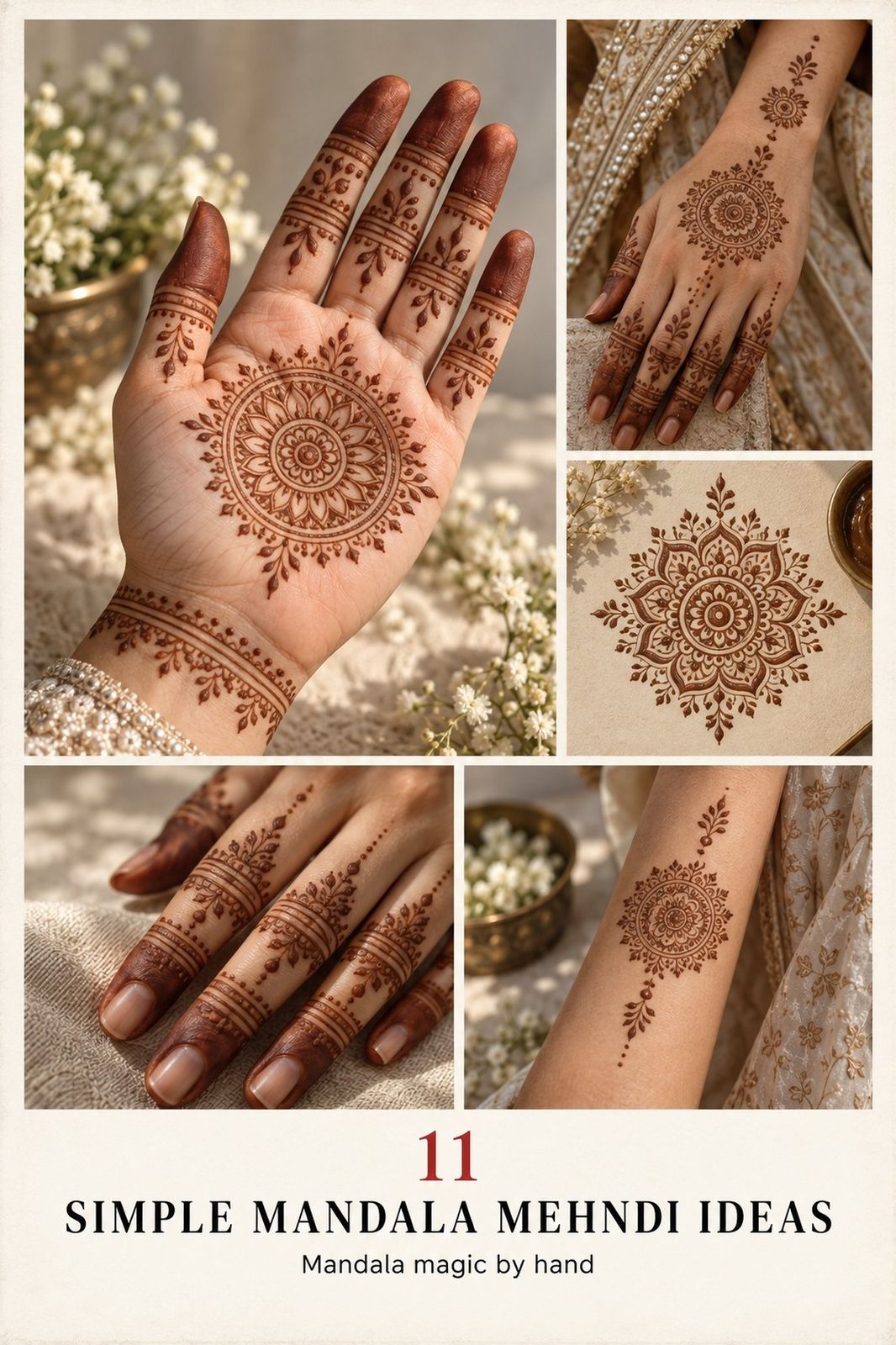
Mehndi patterns overlap visually with several permanent tattoo traditions. The flowing vines and floral elements echo Indo-Persian miniature painting and Ottoman illumination. Paisley motifs, called boteh in Persian, appear in both henna and permanent tattoos from Iran through South Asia. Geometric grids and mandala-like circles connect to sacred geometry tattooing, though henna tends toward organic asymmetry while permanent mandalas prize mathematical precision.
- Jagua: A South American fruit-based stain producing blue-black tones, sometimes marketed as “henna” though chemically unrelated. Lasts 1, 2 weeks.
- White ink tattoos: Share henna’s subtlety and near-invisibility on some skin tones, though white ink is permanent and often ages poorly.
- Stick-and-poke hand tattoos: Both carry cultural weight and risk of blowout on thin hand skin, but henna requires no commitment.
- Bridal jewelry tattoos: Permanent rings or ornamental finger bands serve similar decorative functions to henna applied on fingers and wrists.
History & Cultural Roots
Origins Often Linked to Ancient Practice
The use of henna for body art is often linked to Bronze Age cultures across the Eastern Mediterranean, North Africa, and South Asia. Some trace it to the Levant and Egypt around 3,000 BCE, where mummies show henna-dyed hair and nails. The plant thrives in hot, arid climates, making it accessible across trade routes from the Horn of Africa to the Indian subcontinent.
What remains clear: henna’s role as a ceremonial marker predates Islam, Hinduism, and Christianity, though each tradition absorbed and shaped its practice. In South Asian wedding customs, the mehndi ceremony typically occurs one or two days before the marriage, with elaborate designs covering hands and feet. In North African and Middle Eastern traditions, henna nights (henna party, night of the henna) similarly precede weddings and sometimes circumcisions or Eid celebrations.
Colonial Misunderstanding and Modern Appropriation
European colonial observers frequently dismissed henna as “barbaric” or purely superstitious, missing its social and aesthetic complexity. Today, the bigger issue is casual appropriation, festival-goers applying henna without context, or shops selling “henna-inspired” products divorced from cultural practice. The meaning carries weight because of this history, not despite it.
Design Tips & Pairings
Placements That Work Best
Palms and soles hold the darkest, longest-lasting stains but limit fine detail due to skin texture. The back of hands, wrists, and forearms offer the best balance of visibility and intricacy. Feet, especially tops and ankles, stain well and carry traditional bridal significance. Avoid thin-skinned areas like inner wrists or throat unless you want a faint, brief mark.
Design density matters. Sparse patterns read as delicate; full coverage signals celebration and formality. For contemporary wearers mixing henna with permanent tattoos, consider placement that doesn’t compete. A sparse henna vine trailing from a permanent forearm piece can complement; dense henna overlapping fresh ink risks visual chaos and, on healing tattoos, potential infection from paste ingredients.
Pairing With Permanent Work
Some collectors use henna to test-drive placements before committing to permanent ink. The temporary stain shows how a design flows with body movement and how others perceive it. Others alternate: permanent pieces for constant personal symbolism, henna for seasonal or event-specific marking. The contrast between permanent and ephemeral can itself become meaningful, what stays versus what passes.
Symbolism & Core Meaning
At its foundation, henna symbolizes transition and protection. Applied before major life changes, marriage, birth, coming of age, it creates a liminal space, a threshold marked on the body. The darkness of the stain has been commonly associated with warding off evil eye or malevolent spirits in multiple traditions, though specific beliefs vary by region and family.
Joy and beauty operate at another level. The application process itself is social, often involving female relatives and friends in hours of intimate conversation. The smell of henna paste, earthy, slightly medicinal, triggers memory and association for those raised with the tradition. Unlike most tattoos received in commercial shops, henna application remains largely domestic and communal.
For those outside originating cultures who choose henna, the meaning often shifts toward personal aesthetics, spiritual seeking, or appreciation without full participation. This is where ethical questions arise. Wearing henna as costume or trend strips away the social fabric that gives it weight. Wearing it with genuine respect and some knowledge of context, different from claiming ownership, allows meaningful engagement.
Mythology & Folklore
Legends Embedded in Practice
One widespread folk belief holds that the deeper the henna stain, the stronger the love between bride and groom, or the more favorable the mother-in-law. This creates playful pressure during bridal preparation, with recipes and techniques guarded to achieve darkness. Another tradition suggests leaving henna on overnight brings good luck; the discomfort of sleeping with dried paste becomes part of the ritual sacrifice.
In some Middle Eastern traditions, specific motifs carry protective names: the khamsa (hand) wards off evil, eyes in patterns watch back against jealousy. Floral elements reference paradise gardens in Islamic art. South Asian designs often incorporate the groom’s initials hidden among vines, a game where he must find his name on the wedding night.
Modern Myths to Reject
Internet culture has generated false claims: that henna was “originally” only for brides, or that certain designs are universally “sacred” and off-limits. In reality, henna practices vary enormously by region, class, and historical period. Nomadic Berber women used simple geometric patterns for everyday adornment; elaborate bridal mehndi is a more recent, urban-influenced development. The “ancient” designs promoted by some commercial artists are frequently modern inventions.
Final Thoughts
Calling henna a tattoo misses the technical point but touches something true about its function. Both transform skin into a surface for meaning, both carry social weight beyond individual decoration, and both risk dilution when stripped from context. The crucial difference is commitment: a tattoo asks you to live with your choice for decades, while henna asks you to let it go.
For those considering henna, the question isn’t whether it counts as a tattoo. It’s whether you understand what you’re participating in, however briefly, and whether that participation honors the practice’s depth without claiming it as your own invention. The stain fades. The question of how we engage with traditions not originally ours does not.
Frequently Asked Questions
How long does henna actually last on different body parts?
Palms and soles hold color longest, often 2, 3 weeks, due to thicker skin. Backs of hands and feet typically show 10, 14 days. Arms, legs, and thinner areas fade in 7, 10 days. Frequent washing, swimming, and exfoliation speed fading everywhere.
Can I get a permanent tattoo over henna-stained skin?
Wait until the stain has completely disappeared and skin has normalized, usually 3, 4 weeks. Tattooing over stained or irritated skin risks poor ink saturation, uneven healing, and possible reaction between paste residues and tattoo ink.
Why does my henna look orange instead of dark brown?
The paste needs time to oxidize. Initial orange color darkens to brown over 24, 72 hours. Leaving paste on longer, 6, 12 hours, and avoiding water during development helps achieve deeper stain. Body chemistry and paste freshness also affect final color.
Is it disrespectful to get henna if I’m not from a culture that uses it?
Context and intent matter. Participating respectfully at a friend’s wedding, learning from practitioners who share knowledge, or supporting artists from originating communities differs from treating henna as costume or trend. Avoid sacred motifs you don’t understand; simple floral or geometric designs carry less specific weight.