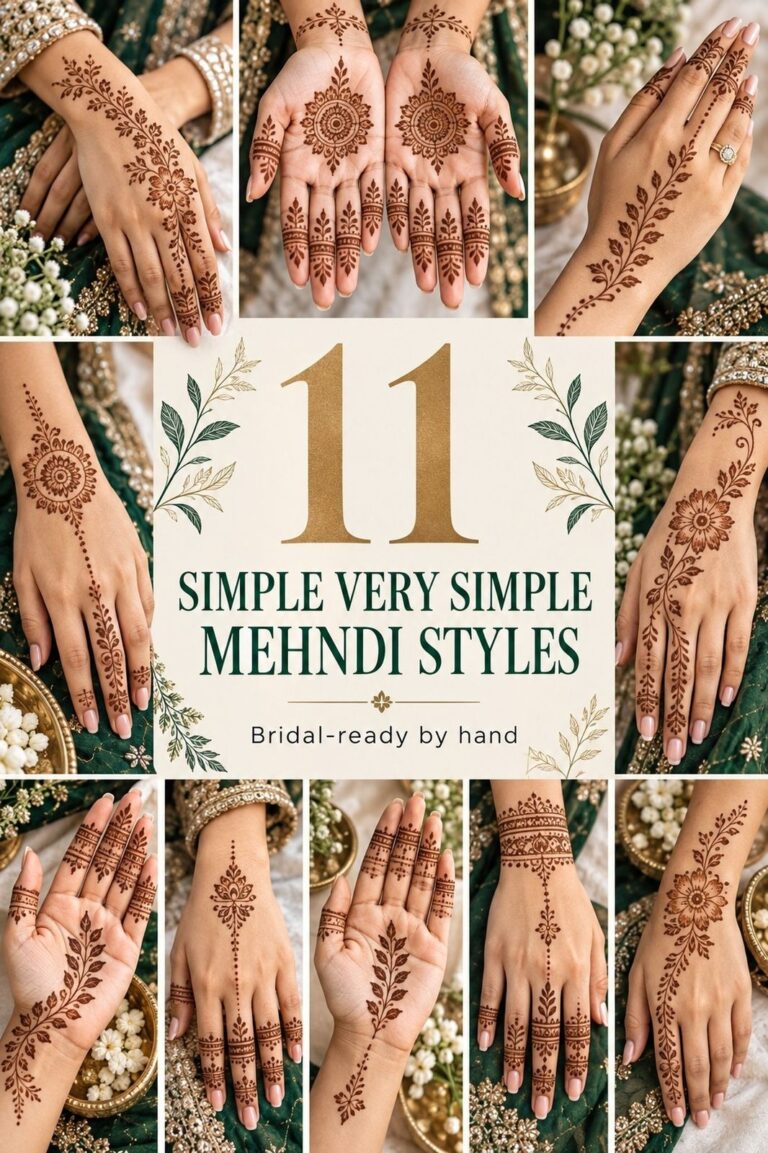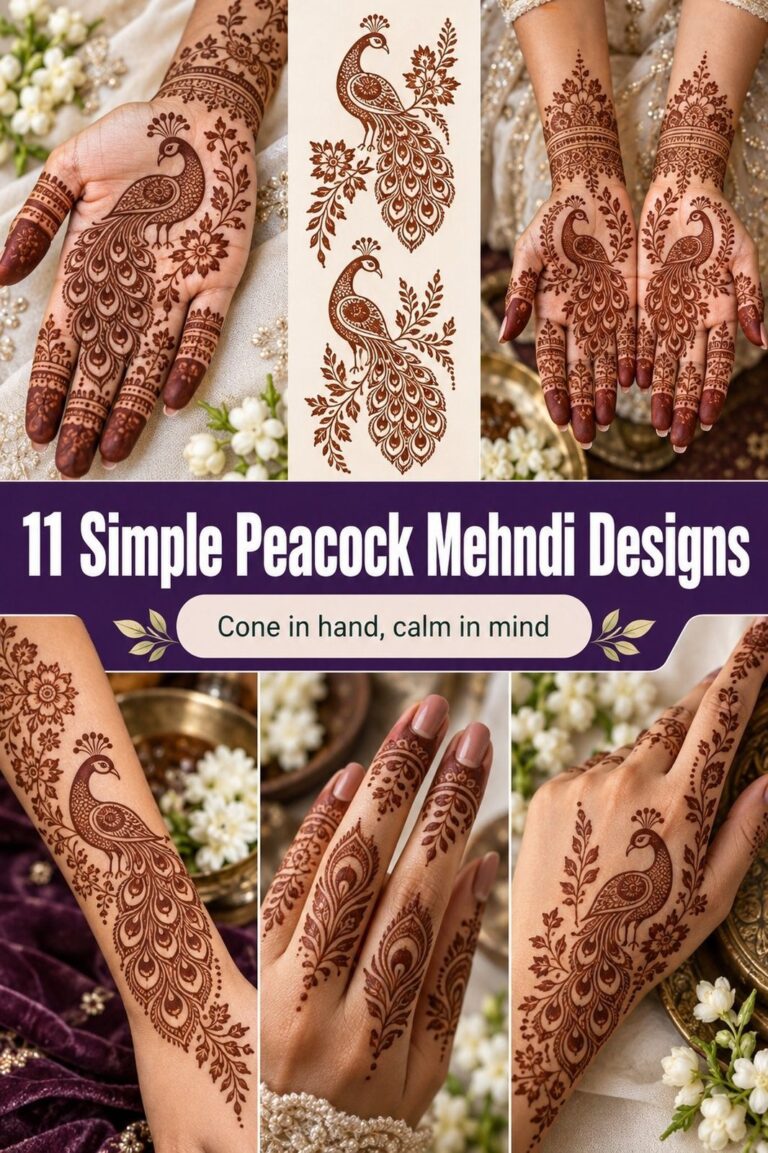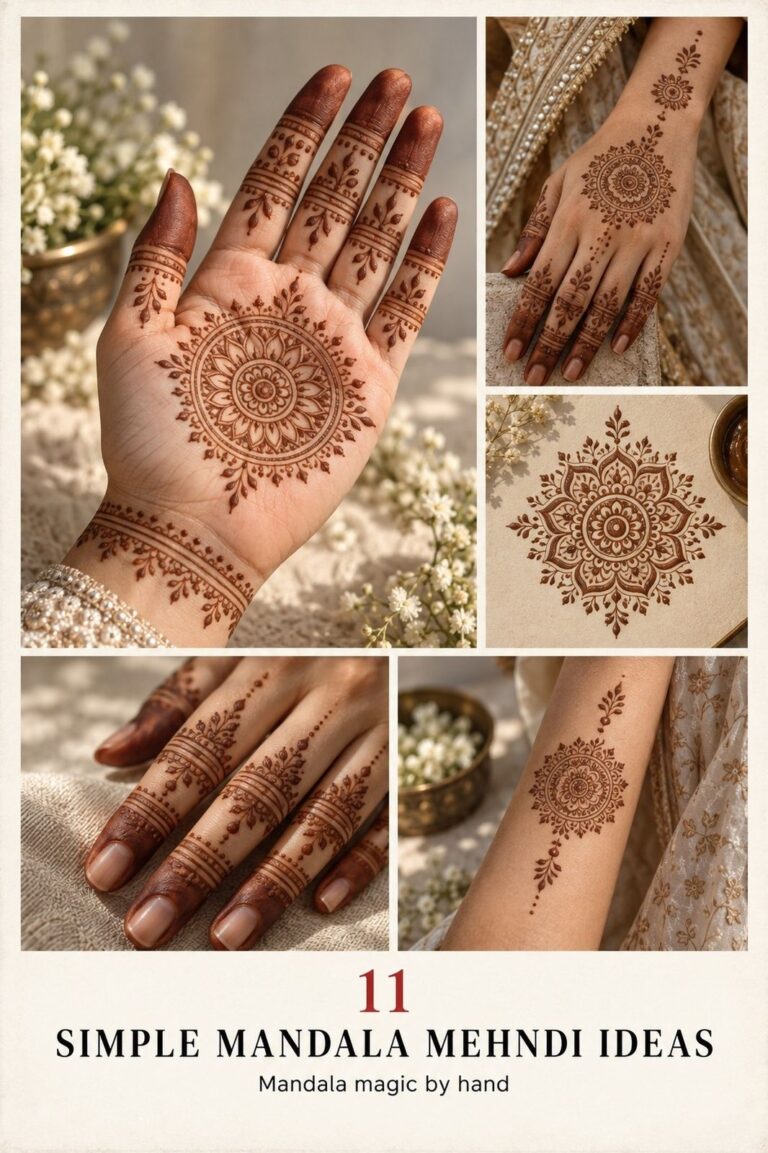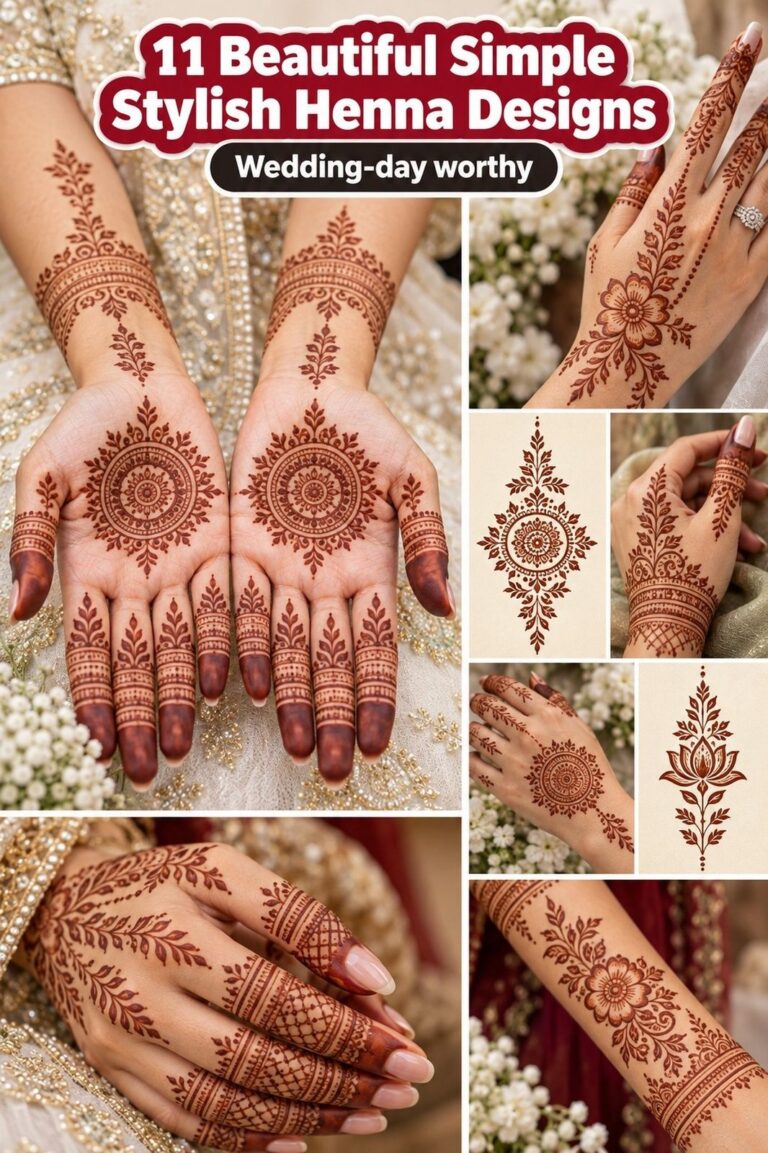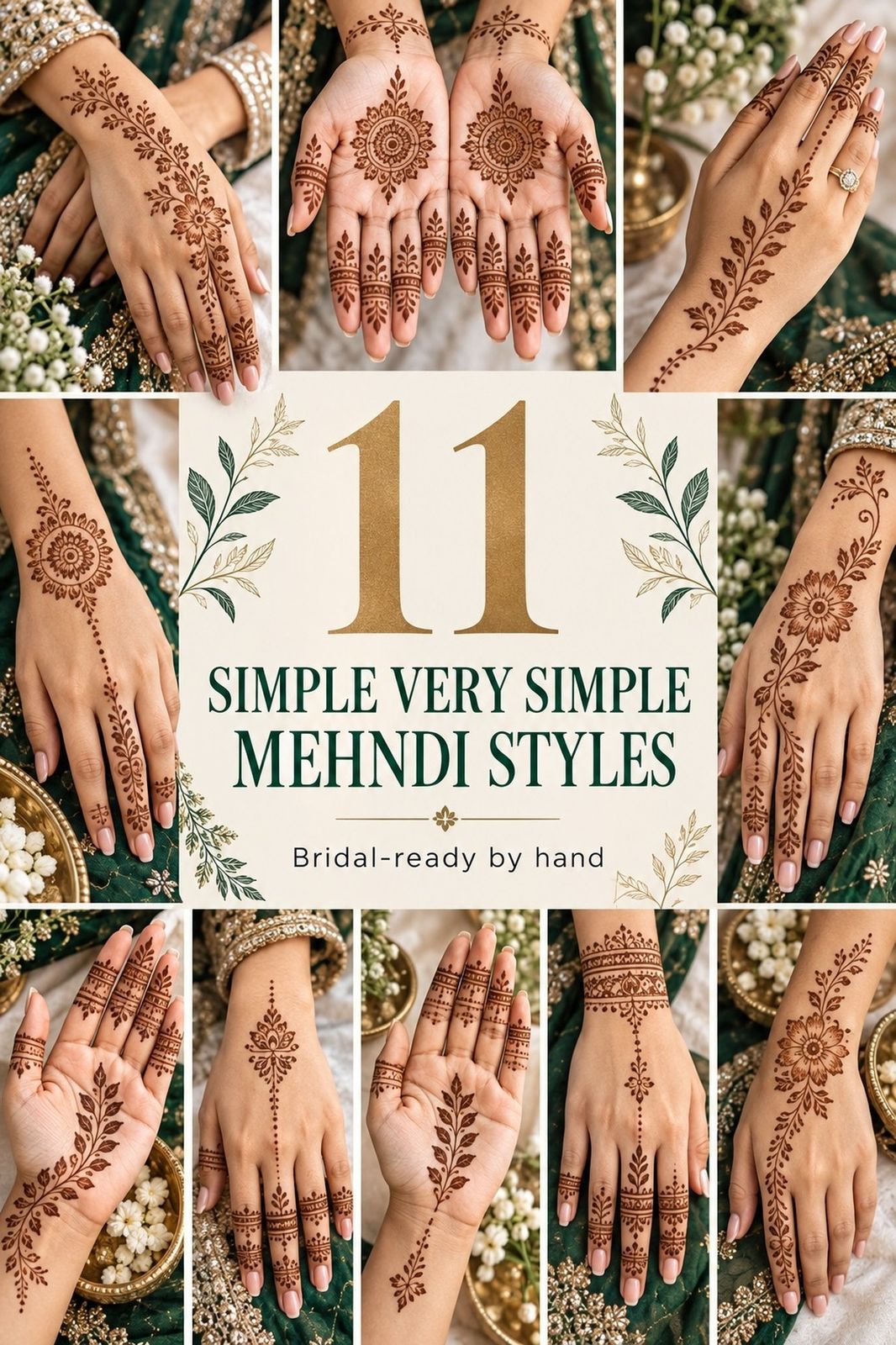

The best way to wrap a henna tattoo overnight is to cover the dried paste with breathable medical tape or a loose layer of plastic wrap, securing the edges so it won’t shift during sleep. Remove the wrap in the morning, scrape off the paste without water, and avoid washing the area for 12, 24 hours to let the stain oxidize to its deepest color. This method protects the design from flaking off in bed while trapping body heat to help the dye release.
Pain & Comfort
Henna application itself is painless, no needles, no broken skin. The paste sits on the surface, and the only sensation is a slight cooling as the lemon juice and sugar mixture dries. Some people feel mild tingling from the essential oils (typically lavender or tea tree) mixed into the paste, but this shouldn’t burn or sting.
Sleeping With Wraps
The real discomfort comes from trying to sleep with a design wrapped on your hand, foot, or elsewhere. Plastic wrap can crinkle, bunch, and trap sweat, which gets unpleasant fast. For hands, a loose cotton sock pulled over the wrapped area works better than cling film alone, it stays put and breathes slightly. Feet do well with a loose sock over plastic wrap. For arms or legs, medical tape (like Hypafix or Tegaderm) cut to shape stays flatter and quieter than wrap.
- Avoid wrapping too tight, restricted circulation causes numbness and can smudge the design
- Place a towel over your pillow as backup; some paste always escapes
- Back or side sleepers with hand henna should sleep on their back to avoid pressing the design into the mattress
Skin Sensitivity Considerations
Not all skin reacts the same. The eucalyptus or cajeput oil in some henna pastes can irritate sensitive skin, and wrapping traps these oils against the surface longer. If you’ve had reactions to essential oils before, ask your artist to use a simpler mix or skip the wrap after the first two hours. A light, dry wrap with gauze instead of plastic reduces exposure while still protecting the paste.
Realistic Expectations
Wrapped overnight henna typically produces a stain that peaks at orange-brown on palms and soles, lighter caramel tones on arms and legs, and faint color on faces or chests where skin is thinner. The wrap helps, but it can’t override biology, palms and soles stain darkest because those skin layers are thickest.
How Long the Stain Lasts
With proper aftercare, a deep stain lasts one to two weeks on hands, two to three on feet, and less on areas that exfoliate faster or get more sun. The wrap method extends this by keeping the paste in contact longer and preventing early water exposure. Don’t expect tattoo-parlor longevity; henna is a surface stain, not implanted ink.
- Color darkens over 48 hours, not immediately
- Hands wash frequently; expect faster fading there
- Chlorine pools and hot tubs strip color within days
What the Wrap Actually Does
Wrapping serves two purposes: physical protection so paste doesn’t crumble off in bed, and thermal retention so your body heat continues driving the dye release. It’s not magic, poor quality henna won’t stain deeply no matter how long you wrap. Fresh, high-quality paste with proper dye content (lawsone) matters more than wrapping technique.
The Direct Answer
Here’s the step-by-step that works in actual practice, refined from what experienced henna artists recommend.
Preparation Before Wrapping
Let the paste dry completely first, usually 30, 60 minutes depending on thickness and humidity. Touch it lightly; it should feel firm, not tacky. If you wrap too early, the paste smears and the design blurs. Once dry, apply a thin layer of lemon-sugar sealant (or plain sugar water) to help the paste adhere and prevent cracking.
Wrapping Method by Body Part
Hands: Cover with a single layer of plastic wrap, then a loose cotton sock or glove. Secure with medical tape at the wrist, not too tight. Fingers can be tricky, wrap each finger individually or accept some risk of smudging there.
Feet: Plastic wrap over the design, then a loose cotton sock. Avoid tight socks that press the paste into the spaces between toes.
Arms or legs: Medical tape or Tegaderm cut to size works better than plastic wrap, which bunches on curved surfaces. Overlap tape edges slightly to seal.
Back or torso: These are hardest to wrap solo. A partner helps. Use wide medical tape in strips, or sleep on a towel and skip wrapping if the paste is thick enough to stay intact.
- Leave the wrap on 6, 8 hours minimum, up to 12
- Don’t seal completely airtight, some airflow prevents condensation that can liquefy the paste
- Remove by peeling back slowly, not yanking
After Removing the Wrap
Scrape off dried paste with a butter knife, credit card edge, or your fingernails. Don’t wash with water for at least 12 hours; the stain needs time to oxidize and darken. The initial orange color deepens to brown over 24, 48 hours.
Aftercare Essentials
Post-wrap care determines how long and how deep your stain lasts. The first 24 hours are critical.
The First Day
Avoid water entirely if possible, no dishes, no showers hitting the area, no hand washing. Apply a thin layer of natural oil (coconut, olive, or henna aftercare balm) to create a barrier against accidental moisture. Keep the area warm; body heat continues helping the stain develop even after paste removal.
- No lotions with alpha-hydroxy acids or retinols, they exfoliate and fade the stain
- No petroleum jelly until after the first 24 hours; it can block oxidation early on
- Pat, don’t rub, if the area gets slightly damp
Ongoing Maintenance
After the first day, apply oil or natural balm daily to slow exfoliation. Wear gloves for dishwashing and cleaning. On hands, the stain fades fastest at the fingertips and palm center where use is heaviest, this is normal, not a failure of technique.
Cost Factors
Henna pricing varies by region, artist experience, and design complexity. In the US, expect $15, $50 for a simple hand design, $50, $150 for bridal-style full hand and arm coverage, and $20, $40 per hour for custom work. The overnight wrap itself is part of standard aftercare instruction; you’re not paying extra for the technique.
DIY vs. Professional
Pre-made cones from South Asian grocery stores run $3, $8, but quality varies enormously. Some contain chemical additives (PPD, often labeled “black henna”) that cause burns and permanent scarring. Professional artists charge more because they use fresh, natural paste and understand safe application. The wrap technique works the same either way, but your safety and stain quality depend heavily on paste source.
- Fresh-made paste stains better than shelf-stable cones
- Artists providing aftercare supplies (oil, wrap, tape) may charge slightly more
- Bridal packages often include overnight care kits
Hidden Costs
Factor in aftercare supplies: medical tape, plastic wrap, natural oils. These are cheap but necessary. If you stain bedding or clothing, that’s a real cost too, henna paste and early stain both transfer to fabric. Dark sheets for the first two nights are a practical choice.
Common Mistakes
Most wrapping failures come from rushing or overcomplicating the process.
Wrapping Too Early or Too Tight
Wet paste under wrap turns to smeared abstract art. Tight wrap cuts circulation and can cause paste to squeeze outward, creating thick, cracked lines that stain unevenly. The paste should be dry to the touch, and the wrap should stay in place without pressure.
Using the Wrong Materials
Regular Band-Aids don’t work, they’re too small and adhesive destroys delicate lines. Duct tape is a terrible idea; the adhesive residue ruins the stain and irritates skin. Saran Wrap cling film is fine in a pinch, but it doesn’t breathe and collects condensation. Medical tape or breathable film dressings (Tegaderm, Opsite) are worth buying specifically for this purpose.
- Don’t use “black henna” or any paste listing PPD, it’s not real henna and it’s dangerous
- Don’t rewrap after removing the paste; the stain needs air to oxidize
- Don’t panic if the initial color is pale orange; it darkens significantly
Ignoring Your Sleep Position
Side sleepers with hand henna often wake to a perfect design on one hand and a blurred copy on their cheek. If you can’t adjust position, consider wrapping both hands and accepting some limitation on comfort. Forearm designs on the inner arm are safest for stomach sleepers, less pressure contact than outer arm or hand placement.
Final Thoughts
Wrapping henna overnight is straightforward once you understand the balance: protect the paste without suffocating the skin, keep it warm without trapping sweat, and leave it alone long enough for the chemistry to work. The method isn’t dramatically different from how tattoo artists recommend keeping fresh ink clean and undisturbed, though henna sits on the surface rather than breaking it, the principle of protecting artwork during vulnerable hours holds.
Your stain quality depends most on paste freshness and your patience in the first 24 hours. The wrap is a tool, not a guarantee. Use it correctly, avoid water, and let the color develop on its own timeline. The result won’t match a needle tattoo for longevity, but done well, it carries a warmth and impermanence that permanent ink can’t replicate.
Frequently Asked Questions
Can I use regular cling wrap from my kitchen, or do I need special supplies?
Kitchen cling wrap works in a pinch, but medical tape or breathable film dressings like Tegaderm stay flatter, create less noise, and handle body curves better. They’re worth the small investment if you do henna regularly.
What if some paste flakes off inside the wrap during the night?
Small flakes are normal and won’t ruin the design. Avoid shaking or shifting the wrap excessively when removing it. Gently scrape off any remaining flakes with a card edge rather than washing them away.
How do I keep my henna dry in the shower the next morning?
Keep the wrapped area out of the water stream entirely. For hands, wear a loose plastic glove over a cotton glove. For feet, shower before removing the wrap, or bathe instead of showering to control water exposure.
Why did my henna turn out much lighter than expected even after wrapping overnight?
Light results usually mean the paste was old or had low lawsone content, the area was washed too early, or the skin naturally doesn’t take stain well (faces, chests, and upper arms stain lighter than palms and soles). Fresh paste and strict water avoidance help, but some body parts simply won’t go dark.