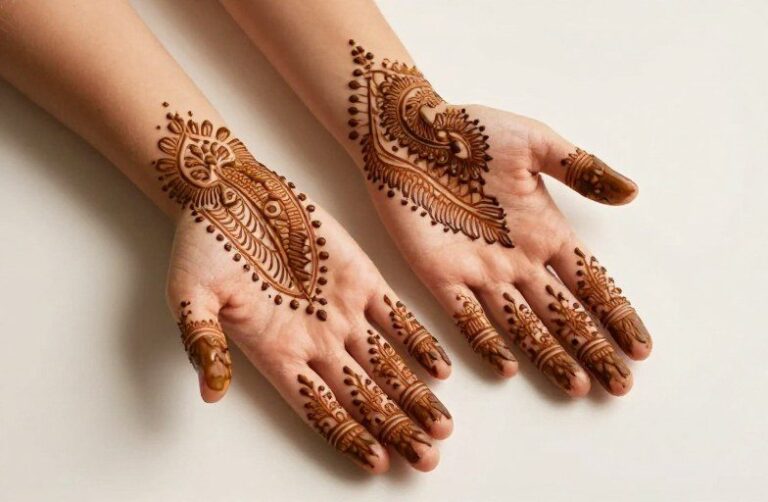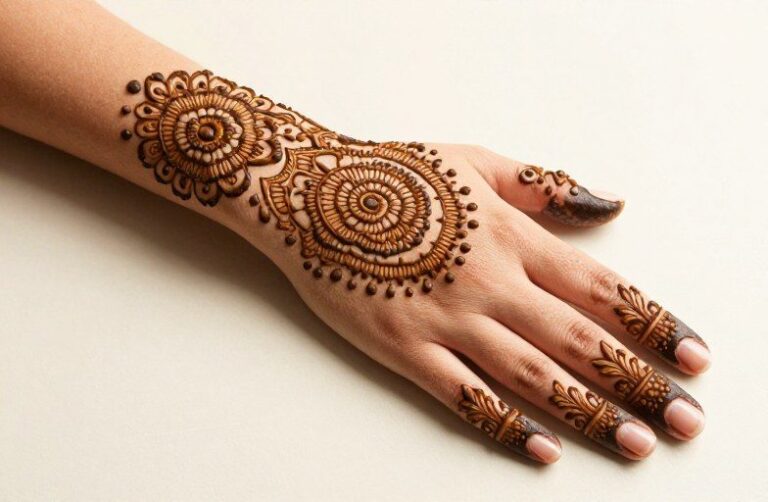
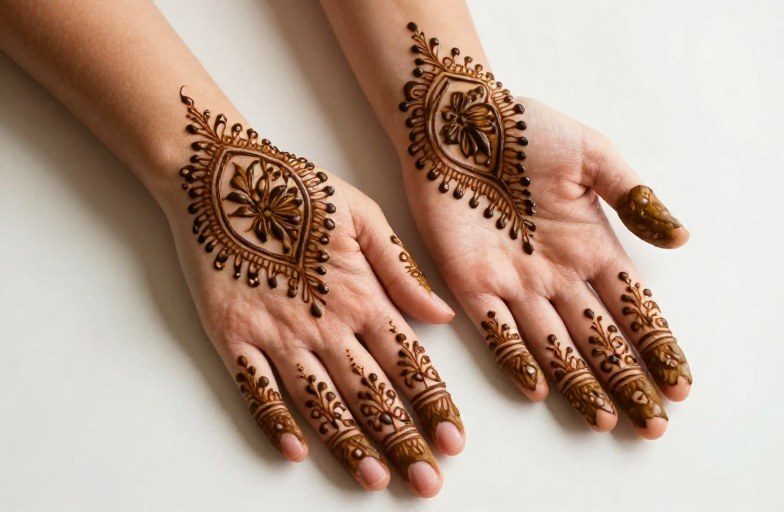
Henna sits in the dead skin layer on top, not deep like a needle tattoo. That means you can’t truly “wash it off” in one go, you exfoliate the stained cells away over several days. Most people see significant fading in 3-7 days with the right approach, though complete removal typically takes 1-2 weeks depending on body placement and how dark the stain was.
Pain & Comfort
Removing henna doesn’t hurt the way laser removal does for permanent ink. The discomfort comes from skin irritation if you overdo scrubbing or use harsh chemicals.
What You Might Feel
Mild redness and sensitivity are normal after exfoliation. Stop any method that stings, burns, or leaves the skin raw. That’s your body saying you’re stripping healthy skin, not just the stained layer. People with eczema, psoriasis, or generally reactive skin should take extra care, henna itself can already trigger reactions in sensitive individuals, and aggressive removal compounds that risk.
When to Pause
Give your skin a full day between heavy scrubbing sessions. Think of it like sanding wood: multiple light passes beat one aggressive gouge. If the area feels tight or looks shiny, you’ve gone too deep and need to let the barrier recover before continuing.
Common Mistakes
Plenty of well-meaning advice online can backfire. Here’s what to skip.
- Bleach or hydrogen peroxide: These don’t penetrate to the stained layer effectively and will chemically burn your skin. The risk far outweighs any marginal fading.
- Immediate hot water soaking: While warm water helps, boiling-hot soaks damage skin barrier function and can actually deepen the stain by opening pores.
- Salt or sugar scrubs on fresh henna: Wait at least 48 hours after application. Scrubbing while the dye is still developing interrupts the oxidation process and can leave patchy, uneven fading that looks worse than waiting.
- Lemon juice alone: It’s mildly acidic and can help, but straight lemon without oil or moisturizer dries skin severely, causing flaking that looks like progress but actually slows healthy turnover.
What to Expect Step by Step
Here’s a practical sequence that respects your skin while accelerating natural fading.
Day 1-2: Start Gentle
Apply a thin layer of baby oil, coconut oil, or olive oil and let it sit 10-15 minutes. Oil dissolves the henna paste residue and begins loosening the stained skin cells. Wipe with a warm, damp washcloth using circular motions. Don’t scrub hard, let the oil do the work. Repeat morning and evening.
Day 3-5: Introduce Exfoliation
Mix a tablespoon of baking soda with enough lemon juice to form a loose paste. Apply to the stained area, wait five minutes, then gently rub with a soft toothbrush or washcloth in small circles. Rinse thoroughly and moisturize immediately. Alternate this with oil soaks, never do both the same session.
Day 6+: Combine Methods
By now you should see noticeable lightening. Continue alternating oil soaks, gentle baking soda paste, and a mild commercial exfoliant containing glycolic or lactic acid. These alpha-hydroxy acids speed cell turnover without physical abrasion. Apply sunscreen if the area sees sun, UV exposure can darken residual stain temporarily.
Realistic Expectations
Henna darkness and longevity vary enormously based on several factors you can’t control.
Why Some Henna Fades Faster
Palm and sole stains last longest because skin is thickest there with most dead cell layers. Back, chest, and outer arm fade quicker. “Black henna” containing PPD (para-phenylenediamine) penetrates deeper and can leave a lasting gray shadow for weeks, sometimes months. That’s a chemical reaction, not true henna, and removal takes significantly longer. Quality natural henna with high lawsone content stains darker initially but fades more predictably.
Timeline Reality
Even aggressive safe removal won’t erase a dark palm stain in 24 hours. Plan for partial fading visible to others within 3-5 days, near-complete removal in 10-14 days for most body areas. Palms and soles may need the full natural 3-week lifespan. The goal is controlled acceleration, not magic erasure.
The Direct Answer
Oil and gentle exfoliation, repeated consistently, are your actual tools. Nothing dissolves henna instantly because it’s not sitting on top, it’s bonded to keratin in dead skin cells. Physical removal of those cells is the mechanism. Warm water opens pores and softens skin. Oil breaks surface bonds. Mild acids and light abrasion encourage the stained layer to shed faster than the typical 28-day skin cycle. Patience prevents the skin damage that would make the area look worse than the original tattoo.
Tips From the Chair
After years around people managing both permanent and temporary body art, a few patterns stand out.
Placement Matters for Removal Too
Areas you wash frequently, hands, forearms, face, fade faster simply from daily friction and water exposure. Covered areas with less disturbance hold stain longer. If you’re trying to remove henna from a spot you can reasonably cover, do so. Occlusion with a bandage after oil application can actually help by keeping the oil against the skin and preventing premature wiping on clothing.
Aftercare Parallels
The same principles that heal a needle tattoo apply to skin recovering from henna removal: keep it clean, don’t pick, moisturize, protect from sun. Over-scrubbed skin needs barrier repair, look for ceramides, panthenol, or plain petroleum jelly. The irony of damaging your skin to remove a temporary design isn’t lost on anyone who’s sat through a long session for permanent work.
Cost Considerations
Everything recommended here is drugstore-cheap. Baking soda, oil, a soft toothbrush, basic moisturizer. Don’t buy expensive “henna removal” kits, they’re repackaged versions of the same ingredients with inflated price tags. If you’re considering professional help for black henna reactions or stubborn staining, dermatologist visits run $150-300+ without insurance, so exhausting home methods first makes financial sense.
Final Word
Henna removal is a waiting game you can nudge along, not a problem you solve overnight. Respect your skin’s limits, stay consistent with oil and gentle exfoliation, and let the natural turnover process do what it does. The stain will go. In the meantime, most people aren’t examining your hands or ankles as closely as you are, relax, moisturize, and give it the week or two it needs.
Frequently Asked Questions
Can I use nail polish remover or acetone to get rid of henna faster?
No, acetone is far too harsh for skin and won’t reach the stained layer effectively. It causes chemical burns, dryness, and cracking that can actually trap pigment in damaged skin. Stick to oil-based methods and gentle physical exfoliation.
Why is my henna tattoo still dark after a week of scrubbing?
Palms, soles, and areas where the paste sat longest retain stain because the skin is thicker or more saturated. Black henna with PPD penetrates deeper and resists removal. Consistent gentle methods will work, but these spots need more time.
Will swimming in a pool help fade henna?
Chlorine can dry and slightly bleach the skin surface, but it’s not a reliable removal method. Prolonged pool exposure often causes uneven fading and skin irritation. Controlled home methods are safer and more predictable.
Is there any way to remove henna in 24 hours for an event?
Significant lightening in one day is possible with intensive oil soaks and gentle exfoliation, but complete removal isn’t realistic for dark stains. Start removal methods as early as possible, and consider makeup coverage for any residual color.