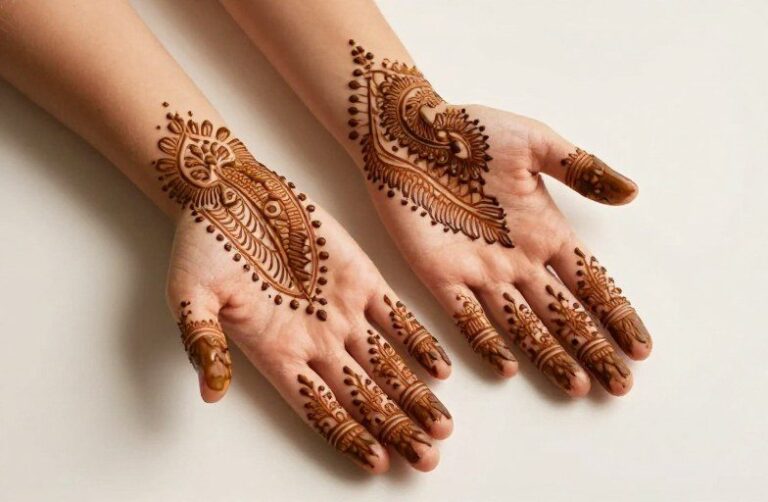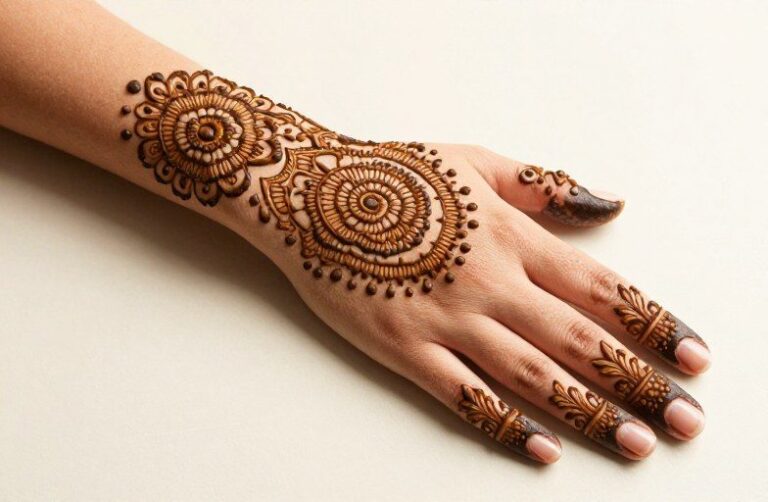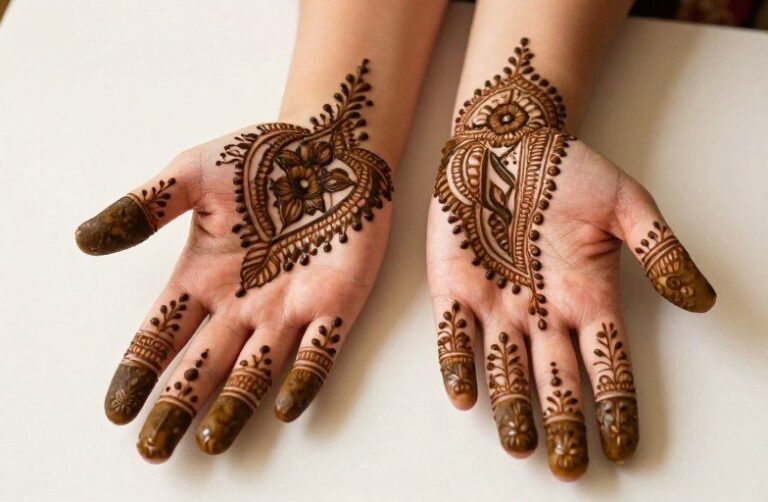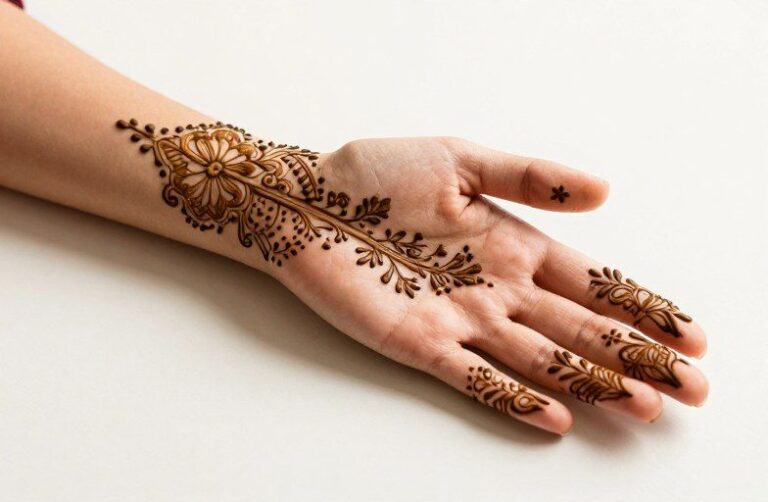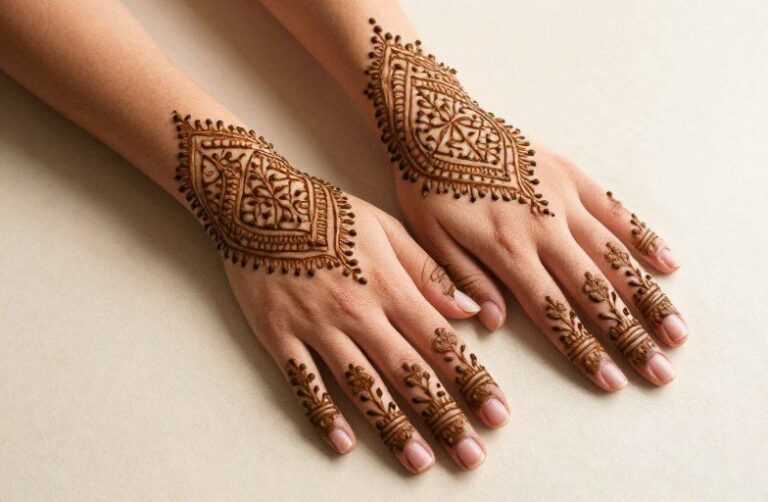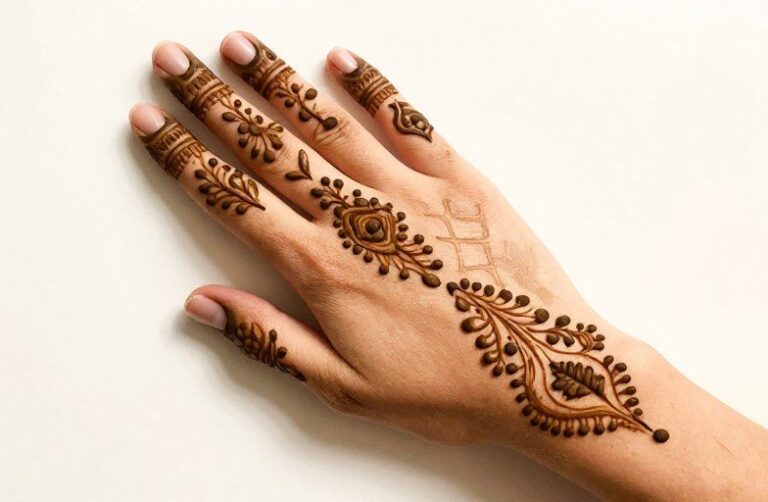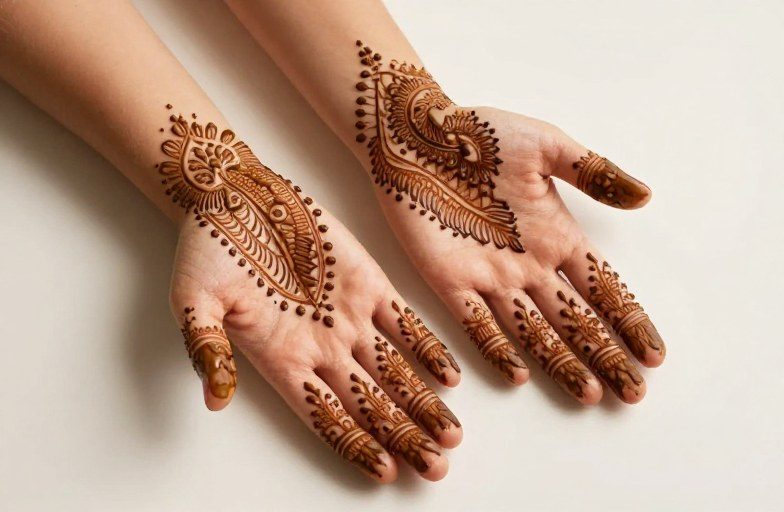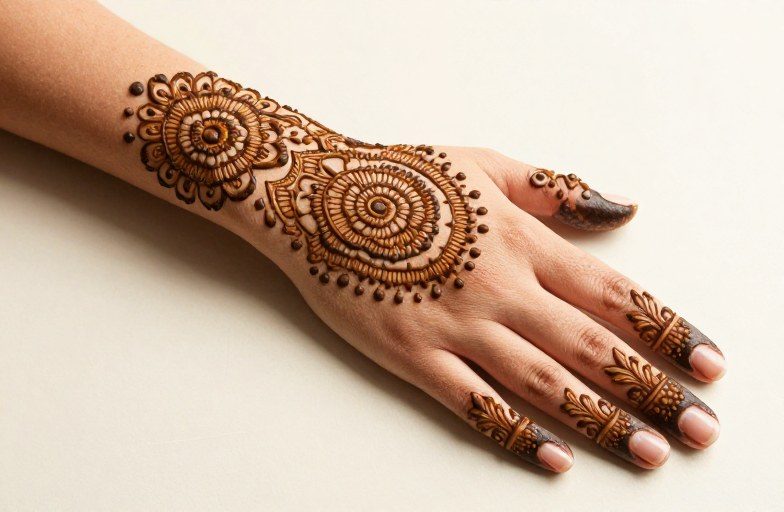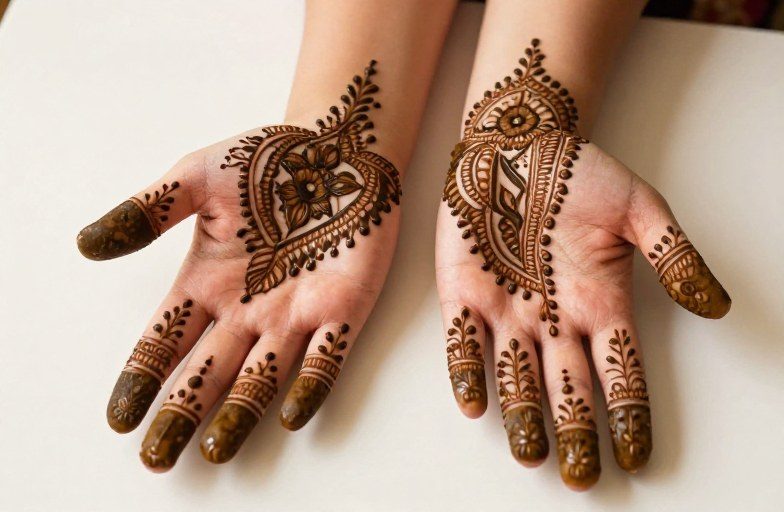
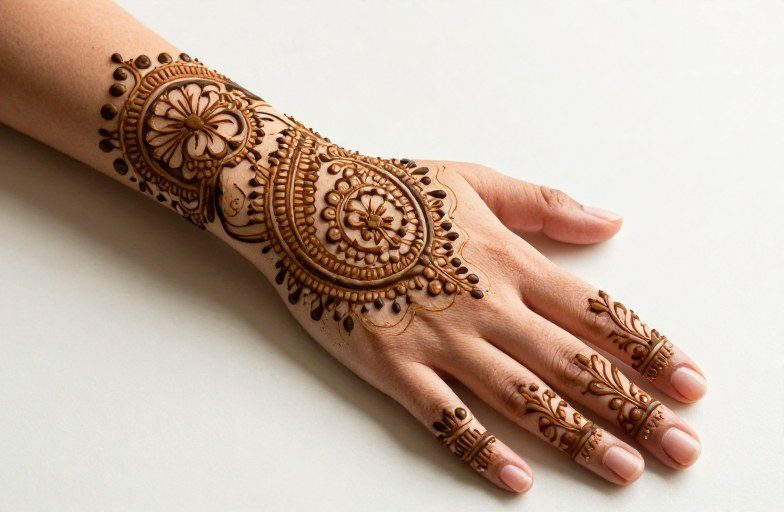
Becoming a henna tattoo artist means mastering natural paste preparation, building freehand drawing skills, and understanding skin safety, not just copying designs from Pinterest. You’ll need quality henna powder, essential oils, applicator tools, and steady practice on paper, fruit, then willing friends. Most working artists start at markets, festivals, or private events before building a client base.
The Direct Answer
There’s no license required for henna in most US states, which makes the barrier low but also means you must self-regulate. The core skills break down into three areas: paste chemistry, application technique, and design fluency. Neglect any one and your work crumbles, literally, with bad paste, or figuratively, with shaky linework.
Paste Chemistry Basics
Real henna paste contains only henna powder (lawsonia inermis), lemon juice or water, sugar, and essential oils like tea tree or lavender. The dye molecule, lawsone, releases over 12-24 hours at room temperature. Premade cones from craft stores often contain zero actual henna, just chemical dyes that can scar skin. Learn to mix your own, test on your own forearm, and recognize proper stain development (orange initially, darkening to reddish-brown over 48 hours).
Design Fluency vs. Copying
Traditional henna draws from Moroccan geometric patterns, Indian floral paisleys, and Arabic flowing vines. Each style uses different pressure, line weight, and spacing. Start with one tradition, not a mashup. Trace designs onto paper until your muscle memory handles teardrops, swirls, and negative space without thinking. Speed matters at events, ten minutes per hand is standard, five is competitive.
What to Expect Step by Step
Your first six months follow a predictable arc: ugly stains, shaky lines, then sudden breakthroughs. Most quit before the breakthrough. Here’s the actual progression.
Month 1-2: Foundations
- Mix small batches (10-20 cones) until you nail consistency, smooth as toothpaste, not runny or gritty
- Practice on bananas or oranges; skin-like texture, cheap mistakes
- Draw daily: 30 minutes minimum, same motifs repeated until boring
- Stain your own hands repeatedly to learn how paste behaves on living skin
Month 3-6: First Clients
- Offer free sessions to friends for portfolio photos
- Book a booth at a small market or school event; low stakes, real pressure
- Price at $5-15 for simple designs, $20-40 for hands, regardless of your insecurity
- Track which designs clients choose; double down on what sells
By month six, you’ll know if this is sustainable. Either events energize you or drain you, there’s no wrong answer, only wrong self-deception.
Cost Factors
Starting costs run lower than machine tattooing but add up fast if you chase cheap shortcuts. Budget honestly.
Startup Supplies
A pound of quality Rajasthani henna powder runs $15-25 and yields 50-80 cones. Essential oils (tea tree, eucalyptus, cajeput) cost $10-20 each but last months. Cellophane cones, cello tape, and applicator bottles add maybe $15. A basic kit under $100 gets you working. The expensive part is time, hours mixing, testing, practicing, photographing.
Ongoing Business Costs
- Event booth fees: $25-200 depending on festival size
- Liability insurance: $150-400 annually; some events require it
- Portfolio website or Instagram ads: optional but increasingly necessary
- Replacement supplies: roughly $30-50 monthly for active artists
Pricing should reflect your speed and demand, not your insecurity. Established artists charge $50-150 per hour at events, $30-80 for individual appointments. Underpricing hurts everyone in your market.
Common Mistakes
These errors separate working artists from frustrated hobbyists. Most are avoidable with foresight.
Paste and Stain Failures
Fresh-mixed paste needs 12-24 hours to release dye; using it immediately yields weak orange stains that fade in hours. Conversely, paste older than 3-4 days loses potency. Freezing extends life but changes texture. Many beginners also leave paste on too short, minimum 4 hours, ideally 6-8 for deep color. Scrubbing off early is the most common client-side mistake you’ll need to prevent.
Business and Safety Errors
- Using “black henna” (PPD-laden chemical dye) for darker stains, this causes chemical burns and permanent scarring
- Applying on broken skin, eczema patches, or clients with glucose-6-phosphate dehydrogenase deficiency (G6PD)
- Skipping patch tests for essential oil sensitivities
- Photographing work in poor lighting, making your portfolio look amateur
- Agreeing to intricate designs at event speed without negotiating simpler alternatives
I made several of these early on. The learning curve is real but survivable.
Healing Timeline
Henna isn’t a wound like machine tattooing, but the stain development follows its own biological clock. Managing client expectations here prevents panicked messages.
The First 48 Hours
Paste cracks and flakes off within 4-8 hours, leaving a light orange stain that looks disappointing. This is normal. Over the next 24-48 hours, oxidation darkens the color to reddish-brown through mahogany tones. Advise clients: no water for 6 hours post-application, then minimal scrubbing. A lemon-sugar sealant dabbed on during the first few hours helps paste adhere longer.
Longevity Factors
- Palms and soles stain darkest and last longest (1-3 weeks) due to thicker skin
- Upper arms, backs, and thighs fade faster (5-10 days)
- Swimming, hot tubs, and exfoliating soaps accelerate fading
- Hands in dishwater daily? Expect a week maximum
Set expectations at booking: “This will be gone in two weeks, maybe three if you’re careful.” Repeat it. Clients forget.
When to See a Professional
Know your limits. Certain situations demand referral or refusal, not brave attempts.
Medical and Age Boundaries
Infants under six months lack fully developed skin barriers, decline politely. Pregnant clients often seek belly designs; this is generally safe with natural paste but verify no essential oil sensitivities. Anyone reporting previous reactions to hair dye or black henna needs a patch test 48 hours prior, or refusal. Blistering, spreading redness, or pain beyond mild tingling means advising medical attention, not diagnosing, just urging they see someone qualified.
Design and Skill Limits
Large back pieces, bridal coverage from fingertips to elbows, or intricate mandalas requiring perfect symmetry: if you haven’t done five similar pieces successfully, refer to an established artist. Your reputation builds on reliability, not ambition. Photograph everything you do well; archive what you botched for private study.
Final Word
Henna artistry rewards patience more than talent. The paste teaches you; the line work humbles you; the clients sustain you. Start small, stay honest about your skill level, and build methodically. Natural henna, real practice, and straightforward business habits will outlast every trend and shortcut. The artists still working ten years in are the ones who respected the craft enough to learn it properly from day one.
Frequently Asked Questions
Do I need a health department license to do henna in the US?
Most states don’t require specific henna licensing, but some counties or cities regulate temporary body art at events. Check with your local health department before booking public fairs. Liability insurance is often required by event organizers regardless of local law.
How long does it take to get fast enough for paid events?
Most artists need 4-6 months of daily practice to handle a standard festival line comfortably. Speed comes from repetition, not talent, drawing the same motif fifty times until your hand moves without conscious thought.
Can I use henna powder from an Indian grocery store?
Grocery store henna is often old, poorly stored, or mixed with additives. Buy from reputable henna-specific suppliers who list harvest dates and provide lab testing. Freshness directly determines stain quality; powder older than a year may produce weak results.
What’s the difference between white henna and real henna?
White “henna” contains no actual henna plant material, it’s typically body paint or adhesive with pigment. It sits on skin surface and washes off in hours, unlike lawsone’s stain that penetrates the stratum corneum. Market them differently to avoid client confusion.