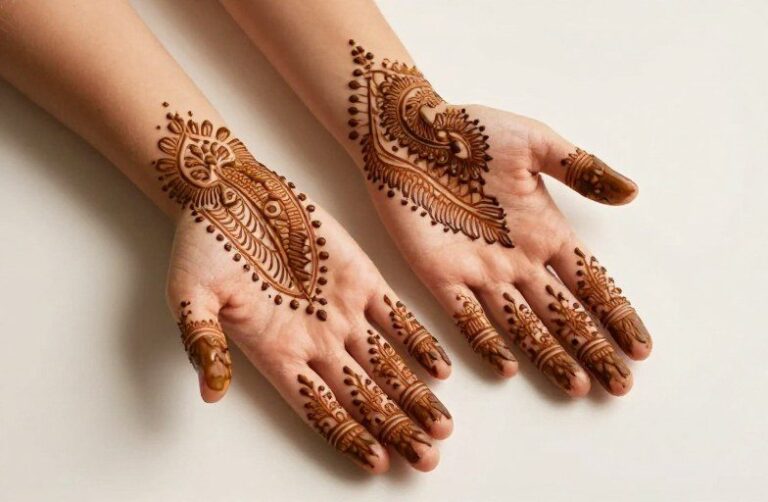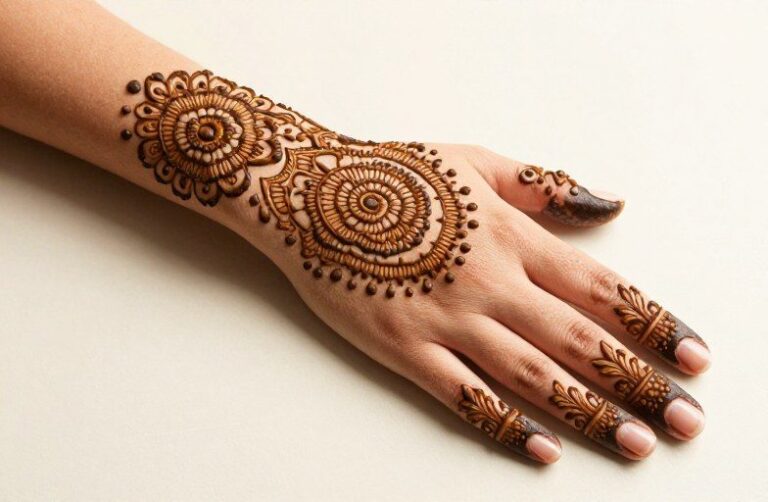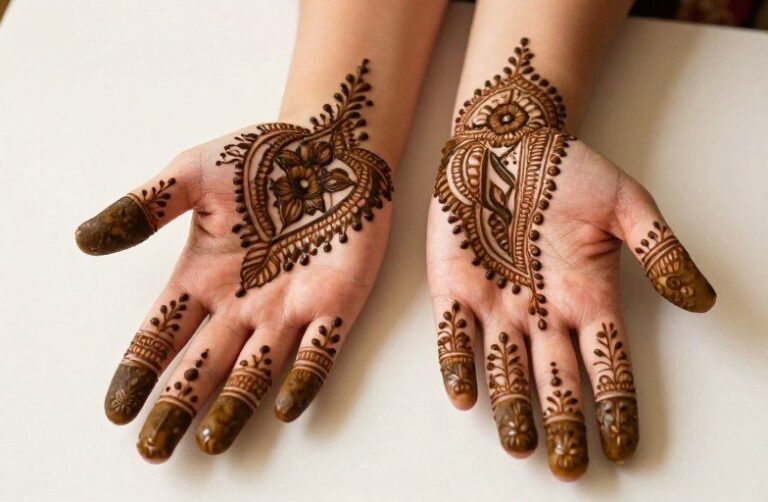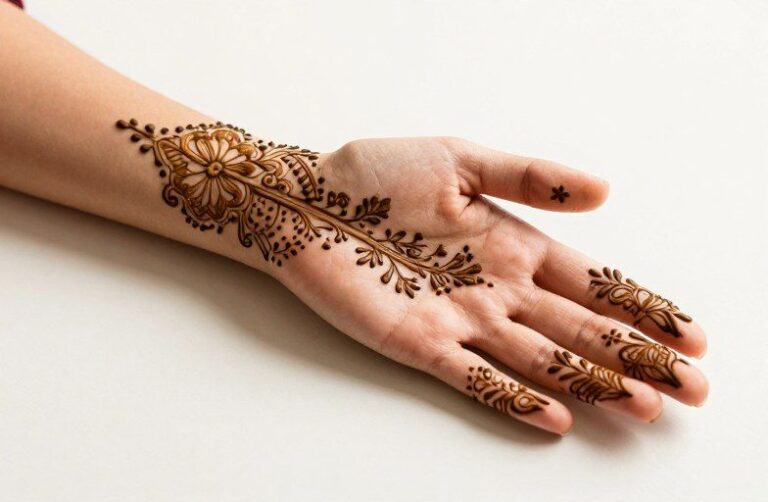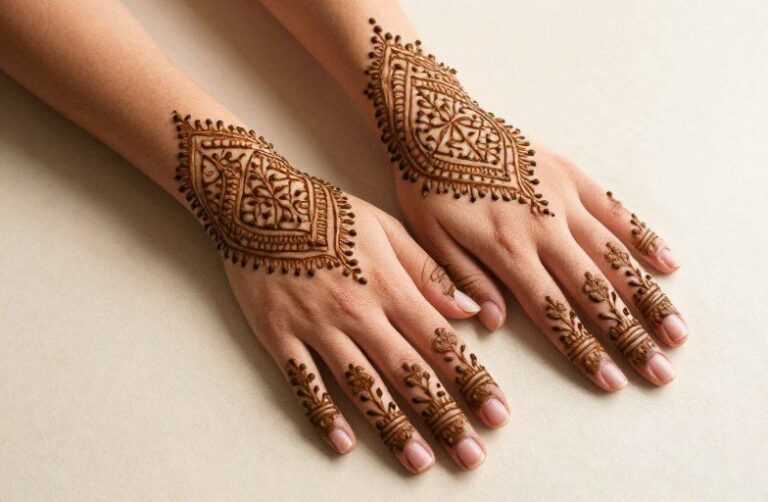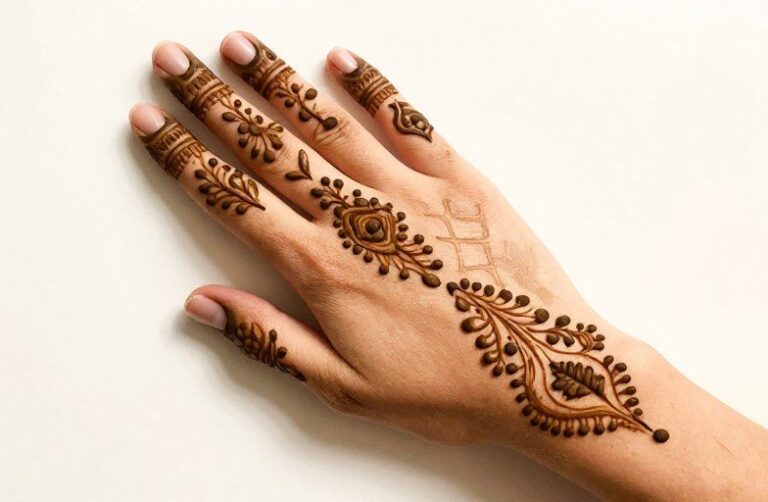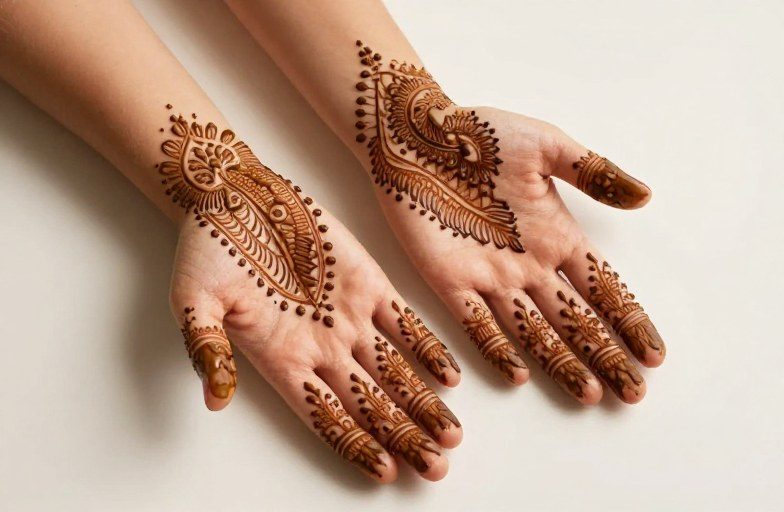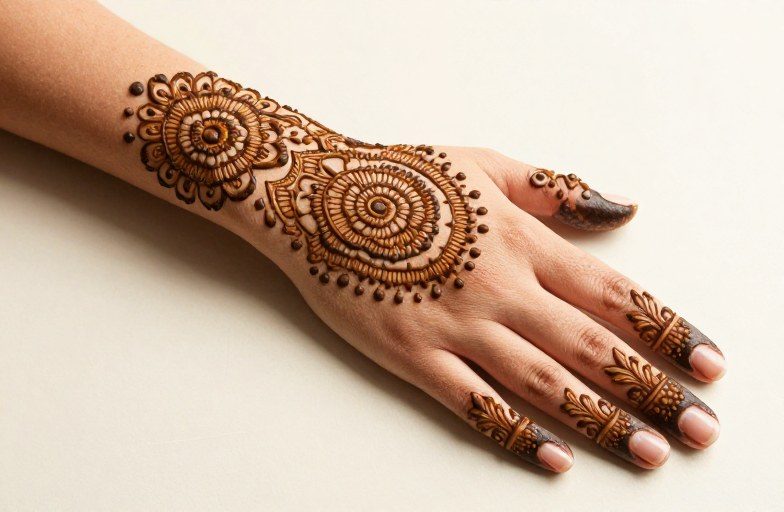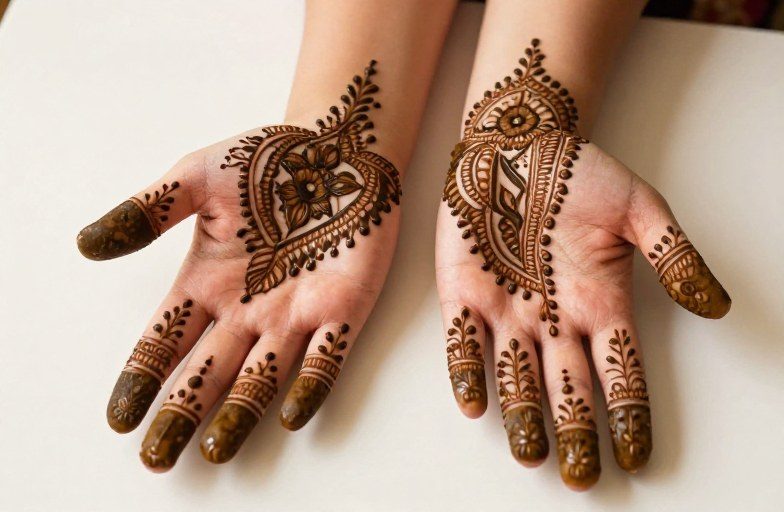
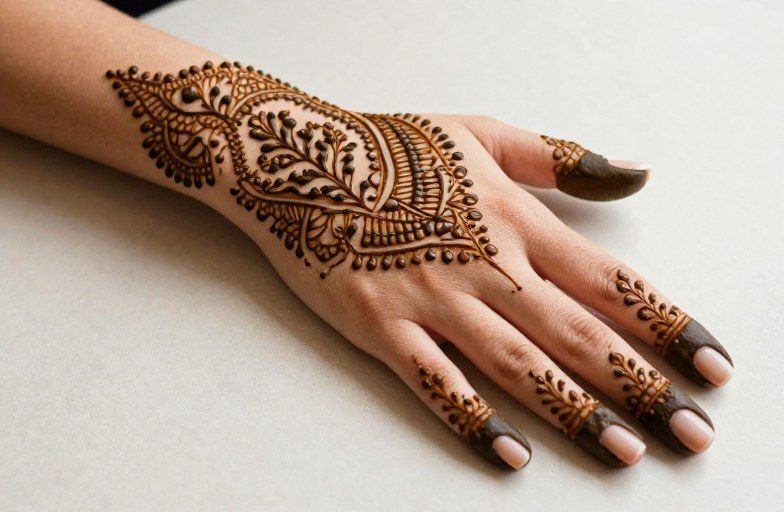
A darker henna tattoo comes down to three things: quality paste, proper skin preparation, and patience during the staining process. Leave the paste on for 6-12 hours, keep the area warm, and avoid water for the first 24 hours after removal. The color will continue to develop over 48-72 hours, shifting from orange to deep reddish-brown.
Aftercare Essentials
Henna aftercare is where most people lose their stain depth. The paste itself only starts the reaction; what you do after scraping it off determines how dark your results get.
The First 24 Hours
Once the dried paste flakes off, you’ll see a bright orange stain that looks almost neon. This is normal. Resist the urge to wash the area. The lawsone molecule in henna is still oxidizing and bonding with the keratin in your skin. Water, soap, and scrubbing interrupt this process.
- Scrape off dry paste with a blunt edge, don’t wash it off
- Apply a thin layer of sugar-lemon sealant before the paste dries if you want to keep it on longer
- Warm the area with a heating pad or rice bag (low setting, cloth barrier) for 20-minute intervals
- Sleep with the area exposed to air, not wrapped in plastic that traps moisture
Days Two Through Five
The stain darkens through oxidation. Heat and time are your allies here. A dab of natural oil, coconut, olive, or a body-safe balm, can protect the stain from water exposure during showers. Pat, don’t rub, when drying off.
Tips From the Chair
Tattoo artists who’ve worked alongside henna practitioners at conventions and festivals notice consistent patterns in what produces rich color versus what leaves clients disappointed.
Skin Preparation Matters
Clean skin with no barrier between paste and keratin stains darkest. Avoid lotions, sunscreen, or makeup on the area for 24 hours before application. A quick wipe with witch hazel or diluted lemon juice removes surface oils without drying the skin excessively. Rough skin, heels, palms, calloused fingertips, grabs more lawsone and stains nearly black. Thin skin over veins stains lighter and more orange.
Paste Quality Is Non-Negotiable
Pre-mixed cones from craft stores often contain little actual henna. Freshly mixed paste with body-art-quality (BAQ) henna powder, lemon juice, sugar, and essential oils (tea tree, cajeput, or lavender at safe dilutions) performs reliably. The paste should smell grassy and earthy, not chemical. If it’s brown in the cone already, it’s likely old or mixed with dyes. Fresh henna paste is greenish-brown and stains skin only after several hours of contact.
Realistic Expectations
Henna has biological limits. It stains keratin, not live tissue, so the color sits in the dead skin layer that you’re constantly shedding. Understanding this prevents frustration and bad decisions.
- Maximum darkness varies by body zone: palms and soles stain darkest, upper arms and backs stain lightest
- Individual skin chemistry affects results, some people naturally stain deeper than others
- “Black henna” is not henna; it’s PPD-laden chemical paste that can scar and sensitize you to hair dye forever
- Even optimal aftercare won’t make thin-skinned areas match palm-depth color
Expect a range from burnt orange to deep mahogany, not jet black. The stain peaks at 48-72 hours, then slowly fades over 1-3 weeks depending on skin turnover and care.
What to Expect Step by Step
Knowing the timeline helps you avoid panic-washing or over-treating the area.
Application Through Development
The paste goes on as a wet, toothpaste-consistency line or fill. It dries over 30-60 minutes into a hard, dark shell. At this point, you can seal it with lemon-sugar dabbed on carefully, or leave it be. The longer it stays intact, the deeper the stain. Six hours is the practical minimum; overnight (8-12 hours) is ideal for special occasions.
The Color Shift
Scraping reveals orange. By 12 hours post-removal, it deepens to reddish-orange. At 24 hours, you’ll see true henna red. Peak color arrives around day two or three, a rich, warm brown-red that looks almost like a fresh tattoo from a distance. After peak, gradual fading begins. Exfoliation, chlorine, salt water, and harsh soaps accelerate the loss.
Cost Factors
Henna pricing varies by region, artist skill, and event type. Understanding the market helps you budget appropriately and recognize when someone’s undercutting with dangerous products.
- Professional artists at festivals: $20-80 for hands, $50-200 for full bridal coverage
- Shop minimums for private appointments often run higher per hour than event rates
- DIY supplies: quality BAQ powder runs $10-25 for 100g, making dozens of cones
- Travel artists and bridal specialists command premium rates for complex, time-intensive designs
The cheapest option, free cones from a relative or corner store, carries the highest risk of adulterated product. PPD reactions can require emergency care and leave permanent marks. Budget for safety, not just aesthetics.
Pain & Comfort
Henna application itself is painless. The paste sits on skin; no needles break the surface. Discomfort comes from the waiting and the aftercare restrictions, not the process.
Physical Sensations
Some people feel mild tingling or cooling from the essential oils in quality paste. This is normal. Burning, itching, or rising welts are not, remove the paste immediately and wash thoroughly. These indicate allergic reaction or chemical adulteration. The drying paste can feel tight and itchy; resist scratching, which flakes it off prematurely and lightens your stain.
Practical Comfort Tips
Overnight sessions require planning. Sleep on your back with hands raised if you’ve had work done on your palms. For foot henna, expect to hobble; the dried paste cracks with flexing. Some artists wrap with medical paper tape or loose gauze to protect the design, though this can slightly lighten results by reducing air contact.
Before You Decide
Darkening henna is a slow chemistry experiment on your own skin, not a instant cosmetic fix. The techniques work, leave paste on longer, keep it warm, avoid water, but they work within biological limits. If you need guaranteed dark, precise, permanent lines for a specific aesthetic, a professional tattoo with actual pigment and a machine is the honest comparison. Henna offers temporary, organic variation. That impermanence is either its charm or its dealbreaker. Know which camp you’re in before you spend money and sleep awkwardly with your hands wrapped in toilet paper.
Frequently Asked Questions
Why did my henna turn orange instead of dark brown?
Orange is the normal starting color. The lawsone molecule needs 24-72 hours to fully oxidize and darken. If it stays orange, the paste may have been removed too soon, the skin was too thin, or the henna quality was low. Give it two days before judging the final color.
Can I use a hair dryer to speed up darkening?
Heat helps, but a hair dryer blows too hard and can flake off drying paste. Use a heating pad on low with a cloth barrier, or warm the room. Gentle, sustained warmth works better than forceful hot air.
Does lemon juice really help darken henna?
Lemon juice in the paste mix aids lawsone release and can be dabbed on as a sealant. However, straight lemon on skin can irritate or cause chemical burns in sunlight. Use it diluted, within the paste or sealant, not as a standalone treatment.
Why does my henna fade so fast on my arms compared to my hands?
Thicker skin with more keratin holds stain longer and darker. Arms have thinner skin and less friction, so the stained layer sheds faster without the constant mild abrasion that palms receive. This is normal body variation, not a failure of technique.