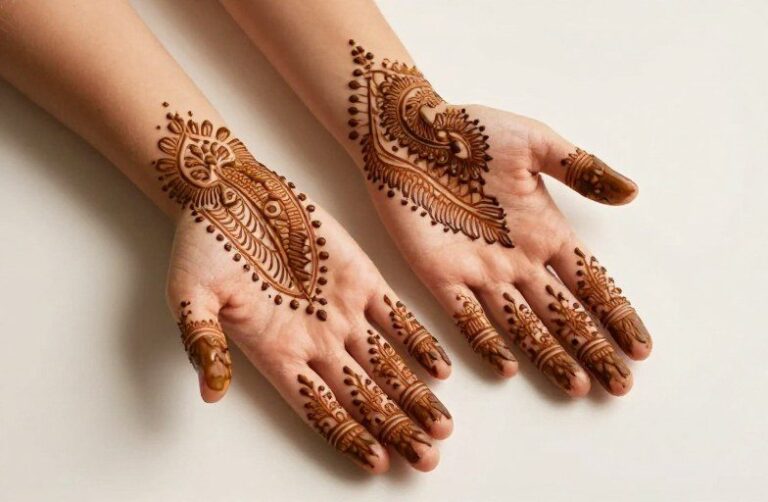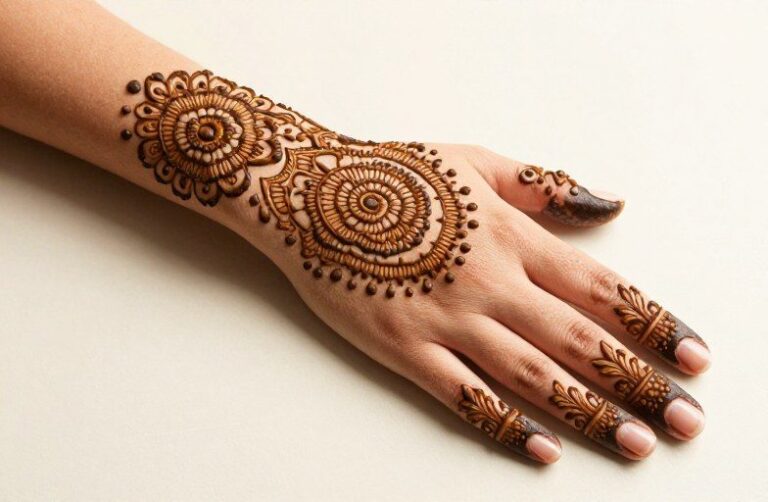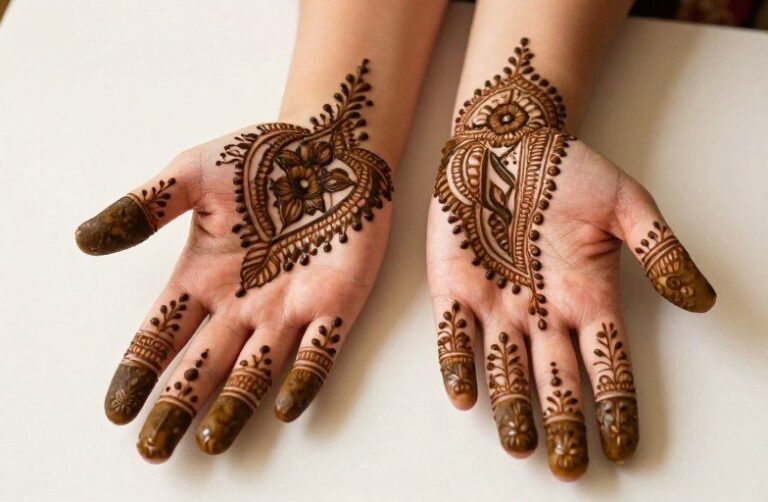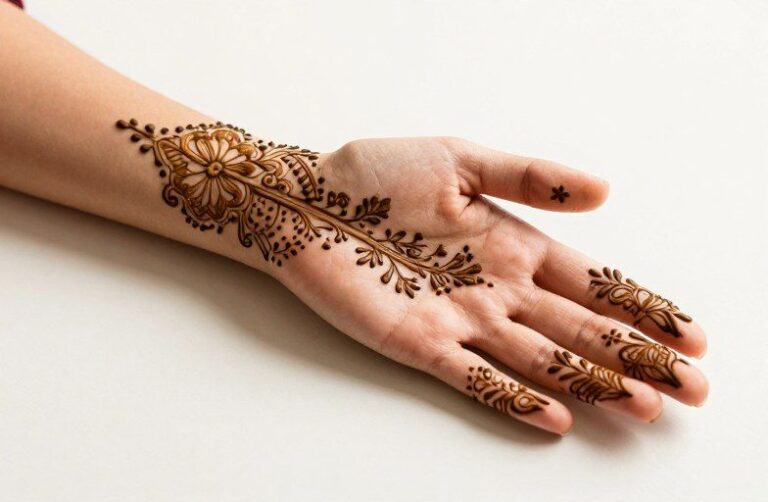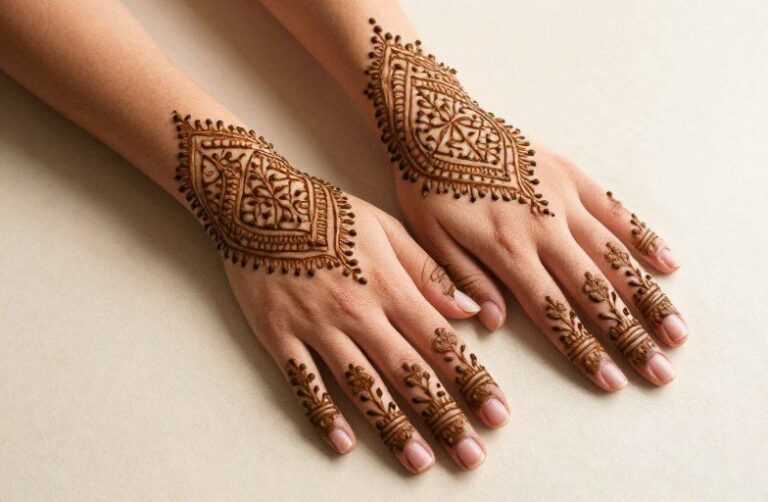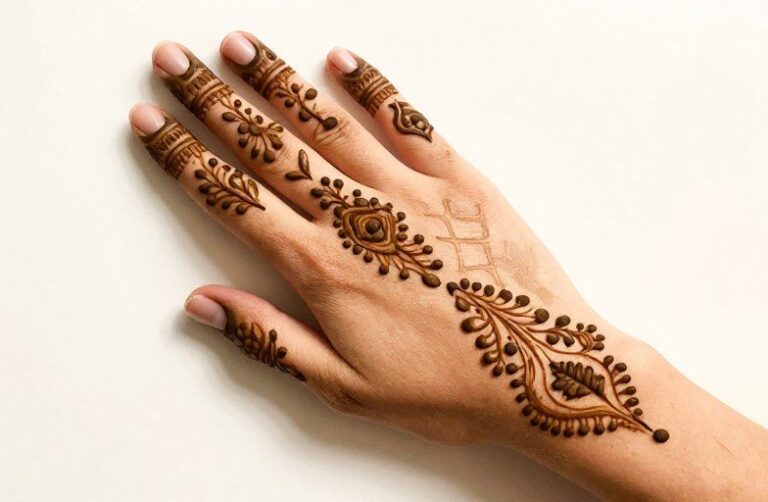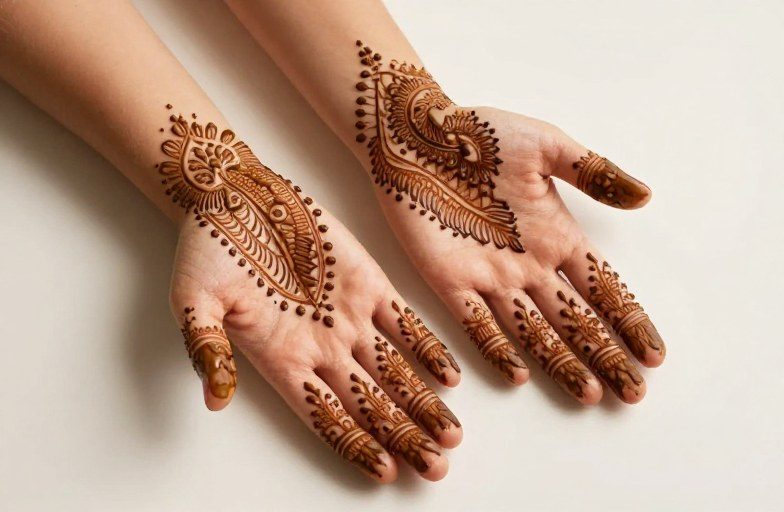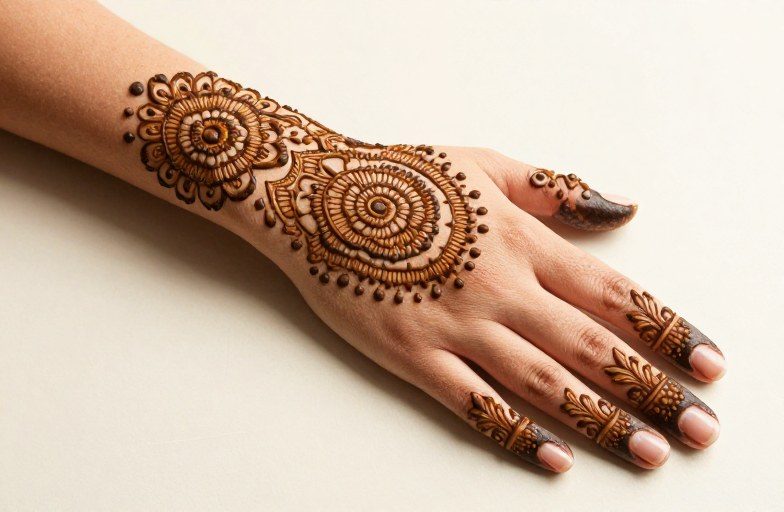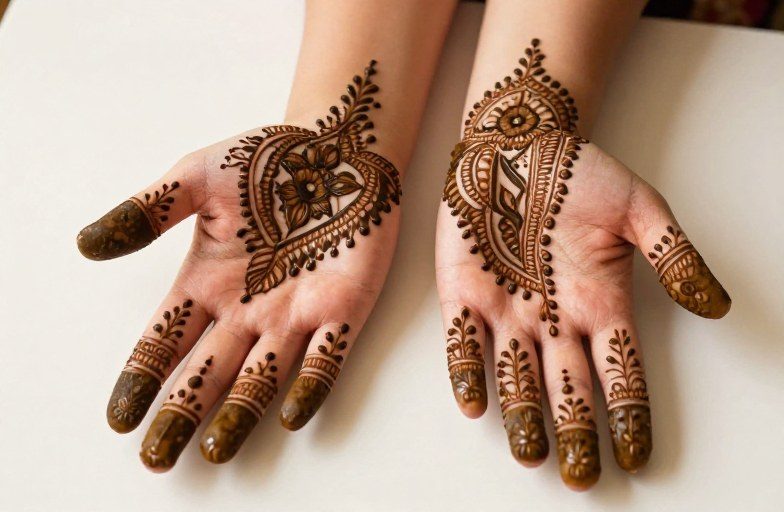
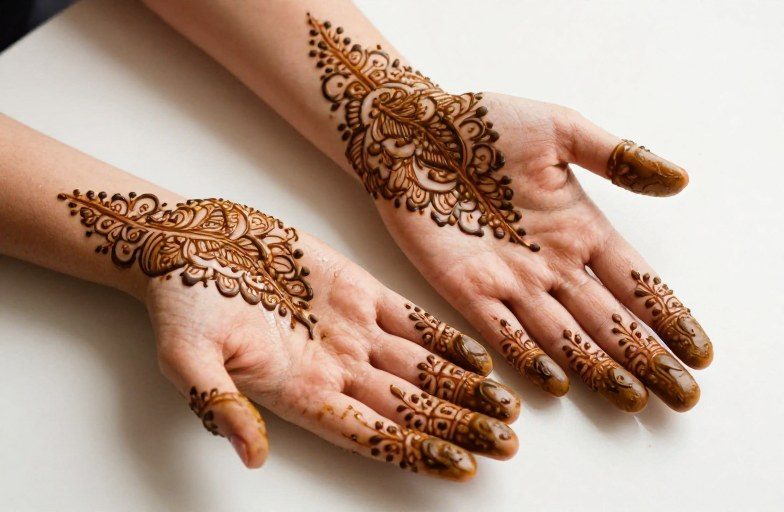
The safest way to clean a fresh henna tattoo is to gently rinse it with plain water, pat it completely dry with a paper towel, and avoid soaps, scrubs, or rubbing for the first 24 hours. After the paste flakes off naturally, keep the area moisturized with natural oils and protected from water exposure to deepen and prolong the stain.
When to See a Professional
Recognizing Quality Paste
Not all henna is created equal, and the paste quality matters more than most people realize. Professional henna artists mix their own paste from henna powder, lemon juice, sugar, and essential oils like tea tree or lavender. If your artist used a pre-made cone from an unknown source or the paste appeared jet-black and smelled strongly of chemicals, you may have gotten “black henna”, a dangerous misnomer often containing PPD, the same allergen found in dark hair dyes.
PPD can cause blistering, permanent scarring, and lifelong chemical sensitivities. A legitimate artist will list their ingredients openly, and their paste will smell earthy and herbal, not like paint or ammonia. If you experience burning, intense itching, or swelling during application, remove the paste immediately and rinse thoroughly.
When the Skin Reacts
Some irritation is normal, henna paste can tingle slightly, especially with essential oils in the mix. But sharp pain, spreading redness, or hives indicate an allergic reaction. If the area becomes hot to the touch or oozes fluid, that warrants medical attention. Don’t try to treat a severe reaction with home remedies; get to urgent care.
Aftercare Essentials
The First Six Hours
Once the henna paste dries on your skin, your goal is keeping it intact and undisturbed. The paste needs to stay on for a minimum of four to six hours, though many artists recommend leaving it overnight for the darkest possible stain. During this window, avoid water entirely. That means no washing dishes without gloves, no showers streaming directly onto the design, and definitely no swimming.
If the paste cracks and flakes prematurely, the stain will be lighter and patchy. Some people wrap the area loosely with medical tape or tissue to protect it during sleep, though this works better on flat surfaces like the back of the hand than on curved areas like wrists or ankles.
After the Paste Comes Off
When you’re ready to remove the dried paste, don’t scrub or pick at it. Scrape it off gently with a butter knife or your fingernail, then rinse the residue away with plain water. No soap yet, just water. Pat the area dry, don’t rub. The stain will appear bright orange at first, which alarms some first-timers, but this oxidizes to a deeper reddish-brown over the next 48 hours.
- Apply a thin layer of natural oil (coconut, olive, or henna aftercare balm) after the paste is removed
- Avoid petroleum-based products like Vaseline, which can suffocate the developing stain
- Keep the area warm; body heat helps the stain darken
- Don’t exfoliate or use loofahs on the design for at least a week
Tips From the Chair
Seasoned henna artists have small tricks that make a real difference in stain longevity. One is the “sugar seal”, a light dab of lemon juice mixed with sugar applied over drying paste to help it stick to the skin longer without crumbling. Another is strategic placement: palms and soles stain darkest because the skin is thickest there, while the upper arm or back will always yield lighter results regardless of aftercare perfection.
Water Management
Water is henna’s enemy after the paste comes off. The dye molecule, lawsone, bonds with keratin in your skin, but that bond takes 24-48 hours to fully set. During this period, every water exposure risks washing away developing color. When you must shower, coat the area with a natural oil or beeswax-based balm to create a water-resistant barrier. Keep showers brief and lukewarm, hot water opens pores and leaches color.
For hand henna, the mundane tasks of daily life become strategic challenges. Washing hands becomes a quick, careful affair with mild soap on the palms only, avoiding the back of the hands where the design sits. Dish gloves become essential. Some people sleep with cotton gloves to prevent nighttime sweating from fading the stain unevenly.
Realistic Expectations
Henna is not a permanent tattoo, and treating it like one leads to disappointment. On thick-skinned areas like palms, a good stain lasts two to three weeks. On thinner skin like the forearm or shoulder, expect seven to ten days of visible color before significant fading. The final color depends on your individual skin chemistry, the specific henna crop’s lawsone content, and how faithfully you followed aftercare.
Color Variation by Skin Tone
Henna reads differently on different skin tones, and that’s not a flaw, it’s just physics. On very fair skin, the orange-to-brown transition is more visible and sometimes appears more reddish overall. On deeper skin tones, the stain often looks richer and more chocolate-brown, though the contrast against skin may be subtler. Neither is “better”; they’re just different.
Don’t expect photographic precision in color matching. The Instagram henna photos you see are often edited for saturation, taken at peak oxidation (24-48 hours post-removal), or applied to palms that naturally stain darkest. Your forearm design will not look like that.
Healing Timeline
Unlike machine tattoos, henna doesn’t wound the skin, there’s no needle, no ink deposited into the dermis, no scabbing or peeling in the traditional tattoo sense. But the stain does go through visible phases that mirror a kind of “life cycle.”
Day by Day
Days 1-2: Bright orange immediately after paste removal, deepening to reddish-brown by 48 hours. This is when aftercare matters most, water avoidance, oil application, and warmth.
Days 3-7: Peak color. The stain looks its best, most saturated and defined. You can resume normal water exposure, though prolonged soaking still fades faster.
Days 8-14: Gradual fading begins from the edges inward, sometimes creating a mottled or “patchy” look as skin naturally exfoliates. This is normal, not a failure of aftercare.
Days 15+: The stain is typically gone or barely visible except on thick-skinned areas. Any remaining ghosting disappears with the next complete skin turnover cycle.
Common Mistakes
Most henna aftercare failures stem from impatience or misinformation passed around online.
- Scrubbing the paste off early to “see the result”, this kills the stain before it develops
- Using black henna for “better” color, PPD is dangerous and illegal for skin use in many countries
- Applying sunscreen directly over fresh henna, chemical sunscreens can react with the developing stain and cause bleaching or irritation
- Expecting waterproof results, henna is always temporary, and friction from clothing, gym equipment, or bags accelerates fading
- Using antibacterial soaps or alcohol-based sanitizers repeatedly on hand henna, these strip oils and fade color faster
The Lemon Juice Myth
Some sources claim dabbing lemon juice on the stain after removal darkens it. This is outdated and often counterproductive. Undiluted lemon juice is acidic and can irritate skin, especially if you then expose it to sunlight, which can cause phytophotodermatitis, a rashy, sometimes blistering reaction. The sugar-lemon seal is meant for the paste while it’s still on the skin, not for aftercare.
The Takeaway
Cleaning and caring for a henna tattoo comes down to gentleness, patience, and water discipline. Rinse with plain water, dry thoroughly, let the paste stay on as long as possible, and protect the developing stain from soaking for two days. The best aftercare is mostly what you don’t do, don’t scrub, don’t pick, don’t panic at the initial orange color. A quality henna stain on well-prepared skin, treated with basic respect, will give you two weeks of genuine, beautiful color without any of the commitment or healing complexity of a needle tattoo. If you’re testing a placement before going permanent or simply enjoying the art form on its own terms, the care is straightforward and the results are worth the small effort.
Frequently Asked Questions
Can I shower with a fresh henna tattoo?
Keep the paste completely dry for the first 4-6 hours. After removing the paste, you can shower briefly, but avoid direct water pressure on the design and apply a thin layer of oil beforehand as a barrier.
Why did my henna turn out light orange instead of dark brown?
The stain oxidizes from orange to brown over 24-48 hours. If it stays light, the paste may have been removed too soon, the henna quality was low, or the skin area naturally stains lighter than palms or soles.
Is it safe to get henna while pregnant or breastfeeding?
Natural henna with simple ingredients is generally considered low-risk, but avoid essential oils if you’re sensitive, and absolutely avoid “black henna” containing PPD, which is dangerous for anyone.
How can I make my henna fade faster if I don’t like it?
Exfoliate gently with a scrub or loofah, soak in warm water, and apply oil-based products to speed up the natural skin turnover that removes the stain. It won’t disappear instantly, but these steps accelerate fading.