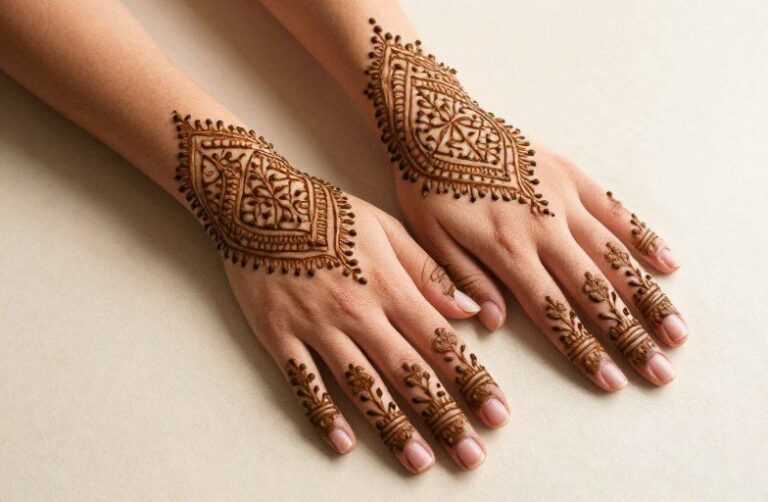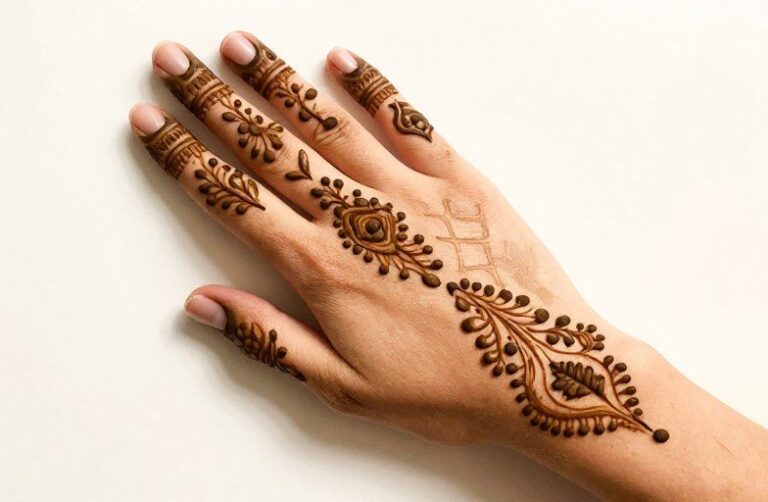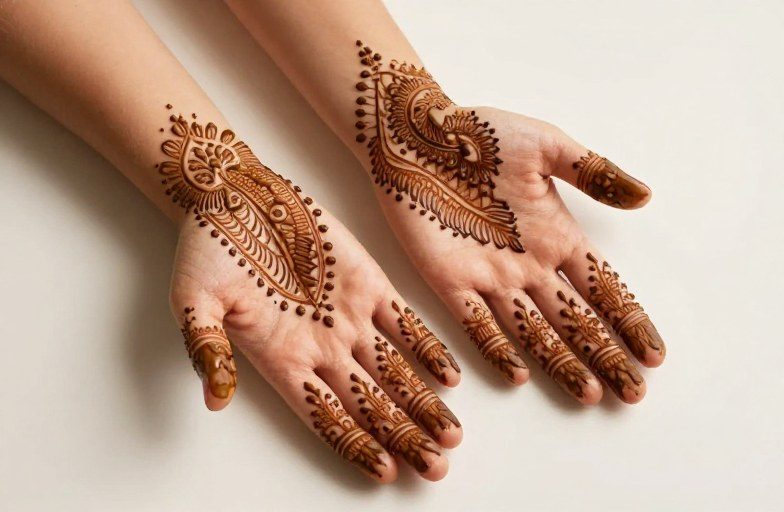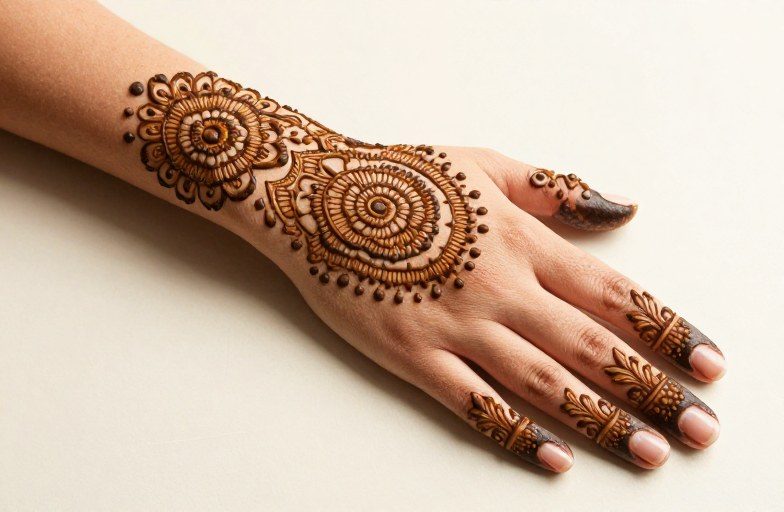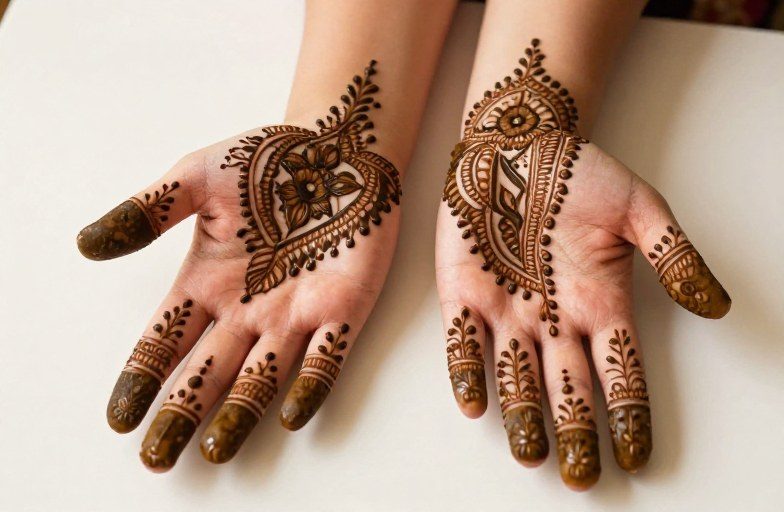
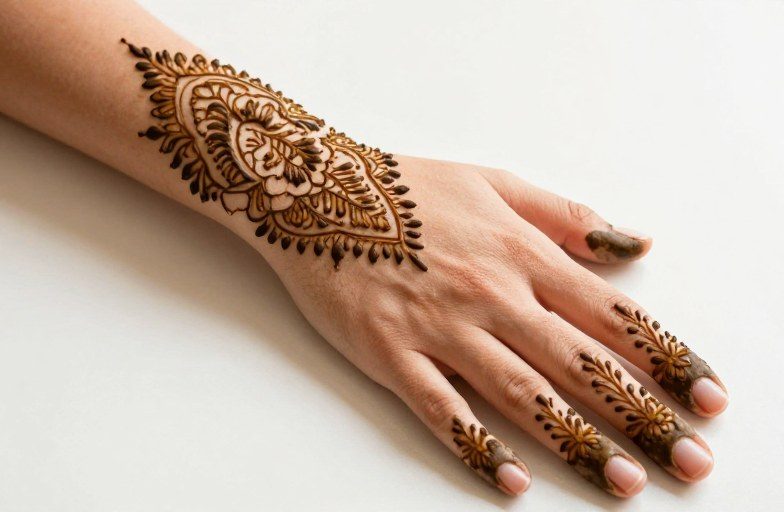
A genuine henna tattoo allergy is rare, but reactions to “black henna”, which contains added paraphenylenediamine (PPD), are common and can be serious. If your skin blisters, itches intensely, or swells within 24-48 hours of application, wash the area thoroughly with mild soap and water, apply a cold compress, and seek medical care if symptoms worsen. This guide covers what actually happens, how to manage symptoms, and how to avoid problematic products in the first place.
Common Mistakes
Most henna reactions stem from avoidable errors. Understanding where things go wrong helps you protect your skin before you ever sit down for application.
Trusting “Black Henna” Products
Traditional henna paste is brownish-orange and stains skin in that familiar rust-to-brown range. “Black henna” achieves its dark color through PPD, the same chemical found in permanent hair dye. PPD is not approved for direct skin application in the US, and sensitization can happen with a single exposure. Once sensitized, future contact, even with hair dye or dark clothing dyes, can trigger severe reactions. The mistake isn’t the desire for a dark temporary tattoo; it’s assuming the product is safe because it’s offered at a beach boardwalk or festival booth.
Ignoring Patch Test Results
Some artists apply a small dot of paste behind the ear or on the inner wrist, waiting 30 minutes to check for reaction. Many people skip this entirely, or dismiss light itching as normal. With PPD-laced products, a mild initial reaction often precedes a much stronger one upon re-exposure. That faint redness you ignored last summer? It was warning you.
- Assuming “natural” labeling means PPD-free
- Leaving paste on for excessive time to “darken” results
- Applying over broken, sunburned, or freshly shaved skin
- Buying paste with unclear ingredient lists from online marketplaces
Cost Factors
Safe henna application and potential allergy management carry real costs worth understanding upfront.
Professional Application vs. DIY Kits
Reputable henna artists in the US typically charge $15-$60 for simple hand or wrist designs, with elaborate bridal-style work running $100-$300+. These prices reflect quality paste, training, and liability insurance. DIY kits from craft stores or Amazon range $8-$25 but carry higher risk of undisclosed additives. The “savings” evaporate quickly if you need urgent care for a reaction.
Hidden Costs of Reactions
Even with insurance, urgent care visits for moderate reactions run $150-$300 out-of-pocket. Severe cases requiring dermatology follow-up or prescription topical steroids add substantially. Permanent scarring or hyperpigmentation may later require cosmetic tattooing or laser treatment, costs measured in thousands. The cheapest henna is rarely the safest.
Realistic Expectations
Understanding what normal henna looks like helps you distinguish harmless staining from warning signs.
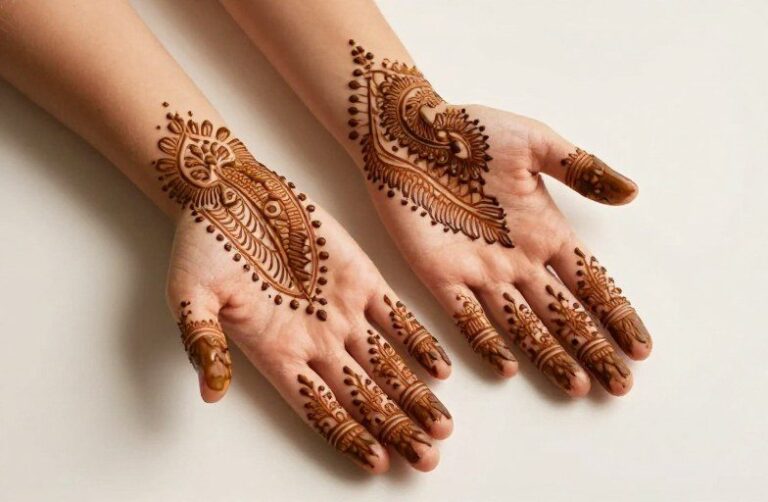
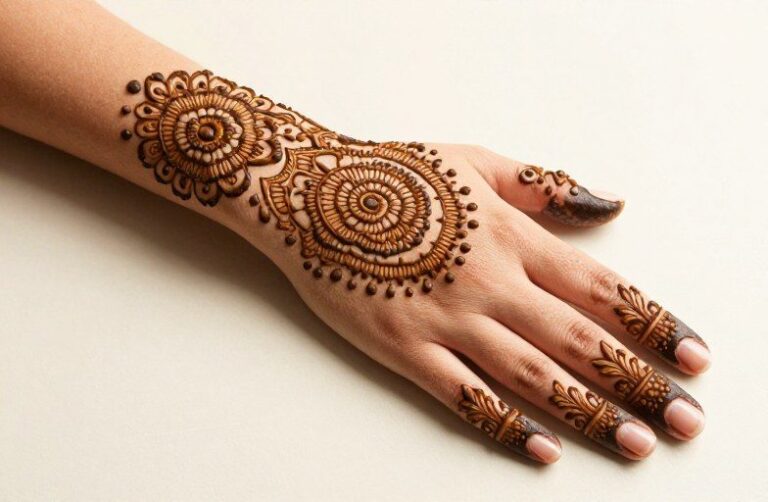
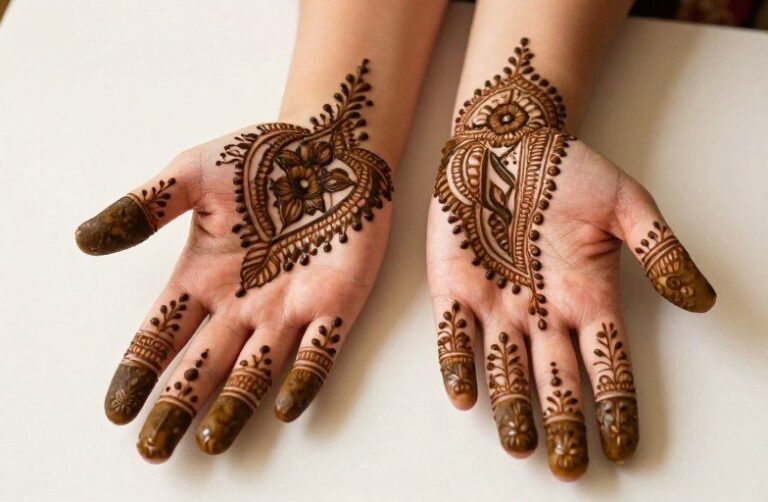
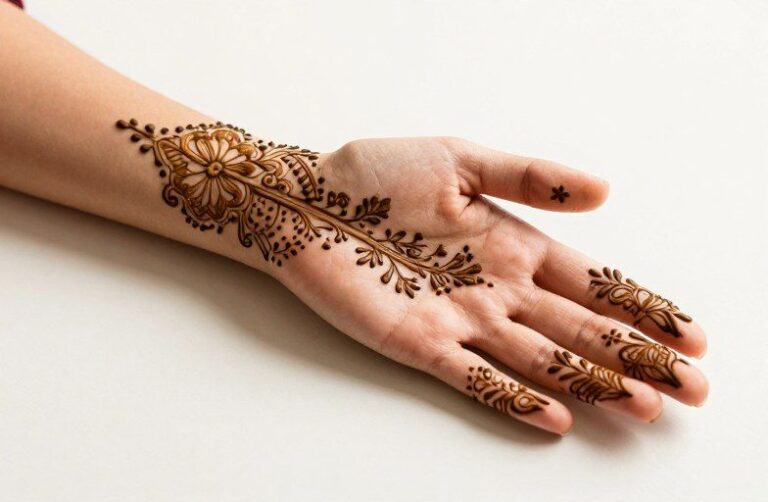
Authentic henna paste smells earthy, like fresh-cut hay or wet tea leaves. It applies as a thick, greenish-brown paste that flakes off after 4-8 hours, leaving a pale orange stain that darkens to reddish-brown over 24-48 hours. The final color ranges from pumpkin to dark mahogany depending on your skin chemistry, body temperature, and how long the paste stayed on. It never produces true black.
Normal sensations include slight cooling, mild tightness as paste dries, and flaking during removal. Abnormal signs include burning, stinging, immediate dark staining, or paste that stains skin within minutes rather than hours. These indicate chemical additives, not concentrated henna.
Healing Timeline
Skin recovery from henna reactions follows predictable patterns, though severity varies dramatically.
Normal Henna Fading
Authentic henna stains the stratum corneum, your skin’s outermost dead layer. As these cells naturally exfoliate, the design fades. Most visible color lasts 7-14 days on palms and soles (thicker skin, more staining), 5-10 days on arms and legs, and 3-7 days on backs or chests where skin is thinner and exfoliates faster. Moisturizing extends life slightly; swimming, exfoliating, or frequent hand-washing accelerates fading.
Reaction Recovery
Contact dermatitis from PPD typically appears 24-48 hours post-application, peaks at 72-96 hours, and gradually resolves over 1-3 weeks with proper care. Blistering may leave temporary dark marks (post-inflammatory hyperpigmentation) lasting months, especially on darker skin tones. Deep reactions causing skin breakdown can scar permanently. Early intervention, removing the irritant, avoiding scratching, and seeking care for spreading symptoms, dramatically improves outcomes.
What to Expect Step by Step
Here’s the actual sequence from application through resolution, whether things go normally or sideways.
Application day: Paste goes on cool and wet. It gradually thickens, then cracks as it dries. You may feel gentle tingling from lemon juice or essential oils in the mix, normal. Burning or stinging is not.
Hours 4-12: Paste flakes off, revealing pale yellow-orange stain. This looks disappointingly light; patience required. With PPD products, you might see immediate dark gray or black staining that seems impressive but signals danger.
24-48 hours: Authentic henna darkens to full color. Allergic reactions begin showing redness, swelling, vesicles, or intense itching around this window.
Days 3-7: Normal henna looks its best. Reactions peak, this is when most people seek medical help if symptoms are significant.
Week 2 onward: Authentic henna fades to faint orange, then disappears. Reactions gradually subside with or without intervention; lingering pigment changes may persist.
Aftercare Essentials
Proper care differs dramatically depending on if you’re maintaining a normal henna stain or managing a reaction.
Optimizing Normal Henna
Keep paste on as long as practical, 6-8 hours minimum, overnight if possible. Scrape rather than wash off; water stops the oxidation that darkens stain. Apply a sugar-lemon sealant if paste cracks early. Avoid water for the first 24 hours post-removal. Warmth helps: a hot shower after the initial water-free period often deepens color. Natural oils (coconut, olive) protect the stain without the petroleum-based products that can pull pigment.
Managing Suspected Reactions
Remove any remaining paste immediately with gentle soap and cool water. Pat dry; don’t rub. Apply cool, wet compresses for 10-15 minutes several times daily to reduce inflammation. Calamine lotion or oral antihistamines help with itching. Do not apply topical antihistamines or benzocaine, these commonly cause additional allergic reactions. Keep the area clean and loosely covered if blistering occurs. Seek urgent care for spreading redness, pus, fever, or facial/eye involvement.
Before You Decide
Ask the artist directly: “What ingredients are in your paste?” Specific answers matter. “Natural ingredients” or “organic” without specifics means nothing. Reputable artists disclose: henna powder, lemon juice or water, sugar, and essential oils like tea tree or lavender. Any mention of “black henna,” “kali mehndi,” or inability to list components should send you elsewhere.
Consider your own history. Have you ever reacted to hair dye, black clothing, rubber, or certain inks? PPD cross-reactivity is common. One reaction primes your immune system for stronger responses later. The temporary nature of henna doesn’t mean temporary risk, sensitization lasts years, even lifetime.
Finally, location matters. Henna on hands or feet stains darkest and lasts longest, but these areas also swell most dramatically if reactions occur. Facial application carries obvious cosmetic and functional risks. The impulse for a quick, pretty design is understandable; the consequences of a bad product applied to visible skin can be genuinely life-altering. Choose your artist, your product, and your placement with that weight in mind.
Frequently Asked Questions
How do I tell if my henna paste contains PPD?
Ask the artist for a complete ingredient list. Authentic henna never produces true black color, immediate dark gray or black staining indicates chemical additives. PPD-containing products often smell chemical rather than earthy.
Can I use regular henna if I reacted to black henna before?
PPD sensitization can cause cross-reactions with many chemicals. While pure henna is different, your skin may be hyperreactive. Consult a dermatologist before any re-exposure, and always patch test extensively.
Why did my henna tattoo fade so quickly?
Fading speed depends on skin thickness, exfoliation rate, and aftercare. Palms and soles hold stain longest; thin-skinned areas fade fastest. Frequent washing, swimming, or exfoliating accelerates loss regardless of quality.
Is it safe to get henna during pregnancy?
Traditional henna is generally considered low-risk, but essential oil concentrations vary and some oils aren’t pregnancy-safe. PPD-containing products are absolutely contraindicated. Always disclose pregnancy and seek artists using mild, disclosed formulations.