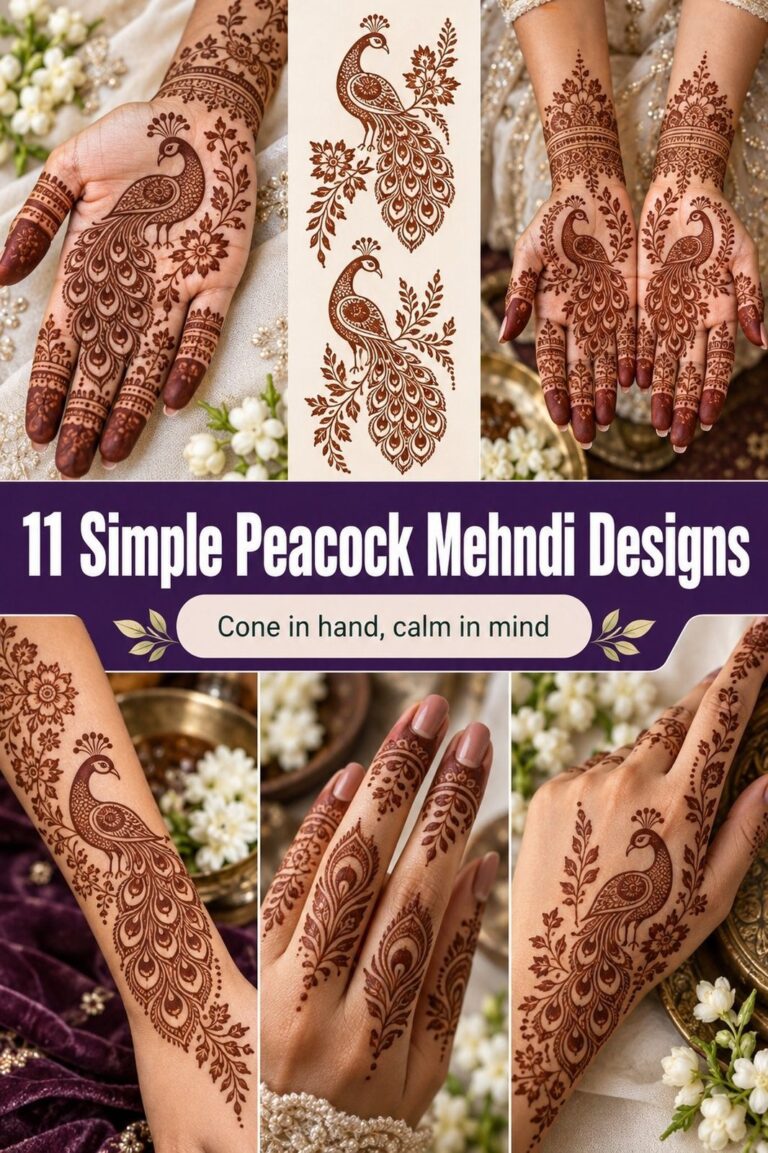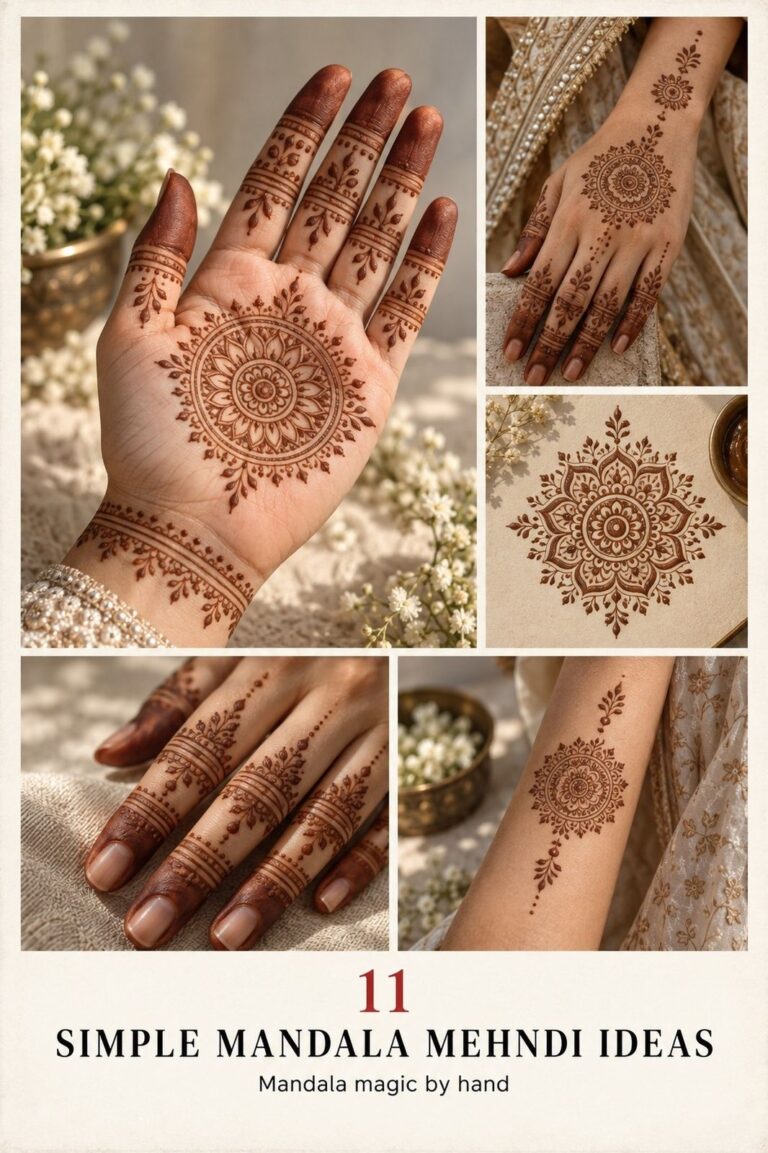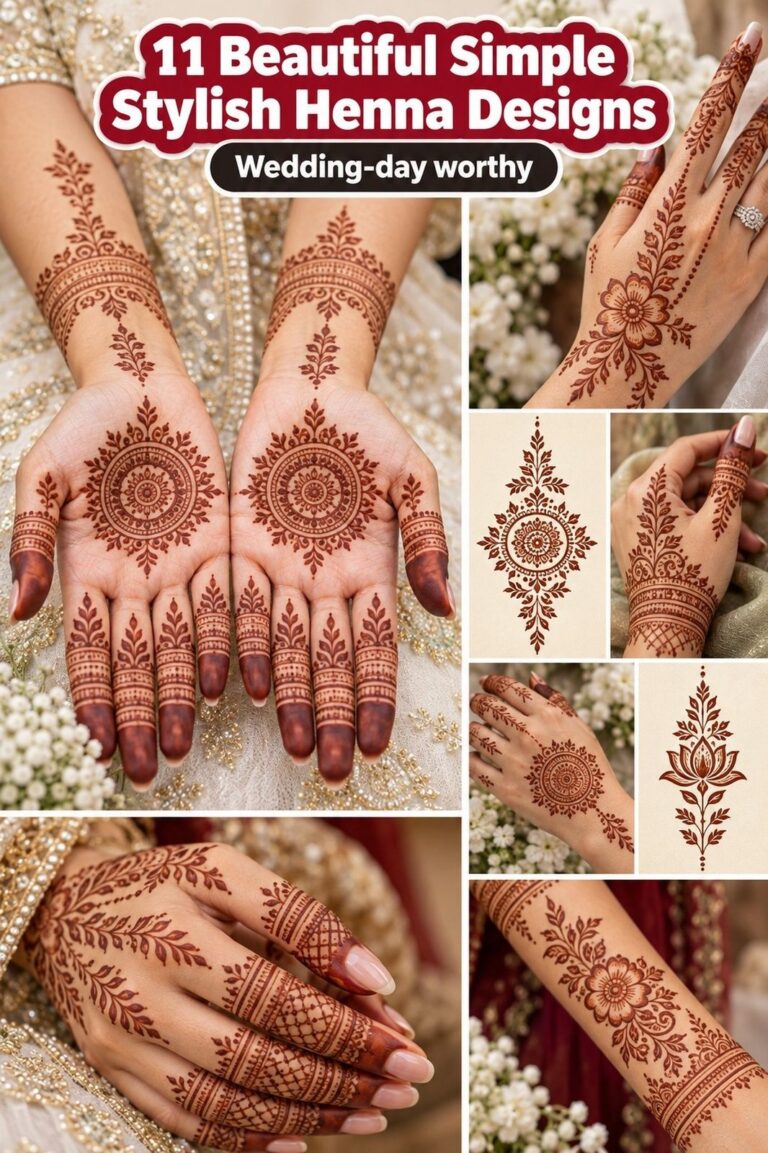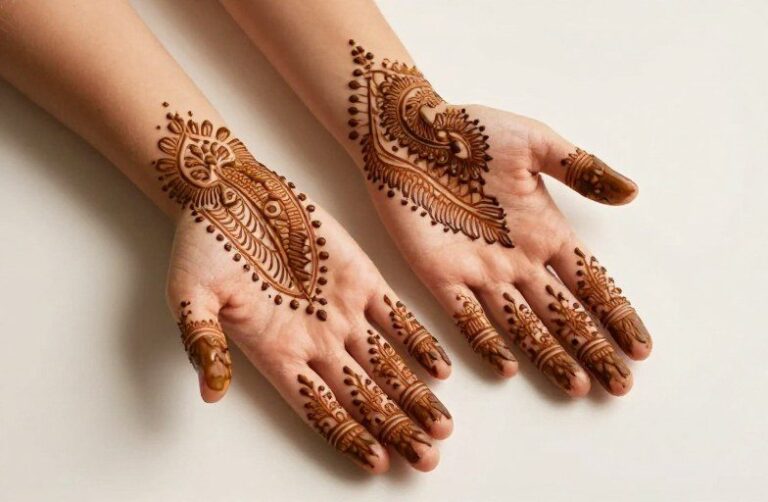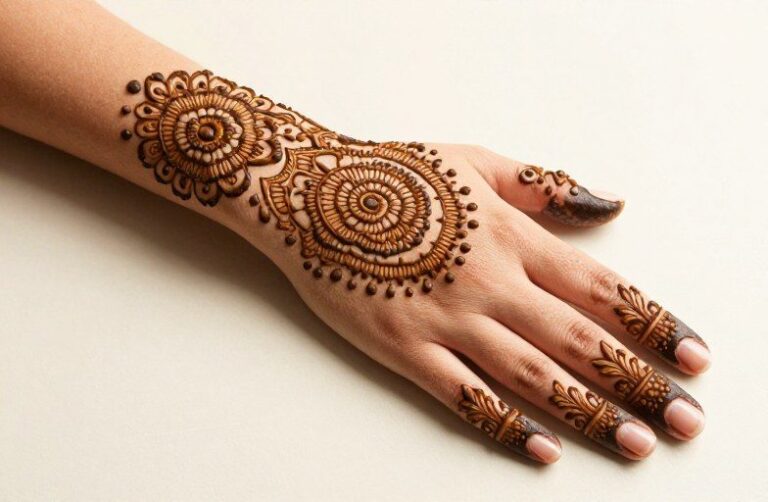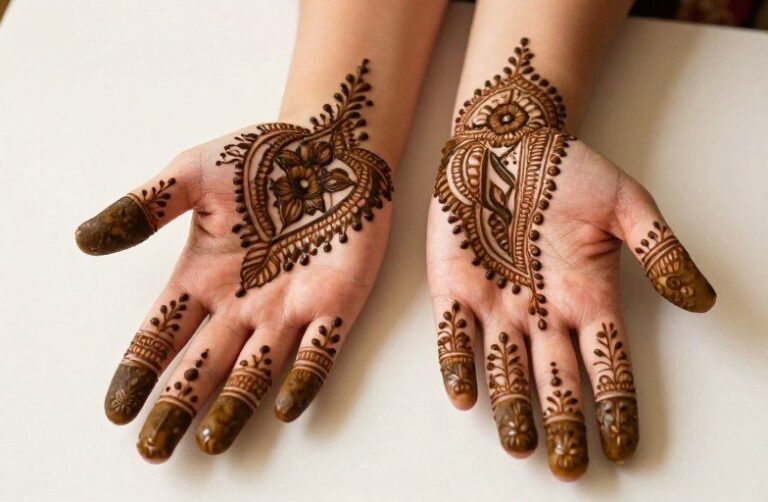
A henna tattoo meaning Christianity represents a temporary commitment to faith, using the ancient art of mehndi to carry Christian symbols on the skin for one to three weeks. Unlike permanent ink, it offers a way to mark spiritual seasons, Lent, Easter, mission trips, or personal renewal, without lifelong consequences. The brown-to-reddish stain creates a soft, organic look that feels more intimate than bold black lines, and the temporary nature itself becomes part of the message: earthly, fleeting, yet deliberately chosen.
Symbolism & Core Meaning
The intersection of henna and Christian symbolism operates on two levels. The medium itself carries weight: henna has long been used in ceremonies of blessing, protection, and transition across North Africa, the Middle East, and South Asia. When applied with Christian imagery, it borrows that ceremonial gravity while redirecting it toward specifically biblical themes.
The Cross in Henna Form
Cross designs work exceptionally well in henna because the medium’s natural flow suits organic, vine-wrapped interpretations. A simple Latin cross with trailing filigree reads softer than its permanent-ink equivalent. Some choose the empty cross, no corpus, to emphasize resurrection. The Coptic cross, with its looped arms, translates beautifully into henna’s rounded strokes and carries deep roots in Egyptian Christian tradition. Line weight matters: henna paste deposits heaviest at the edges of a cone-drawn stroke, so thin central lines with slightly thicker borders age more evenly.
Ichthys and Alpha-Omega
The fish symbol (ichthys) adapts naturally to henna’s curvilinear strengths. Scaled bodies built from repeated teardrop shapes, a common mehndi motif, merge technical tradition with Christian identity. Alpha and Omega characters pair well with circular mandala-style framing, though Greek lettering requires a steady hand, henna paste flows less predictably than ink, and fine text can blur as the paste dries and cracks.
Design Tips & Pairings
Successful Christian henna demands understanding the medium’s limitations. Henna stains keratin, so it darkest on palms and soles, lighter on arms and backs, and barely takes on hands’ tops where skin is thinner. Design accordingly.
Complementary Motifs
- Doves: The rounded body suits henna’s bulbous line quality; pair with olive branches using fine-line leaves.
- Vines and branches: John 15 imagery translates directly into traditional mehndi vine work, with grapes substituted for the usual floral buds.
- Anchor: Hebrews 6:19 reference; the curved top and straight shank balance well in wrist or forearm compositions.
- Crown of thorns: Requires careful spacing, too dense and the stain merges into a blob; too sparse and the thorns read as random scratches.
Color Realities
Natural henna produces brown to reddish-brown tones. “Black henna” often contains PPD (para-phenylenediamine), a chemical that can cause severe allergic reactions and permanent scarring, avoid it entirely. White henna isn’t henna at all; it’s body paint or adhesive with no stain, lasting hours not days. For Christian symbolism meant to accompany a pilgrimage or retreat, natural henna’s two-week lifespan often matches the event’s duration perfectly.
Personal & Modern Meanings
Contemporary wearers layer personal significance onto traditional forms. A henna cross before baptism marks the threshold between old and new. Mission trip participants use matching designs to identify each other in unfamiliar settings while carrying visible testimony. Some apply scripture references in small text, Roman numerals for chapter and verse, or single words like “grace” or “peace” in flowing script, where the temporary nature permits experimentation with placement before committing to permanent ink.
The privacy factor matters too. In professional or family contexts where visible tattoos create friction, henna offers temporary visibility. It can be hidden when faded, displayed when fresh. For those testing whether a faith symbol belongs on their body permanently, the trial period is invaluable.
Mythology & Folklore
Henna’s ceremonial use predates Christianity by millennia, and understanding this context prevents shallow appropriation. In many traditions, henna application accompanies rites of passage, marriage, childbirth, recovery from illness. The plant’s cooling properties made it practical in hot climates, and its staining capacity became spiritually significant.
Historical Christian Henna Use
Coptic Christians in Egypt maintained henna traditions distinct from Muslim neighbors, often linked to Easter celebrations and pilgrimage to monastic sites. Ethiopian Christian communities similarly used henna in ceremonial contexts, sometimes with crosses incorporated into traditional patterns. These practices weren’t “Christian henna” as a modern category but integrated expressions of faith within specific cultural settings. Today’s global interest often flattens these distinctions, so researching specific traditions before adopting them shows respect.
Supernatural Associations
Folk traditions across henna-using regions attributed protective qualities to the stain, against evil eye, misfortune, or spiritual harm. Christians in these contexts sometimes reinterpreted such associations through biblical frameworks: the mark as sign of belonging, not magical talisman. Modern wearers might resonate with Ephesians’ “armor of God” imagery without claiming henna itself possesses spiritual power.
Best Placements
Where the stain lands determines both visibility and longevity. These placements work specifically for Christian henna:
- Palms: Darkest stain, highest visibility for hand-raising worship contexts. Cross centered in palm reads clearly when hands are open in prayer. Fades fastest due to constant washing, 3-7 days typically.
- Inner wrist: Moderate stain, easily visible, can be covered with watch or sleeve. Ideal for single words or small symbols. 7-10 days.
- Forearm: Better for larger compositions, cross with surrounding text or imagery. Slightly lighter stain than wrist but longer-lasting, 10-14 days.
- Top of foot: Traditional mehndi placement; anchor or ichthys designs work well. Requires sandal-friendly planning if for beach mission contexts. Variable stain, 7-12 days.
- Behind ear: Subtle, intimate. Single small cross or fish. Light stain, short duration, 5-8 days.
Avoid joints where skin flexes constantly, knuckles, elbows, knees, unless you want rapid fading and blurred lines. The back of the neck works for larger pieces but requires assistance for application.
Who Chooses This Tattoo
The demographic spans broader than permanent Christian tattoo wearers. Teenagers in youth groups use henna as group activity and identity marker. Adults in tattoo-averse professions, medicine, law, education, explore body art without career risk. Converts to Christianity from cultures with strong henna traditions sometimes reclaim the practice with new symbolic content. Travelers to the Holy Land frequently return with henna as pilgrimage souvenir with spiritual weight.
Some choose it specifically for its impermanence, not despite it. The fading becomes theological metaphor: earthly things pass, the mark of faith remains internal. Others appreciate the communal aspect, henna application is traditionally social, done by friends or family, contrasting with the solitary experience of professional tattooing.
The Bottom Line
Christian henna occupies a specific niche: serious enough for genuine spiritual marking, temporary enough for hesitation and change. It rewards thoughtful design that respects both the medium’s technical demands and its cultural histories. The best pieces don’t simply transpose permanent tattoo flash onto skin with paste; they exploit henna’s particular qualities, organic flow, warm tone, ceremonial associations, to create something that wouldn’t work in any other form. Whether for a single holy season or recurring spiritual practice, it offers a way to wear faith visibly, briefly, and with intention.
Frequently Asked Questions
How long does a Christian henna tattoo typically last?
Natural henna lasts 1-3 weeks depending on placement, with palms and soles staining darkest but fading fastest from washing. Inner forearm and wrist placements usually hold 10-14 days with proper aftercare.
Can I get Christian henna if I’m not from a culture that traditionally uses it?
Yes, with respect, avoid copying specific ceremonial patterns from communities you’re not part of, and focus on Christian symbols that belong to your own faith tradition rather than appropriating ethnic mehndi designs.
Is henna safe for people with sensitive skin?
Natural henna is generally well-tolerated, but “black henna” containing PPD can cause severe reactions. Always check ingredients, and do a small patch test 24 hours before full application if you have sensitive skin.
What’s the best way to make a henna cross design last longer?
Keep the paste on 6-8 hours minimum, avoid water for the first 24 hours, and apply a sugar-lemon sealant after the paste dries. Scrubbing and swimming in chlorinated water will fade it faster.