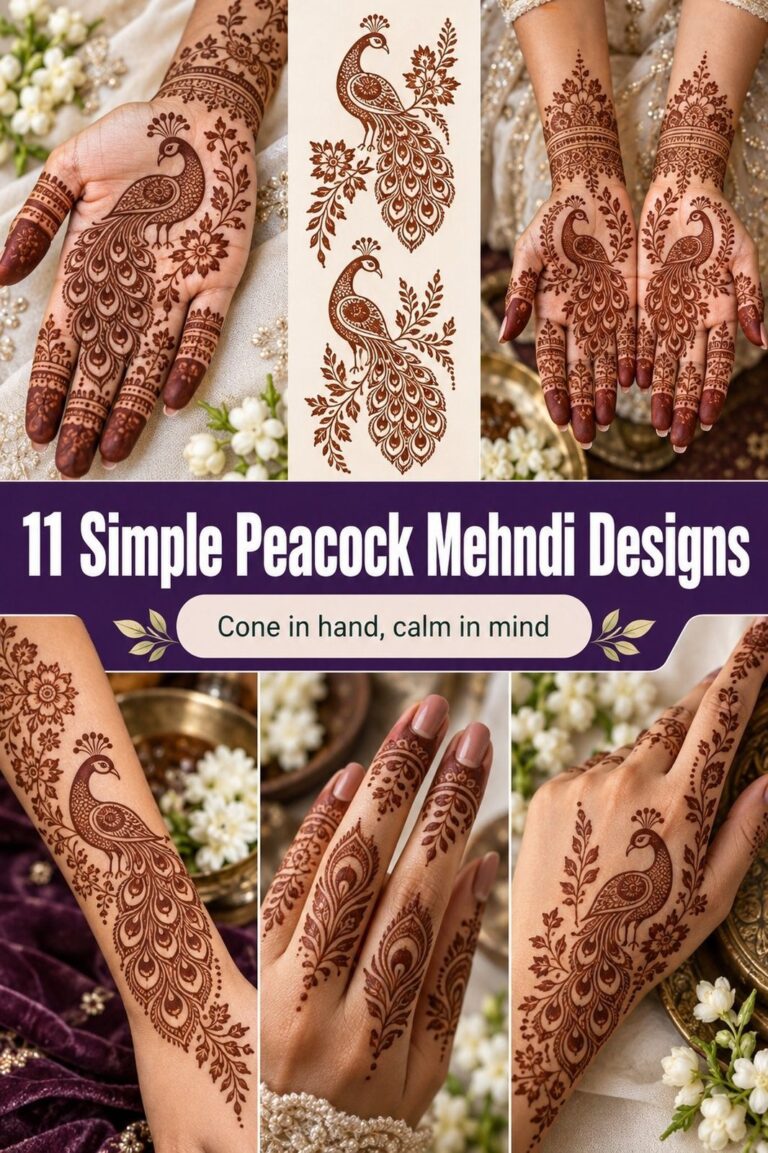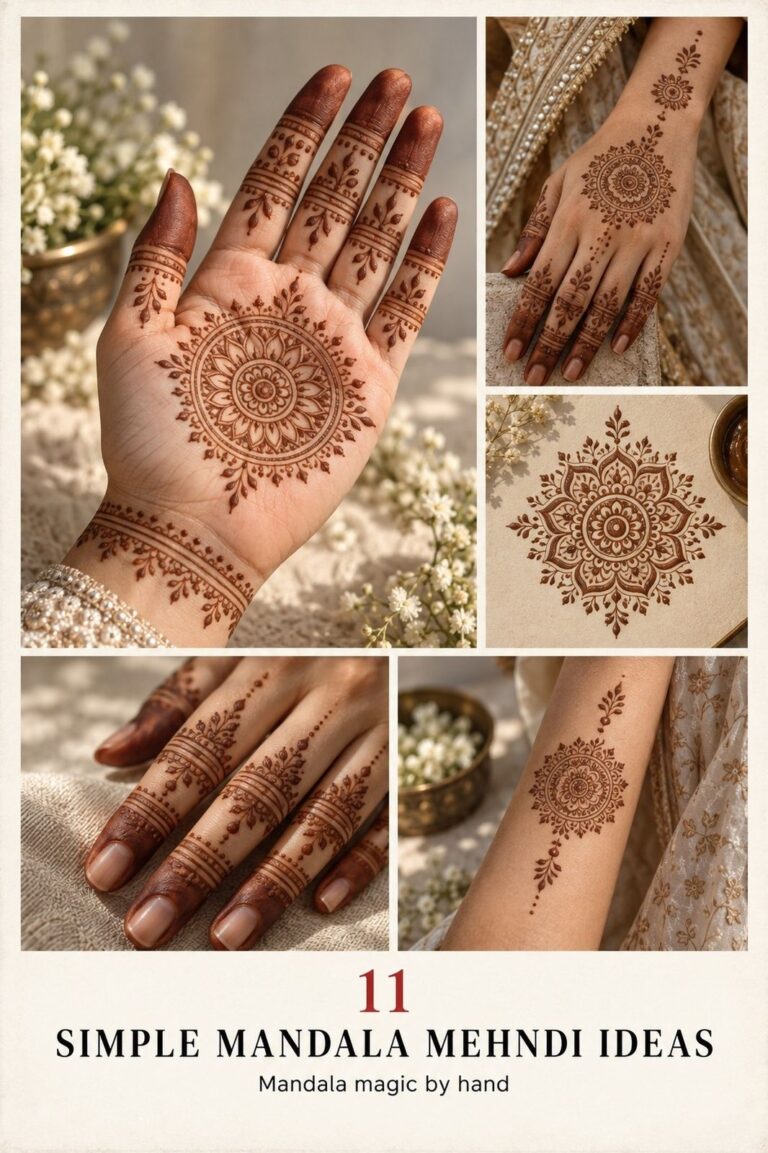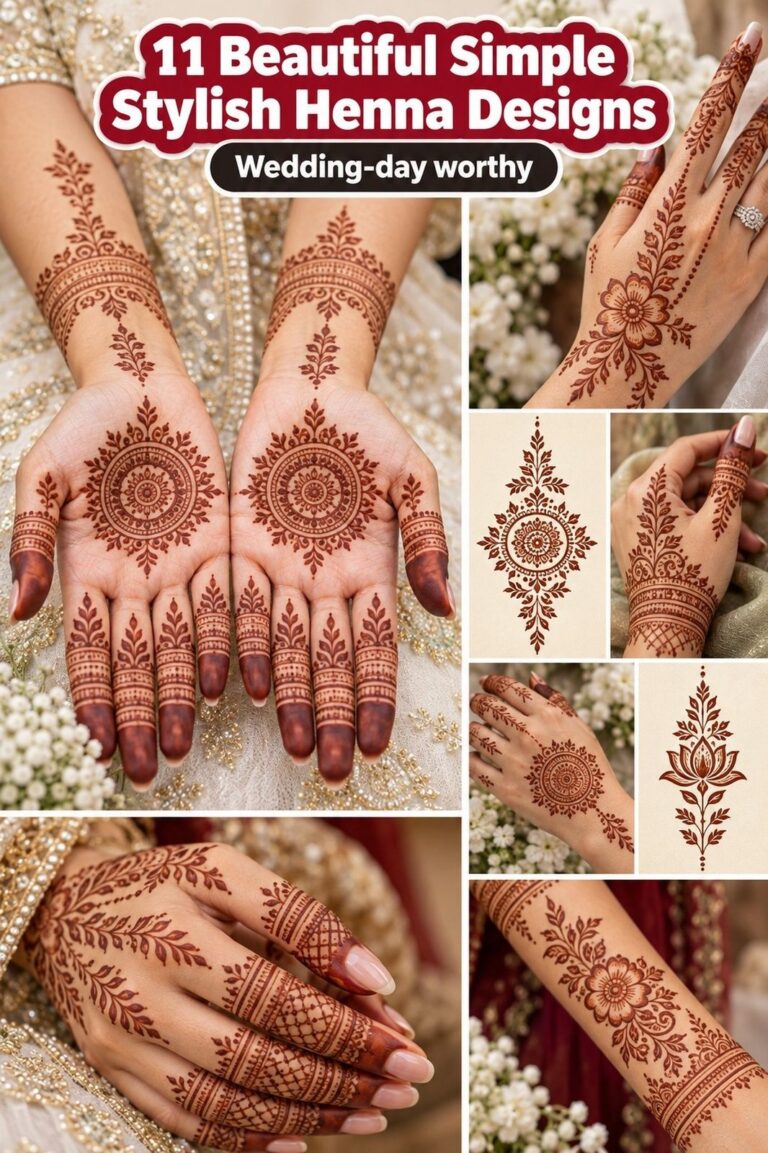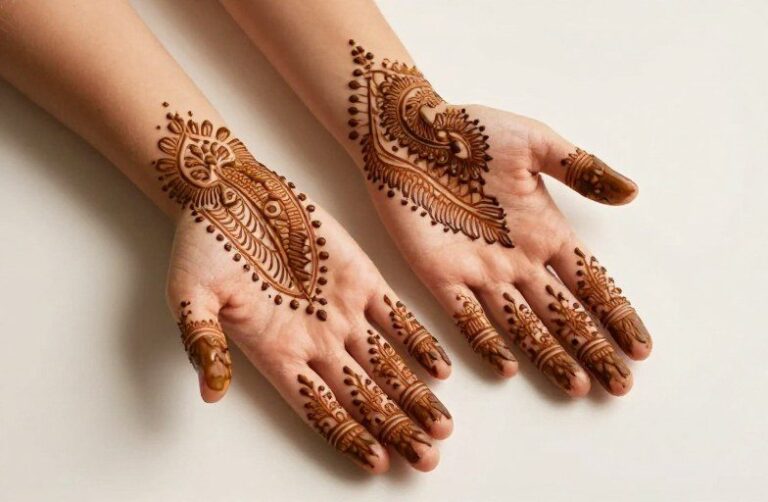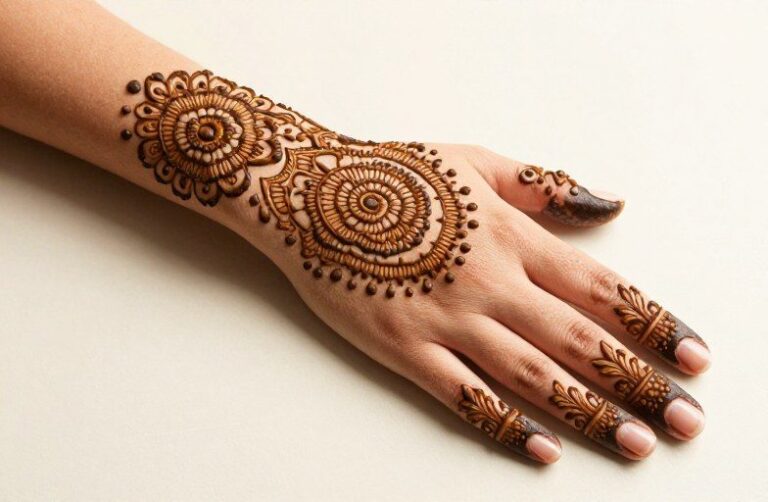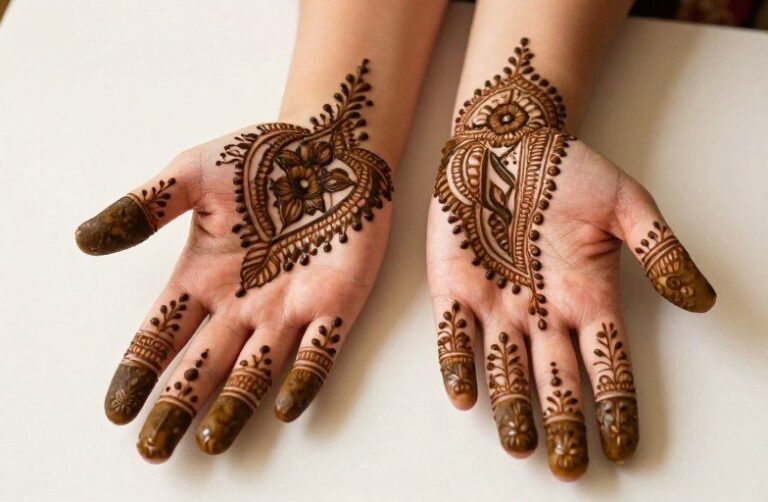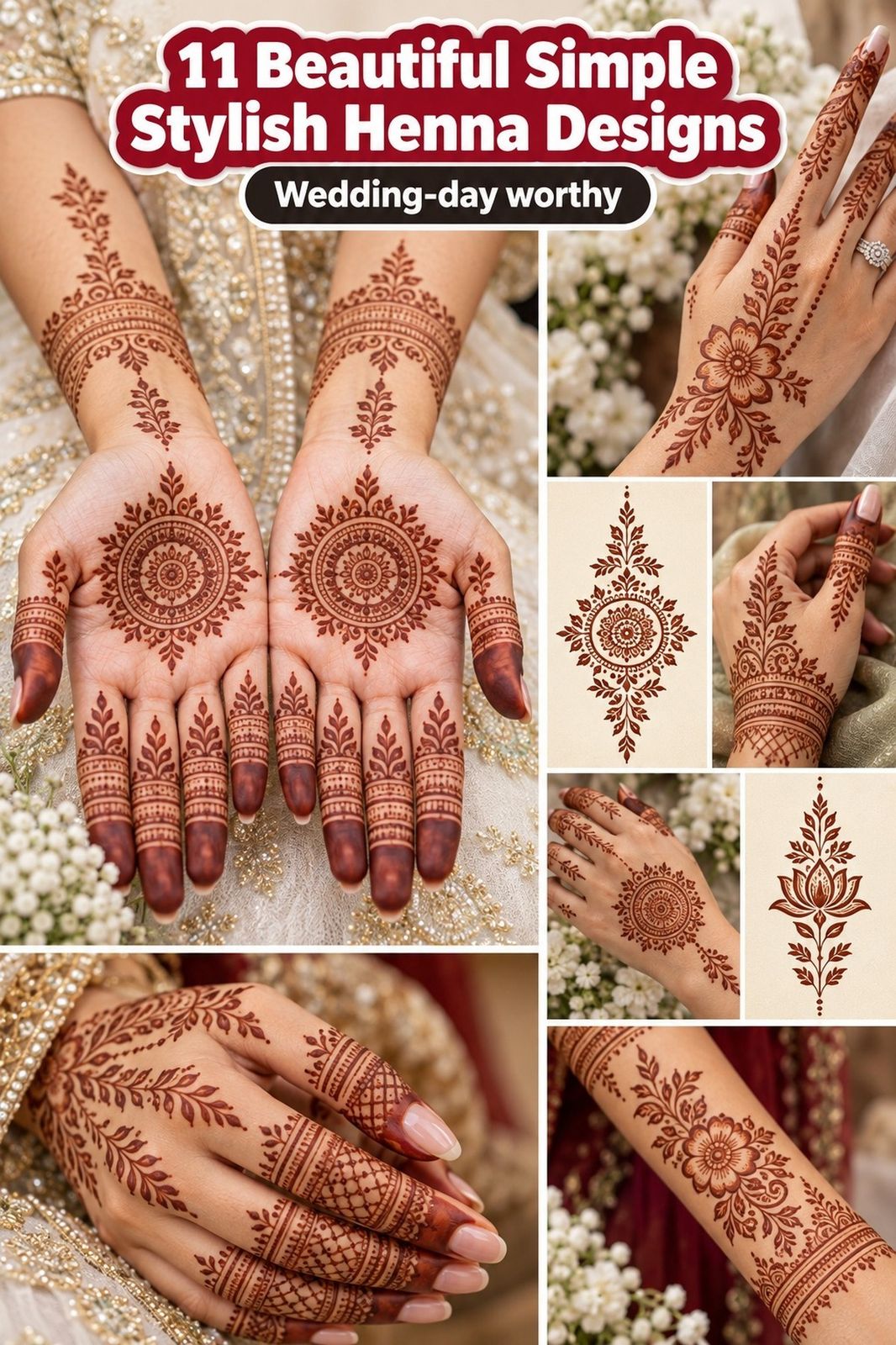
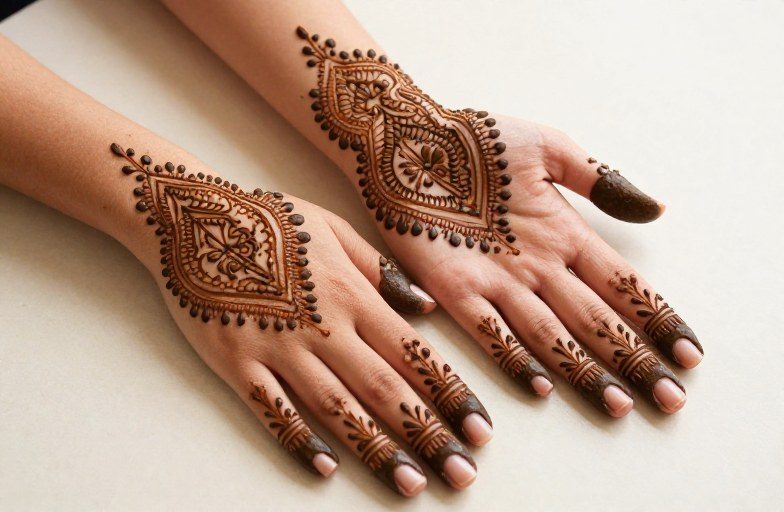
A henna-inspired tattoo, whether done with actual henna paste or permanent ink mimicking the style, carries layered meanings rooted in celebration, transition, and the acceptance of impermanence. Unlike permanent tattoos, traditional henna lasts one to three weeks, making the design itself a meditation on temporary beauty. When rendered in permanent ink, the wearer often embraces that same philosophy: marking a significant moment without clinging to permanence as the only valid form of commitment.
How It Ages on Skin
Traditional Henna vs. Permanent Ink
Actual henna stains the stratum corneum, the dead outer layer of skin. It starts orange-brown, darkens over 48 hours, then fades unevenly as skin exfoliates. Palms and soles hold color longest, dense skin, slower turnover. On the back of hands or forearms, expect noticeable fading within a week. The patchy final days aren’t a flaw; they’re part of the medium’s character.
Permanent henna-style tattoos age differently. Fine linework, especially the delicate paisleys, florals, and geometric fillers typical of the style, tends to blur over time. Lines that read as crisp at two years may soften significantly by ten. Shading holds better: stippled dots, solid black negative space, and broader geometric bands resist fading more effectively than hair-thin filigree. For longevity, artists often recommend slightly bolder linework than traditional henna would use, or placing fine details in high-turnover areas like palms only if you’re prepared for touch-ups.
Color Realism and Its Limits
Some clients request permanent ink in henna’s signature reddish-brown. Earth-tone pigments exist, but they shift unpredictably, some oxidize darker, others fade to muddy gray. Black ink remains the most stable choice for permanent henna-style work, and many experienced artists steer toward it for pieces meant to last decades.
Who Chooses This Tattoo
People drawn to henna-style tattoos often fall into overlapping categories. Travelers who received traditional henna in Morocco, India, or the Gulf states sometimes want a permanent reference to that experience. Others approach it from a design perspective: the intricate, lace-like quality suits those who prefer ornamental over illustrative tattooing. There’s also a practical cohort, people who love the aesthetic but can’t commit to permanent ink, so they rotate temporary henna or jagua (a blue-black fruit-based alternative) instead.
Notably, the choice often signals a comfort with visible, decorative work. Henna-style pieces typically flow across hands, feet, or forearms, hard to hide, impossible to ignore. The wearer generally accepts that visibility as part of the point.
Personal & Modern Meanings
Marking Transitions
In contemporary Western contexts, henna-style tattoos frequently mark life transitions: graduations, recoveries, marriages, divorces, coming-of-age moments. The temporary nature of actual henna suits this perfectly, a ritual for a defined period. Permanent versions extend that symbolism: the moment passes, but the mark remains as acknowledgment rather than preservation.
Femininity and Reclamation
The style carries strong feminine associations in many minds, though historically men wore henna too, particularly in some North African and Middle Eastern traditions. Modern wearers sometimes reclaim or reject that gendering deliberately. For some women, it’s an embrace of decorative tradition without submission to it. For some men, choosing the style challenges assumptions about what masculine tattooing looks like. The meaning lives in that choice, not the design itself.
- Impermanence as value: Choosing a temporary medium or referencing it permanently asserts that not all meaningful things last forever.
- Intentional visibility: Hand and foot placement refuses the concealment that much Western tattooing defaults to.
- Cross-cultural connection: Some wearers have genuine lineage ties; others engage respectfully without claim; the distinction matters and gets debated within communities.
Similar & Related Symbols
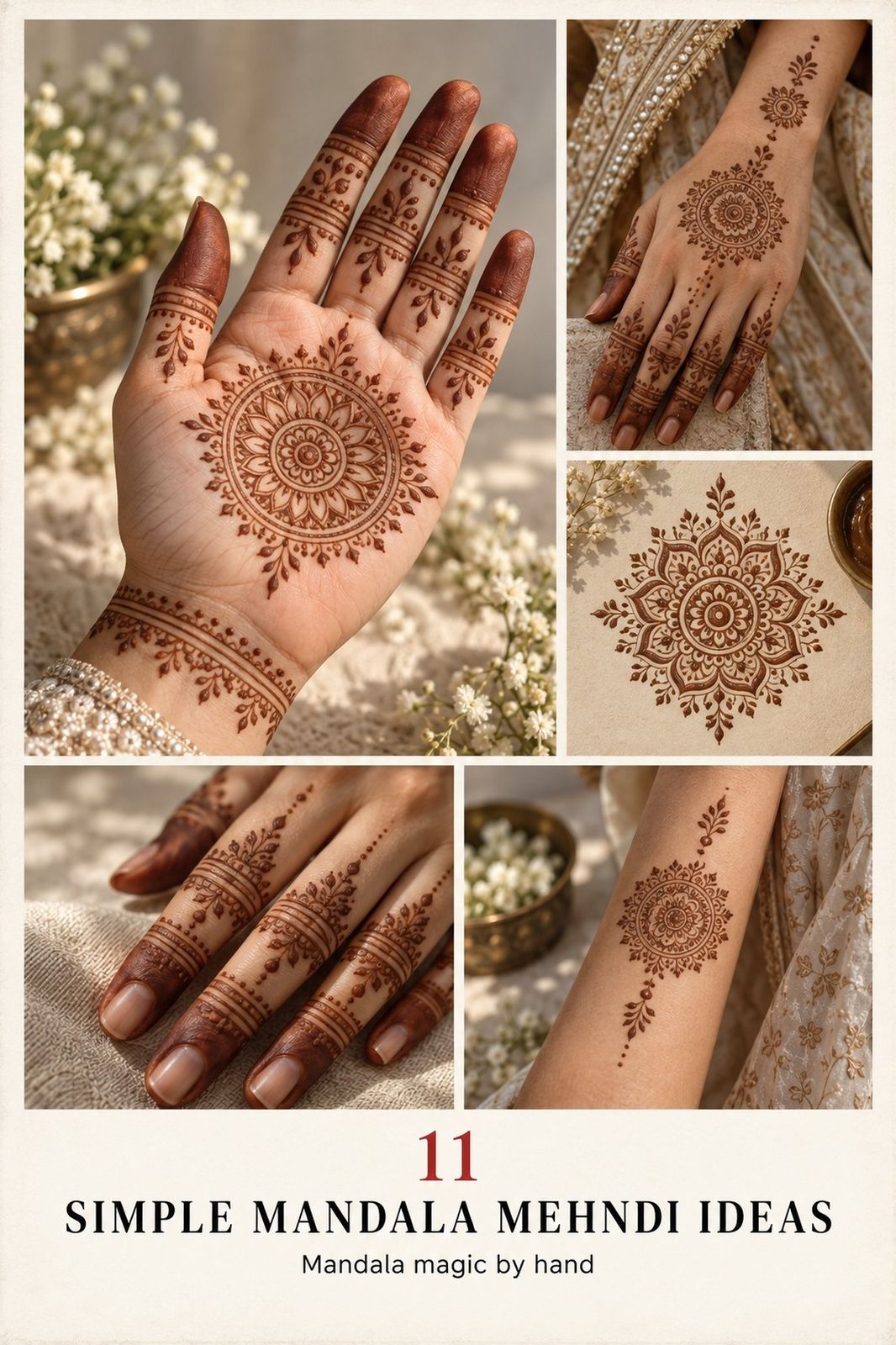
Mehndi, the art form itself, overlaps with several tattoo traditions worth distinguishing. Indonesian batik patterns share the organic, flowing quality but carry distinct regional symbolism. Celtic knotwork offers comparable interlaced complexity but derives from entirely different cultural roots. Polynesian tribal patterns similarly use negative space and geometric repetition, though their specific motifs (enata figures, ocean waves, shark teeth) carry codified meanings absent in henna’s more decorative tradition.
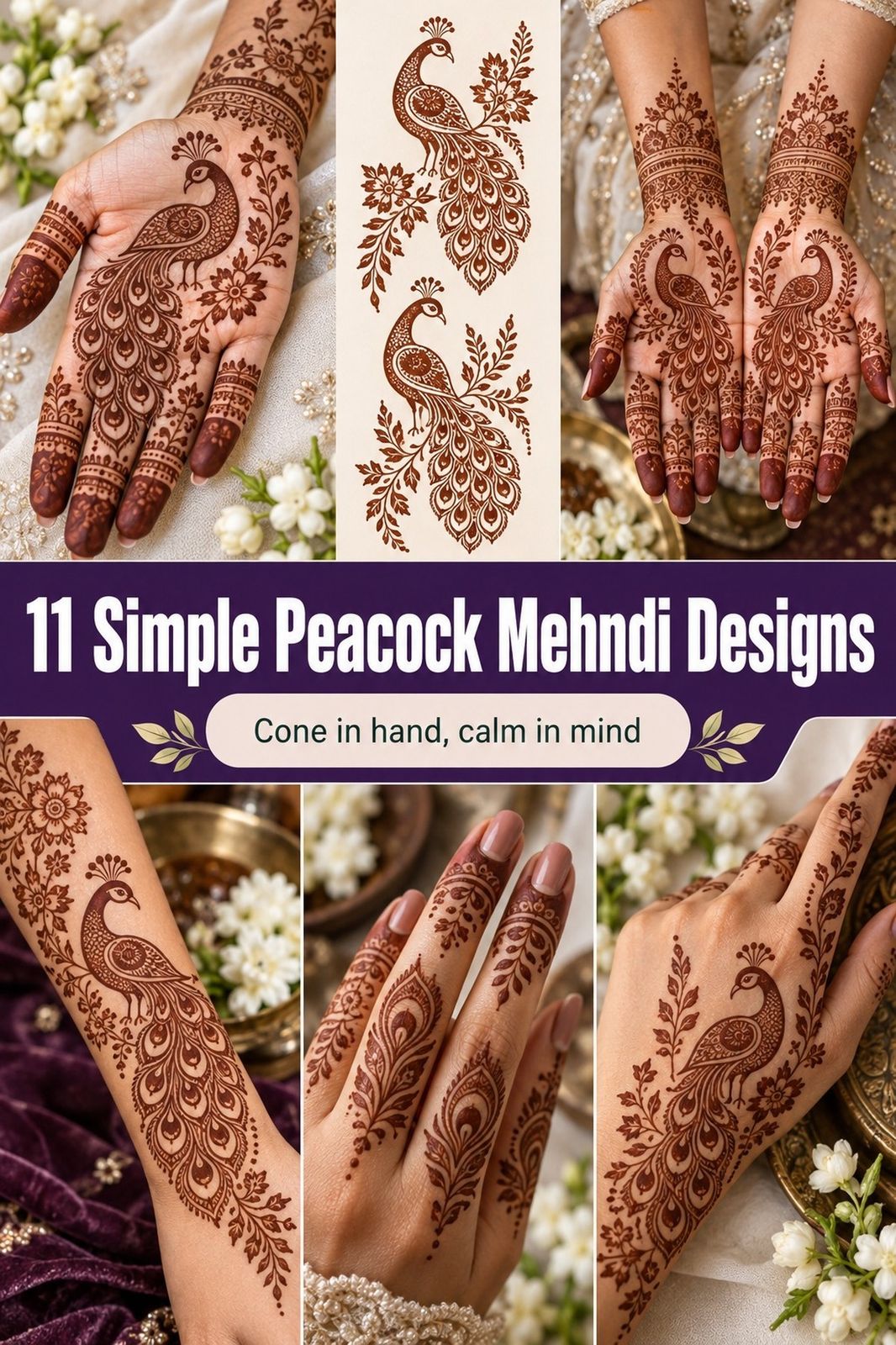
Within henna-style work itself, certain recurring elements carry loosely understood significance: paisleys often represent fertility or life sprouting; flowers suggest joy and beauty; the hamsa hand or evil eye motifs, when incorporated, add protective associations borrowed from broader Middle Eastern and North African symbolism. Vine and leaf patterns suggest growth and connection. These aren’t rigid dictionaries, though, regional variation is enormous, and contemporary artists freely combine elements without strict traditional adherence.
History & Cultural Roots
Geographic Spread
Henna’s use is often linked to ancient Egypt, mummies show henna-dyed hair and fingernails. Some trace it to the Bronze Age Levant, others to the Indian subcontinent where mehndi remains deeply embedded in wedding rituals. The practice spread through trade routes and Islamic expansion, embedding differently in each region: Moroccan naqsh favors dense geometric precision; Indian bridal mehndi covers entire hands and forearms; Gulf styles often emphasize large floral motifs with bold negative space.
Colonial Context and Modern Tensions
The globalization of henna, sold at music festivals, beach boardwalks, and yes, retail chains like Target, has generated legitimate friction. White-washed “henna” kits with synthetic dyes, stencil shortcuts, and no cultural context represent extraction rather than exchange. The question of who can wear henna-style permanent tattoos sparks ongoing debate: some practitioners argue for strict lineage-based practice; others distinguish between respectful engagement and appropriation based on context, knowledge, and intention. There’s no consensus, and the conversation continues actively in tattoo communities and diasporic cultural spaces.
Best Placements
Hands and Feet: Traditional, Demanding
Palm placement offers maximum contrast, thick skin absorbs more stain, and the visual impact is immediate. But palms and soles also hurt more to tattoo permanently, and heal poorly due to constant use and moisture exposure. Finger tattoos, popular for delicate henna-style bands, fade fastest of any placement. Expect significant touch-up commitment if you go permanent here.
Forearms, Shoulders, and Back
These areas allow larger compositions with better longevity. The outer forearm, in particular, balances visibility with relatively stable skin. A full sleeve in henna style reads as ornate armor; a single band or cuff near the wrist references traditional bracelet mehndi without the full commitment. Upper back pieces can incorporate the large central motifs common in Indian bridal work, scaled appropriately.
- Behind the ear or nape: Small, discreet, but loses the hand-and-foot cultural resonance that defines much of henna’s identity.
- Ribcage or thigh: Accommodates larger flowing designs; less traditional but practically sensible for permanent work.
- Anklet or foot top: References traditional bridal placement; foot tops heal reasonably well, though shoes complicate aftercare.
The Bottom Line
A henna-style tattoo means whatever you bring to it, but it carries undeniable historical weight: celebration, transition, feminine-coded decoration, and the beauty of deliberate impermanence. Whether you buy a kit at Target for a weekend experiment, seek out a traditional practitioner for a wedding, or commit to permanent ink, the choice places you within that lineage, willingly or not. The best approach is informed: understand the roots, respect the living communities still practicing mehndi as sacred tradition, and make your placement and permanence decisions with eyes open to how the work will age, fade, and be read by others. The aesthetic is gorgeous; the responsibility is real.
Frequently Asked Questions
Can I get a permanent tattoo that looks exactly like real henna?
You can approximate the style, but perfect replication is difficult. Real henna’s organic stain variation and warm brown tone don’t translate directly to permanent ink. Black linework is the most stable alternative, though it reads differently.
Is it culturally appropriate for non-South-Asian people to get henna-style tattoos?
There’s no universal rule. Some practitioners welcome respectful engagement; others restrict the practice to those with lineage ties. Research, listen to diasporic voices, and avoid treating the style as mere aesthetic extraction.
How long does a Target henna kit actually last on skin?
Quality varies enormously by kit. Traditional henna with proper aftercare (sugar-lemon seal, avoiding water) typically lasts 1-3 weeks. Pre-mixed cones or stencils from mass retailers often use synthetic dyes that may stain faster but fade patchily within days.
What’s the difference between henna and jagua tattoos?
Henna comes from the Lawsonia inermis plant and stains reddish-brown. Jagua derives from Genipa americana fruit and stains blue-black, closer to permanent ink’s appearance. Both are temporary, but jagua is often marketed as a ‘black henna’ alternative, distinct plants, distinct results.