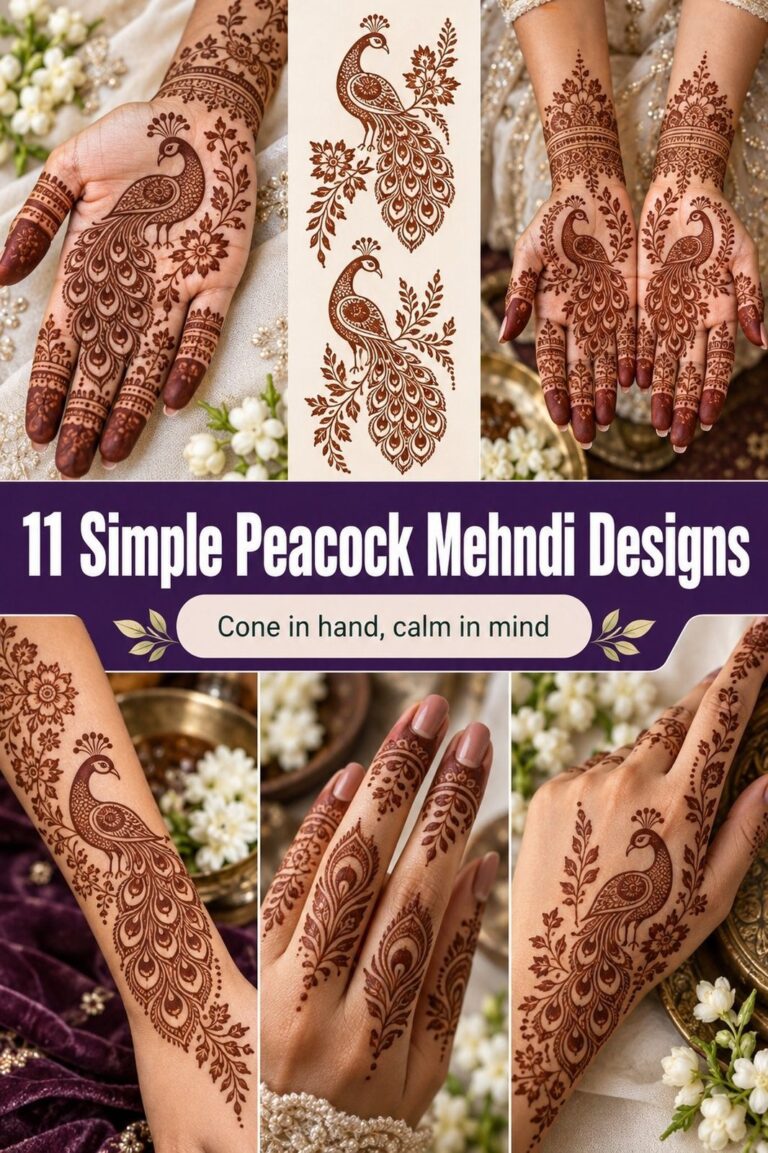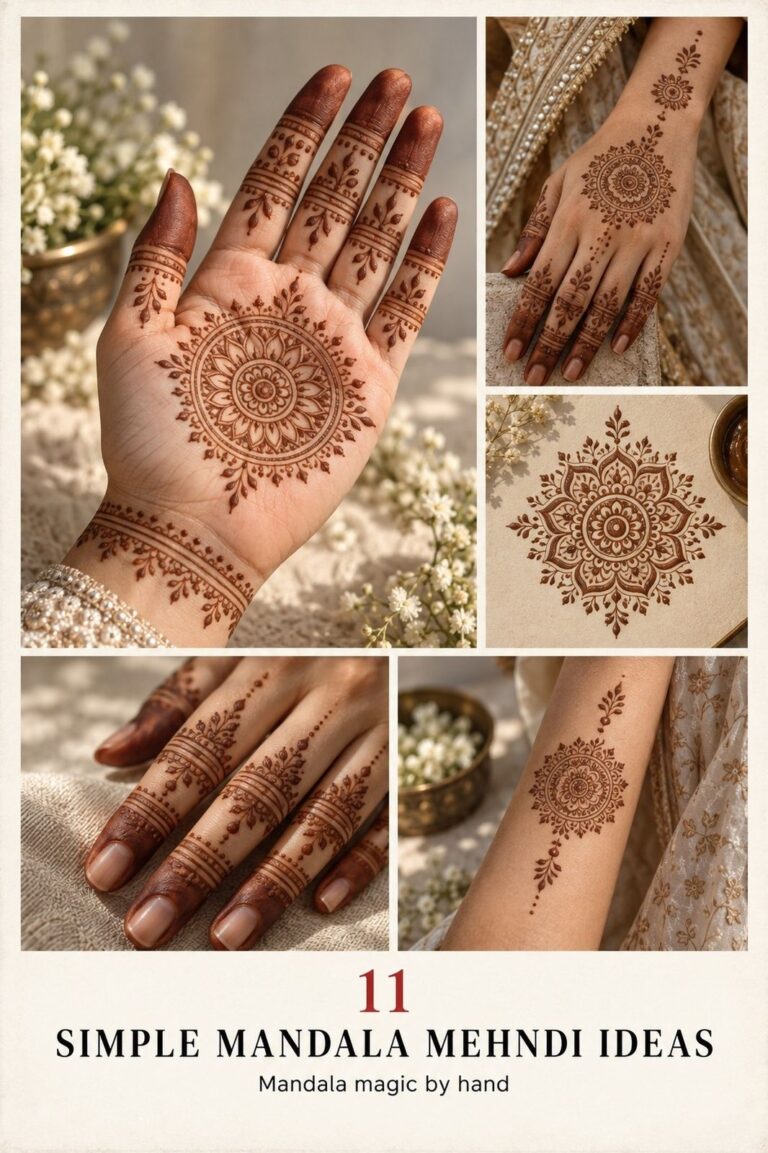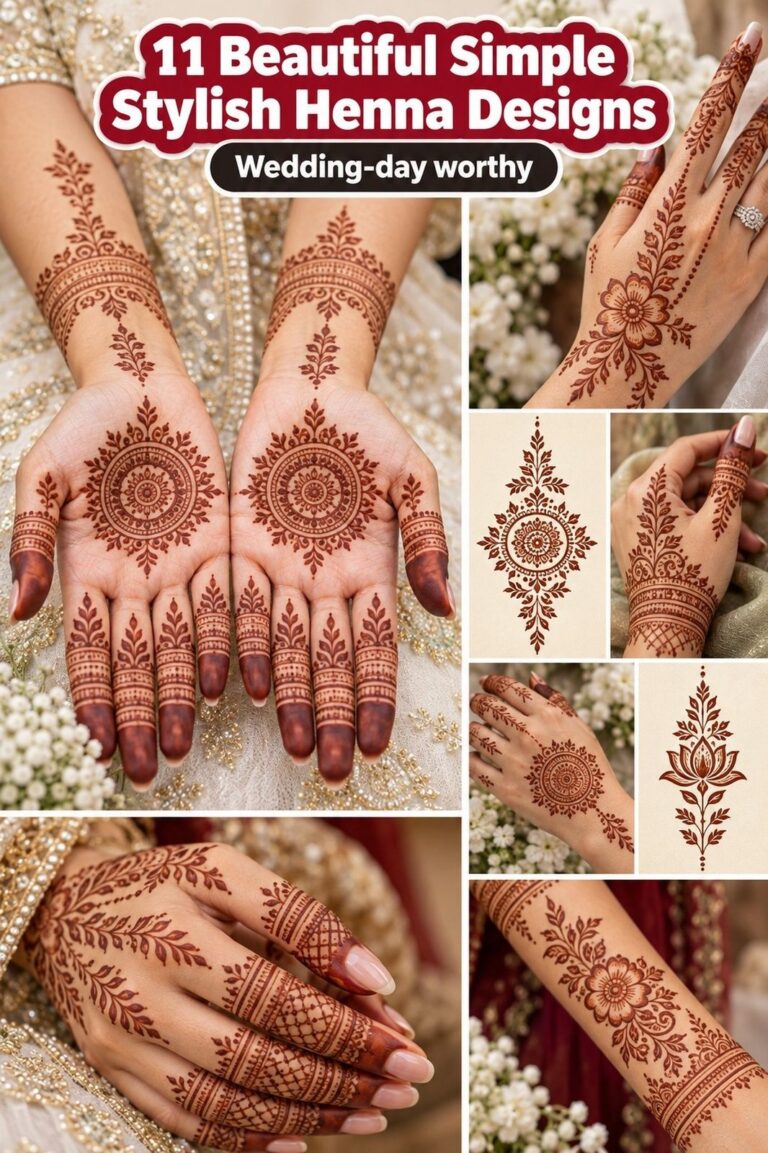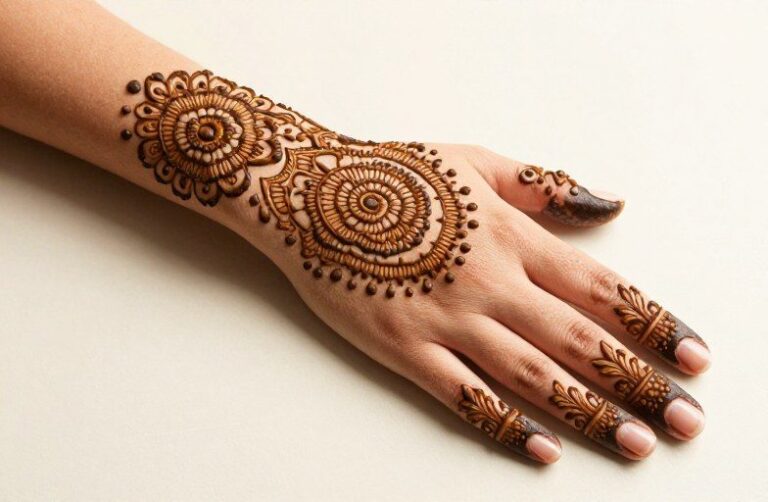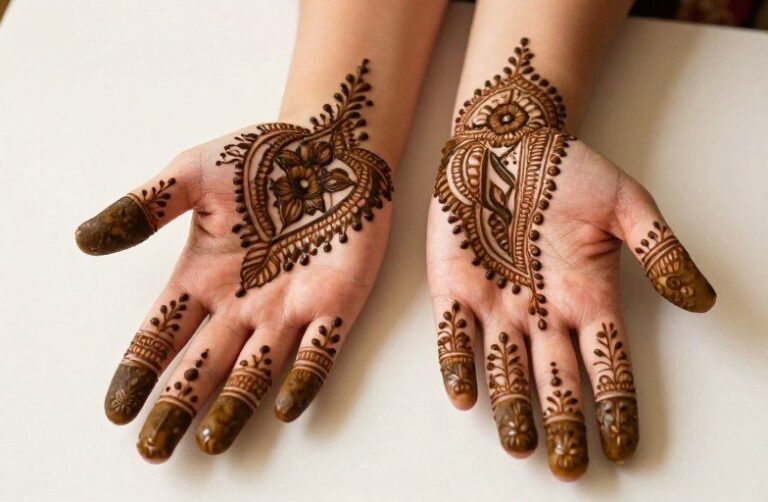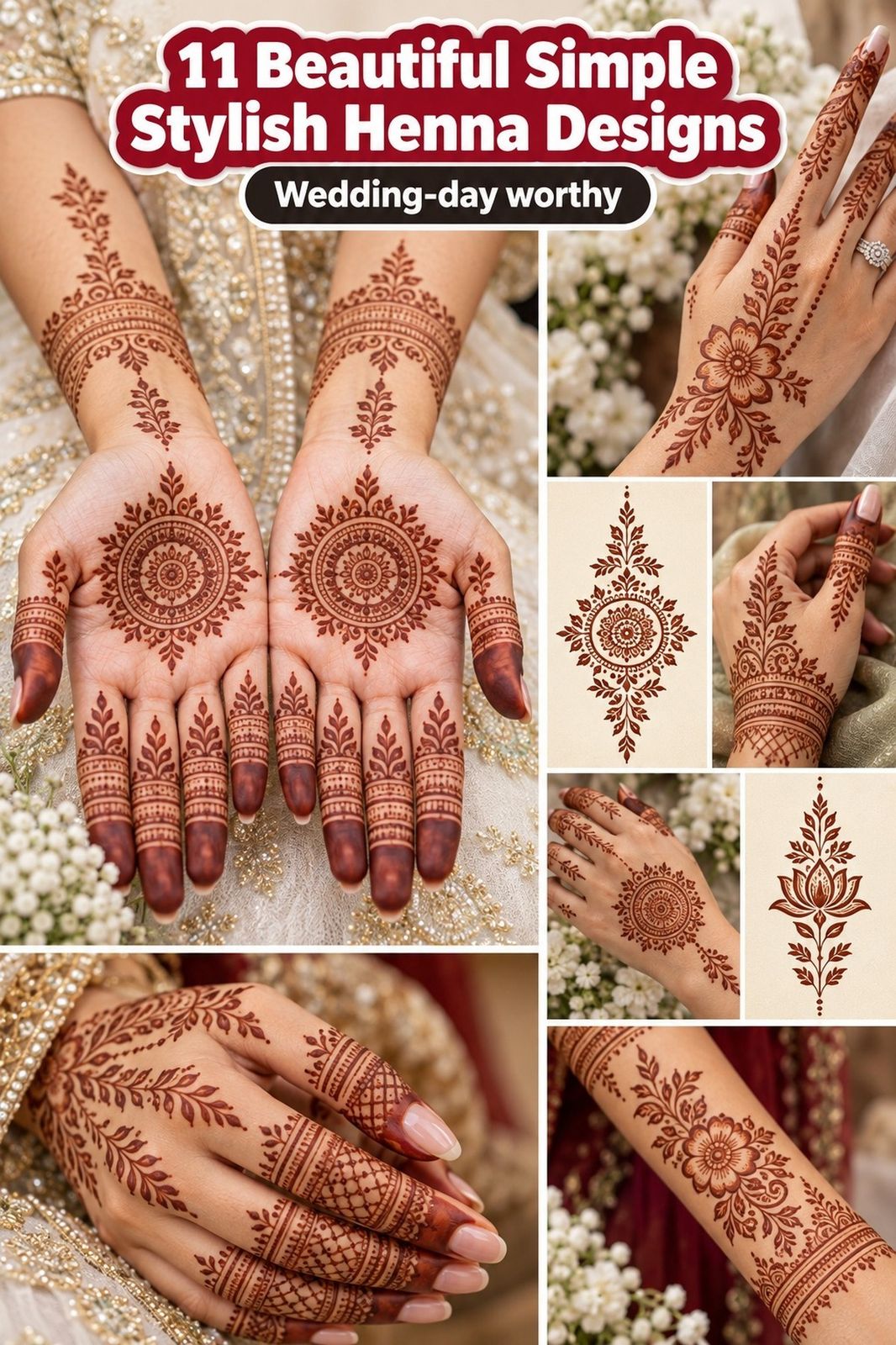
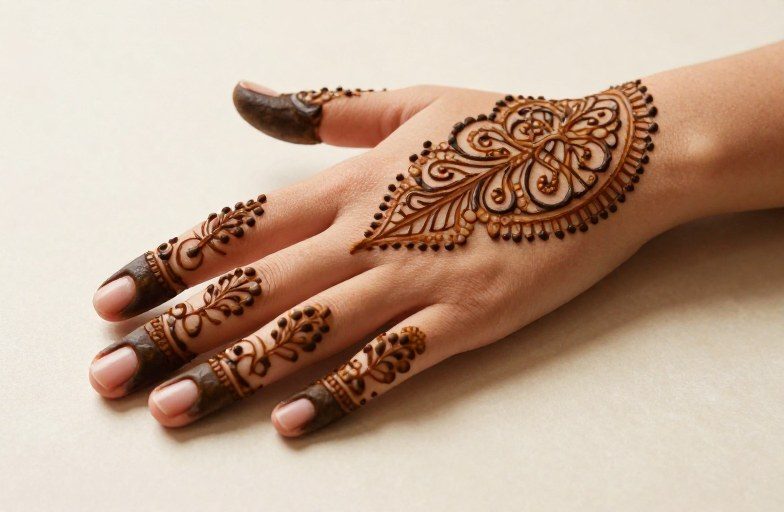
A henna finger tattoo most commonly signals blessing, protection, or a binding commitment. The finger placement amplifies this meaning, hands are how we touch, create, and connect with others, so marking them becomes an active, visible intention rather than passive decoration. In many traditions, the right hand specifically channels giving and action, while the left receives and reflects.
Mythology & Folklore
Henna’s ritual use stretches across North Africa, the Middle East, South Asia, and parts of the Horn of Africa, with finger applications holding particular weight in ceremonial contexts. The dye itself comes from the Lawsonia inermis plant, and its staining power has long been treated as almost magical, a mark that temporarily transforms skin without breaking it.
Protective Roots
Across multiple cultures, henna on fingers and fingertips was often linked to warding off the evil eye or misfortune. The dense, dark stain was believed to confuse malevolent spirits or force them to focus on the pattern rather than the person. Some trace this practice to pre-Islamic Berber and Bedouin traditions, where women applied henna before significant life transitions, marriage, childbirth, mourning. The fingers, being the most active and exposed part of the hand, received extra attention as the first line of spiritual defense.
Bridal and Ceremonial Binding
In South Asian wedding traditions, the mehndi ceremony places elaborate henna on the bride’s hands and feet, with finger details serving as a focal point. Darker stains, especially on fingertips, were traditionally read as deeper love or stronger bonds with the partner. Some trace this to folk beliefs that the color depth reflected the mother-in-law’s affection, though this has softened into a more general symbol of marital fortune. The fingers’ visibility meant the commitment was constantly displayed during daily tasks, cooking, greeting, praying.
Personal & Modern Meanings
Outside strict ceremonial use, henna finger tattoos have become personal shorthand for people who want symbolism without permanence. The temporary nature becomes part of the meaning, an intention held for a season, a commitment tested, a protection renewed.
Commitment Without Permanence
For people hesitant about permanent ink, henna offers a way to test how a finger tattoo feels functionally and socially. The placement is impossible to hide during handshakes, typing, eating. Wearing it temporarily lets someone experience that visibility before committing to a needle. Some use it as a trial run for wedding band tattoos; others mark recovery milestones, new beginnings, or the end of relationships without carrying the mark forever.
Reclamation and Identity
Members of diaspora communities sometimes use henna finger patterns to reconnect with heritage without the full weight of ceremonial obligation. It becomes a chosen identity marker rather than inherited expectation. Conversely, people outside these traditions sometimes adopt the style for aesthetic reasons, which carries its own tensions, context and understanding matter in how these tattoos read to different audiences.
Who Chooses This Tattoo
The finger placement attracts specific personality types and life situations. People in visible professions, teachers, healthcare workers, corporate roles, often choose henna precisely because it fades, allowing self-expression without policy conflicts. Festival-goers and travelers collect finger henna as temporary souvenirs. Brides and wedding parties remain the largest ceremonial group, though the demographic has broadened significantly.
There’s also a practical subset: people testing finger tattoo pain levels or healing patterns before committing to permanent work. The finger’s thin skin, constant movement, and exposure to friction make it one of the most difficult areas for permanent tattoo longevity. Henna reveals how the placement interferes with daily routines without the commitment.
How It Ages on Skin
Understanding henna’s aging process is crucial to appreciating its meaning, the temporary nature isn’t a flaw but a feature.
The Stain Timeline
Fresh henna paste cracks and flakes off over 6-12 hours, leaving an orange stain that deepens to reddish-brown over 24-48 hours. Peak darkness hits around day two or three. On fingers, the stain typically lasts 1-2 weeks, shorter than palms or soles because fingers wash more frequently and skin regenerates faster. The fingertips and sides of fingers fade first; the central palm side of the finger holds color longest.
Factors That Accelerate Fading
- Frequent handwashing and sanitizer use strip the stained skin layers faster
- Chlorinated pools and salt water bleach the dye
- Exfoliating soaps and scrubs remove stained cells prematurely
- Oil-based moisturizers can slightly protect but won’t dramatically extend life
- Skin chemistry varies, some people simply stain lighter or fade faster
This impermanence shapes the meaning. A henna finger tattoo is an active choice to reapply, to maintain, or to let go. Unlike permanent ink that becomes background, henna demands periodic renewal, making each application a fresh decision.
Design Tips & Pairings
Finger space is minimal and highly visible, so design choices carry extra weight. The narrow canvas favors certain approaches over others.
What Works on Fingers
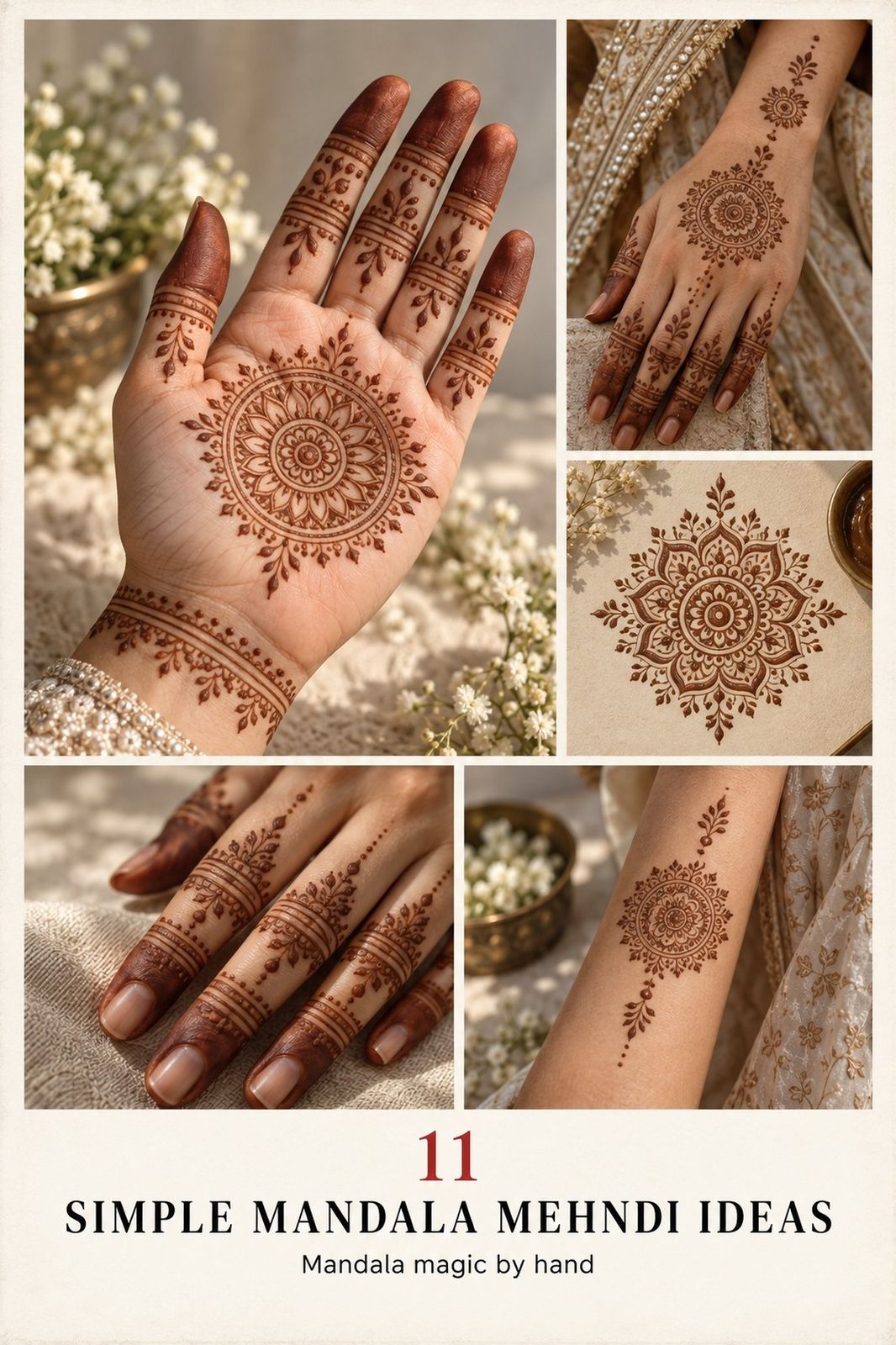
Simple bands wrapping the finger, small dots at joints, teardrop shapes, and tiny floral buds read clearly from conversational distance. Intricate lace patterns that work on the back of the hand often collapse into muddy blur on fingers. Line-based designs hold definition better than heavy fill. The fingertip itself takes henna poorly, the thick, callused skin stains unevenly, so most artists avoid central fingertip coverage unless going for deliberate texture.
Pairing with Hand Patterns
Connecting finger henna to larger hand designs creates visual flow. Common approaches include:
- Vines extending from wrist or palm onto specific fingers, directing the eye
- Matching patterns on corresponding fingers of both hands for symmetry
- Accent fingers, one or two fingers detailed while others stay bare for contrast
- Ring-finger emphasis, echoing wedding band placement
Color-wise, natural henna ranges from orange to deep rust-brown. “Black henna” containing PPD (para-phenylenediamine) is a known allergen and not traditional, avoid it. White henna isn’t henna at all but body paint or adhesive with no staining properties.
Common Variations & Styles
Regional traditions offer distinct finger approaches worth understanding before choosing.
Moroccan Fassi style: Geometric, architectural patterns with bold lines and negative space. Fingers often carry repeating diamond or cross shapes with strong joint emphasis.
Khaleeji (Gulf) style: Dense, lace-like coverage with floral elements. Fingers frequently show full staining with delicate pattern overlay, creating almost glove-like appearance.
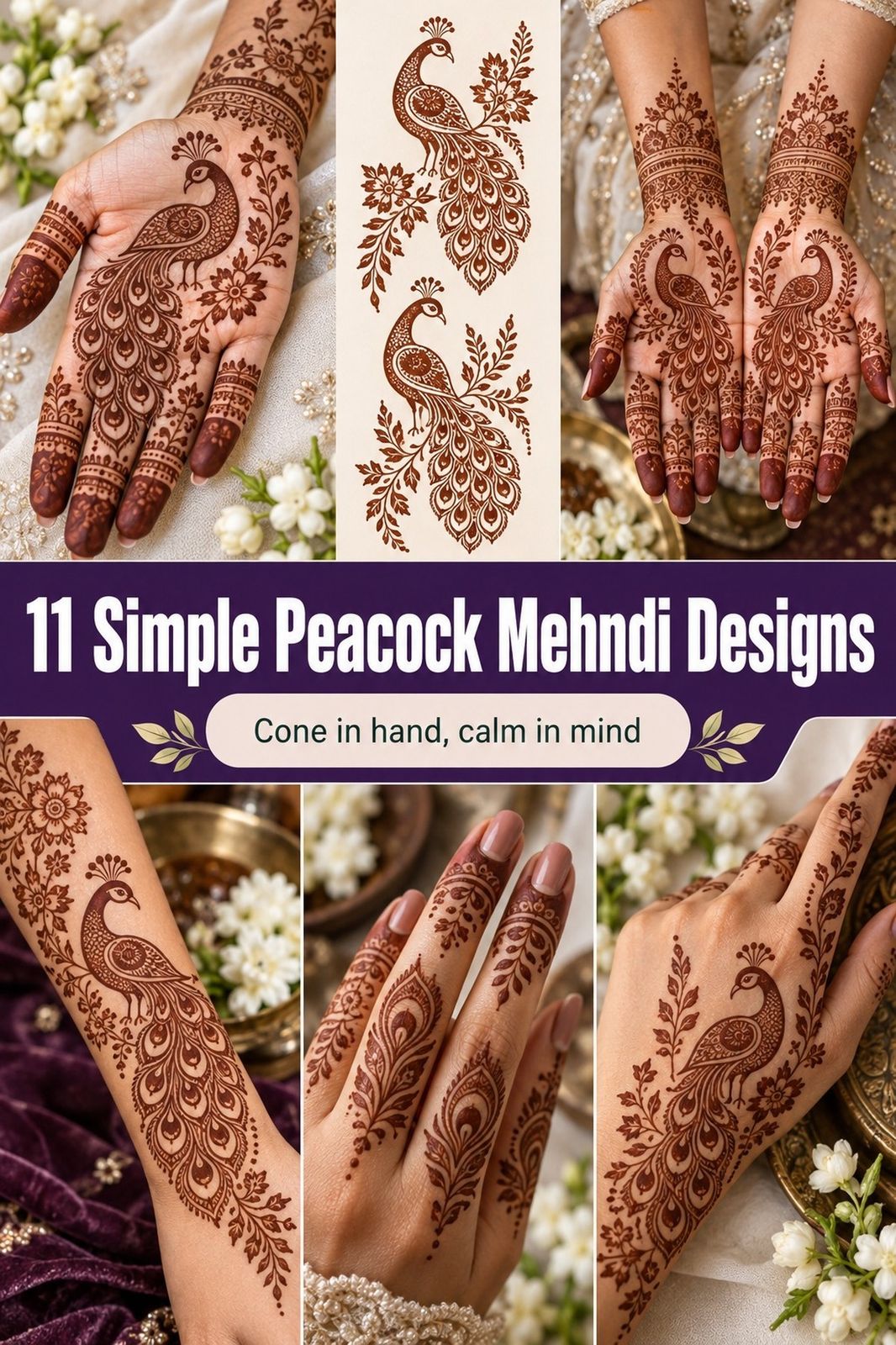
Indian/Pakistani mehndi: Highly detailed with paisley, peacock, and figurative elements. Fingers typically extend the palm’s narrative with trailing vines or specific symbolic motifs like the sun or lotus.
Modern minimalist: Single lines, tiny symbols, or word fragments. Often applied with cones for precision, sometimes using jagua (a South American fruit dye) for blue-black tones that read as more tattoo-like.
Each style carries different cultural weight. Wearing a style disconnected from your own heritage without understanding its context can read as appropriation rather than appreciation.
Final Thoughts
A henna finger tattoo occupies an interesting space between ornament and statement, temporary and meaningful, personal and cultural. Its meaning ultimately depends on the wearer’s intention, the pattern chosen, and the context of application. The finger placement ensures it’s never purely private, this is a tattoo meant to be seen, used, and eventually released. Whether marking a marriage, testing a permanent decision, reconnecting with roots, or simply enjoying beautiful pattern, the meaning holds for its duration and then gracefully lets go. That transience, far from diminishing the symbol, may be its most honest feature.
Frequently Asked Questions
Does a henna finger tattoo hurt?
No. Unlike needle tattoos, henna sits on the skin surface. The paste dries and flakes off naturally, leaving a stain in the upper dead skin layers. You might feel slight tingling from natural oils in the paste, but no pain or breaking of skin occurs.
How long should I leave henna paste on my fingers?
Keep the paste on 6-12 hours for best results. Longer contact with skin and air oxidation deepens the final stain. Avoid washing during this time; scrape off dry paste rather than rinsing with water for maximum darkness.
Can I get a permanent tattoo over henna-stained skin?
Wait until the henna stain has completely faded. The stained skin layer is technically dead and shedding; tattooing over it would place ink in cells that are already sloughing off. Most artists recommend waiting 2-4 weeks after henna fades before permanent work.
Why did my finger henna turn out orange instead of dark brown?
Fresh henna always starts orange and darkens over 24-48 hours as lawsone molecules oxidize. If it stays pale, the paste may have been old, poorly mixed, or removed too soon. Finger skin also stains lighter than palms or soles due to faster cell turnover and thinner stratum corneum.